Reward Structure and Primogem Potential
The Blazing Spirit track is where the good stuff lives. You'll snag the Rainbow Serpent's Rain Bow at 200 points (honestly, grab this first), then 60 Primogems each at 400, 600, 800, 1000, and 1200 points. The Crown of Insight at 1200 points is the cherry on top.
But wait, there's more. The Points rewards run a separate track with their own Primogem pools and some genuinely cool cosmetics – that Soulblaze Snowman: The Warrior at 6000 points has been my desktop wallpaper for weeks.
Total Primogem haul? Over 1,120 across both tracks. That's seven wishes worth of currency for what's essentially a fun winter distraction.
Understanding the Random Matchmaking System in Genshin 6.2
The 6.2 algorithm is actually pretty sophisticated – it's not just throwing random players together anymore. It weighs your Adventure Rank, how you've been performing in previous event runs, connection stability, and even regional proximity to minimize lag.

Each mini-game maintains its own queue, which is smart:
- Snowtrace: 2-4 players
- Frontier Recon: 1-3 players
- Jade Pitching: 1-4 players
- Trial of Valor: 1-4 players
What I've noticed is that the system gives priority to players who haven't completed their daily objectives yet. This keeps those peak hour waits down to 30-60 seconds, which is honestly impressive for a game this size.
Teams typically feature players within a 10-15 Adventure Rank spread, but there's some skill compensation happening behind the scenes. You'll often see experienced players paired with newcomers – presumably to help carry them through tougher content while keeping things balanced.
High-population servers like America and Europe maintain robust player bases throughout the day. Smaller regions might see 2-3 minute waits during off-peak hours, but nothing too painful.
Essential Preparation: Character Builds and Resource Management
Best Characters for Random Co-op Mini-Games
After extensive testing, Jahoda emerges as the optimal F2P choice here. Her Energy Recharge scaling and reliable off-field damage work across all four mini-games, which is exactly what you want when you don't know what team comp you're walking into.
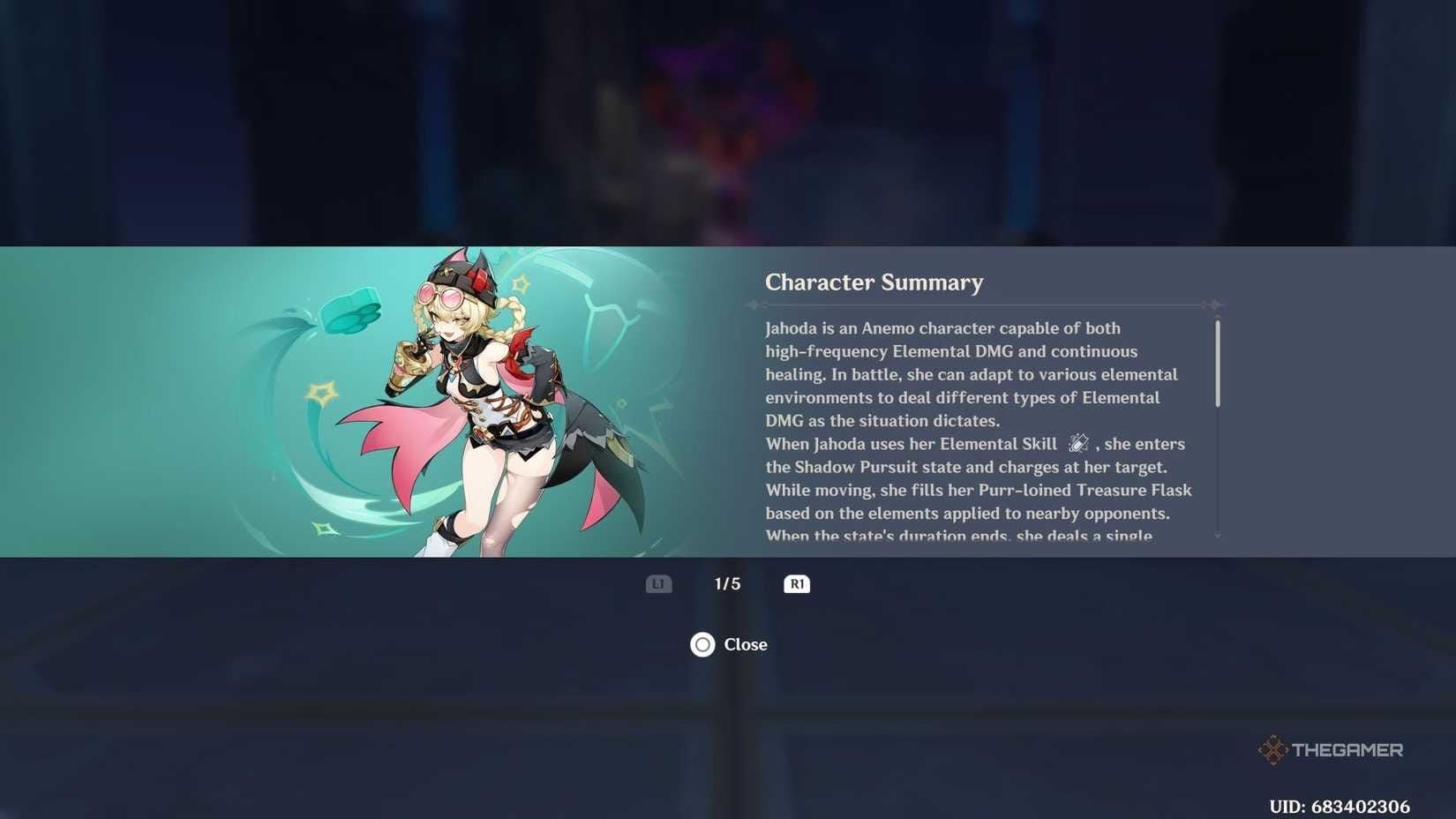
Venti got some meaningful buffs in 6.2 – enhanced Stormeye positioning and improved Swirl damage – making him invaluable for Snowtrace's vertical gameplay and Trial of Valor's crowd control scenarios. If you've got him built, he's worth bringing.
Fischl provides that consistent off-field damage we all love, Faruzan offers solid Anemo support with excellent ER synergy, and Collei serves as your Dendro support option when reactions matter.
Flexible Build Strategies for Unknown Team Compositions
Here's where most guides get it wrong – they optimize for damage when you should be optimizing for consistency.
Prioritize 180-200% Energy Recharge over raw damage output. You want your Burst available when the team needs it, not when your rotation is perfect. Use utility artifact sets: Viridescent Venerer for Anemo characters, Noblesse Oblige for support roles, Emblem of Severed Fate for ER scaling characters.
The Rainbow Serpent's Rain Bow provides a 56% ATK off-field buff that benefits literally any team composition, which is why I recommend grabbing it first.
Don't forget food buffs for stamina reduction and cold resistance. Extended Dragonspine sessions will drain your stamina faster than you think.
Snowtrace: Complete Tactics for Random Teams
Think hide-and-seek meets treasure hunting in a blizzard. You're collecting gold coins while managing Cold accumulation, and scoring rewards both individual collection and team coordination through sequence bonuses and simultaneous collection multipliers.
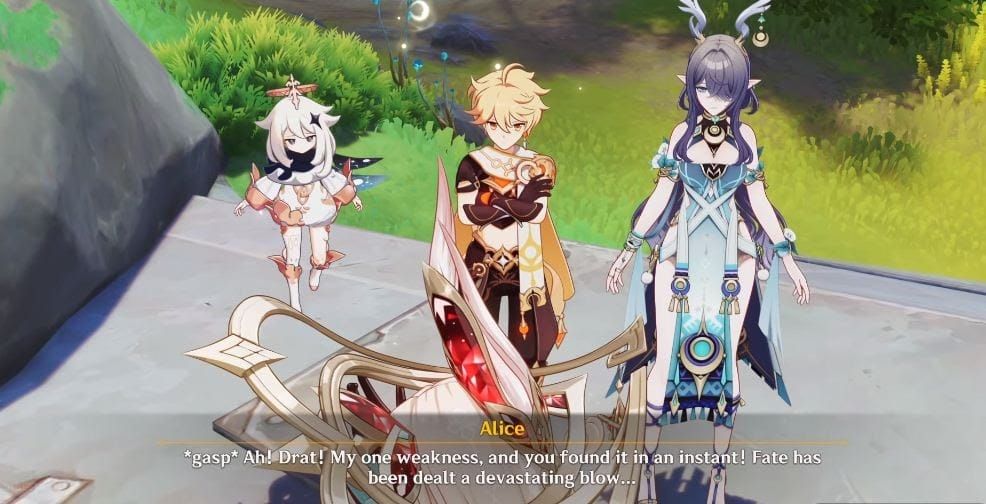
The snowstorm phases are where things get interesting – visibility drops to almost nothing and Cold builds up faster, but these create natural rally points where teams tend to regroup.
Offensive vs Defensive Strategies
Aggressive collection means targeting those high-value coin clusters with mobile characters like Venti or Kazuha. You'll take more Cold damage, but the payoff can be worth it if your team can support you.
Conservative strategies emphasize sustainable routes with regular warming breaks. This is more reliable with random teams since you can't count on perfect coordination.
In practice, hybrid approaches work best. Adapt based on how your teammates are moving and how well you're performing in the first few minutes.
Vertical positioning gives you visibility advantages and escape routes when things go sideways. Establish rally points at recognizable landmarks – the Statue of Seven, major ruins, anywhere that's easy to find in a snowstorm.
Share warming sources and keep an eye on teammate Cold status through the visual indicators. A frozen teammate helps nobody.
Frontier Recon: Optimal Routes and Speed Techniques
These are sprint courses with your Saury-Saury Scout companion, collecting Adventure Coins within time limits. Multiple branching paths offer guaranteed collections on primary routes versus bonus rewards through secret passages.
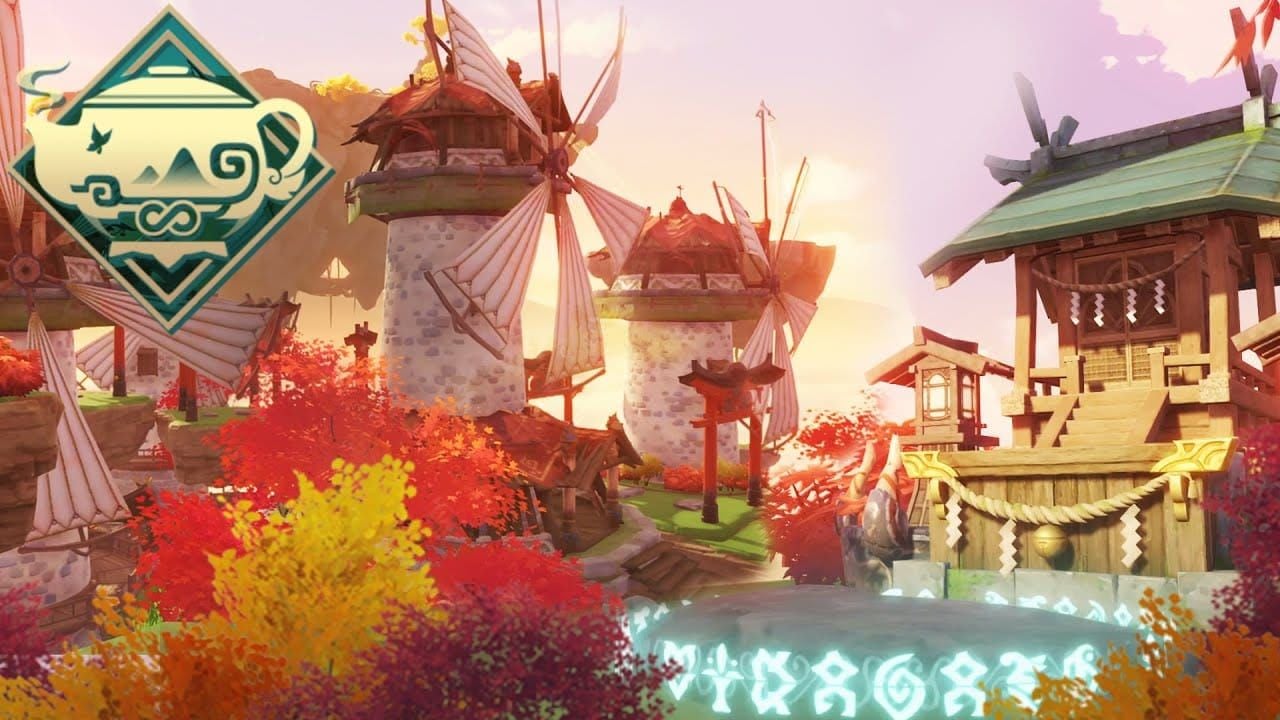
The checkpoint system creates natural regrouping opportunities and route selection decisions, which is crucial when you're working with random teammates who might not know the optimal paths.
Movement Mechanics and Character Advantages
Alternate sprint bursts with stamina recovery using environmental features – wind currents, downhill slopes, anything that lets you maintain momentum without burning stamina.
Jahoda's mobility and ER focus excel across varying course designs. Venti's 6.2 wind current buffs provide unparalleled traversal options. Alternative picks include Sayu for rolling mechanics, Yelan for breakthrough sprint, and Wanderer for aerial maneuverability.
Advanced techniques like animation canceling for direction changes and precise environmental interaction timing become valuable when you're carrying random teammates through challenging sections.
Jade Pitching: Speed Completion Guide
Precision targeting with snowball mechanics that scale from individual challenges to team competitions. Snowball ammunition spawns at predictable intervals, with priority targets offering higher point values.
Environmental objects serve double duty as ammunition sources and strategic cover, which becomes important in the team-based rounds.
Team Coordination and Role Specialization
Designate roles early: collectors for ammunition gathering, precision shooters for high-value targets, support players for environmental hazards. Adaptive role assignment based on early performance optimizes your team composition without forcing anyone into roles they can't handle.
Use character positioning and emotes for target priority communication. Complex chat coordination rarely works with random teams – keep it simple.
Target construction follows size and stability requirements that affect point values. Focus fire on foundation elements for efficient destruction, and balance construction and destruction phases with clear timing transitions.
Trial of Valor: Defense and Endurance Strategies
Traditional domain combat with hero styles and Secret Strategems. Monster encounters follow predictable escalation patterns, but environmental hazards like avalanche zones, extreme cold, and unstable terrain keep you on your toes.
Secret Strategems provide temporary buffs that require coordinated usage timing – this is where communication becomes crucial.
Optimal Positioning and Team Coordination
Prioritize defensive positioning with natural cover and escape routes. Use elevation advantages for ranged characters while maintaining team cohesion for mutual support.
Balance damage output with survivability through proper spacing to avoid AoE attacks while enabling team synergy. For challenging encounters that require character optimization, the genshin co op mini game primogem top up service through BitTopup provides fast, secure Genesis Crystal access for resin refreshes and enhancement materials.
Visual communication through character positioning works better than chat. Standing near enemies indicates target priorities, moving away signals danger zones.
Elemental reaction coordination provides damage benefits and timing communication. Establish emergency protocols for revival and retreat scenarios before you need them.
Communication and Etiquette in Random Matchmaking
Universal Signals and Quick Chat
Master the timing of quick chat options – Follow me,Wait,Good job – without overwhelming your teammates with constant chatter. Context varies by mini-game: minimal directional calls in Snowtrace, timing coordination in Frontier Recon.
Character positioning serves as your primary non-verbal communication. Standing near objectives signals readiness, moving away indicates caution or danger.
Use consistent emote patterns: pointing for direction, waving for attention, sitting for waiting. Elemental skill usage without damage intent can signal readiness or highlight important locations.
Leadership through example proves more effective than trying to give direct instructions to random players who might not even speak your language.
Handling Difficult Situations
AFK detection kicks in within 60-90 seconds. Adapt your strategies for reduced team size rather than waiting around for someone who's clearly not coming back.
For problematic players: maintain safe distances from aggressive types, provide clear leadership for passive types. Prioritize completion over conflict resolution – you're here for rewards, not to fix other people's attitudes.
Use the reporting system for persistent issues and blocking for repeat offenders. Life's too short for toxic co-op experiences.
Reward Optimization: Maximizing Event Returns
Daily Route for Maximum Efficiency
Here's what works best: Start with Frontier Recon for the highest Blazing Spirit per time invested, then Trial of Valor for talent materials, Snowtrace during peak hours for fast matching, and finish with Jade Pitching for precision practice.
Target 90-120 minutes daily for complete progression without burning out. Shop priority should be Rainbow Serpent's Rain Bow first (200 Blazing Spirit), then Refined Hearts, Primogems, Crown of Insight, and talent books.

Blazing Spirit yields vary: Snowtrace gives 15-25 per completion, Frontier Recon offers the highest efficiency, while Jade Pitching and Trial of Valor provide moderate returns with additional materials.
That total 1,120+ Primogems through combined tracks represents seven-plus wishes worth of value for F2P players. Not bad for a few weeks of casual co-op.
Advanced Tips: From Good to Great Performance
Frame-Perfect Techniques
Animation canceling in Jade Pitching improves ammunition usage and targeting precision – small optimizations that add up over multiple runs.
Frontier Recon movement optimization includes sprint canceling and directional changes for momentum maintenance. These techniques become second nature with practice.
Trial of Valor combat focuses on elemental reaction timing and precise dodging for maximum damage windows. The difference between good and great players often comes down to these micro-optimizations.
Adapting to Team Compositions
Aggressive teams require supportive positioning and resource management from you. Passive teams benefit from leadership and pace-setting. Mixed skill teams need dynamic adaptation based on early performance indicators.
Provide appropriate support levels without overwhelming less experienced players. Sometimes the best help is just being consistent and reliable.
Achievement hunting requires specific coordination or performance thresholds. Plan these attempts during off-peak hours for repeated tries with patient teammates, and document successful strategies for community sharing.
Troubleshooting Common Issues
Technical and Social Challenges
Monitor your connection quality for time-sensitive mini-games. Consider network alternatives during persistent issues – mobile hotspot, different WiFi network, whatever gets you stable performance.
Lag compensation requires predictive movement and early input timing. Balance server selection between connection stability and reasonable queue times.
Skill gaps require adaptive strategies that accommodate varying performance levels. Focus on achievable goals and provide assistance through positioning rather than complex instruction.
Persistent technical issues or unresponsive teammates justify re-queuing. Toxic behavior warrants immediate departure and reporting – don't waste your time trying to fix unfixable situations.
FAQ
How does random matchmaking work in Soulblazers' Snowbound Journey?
The system matches players by Adventure Rank, event performance, and connection quality. Expect 30-90 second peak hour queues, with separate pools per mini-game and teams within 10-15 Adventure Ranks of each other.
What are the best characters for co-op?
Jahoda stands out as the optimal F2P choice with ER scaling that works everywhere. Venti brings mobility and crowd control with his 6.2 buffs. Fischl, Faruzan, and Collei offer strong support alternatives with solid energy management.
How many primogems can you earn?
Over 1,120 total through Blazing Spirit milestones (60 gems each at 400, 600, 800, 1000, and 1200 points) plus the separate Points system rewards.
What's the fastest completion strategy?
Spend 90-120 minutes daily: Frontier Recon first for rapid Blazing Spirit accumulation, then Trial of Valor, Snowtrace, and Jade Pitching. Prioritize the Rainbow Serpent's Rain Bow (200 Blazing Spirits) before other shop items.
How do you communicate effectively in random teams?
Character positioning for intentions, quick chat for coordination, consistent emote patterns. Lead by example rather than giving complex instructions, and maintain patience with varying skill levels. What works best is keeping things simple and positive.