What Makes Multi Room PK Different
The split-screen format accommodates multiple participants simultaneously:
- Simultaneous multi-room tracking: Viewers distribute gifts across up to 12 seats
- Phase-based multipliers: Double Points early, 1.5x mid-game, explosive final seconds bonus
- Extended durations: 3-10 minute options, with November 2025 events showcasing 12-hour streams that increased engagement 60%
- Themed battle rewards: 1000 Beans to losers, 2000 Beans to winners
The Science Behind Point Spike Windows
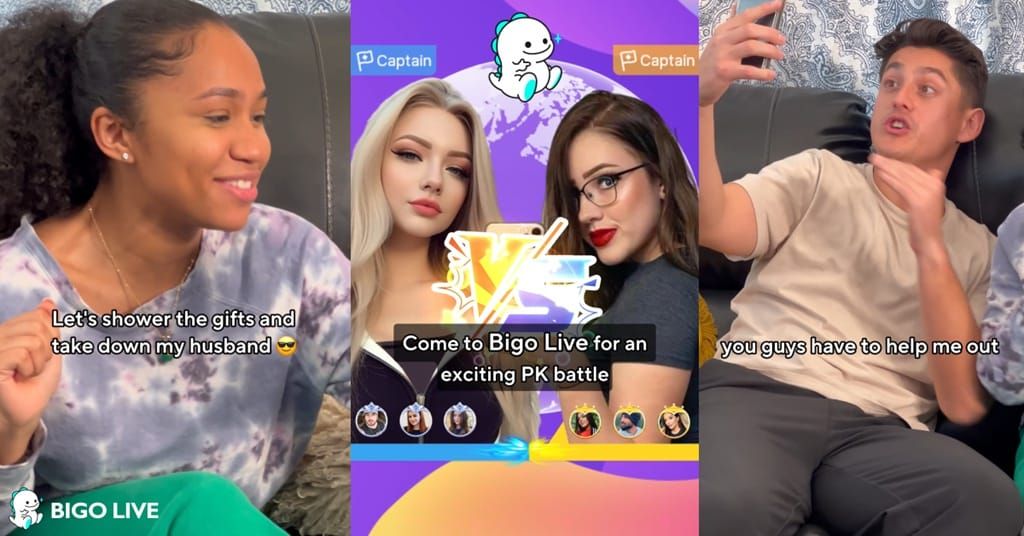
Point spike windows operate on timed multiplier activation:
- Opening Double Points Phase (First 60 seconds): Deploy 20-30% of total gift budget for early momentum
- Mid-Game 1.5x Boost (Variable timing): Rally viewers when the 1.5x multiplier activates
- Final Seconds Explosive Bonus (Last 60-90 seconds): Reserve 40-50% of resources where point accumulation accelerates dramatically
The countdown final 30 seconds creates urgency, hyping supporters to maximize gift volume.
The Anatomy of Point Spike Timing
Critical Time Zones: First 30 Seconds vs. Last 60 Seconds
The opening 30 seconds serve psychological purposes. Deploying 20-30% of gifts demonstrates strength and rallies casual supporters, but the point differential rarely determines outcomes.
The last 60 seconds represent the true comeback window. Reserving 40-50% of total gift capacity enables dramatic reversals. The explosive bonus multiplies point values beyond the 1.5x mid-game boost, creating scenarios where a 3000-point deficit disappears in 30 seconds with coordinated heavy gift deployment.
How Point Calculation Works in Real-Time
The system processes gifts instantly, converting Beans or Diamonds to Combat Points through the active multiplier:
- Standard phases: 1 Bean = 1 CP
- Double Points: 1 Bean = 2 CP
- 1.5x boost: 1 Bean = 1.5 CP
- Final seconds explosive bonus: 2.5x or higher
Monitor the score bar to reveal opponent patterns. Heavy early gifts signal likely lack of reserves for final phases.
The Hidden Multiplier System
Beyond advertised multipliers, audience engagement creates hidden bonuses. The system tracks viewer interaction—comments, shares, reactions—and applies micro-bonuses to gift values when engagement peaks. Twelve-hour streams demonstrate this effect, where sustained engagement increased overall point accumulation by 60%.
Coordinating boost timing with co-hosts in Team PK amplifies this effect. When multiple rooms synchronize gift drops during the 1.5x phase, combined engagement triggers additional hidden multipliers.
Identifying Your Comeback Window
The 70-30 rule: when 70% of battle time remains and you trail by 30% or less, conserve resources. When 30% of time remains and you trail by any margin, initiate the comeback sequence.
Reading Point Differential Patterns
Early leads of 1000-2000 points often evaporate by mid-game as multipliers activate. Differentials exceeding 3000 points with more than 50% time remaining suggest opponents over-committed early.
The score bar color shifts provide visual cues. If the gap widens slowly despite opponent gifting, their supporters lack depth. Rapid widening reveals strong backing requiring maximum final-phase commitment.
Opponent Momentum Analysis
Momentum manifests through gift frequency and value patterns:
- Consistent mid-value gifts (100-500 Beans): sustainable support
- Alternating silence and large gifts (1000+ Beans): limited supporter bases—exploitable through timed final-phase surges
Gift Selection and Timing Strategy
Not all gifts generate equal point impact during spike windows. Animation duration affects how many gifts supporters can send during limited-time multipliers. Short animations maximize volume during the final 60 seconds explosive bonus phase.
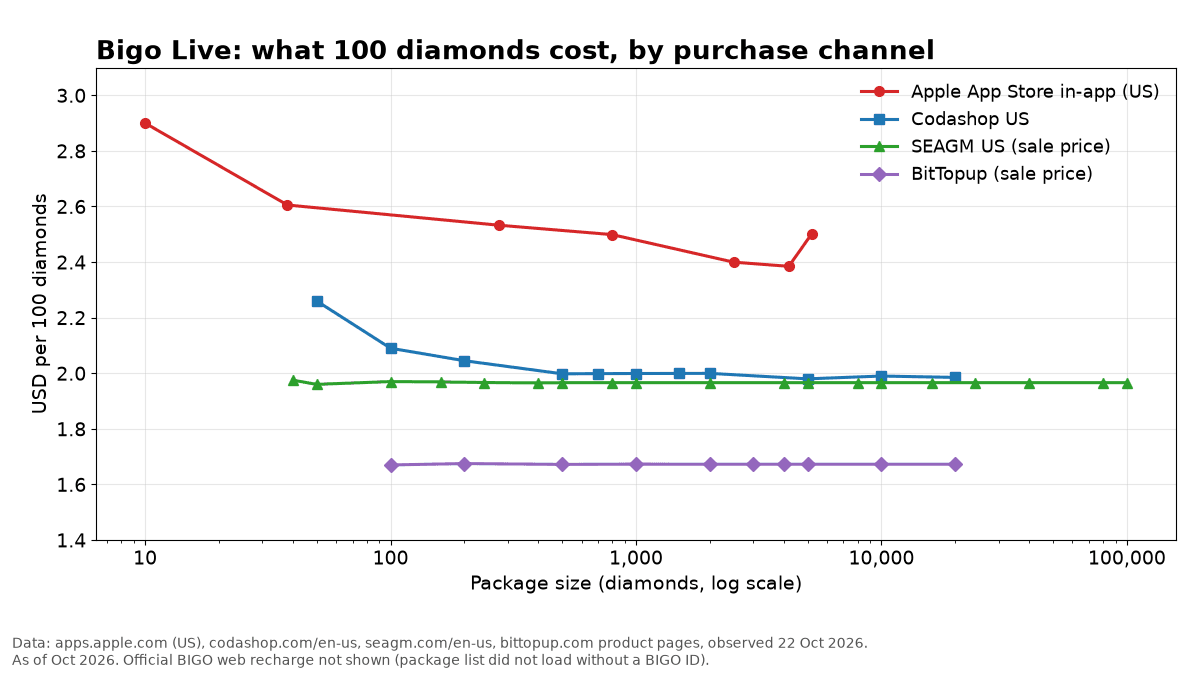
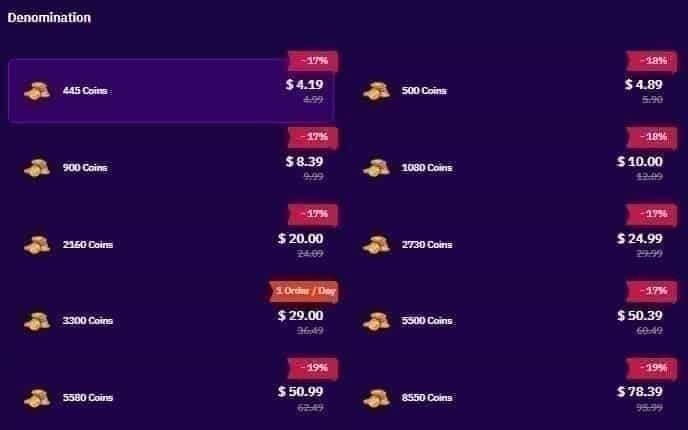
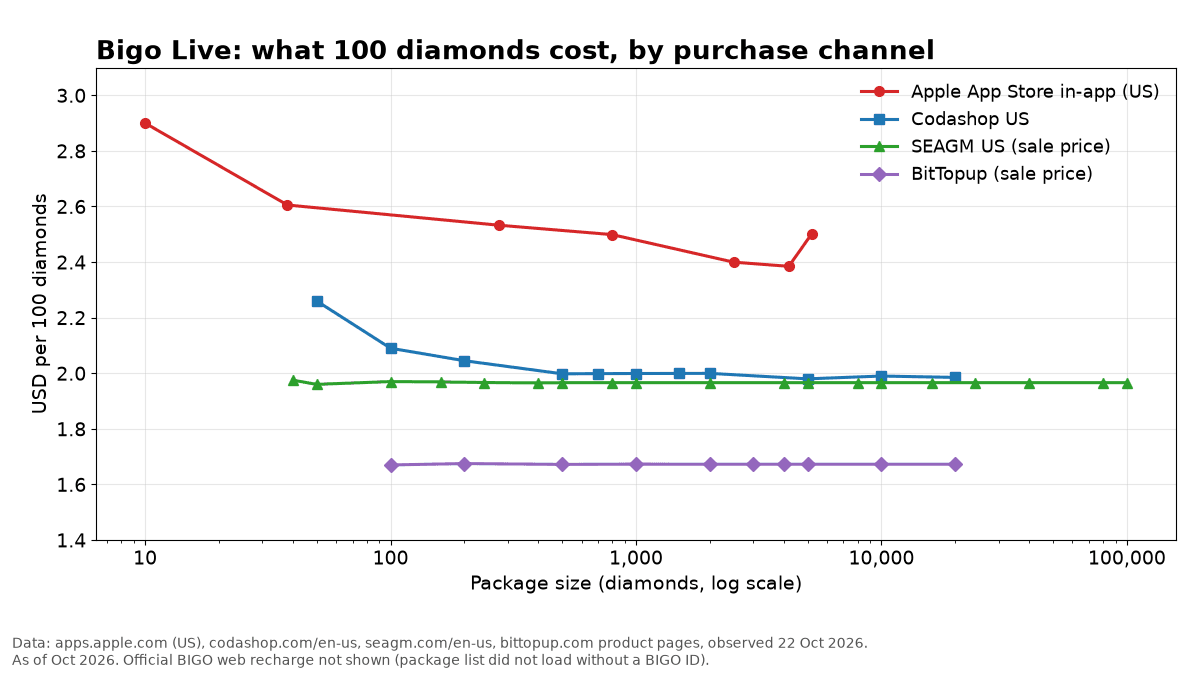
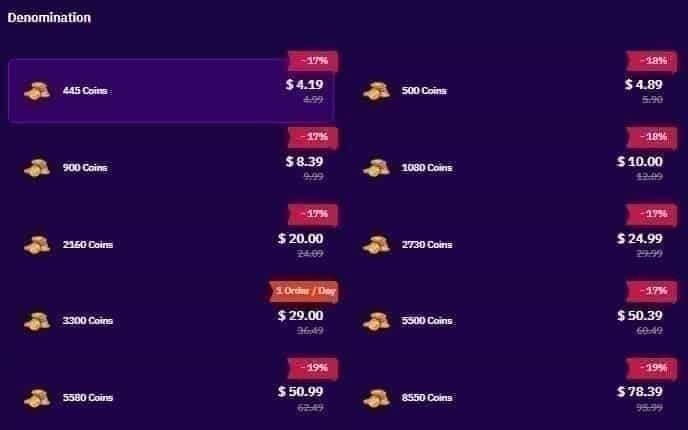
For cost-effective diamond budgets, cheap Bigo Live top up for 2025 fan battles through BitTopup provides resources for sustained comeback attempts.
Combo Chains vs. Single Large Gifts
Combo chains—rapid sequential gifts from multiple supporters—trigger engagement multipliers that amplify point values. During the 1.5x boost phase, coordinating five supporters to send 200-Bean gifts simultaneously generates more total points than one supporter sending a 1000-Bean gift.
Single large gifts serve psychological purposes, creating dramatic visual effects that demoralize opponents. Deploying one 5000-Bean gift during the final 30 seconds signals commitment, triggering reciprocal gifting from casual supporters.
Gift Animation Duration and Strategic Delays
Gifts with 2-3 second animations limit contributions during brief multiplier windows. Sub-1-second animations enable 30+ individual gifts during the final 60 seconds, each triggering engagement bonuses.
Strategic delays: hold gifts until the score bar shows opponents exhausting resources. If opponents surge at the 90-second mark, delay response until 60 seconds remain.
Coordinating Multiple Supporters
Rally viewers via on-screen alerts when multipliers activate. Verbally reinforce these alerts through live commentary.
Establish pre-battle communication channels—dedicated chat groups or voice coordination—for precise synchronization. Counting down 3-2-1-SEND during the final 30 seconds focuses supporter gifting into concentrated bursts.
The Last 60 Seconds: Executing the Perfect Comeback
Second-by-second breakdown:
- 60 seconds: Issue first rally alert, remind supporters to prepare heavy gifts
- 45 seconds: Deploy first wave (20% of reserved resources) to test opponent response
- 30 seconds: Countdown begins—verbally hype urgency, trigger second wave (30% of reserves)
- 15 seconds: Monitor score bar for opponent exhaustion signals
- 10 seconds: Deploy final wave (remaining 50% of reserves) in concentrated burst
- 5 seconds: Encourage any remaining supporter gifts, maintain vocal energy
- 0 seconds: Check post-battle leaderboard immediately
Managing Supporter Expectations
Supporters require clear communication about comeback viability. If trailing by 5000+ points with 30 seconds remaining, acknowledge the challenge while maintaining morale: We need everything now—this is our moment.
When trailing by 2000 points with 60 seconds remaining and opponents showing gift fatigue, project confidence: They're done, we've got this—hit them now!
Psychological Tactics
When your side gains momentum, reinforce it: Keep going, we're taking this! When opponents surge, reframe as opportunity: Let them waste it early—we finish strong!
The champions room featured in #4 spotlight for one week provides tangible victory rewards. Remind supporters of exclusive badges and profile frames to increase commitment during comeback attempts.
Diamond Budget Management
Cost Analysis: What Does a Comeback Really Cost?
A typical comeback from 2000-point deficit in the final 60 seconds requires approximately 3000-5000 Diamonds, depending on active multipliers and supporter contribution levels. Solo load: 5000+ Diamonds. With coordinated teams: 2000-3000 Diamonds as distributed gifting triggers engagement multipliers.
Theme PKs offering 2000 Bean rewards to winners offset comeback costs. Winning three consecutive Theme PKs generates 6000 Beans, covering approximately 1200 Diamonds worth of comeback attempts.
Pre-Loading vs. Real-Time Diamond Purchase
Pre-loading 10,000+ Diamonds ensures uninterrupted access but requires upfront capital. Real-time purchasing introduces 30-60 second delays that can miss narrow comeback windows.
BitTopup's instant delivery completes within 10-15 seconds, supporting split-second decisions during battles.
ROI Calculation: When to Commit vs. When to Concede
Calculate comeback ROI by comparing diamond expenditure against potential rewards. Trailing by 4000 points with 45 seconds remaining, a 5000 Diamond commitment might secure victory worth 2000 Beans (400 Diamond equivalent) plus profile frame and badge. Negative ROI suggests conceding unless strategic reasons justify investment.
Trailing by 1500 points with 60 seconds remaining requires only 2000-3000 Diamond commitment for high comeback probability. Positive ROI justifies full resource deployment.
Advanced Multi Room PK Mechanics
Audience Engagement Multipliers Across Multiple Rooms
The system aggregates engagement across all active rooms in multi-guest configurations. A 12-seat PK pools viewer interactions from all participants, creating engagement multiplier potential far exceeding single-room limits.
Rally supporters to engage across multiple rooms. Comments, shares, and reactions in co-host rooms contribute to your engagement score, amplifying gift point values.
Network Stability Requirements
The 720x810 resolution, 1500 bitrate, 15 FPS specifications require stable network connections. Network instability causes gift processing delays, potentially missing the explosive bonus window.
Test network stability before battles. Confirm 5+ Mbps upload speeds and sub-50ms latency to ensure instant gift processing during critical final seconds.
Common Comeback Mistakes
Premature Gift Spending in Early Game
Deploying more than 30% of total resources before mid-game wastes comeback potential. Communicate the strategy: We're saving for the finish—trust the plan.
Poor Team Communication
Uncoordinated supporters send gifts randomly, missing multiplier windows. A supporter sending 1000 Beans during standard phases generates 1000 CP, but during the 1.5x boost yields 1500 CP—a 500-point efficiency loss.
Establish clear protocols—designated chat moderators issuing HOLD and SEND commands—to synchronize supporter gifting with multiplier activations.
Ignoring Opponent Patterns
Opponents employing identical comeback strategies create mirror matches where deeper resources win. Assess resource depth before committing to comebacks.
If opponents demonstrate superior resource depth, adjust to alternative victory conditions or concede gracefully to preserve resources for more winnable battles.
Building Your Comeback-Ready Support Team
Recruiting and Training Loyal Supporters
Identify potential team members through battle participation patterns. Supporters who gift during multiplier phases without prompting demonstrate strategic awareness.
Training involves explaining the three-phase system: Double Points early, 1.5x mid-game, explosive final seconds. Conduct practice battles where you deliberately trail to practice comeback execution.
Communication Systems
Dedicated channels—Discord, WhatsApp, Telegram—enable real-time coordination. Voice channels for live battles allow instant strategy adjustments.
Designate team roles: scouts monitor opponent gifting patterns, coordinators issue timing commands, heavy gifters deploy large gifts on signal, volume gifters provide engagement multiplier triggers.
Recognition and Reward Strategies
Public recognition during broadcasts—shoutouts, profile highlights, exclusive badges—incentivizes participation. Share victory rewards (Beans, profile frames) with top contributors.
Implement tiered recognition: Bronze,Silver,Gold supporter tiers with corresponding privileges motivate consistent engagement.
2025 Meta Trends
Recent Algorithm Changes
The November 2025 multi-guest PK event introduced extended duration options (3-10 minutes) that altered optimal resource distribution. Longer battles require adjusted reserve percentages—potentially 30-40% rather than 40-50%.
The 60% engagement increase from 12-hour streams suggests the algorithm now weights sustained engagement more heavily.
Regional Differences
Different regions exhibit distinct PK battle cultures. Some favor aggressive early gifting, creating abundant comeback opportunities. Others emphasize disciplined resource management with coordinated final surges.
Adapt strategy to regional meta by observing local top broadcasters' battle patterns.
Preparing for Seasonal Events
Themed PKs with enhanced rewards (1000 Beans to losers, 2000 to winners) justify increased comeback investment. Seasonal events often introduce temporary multiplier modifications—triple points instead of double, 2x boosts instead of 1.5x.
Monitor official announcements for event schedules to enable strategic resource accumulation before high-value battle periods.
Frequently Asked Questions
What are point spike windows in Bigo Live Multi Room PK battles?
Point spike windows are specific battle phases where multipliers activate, increasing Combat Points per Bean or Diamond. The three primary windows: Double Points in opening phase, 1.5x PK Points Boost mid-game, and explosive final seconds bonus.
When is the best time to make a comeback in Bigo Live PK?
The final 60-90 seconds when the explosive bonus activates. Reserve 40-50% of total gift resources, deploying them in coordinated waves at 45, 30, and 10 seconds remaining.
How do last 60 seconds affect PK battle outcomes on Bigo Live?
The final 60 seconds feature the highest point multipliers and peak audience engagement, creating conditions where 3000+ point deficits reverse completely. Approximately 60-70% of comeback victories occur through final-minute surges.
Can you really turn around a losing PK battle in the final minute?
Yes. Trailing by 2000-3000 points with 60 seconds remaining is highly recoverable through concentrated gift deployment during the explosive bonus phase. Deficits exceeding 5000 points require exceptional resource depth but remain theoretically possible.
How does Multi Room PK differ from regular PK on Bigo Live?
Multi Room PK supports up to 12 seats versus single-room formats, features phase-based multipliers instead of constant point values, runs longer durations (5-10 minutes), and aggregates engagement across multiple rooms. Champions receive exclusive badges, profile frames, and #4 spotlight features for one week.
What are the most common mistakes in PK comeback attempts?
Deploying more than 30% of resources during early Double Points phase, failing to coordinate supporter gifting with multiplier activations, and committing to comebacks against opponents with superior resource depth. Network instability during final phases causes gift processing delays that miss critical windows.
Ready to execute your next comeback? Ensure you never run out of diamonds during critical moments. Recharge instantly with BitTopup—the fastest, most reliable way to get Bigo Live diamonds when every second counts. With competitive pricing, secure transactions, and instant delivery completing in 10-15 seconds, BitTopup powers your winning streak. Visit BitTopup now and dominate the Multi Room PK arena!