What Family Shield Actually Does
Family Shield operates through three mechanisms: message filtering screening incoming communications for recruitment language, visibility controls hiding your roster from agency discovery tools, and access restrictions limiting who can contact broadcasters. Properly configured, these create multiple barriers between rivals and your members.
Protection extends beyond blocking—Family Shield analyzes message patterns, sender histories, and contact frequency to identify coordinated poaching campaigns. This intelligence proactively blocks new accounts from persistent agencies circumventing initial blocks.
However, Family Shield can't prevent members actively seeking outside offers or responding to recruitment via external platforms. The system defends against unsolicited contact within Bigo Live but requires complementary retention strategies.
2026 Update: New Anti-Poaching Features
The 2026 update introduced agency reputation scoring tracking poaching frequency platform-wide. Agencies with high scores face automatic restrictions contacting protected family members, even without previous targeting.
Enhanced notifications now provide admins detailed poaching reports including approaching agency identity, targeted member, message summaries, and timestamps. This transparency enables strategic responses versus reactive blocking.
The update added whitelist functionality, letting admins designate approved agencies for legitimate collaboration while blocking all others. This addresses complaints that Family Shield's all-or-nothing approach hindered beneficial partnerships.
Why Rivals Target Your Members
Agencies focus on families with visible success—broadcasters consistently ranking in PK battles, maintaining active engagement, demonstrating reliable schedules. Recruiting established performers provides immediate value versus developing new talent.
The competitive landscape creates economic incentives for aggressive recruitment. Agencies offering higher commission splits, better support, or exclusive event access use these advantages to justify approaching satisfied members.
Geographic and language factors influence targeting. International agencies expanding into new markets specifically recruit broadcasters with established audiences in desired regions, making multilingual streamers particularly vulnerable to cross-border poaching.
Real Cost of Losing Key Broadcasters
When top performers leave, families lose more than individuals—departures damage morale, reduce collective PK strength, and diminish platform visibility. Families with 50+ members losing 3-5 key broadcasters often see cascading departures as others question stability.
Financial impact extends beyond lost commissions. Families invest in member development through training, promotional support, and treasury subsidies covering 30-50% of shield costs during events. When developed members leave, these investments transfer to competitors without return.
Reputation damage compounds losses. Families known for high turnover struggle attracting quality recruits, creating negative cycles where poaching vulnerability increases as competitive position weakens.
How Poaching Works Behind the Scenes
Understanding recruitment mechanics reveals why standard privacy proves insufficient. Rival agencies employ multi-stage approaches beginning long before direct contact, using platform features to identify targets and gather intelligence making recruitment pitches more compelling.
How Rivals Identify Top Performers
Agencies monitor public PK results, tracking broadcasters consistently contributing significant Combat Points—1 Diamond sent equals 1.0 Combat Point, 1 Bean received equals 1.0 Combat Point. These metrics reveal earning potential and engagement indicating valuable targets.
Family leaderboards and event participation lists provide additional intelligence. Broadcasters appearing in top positions during monthly events requiring 5+ family participations demonstrate commitment and consistency. Agencies cross-reference this with streaming frequency to identify members treating broadcasting as primary income.
Social network analysis tracks which members receive most gifts, maintain largest follower counts, generate highest viewer engagement. This data-driven targeting ensures agencies focus on members delivering immediate value if poached.
Common Poaching Tactics
Initial contact appears friendly—compliments on performances, questions about strategies, offers to share industry insights. These opening messages avoid explicit recruitment language triggering filters while establishing rapport.
Progressive escalation follows successful contact. Agencies gradually introduce information about their advantages: higher commissions, exclusive promotional opportunities, connections to major events like Awards Gala 2026 in Seoul on January 23. Each message builds on previous interactions normalizing family switching.
Sophisticated agencies use multi-channel approaches—Bigo Live messages, social media, third-party messaging apps. This ensures even if Family Shield blocks in-platform contact, recruitment continues through alternative channels beyond admin visibility.
What Members See When Approached
Without Family Shield, members receive recruitment messages in standard inboxes alongside legitimate fan messages. Lack of clear identification makes distinguishing innocent networking from calculated poaching difficult.
Messages emphasize confidentiality—This is a private opportunity just for you or Don't mention this to your current family—creating psychological pressure to hide contact. This secrecy prevents early intervention, allowing agencies to develop relationships before families respond.
Compelling offers include immediate benefits: signing bonuses, guaranteed minimum earnings, dedicated support promises. For broadcasters facing financial pressure or feeling undervalued, these tangible incentives create strong temptation despite family loyalty.
Why Standard Privacy Isn't Enough
Basic privacy limits message senders by broad categories like followers only, but agencies circumvent by following targets, engaging with content to establish connection, using interactions to qualify for message access.
Standard blocking requires members manually identifying and blocking each problematic contact—reactive approach failing when agencies use multiple accounts. By the time members recognize and block one recruiter, agencies may have established communication through alternatives.
Privacy settings lack Family Shield's intelligence layer. Standard controls can't analyze message content for recruitment language, track patterns across members, or identify coordinated campaigns. This leaves families vulnerable to sophisticated operations.
Activating Family Shield Step-by-Step
Proper configuration requires systematic attention to multiple settings layers. The 2026 interface consolidates previously scattered controls into unified Family Protection Dashboard, but maximum security demands careful configuration of each component.
Accessing Settings (2026 Interface)
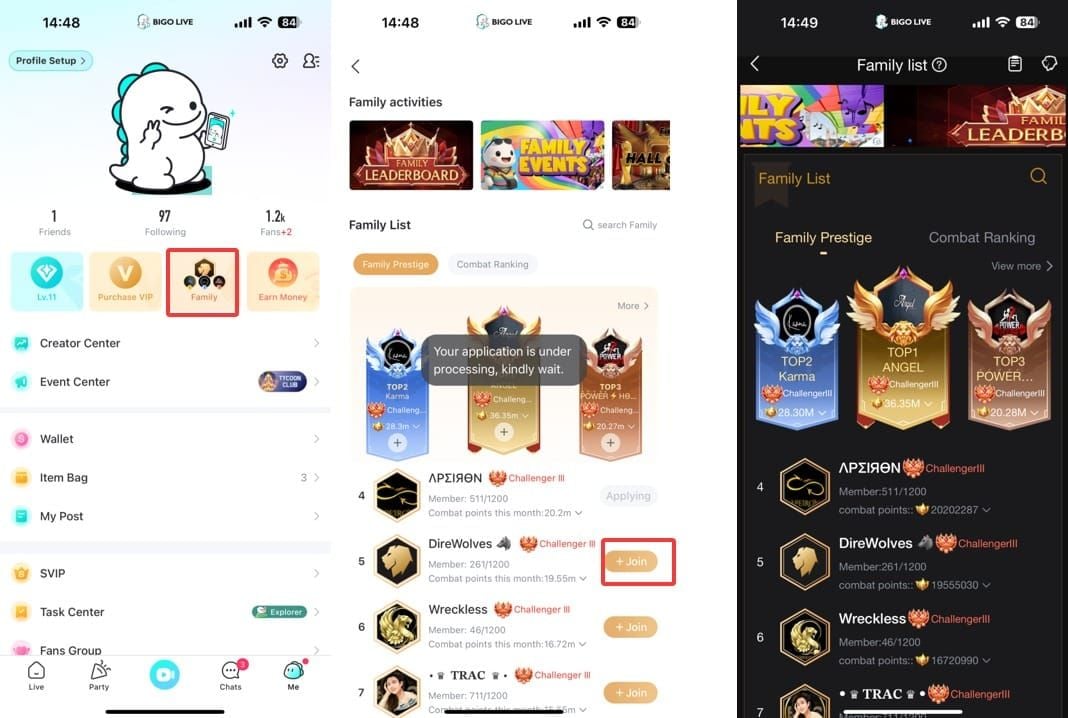
Navigate to Family Settings: tap profile icon > Family > Admin Controls (appears only for leaders and designated co-founders/deputies in families with 50+ members). Family Protection Dashboard appears as third tab.
Dashboard displays current protection level (Basic, Standard, Maximum), recent poaching statistics, quick-access toggles for primary functions. First-time users see setup wizard guiding essential configurations, though manual adjustment provides more granular control.
Verify admin permissions—only family leaders can modify certain high-security settings. If you're deputy or co-founder, coordinate with primary leader ensuring necessary access levels.
Configuring Maximum Protection
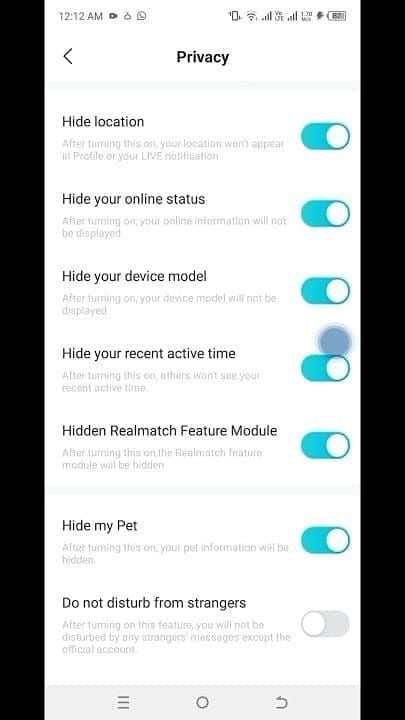
Select Maximum Protection from protection level dropdown—activates all available features simultaneously. System displays confirmation explaining maximum protection may limit some legitimate interactions, requiring explicit approval for collaboration requests.
Enable Automatic Agency Detection using platform-wide data to identify accounts associated with known agencies. This automatically applies restrictions to agency representatives attempting member contact, even without specific blocking.
Activate Recruitment Language Filtering scanning incoming messages for phrases in poaching attempts: commission offers, family switching suggestions, confidential opportunity language. Messages triggering filters are quarantined for admin review versus delivered to members.
Enabling Automatic Blocking
Within Message Filtering, toggle Auto-Block Recruitment Attempts to active. This automatically blocks senders whose messages trigger multiple recruitment filters, preventing follow-up without manual admin intervention.
Configure sensitivity threshold:
- High Sensitivity: Blocks messages with any recruitment indicators
- Medium Sensitivity: Requires multiple indicators before blocking
- Low Sensitivity: Only blocks explicit recruitment offers
Most families achieve optimal results with Medium Sensitivity, preventing false positives while catching genuine attempts.
Set notification preferences: real-time alerts for each blocked attempt, daily summaries, or weekly digests. Real-time suits smaller families where admins respond immediately; summaries work better for large families with 100+ members.
Testing Your Configuration
Use built-in testing tool: select Test Protection from dashboard menu. This simulates various poaching scenarios—direct recruitment messages, indirect agency contact, multi-stage approaches—showing how current settings would respond.
Review test results carefully, noting protection gaps. Common issues include whitelisted contacts that shouldn't have access, overly aggressive filtering blocking legitimate collaboration, or notification settings failing to alert about serious threats.
Conduct live testing: have trusted member (or secondary account) attempt receiving messages from test agency account you control. Real-world verification confirms theoretical settings translate to actual protection, revealing implementation issues simulated testing might miss.
Advanced Privacy for Complete Prevention
Family Shield provides foundation, but comprehensive protection requires layering additional privacy controls addressing specific vulnerabilities. These advanced settings complement automatic protections with strategic restrictions eliminating common poaching entry points.
Restricting Who Can Message Members
Navigate to Family Privacy Settings > Member Contact Restrictions. Configure Who Can Initiate Messages to Friends and Approved Contacts Only—prevents unknown agencies sending cold recruitment messages.
Implement Message Request Queue holding messages from non-approved senders pending until members explicitly accept contact. This creates decision points where members must consciously choose engaging with potential recruiters versus passively receiving messages.
For maximum security, enable Admin-Approved Contacts requiring leadership to review and approve any new contact before members receive messages. While demanding significant admin time, families facing persistent poaching find protection worth administrative burden.
Hiding Member Lists from Public View
Access Family Visibility Settings and toggle Public Member List to disabled. This prevents rivals viewing complete roster, forcing them to identify targets through individual broadcaster discovery versus systematically approaching entire membership.
Disable Member Profile Family Display removing family affiliation badges from member profiles when viewed by non-family accounts. This anonymity prevents agencies identifying which broadcasters belong to successful families worth targeting.
Configure Event Participation Privacy to hide individual member contributions during family events. While reducing public recognition for top performers, it prevents agencies using event leaderboards to identify highest-value members for targeted poaching.
Disabling Agency Discovery Features
Within Advanced Settings, locate Agency Interaction Controls and disable Allow Agency Discovery. This removes your family from agency search tools and recommendation algorithms suggesting potential recruitment targets based on family performance metrics.
Turn off Agency Partnership Requests unless actively seeking collaborations. This blocks agencies sending partnership proposals often serving as initial contact for eventual member poaching disguised as legitimate business inquiries.
Disable Public Performance Metrics hiding your family's aggregate statistics from public view. While reducing platform visibility, it prevents agencies using performance data to identify families with valuable members worth poaching efforts.
Multi-Layer Protection Protocols
Implement graduated protection levels based on member value and poaching risk. New members receive standard protection while top performers get maximum restrictions plus additional monitoring. This tiered approach allocates admin resources efficiently while ensuring highest-risk members receive appropriate protection.
Create Trusted Contact Whitelist containing approved agencies, collaboration partners, legitimate industry contacts. Members freely communicate with whitelisted entities while all other agency contact faces strict blocking—balancing protection with necessary professional networking.
Establish regular protection audits scheduled monthly or quarterly. Review blocked attempt logs, update whitelist/blacklist entries, adjust sensitivity based on recent poaching trends, verify configurations remain current with platform updates and evolving agency tactics.
Blocking Specific Rival Agencies Permanently
While automated systems provide broad protection, targeted blocking of known aggressive agencies adds essential defense. Strategic agency blocking prevents repeat poaching attempts and sends clear signals your family actively defends against recruitment.
Identifying Aggressive Agencies
Review Family Shield activity logs identifying agencies with multiple blocked recruitment attempts. Agencies appearing repeatedly demonstrate persistent targeting warranting permanent blocking versus relying solely on automated filtering.
Monitor member reports of suspicious contact. When multiple members mention receiving similar recruitment messages from same organization, this pattern indicates coordinated campaigns. Document these reports building evidence supporting permanent blocks.
Network with other family admins sharing intelligence about problematic agencies. Organizations known for aggressive or unethical recruitment across multiple families deserve preemptive blocking before targeting your specific members.
Using Agency Block List Feature
Access Agency Block List through Family Shield Settings > Advanced Controls > Agency Management. Interface displays currently blocked agencies, pending block requests, search function for adding new blocks.
Search agencies by name or ID, then select Add to Block List. System prompts choosing block scope:
- Message Blocking Only: Prevents agency contact but allows viewing public family content
- Complete Block: Restricts all interactions including profile views and event observation
Configure block notifications alerting members when blocked agencies attempt contact. Options include silent blocking where members never know, notification-only where members see contact was blocked, or detailed alerts showing blocked message content and sender identity.
Blocking Agency Representatives at Member Level
For agencies using multiple accounts circumventing family-level blocks, implement representative-level blocking. This targets specific individuals versus organizational accounts, preventing recruiters switching to alternate profiles continuing poaching attempts.
Instruct members to report agency representative accounts attempting contact. Collect these account IDs and add to Representative Block List, functioning similarly to Agency Block List but targeting individual users versus organizational entities.
Enable Associated Account Blocking automatically blocking new accounts created by previously blocked representatives. This feature uses device fingerprinting and behavior analysis identifying when blocked recruiters create fresh accounts evading existing blocks.
Managing Blocked Agency Database
Maintain detailed records why each agency was blocked: dates of poaching attempts, members targeted, specific recruitment tactics used. This documentation supports decisions maintaining or removing blocks as circumstances change.
Review block list quarterly removing agencies that ceased poaching activity or demonstrated reformed behavior. Permanent blocks should remain reserved for agencies with ongoing aggressive recruitment patterns; temporary blocks suit isolated incidents.
Share block list with trusted allied families creating network-wide protection against serial poachers. Collaborative blocking multiplies effectiveness preventing problematic agencies simply shifting targets to families with less comprehensive protection.
Monitoring Poaching Attempts in Real-Time
Active monitoring transforms Family Shield from passive defense to strategic intelligence system. Real-time detection enables rapid response to emerging threats, identifies protection gaps before exploitation, provides data for continuously improving anti-poaching protocols.
Alert Notifications to Enable
Configure Immediate Threat Alerts for high-priority scenarios: when agencies with known aggressive histories attempt contact, when multiple members receive recruitment messages within short timeframes, or when messages contain explicit offers designed to lure members away.
Enable Pattern Detection Notifications alerting when system identifies coordinated poaching campaigns. These trigger when multiple indicators suggest organized recruitment: similar message content sent to different members, sequential contact attempts following family event participation, recruitment messages timed to coincide with family conflicts.
Set up Member Vulnerability Alerts notifying when members exhibit behaviors associated with poaching susceptibility: reduced family event participation, decreased interaction with other members, engagement with known agency representatives despite protection settings.
Reading Protection Dashboard
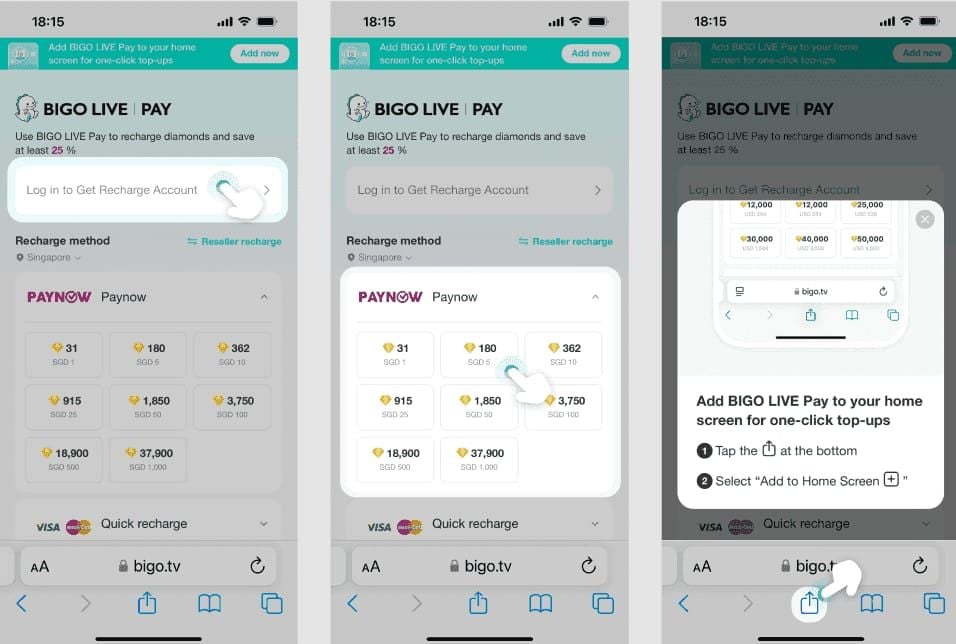
Dashboard's Threat Overview displays poaching attempt frequency over time, allowing trend and seasonal pattern identification. Spikes often correlate with major platform events or family achievements increasing member visibility to recruiters.
Member Risk Assessment panel ranks members by poaching vulnerability based on performance metrics, recent contact attempts, behavioral indicators. This prioritization helps allocate protective resources and personal attention to members facing highest risk.
Review Protection Effectiveness metrics showing what percentage of recruitment attempts current settings successfully block versus requiring manual intervention. Declining effectiveness scores indicate agencies adapting tactics to circumvent defenses, signaling need for settings updates.
Key Metrics: Tracking Attempt Frequency
Monitor Attempts Per Member identifying which broadcasters face disproportionate recruitment pressure. Members receiving significantly more approaches than family average require enhanced individual protection and may benefit from direct conversations about agency loyalty.
Track Agency Persistence Scores measuring how many times specific agencies attempt contact after initial blocks. High persistence scores indicate agencies viewing your members as particularly valuable targets, warranting escalated blocking measures and potentially platform-level reporting.
Analyze Conversion Rates showing what percentage of contacted members ultimately leave family. While Family Shield can't track departures directly caused by poaching versus organic attrition, correlating departure timing with recent recruitment attempts reveals protection gaps.
Warning Signs Protection May Be Compromised
Sudden increases in member departures, especially among previously stable performers, suggest recruitment messages bypassing defenses. Investigate recent leavers determining if poaching played a role and identify how agencies circumvented protection.
Members asking unusual questions about family policies, commission structures, or contract terms may be comparing your family to competitive offers. These inquiries often precede departure decisions, indicating recruitment messages reached members despite blocking attempts.
Decreased engagement in family activities without clear external causes can signal members emotionally distancing in preparation for departure. When multiple members simultaneously reduce participation, consider whether coordinated poaching campaigns undermine family cohesion.
Building Loyalty Beyond Technical Protection
Technical defenses block unwanted contact, but genuine loyalty prevents members seeking outside offers even when recruitment opportunities arise. Most secure families combine Family Shield with cultural and structural elements making poaching attempts ineffective regardless of contact success.
Why Strong Culture Prevents Poaching Success
Families with clear values, consistent communication, genuine member support create emotional bonds transcending financial incentives. When members feel valued beyond earning potential, recruitment offers emphasizing higher commissions alone prove insufficient to motivate departure.
Regular recognition of member contributions—both high performers and consistent participants—builds investment in family success. Broadcasters receiving acknowledgment for efforts develop loyalty making them resistant to external recruitment, even when approached with objectively superior financial terms.
Transparent leadership involving members in family decisions creates ownership mentality. When broadcasters participate in setting goals, planning events, shaping policies, they become stakeholders versus employees, fundamentally changing receptiveness to poaching attempts.
Communication Strategies About Rival Offers
Address poaching directly versus pretending it doesn't occur. Open discussions about recruitment tactics normalize the topic, making members comfortable reporting approaches versus hiding contact from leadership out of misplaced guilt or fear.
Educate members about common recruitment deceptions: promises agencies can't deliver, commission structures with hidden fees, support commitments evaporating after signing. Informed members recognize manipulative tactics and view recruitment pitches skeptically versus as genuine opportunities.
Encourage members sharing recruitment offers they receive with family leadership. Frame this transparency as protecting entire family versus tattling on recruiters, creating collaborative defense where members actively participate in anti-poaching efforts.
Incentive Programs Increasing Retention
Implement performance-based rewards increasing with tenure, creating financial disincentives for departure. Broadcasters forfeiting accumulated bonuses, treasury subsidies, or profit-sharing percentages by leaving face real costs offsetting recruitment offer advantages.
Develop exclusive opportunities available only to established members: priority participation in high-profile events, access to family-funded promotional campaigns, invitations to Awards Gala 2026 in Seoul on January 23 for top performers. These benefits create value external agencies can't immediately replicate.
For families supporting active streamers, ensuring members maintain resources for competitive participation through platforms like top up bigo live cheap via BitTopup demonstrates commitment to member success, building reciprocal loyalty resisting poaching.
Creating Transparent Policies on Agency Switching
Establish clear policies about departure processes: required notice periods, transition support, conditions under which members can leave with leadership blessing versus burning bridges. Transparent policies reduce anxiety about being trapped making recruitment offers appealing.
Distinguish between members leaving for legitimate career advancement versus those poached through unethical tactics. Supporting members pursuing genuine opportunities builds goodwill and industry reputation, while firmly addressing unethical poaching protects family integrity.
Maintain positive relationships with departed members when possible. Former members leaving on good terms often return when external opportunities disappoint, and their positive testimonials about your family counteract recruitment narratives painting your organization negatively.
Common Family Shield Mistakes Leaving You Vulnerable
Even families implementing Family Shield often undermine protection through configuration errors, misconceptions about system capabilities, or neglecting complementary security measures. Understanding common mistakes prevents false security leaving members exposed despite apparent protection.
Misconception: Family Shield Blocks All Unwanted Contact
Family Shield operates within Bigo Live but can't prevent agencies contacting members through external channels: social media, messaging apps, even in-person approaches at industry events. Comprehensive protection requires educating members about multi-channel recruitment tactics.
System blocks automated detection of recruitment language but sophisticated agencies craft messages avoiding trigger phrases while conveying recruitment intent. Human review of flagged messages remains necessary catching subtle approaches automated systems miss.
Family Shield can't prevent members initiating contact with agencies or responding to recruitment approaches made through channels outside admin visibility. System defends against unsolicited contact but proves ineffective when members actively seek external opportunities.
Gap Between Family Shield and Member Willingness
Maximum protection settings become irrelevant if members want to leave. Technical barriers only delay determined departures versus preventing them—members committed to switching families find ways communicating with recruiters regardless of blocking measures.
Over-reliance on technical protection substitutes for addressing underlying retention issues. Families experiencing high turnover despite strong Family Shield must examine whether member dissatisfaction, inadequate support, or competitive disadvantages drive departures versus simply recruitment contact.
Protection effectiveness depends on member cooperation. When members deliberately circumvent Family Shield by sharing contact information with recruiters or using alternate accounts receiving blocked messages, technical defenses fail regardless of configuration quality.
Over-Restricting vs Strategic Balance
Excessive restrictions blocking legitimate networking, collaboration opportunities, or industry connections create member frustration. Broadcasters feeling isolated by overly aggressive protection may view restrictions as controlling versus protective, ironically increasing receptiveness to recruitment pitches promising more freedom.
Maximum security settings require significant admin time reviewing blocked messages, approving contact requests, managing whitelists. Families lacking resources for this administrative burden should implement moderate protection balancing security with sustainable management requirements.
Visible protection measures can signal to agencies your family fears poaching, potentially increasing targeting by suggesting members are valuable enough to warrant aggressive recruitment. Strategic protection operating transparently to members but invisibly to external observers avoids this unintended signaling.
Forgetting to Update Settings After Platform Changes
Bigo Live platform updates frequently modify privacy controls, introduce new features creating protection gaps, or change how existing settings function. Families configuring Family Shield once then never revisiting settings find protection degrading as platform evolves.
New recruitment tactics emerge as agencies adapt to common protection measures. Settings effectively blocking poaching six months ago may prove ineffective against current approaches, requiring regular updates based on recent threat intelligence.
Family growth changes protection needs—settings appropriate for 20-member family prove insufficient when membership reaches 100 members with co-founder and deputy roles unlocked at 50 members. Scale protection configurations to match current size and complexity.
Expert Tips from Top Admins (2026 Best Practices)
Elite families maintaining exceptional retention rates combine technical protection with strategic practices creating comprehensive anti-poaching systems. These expert approaches represent proven methods from admins successfully defending against aggressive recruitment in highly competitive environments.
Pro Strategy: Layered Defense Against Sophisticated Poaching
Implement defense in depth combining Family Shield automation, manual agency blocking, member education, cultural loyalty building. Each layer addresses different attack vectors, ensuring if agencies bypass one defense, additional protections prevent successful poaching.
Create rapid response protocol when members report recruitment contact. Immediate admin engagement—acknowledging report, blocking agency, discussing situation with targeted member—demonstrates protective commitment and prevents agencies developing relationships during delayed responses.
Establish intelligence sharing networks with allied families. Collaborative threat reporting creates early warning systems where agencies targeting multiple families get identified and blocked before completing recruitment campaigns, protecting entire family networks versus isolated organizations.
How Elite Families Maintain 95%+ Retention
Top-performing families conduct monthly one-on-one check-ins with all members, creating opportunities addressing concerns before they escalate into departure motivations. These conversations reveal dissatisfaction early when retention interventions prove most effective.
Implement transparent performance metrics showing members how they compare to family averages and platform benchmarks. Broadcasters understanding their relative success feel appropriately valued, while those underperforming receive targeted support versus seeking external solutions.
Develop clear advancement paths within family structure. Members seeing opportunities for increased responsibility, leadership roles, or financial growth within current family resist recruitment offers promising these same benefits elsewhere.
Responding When Members Receive Tempting Offers
Avoid defensive or accusatory responses when members disclose recruitment contact. Thank them for transparency, discuss offer objectively, address whether legitimate gaps in your family's support make external opportunity genuinely superior.
Match competitive offers when possible and appropriate. If valued member receives objectively better terms elsewhere, consider whether your family can provide comparable benefits. Losing members over easily matched financial differences suggests inadequate compensation structures.
Accept some departures represent genuine career advancement beyond your family's capacity to provide. Supporting these transitions maintains positive relationships and industry reputation, while fighting inevitable departures damages both without preventing loss.
Quarterly Family Shield Audit Checklist
- Review blocked attempt logs identifying emerging recruitment patterns, new agency threats, changes in poaching tactics requiring settings adjustments
- Test protection effectiveness by simulating recruitment scenarios verifying current settings respond appropriately
- Update whitelist and blacklist entries based on recent intelligence
- Survey members about their experience with family protection—whether settings feel appropriately protective versus overly restrictive
Troubleshooting Family Shield Issues and Limitations
Even properly configured Family Shield encounters situations where protection fails, settings malfunction, or platform limitations prevent complete defense. Understanding troubleshooting approaches and system boundaries enables realistic expectations and effective problem resolution.
What to Do If Poaching Requests Still Get Through
Verify Family Shield remains active and settings haven't reverted to defaults after platform updates. Configuration resets occasionally occur during major Bigo Live updates, silently disabling protection until admins notice and reconfigure.
Analyze how recruitment messages bypassed filters. Agencies constantly test new language patterns avoiding detection—messages successfully evading blocking provide intelligence for updating filtering rules and sensitivity settings.
Implement manual review of member inboxes for families facing persistent poaching despite maximum protection. While time-intensive, direct inbox monitoring catches sophisticated recruitment attempts automated systems miss, providing temporary security while you refine technical defenses.
Reporting Aggressive or Unethical Agency Behavior
Document specific instances of unethical recruitment: messages encouraging contract violations, false promises about opportunities, harassment after members decline offers. Detailed evidence supports platform-level reports that may result in agency penalties.
Use Bigo Live's official reporting channels for agencies engaging in prohibited recruitment tactics. While platform enforcement varies, repeated reports from multiple families increase likelihood of action against serial offenders.
Share evidence of unethical behavior with your family network and industry contacts. Community awareness about problematic agencies protects others while creating reputational consequences that may deter future unethical recruitment.
Technical Limitations of Family Shield in 2026
Family Shield can't prevent agencies identifying your members through public platform features: PK battle participation, event leaderboards, broadcaster discovery algorithms. Members streaming publicly remain visible to recruiters regardless of privacy settings.
System lacks jurisdiction over external communication channels. Agencies contacting members through Instagram, WhatsApp, or other platforms operate beyond Family Shield's blocking capabilities, requiring member education about multi-channel recruitment tactics.
Protection effectiveness depends on Bigo Live's detection algorithms which agencies continuously work to circumvent. The ongoing dynamic means Family Shield provides strong but imperfect defense requiring complementary manual protection measures.
When to Escalate to Bigo Live Support
Contact platform support when agencies use multiple accounts circumventing blocks, suggesting coordinated evasion violating platform policies. Provide evidence of pattern including account IDs, message timestamps, content demonstrating coordination.
Escalate situations where recruitment messages contain threats, harassment, or false information about your family. These behaviors violate platform community standards beyond simple recruitment, warranting official intervention.
Report technical malfunctions where Family Shield settings fail to function as documented. Platform bugs occasionally prevent protection features operating correctly—official reports enable fixes benefiting all families experiencing similar issues.
Frequently Asked Questions
What is Family Shield on Bigo Live in 2026?
Family Shield is Bigo Live's integrated protection system helping family admins block poaching requests from rival agencies through automated recruitment message filtering, agency blacklisting, and privacy controls restricting who can contact family members. The 2026 version includes enhanced detection algorithms, real-time admin alerts, and whitelist functionality for approved agency contacts.
How do I activate Family Shield to block poaching?
Access Family Settings > Admin Controls > Family Protection Dashboard, select Maximum Protection, enable Automatic Agency Detection and Recruitment Language Filtering, then activate Auto-Block Recruitment Attempts with Medium or High sensitivity. Test your configuration using built-in testing tool to verify protection effectiveness.
Can rival agencies still message my family members with Family Shield on?
Family Shield significantly reduces but doesn't completely eliminate agency contact. System blocks messages containing recruitment language and restricts contact from known poaching agencies, but sophisticated recruiters may craft messages avoiding detection filters or contact members through external platforms beyond Family Shield's jurisdiction. Combining technical protection with member education provides most comprehensive defense.
What happens when someone tries to poach a protected family member?
When agencies attempt contacting protected members, Family Shield either blocks the message entirely, quarantines it for admin review, or delivers it with warning flag depending on sensitivity settings. Admins receive notifications about blocked attempts including agency identity, targeted member, and message content summary, enabling strategic responses to persistent recruitment.
Does Family Shield automatically block all agency recruitment?
No—Family Shield blocks recruitment attempts from agencies in your blacklist and messages triggering recruitment language filters, but can't prevent all agency contact. Agencies using subtle language, operating through whitelisted contacts, or approaching members via external channels may bypass automatic blocking. System provides strong baseline protection requiring supplementation with manual blocking and member loyalty strategies.
How do I know if my family members are receiving poaching requests?
Enable Family Shield alert notifications for blocked recruitment attempts, review Protection Dashboard's activity logs showing contact attempts and targeted members, and encourage members reporting suspicious messages. Warning signs include members asking unusual questions about family policies, reduced event participation, or sudden interest in commission structures suggesting they're comparing your family to competitive offers.
Protect your Bigo Live family and keep your top broadcasters thriving! Power up your account with exclusive benefits through BitTopup – the trusted platform for Bigo Live diamonds, gifts, and premium features. Secure your family's success today with BitTopup's instant delivery and competitive rates!