How Ranked Draft Phase Works
The ranked draft system follows a structured ban-pick sequence where teams alternate between banning hunters and survivors before making their final selections. What's fascinating is the IJL Fall Tournament data from November 15-23 – it shows S-Tier survivors maintaining those brutal 80%+ ban rates.
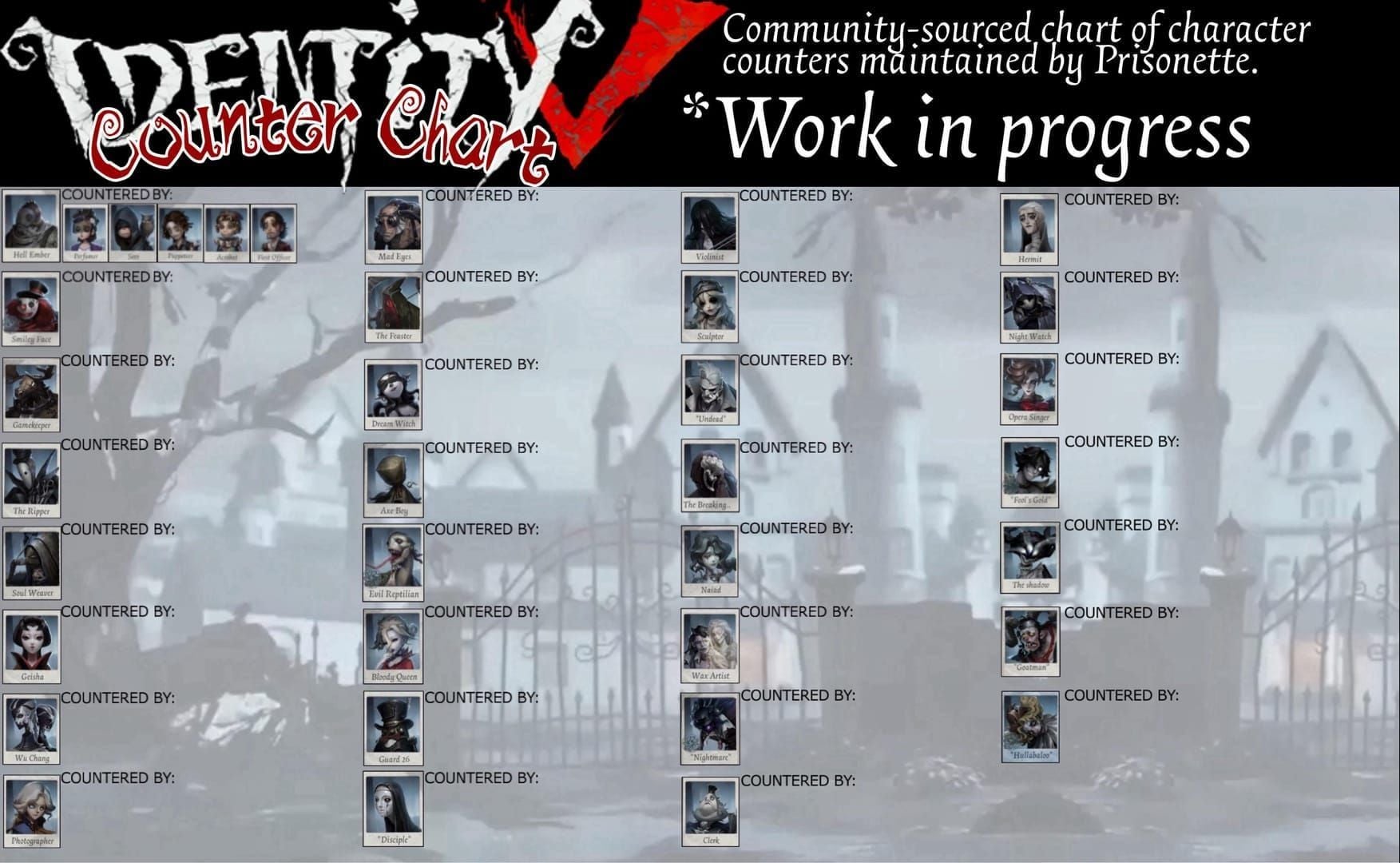
Dream Witch leads hunter bans at 75% (and for good reason), while Antiquarian, Priestess, Mechanic, and Seer absolutely dominate survivor priority. These aren't just numbers – they represent the meta's pulse.
Why Solo Queue Requires Different Strategy
Let me be blunt: random teammates will disappoint you. They'll ignore rescue priorities when chairs hit 49% Stage 1 progress, cluster around the same cipher like moths to a flame, or completely botch basic rotations. I've seen it countless times.
That's exactly why self-sufficient survivors with strong kiting, decoding, or rescue capabilities maintain consistent performance regardless of teammate skill levels. The scoring system is unforgiving – +9 points for 3+ escapes, 0 for draws, -8 for losses. Character optimization isn't just helpful; it's essential for rank progression.
Strategic Ban Phase Decisions
Top Priority Hunter Bans
Dream Witch sits at that 75% ban priority for a reason – her overwhelming map pressure and leech mechanics absolutely demolish uncoordinated positioning. When your team can't communicate proper spacing, those leeches become death sentences.
Opera Singer and Breaking Wheel follow as secondary targets, mainly for their camping potential and area denial capabilities. These hunters thrive against uncoordinated teams. Mobile hunters like Violinist and Night Watch? They're nightmares for solo survivors who lack coordinated stunning rotations.
When to Ban Survivors
Here's where it gets strategic. Ban survivors when you're facing obvious pre-made teams – you know, matching names, suspiciously coordinated hover patterns. Protecting your own character pool matters too.
Denying meta picks like Mechanic or Priestess forces opponents into suboptimal compositions. Sometimes survivor bans make sense when you're planning specific strategies that require protecting your character access.
Reading Team Intentions
Experienced players learn to read the room quickly. Teammate hover patterns and chat usage reveal coordination potential and strategy preferences. Players hovering rescue characters? They're probably planning aggressive compositions. Decoder focus suggests cipher rush strategies.
Monitor rank distributions and match history when available – it's like getting a sneak peek into playstyle preferences.
The 5 Best Solo Queue Survivor Picks
Mechanic: Ultimate Self-Sufficient Decoder
Mechanic's robot is basically a cheat code for solo queue. That little guy provides immunity to hunter abilities while maintaining 200% decode speed, completing ciphers in just 81 seconds. The robot's invulnerability counters camping strategies while keeping progress going from safe distances.

But here's the real kicker – self-rescue potential through robot assistance. You get escape options that don't depend on whether your teammates know what they're doing.
Forward: High-Impact Rescue and Stun Specialist
Forward's rugby ball stuns create immediate rescue impact, and those enhanced pallet interactions? They extend kiting significantly. Sure, there's that 60% decode penalty, but stunning potential often exceeds pure decoding value in practice.
Advanced players routinely achieve 60+ second chase durations through proper positioning and resource management. That's game-changing territory.
Mercenary: Guaranteed Rescue with Extended Kiting
Three-hit damage absorption provides unmatched rescue reliability – it's as close to guaranteed as you'll get in this game. That 30% extended chair time creates additional rescue windows, and kiting potential reaches 60+ seconds with proper builds.
The 36 meta persona build achieves 90% success rates on double-rescue attempts when timed at 49% chair progress. Those are tournament-level numbers.
Priestess: Map Control and Emergency Escape
Portal placement provides unmatched traversal and emergency escapes that work completely independent of teammate positioning. Strategic portal placement creates stunning potential and rescue opportunities while maintaining safety.
What works best is the 129 meta synergy on large maps – it provides 15-20% win rate improvements through positioning control alone.
Prospector: Versatile Stun and Rescue Specialist
Magnetic control provides unique stunning options while rescue capabilities rival dedicated rescuers. The data shows 15% higher win rates with 129 meta on large maps, demonstrating real solo queue effectiveness.
Magnetic manipulation creates dynamic kiting opportunities that extend chase duration significantly. It's like having a toolkit that adapts to whatever the hunter throws at you.
Self-Sufficiency vs Team Dependence
Self-sufficient survivors possess mobility skills (Priestess portals, Perfumer rewind), remote utility (Mechanic robot, Prisoner connections), or guaranteed impact abilities (Mercenary rescue, Forward stuns). Tournament analysis consistently shows these characters maintain performance across all skill levels.
For strategic character roster expansion, BitTopup provides instant Identity V echoes refill with player ID verification for secure transactions.
Characters to Avoid
Team-dependent survivors like Lawyer (intel only), Gardener (minimal utility), and Barmaid (60% decode debuff when chaired) struggle without coordination. Support-focused characters without independent utility become liabilities when team strategies collapse – and in solo queue, they will collapse.
Critical Mobility Skills
Mobility abilities provide reliable escape mechanisms: teleportation (Priestess), rewind (Perfumer), enhanced movement (Prospector magnetic dash). The 129 meta emphasizes mobility through Flywheel Effect (0.5-second dash immunity) and enhanced vault speeds, delivering those 15-20% win rate improvements on large maps.
Counter-Picking Against Popular Hunters
Chase-Focused Hunter Counters
Mobile hunters like Violinist and Night Watch require enhanced kiting potential or escape mechanisms. Antiquarian's knockback, Perfumer's rewind, and Forward's stunning provide effective counters.
The 39 meta with Borrowed Time and Knee Jerk Reflex provides 20-30% vault speed increases for 60+ second kiting. That's the difference between a quick down and a game-winning chase.
Camping Strategy Counters
Camping hunters demand guaranteed rescue potential: Mercenary's damage absorption, Coordinator's flare gun, Priestess's portals. The 36 meta optimizes rescue scenarios through Tide Turner's 20-second post-rescue invincibility, achieving those 90% double-rescue success rates.
Map and Hunter Adaptation
Large maps favor mobility-focused survivors with 129 meta (15-20% win rate improvement). Small maps benefit from stunning specialists who maximize limited space efficiency. Multi-story maps? You need vertical mobility or area control capabilities.
Optimal Persona Builds
Essential Talents for Independent Survivors
The 39 meta combines Borrowed Time with Knee Jerk Reflex for 30% vault speed increases lasting 3 seconds – that's your ticket to 50-60 second kiting potential. Borrowed Time offers 50% increased healing and movement during that brutal 120-second Detention phase.
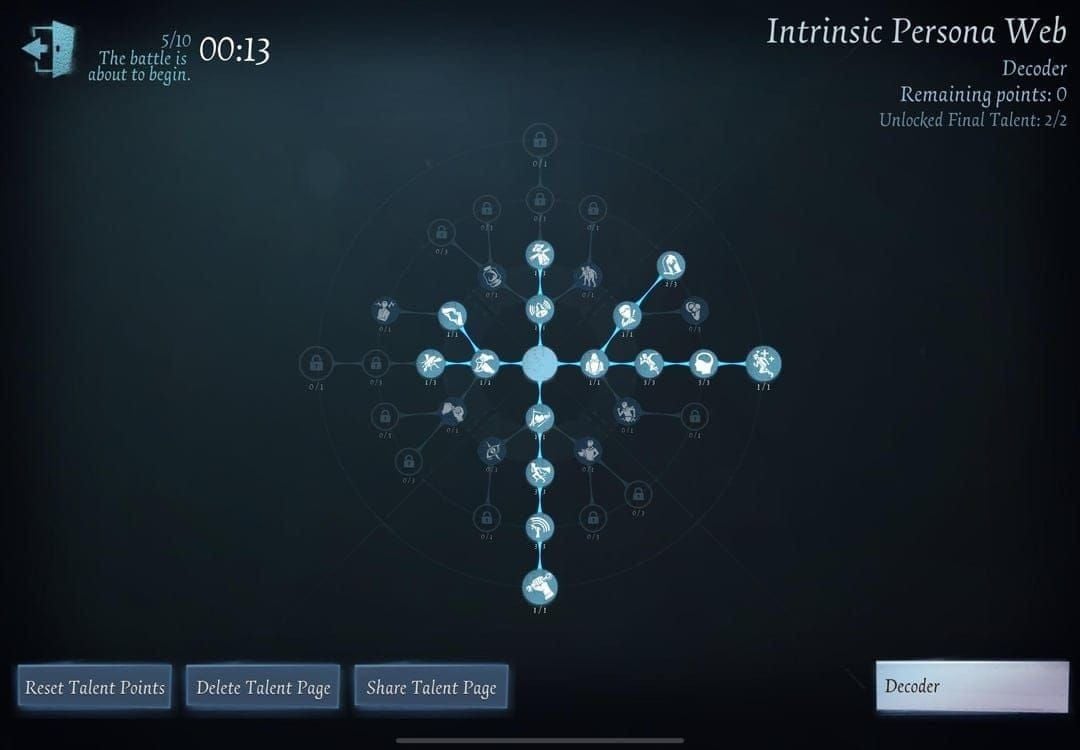
The November 20 Knee Jerk Reflex buffs provide 20-30% vault speed improvements. These aren't just incremental gains; they're game-changers.
Build Specialization by Role
Rescue specialists benefit from 36 meta emphasizing Tide Turner for 20-second post-rescue invincibility (90% double-rescue success). Kiting specialists utilize 39 meta for extended chase duration. Large map specialists employ 129 meta for 0.5-second dash immunity and enhanced vault speeds.
Advanced Draft Tactics
Identifying Missing Roles
Teams without dedicated rescuers require adaptive picks. The rescue priority hierarchy goes: Coordinator > Mercenary > Cowboy > Forward. Monitor teammate selections for rescue capability to determine role-filling needs.
Late-pick scenarios often force rescue adaptation when teammates instalock decoders and kiters.
Compensation Picking
Instalock teammates force suboptimal compositions that require adaptive responses. The ideal 1-1-1-1 composition (kiter-rescuer-decoder-support) rarely emerges in solo queue reality.
Successful adaptation involves 2-3 decoder aggressive compositions or multi-kiter defensive strategies based on what you're working with.
Last-Pick Advantage
Last-pick provides maximum information for optimal selection. Counter-picking opportunities emerge through smart timing. Flexible character pools across multiple roles enable adaptive responses to both team and opponent compositions.
Common Draft Mistakes
Over-Relying on Mains
Character mastery provides advantages, but inflexible picking creates suboptimal compositions. Meta shifts can reduce main character effectiveness overnight. Situational selection often outweighs personal preference in ranked environments – that's just the reality.
Team-Dependent Decoder Reliance
Pure decoders like Mind's Eye require protection that random teammates rarely provide. Decode-focused strategies need coordination that's lacking in solo queue. Balanced selection combining decoding with utility (like Mechanic) provides superior value.
Ignoring Hunter Selection
Hunter-specific counter-picking provides significant advantages that many players completely ignore. Stunning characters excel against mobile hunters; mobility specialists counter area control hunters. Map and hunter combinations create specific challenges requiring adaptive responses.
Climbing Ranks Through Better Drafts
Performance Metrics
The data shows 15-20% win rate improvements from optimal character selection on appropriate maps. S-Tier survivors achieve 65% higher escape rates compared to suboptimal picks.
Mechanic demonstrates the highest win rates (15-20% improvement on large maps with 129 meta) due to pure self-sufficiency.

Dodge vs Adapt Decisions
Extreme imbalances (four decoders, no rescuers) may warrant dodging to preserve rank points. Consider teammate trolling behavior and compositions lacking basic functionality. But adaptation remains preferable when teams maintain basic functionality.
Performance Tracking
Track win rates by character, considering map types, hunter matchups, and team compositions. Regular analysis and meta adaptation maintains competitive advantages. Priority acquisition should focus on S-Tier versatility: Mechanic, Mercenary, Priestess, Antiquarian.
Frequently Asked Questions
What are the most important survivors for solo queue?
Mechanic, Mercenary, Priestess, and Antiquarian form the core S-Tier roster, providing self-sufficiency through independent utility and escape mechanisms.
How do persona builds affect performance?
The 39 meta provides 20-30% vault speed increases and 50-60 second kiting duration. The 129 meta adds 15-20% win rate improvements on large maps through enhanced mobility.
Which hunters should I ban in solo queue?
Dream Witch (75% priority) for map pressure, followed by Opera Singer and Breaking Wheel for camping potential against uncoordinated teams.
Can you rank up consistently in solo queue?
Absolutely. S-Tier survivors achieve 65% higher escape rates with proper draft adaptation providing 15-20% win rate improvements through self-sufficient character focus.
What makes survivors effective in solo queue?
Independence through mobility skills, remote utility, or guaranteed impact abilities. These characters function regardless of teammate performance unlike team-dependent picks.
How do I adapt to poor teammate picks?
Identify missing roles and select characters addressing gaps while maintaining personal impact. Flexible character pools enable compensation without sacrificing effectiveness.