Banner Duration and Rate-Up Schedule
Exactly 14 days (334 hours) of pulling opportunity. Maintenance typically completes around 15:00 UTC+9. Sin Editor event runs identical timeframe, letting you earn event gems while deciding on banner investment.
Challenge Stages, Archives additions (OUT OF UNIFORM, NONSENSE RED), and Paranoid Days login bonus provide supplementary resources influencing final pull counts. New character packages offer direct purchase options for guaranteed acquisition without RNG.
Pull Rates Breakdown
2% Label rate-up doesn't guarantee acquisition within 50 pulls—each pull independently carries that probability. Extended dry streaks beyond statistical averages occur regularly, making pity the only true guarantee.
Mileage system provides safety net: 200 Gold Mileage Tickets exchange directly for Label. Standard pulls generate mileage at fixed rates, creating deterministic ceiling on max investment. High-spenders targeting MLB must calculate total mileage across multiple pity cycles.
Pity System Thresholds
Guaranteed SSR every 200 pulls max, with persistent mileage across banners. 200-ticket threshold for direct Label exchange represents ~200 pulls worth of mileage.
Players near existing pity thresholds face critical decisions. Pulling on Label resets your counter toward next guaranteed SSR, potentially wasting progress. Players at zero pity risk max resource expenditure without near-guaranteed acquisition safety net.
6600 non-paid gems = 31 pulls without silver mileage—insufficient for pity but meaningful progress. Calculate current mileage reserves, upcoming event gem income, and RNG tolerance before committing.
Sin Editor Event Integration
Event provides supplementary gems through Challenge Stages, Paranoid Days login, and mission rewards. These offset banner costs, reducing real-money expenditure for target pull counts.
FULL BURST DAY (January 24-26) and Coordinated Operation vs Land Eater (January 16-18) provide additional farming opportunities. Time pulls after maximizing event collection, exhausting free gems before committing paid currency.
Label Character Kit: Skills, Multipliers, and Meta Role

Label: SSR Defender, Elysion manufacturer, D.M.T.R. Iron Assault Rifle, Best Seller squad, Iron type, Gloomy Mood code. Defenders focus on damage mitigation, taunt mechanics, team survivability over raw damage.
Her value centers on protective function effectiveness vs established meta Defenders, and whether her kit introduces unique mechanics creating new team composition possibilities.
Complete Skill Set Breakdown
Defenders typically feature shield generation, damage reduction, or enemy targeting redirection. Effectiveness depends on scaling with investment and irreplaceable utility provision.
Assault Rifle suggests mid-range engagement with sustained fire vs burst damage. Balanced performance across content types without specialized scenario dominance makes Label potentially versatile but not necessarily dominant.
Best Seller squad affiliation may indicate synergy bonuses, though rarely mandatory for functional compositions. Evaluate whether you own complementary Best Seller units before prioritizing squad-specific strategies.
Burst Generation and Cycle Impact
Burst generation determines Burst skill activation speed, directly impacting clear speeds and survival. Defenders contributing meaningful burst while maintaining utility offer superior value vs one-dimensional units.
Label's efficiency vs established options (Liter, Naga, Tia, Alice, Blanc, Noir, Maxwell) determines whether she creates new compositions or offers lateral alternatives. High-spenders may value incremental gains; budget players require transformative performance.
Cycle impact extends beyond individual generation to team-wide synergy. Units enabling faster rotations multiply value through force multiplication. Label's positioning here correlates with meta tier placement.
Damage Output Comparison
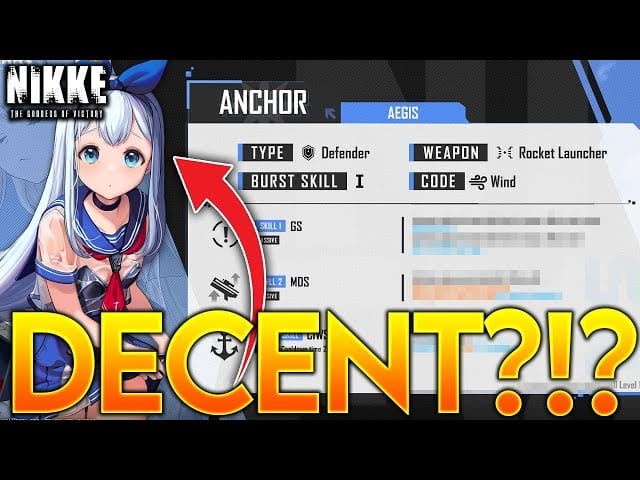
While Defenders prioritize survivability, units contributing meaningful DPS while fulfilling protective roles offer superior efficiency. Label's damage vs other Defenders matters more than vs pure DPS units.
Current meta features Defenders across tiers, from highest-priority down through mid-priority (Marciana, Rupee, Centi, Guillotine, Drake, Yulha, Sakura, Miranda, Pepper). Label's damage profile determines whether she displaces existing Defenders or requires new strategies.
Players with invested Defenders face opportunity costs: does Label's performance justify rebuilding, or do incremental improvements fail to offset resource investment? This varies dramatically between high-spenders and collectors.
Unique Mechanics and Conditional Triggers
Unique mechanics differentiate transformative units from incremental upgrades. Label may introduce conditional triggers, positioning requirements, or synergy dependencies creating new strategic possibilities.
Conditional triggers requiring specific compositions reduce flexibility and increase effective acquisition cost—you must own complementary units for full potential. Priority guidance noting Naga/Tia reduced priority without each other, or Blanc/Noir requiring pairing, illustrates this pattern.
Evaluate whether Label functions standalone or requires specific teammates. Standalone effectiveness increases pull priority for incomplete rosters; synergy-dependent units primarily benefit accounts with required complementary characters.
High-Spender Pull Priority: Investment ROI and Power Ceiling
High-spenders prioritize max combat power, competitive advantages, collection completion over resource efficiency. Label's value centers on absolute performance ceiling vs cost-effectiveness.
Highest-priority targets (Liter, Naga, Tia, Alice, Blanc, Noir, Maxwell) represent meta-defining units transforming account capabilities. Label's positioning relative to these benchmarks determines whether to pursue immediate acquisition or defer toward upcoming banners. For high-volume purchases, buy NIKKE gems online at BitTopup with secure transactions and competitive pricing.
High-priority units (Volume, Noise [PvP/solo raid], Novel [boss], Biscuit [PvP/raid], Jackal [PvP], Dolla, Helm) occupy the tier below meta-defining. Label's performance vs this cohort indicates whether she addresses content gaps or provides redundant capabilities.
Gem-to-Combat-Power Conversion
High-spenders evaluate pulls through combat power ROI. Each gem should translate to measurable performance improvements in Campaign, PvP, Raid, or Tower. Label's contribution determines priority ranking.
MLB investment represents max power ceiling, requiring multiple copies beyond initial acquisition. Competitive players often target MLB for meta-defining units, creating gem requirements dwarfing single-copy costs. Label's MLB performance vs alternatives impacts total investment justification.
Conditional priority notes (Volume lower priority if you own Liter) illustrate diminishing returns on redundant capabilities. High-spenders with comprehensive rosters must evaluate whether Label fills genuine gaps or adds collection depth without meaningful power increases.
MLB Investment Requirements
MLB requires multiple copies through repeated pulls or mileage exchanges. Total gem investment depends on RNG but can be estimated through statistical modeling of 2% rate-up across required copies.
Duplicate value varies significantly. DPS units often gain substantial damage multipliers from limit breaks; support units may receive marginal improvements not justifying investment. Label's duplicate scaling determines whether to pursue MLB or stop at initial acquisition.
MLB targeting requires calculating total mileage across all pulls. 200 Gold Mileage exchange provides safety net, but relying exclusively on mileage for multiple copies creates astronomical gem requirements even high-spenders must budget carefully.
Competitive Advantage in High-Difficulty Content
High-difficulty content (advanced Campaign, top PvP, competitive Raid, upper Tower) represents primary value for high-investment players. Label's performance here determines competitive advantage justification.
Champion Arena Beta Season 21 opens January 15, 2026, coinciding with Label's banner, creating immediate PvP testing opportunities. Early adopters successfully integrating Label gain temporary advantages before widespread adoption.
Content-specific viability matters critically. Units excelling in one type while underperforming in others offer limited value vs versatile options maintaining effectiveness across modes. Label's specialization vs generalization profile impacts priority for content-focused players.
Whale Spending Patterns
High-spender behavior during launches provides valuable data. Immediate MLB pursuit typically signals strong meta confidence; cautious spending from experienced whales may indicate performance concerns or anticipated superior upcoming options.
First 48 hours post-banner reveal spending trends as high-investment players share acquisition experiences and preliminary assessments. Community platforms aggregate this data, providing real-world investment patterns complementing theoretical analysis.
Package purchase rates during new character sale (January 15-29) indicate direct-purchase appeal. High adoption suggests strong perceived value; low uptake may signal community skepticism about meta positioning or opportunity cost concerns.
Collection Player Value: Roster Completion vs Opportunity Cost
Collectors prioritize roster completion and character acquisition over pure meta optimization. Label evaluation through completionist lenses: must-acquire for comprehensive rosters, or defer for higher-priority targets?
Label's permanent addition to Ordinary/Social Point Recruit fundamentally alters pull urgency. Unlike limited units potentially never returning, permanent units remain acquirable through standard recruitment, wishlist targeting, eventual mileage exchanges. This accessibility reduces immediate pull pressure for collectors managing finite resources.
Mid-priority tier (Marciana, Rupee, Centi, Guillotine, Drake, Yulha, Sakura, Miranda, Pepper) represents roster depth contributors without transforming account capabilities. Collectors must evaluate whether Label's addition provides sufficient completion satisfaction to justify gems vs saving for higher-impact targets.
Collection Rate Impact
Roster completion percentage drives collector satisfaction. Each new SSR acquisition incrementally increases collection rates. Label's contribution depends on current roster comprehensiveness and remaining acquisition targets.
Players approaching 100% collection may prioritize Label simply to maintain completionist status, regardless of meta relevance. This psychological value differs fundamentally from combat power calculations, creating valid pull justifications pure meta analysis overlooks.
Conversely, players with extensive gaps should prioritize highest-impact units before mid-tier additions. Opportunity cost of spending limited gems on Label vs saving for meta-defining units (Liter, Naga, Tia, Alice, Blanc, Noir, Maxwell) can set accounts back months.
Limited vs Permanent Unit Considerations
Label's permanent status dramatically reduces urgency vs limited units. Limited banners create FOMO through genuine scarcity—miss the window, acquisition becomes impossible until potential reruns months/years later. Permanent units eliminate this pressure through ongoing availability.
Collectors should prioritize limited over permanent when both appear simultaneously or in close succession. Ability to acquire Label through standard recruitment after banner ends means deferring carries minimal long-term risk beyond extended wait times.
However, 2% rate-up during featured banner represents highest probability acquisition window. Players eventually wanting Label for completion may find featured pulling more gem-efficient than relying on off-banner acquisition through standard recruitment's diluted SSR pool.
Rerun Probability Analysis
Permanent units don't require traditional reruns since continuously available. However, featured rate-up banners recur periodically, providing future opportunities for players skipping initial banners. Historical patterns suggest popular units receive featured rate-ups every 6-12 months, though timing remains unpredictable.
Collectors can reasonably expect future Label rate-up opportunities if skipping January 2026 banner. This reduces immediate pull pressure, allowing resource allocation toward limited units or higher-priority permanent options better addressing account needs.
Trade-off involves extended wait times and rerun timing uncertainty. Players wanting Label for completion but lacking immediate gems may prefer waiting for future rate-ups rather than depleting resources securing higher-priority targets in upcoming banners.
Alternative Acquisition Methods
Wishlist system allows targeting specific permanent units for increased acquisition probability during standard recruitment. Adding Label to wishlists post-banner provides passive acquisition path without dedicated gem expenditure, though success depends on overall pull volume and RNG.
Social Point Recruit offers acquisition using social points from friend interactions and daily activities. Slower than direct gem pulling, this method provides completely free acquisition for patient players accepting extended timelines.
200 Gold Mileage Ticket exchange remains available for Label post-featured banner, allowing guaranteed acquisition for players accumulating sufficient mileage through other banner pulls. This provides certainty for collection completion without requiring dedicated Label banner investment.
Label Meta Positioning: Tier List and Team Synergy
Meta tier placement determines competitive viability and pull priority for performance-focused players. Label's positioning vs established benchmarks indicates whether she's transformative acquisition, incremental improvement, or redundant capability.
Highest-priority tier (Liter, Naga, Tia, Alice, Blanc, Noir, Maxwell) defines current meta ceiling. These units transform account capabilities through exceptional performance, unique mechanics, or irreplaceable utility. Label's absence from this tier suggests specialized rather than universal value.
High-priority units (Volume, Noise, Novel, Biscuit, Jackal, Dolla, Helm) occupy tier below meta-defining. These excel in specific content or provide strong general performance without reaching transformative impact. Label's comparison to this cohort determines value for incomplete rosters.
Current Meta Tier Placement
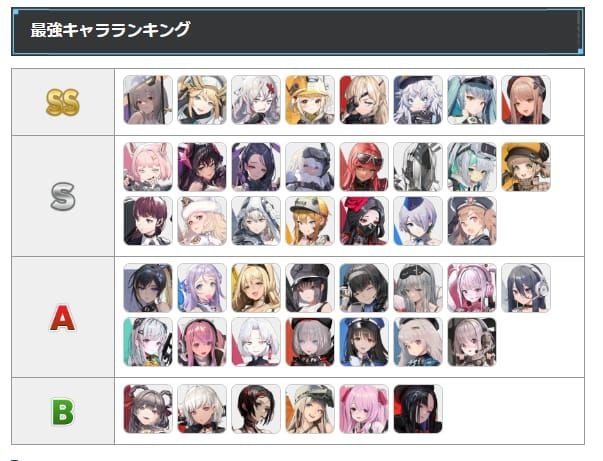
January 2026 meta snapshots reflect current balance, ongoing content difficulty, recently released units. Label's tier placement depends on how her kit addresses current meta challenges and whether she enables new strategies outperforming established approaches.
Defender-specific tier lists provide more granular positioning than general lists. Label's ranking among Defenders directly indicates value for players seeking protective units, while general tier lists contextualize importance vs DPS, support, hybrid options competing for team slots.
Conditional priority notes (Naga lower without Tia, Tia lower without Naga, Blanc lower without Noir, Noir lower without Blanc) illustrate synergy dependencies affecting practical tier placement. Label may occupy different effective tiers depending on roster composition and available teammates.
Mandatory Team Compositions
Some units require specific compositions to function optimally; others perform effectively across diverse configurations. Label's team requirements determine accessibility for varied rosters and flexibility across content types.
Synergy-dependent units create higher effective acquisition costs—must own complementary characters for full potential. Guidance noting get Naga first standalone and get Noir first standalone indicates these function independently, increasing value for incomplete rosters.
Label's Defender positioning suggests potential synergy with DPS units benefiting from protective support, but whether she requires specific teammates or functions universally affects practical priority. Standalone effectiveness dramatically increases pull value for players unable to guarantee complementary unit acquisition.
Existing Roster Compatibility Check
Audit existing rosters before committing to Label pulls. Accounts already owning strong Defenders may find Label provides redundant capabilities; rosters lacking protective options may benefit significantly.
Note that Volume has lower priority if you already own Liter illustrates diminishing returns on functionally similar units. Evaluate whether Label fills genuine roster gaps or simply adds depth to already-covered roles—former justifies higher priority than latter.
Roster compatibility extends beyond role coverage to synergy potential. Players owning units specifically benefiting from Label's kit mechanics should prioritize her higher than players whose existing teams don't leverage her unique capabilities.
Content-Specific Viability
Different content rewards different characteristics. Campaign values survivability and sustained damage, PvP prioritizes burst damage and disruption, Raids reward specialized damage optimization, Tower requires roster depth across multiple teams.
Noise's designation as high-priority for PvP and solo raids illustrates content-specific specialization. Label's performance across content types determines whether she offers versatile value or specialized utility only benefiting players focused on specific modes.
Prioritize units excelling in your preferred content. PvP-focused players may value Label differently than Campaign specialists, while players pursuing balanced performance across all content require versatile units maintaining effectiveness in multiple contexts.
Sin Editor Event Rewards: Exclusive Value Proposition
Sin Editor event runs concurrently with Label's banner (January 15-29, 2026), creating interconnected value propositions. Event participation provides supplementary resources offsetting banner costs while offering exclusive rewards potentially influencing pull decisions.
Challenge Stages typically provide gems, upgrade materials, event-specific currencies through completion milestones. These contribute to overall gem budgets, effectively reducing real-money expenditure required for target pull counts.
Archives additions (OUT OF UNIFORM, NONSENSE RED) offer narrative content collectors may value independently of gameplay rewards. While story doesn't directly impact combat power, completionists prioritizing experiencing all available narrative may factor this limited-time access into pull decisions.
Event-Exclusive Materials and Long-Term Worth
Event-exclusive materials unavailable through standard farming create genuine scarcity value. These may enable character upgrades, equipment enhancements, or progression milestones justifying event participation independent of banner considerations.
Long-term worth depends on utility for account progression. Materials addressing persistent bottlenecks (skill upgrade resources, rare equipment components, limited enhancement items) provide lasting value; cosmetic rewards or easily farmable materials offer minimal long-term impact.
Calculate whether event material value justifies time investment for completion. Events providing high-value rewards through minimal effort offer superior returns vs grindy events with marginal reward quality, influencing overall resource allocation during banner period.
Gem Return on Investment
Event gem rewards directly offset banner pull costs. Total gem income from Sin Editor completion—including Challenge Stage rewards, Paranoid Days login bonuses, standard mission completion—determines how many free pulls you gain through event participation.
6600 non-paid gems referenced in player discussions represents significant pull volume (31 pulls) meaningfully progressing toward pity thresholds or providing multiple rate-up opportunities. Events providing substantial gem income reduce financial barrier for acquiring featured units.
Complete event content before finalizing banner pull decisions. Maximizing free gem acquisition ensures you've exhausted all available resources before committing paid currency, optimizing overall cost-efficiency for target acquisitions.
Time-Limited Bonuses Affecting Pull Decisions
Time-limited bonuses during events may include enhanced drop rates, bonus rewards for specific activities, or temporary buffs accelerating progression. These create optimal windows for resource farming indirectly supporting banner investment strategies.
FULL BURST DAY (January 24-26, 2026) provides temporary advantages potentially influencing pull timing. Players acquiring Label early can leverage her during these bonus windows; players waiting until banner end miss these temporary benefits.
Coordinated Operation vs Land Eater (January 16-18) offers additional gem farming through boss-specific rewards. Strategic players time banner pulls after maximizing these supplementary income sources, ensuring comprehensive resource collection before committing to pulls.
Comparison to Standard Event Structures
Sin Editor rewards should be evaluated vs standard event reward structures. Events providing above-average gem income, superior material quality, or exclusive items unavailable elsewhere offer enhanced value justifying increased engagement.
Players familiar with historical event patterns can assess whether Sin Editor represents exceptional value or standard offerings. Exceptional events may justify prioritizing participation and resource collection; standard events provide baseline expectations without requiring extraordinary time investment.
Concurrent timing with Label's banner creates strategic synergy—farm event resources while deciding on banner investment, using accumulated gems to inform final pull decisions based on total available resources rather than pre-event estimates.
Upcoming Banner Roadmap: Opportunity Cost and Resource Allocation
Pull decisions exist within broader resource allocation contexts. Label's banner represents one investment opportunity among many, with upcoming banners potentially offering superior value depending on featured units, roster needs, meta evolution.
Period following Label's banner (February-April 2026) likely features additional new units, reruns of limited characters, potentially anniversary celebrations historically providing exceptional value. Weigh immediate Label acquisition against saving resources for these future opportunities.
Opportunity cost analysis requires comparing Label's expected value against anticipated upcoming options. Players skipping Label's banner preserve resources for future investments; players committing heavily to Label may lack gems for subsequent high-priority targets.
Confirmed and Leaked Banners
Official announcements provide confirmed upcoming banner information; community leaks offer unverified but potentially accurate previews. Distinguish between confirmed information and speculation when planning resource allocation.
Confirmed banners allow definitive planning—calculate exact gem requirements for target acquisitions and budget accordingly. Leaked information carries uncertainty but may inform strategic decisions for players willing to accept inaccurate prediction risk.
Absence of specific confirmed post-Label banners in available information creates planning challenges. Conservative players may prefer preserving resources until official announcements clarify upcoming options; aggressive players commit to immediate opportunities without guaranteed knowledge of future alternatives.
Anniversary Event Speculation
NIKKE anniversary events historically provide exceptional value through limited units, generous gem rewards, exclusive content. Consider anniversary timing when evaluating Label's pull priority, as anniversary banners may offer superior investment opportunities.
Anniversary speculation based on historical patterns suggests potential timing windows, though exact dates and featured content remain unconfirmed without official announcements. Balance speculation-based planning against inaccurate prediction risk leading to suboptimal resource allocation.
Trade-off involves immediate satisfaction from Label acquisition vs delayed gratification from potentially superior anniversary options. Players with strong impulse control may benefit from conservative resource preservation; players valuing immediate roster additions may prefer securing Label regardless of future possibilities.
Strategic Gem Hoarding vs Immediate Investment
Gem hoarding prioritizes long-term resource accumulation over immediate spending, creating large reserves enabling guaranteed acquisition of future high-priority targets. This sacrifices short-term roster additions for long-term flexibility and guaranteed access to meta-defining units.
Immediate investment prioritizes current roster development over future possibilities, accepting resource depletion risk before high-priority banners in exchange for immediate account strengthening. This benefits players valuing current progression over future optimization.
Label's positioning as permanent unit with mid-tier priority suggests she may not justify breaking gem hoarding strategies for conservative players. However, players with specific Defender needs or collection goals may find immediate investment worthwhile despite opportunity costs.
Priority Matrix for Multiple Desired Units
Players wanting multiple upcoming units must create priority matrices ranking targets by importance and allocating resources accordingly. This framework ensures highest-priority acquisitions receive guaranteed funding while lower-priority targets receive remaining resources after critical needs are met.
Label's position in individual priority matrices depends on player-specific factors: roster composition, content focus, spending tier, collection goals. High-spenders may accommodate Label alongside other targets; budget players must make exclusive choices between competing priorities.
Conditional priority guidance (Naga first if standalone, Noir first if standalone, Alice lower without overload gear) illustrates how individual circumstances affect universal tier lists. Customize priority matrices to your specific situation rather than blindly following generalized rankings.
Pull Decision Framework: Step-by-Step Analysis
Effective pull decisions require systematic analysis of individual account circumstances rather than universal prescriptions. This framework guides you through critical evaluation factors determining whether Label represents worthwhile investment for your specific situation.
Player archetype classification provides foundation for decision-making. High-spenders, moderate investors, free-to-play players, collection specialists operate under fundamentally different constraints demanding tailored strategies rather than one-size-fits-all recommendations.
Decision trees accounting for current gem reserves, roster composition, content priorities, upcoming banner interests create personalized recommendations optimizing resource allocation for individual goals rather than generic meta chasing.
Player Archetype Classification
High-spenders (whales) prioritize max combat power and collection completion with minimal financial constraints. Can pursue Label alongside other targets without meaningful resource trade-offs, making pull decisions primarily about meta value rather than opportunity costs.
Moderate investors (dolphins) balance spending with resource efficiency, targeting high-impact acquisitions while avoiding wasteful investments. Must evaluate whether Label provides sufficient value to justify gem expenditure vs saving for higher-priority upcoming targets.
Free-to-play players operate under strict resource constraints demanding maximum efficiency. Every gem spent on Label represents gems unavailable for future banners, creating high opportunity costs requiring exceptional value justification for pull commitment.
Collection specialists prioritize roster completion over meta optimization, valuing character acquisition independently of combat performance. Evaluate Label through completionist lenses, weighing collection satisfaction against resource preservation for other acquisition targets.
Decision Tree Based on Current Resources
Players with gem reserves exceeding 200 pulls (enough to guarantee Label through pity) face lower-risk decisions than players with minimal reserves. Guaranteed acquisition capability removes RNG variance, allowing pure value assessment without gambling considerations.
Players approaching existing pity thresholds on other banners must evaluate whether triggering pity on Label's banner represents optimal resource allocation. Wasting near-guaranteed SSR acquisitions on lower-priority targets creates inefficiency careful planning can avoid.
Mileage ticket reserves provide alternative acquisition paths reducing banner pull requirements. Players with substantial mileage accumulation can guarantee Label through direct exchange, preserving gems for other targets while still securing collection completion.
Risk Assessment: Pity Breaking and Resource Depletion
Pity breaking occurs when players pull featured units before reaching guaranteed pity thresholds, creating unexpected resource expenditure disrupting broader allocation plans. Assess your tolerance for potentially depleting gem reserves without successful Label acquisition.
Resource depletion scenarios where players commit all available gems to Label's banner without success create vulnerability to upcoming high-priority banners. Conservative players preserve minimum reserve thresholds guaranteeing future acquisition capability regardless of Label banner outcomes.
2% rate-up probability means ~63% chance of acquiring at least one Label within 50 pulls, 86% within 100 pulls, 98% within 200 pulls. Evaluate your risk tolerance against these probabilities when determining pull commitment levels.
Regret Prevention Checklist
Pre-pull evaluation prevents common regret scenarios. Confirm Label addresses genuine roster needs rather than impulse acquisition driven by banner hype or FOMO pressure. Genuine need justification creates satisfaction regardless of meta evolution; impulse pulls often generate regret when priorities clarify.
Roster audit confirmation ensures Label doesn't provide redundant capabilities already covered by existing units. Players with strong Defender options may find Label offers minimal practical improvement despite collection appeal, creating regret when resources could have secured transformative additions elsewhere.
Future banner awareness prevents regret from discovering superior upcoming options immediately after depleting resources on Label. Research anticipated upcoming content and confirm Label represents optimal current investment before committing pulls.
Resource Optimization Strategies: Maximizing Value Per Gem
Resource optimization focuses on extracting maximum value from every gem spent, whether through strategic pull timing, pity manipulation, or alternative acquisition methods. These strategies benefit all player archetypes but prove especially critical for budget-conscious players managing finite resources.
Pity timer optimization across multiple banners allows maximizing guaranteed SSR acquisitions while minimizing total gem expenditure. Strategic planning coordinating pity thresholds across desired banners creates efficiency gains compounding over time.
Wishlist system manipulation provides passive acquisition opportunities for permanent units without dedicated gem investment. Players strategically configuring wishlists can acquire desired units through standard recruitment while preserving gems for limited banner targets.
Pity Timer Optimization Across Multiple Banners
Players approaching pity on existing banners should evaluate whether completing that pity before pulling on Label's banner provides superior value. Guaranteed SSR acquisitions on high-priority banners justify completion before starting new pity cycles on lower-priority targets.
Conversely, players at zero pity count on all banners can strategically choose which banner to build pity on based on featured unit priorities. Starting pity accumulation on Label's banner only makes sense if she represents higher priority than alternative current or near-future banner options.
Persistence of mileage tickets across banners allows long-term accumulation strategies. Build mileage reserves through various banner pulls, eventually exchanging for Label without dedicating pulls specifically to her banner, preserving rate-up opportunities for higher-priority targets.
Wishlist System Manipulation
Adding Label to wishlists post-banner provides passive acquisition probability during standard recruitment. While slower than dedicated banner pulling, this method costs zero gems and eventually yields results for players conducting regular standard recruitment.
Wishlist priority ordering affects acquisition probability when multiple wishlist units could drop. Prioritize Label appropriately relative to other desired permanent units, balancing collection goals against meta priorities to optimize overall acquisition sequencing.
Trade-off involves extended wait times and RNG dependency. Players willing to accept uncertain timelines can acquire Label eventually through wishlist targeting; players wanting guaranteed immediate acquisition must commit banner pulls or mileage exchanges.
Social Point and Mileage Ticket Strategic Reserve
Social Point Recruit provides completely free acquisition opportunities using points accumulated through friend interactions. While individual pull rates remain low, accumulated volume over time creates meaningful acquisition probability without gem expenditure.
Mileage ticket reserves enable guaranteed acquisitions without RNG dependency. Players maintaining minimum mileage thresholds (200 tickets for direct exchange) preserve acquisition capability for high-priority targets regardless of pull luck, creating strategic flexibility.
Decision to spend mileage tickets on Label vs preserving them for future targets depends on individual priorities. Collectors may prefer immediate Label acquisition through mileage exchange; meta-focused players preserve tickets for transformative units justifying guaranteed acquisition.
Cost-Efficiency for Spenders
High-spenders seeking maximum gem acquisition efficiency should evaluate package options during new character package sale (January 15-29). These packages typically provide superior gem-to-dollar ratios vs standard purchases, optimizing cost-efficiency for volume buyers.
BitTopup offers competitive pricing with fast delivery and secure transactions for players purchasing gems. The platform's excellent customer service and high user ratings provide reliability for high-volume purchases supporting extensive banner investment.
Calculate total gem requirements for target acquisition goals (single copy, specific limit break level, MLB) and purchase accordingly. Bulk purchasing during promotional periods maximizes cost-efficiency vs incremental purchases at standard rates.
Community Insights and Real Player Data
Community data provides real-world validation for theoretical analysis. Player spending patterns, performance reports, sentiment analysis during Label's banner period offer practical insights complementing statistical modeling and meta evaluation.
First-week pull statistics from high-investment players reveal actual acquisition costs and RNG variance experiences. These data points ground theoretical probability calculations in real outcomes, helping you set realistic expectations for your own pull attempts.
Common regret scenarios reported by community members identify decision-making pitfalls to avoid. Learning from others' experiences prevents repeating mistakes leading to resource waste or acquisition regret.
First-Week Pull Statistics
Early adopter spending data typically emerges within 48 hours of banner launch as high-investment players share acquisition experiences. These reports provide sample data for actual pull counts required to secure Label, validating or contradicting theoretical probability models.
Outlier experiences (extremely lucky early acquisitions or extended dry streaks) illustrate RNG variance ranges. While statistical averages provide planning baselines, real player experiences demonstrate practical range of possible outcomes you should prepare for.
MLB acquisition reports from whales provide data on total investment requirements for maximum limit break. These extreme data points help high-spenders budget appropriately for complete investment while illustrating resource commitment required for competitive optimization.
Common Regret Scenarios
Players who pulled Label without genuine roster need often report regret when higher-priority units appear in subsequent banners. This emphasizes importance of pre-pull roster audits and priority confirmation before committing resources.
Resource depletion regret occurs when players exhaust gem reserves on Label's banner without successful acquisition, then lack resources for upcoming high-priority targets. This outcome reinforces value of maintaining strategic reserves and risk assessment before committing to pulls.
Impulse pull regret from FOMO-driven decisions without strategic justification creates dissatisfaction when priorities clarify post-banner. Resist hype pressure and make deliberate decisions based on individual circumstances rather than community excitement.
Success Stories: Accounts That Benefited
Players who acquired Label and successfully integrated her into teams addressing specific content challenges provide validation for strategic pull decisions. These success stories illustrate practical value realization justifying investment for players with similar roster needs.
Accounts leveraging Label to overcome progression bottlenecks, achieve competitive ranking improvements, or complete challenging content demonstrate tangible ROI extending beyond theoretical meta analysis. These outcomes justify investment for players facing similar challenges.
Collection completion satisfaction from players who acquired Label to finish roster gaps illustrates non-combat value propositions. While meta analysis focuses on performance metrics, completionist satisfaction represents genuine value for collection-focused players.
Expert Consensus from Content Creators
Experienced content creators specializing in NIKKE strategy provide expert analysis based on extensive gameplay experience and meta knowledge. Their assessments synthesize community data, personal testing, theoretical analysis into comprehensive evaluations.
Consensus opinions across multiple expert sources provide stronger signals than individual assessments. When experienced analysts agree on Label's positioning, their collective judgment carries significant weight for players seeking authoritative guidance.
Divergent expert opinions highlight areas of genuine uncertainty or context-dependent value. When experts disagree, evaluate which expert's perspective aligns most closely with your individual circumstances and priorities.
FAQ
Is Label worth pulling for high spenders in NIKKE?
High spenders should evaluate Label based on roster gaps and meta priorities. She doesn't appear in highest-priority tier (Liter, Naga, Tia, Alice, Blanc, Noir, Maxwell), suggesting specialized rather than transformative value. Players with comprehensive rosters may find her redundant; those lacking strong Defenders could benefit. Her permanent status reduces urgency since future acquisition remains possible through standard recruitment.
What is the pity system for Label banner in NIKKE?
Label's banner features 4% SSR rate with 2% rate-up for Label. Pity system guarantees SSR every 200 pulls max, with mileage tickets accumulating throughout. Exchange 200 Gold Mileage Tickets directly for Label, providing guaranteed acquisition after ~200 pulls worth of mileage. Banner runs January 15-29, 2026, giving 14 days to reach pity thresholds.
Should collection players skip the Label banner?
Collectors should weigh roster completion satisfaction against opportunity costs. Label becomes permanent in Ordinary/Social Point Recruit after banner, allowing future acquisition through wishlist targeting or eventual mileage exchange. Players with limited resources should prioritize highest-tier units (Liter, Naga, Tia, Alice, Blanc, Noir, Maxwell) before mid-priority additions. However, 2% rate-up during featured banner provides most gem-efficient acquisition window.
How many gems needed to guarantee Label in NIKKE?
Guaranteeing Label requires enough gems to reach 200 Gold Mileage Tickets for direct exchange, representing ~200 pulls. At standard gem costs, this translates to significant investment depending on package purchases and available free gems. 2% rate-up provides 98% probability of acquisition within 200 pulls through RNG, though guaranteed acquisition requires full mileage exchange. Budget conservatively for worst-case scenarios.
Does Label work without specific team compositions?
Label's effectiveness as standalone unit vs synergy-dependent performance requires hands-on testing during banner period. Priority guidance noting some units require paired acquisition (Naga/Tia, Blanc/Noir) illustrates synergy dependencies affecting practical value. Evaluate whether your existing roster provides complementary units maximizing Label's potential or if she requires additional acquisitions to function optimally.
Should I save gems for NIKKE anniversary after Label?
Anniversary events historically provide exceptional value through limited units and generous rewards. Consider anniversary timing when evaluating Label's pull priority. Her permanent status means skipping her banner carries minimal long-term risk since future acquisition remains possible. Conservative players may prefer preserving resources for anniversary banners; players with specific Defender needs or collection goals may find immediate Label acquisition worthwhile despite opportunity costs.
Ready to secure Label for your roster? Get the best gem package rates exclusively at BitTopup. Fast delivery, secure transactions, and 24/7 support for NIKKE commanders. Visit BitTopup now to maximize your pulling power and dominate the Sin Editor event!