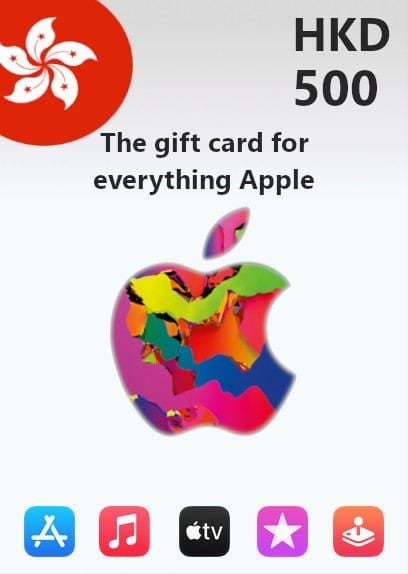
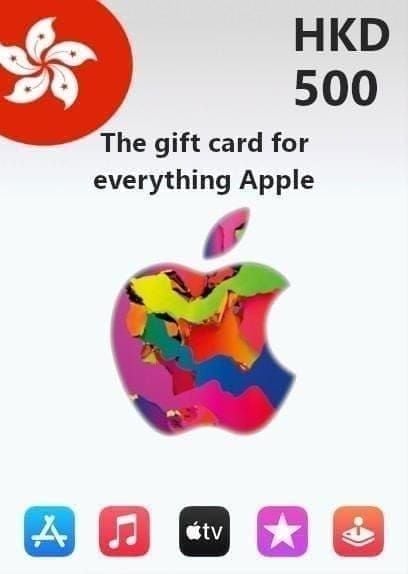
Scammers don't pick iTunes HK cards by accident. Three structural features make them the preferred payment tool for fraud: codes are irreversible once redeemed, the HK-region lock creates a local resale market scammers exploit, and Apple IDs don't require identity verification to redeem. Once a code is used, recovery is nearly impossible.
Community data confirms the average loss sits at HK$3,000 — typically four cards purchased under pressure. HK online shopping scams collectively cost victims US$1.8 million in a single week in early 2026. Scams peak in January–February around Lunar New Year, but April 2026 is seeing a secondary spike driven by new Telegram and TikTok vectors.
Legitimate iTunes HK card discounts max out at 5–10% off face value. Anything beyond that is a red flag. Discounts of 30–50%+ almost certainly indicate stolen, pre-drained, or counterfeit cards.
Scam #1: Fake iTunes HK Gift Card Generator Websites
These sites promise free 16-digit codes through an "online generator." They don't work — and they never have. Apple's code architecture makes server-side generation impossible without authorized systems. What these sites actually do: harvest your personal data, install malware, or redirect you to survey loops that monetize your clicks.
Red flags:
- Promises of free codes with no purchase required
- Requests for your Apple ID login "to deliver the code"
- URLs that mimic Apple but use domains like
apple-hk-codes[.]com
No legitimate source generates iTunes codes for free. Full stop.
Scam #2: Social Media Giveaway Scams (Facebook, Instagram, TikTok HK)
The playbook is consistent: a fake account impersonating a gaming influencer or Apple HK announces a giveaway. To "claim" your card, you must follow, share, and DM them — then they ask for a small "verification fee" paid in iTunes cards, or request your Apple ID credentials.
TikTok HK is the fastest-growing vector in Q1–Q2 2026. Short-form video makes fake giveaways look credible fast, and comment sections get flooded with bot accounts confirming they "received their prize."
How to verify a real promotion: Apple never runs giveaways requiring gift card payment or Apple ID submission. Check the account's verified badge, creation date, and follower-to-engagement ratio. Real promotions link to apple.com/hk — not third-party forms.
Scam #3: Phishing Emails & SMS Impersonating Apple HK
You receive an email claiming your Apple ID has been compromised, or that you have an unclaimed iTunes HK balance. The link leads to a convincing fake redemption page that captures your credentials or card codes.
Boss impersonation is a related variant: community reports confirm scammers send emails posing as a company executive, urgently requesting staff purchase iTunes HK cards and share the codes "for a client emergency."
Anatomy of a phishing message:
- Sender domain is off by one character (
appleid-hk@support-apple.net) - Creates urgency: "Your account will be suspended in 24 hours"
- Links to a non-
apple.com URL - Asks you to enter or reply with a gift card code
Apple's real emails come from @apple.com only. When in doubt, go directly to appleid.apple.com — never click email links.
Scam #4: Romance & Compensated Dating Scams
This is where the HK$3,000 figure comes from most directly. An 80-year-old victim lost exactly HK$3,000 buying four iTunes cards after a romance scammer built weeks of trust online. A teenager lost HK$110,000 through an online dating gift card scheme — one of the most extreme documented cases in 2026.
The script: scammer builds emotional connection over WhatsApp or dating apps, then claims a crisis (medical emergency, stuck abroad, business deal gone wrong) and asks you to buy iTunes HK cards and share the codes. Compensated dating scams use a similar hook — promising payment for companionship, then demanding iTunes cards as a "deposit" or "verification."
The core red flag: any romantic or dating contact who asks for iTunes gift card codes is running a scam. No exceptions. Legitimate people don't settle debts or emergencies with gift card codes.
Scam #5: Counterfeit Physical iTunes HK Gift Cards
Fake physical cards appear in grey-market shops and peer-to-peer sales. The card looks real — correct branding, scratch-off panel, barcode — but the code underneath is either invalid or has already been redeemed by the scammer before the card was sold.
Community reports confirm a pattern: scammers purchase legitimate cards, carefully lift the scratch-off coating, record the code, reseal the panel, and resell the card. By the time you scratch and try to redeem, the balance is gone.
What to check before buying physical cards:
- Buy only from Apple's official store or authorized resellers (verify at
locate.apple.com) - Inspect the scratch panel — any signs of tampering, re-gluing, or uneven coating are disqualifying
- Avoid cards sold loose, without original retail packaging
Scam #6: Discord & Telegram "Discounted Card" Trading Scams
This is the fastest-growing scam vector among Hong Kong mobile gamers. Someone in a Discord gaming server or Telegram group offers iTunes HK cards at 20–40% below face value. They claim they're "reselling unused gifts" or "clearing stock."
Why deeply discounted cards are almost always fraudulent: legitimate sellers have no reason to take a 30% loss. Those cards are either stolen (purchased with compromised credit cards and flagged), pre-drained, or counterfeit. Community consensus on HK gaming forums is clear — unofficial sellers carry a 90% scam risk when discounts exceed 10%.
The "middleman escrow" trick makes it worse. A scammer offers to use a trusted middleman, then either controls the middleman account themselves or the "escrow" disappears with your money. Discord messages requesting gift cards are a confirmed scam indicator.
If you need to buy iTunes Gift Card (HK) online cheap, stick to platforms with verifiable track records — not anonymous Discord traders offering deals that don't make financial sense.
Scam #7: Tech Support Scams Demanding iTunes HK Gift Card Payment
You get a call or pop-up claiming your device has a virus, your Apple ID is compromised, or you owe a government fine. The "agent" — impersonating Apple Support, a telecom company, or a government department — instructs you to buy iTunes HK cards immediately and read out the codes to "unlock" your account or pay the penalty.
Legitimate companies never request gift card payment. Apple Support (800-908-988) will never ask for codes over the phone. The Hong Kong government does not collect fines via iTunes cards. Neither does any telecom provider.
The urgency is engineered. Scammers keep you on the line, prevent you from consulting anyone, and push you to buy multiple cards in one trip. That pressure is the scam's primary mechanism — panic overrides judgment.
Your 2026 iTunes Gift Card (HK) Safety Checklist
Before You Buy
- Verify the seller — use
locate.apple.com for authorized retailers
- Check the discount — more than 10% off face value means walk away
- Confirm the region — HK cards only redeem on HK-region Apple IDs
- Ignore urgency — any pressure to buy immediately is a social engineering tactic
- Question the payment reason — gift cards don't pay debts, fines, or emergencies
During Purchase
- Buy denominations between HK$50–HK$500 from verified sources
- Inspect physical card packaging for tampering before leaving the store
- Don't share codes with anyone before you've redeemed them yourself
After Purchase
- Redeem immediately after purchase
- Enter codes manually — don't copy-paste from screenshots (community tip: screenshot errors cause redemption failures)
- Sign out and back into the App Store if the balance doesn't update
- Check your Apple ID region matches HK before redeeming
Where to Buy iTunes Gift Card (HK) Safely in 2026
| Channel | Risk Level | Notes |
|---|
| Apple.com/hk | ✅ Lowest | Official source, guaranteed authentic |
| Apple Retail Store HK | ✅ Lowest | Physical purchase, inspect packaging |
| Authorized resellers (locate.apple.com) | ✅ Low | Verify authorization before buying |
| Convenience stores (authorized) | ⚠️ Low-Medium | Check for tampering |
| Carousell HK / Facebook Marketplace | ❌ High | Community-flagged as high fraud risk |
| Discord / Telegram traders | ❌ Very High | 90% scam risk at >10% discount |
| Generator websites | ❌ Certain fraud | No legitimate generator exists |
For digital purchases, platforms with verified delivery and transparent pricing eliminate the grey-market risk entirely. The iTunes Gift Card (HK) best deal 2026 isn't the deepest discount — it's the one where the code actually works when you redeem it. BitTopup is one verified digital platform serving HK users with instant code delivery.
Got Scammed? Here's Exactly What to Do Right Now
Speed matters. If the code hasn't been redeemed yet, Apple may be able to freeze it.
Step 1 — Contact Apple immediately
Call Apple HK Support at 800-908-988 or go to getsupport.apple.com → Apps & Services → App Store → Gift Cards & Codes. Report the code and explain the circumstances. Recovery is only possible if the code is unredeemed.
Step 2 — Report to Hong Kong Police CSTCB
File a cybercrime report via police.gov.hk through the Cyber Security and Technology Crime Bureau. This creates an official record and contributes to pattern tracking that helps shut down scam operations.
Step 3 — Contact HKMA if financial fraud is involved
If the scam involved unauthorized bank transactions or payment fraud beyond the gift card itself, the Hong Kong Monetary Authority should be notified. They handle fraudulent financial transactions and can escalate to relevant institutions.
Realistic expectations: If the code has already been redeemed, recovery is extremely unlikely. Scammers redeem codes within minutes of receiving them, often through automated systems. Don't delay reporting hoping the situation resolves — act within the first hour.
Frequently Asked Questions
Can Apple reverse a redeemed iTunes HK gift card?
Rarely. If the code was redeemed before you reported it, Apple has almost no mechanism to reverse it. Report immediately via 800-908-988 — the faster you call, the marginally better your odds.
Is buying iTunes HK cards from resellers ever safe?
Only from Apple-authorized resellers verified at locate.apple.com. Peer-to-peer resellers on Carousell or Facebook Marketplace carry high fraud risk regardless of seller reputation scores, which can be faked.
How do I check if my iTunes HK card has already been redeemed?
Attempt to redeem it through your HK-region Apple ID. If it returns an "already redeemed" error and you haven't used it, the card was pre-drained — report it to Apple immediately with proof of purchase.
Why do scammers specifically ask for iTunes HK cards instead of cash?
Three reasons: codes are anonymous, irreversible once redeemed, and the HK-region resale market lets scammers liquidate credit quickly through fake apps or grey-market resale. There's no chargeback mechanism and no identity trail.
What's the safest denomination to limit exposure?
HK$50 cards minimize per-transaction risk. If you're buying under any kind of pressure or urgency, that pressure itself is the scam — denomination doesn't matter when the entire purchase is fraudulent.
How do I report a scam to Hong Kong authorities?
Online: police.gov.hk via the CSTCB e-report portal. Phone: 800-908-988 (Apple) for card-specific issues. For broader financial fraud, contact HKMA. The Hong Kong Customs and Excise Department also plays an anti-fraud enforcement role for counterfeit goods including fake physical cards.