


Blood Strike Low Merit Fix: 7 Ways to Unlock Ranked (2025)
Getting locked out of ranked matches due to low merit in Blood Strike is frustrating, but recovery is achievable. This guide reveals the exact mechanics behind Blood Strike's Reputation system, the threshold for ranked access, and seven proven methods to restore your merit score efficiently.


What Is the Reputation/Merit System?
Blood Strike's Reputation system (Behavior Score) tracks player conduct across all match types. This numerical score reflects your in-game behavior, match completion rate, and team cooperation. It operates independently from character progression and ranked tier, functioning as a gatekeeper for competitive modes.
Reputation serves dual purposes: measuring conduct and functioning as in-game currency. You spend Reputation to unlock premium characters like SPIKE and NACHO (8000 each), weapons, vehicles, and Camouflage chests.
For players wanting to accelerate progression while maintaining good standing, blood strike gold top up through BitTopup provides a secure alternative for unlocking premium content without depleting your Reputation reserves.
Why Merit Matters for Ranked Access
Low Behavior Scores create immediate barriers to ranked participation. The system automatically bans players from ranked modes when merit falls below the threshold, forcing them into casual matches until recovery. This applies to both Battle Royale solo and Squad Fight 4-player ranked modes, which operate on two-month seasonal cycles.
Ranked progression spans seven tiers: Bronze, Silver, Gold, Platinum, Diamond, Master, and Legend. Each rank contains four sub-tiers (IV, III, II, I), with Legend Battle Royale requiring 13,000 tier points and Legend Squad Fight requiring 112 tier points. Top 250 Legend players receive exclusive titles.
The Exact Merit Threshold
Blood Strike doesn't publicly display the precise numerical threshold, but provides clear visual indicators when your Behavior Score drops into restricted territory. Players receive warnings through their profile interface before complete lockout. The Weekly Behavior Score Reward grants 500 Reputation to players maintaining good standing, serving as both incentive and benchmark.
Why Your Merit Score Dropped
AFK Penalties and Match Abandonment
Going AFK during matches triggers the most severe merit penalties. The system detects prolonged inactivity through movement tracking and engagement metrics. Even brief AFK periods during critical match phases can result in player reports and automatic flags.
Match abandonment before completion creates immediate Behavior Score reductions. Leaving matches early—whether through intentional quitting or closing the application—registers as negative conduct regardless of team performance. The penalty applies equally to casual and ranked matches, though ranked abandonment carries additional tier point losses.
Player Reports Impact
The community reporting system directly influences your Behavior Score. When multiple players report you for toxic behavior, team damage, or non-participation within short timeframes, the system aggregates reports and applies cumulative penalties. Repeated reports from different matches create patterns triggering escalating consequences.
False reports rarely impact players with clean records, as the system weighs report frequency against overall conduct history. However, players near the threshold face higher sensitivity to new reports.
Team Damage and Negative Behavior
Friendly fire incidents, especially when excessive or appearing intentional, contribute to merit degradation. While accidental team damage occurs naturally, patterns of repeated friendly fire trigger automated detection and increased report likelihood. The system distinguishes between occasional accidents and deliberate griefing through damage frequency analysis.
Network Disconnections vs. Intentional Leaving
The system struggles to distinguish between genuine network failures and intentional disconnections. While occasional disconnections receive some leniency, frequent mid-match dropouts—regardless of cause—eventually impact your Behavior Score.
Reconnection attempts partially mitigate disconnect penalties. Players who rejoin matches after brief disconnections demonstrate good faith effort. However, disconnections during match-critical moments carry heavier weight than early-match drops.
7 Proven Methods to Fix Low Merit
Method 1: Complete Casual Matches Consistently
Casual match completion provides the most reliable merit restoration path. Each finished match—regardless of performance—contributes positive Behavior Score increments. Focus on Team Deathmatch modes for shorter durations, allowing more completed matches per session.
Hot Zone mode offers particular efficiency due to fast-paced nature and shorter match times. Completing 5-7 casual matches daily accelerates recovery significantly.
Method 2: Maintain Perfect Attendance Without AFK
Zero tolerance for AFK behavior during recovery is essential. Set aside dedicated gaming sessions where interruptions are unlikely. Disable notifications, secure stable internet, and ensure you can commit to full match durations before queuing. Even single AFK incidents during recovery can extend your lockout substantially.
Monitor your schedule to avoid queuing when time constraints might force early exits. A 15-minute Team Deathmatch requires 20-minute availability windows accounting for queue times.
Method 3: Focus on Team-Oriented Gameplay
Cooperative gameplay reduces report likelihood while demonstrating positive conduct. Prioritize assists over solo kills, share resources, and respond to ping communications. Squad play boosts efficiency by 20% through survival and assist bonuses.
Select support-oriented Strikers during recovery. Characters like E.M.T provide healing utility encouraging team-focused play. Avoid aggressive Strikers like ZERO or BLAST that might lead to risky solo plays.

Method 4: Avoid Peak Hours
Server stability varies throughout the day, with peak hours experiencing higher latency and connection instability. Playing during off-peak periods (early mornings or weekday afternoons) reduces disconnection risks from server overload.
Test your connection quality before committing to matches. Run practice mode sessions to verify stable ping and packet loss metrics.
Method 5: Play Full Matches Start to Finish
Never queue unless you can guarantee completion. The system rewards consistent full-match participation more heavily than sporadic play with occasional abandonment.
In Battle Royale modes, survival duration matters less than match completion. Even early eliminations count as completed matches if you remain until the elimination screen processes naturally.
Method 6: Positive Team Communication
Minimal, constructive communication reduces conflict opportunities. Use ping systems for tactical callouts rather than voice chat with random teammates. Avoid text chat debates, even when responding to toxic players. Muting disruptive teammates prevents escalation.
If using voice communication, maintain neutral tone and focus exclusively on gameplay coordination. Players who feel respected rarely file reports.
Method 7: Monitor Merit Progress Daily
Check your player profile's Behavior Score indicators after each session. The visual feedback system shows whether you're trending toward recovery or remaining stagnant.
Document your match completion count and any incidents (disconnections, reports, AFK warnings) in a simple log. This helps identify patterns and estimate remaining recovery timeline.
Merit Recovery Timeline
Merit Points Gained Per Match Type
Team Deathmatch: 15-20 merit points per completion, 8-12 minute duration. Allows 4-5 matches per hour.
Battle Royale: 25-35 merit points, 15-25 minute duration depending on survival. Higher per-match reward doesn't offset extended time investment.
Squad Fight: 20-30 merit points, 12-18 minute duration. Cooperative nature reduces report risks.
Average Recovery Time by Penalty Level
Minor infractions (1-2 incidents): 10-15 completed matches. At 5-7 matches daily, recovery takes 2-3 days.
Moderate penalties (multiple abandonments): 25-40 completed matches. Translates to 4-6 days of consistent daily play.
Severe restrictions (chronic violations): 50+ completed matches spanning 10-14 days of daily play.
Factors Affecting Recovery Speed
Consecutive match completion streaks accelerate recovery through positive momentum bonuses. Playing 10 matches across two days yields better results than the same 10 matches scattered across a week.
Additional incidents during recovery compound existing penalties exponentially. A single AFK occurrence while recovering can extend your timeline by 50% or more.
The Weekly Behavior Score Reward of 500 Reputation signals you've crossed back into acceptable conduct territory, typically coinciding with ranked access restoration.
Game Mode Comparison for Merit Recovery

Casual TDM vs. Battle Royale
Team Deathmatch dominates merit recovery efficiency through match volume. Completing three TDM matches (24-36 minutes total) generates 45-60 merit points. The equivalent time in Battle Royale yields only 1-2 completed matches for 25-70 merit points.
TDM averages 1.5-2.0 merit points per minute, while Battle Royale ranges from 1.0-1.8 depending on placement. TDM is the mathematically optimal choice for pure merit recovery.
However, players simultaneously pursuing character unlocks benefit from Battle Royale's superior Reputation currency rewards. For players prioritizing both merit recovery and content unlocking, recharge blood strike gold through BitTopup allows you to acquire premium Strikers immediately while focusing Reputation earnings on merit-neutral purchases.
Why Ranked Matches Don't Help During Restriction
The system's ranked lockout prevents merit recovery through competitive play, creating a forced casual-only recovery period. This design intentionally separates competitive integrity from rehabilitation.
How to Check Your Current Merit Status
Accessing Your Player Profile
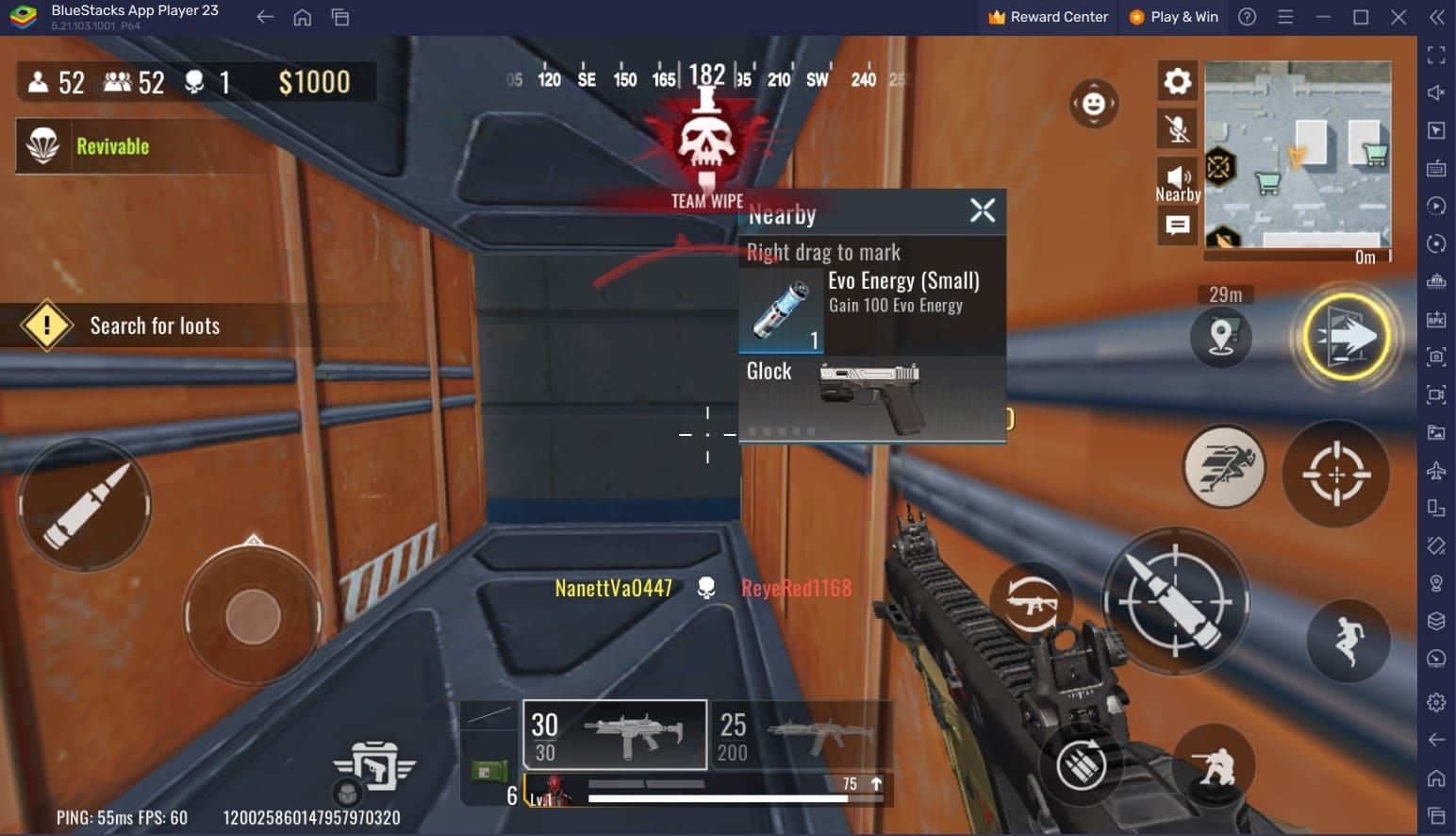
Navigate to your player profile through the main menu. The Reputation tab tracks your Behavior Score status and related warnings.
The interface uses color-coded indicators:
- Green: Good standing with full ranked access
- Yellow: Borderline status with warnings
- Red: Active ranked lockout requiring immediate recovery
Understanding Warnings
Warning messages appear progressively as your Behavior Score approaches restriction thresholds. Initial warnings provide general conduct reminders. Secondary warnings specify behaviors triggering concern and estimate proximity to ranked lockout.
Final warnings immediately precede ranked restrictions, typically appearing after the incident that pushes you below the threshold.
Tracking Progress
The Reputation tab updates after each completed match, allowing real-time progress monitoring. Visual progress bars or numerical indicators show advancement toward restoration threshold.
Cross-reference your profile indicators with actual ranked queue access. Once error messages disappear and ranked queues become accessible, you've successfully restored merit standing.
Common Merit Restoration Mistakes
Playing More Matches Doesn't Always Help Faster
Match quantity alone doesn't guarantee faster recovery if quality suffers. Five perfect matches outperform ten matches containing one AFK incident.
Fatigue-induced mistakes during marathon sessions create setbacks. Sustainable daily sessions of 1-2 hours outperform exhausting 4-6 hour binges.
Why Rage Quitting Makes Things Worse
Emotional reactions trigger the exact behaviors that caused initial merit loss. The system applies heavier penalties to repeat offenders. Abandoning matches during active recovery signals pattern behavior, potentially escalating restriction severity.
Merit Reset Rumors
No seasonal merit resets occur. Your Behavior Score persists across season transitions. Ranked seasons last two months, but merit penalties remain until actively resolved through match completion.
Long-Term Merit Maintenance
Stable Internet Connection
Wired ethernet connections dramatically reduce disconnection risks compared to WiFi. Close bandwidth-intensive applications during gaming sessions.
Monitor connection quality through in-game ping displays. If ping exceeds 100ms or packet loss appears, postpone sessions until connectivity stabilizes.
Team Play Ethics
Treat every teammate interaction as an opportunity to build positive reputation. Simple courtesies—acknowledging good plays, sharing loot fairly, following squad leader pings—create cooperative atmospheres where reports become unlikely.
Accept responsibility for mistakes rather than blaming teammates. Brief apologies defuse tension and demonstrate good faith.
Handling Toxic Players
Mute and report toxic players immediately rather than engaging. Never retaliate through team damage or match throwing. Maintaining composure protects your merit while the reporting system handles enforcement.
Setting Up Uninterrupted Sessions
Communicate your gaming schedule with household members to minimize interruptions. Complete necessary tasks before starting gaming sessions. Queue for matches only when you have confirmed availability for full completion plus buffer time.
Merit System Changes and Season Updates
Recent Updates
The Behavior Score system has evolved through multiple iterations. Recent updates increased penalty severity for repeat offenders while providing clearer warning systems. The Weekly Behavior Score Reward of 500 Reputation was introduced to incentivize sustained good conduct.
How New Seasons Affect Merit
Seasonal transitions preserve your existing Behavior Score without resets. The two-month ranked seasons introduce new cosmetic rewards and tier progressions, but merit requirements for ranked access remain constant.
New seasonal content—including Strike Pass rewards like VOLT (Season 3 Strike Pass Level 20) and LUCIAN (Strike Pass Level 15)—becomes accessible regardless of merit status.
Preparing for Future Changes
Monitor official Blood Strike communications for announced system updates. The trend toward stricter enforcement suggests future updates may increase penalties or expand detection systems. Maintaining conservative conduct margins protects against policy evolution.
Enhance Your Experience with BitTopup
Fast and Secure Gold Top-Ups
BitTopup provides instant Blood Strike Gold delivery through secure transaction processing, enabling immediate Strike Pass progression and premium content access. Competitive pricing ensures maximum value with transparent pricing and no hidden fees.
The 18 playable Strikers include progression-locked characters like HANK (Character Level 4), VOLT (Season 3 Strike Pass Level 20), and LUCIAN (Strike Pass Level 15). BitTopup's Gold top-up services accelerate Strike Pass advancement while preserving your Reputation currency for merit-neutral purchases.
Exclusive Offers
BitTopup regularly features promotional pricing on Blood Strike Gold packages. Loyalty programs reward repeat customers with bonus Gold and exclusive discounts.
Fast delivery times—typically within minutes—ensure you can immediately apply Gold toward time-sensitive offers. 24/7 customer service resolves any transaction questions promptly.
Why BitTopup for Merit-Conscious Players
BitTopup's secure transaction infrastructure protects your account information through industry-standard encryption. For players focused on merit recovery, BitTopup's Gold services provide merit-neutral progression paths. Purchasing premium Strikers with Gold rather than Reputation preserves your earned Reputation for weapons, vehicles, and Camouflage chests.
FAQ
What is the minimum merit score for ranked play?
Blood Strike doesn't display the exact numerical threshold, but provides clear visual warnings when your Behavior Score drops into restricted territory. The Weekly Behavior Score Reward of 500 Reputation serves as a benchmark—qualifying typically indicates good standing with full ranked access.
How long does merit restoration take?
Minor infractions: 10-15 matches (2-3 days). Moderate penalties: 25-40 matches (4-6 days). Severe restrictions: 50+ matches (10-14 days). Team Deathmatch offers fastest recovery, allowing 5-7 completions per focused session.
Does casual increase merit faster than ranked?
Casual matches provide the only merit recovery option since ranked lockout prevents competitive queue access during restriction. Team Deathmatch offers superior merit-per-minute efficiency at 1.5-2.0 points per minute compared to Battle Royale's 1.0-1.8 range.
What actions cause merit penalties?
AFK behavior and match abandonment trigger the most severe penalties. Player reports for toxic behavior, excessive team damage, or non-participation compound penalties when multiple reports accumulate. The system applies escalating consequences to repeat offenders.
Can you lose merit during a winning streak?
Yes—merit penalties apply based on conduct rather than match outcomes. Winning matches while going AFK, abandoning before completion, or engaging in toxic behavior still generates penalties. The system prioritizes fair play and match completion over performance metrics.
How does the report system affect reputation?
Multiple reports from different players within short timeframes trigger cumulative penalties. The system aggregates reports to identify pattern behaviors. False reports rarely impact players with clean conduct histories, as the system weighs report frequency against overall behavioral records.
Recommended News




Recommend products



Table of Contents
- Understanding Blood Strike's Merit System
- What Is the Reputation/Merit System?
- Why Merit Matters for Ranked Access
- The Exact Merit Threshold
- Why Your Merit Score Dropped
- AFK Penalties and Match Abandonment
- Player Reports Impact
- Team Damage and Negative Behavior
- Network Disconnections vs. Intentional Leaving
- 7 Proven Methods to Fix Low Merit
- Method 1: Complete Casual Matches Consistently
- Method 2: Maintain Perfect Attendance Without AFK
- Method 3: Focus on Team-Oriented Gameplay
- Method 4: Avoid Peak Hours
- Method 5: Play Full Matches Start to Finish
- Method 6: Positive Team Communication
- Method 7: Monitor Merit Progress Daily
- Merit Recovery Timeline
- Merit Points Gained Per Match Type
- Average Recovery Time by Penalty Level
- Factors Affecting Recovery Speed
- Game Mode Comparison for Merit Recovery
- Casual TDM vs. Battle Royale
- Why Ranked Matches Don't Help During Restriction
- How to Check Your Current Merit Status
- Accessing Your Player Profile
- Understanding Warnings
- Tracking Progress
- Common Merit Restoration Mistakes
- Playing More Matches Doesn't Always Help Faster
- Why Rage Quitting Makes Things Worse
- Merit Reset Rumors
- Long-Term Merit Maintenance
- Stable Internet Connection
- Team Play Ethics
- Handling Toxic Players
- Setting Up Uninterrupted Sessions
- Merit System Changes and Season Updates
- Recent Updates
- How New Seasons Affect Merit
- Preparing for Future Changes
- Enhance Your Experience with BitTopup
- Fast and Secure Gold Top-Ups
- Exclusive Offers
- Why BitTopup for Merit-Conscious Players
- FAQ



Recommended News
How to Get Free Gold in Marvel Snap in 2026 (All F2P Methods)
Never After Free Gift Packs: Active Codes and Drops Guide (2026)

How to Reach Eggsecutive VP Salmon Run in Solo Freelance Matches

How to Farm Rare Skin Fragments in MLBB | August 2026
Genshin Impact Stygian Onslaught 7.0 Teams | August 2026
Alyosha Best Build, Teams & C6 Guide | August 2026

Be The King Event Guide: Mastering Imperial Hunt in 2026

Honkai Star Rail 4.5 Pull Guide | August 2026