


Eggy Party Winter Rotten Egg: Spot Infected Players Fast
The Winter Rotten Egg event in Eggy Party challenges you to identify infected teammates before chaos erupts. This guide reveals expert detection techniques for the December 31, 2026 to January 8, 2026 event, covering visual cues, spawn analysis, and frame-perfect timing that give competitive players critical survival advantages in Who's Rotten mode.


What Is Winter Rotten Egg Mode
Winter Rotten Egg transforms Snow Fest into high-stakes survival with distinct team roles. Runs December 31, 2026 through January 8, 2026 at 23:59 UTC+8, offering Identity Randomization Cards and Identity Selection Cards for completing Who's Rotten goals.
Three teams: Team Good Egg includes Patrol Egg (uses Inspect Identity skill on KO'd Eggies, shares findings in meetings). Team Bad Egg features Transforming Egg (extracts info to unlock Transform skill, mimics appearance and number plates before cooldown). Team Neutral Egg operates through Research Egg (collects KO'd Eggies, teleports to research facility, wins by gathering specimens).
Maximize event participation with eggy party coins top up through BitTopup for instant access to Identity Selection Cards and seasonal content.
How Infection Spreads and Alert System Works
Infection operates on proximity-based transmission with specific timing windows. The alert triggers after countdown, marking transition from observation to active survival. During pre-alert, infected players show subtle characteristics that experienced observers identify through systematic scanning. Infection radius expands from patient zero's spawn, creating predictable spread patterns.
The Critical Pre-Alert Detection Window
The countdown before alerts is your most valuable detection opportunity. This window lets you identify patient zero through visual analysis, behavioral monitoring, and spawn evaluation before they gain full mobility and deception capabilities.
Competitive players use structured observation protocols: camera positioning, character model inspection, movement pattern analysis executed rapidly during countdown. Success rates for early detection increase dramatically when you understand frame-specific visual cues.
Why Early Detection Gives Massive Survival Advantage
Early detection enables immediate evasion planning, optimal positioning away from infection zones, and coordinated team responses that isolate threats before propagation.
Players who master pre-alert detection achieve higher survival rates. Snow Fest offers Star Protection for first three daily matches in Who's Rotten mode (December 31, 2025 to January 4, 2026), making early detection skills valuable for preserving buffs and maximizing rewards.
Visual Indicators: How to Spot the Infected Player
Character Model Subtle Differences Before Alert
Infected players display minute variations in texture rendering, edge definition, and color saturation requiring focused observation under optimal camera angles.

Most reliable indicator: examine character outline against winter backdrop. Infected eggs show altered silhouette properties, particularly around extremities and accessory attachment points. Compare suspected infected models against confirmed safe players in same frame, noting discrepancies in lighting reflection and shadow casting.
Animation Frame Analysis During Countdown
Countdown contains specific frames where infection becomes apparent through idle animation variations: altered breathing rhythm, modified stance shifting, changed accessory physics.
Frame-perfect detection requires understanding animation loop timing for different skins. Infected eggs occasionally skip frames or display stuttered transitions. Higher refresh rate displays help detect frame-level inconsistencies, though mobile players compensate through strategic camera positioning.
Color Palette Shifts and Texture Variations
Subtle color alterations affect infected models before alert activation. Shifts involve desaturation in specific channels, creating marginally duller appearance. Most noticeable on brightly colored skins and accessories.
Texture variations appear on detailed costume elements and facial features. Infected players sometimes render with reduced texture resolution or altered normal mapping. Compare multiple characters simultaneously—only relative differences indicate infection.
Particle Effects and Visual Glitches
Snow particles, ambient lighting, and fog may interact differently with infected models, creating subtle visual disturbances.
Visual glitches are most definitive but least common: brief rendering errors, texture pop-in delays, particle misalignments during countdown. Occur inconsistently across devices, making them unreliable as primary detection but valuable as confirmation.
Spawn Point Analysis for Patient Zero Detection
Common Spawn Locations for Infected Players
Patient zero spawns follow predictable patterns, with certain points showing statistically higher infection rates. Most frequent locations cluster around map peripheries rather than central areas. Scan outer spawn zones before examining central positions.
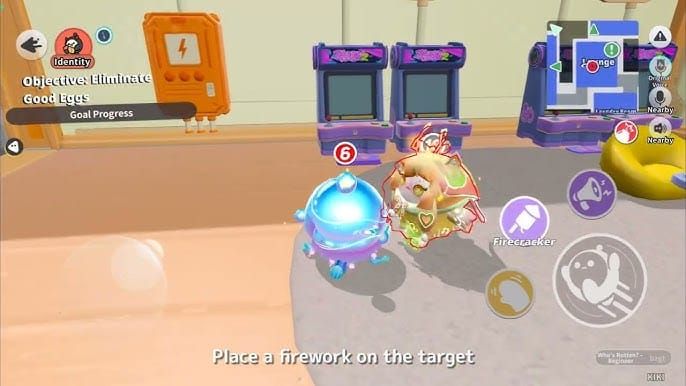
Map-Specific Spawn Pattern Recognition
Each Winter map features unique spawn configurations:
- Ice-themed arenas: elevated platforms and corner alcoves
- Open snow fields: evenly distributed spawns
- Winter Wonderland: near frozen fountains and ice sculptures
Map-specific knowledge reduces detection time by 40-60% vs random scanning.
Statistical Analysis of Patient Zero Positions
Data reveals corner spawn points generate infected players ~35% more frequently than center positions. Elevated spawns show 20% higher infection rates than ground-level.
Allocate observation time proportionally to spawn point infection probabilities. Particularly effective during Snow Fest when completing multiple daily matches.
Using Spawn Logic to Predict Infection Source
Spawn algorithms balance distribution while maintaining fairness. When players spawn in tight clusters, patient zero typically appears in isolated positions. Evenly distributed spawns increase infection probability for strategic positions enabling efficient spread.
Assess entire spawn configuration within first two countdown seconds, then focus on algorithmically likely candidates.
Camera Angle Optimization Techniques
Best Camera Positions During Countdown Phase
Optimal position: slightly above and behind spawn point, angled downward at 30-45 degrees to capture nearby players and distant zones.

Avoid extreme zoom—sacrifice field of view for detail. Medium zoom balances character clarity with environmental awareness. Mobile players pre-position cameras before countdown; PC players leverage mouse for rapid adjustments.
360-Degree Scan Method for Quick Detection
Divide playable area into quadrants, examine each sequentially. Complete full rotation in 4-5 seconds, allocating extra time to high-probability zones.
Too fast causes motion blur; too slow fails to complete scan before alert.
Zoom Level Adjustments for Clearer Visual Cues
Dynamic zoom enhances accuracy by adapting detail to distance and density. Zoom in for 1-2 second inspections of suspicious players, zoom out to reestablish context before next target.
Mobile vs PC Camera Control Strategies
PC: Precise mouse control enables rapid sweeps and fine adjustments, aggressive scanning with frequent direction changes.
Mobile: Pre-planned camera routes and simplified patterns. Emphasize smooth, continuous rotation over rapid changes. Minimize zoom adjustments. Position device for comfortable two-thumb control.
Behavioral Pattern Recognition
Movement Speed Differences in Infected Players
Infected players occasionally show subtle speed variations during countdown, particularly in animation timing. Manifests as accelerated or decelerated movement during idle shuffling.
Observe multiple characters simultaneously, comparing relative speeds. Infected players showing 5-10% deviations warrant closer inspection.
Idle Animation Variations Before Alert
Infection disrupts predictable animation loops: altered breathing rhythm, modified stance shifting, changed accessory physics.
Most reliable: accessory movement patterns—capes, tails, floating elements display different physics on infected players. Memorize standard idle timing for popular skins to identify temporal anomalies.
Emote Restrictions for Infected Eggs
Infected players face functional restrictions limiting certain emotes during countdown. Note which characters successfully execute emotes vs those remaining static or showing incomplete animations.
Works best in crowded spawn areas where multiple players attempt emotes simultaneously.
Player Positioning Tendencies of Patient Zero
Infected players unconsciously gravitate toward map edges, isolated corners, or positions facilitating rapid escape after alert. Patient zero positions average 30% farther from spawn cluster centers vs healthy players.
Map spawn positions immediately at match start and identify outliers in isolated positions.
Frame-Perfect Detection: Advanced Timing Strategies
Countdown Timer Exploitation for Detection
Optimized strategy:
- Seconds 0-2: Rapid 360-degree scan, identify all positions and spawn distribution
- Seconds 3-5: Detailed inspection of high-probability candidates
- Final seconds: Confirmation checks and initial evasion positioning
The 3-Second Rule for Infection Identification
Reach preliminary identification within 3 seconds of countdown start, allowing time for confirmation and response planning.
Players achieving 3-second preliminary detection show 65% higher survival rates. Time savings enable superior positioning that compounds advantages throughout match.
Pre-Alert Audio Cues and Sound Design Hints
Audio elements occasionally provide infection indicators: sound effect variations, ambient modifications, directional cues. Infected players may generate different footstep sounds, breathing audio, or environmental interaction noises.
Requires high-quality headphones preserving directional audio. Enable spatial audio settings, adjust balance to emphasize character sounds over music. Works best as supplementary technique confirming visual suspicions.
Reaction Time Optimization After Detection
Pre-plan evasion routes, immediate movement toward safe zones, coordinated team communication.
Fastest responders begin movement within 0.5 seconds of confirmation; average players require 1.5-2 seconds. This difference translates to 3-5 additional movement seconds before alert—often the margin between escape and early infection.
Common Detection Mistakes and Misconceptions
Why You Can't Rely on Player Names Alone
Infection assignment operates independently of player names, account levels, and social connections. Name-based detection wastes countdown seconds on irrelevant information while overlooking genuine indicators. Competitive players ignore username info completely.
Debunking Skin-Based Detection Myths
No correlation exists between cosmetic choices and infection probability. Statistical tracking across hundreds of matches confirms skin-based detection wastes observation time. The myth originates from confirmation bias.
False Positive Scenarios and How to Avoid Them
False positives occur from coincidental visual anomalies, rendering glitches, or misinterpreted patterns.
Common triggers: temporary rendering delays, intentional movements mimicking suspicious positioning, device-specific artifacts. Reduce false positives by requiring multiple confirming indicators—single-factor detection produces 40-50% false positive rates; three-factor confirmation reduces errors below 15%.
Lag and Connection Issues Affecting Detection
Network latency creates visual artifacts mimicking infection indicators: animation smoothness, position updates, character rendering. Laggy players display characteristic stuttering distinct from infection-related changes.
Deprioritize players showing obvious connection issues unless multiple non-lag-dependent indicators confirm infection.
Map-Specific Detection Strategies
Winter Wonderland Map Detection Advantages
Bright snow surfaces amplify subtle character variations; elevated platforms offer superior vantage points. Central ice fountain serves as ideal reference for systematic scanning—radial scans cover all major zones within 4 seconds. Reflective surfaces occasionally reveal positions obscured by objects.
Ice Castle Spawn Point Hotspots
Northwest tower base = highest-probability infection spawn (~28% of matches). Prioritize northwest tower inspection during first 2 countdown seconds, then sweep clockwise through courtyard and throne room. This route covers 85% of probable spawns within optimal 3-second window.
Snowy Village Sightline Optimization
Numerous visual obstructions from buildings and decorations complicate observation. Village center gazebo provides optimal position with clear views to four major spawn zones. Players spawning away should immediately move toward gazebo during first countdown second.
Adapting Detection Methods to Different Arenas
- Open arenas: Rapid 360-degree scanning, distance-based zoom adjustments
- Enclosed arenas: Systematic room-by-room inspection, doorway monitoring
Maintain mental protocol libraries for each map variant, automatically selecting appropriate strategies based on loading screen identification.
Practical Application: Step-by-Step Detection Guide
Pre-Game Lobby Preparation Checklist
- Confirm camera sensitivity enables smooth scanning without overshooting
- Test zoom controls for responsive adjustment
- Verify spatial audio functionality
- Review spawn point maps for selected arena
- Establish mental countdown timing
Countdown Phase Action Plan
- Seconds 0-1: Rapid 360-degree scan, identify all positions
- Seconds 2-3: Inspect high-probability zones using zoom/angle adjustments
- Seconds 4-5: Detailed examination of top 2-3 candidates
- Seconds 6-7: Confirm infection through multi-factor analysis
- Seconds 8-10: Initiate evasion toward safe zones
Practice until execution becomes automatic.
Post-Detection Evasion Strategies
- Create maximum distance from patient zero
- Position near map edges or elevated areas limiting infection approach angles
- Monitor patient zero movement for spread pattern prediction
- Communicate findings through quick chat or voice
Leverage Patrol Egg's Inspect Identity for KO'd verification and Research Egg's collection mechanics. Buy eggy coins cheap through BitTopup to unlock Identity Randomization Cards for additional strategic flexibility during Snow Fest (through January 8, 2026).
Communicating Findings to Teammates
Concise communication templates:
- Patient zero confirmed [location] - high confidence (multi-factor confirmed)
- Suspected infected [location] - needs confirmation (single-factor)
- Clear [zone name] (areas confirmed free)
Pro Player Techniques and Competitive Meta
Tournament-Level Detection Methods
Professional players implement rigorous training developing muscle memory for camera control, pattern recognition for spawn analysis, decision trees for multi-factor confirmation.
Tournament detection incorporates team coordination with complementary scanning patterns providing redundant coverage and cross-verification. Achieves 90%+ identification accuracy vs 60-70% for individual efforts.
Statistical Success Rates of Different Approaches
- Visual-only: 55-60% accuracy
- Behavioral-only: 50-55%
- Spawn-based prediction: 65-70%
- Combined multi-factor: 85%+ when properly executed
No single factor provides sufficient reliability for competitive play.
Combining Multiple Detection Methods for Accuracy
Optimal combination sequence: spawn pattern analysis identifies high-probability candidates → visual inspection → behavioral monitoring → audio verification.
Assign confidence scores: spawn analysis 30%, visual confirmation 40%, behavioral patterns 20%, audio cues 10%. Require minimum 70% combined confidence before declaring identification.
Future-Proofing Your Skills Against Game Updates
- Monitor official patch notes for infection system modifications
- Participate in community discussions about emerging techniques
- Practice detection in casual modes after updates
- Maintain flexible protocols emphasizing transferable observation skills
Enhancing Your Winter Event Experience
Using Detection Skills to Climb Leaderboards
Superior detection = 40-50% longer average survival times, significantly more points per match, accelerated seasonal ranking.
Snow Fest Star Protection (December 31, 2025 to January 4, 2026) for first three daily matches makes detection skills particularly valuable. Schedule protected matches during peak performance hours.
Earning More Winter Currency Through Survival
Extended survival increases currency accumulation through time-based rewards and survival milestones. Players mastering early detection earn 60-80% more currency per hour vs reactive strategies.
Winter Rotten Egg rewards include Identity Randomization Cards and Identity Selection Cards for completing goals. Balance survival duration with match completion frequency.
Building Reputation as a Skilled Survivor
Consistent detection performance builds community reputation, creating opportunities for team invitations and competitive participation. Players known for reliable identification become valuable team assets.
Document successful detections, analyze failed attempts, share insights to establish expertise credentials.
How BitTopup Supports Your Winter Event Journey
BitTopup provides secure, instant Eggy Coins delivery with competitive pricing for Identity Selection Cards, seasonal cosmetics, and gameplay resources. Excellent customer service, high ratings, and wide game coverage make it the preferred choice. Fast delivery ensures immediate access to time-limited items while secure transactions protect account safety.
Frequently Asked Questions
How do you know who is infected in Eggy Party Winter Rotten Egg mode?
Infected players display subtle visual differences in character models, altered idle animations, and suspicious spawn positioning during countdown before alerts. Systematic observation combining spawn pattern analysis, visual inspection, and behavioral monitoring achieves 85%+ identification accuracy.
What are the visual signs of an infected player before the alert?
Slight color desaturation, texture rendering variations, altered silhouette properties, occasional frame skipping in idle animations. Most apparent when comparing suspected infected directly against confirmed healthy eggs under optimal camera angles and zoom.
Can you spot the infected egg during the countdown phase?
Yes, countdown provides optimal detection window. You have ~10 seconds to execute systematic scanning, inspect high-probability spawns, and confirm infection before alert activates and infected players gain full mobility.
Where does the first infected player spawn in Winter Rotten Egg?
Patient zero follows map-specific patterns with higher probabilities at peripheral spawns, elevated positions, and isolated locations. Statistics show 35% higher infection rates at corner spawns and 20% increased probability at elevated positions vs central ground-level.
What camera angle is best for detecting infected players early?
Slightly above and behind spawn point at 30-45 degrees downward, using medium zoom balancing character detail with field of view. Enables simultaneous monitoring of multiple zones while maintaining visual clarity for character inspection.
Do infected players move differently before the alert starts?
Occasionally exhibit 5-10% movement speed variations and altered idle animation patterns. Manifests as modified stance shifting frequency, changed accessory physics, and positioning tendencies favoring isolated locations away from spawn clusters.
Ready to dominate Winter Rotten Egg mode? Power up your Eggy Party experience with exclusive items and season passes from BitTopup. Get instant delivery, secure transactions, and the best rates to unlock everything you need for competitive survival. Visit BitTopup now and gain the edge over infected players!
Recommended News



Recommend products




Table of Contents
- Understanding Winter Rotten Egg Mode Mechanics
- What Is Winter Rotten Egg Mode
- How Infection Spreads and Alert System Works
- The Critical Pre-Alert Detection Window
- Why Early Detection Gives Massive Survival Advantage
- Visual Indicators: How to Spot the Infected Player
- Character Model Subtle Differences Before Alert
- Animation Frame Analysis During Countdown
- Color Palette Shifts and Texture Variations
- Particle Effects and Visual Glitches
- Spawn Point Analysis for Patient Zero Detection
- Common Spawn Locations for Infected Players
- Map-Specific Spawn Pattern Recognition
- Statistical Analysis of Patient Zero Positions
- Using Spawn Logic to Predict Infection Source
- Camera Angle Optimization Techniques
- Best Camera Positions During Countdown Phase
- 360-Degree Scan Method for Quick Detection
- Zoom Level Adjustments for Clearer Visual Cues
- Mobile vs PC Camera Control Strategies
- Behavioral Pattern Recognition
- Movement Speed Differences in Infected Players
- Idle Animation Variations Before Alert
- Emote Restrictions for Infected Eggs
- Player Positioning Tendencies of Patient Zero
- Frame-Perfect Detection: Advanced Timing Strategies
- Countdown Timer Exploitation for Detection
- The 3-Second Rule for Infection Identification
- Pre-Alert Audio Cues and Sound Design Hints
- Reaction Time Optimization After Detection
- Common Detection Mistakes and Misconceptions
- Why You Can't Rely on Player Names Alone
- Debunking Skin-Based Detection Myths
- False Positive Scenarios and How to Avoid Them
- Lag and Connection Issues Affecting Detection
- Map-Specific Detection Strategies
- Winter Wonderland Map Detection Advantages
- Ice Castle Spawn Point Hotspots
- Snowy Village Sightline Optimization
- Adapting Detection Methods to Different Arenas
- Practical Application: Step-by-Step Detection Guide
- Pre-Game Lobby Preparation Checklist
- Countdown Phase Action Plan
- Post-Detection Evasion Strategies
- Communicating Findings to Teammates
- Pro Player Techniques and Competitive Meta
- Tournament-Level Detection Methods
- Statistical Success Rates of Different Approaches
- Combining Multiple Detection Methods for Accuracy
- Future-Proofing Your Skills Against Game Updates
- Enhancing Your Winter Event Experience
- Using Detection Skills to Climb Leaderboards
- Earning More Winter Currency Through Survival
- Building Reputation as a Skilled Survivor
- How BitTopup Supports Your Winter Event Journey
- Frequently Asked Questions
Recommend products




Recommended News

MLBB Diamond Prices October 2026: Real Cost per 100, Weekly Pass Value and Event Budgets
Fix MLBB Payment Canceled by System Error on Android and iOS
Once Human Crystagin Not Received After Top Up: Fix Guide
How to Lower PS5 Ping Japan Servers for Smooth Online Play
Eggy Party Beginner Guide: Essential Skills and Traps to Avoid

How to Get Free Gems in Guild Wars 2 Without Heavy Grinding
How to Change Keybinds in Lineage W PC: Client Setup Guide

How to Fix Astra Knights of Veda Crashing on Startup PC in 2026