Gift Multipliers in PK Tournaments
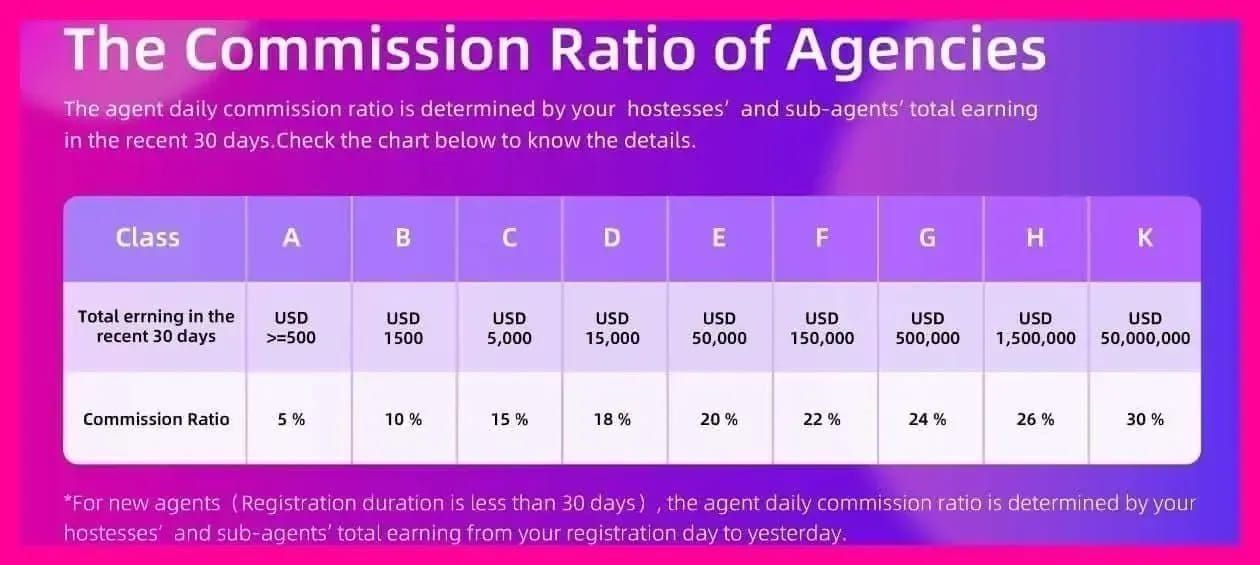
Multipliers are efficiency coefficients applied to diamond expenditures based on gift type, timing, and battle context. Three primary categories stack multiplicatively:
Gift Tier Efficiency:
- Hearts/Roses (1-10 diamonds): 1.0x base
- Mid-tier gifts (50-300 diamonds): 1.05-1.15x
- Premium gifts/Yachts (500+ diamonds): 1.2-1.25x
- Premium Bombs (1,000+ diamonds): 1.25-1.3x
Battle Phase Multipliers: First 10 minutes carry 3x weighting—early gifts are three times more valuable than identical gifts sent later.
Chain and Combo Bonuses: PK chain multipliers escalate from 1.5x at 3 sessions to 3.0x at 30+ consecutive sessions. Gift combo chains add 1.1x for 3 consecutive gifts up to 1.2x for 10-gift sequences.
Multipliers Impact on Tournament Ranking
Rankings depend entirely on accumulated K-Points. Two players spending identical diamonds can achieve vastly different rankings based solely on multiplier utilization.
Comparison: Five 1,000-diamond Bombs during 3x opening phase with combo timing generate 18,000-19,500 K-Points from 5,000 diamonds. Same 5,000 diamonds across standard periods without combos might generate only 6,000-7,000 K-Points—less than 40% efficiency.
Tournament Requirements:
- Regional battles: 15,000-25,000 diamonds ($71-119)
- International tournaments: 40,000-80,000 diamonds ($190-381)
- Crown K1 tier: 200,000-300,000 diamonds ($952-1,429)
Understanding multipliers reduces these requirements by 30-40% through strategic timing.
Three Multiplier Types
Base Gift Tier Multipliers apply automatically. Premium Bombs at 1.25-1.3x consistently outperform lower-tier gifts. A 1,000-diamond Bomb during 3x phase generates 3,750 K-Points, while ten 100-diamond mid-tier gifts at 1.1x produce only 3,300 K-Points.
Combo Bonuses activate through rapid sequential gifting. Ten team members deploying gifts within 10-second windows trigger 1.2x combo multiplier. Five 500-diamond gifts in coordinated opening minutes generate 27,000 K-Points—5.4x base diamond value.
Event and Temporal Bonuses include weekend participation boosts (30% additional efficiency) and regional peak hours (7-9 PM) yielding 15-20% higher K-Point generation. These stack with base multipliers.
How Gift Multiplier Calculations Work
Step-by-Step Formula
Complete K-Point calculation sequence:
- Base Diamond Value: Gift's diamond cost (e.g., 1,000 diamonds)
- Gift Tier Efficiency: Multiply by tier coefficient (1.25x for Premium Bombs)
- Battle Phase Multiplier: Multiply by temporal weighting (3.0x during opening 10 minutes)
- Chain Multiplier: Multiply by session chain bonus (3.0x at 30+ consecutive sessions)
- Combo Bonus: Multiply by sequential coordination (1.2x for synchronized gifting)
Maximum efficiency: 1,000 diamonds × 1.25 × 3.0 × 3.0 = 11,250 K-Points (11.25x efficiency). This demonstrates why strategic players concentrate spending during optimal windows.
Gift Value Tiers and Thresholds
Low-Tier (1-10 diamonds):
- 1.0x efficiency
- Only for maintaining combo chains
- Never optimal for serious rank pushes
Mid-Tier (50-300 diamonds):
- 1.05-1.15x efficiency
- Moderate K-Point generation
- Budget-conscious regional battles
Premium Tier (500-1,000+ diamonds):
- Yachts: 1.2-1.25x efficiency
- Bombs: 1.25-1.3x efficiency
- Required for international tournaments
10,000-diamond investment in premium Bombs during 3x phases generates 37,500 K-Points, while mid-tier gifts produce only 31,000-33,000 K-Points—15-20% efficiency loss.
Real Example: Live Battle Tracking
Optimal hybrid strategy with 10,000 diamonds generates 26,800 K-Points:
Opening Phase (35-40% budget):
- 3,500 diamonds in Premium Bombs
- 3x battle phase + 1.25x tier efficiency
- Result: 13,125 K-Points (3.75x efficiency)
Mid-Battle (30-35% budget):
- 3,000 diamonds in coordinated Yachts
- 1.5x chain + 1.2x combo bonus
- Result: 6,480 K-Points (2.16x efficiency)
Closing Phase (25-30% budget):
- 2,500 diamonds reserved for reactive defense
- Deployed based on opponent activity
This structured approach outperforms random distribution by 40-60%.
Common Calculation Mistakes
Mistake 1: Ignoring Multiplicative Stacking. Players assume 3x phase + 1.25x tier = 4.25x total. Correct calculation multiplies (3.0 × 1.25 = 3.75x).
Mistake 2: Overlooking Chain Requirements. Achieving 3.0x chain multiplier requires 30+ consecutive sessions. Sporadic participation reduces effective multipliers by 66%.
Mistake 3: Misunderstanding Combo Resets. Gift combos reset after 15-second gaps. Teams not coordinating within 10-second windows forfeit 10-20% bonuses.
Mistake 4: Poor Timing. A 1,000-diamond Bomb during standard time generates only 1,250 K-Points versus 3,750 K-Points during 3x opening—200% efficiency loss.
Combo Multipliers: Hidden Rank Accelerator
Consecutive Gift Triggers
Combo multipliers activate through rapid sequential gifting within specific windows:
- 3 consecutive gifts: 1.1x bonus
- 5 consecutive gifts: 1.15x bonus
- 10 consecutive gifts: 1.2x bonus
Consecutive requires gifts within 10-second intervals. A 15-second gap resets combo to zero. For competitive players managing buy Likee diamonds online through BitTopup's instant delivery, maintaining combo chains during critical moments becomes tactically feasible.
Optimal Sending Patterns
Solo Player: Alternate between two gift types (500-diamond Yacht, 1,000-diamond Bomb) at 8-second intervals. Sustains 1.15x combo bonuses throughout extended battles.
Team Coordination: Designate combo captain who signals deployment timing. Ten members sending gifts within synchronized 10-second windows trigger maximum 1.2x combos while distributing expenditure.
Hybrid Efficiency: Use low-cost gifts (50-100 diamonds) to initiate/maintain combos, then deploy premium gifts (1,000+ diamonds) during active combo windows. Maximizes multiplier on high-value gifts while minimizing maintenance costs.
Combo Reset Conditions
Time-Based Resets: Any gap exceeding 15 seconds completely resets combo counters.
Battle Phase Transitions: Some formats reset combos when battles transition between phases. Reinitiate combos immediately after phase changes.
Opponent Interruption: In certain PK formats, opponent gifts can interrupt your combo chain. Coordinate team members to maintain gift flow during opponent surges.
Session Disconnections: Network interruptions reset combo status. Maintain stable connections during critical periods, particularly opening 10 minutes.
Team Combo Coordination
Rotation System: Assign team members numbered positions (1-10). Member 1 initiates, member 2 sends within 8 seconds, continuing through member 10. Creates sustained 1.2x combos throughout battle.
Budget Pooling: Team members contribute to coordinated diamond pool, deploying in synchronized waves during 3x phase windows. Ten-member team each contributing 1,000 diamonds generates 120,000-135,000 K-Points through combined multipliers—versus 75,000-90,000 K-Points from uncoordinated gifting.
Emergency Maintenance: Designate 2-3 members with reserved low-cost gifts (50-100 diamonds) specifically for maintaining combos during strategic pauses. Prevents resets while preserving premium budgets.
Peak Hours and Event Multipliers
Peak Hour Activation
Regional peak hours (7-9 PM local) yield 15-20% higher K-Point efficiency through increased platform activity. Weekend participation generates additional 30% boost. A 1,000-diamond gift during weekend peak hours produces approximately 50% more K-Points than Tuesday afternoon—purely from temporal bonuses.
Optimal Timing Windows:
- Weekday Peak: 7:00-9:00 PM local (15-20% bonus)
- Weekend Peak: 7:00-9:00 PM Saturday/Sunday (30% bonus)
- Holiday Events: 2x-3x event multipliers
- Tournament Finals: Final hours activate emergency multipliers
Special Event Tournaments
Likee periodically hosts events with 2x-3x base multipliers on top of standard calculations.
Monthly Crown Tournaments: Month-end periods with 2x multipliers for 48-72 hours. Players achieve Crown K1 with 100,000-150,000 diamonds instead of standard 200,000-300,000.
Holiday Special Events: Major holidays feature 3x multipliers. Strategic players reserve budgets for these high-efficiency windows.
Regional Championship Qualifiers: Geographic tournaments include qualification phases with enhanced multipliers to encourage participation.
Time Zone Considerations
International tournaments span multiple zones, creating strategic opportunities. Asian players can participate during European peak hours (7-9 PM CET) when Asian competitors are offline—reduced competition while accessing peak bonuses.
Time Zone Arbitrage: Participate during your local peak hours (maximum multipliers) when target region competitors are in low-activity periods.
Global Event Timing: Platform-wide events activate based on UTC. Calculate local equivalent—global event starting 12:00 UTC translates to 8:00 PM Asia, perfect alignment with regional peak hours.
Identifying High-Multiplier Windows
In-App Notifications: Likee announces special multiplier events 24-48 hours advance. Enable notifications and check daily.
Leaderboard Activity: Sudden K-Point surges across leaderboards indicate active multiplier windows. Top-ranked players showing 30-50% increases within short periods signal multiplier events.
Historical Patterns: Major multiplier events typically occur:
- First and last weekends of each month
- Major international holidays
- Platform anniversary periods (quarterly)
- New feature launch promotions
Strategic Recharge Timing for Rank Push
Pre-Tournament Recharge Analysis
Advantages:
- Eliminates payment delays during critical moments
- Allows immediate deployment when 3x phase activates
- Reduces psychological pressure during battles
- Enables participation in unexpected multiplier events
Disadvantages:
- Commits budget before assessing opponent strength
- Risks over-spending if competition proves weaker
- Prevents dynamic adjustment based on real-time flow
- May encourage impulsive spending
Optimal Strategy: Recharge 60-70% of estimated budget before battle start. Reserve 30-40% for reactive deployment based on opponent activity and progression.
Mid-Battle Recharge Strategy
Mid-battle recharge (30-35% total budget) focuses on sustaining position and responding to opponent surges.
Momentum Maintenance Triggers:
- Opponent K-Point surge exceeding 15% of your total
- Rank drop of 3+ places within 10 minutes
- Team member requests for coordinated waves
- Approaching combo chain milestones
Execution Protocol:
- Monitor opponent activity for 5-minute window
- Calculate required K-Points to regain/maintain rank
- Execute recharge for exact amount plus 15% buffer
- Deploy gifts immediately in coordinated combos
- Reassess position after 10-minute stabilization
Last 15-Minute Tactics
Reserve 25-30% of total budget for closing phase. Final 15 minutes create maximum psychological impact.
Final Push Windows:
- 15-10 minutes remaining: Deploy 40% of reserve for psychological dominance
- 10-5 minutes remaining: Hold position with minimal maintenance
- Final 5 minutes: Deploy remaining 60% in concentrated burst
Psychological Advantage: Many competitors exhaust budgets 20-30 minutes before end. Final-phase deployment catches depleted opponents unable to respond.
Emergency Reserve: Maintain 15-20% diamond fund untouched until final 2 hours for unexpected opponent surges.
Weekly Tournament Schedule
Monday-Tuesday: Participate in 3-5 sessions to initiate chain multiplier. Minimal expenditure (500-1,000 diamonds) focused on establishing 1.5x chain.
Wednesday-Thursday: Continue chain building toward 7-session threshold (2.0x multiplier). Invest 2,000-3,000 diamonds in mid-tier gifts during peak hours.
Friday Evening: Execute primary recharge (40-50% weekly budget) before weekend peak hours.
Saturday-Sunday: Deploy majority of weekly budget during 7-9 PM peak with 30% weekend bonus active. Target 15+ consecutive sessions for 2.5x chain multiplier.
Sunday Evening: Final assessment and reserve deployment. Secure weekly rank or save for following week's opening phase.
Calculating Diamond Budget for Target Ranks
Estimating Diamonds for Rankings
Regional Tournament Benchmarks:
- Top 50: 15,000-20,000 diamonds
- Top 20: 20,000-30,000 diamonds
- Top 10: 30,000-40,000 diamonds
- Top 3: 50,000+ diamonds
International Tournament Benchmarks:
- Top 50: 40,000-60,000 diamonds
- Top 20: 60,000-100,000 diamonds
- Top 10: 100,000-150,000 diamonds
- Top 3: 200,000+ diamonds
Monthly Crown Rankings:
- Crown K1 (Rank 1): 200,000-300,000 diamonds
- Crown K2-K5: 150,000-200,000 diamonds
- Crown K6-K10: 100,000-150,000 diamonds
Estimates assume 70-80% multiplier efficiency. Players achieving 90%+ efficiency reduce requirements by 20-30%.
Analyzing Opponent Patterns
K-Point Velocity Tracking: Monitor opponent K-Point accumulation rates (points per 10-minute interval). Sudden acceleration indicates active deployment and potential budget exhaustion approaching.
Gift Type Analysis: Observe opponent gift selections. Shift from premium to mid-tier signals budget constraints. Maintain pressure during these transitions.
Participation Pattern Recognition: Track opponent session frequency. Irregular participation (gaps of 2+ hours) indicates lower chain multipliers. Consistent participants with 30+ session chains require 40-50% more diamonds to overcome.
Budget Allocation Across Tournaments
Simultaneous Tournament Strategy:
- Regional Tournaments (30% total budget): Lower competition, achievable ranks with moderate investment
- International Tournaments (40% total budget): Primary competitive focus
- Monthly Crown Rankings (30% total budget): Long-term accumulation across 4-week period
Sequential Tournament Strategy:
- Month 1: Regional specialization (15,000-25,000 diamonds)
- Month 2: International push (40,000-80,000 diamonds)
- Month 3: Crown ranking attempt (200,000+ diamonds)
- Month 4: Recovery period, minimal spending
Cost-Per-Rank Efficiency Metrics
K-Points Per Diamond (KPD): Divide total K-Points by diamonds spent. Target minimum 3.5 KPD for competitive efficiency. Below 3.0 KPD indicates poor timing or suboptimal gift selection.
Rank Position Per 1,000 Diamonds: Track rank advancement per 1,000-diamond increment. Early phases should yield 5-10 rank improvements per 1,000 diamonds. Late phases require 2,000-3,000 diamonds per rank.
Multiplier Utilization Rate: Calculate percentage of gifts sent during 3x phase windows. Target 35-40% of total expenditure during opening 10 minutes. Below 25% indicates missed opportunities.
Chain Multiplier Consistency: Track consecutive session participation. Maintain 85%+ session attendance to preserve 2.5x-3.0x chain multipliers.
VIP Levels and Multiplier Efficiency
VIP Status Enhancement
VIP system provides incremental multiplier bonuses based on cumulative platform spending. VIP status typically adds 5-15% efficiency bonuses to base gift multipliers.
VIP Tier Structure:
- VIP 1-3: 5% additional K-Point generation
- VIP 4-6: 8% additional K-Point generation
- VIP 7-9: 12% additional K-Point generation
- VIP 10+: 15% additional K-Point generation
VIP 8 player sending 1,000-diamond Bomb during 3x phase with 1.25x tier efficiency generates: 1,000 × 1.25 × 3.0 × 1.12 = 4,200 K-Points versus 3,750 K-Points for non-VIP—12% advantage from VIP alone.
VIP-Exclusive Tournament Bonuses
Priority Battle Matching: VIP 7+ receive preferential matching with opponents in similar spending tiers.
Extended Combo Windows: VIP 5+ extends combo reset timers from 15 seconds to 18-20 seconds.
Bonus K-Point Events: VIP players access exclusive multiplier events (1.5x-2x bonuses) not available to standard accounts—4-6 additional high-efficiency windows monthly.
Gift Recovery Bonuses: Some VIP tiers offer 5-10% diamond refunds on tournament gifts.
VIP Upgrade Worth Analysis
Break-Even: VIP status requires sustained monthly spending to maintain tiers. For players spending 50,000+ diamonds monthly, VIP 7-9 provides 6,000-7,500 additional K-Points monthly—equivalent to 5,000-6,000 free diamonds. If VIP maintenance requires 8,000-10,000 additional diamonds, net cost is 2,000-4,000 diamonds for VIP benefits plus priority features.
Competitive Advantage: In tournaments where top 10 positions separate by 2-5% K-Point margins, VIP efficiency bonuses provide decisive advantages.
Long-Term Value: Players committed to 6+ months competitive participation should pursue VIP 7+. Cumulative efficiency gains reduce total diamond requirements by 15-25% annually versus non-VIP competitors.
Maximizing VIP Benefits
VIP Bonus Stacking: Combine VIP multiplier with peak hours, weekend boosts, and special events. VIP 8 during weekend peak with active 2x event achieves: base × 1.12 (VIP) × 1.30 (weekend) × 1.20 (peak) × 2.0 (event) = 3.49x multiplier before gift tier and phase bonuses.
VIP-Exclusive Events: Monitor VIP-only tournament announcements. Exclusive competitions feature reduced participant pools (easier rank achievement) with standard or enhanced rewards.
Strategic Tier Timing: Plan VIP upgrades to coincide with major tournaments. Achieve VIP 7+ status 1-2 weeks before monthly Crown finals or special international tournaments.
Advanced Rank Defense and Comeback Strategies
Defending Top Ranks
Threat Assessment: When holding top 10, monitor K-Point gaps to nearest competitors every 15 minutes. Threats emerge when gaps narrow by 20%+ within 30 minutes.
Proportional Response: Deploy defensive gifts matching 110-120% of opponent surge amounts. Slight over-response discourages continued challenge while avoiding excessive spending.
Psychological Defense: Execute defensive waves during opponent active periods (visible through real-time feeds). Immediate responses create psychological pressure, often causing premature budget exhaustion.
Final Hour Defense: Reserve 20-25% of total budget for final hour. Deploy in three waves: 60-45 minutes remaining (warning), 30-20 minutes remaining (dominance), final 10 minutes (securing position).
Comeback Tactics
Gap Analysis: Determine exact K-Point deficit to target rank. Calculate required diamonds using current efficiency rates. Add 25% buffer for opponent reactive responses.
Concentrated Burst: Deploy entire comeback budget within 15-20 minute window rather than gradual accumulation. Sudden surges create psychological impact and may discourage counter-responses.
Combo Coordination: Activate team combo protocols during comeback attempts. 1.2x combo multiplier applied to concentrated deployment reduces required diamonds by 15-20%.
Timing Exploitation: Execute comebacks during opponent low-activity periods (typically 30-45 minutes before end when many assume positions are secure).
Psychological Timing
False Plateau: Cease gift deployment for 20-30 minutes mid-tournament, creating impression of budget exhaustion. Opponents often reduce defensive spending. Resume aggressive deployment when guard drops.
Irregular Patterns: Avoid predictable gift timing (every 10 minutes, hourly intervals). Random deployment prevents opponents from anticipating moves.
Decoy Signals: Deploy mid-tier gifts during non-critical periods, creating impression of budget constraints. Reserve premium gifts for critical moments.
Emergency Recharge Protocol
Rapid Response: Maintain payment methods pre-configured on reliable platforms. BitTopup's instant delivery enables diamond acquisition within 2-3 minutes for unexpected final-hour threats.
Threat Triggers:
- Rank drop of 2+ places within 10 minutes
- K-Point gap narrows by 30%+ within 15 minutes
- Multiple opponents show simultaneous acceleration
- Final 15 minutes approach with rank uncertainty
Emergency Sizing: Calculate emergency recharge as 150% of observed opponent surge. Over-sizing ensures single-response resolution without multiple emergency recharges.
Common Recharge Mistakes
Recharging Too Early
Early Waste: Players who recharge full budgets 24-48 hours before battles often spend 30-40% more than necessary. Early commitment prevents dynamic adjustment to actual competition intensity.
Optimal Timing: Execute primary recharge 2-4 hours before tournament start, after observing participant registration and preliminary leaderboard. Provides sufficient preparation while enabling budget calibration.
Competition Assessment: Monitor tournament registration during final 6 hours. Participant counts and early registrant VIP levels indicate competition intensity. Adjust budget accordingly—reduce 20-30% for weak fields, increase 15-20% for strong competition.
Ignoring Multiplier Windows
Off-Peak Waste: Diamonds spent during low-activity periods generate 30-50% fewer K-Points than peak windows. 10,000 diamonds distributed evenly across 24 hours achieves 18,000-22,000 K-Points, while concentrated peak-hour deployment generates 28,000-35,000 K-Points.
Phase Timing Neglect: Missing 3x opening phase multipliers is the single most costly mistake. Players joining battles 15-20 minutes late forfeit highest-efficiency window, requiring 200-300% additional diamonds for equivalent K-Points.
Weekend Bonus Ignorance: Failing to concentrate major spending during weekends wastes 30% participation boost. Strategic players reserve 50-60% of weekly budgets for Saturday-Sunday deployment.
Over-Spending on Low-Efficiency Gifts
Tier Waste: Sending Hearts/Roses (1.0x efficiency) instead of premium gifts during critical phases wastes 25-30% potential K-Points.
Mid-Tier Trap: Over-relying on mid-tier gifts (1.05-1.15x efficiency) while avoiding premium gifts due to perceived cost. Premium gifts at 1.25-1.3x generate 10-15% more K-Points per diamond—more cost-efficient despite higher individual costs.
Optimal Selection: Use low-tier gifts (1-10 diamonds) exclusively for combo maintenance. Use premium gifts (500-1,000+ diamonds) for all primary K-Point generation during multiplier windows.
Not Monitoring Opponents
Blind Spending: Recharging without assessing opponent strength often results in over-spending (weak competition) or under-spending (strong competition requiring mid-battle emergency recharges).
Pre-Recharge Checklist:
- Review current leaderboard K-Point distribution
- Identify opponent VIP levels and historical patterns
- Monitor opponent session frequency and chain status
- Assess opponent gift deployment timing and coordination
- Calculate K-Point gaps and required diamonds for target rank
Dynamic Adjustment: Based on assessment, adjust planned recharge by ±20-30%. Strong fields require increases; weak fields enable reduction while maintaining target achievement.
FAQ
How do gift multipliers work in Likee LIVE PK tournaments?
Gift multipliers convert diamonds into K-Points through four stacking factors: gift tier efficiency (1.0x-1.3x based on value), battle phase multipliers (3x during opening 10 minutes), chain bonuses (1.5x-3.0x for consecutive sessions), and combo bonuses (1.1x-1.2x for rapid sequential gifting). These multiply together, creating maximum efficiency of 11.25x when optimally aligned.
When is the best time to recharge diamonds for Likee PK battles?
Optimal recharge timing is 2-4 hours before tournament start for 60-70% of budget, enabling immediate deployment during 3x opening phase. Reserve 30-40% for mid-battle reactive deployment. Execute recharges during weekday peak hours (7-9 PM) and weekend periods for 15-30% efficiency bonuses. Avoid early recharges (24+ hours before) that prevent dynamic budget adjustment.
What's the difference between base and combo multipliers in Likee?
Base multipliers apply automatically based on gift tier (Hearts 1.0x, mid-tier 1.05-1.15x, premium 1.2-1.3x) and battle phase (3x first 10 minutes). Combo multipliers require active coordination—sending 3-10 consecutive gifts within 10-second intervals triggers 1.1x-1.2x bonuses. Base multipliers are passive; combo multipliers demand timing precision but stack multiplicatively for exponential gains.
How much does gift multiplier increase during peak hours?
Peak hours (7-9 PM regional) provide 15-20% efficiency increases, while weekend participation adds 30% bonuses. Combined weekend peak hours generate approximately 50% higher K-Point returns versus off-peak weekday periods. Special event tournaments add 2x-3x multipliers on top, creating windows with 200-400% efficiency advantages.
Can you calculate exact diamonds needed to reach top 10 in Likee PK?
Regional tournaments require 30,000-40,000 diamonds for top 10 with optimal multiplier timing (70-80% efficiency). International tournaments demand 100,000-150,000 diamonds. Exact requirements vary by competition intensity, but monitoring current leaderboard K-Point gaps enables precise calculation: divide required K-Point deficit by your current efficiency rate, then add 20-25% buffer for opponent responses.
Do VIP levels affect gift multiplier rates in tournaments?
VIP status adds 5-15% efficiency bonuses depending on tier (VIP 1-3: 5%, VIP 4-6: 8%, VIP 7-9: 12%, VIP 10+: 15%). These multiply with other factors—VIP 8 achieves 12% higher K-Point generation from identical diamond spending versus non-VIP. VIP tiers also provide extended combo windows and exclusive multiplier events, creating cumulative advantages of 20-30% for high-tier VIP players.