What Makes Virtual Currency Different
Virtual currency classifies as digital content, not tangible goods. The moment coins appear in your wallet—within 5 minutes for 95% of credit card transactions—the purchase becomes irrevocable. Digital wallets complete within 15 minutes, bank transfers in 1-4 hours.
MICO's Official Stance
MICO's terms state transactions for virtual items are irrevocable and non-refundable. This appears in user agreements across all regions. The only exception: platform errors after verification, including server failures, duplicate charges from glitches, or delivery failures despite payment confirmation.
Why Purchases Are Non-Refundable by Design
The non-refundable structure protects MICO's virtual economy from exploitation. If users could reverse purchases after sending gifts or using features, the monetization model collapses. Streamers receive real payouts based on gifts—creating financial obligations that can't be unwound.
When MICO Coins Are Absolutely Non-Refundable
Gifts Already Sent
Once you send virtual gifts during streams or to users, those coins permanently leave your account. Recipients' earnings update immediately—streamers may have withdrawn cash payouts. MICO can't reverse these without creating accounting discrepancies. This applies to all gift types, from 10-coin emojis to premium gifts worth thousands.
Coins Used for VIP or Premium Features
VIP purchases, profile customization, and premium badges consume coins instantly. These modify account permissions in real-time, making reversal complex. Even if you regret VIP within minutes, MICO considers service delivered as promised.
Promotional Coins and Bonuses
Promotional coins from events, first-purchase bonuses, or referrals carry additional restrictions. These expire after 30-90 days and can't be withdrawn. Any refund request involving promotional coin spending faces automatic denial.
Purchases Over 48 Hours Old
The unofficial 48-hour window represents your maximum opportunity to report issues. Contact support within 48 hours to maintain resolution chances. Beyond this, automated responses cite elapsed time as denial grounds.
Rare Cases When Refunds May Be Possible
Technical Errors During Payment
Server errors that charge your payment but fail to deliver coins constitute the most common eligible scenario. These resolve in 3-7 days once technical teams verify discrepancies. 90% of refund tickets involve missing coins.
Before requesting refunds, try this troubleshooting: completely log out, close the app, log back in. This resolves 60% of missing coins cases. If coins don't appear after 30 minutes (cards) or 4 hours (bank transfers), submit a support ticket.
Unauthorized Purchases from Hacking
Unauthorized purchases from compromised accounts qualify for refunds but require extensive verification. Resolution takes 7-14 days as security investigates login patterns, device fingerprints, and IP addresses. You'll need breach evidence like unfamiliar login notifications or changed settings.
Success rates hover around 40-50% depending on evidence quality. Accounts with weak security face higher scrutiny.
Duplicate Charges
Duplicate charges from payment gateway errors receive priority handling, resolving within 24-48 hours. These occur when network timeouts cause payment retries, resulting in multiple charges for one package.
To verify: open MICO app → Profile → Wallet → History to review recharges. Compare against bank statements. Discrepancies form the basis for duplicate charge claims.

Documentation Requirements
Successful requests require comprehensive evidence:
- Screenshots showing MICO User ID (in Profile settings)
- Transaction timestamps from payment provider
- Current coin balance
- Payment confirmation emails
- Error messages encountered
For unauthorized access: screenshots of unfamiliar logins, changed profile info, or gifts to unknown recipients. Initial automated responses arrive immediately, first human replies take 2-8 hours, full investigations complete in 24-72 hours.
The Chargeback Trap: Why Bank Disputes Get You Banned
Initiating chargebacks through your bank represents the most damaging action possible. Payment disputes result in permanent account, ID, and device bans—extending far beyond losing current account access.
For secure transactions avoiding dispute complications, BitTopup's verified process ensures clear records and eliminates MICO chargeback ban scenarios.
How Anti-Fraud Systems Flag Chargebacks
MICO receives immediate notifications when chargebacks initiate. Alerts trigger automated security protocols flagging your account before human review. The system cross-references account details, ID documents, and device hardware identifiers against a permanent blacklist.
Chargeback rates above 1% trigger suspension within 24-48 hours. For individual users, even one chargeback often exceeds this threshold. The system doesn't distinguish justified from unjustified—all disputes receive identical treatment.
Ban Timelines
Chargeback bans activate within 24-48 hours of MICO receiving dispute notification. This prevents spending disputed coins before closure. Some delayed bans occur weeks later, but these involve slower payment processor notifications.
What Happens to Your Account
Account termination confiscates all coins—disputed amount plus all previous legitimate purchases. VIP status, watch time, followers, and chat history disappear permanently. MICO's terms state virtual currency represents licenses, not owned property, allowing complete forfeiture.
Why Chargebacks Are Classified as Fraud
From MICO's perspective, chargebacks constitute breach of contract. You agreed to non-refundable terms, received goods as described, then reversed payment through external channels. This matches friendly fraud patterns.
Payment processors charge MICO $15-25 per dispute plus potential penalties. These costs plus administrative overhead make chargebacks expensive. Permanent bans serve as punishment and deterrent.
Real Consequences of Chargeback Bans
Permanent Account Suspension
Permanent suspension means immediate loss of all features, content, and connections. Your profile becomes invisible, conversations terminate, scheduled events become inaccessible. Unlike temporary suspensions (3-30 days), chargeback bans have no expiration.
All data—chat logs, viewing history, follower lists—becomes permanently inaccessible.
IP and Device Blacklisting
Chargeback triggers bans on account, ID documents, and device hardware identifiers. Your device's hardware fingerprint—based on processor serials, MAC addresses, other hardware—joins a permanent blacklist.
IP blocking adds another barrier, though less effective due to dynamic IPs. Device fingerprinting remains effective across network changes. ID bans prevent using the same government ID, phone number, or payment cards on new accounts.
Future Account Creation
New account attempts result in immediate detection and closure. Systems scan registrations against banned device fingerprints and IDs, automatically rejecting matches. Even using friends' devices or new emails fails if you verify with banned phone numbers or cards.
Some users report success with completely different devices, phones, and payment methods, but these accounts face elevated scrutiny. Behavioral patterns matching banned accounts trigger manual review and closure.
Legal Implications
MICO's terms include arbitration clauses and liability limitations protecting the platform from legal challenges. By agreeing during account creation, you waived rights to sue in most jurisdictions.
Terms explicitly authorize account termination and virtual currency confiscation for violations, including payment disputes. Courts uphold these provisions for virtual goods. Legal recourse remains extremely limited.
Safer Dispute Options Without Getting Banned
Submitting Support Tickets
Navigate to MICO app → Settings → Help & Support → Payment Issues. Avoid generic Contact Us options that delay routing.
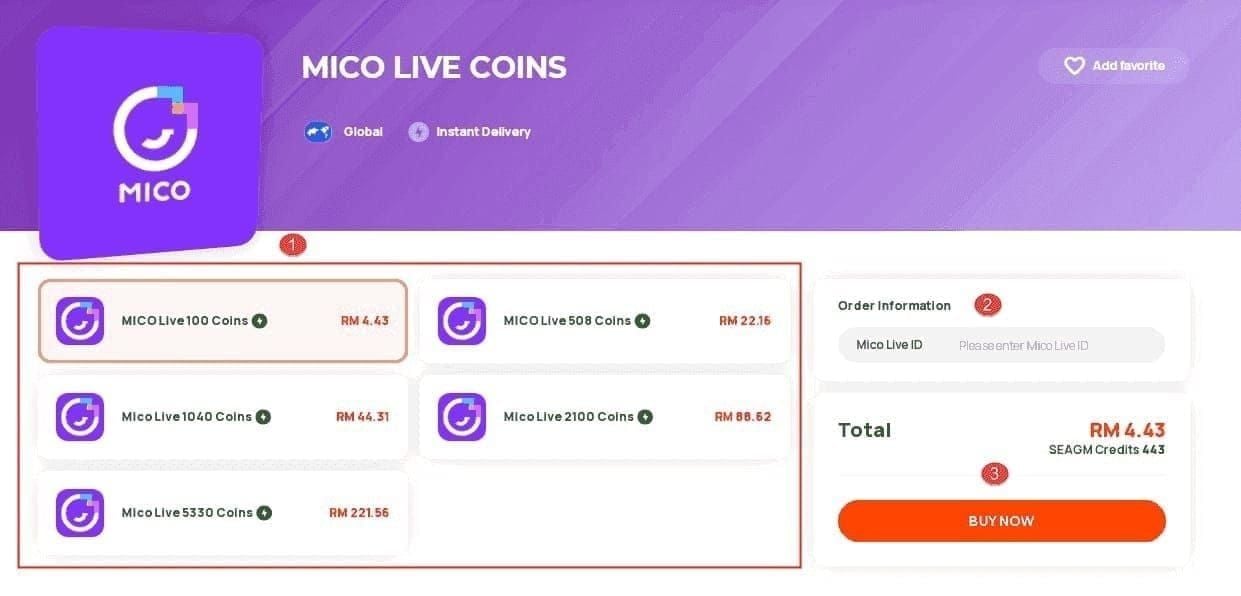
Select specific issue type:
- Coins Not Received
- Duplicate Charge
- Unauthorized Purchase
- Technical Error
Provide User ID, transaction timestamp, payment method, purchase amount in initial ticket. Attach screenshots showing coin balance before/after, payment confirmation, error messages.
Investigation completes in 24-72 hours for straightforward cases, 5-14 days for complex ones. Peak periods extend times by 50-100%.
Crafting Effective Requests
Structure messages with specific facts, not emotional appeals. State transaction date/time, exact package, payment method, specific problem. For missing coins, note whether you tried logout/login troubleshooting and wait time.
Include transaction reference numbers from payment provider—last four card digits, exact charge amount with currency. This allows cross-referencing with payment gateway logs.
Avoid threatening chargebacks or legal action. Support flags these for legal review, dramatically slowing response and reducing flexibility.
Escalation Process
If initial support denies claims, ask about escalation procedures. Request supervisor review or payment disputes team transfer. Reference specific policy language supporting your claim.
For platform errors, request technical team investigation of server logs. Document all interactions with screenshots—representative names, ticket numbers, timestamps.
Response Times
- Initial automated responses: Immediate
- First human replies: 2-8 hours (business hours), 12-24 hours (overnight/weekends)
- Standard investigations: 24-72 hours
- Unauthorized purchase claims: 7-14 days
- Complex technical issues: 14-30+ days
Peak periods extend all timelines by 50-100%. Follow up every 48-72 hours.
Preventing Payment Disputes
Enable Purchase Confirmation
MICO settings include optional purchase confirmation prompts. Enable Confirm Purchases under Payment Settings for secondary verification screens before finalizing.
Set spending limits through your bank or card provider. Configure daily/monthly limits for MICO transactions.
Review purchase history monthly: Wallet → History. This identifies unauthorized transactions quickly, keeping you within the 48-hour reporting window.
Parental Controls
Enable device-level app purchase restrictions through iOS Screen Time or Android Digital Wellbeing. These require password authentication before any in-app purchase.
Create separate device profiles for different users with appropriate spending permissions. Disable stored payment methods entirely for households with young users.
Verify Package Details
The checkout screen displays: coin quantity, bonus coins, total price, payment method, currency. Verify each element before tapping purchase. Check for unexpected currency conversions if traveling or using VPNs.
Screenshot checkout screens before completing purchases. This documentation proves invaluable for disputes.
Secure Your Account
Enable two-factor authentication through security settings—requires password plus mobile verification code for logins. This prevents most unauthorized access.
Use unique, strong passwords. Password managers generate and store complex passwords securely. Change passwords immediately if you receive unfamiliar login notifications.
Review active sessions: Security Settings → Active Sessions. Shows all devices logged into your account with location and device type. Terminate unfamiliar sessions immediately.
Why BitTopup Offers Superior Protection
Verified Transaction Records
BitTopup maintains comprehensive transaction logs accessible through your dashboard—timestamps, package details, payment confirmations. These serve as independent verification for disputes.
Immediate email confirmations for every transaction create external documentation beyond MICO's systems. Confirmations include order numbers, coin quantities, delivery status tracking.
Dedicated Customer Support
BitTopup's support specializes in virtual currency transactions and understands common MICO delivery issues. Representatives verify whether coins were transmitted to MICO's systems, identifying problem origins.
Response times average 2-4 hours for payment inquiries, with escalation to payment specialists for complex cases.
Secure Payment Processing
Multi-layered fraud detection protects buyers and platform from unauthorized transactions. Real-time verification flags suspicious patterns, unusual IPs, or payment mismatches before processing.
These measures reduce unauthorized purchases leading to refund requests, protecting your account from compromise.
Transparent Pricing
All prices display final costs including processing fees or currency conversions before checkout. This eliminates surprise charges triggering refund requests.
Competitive pricing often results in lower costs versus direct in-app purchases. Regular promotions and loyalty rewards provide additional value.
Regional Refund Rights Differences
European Union
EU regulations provide 14-day withdrawal rights for distance purchases. However, digital content delivered immediately falls under exceptions allowing waiver if consumers explicitly agree before purchase.
MICO's EU terms include acknowledgment checkboxes stating you understand immediate delivery and waive withdrawal rights. Disputes in EU jurisdictions receive more favorable treatment than other regions.
United States
US consumer protection for digital goods focuses on disclosure requirements rather than refund rights. MICO's terms comply with FTC guidelines by clearly stating non-refundable nature before purchase.
State-level regulations create variation—California provides slightly stronger grounds for disputing unauthorized charges. Class action waivers limit collective legal challenges.
Asia-Pacific
Asian markets implement diverse regulatory approaches. Some classify virtual currency as telecommunications services, others as digital content, some maintain no specific regulations.
Refund rights vary dramatically between countries. Jurisdictions with minimal digital commerce regulations face strictest application of MICO's terms.
Account Recovery Options
Gathering Evidence
Document everything with screenshots, email confirmations, transaction records. For unauthorized purchases, gather breach evidence: unfamiliar logins, changed settings, gifts to unknown recipients.
Obtain official statements from your bank explaining why chargebacks were initiated. Documentation showing you reported fraudulent charges demonstrates proper procedures.
Compile MICO support ticket history showing resolution attempts through proper channels before chargebacks.
Formal Appeal Process
Appeals require 30+ days with success rates below 15%. Contact MICO's legal department through formal written communication to registered business address—email appeals receive automated rejections.
Include account details, ban date, comprehensive evidence, specific policy language supporting your position. Structure appeals around demonstrable platform errors rather than policy disagreements.
Realistic Success Rates
Success rates remain below 15% across all dispute types. Most successful appeals involve clear technical errors where systems incorrectly flagged legitimate transactions, or proven account compromise.
Appeals based on didn't understand policy or ban seems harsh virtually never succeed. Even successful appeals rarely restore full accounts—more commonly, MICO offers partial resolutions like lifting device bans while maintaining account closure.
When to Accept Loss
For most users, accepting loss proves more practical than pursuing lengthy appeals with minimal success probability. Calculate actual value lost against time and potential legal costs.
If creating new accounts, use completely different devices, phones, payment methods, IDs. Avoid behavioral patterns linking new accounts to banned profiles.
Common Refund Myths Debunked
Myth: Credit Cards Can Force Refunds
Credit cards can reverse charges through chargebacks, but this doesn't force MICO to provide refunds. MICO accepts the chargeback, returns disputed amount, then permanently bans your account and confiscates all coins including previous legitimate purchases.
You recover one transaction but lose account value potentially containing far more in coins, VIP status, connections.
Myth: Physical Goods Return Policies Apply
Virtual currency operates under different legal frameworks. Right to return provisions typically exclude digital content delivered immediately. No jurisdiction requires companies to accept returns of successfully delivered virtual currency.
MICO's terms classify coins as licenses to use features, not owned property—traditional product warranties don't apply.
Myth: Small Chargebacks Won't Trigger Bans
No minimum threshold exists. A single $0.99 chargeback triggers the same permanent ban as $100 disputes. Automated fraud detection doesn't evaluate amounts—any dispute receives identical treatment.
Payment processors charge MICO similar fees for all chargebacks regardless of size. A $1 chargeback costs the same $15-25 processing fee as $100 disputes.
The Truth About Consumer Rights
Consumer rights for virtual currency focus on disclosure and fair dealing, not refund guarantees. Companies must clearly communicate non-refundable status before transactions, which MICO accomplishes through terms and checkout disclosures.
Your primary protection comes from informed decision-making before purchases. Read terms, verify details, secure accounts, use reputable platforms providing documentation and support.
FAQ
Can I get a refund on MICO Coins in 2026?
MICO Coins are non-refundable once transactions complete. Refunds only apply to verified platform errors like server failures, duplicate charges, or unauthorized purchases from hacking. Contact support within 48 hours with comprehensive documentation—most requests face denial.
Why does MICO ban accounts for chargebacks?
Chargebacks classify as fraud because you received goods as described but disputed payment, violating non-refundable terms. Processors charge MICO $15-25 per chargeback plus penalties. Permanent bans deter exploitation while protecting payment relationships.
What happens if I dispute charges with my bank?
Disputes trigger permanent bans on account, ID documents, and device hardware within 24-48 hours. All coins are forfeited including disputed amounts and previous purchases. VIP status, connections, and data become permanently inaccessible. Appeal success rates below 15%.
How long does MICO take to process refunds?
Investigations complete in 24-72 hours for straightforward cases, 7-14 days for unauthorized purchases, 14-30+ days for bulk technical errors. Once approved, refunds process within 7-14 business days (cards: 5-7 days).
Can I reverse gifts already sent?
No. Gifts are permanently irreversible once they appear in chat or notifications. Recipients' earnings update immediately—streamers may have withdrawn payouts. MICO can't reverse without creating accounting discrepancies.
What's the safest way to dispute charges?
Submit support tickets through MICO app: Help & Support → Payment Issues. Provide User ID, transaction timestamp, payment method, comprehensive evidence. Maintain factual communication without threatening chargebacks. This preserves account standing while offering reasonable resolution chances.
Avoid payment disputes—purchase MICO Coins securely through BitTopup with verified transactions, instant delivery, and dedicated support. Protect your account while getting the best rates. Buy MICO Coins safely on BitTopup now!