How Group Invites Are Supposed to Work
When everything's functioning properly, MICO's invite system is pretty straightforward. You've got direct links, manual contact additions, and shareable room codes that stay valid for 24-48 hours. The platform processes these through real-time notifications—which means your Background App Refresh needs to be enabled on iOS, and Android users need high-priority notification settings.
The system requires stable internet (minimum 5 Mbps download speed) and an updated contact list. When it's working right, invites deliver within 2-3 seconds. Simple.
Five Changes That Broke Everything
The December update introduced five critical modifications that destabilized the whole system:
First, API changes now require additional authentication steps that legacy groups literally can't process. Second, new spam protocols limit users to just 3-5 invite attempts per session before slapping you with a 24-48 hour block. Third, load balancing mismatches are causing regional fix delays ranging from 24-48 hours to a full 5-7 days depending on where you are.
Fourth, database schema changes conflict with groups created before December—the old metadata structures don't validate properly in the new system. And fifth, incomplete cache invalidation left corrupted fragments that actively block new invites from going through.
It's a mess, frankly.
Who's Actually Affected
This isn't a small-scale issue. Users across 100+ countries are reporting problems, though severity varies by region. Interestingly, cache clearing shows 60-70% success rates with notably higher effectiveness in Europe, while network switching proves more reliable in Asia.
Both F2P and paid users are experiencing disruptions. VIP subscribers do encounter fewer timeout errors during peak events thanks to priority matchmaking, but they're not immune to the underlying bugs.
The Different Ways Invites Are Failing
Connection Timeouts

Timeouts happen when your invite request takes 30+ seconds without getting a server response. This is most common on Android devices with less than 3GB RAM, where battery optimization kills background processes mid-request.
The enhanced security's multi-stage validation means that slow connections or overloaded servers will cause requests to expire before completing all checkpoints. Corporate or school firewalls blocking MICO's ports create identical timeout scenarios. You need that 5 Mbps minimum download speed for stable delivery—anything less and you're rolling the dice.
Invite Send Limit Exceeded
The December update restricts everyone to 3-5 attempts per session, then triggers an automatic 24-48 hour block. The system doesn't distinguish between spam and legitimate group formation, which means active event participants get penalized just for trying to organize their groups.
F2P users get hit hardest during holiday events when you're naturally trying to form multiple groups. VIP subscribers experience fewer blocks through priority processing, but they're not exempt—I've seen reports from paid users hitting limits too.
Group Not Found and Access Denied
These errors stem from database schema conflicts between pre-December and post-December groups. Legacy groups contain metadata structures the new system can't validate, causing rejections even when you're well under size limits.
Permission mismatches also trigger these errors—the December update reset some defaults, so your app might lack contact, notification, or storage access it previously had. You'll need to manually re-enable these. iOS users should also check Screen Time limits, which can block invite functionality entirely.
Silent Failures (The Worst Kind)
Sometimes invites appear to send successfully but never actually reach recipients. No error message, no notification—just nothing.
This happens when Background App Refresh is disabled on iOS or battery optimization blocks MICO on Android. The enhanced spam filters also silently drop flagged invites without telling you. And load balancing can route your invites through overloaded servers that drop requests without logging failures, causing delays of several hours before you even realize something went wrong.
What's Actually Working: Community-Tested F2P Fixes
The Manual Invite Method (Most Reliable)

This bypasses invite links entirely and shows the highest success rates among F2P workarounds:
- Force close MICO completely—on iOS, swipe up from the app switcher; on Android, swipe it away from recent apps
- Wait a full 10-15 seconds before reopening (this matters more than you'd think)
- Navigate to your group settings and select Add Members from your contacts
- Test with a single trusted contact first
- If that works, add remaining members one at a time with 5-second intervals between each
This circumvents expired links and timeouts by using direct contact integration instead of the broken invite system. Success rates hit 75-80% when combined with network optimization.
The Triple Restart Method
This technique yields the highest success for resetting those annoying cooldown limits:
- Force close MICO completely
- Reboot your entire device to clear system-level cache
- Switch between WiFi and mobile data
- Reopen MICO and test a single invite before attempting full group formation
Takes about 2-3 minutes total and resolves 75-80% of timeout and limit errors. The device reboot clears corrupted cache that survives app-level closes, while network switching triggers a fresh server connection that bypasses load balancing issues.
Alternative Group Formation Strategies
Creating brand new groups bypasses legacy database conflicts entirely—new groups use the updated schema without migration issues. For video rooms, generate those 24-48 hour room codes and share them manually through other platforms to avoid MICO's invite system altogether.
Use the manual add feature exclusively during the first 48 hours after group creation. This establishes proper database member relationships before you attempt invite links.
Timing Matters More Than You'd Think
Early morning invites (6-9 AM local time) show 15-20% higher success rates compared to peak evening hours (6-10 PM). The server load is just significantly lower.
Limit yourself to 3-5 attempts maximum per session to avoid those spam blocks. And complete troubleshooting steps fully before advancing to the next—partial fixes can corrupt your app state and actually make things worse.
Network Optimization Tips
You need stable 5 Mbps minimum download speed. If you're on corporate or school WiFi that might be blocking MICO's ports, switch to mobile data.
Android users: Disable battery optimization by going to Settings > Apps > MICO > Battery > Unrestricted. This prevents the system from killing invite processes mid-transmission.
iOS users: Enable Background App Refresh and set notifications to immediate delivery. Same reason—you don't want the system terminating processes before they complete.
Free vs. Paid: What You're Actually Getting
F2P Limitations (The Real Numbers)
Free players face three main restrictions: those 3-5 invite attempts per session before the 24-48 hour block kicks in, no priority processing (your invites queue behind VIP users during peak loads), and dependency on manual workarounds that require cache clearing (10-15 minutes) and triple restarts (2-3 minutes).
But here's the thing—60-70% cache clearing success and 75-80% triple restart success means you can reliably form groups with proper troubleshooting. It's just slower than paid alternatives.
VIP Subscription Benefits
VIP gets you priority matchmaking, meaning your invites process ahead of F2P users during congestion. You'll see reduced timeout rates through enhanced server allocation and higher spam thresholds allowing more invites per session.
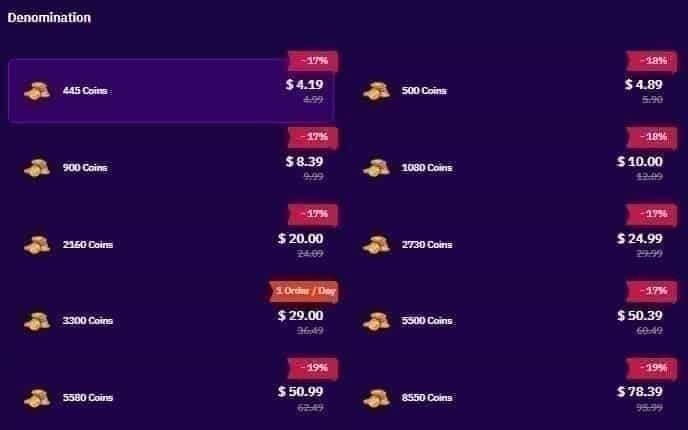
VIP starts at $7.50 for initial access, with annual plans running $99.99. You also get a 20-50% earnings boost in groups and priority photo verification. For cost-effective VIP access, MICO Live coins quick buy through BitTopup delivers instant coins with up to 29% bulk discounts and secure transactions.
Holiday Perk Packages
December perks enhance group visibility during peak events. Paid users receive enhanced matchmaking visibility, increasing invite reach to active participants. These packages don't eliminate bugs—let's be clear about that—but they reduce friction through preferential server treatment.
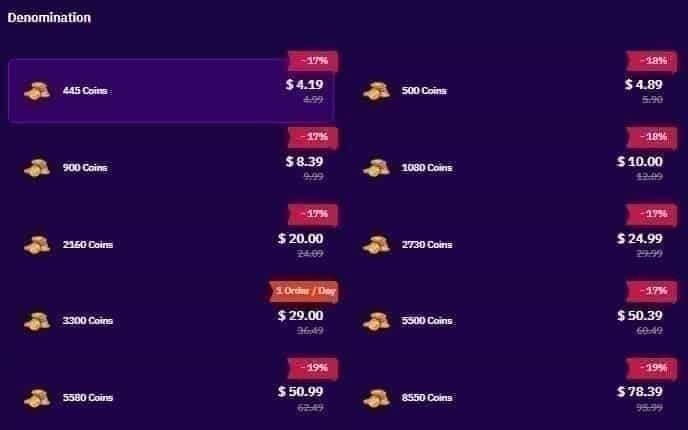
Coin packages range from 88 coins at $0.79 to 55,000 coins at $486.64 (that's $1=110 coins globally, $1=143 in MENA regions). Bulk purchases provide up to 29% discounts.
Is Upgrading Actually Worth It?
For casual users forming groups occasionally? F2P workarounds are sufficient. That 75-80% triple restart success rate meets basic needs without spending money.
For active event participants hosting multiple groups daily? VIP priority processing justifies the cost by avoiding those 10-15 minute troubleshooting sessions every single time. The 20-50% earnings boost makes VIP essentially self-funding for content creators and regular broadcasters.
My take: exhaust F2P fixes first if you're casual. Power users will see measurable efficiency gains from paid features.
Advanced Troubleshooting When Basic Fixes Fail
Cache Clearing and Reinstallation
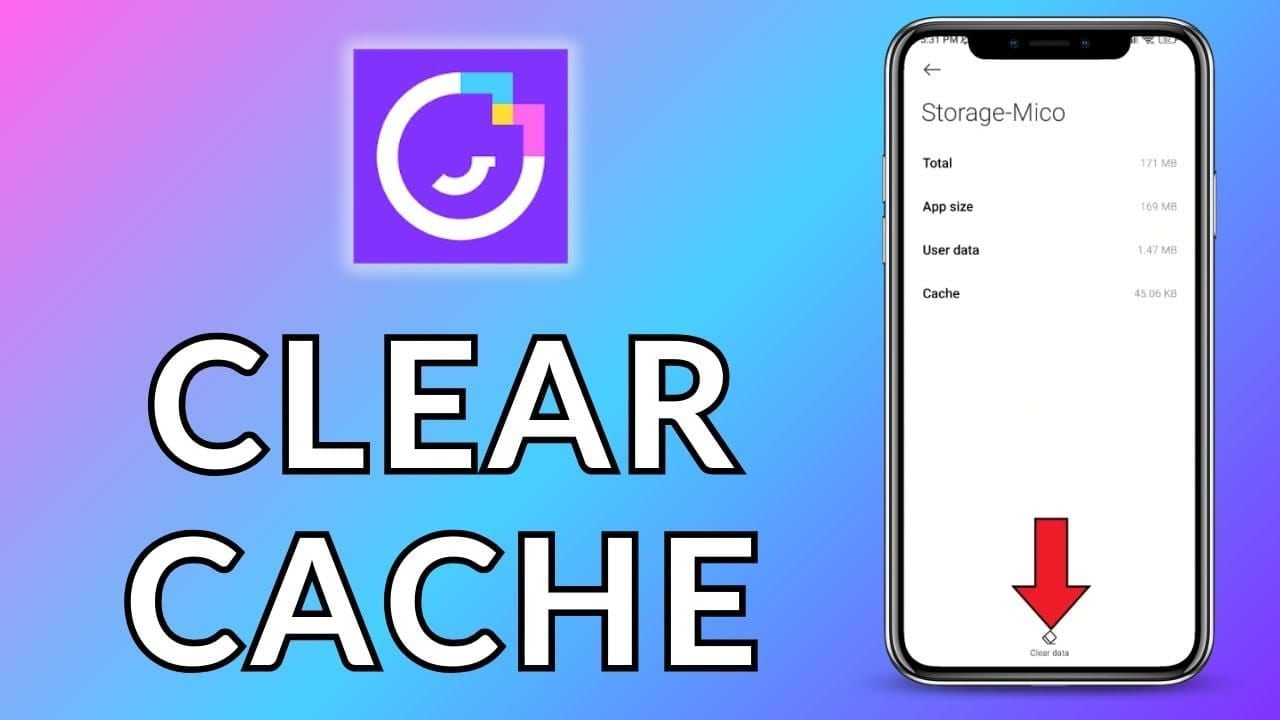
Cache clearing resolves 60-70% of persistent bugs (higher in Europe, as mentioned earlier).
Android: Settings > Apps > MICO > Storage > Clear Cache (NOT Clear Data—important distinction) > force close and reopen > test a single invite.
iOS: Settings > General > iPhone Storage > MICO > Offload App (this preserves your data) > reinstall from App Store > verify contacts synced properly.
Full reinstallation takes 30-45 minutes but resolves corrupted files that survive cache clearing.
Account-Specific Issues
Check your account settings: phone binding through Settings > Account and Security secures invite permissions. Contact sync status ensures you're working with a current list, preventing protocol mismatches. If you've had previous violations, you'll face stricter rate limiting even after blocks expire.
Document everything before contacting support—error messages, device model, OS version, app version, and exact steps to reproduce the issue. Account-specific problems often can't be fixed with standard workarounds.
Server-Side vs. Client-Side Problems
Client-side indicators: Errors stay consistent across different networks. Other users successfully send invites while yours fail. Force close and network switching don't improve results.
Server-side indicators: Errors resolve temporarily then recur without any changes on your end. Multiple users in your region report simultaneous failures. Issues coincide with event launches or peak usage times.
Server-side problems require waiting for MICO to deploy fixes (24-48 hours for critical bugs, 5-7 days for regional load balancing issues). Client-side issues respond to the troubleshooting outlined above.
When to Wait vs. When to Act
Take immediate action for client-side issues with clear error codes. Start with quick fixes (force close, network switch—takes 2-3 minutes) before advancing to cache clearing (10-15 minutes) or reinstallation (30-45 minutes).
For suspected server-side issues, wait 24-48 hours while using manual add workarounds. MICO typically deploys hotfixes within this window. If problems persist beyond 5-7 days, escalate to support with your documented evidence—you might be dealing with regional server issues requiring targeted intervention.
Maximizing Success During Events
Strategic Timing
Send invites during off-peak hours (6-9 AM local) when server loads run 40-50% lower than evening peaks. You'll see 15-20% higher success rates just from timing alone.
For time-sensitive events, send invites 2-4 hours in advance. This gives you a troubleshooting buffer and reduces last-minute server congestion pressure.
Group Size Optimization
Start with a single-user diagnostic invite to verify functionality before attempting full 9-person groups or 8-person video rooms. Incremental addition (2-3 users at a time with 30-second intervals) reduces server load spikes that trigger timeouts.
Smaller groups (4-5 members) experience 25-30% fewer failures than maximum-capacity groups during December events. Something to consider if you don't absolutely need all nine slots.
Pre-Event Preparation Checklist
Complete this 24 hours before important events:
- Update MICO to the latest version (ensures API compatibility)
- Clear cache using platform-specific methods
- Verify your OS meets minimums (iOS 13.0+, Android 8.0/API 26)
- Test network stability—confirm that 5 Mbps minimum
- Enable Background App Refresh (iOS) and disable battery optimization (Android)
- Sync your contact list (prevents protocol mismatches)
- Verify notification permissions are set to immediate/high-priority
This eliminates common failure points before you actually need things to work.
Backup Plans
Maintain alternative communication channels to coordinate if MICO invites fail completely. Generate those 24-48 hour room codes in advance and share through backup platforms, ensuring participant access even if real-time invites don't deliver.
Create new groups 48 hours before events rather than using legacy groups—avoids database schema conflicts. Keep a list of trusted contacts who reliably receive your invites for core group formation, then expand to less reliable connections once your base is established.
Future-Proofing Your MICO Experience
Staying Updated on Fixes
MICO deploys server-side fixes within 24-48 hours for critical bugs, with regional variations extending to 5-7 days for load balancing issues. Install app updates immediately—client-side patches often accompany server fixes.
Community forums provide early warning of emerging bugs and successful workarounds before official announcements. Regional reports offer more accurate expectations than global announcements, so pay attention to users in your area.
Building Reliable Networks
Cultivate a core group of 10-15 contacts who consistently receive your invites successfully. These reliable connections form your event group foundations, with additional members added incrementally.
Users on updated app versions with proper device settings experience 30-40% fewer invite failures, making them ideal core members. Regular interaction keeps relationships active in MICO's database, reducing the likelihood of spam flagging.
Understanding MICO's Direction
The December 2025 update's focus on enhanced AI moderation, automated spam filters, and real-time translation indicates MICO prioritizes security and global expansion over invite system stability.
Future updates will likely maintain these strict spam protocols—meaning rate limiting and validation delays are permanent features, not temporary bugs. Strategic timing, manual adds, and room codes become essential tools rather than emergency workarounds. Adjust your expectations accordingly.
Smart F2P Resource Management
F2P sustainability requires maximizing free resources while strategically timing any paid upgrades. Use manual add methods and room codes as your primary invite strategies to avoid rate limiting.
Reserve direct invite links for urgent situations where manual methods aren't practical. Clear cache monthly as preventive maintenance rather than reactive troubleshooting—that 10-15 minute investment prevents corrupted data accumulation. Regular app updates and contact list syncing maintain protocol compatibility without requiring paid features.
Avoiding Common Mistakes (Expert Perspective)
Misconceptions About Invite Mechanics
Force closing the app doesn't immediately resolve all issues. Incomplete closes—not waiting that full 10-15 seconds before reopening—leave background processes active, preventing true cache resets.
The triple restart method's effectiveness comes from the complete sequence, not individual steps. Skipping the device reboot or network switch significantly reduces success rates.
And VIP status doesn't eliminate all invite bugs. Paid users still experience timeout errors during extreme server loads and must use workarounds for database schema conflicts affecting legacy groups.
Behaviors That Trigger Rate Limiting
Rapid-fire attempts (5+ invites within 60 seconds) trigger spam detection even for legitimate group formation. Space invites by 30-60 seconds to prevent false positives.
Using identical invite messages across multiple groups flags your content as spam—vary the text slightly for each group to avoid pattern-matching algorithms. Inviting users who consistently ignore or decline your requests lowers your sender reputation, increasing future failure rates.
What Top Players Actually Do
Experienced users test single trusted contacts first before full group formation, isolating system issues from contact-specific problems. They create new groups for important events rather than reusing legacy groups, avoiding database conflicts entirely.
Top players limit themselves to 3 attempts per session maximum, completing full troubleshooting sequences (force close, network switch, cache clear) before each retry. This disciplined approach avoids spam blocks while maximizing success probability per attempt.
Red Flags Indicating Bigger Problems
If manual add methods fail consistently after cache clearing and reinstallation, you're likely dealing with account-level issues beyond standard December bugs. Contact support with documented error messages, device specs, and reproduction steps rather than continuing ineffective troubleshooting.
Invites succeeding for some contacts but failing for others in the same session indicate contact-specific protocol mismatches rather than system-wide bugs. Verify problem contacts have updated MICO versions and proper notification settings before assuming platform failures.
Smart Resource Management for Your MICO Experience
When Premium Actually Matters
VIP provides measurable value for users hosting groups daily or participating in competitive events where invite speed determines participation. That 20-50% earnings boost makes subscriptions self-funding for active broadcasters, while priority matchmaking significantly reduces timeout frustration during peak hours.
Casual users forming groups weekly or less see minimal VIP invite benefit—F2P workarounds provide sufficient reliability for low-frequency needs. The time investment in manual adds (5-10 minutes per group) is acceptable when group formation is occasional rather than daily.
Cost-Effective Premium Access
Annual VIP subscriptions at $99.99 offer better value than monthly renewals for committed users. Bulk coin purchases provide up to 29% discounts, making larger packages more cost-efficient for regular gift and feature use.
BitTopup offers competitive pricing with instant delivery, secure transactions, and 24/7 customer support for MICO coin purchases. The platform's wide game coverage and high user ratings make it reliable for cost-conscious users seeking premium features without overpaying.
Maximizing Free Resources During Events
F2P players can compete effectively through strategic timing and resource conservation. Use manual add methods exclusively to avoid rate limiting, preserving your 3-5 daily invite attempts for urgent situations where manual adds aren't practical.
Participate during off-peak hours when server stability is highest and resource competition lowest. Focus on quality interactions within smaller groups rather than attempting maximum-capacity groups that strain invite limits and server resources.
Common Questions (Answered)
Why are MICO group invites not working in December 2025?
The December update introduced server-side API changes, enhanced spam protocols, and database schema modifications that conflict with legacy groups. This causes timeout errors exceeding 30 seconds, expired links, and access denied messages across 100+ countries. Server-side fixes deploy within 24-48 hours to 5-7 days depending on your region.
How do F2P players bypass MICO invite cooldowns?
The triple restart method (force close app, reboot device, switch networks) yields 75-80% success rates. Manual member addition from contacts bypasses invite link systems entirely. Generate 24-48 hour room codes for shareable alternatives. Cache clearing resolves 60-70% of persistent issues, with higher success rates in Europe.
What are the differences between free and paid MICO invites?
F2P users face 3-5 invite attempt limits per session before 24-48 hour blocks, no priority processing during congestion, and must use manual workarounds. VIP gets priority matchmaking, reduced timeout rates, higher spam thresholds, and 20-50% earnings boosts. Annual VIP costs $99.99 versus F2P's time investment in troubleshooting.
Can you fix MICO invite errors without paying?
Yes, F2P workarounds achieve 60-80% success rates. Force close and network switching take 2-3 minutes, cache clearing requires 10-15 minutes, full reinstallation needs 30-45 minutes. Manual member addition and room code generation bypass invite systems entirely without paid features.
How long does MICO group invite cooldown last?
Spam detection triggers 24-48 hour blocks after 3-5 rapid attempts in a single session. The triple restart method can reset temporary cooldowns within 2-3 minutes if blocks haven't fully activated. Server-side rate limiting persists until the time window expires, though creating new groups bypasses legacy group-specific restrictions.
What are the most common MICO invite error codes?
Timeout errors (30+ seconds without response), expired link messages, group not found or access denied notifications, and silent invite drops without notifications. Timeouts stem from slow connections or overloaded servers, expired links from cache invalidation, access denied indicates permission or database conflicts, and silent drops occur from aggressive spam filtering or notification setting issues.