Event Currency Types and Farming
Broken Cores are the primary currency. Each event stage attempt yields 1,200 Broken Cores. Clearing the shop once requires 15,510 Broken Cores; two full clears need 31,020 total.
Double Drop Interception Simulation Room (January 1-7, 2026) doubles material acquisition. This week is your most efficient farming window. The event adds 160 Skill I manuals and 80 Burst I manuals to standard rewards (normally capped at 80 Skill I and 40 Burst I daily).
Union Raids (January 2-8) and Solo Raid S33 (January 8-15) provide additional currency. Top 10% Co-op rankings yield 19,000 Rusted Bones, where every 200 converts to a gear selector.
Shop Reset Timers and Limits
Union shops offer one free daily reset. Event shops never refresh inventory—once purchased, items are gone until the next event.
14 Days Login Event extends until January 20, providing consistent daily resources. Bonus Recruit grants 1,000 Exchange Points per claim up to 10 times (10,000 points total).
Calculate daily Broken Core income against your priority list by January 7 to determine if gem refreshes become necessary.
Exclusive vs Recurring Items
Event shops contain three categories: exclusive limited items, discounted permanent shop items, and standard materials available elsewhere.
High-Quality Molds appear at significantly reduced costs. F2P players should avoid Pilgrim Over-spec Molds—minimal value relative to currency cost.
Pilgrim chips are exclusive purchases to prioritize. These enable Limit Breaks for the rarest character class at rates impossible through standard gameplay. The 200 Gold Mileage exchange guarantees rate-up character exchanges.
Absolute Priority: Must-Buy Items First

Target items with the highest scarcity-to-impact ratio first.
Core Dust takes absolute priority. Bottlenecks Advanced Synchro progression past level 200, where each level requires 10,000 battle cores. No other shop offers Core Dust at comparable efficiency.
Gems are second priority. Synchro Device unlocks at Chapter 4-15; each extra slot costs 500 gems. These slots are mandatory for maintaining five MLB SSR units at level 200—required for breaking the 160 power wall.

Character Shards for Meta Units
January 2026 features Snow White Heavy Arms (January 1-22, 04:59 UTC+9) and Rapi Red Hood Step Up Recruit (starting January 1). Event shops offer featured banner shards at rates unavailable post-event.

SSR units require three Limit Breaks to reach max level 200. Each consumes either a duplicate or a spare body via mileage. 200 Gold Mileage exchanges guarantee any Pilgrim.
Duplicate values: R units yield 150 body labels, SR yield 200, SSR extra duplicates generate 6,000—demonstrating why SSR focus maximizes efficiency.
Core Dust Bundles: Why They're #1
Advanced Synchro is NIKKE's primary endgame progression. After level 200 through standard Limit Breaks, characters continue leveling through Synchro Device slots sharing experience across your roster.
The 10,000 battle cores per level requirement creates insatiable Core Dust demand. Event shops offer the only bulk purchasing outside glacially slow daily farming. Missing Core Dust purchases means weeks of delayed progression.
Calculate your current Synchro level against target level, multiply the difference by 10,000, and prioritize Core Dust to cover at least 50% of that gap.
Mileage Tickets and Wishlist
Mileage provides guaranteed character acquisition. Silver Mileage requires 200 tickets for a spare body; Gold Mileage exchanges 200 tickets for a full Nikke—including rate-up banner characters.
Event shops discount mileage tickets below gem-equivalent value. Since 200 Gold Mileage guarantees Pilgrim exchanges worth thousands of gems, every discounted ticket represents compounding returns.
Prioritize Gold Mileage for Pilgrim targeting, then allocate Silver Mileage toward most-used SSR units approaching Limit Break thresholds. Avoid spending on SR/R units unless you've exhausted all SSR progression.
High Priority: Essential Limit Break Materials
After securing Core Dust, gems, and mileage tickets, shift to materials enabling character power increases.
High-Quality Molds enable equipment enhancement beyond base levels. F2P players should buy these while excluding Pilgrim Over-spec variants. Standard molds apply across your entire roster; Over-spec serves only niche optimization.
Code Manuals available in Arena shops complement event purchases. Skill manual requirements for level 10: 1,094 Skill I, 775 Skill II, 315 Skill III, 360 Code manuals. Burst manuals require identical quantities except Code manuals jump to 720—making Code the primary bottleneck.
Manufacturer-Specific Equipment
Equipment follows manufacturer-specific upgrade paths. Each manufacturer requires dedicated materials that don't cross-pollinate.
Event shops offer manufacturer equipment at discounted rates vs. farming stages. However, 200 Rusted Bones per gear selector from Co-op rankings provides targeted acquisition, making event shop equipment situational.
Prioritize equipment for primary DPS and support first. Defensive equipment for tanks offers lower returns since survival depends more on level advantages and healing than raw defense stats.
Skill Books and Bottlenecks
Daily Simulation Room farming caps at 80 Skill I and 40 Burst I manuals, requiring 14 days of perfect clears just for enough Skill I manuals for one character's skill 10.
January 2026 doubles these rewards during January 1-7: 160 Skill I and 80 Burst I daily. This provides 560 bonus Skill I and 280 bonus Burst I across the week—equivalent to seven days of normal farming.
If you're within 500 manuals of completing a meta character's skill set, prioritize event shop purchases to achieve that breakpoint immediately.
Battle Data Sets
Battle Data Sets provide experience for leveling before Limit Break thresholds. The 160 power wall requires five MLB SSR units at level 200, creating massive experience demand before Synchro Device efficiency takes over.
Event shops offer Battle Data Sets at reduced energy costs vs. campaign stages, but only purchase after securing higher-priority materials.
Advanced players with established Synchro setups should skip Battle Data Sets entirely. Broken Cores generate better returns through Core Dust and mileage tickets.
Medium Priority: Situational Value
Medium priority items offer value in specific circumstances but shouldn't consume Broken Cores until you've cleared higher tiers.
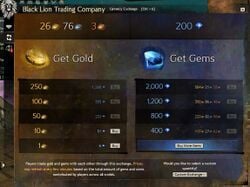
Gold bundles appear attractive vs. farming campaign stages. However, gold farming provides unlimited scaling—you can always farm more gold tomorrow, but not more Broken Cores after event ends.
For immediate resources, buy NIKKE gems online through BitTopup's secure platform to supplement your budget without sacrificing limited currency on suboptimal purchases.
Gold Bundles: When Worth It
Gold becomes relevant when simultaneously upgrading multiple characters' skills and equipment. Maxing a single SSR's full kit exceeds several million gold.
Event shop gold bundles offer approximately 20-30% discounts vs. gem-to-gold conversion through campaign farming energy refreshes. This only matters if you're gem-constrained and gold-blocked simultaneously—rare for established players.
Skip gold bundles if you have surplus energy and time to farm campaign stages.
Harmony Cubes for Endgame
Harmony Cubes enable specific character synergies and team composition optimizations. These provide marginal power increases vs. core progression systems.
Endgame players competing for top Co-op rankings may find purchases worthwhile for squeezing additional damage percentage points.
F2P players should ignore Harmony Cubes entirely. Limited Broken Cores generate exponentially better returns through Core Dust and mileage tickets.
Enhancement Materials vs Natural Farming
Generic enhancement materials drop consistently from campaign stages you'll farm anyway for shards, equipment, and gold.
Opportunity cost: spending 1,000 Broken Cores on enhancement materials saves ~200 energy of farming, but spending on Core Dust advances Synchro Device by a fraction of a level—progress requiring days of dedicated farming otherwise.
Purchase enhancement materials only after clearing all higher tiers with surplus Broken Cores and insufficient time before January 14 expiration.
F2P vs Light Spender Priority Differences
Resource allocation diverges significantly by spending tier. F2P must ruthlessly optimize every Broken Core; light spenders can afford strategic inefficiencies accelerating specific goals.
F2P players: buy High-Quality Molds while excluding Pilgrim Over-spec variants. F2P rarely accumulate enough Pilgrim duplicates to justify Over-spec optimization; standard molds benefit entire roster immediately.
Light spenders occasionally purchasing monthly gem packs can afford broader purchases. Additional gem income allows refreshing event attempts for extra Broken Cores.
F2P Budget Allocation
F2P allocation sequence for first 15,510 Broken Cores:
- Core Dust until current Synchro needs met
- Gems for Synchro Device slots
- Gold Mileage tickets toward 200-ticket Pilgrim exchange
- Pilgrim chips
- High-Quality Molds (excluding Over-spec)
- Code Manuals from Arena shop overlap
- Skill manuals if surplus remains
This prioritizes irreplaceable resources first, then discounted permanent shop items, finally materials available through daily farming.
F2P players should expect to clear ~60-70% of available items, focusing exclusively on top-tier materials. Attempting 100% completion forces low-value purchases delaying next Pilgrim acquisition or Synchro advancement by weeks.
Light Spender Optimization
Light spenders can afford 500-gem Synchro Device slots earlier in progression. This earlier investment accelerates compounding returns of shared experience, justifying gem purchases before completing all Core Dust acquisitions.
Bonus Recruit's 1,000 Exchange Points per claim (10 times) provides additional resources. Combined with 30 pulls from New Year Greetings Mail and 55 from New Year Event, light spenders can realistically approach 100+ total pulls during January 2026.
Prioritize completing one full shop clear (15,510 Broken Cores) before considering gem refreshes. Efficiency curve drops sharply after exhausting natural energy regeneration.
Whale Complete Clearing
Whales targeting complete clears should budget 31,020 Broken Cores across two full rotations. At 1,200 per attempt, this requires 26 successful clears—easily achievable with gem refreshes during the two-week window.
Complete clearing becomes efficient for whales because cumulative value of even low-priority items exceeds gem cost of refreshes when already purchasing premium currency regularly.
Whales should still follow priority sequence for purchasing order. Early Core Dust and mileage tickets enable immediate progression; delaying low-priority items until final days provides flexibility if unexpected banners appear mid-month.
Common Event Shop Mistakes
Most expensive mistake: purchasing items available in permanent shops at similar or better rates. Union shops reset daily with one free refresh, often offering better gem-to-material ratios for common items.
Players frequently overbuy gold bundles, seduced by large numbers without calculating actual value. A discount gold bundle costing 2,000 Broken Cores might save 300 gems of energy refreshes—but those 2,000 Broken Cores could purchase mileage tickets worth thousands of gems toward next guaranteed Pilgrim.
Ignoring character-specific needs creates inefficient allocation. Buying Burst manuals when priority characters need Skill manuals wastes limited currency on zero immediate progression.
Buying Items in Permanent Shops
Code Manuals appear in both event and Arena shops. Arena purchases cost Arena currency regenerating through daily PvP, making Arena superior unless you've exhausted inventory.
Union Chips from Union Raids provide another permanent path overlapping event shop offerings. January 2-8 Union Raid generates consistent chip income, making event shop purchases redundant unless targeting units unavailable through Union Raid rewards.
Before purchasing any event shop item, check permanent shop inventories and daily missions. If an item appears in multiple locations, calculate relative currency value—permanent shop currencies regenerate infinitely; Broken Cores expire January 14.
Overspending on Low-Value Bundles
Event shops employ psychological pricing through bundle presentations obscuring per-unit costs. A bundle offering 10 items for 5,000 Broken Cores seems attractive until you calculate individual purchases of high-priority items would cost 3,000 for superior materials.
Pilgrim Over-spec Mold exclusion for F2P exemplifies this. While Over-spec Molds appear valuable in isolation, actual impact on F2P progression is negligible vs. standard High-Quality Molds benefiting entire roster.
Always calculate opportunity cost before bundles. Ask: If I spend these Broken Cores here, what higher-priority item am I delaying, and how many days of progression does that cost?
Ignoring Character-Specific Needs
Generic guides fail to account for specific roster composition and progression goals. A player focusing on PvP needs different materials than someone pushing campaign or optimizing Solo Raid damage.
Snow White Heavy Arms (January 1-22) and Rapi Red Hood Step Up represent specific investment opportunities. If pulling heavily on these banners, prioritize associated shards and equipment to maximize banner investment returns.
Audit your roster before finalizing purchases. Identify which characters are within one Limit Break of next power spike, which need specific equipment pieces to complete sets, and which skill levels are bottlenecked by manual shortages.
Event Token Farming Efficiency
Maximizing Broken Core acquisition requires understanding energy-to-currency conversion rates. Base rate: 1,200 Broken Cores per attempt establishes efficiency baseline, but event bonuses and mission rewards significantly amplify total income.
Double Drop Interception Simulation Room (January 1-7) doesn't directly increase Broken Core drops, but doubled material rewards reduce need to spend energy on Simulation Room farming outside event. This energy savings redirects toward event stage farming, indirectly increasing total Broken Core accumulation.
Daily missions during events typically offer bonus Broken Cores for completing specific tasks. These zero-energy rewards can contribute 10-15% of total event currency when claimed consistently across two weeks.
Best Stages for Token-to-Energy Ratio
Event stages typically offer uniform Broken Core rewards regardless of difficulty, making lowest-difficulty auto-farmable stage optimal for pure currency farming. Higher difficulties only become relevant if they drop exclusive equipment or materials you need simultaneously.
1,200 Broken Cores per attempt rate remains constant, but energy costs vary by difficulty. If normal costs 15 energy while hard costs 25 for identical Broken Core rewards, normal provides 67% better currency efficiency—massive difference across dozens of runs.
Daily Mission Optimization
Daily missions during January 2026 stack multiple reward streams. 14 Days Login Event (until January 20) provides consistent daily rewards independent of farming activity, creating baseline resource floor even for limited playtime players.
Bonus Recruit missions grant 1,000 Exchange Points per claim (10 times), but likely require specific mission completion rather than automatic distribution. Prioritize identifying and completing these early to maximize total Exchange Point accumulation.
New Year Greetings Mail expiring January 3 creates urgent early-event deadline. Claim these 30 pulls immediately to avoid catastrophic loss. Set calendar reminders if necessary—losing 30 pulls represents weeks of farming value.
Time Management
January 14 currency expiration creates hard deadline for spending Broken Cores. Optimal strategy: complete priority purchases by January 10-11 to provide buffer for unexpected circumstances like server maintenance.
Calculate required daily Broken Core income by dividing priority purchase total by remaining event days. If you need 15,510 Broken Cores with 12 days remaining, you must average 1,293 daily—approximately 1.1 event stage clears per day accounting for daily mission bonuses.
Front-load farming during January 1-7 Double Drop Interception window. Even though this doesn't directly boost Broken Cores, doubled Simulation Room rewards free up energy normally spent on material farming, allowing redirection toward event stages.
Quick Reference: January 2026 Checklist
Day 1 Priorities:
- Claim New Year Greetings Mail before January 3 expiration (30 pulls)
- Purchase Core Dust first with initial Broken Core income
- Buy gems for Synchro Device slots if not maxed (500 gems each)
Week 1 (January 1-7):
- Farm Simulation Room during doubled rewards
- Redirect remaining energy toward event stage Broken Core farming
- Purchase Core Dust and gems enabling immediate Synchro progression
Week 2 (January 8-14):
- Complete shopping list before January 14 currency expiration
- Solo Raid S33 (January 8-15) runs concurrent—prioritize event shop completion over Solo Raid ranking unless competing for top-tier rewards
Weekly Reset Must-Buys
Union shop free resets occur daily. Prioritize Union Chip purchases for characters you're actively building.
Arena shop Code Manuals refresh weekly. Cumulative requirement of 360 Code manuals for skills and 720 for bursts means you'll exhaust Arena inventory quickly, making event shop purchases valuable after depletion.
Check permanent shop inventories after each weekly reset to identify newly available items overlapping your event shop priority list.
Final Days Cleanup
By January 12, calculate remaining Broken Core income against unpurchased priority items. If short of target, this is the decision point for gem refreshes—spending 100-200 gems on energy refreshes to secure high-priority items generates better returns than letting Broken Cores expire unspent.
Avoid panic-buying low-value items just to use up remaining currency. If you've cleared all absolute, high, and medium priority items with 2,000 Broken Cores remaining, those cores generate better value sitting unspent than wasted on enhancement materials you'll naturally farm within days.
January 14 expiration creates hard deadline, but Solo Raid S33 runs until January 15. Plan final event shop purchases for January 13 to provide one buffer day, then redirect all energy toward Solo Raid on January 14-15.
FAQ
What should I buy first in NIKKE January 2026 event shop?
Prioritize Core Dust and gems using Broken Cores first—these enable Synchro Device progression compounding throughout the event. After securing Core Dust for current Synchro needs, purchase Gold Mileage tickets toward 200-ticket Pilgrim exchange, then Pilgrim chips and High-Quality Molds (excluding Over-spec for F2P).
Are event shop character shards worth buying?
Shards for featured banner units (Snow White Heavy Arms, Rapi Red Hood) offer value if actively pulling those banners and need Limit Break materials. However, 200 Gold Mileage exchange provides guaranteed Pilgrim acquisition, making mileage tickets higher priority unless you're one duplicate away from critical Limit Break.
How many gems should I spend on event shop refreshes?
Spend gems on refreshes only after confirming you cannot reach priority purchase total through natural energy and daily missions. If short by 2,000-3,000 Broken Cores, spending 100-200 gems on refreshes to secure Core Dust and mileage tickets generates better returns than letting priority items go unpurchased.
Is Core Dust or mileage tickets better?
Core Dust takes absolute priority—bottlenecks Advanced Synchro past level 200, where each level requires 10,000 battle cores. After securing sufficient Core Dust for current Synchro needs (2-3 levels worth), shift to Gold Mileage tickets accumulating toward 200-ticket Pilgrim exchange—guaranteed character worth thousands of gems.
Should F2P players buy everything?
F2P should expect to clear ~60-70% of inventory, focusing exclusively on Core Dust, gems, mileage tickets, Pilgrim chips, and High-Quality Molds while excluding Pilgrim Over-spec. Attempting 100% completion forces wasteful purchases of low-value items available in permanent shops, delaying progression toward guaranteed Pilgrims and Synchro advancement.
How to farm event tokens efficiently?
Farm lowest-difficulty auto-farmable event stage for optimal energy-to-Broken Core efficiency—all difficulties provide 1,200 Broken Cores per attempt regardless of energy cost. Prioritize farming during January 1-7 when Double Drop Interception frees up energy normally spent on material farming, redirecting toward event stages for maximum Broken Core accumulation before January 14 expiration.