Complete 4.2 Update Features
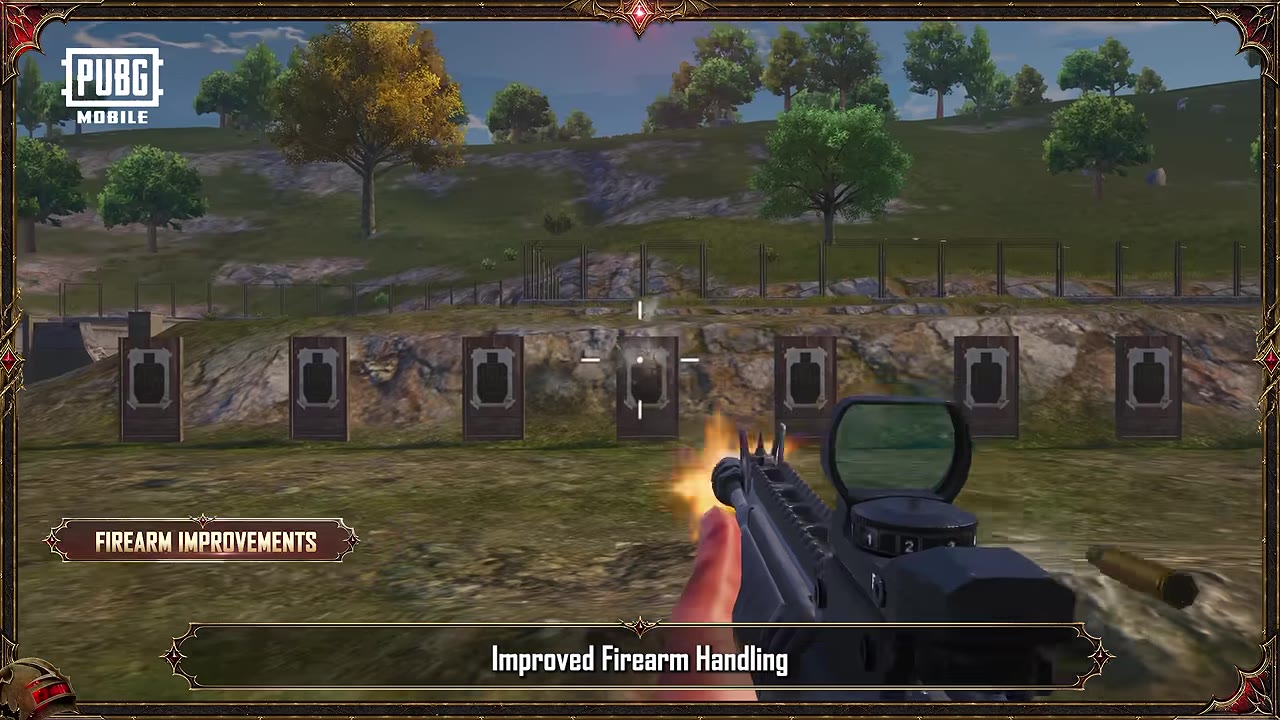
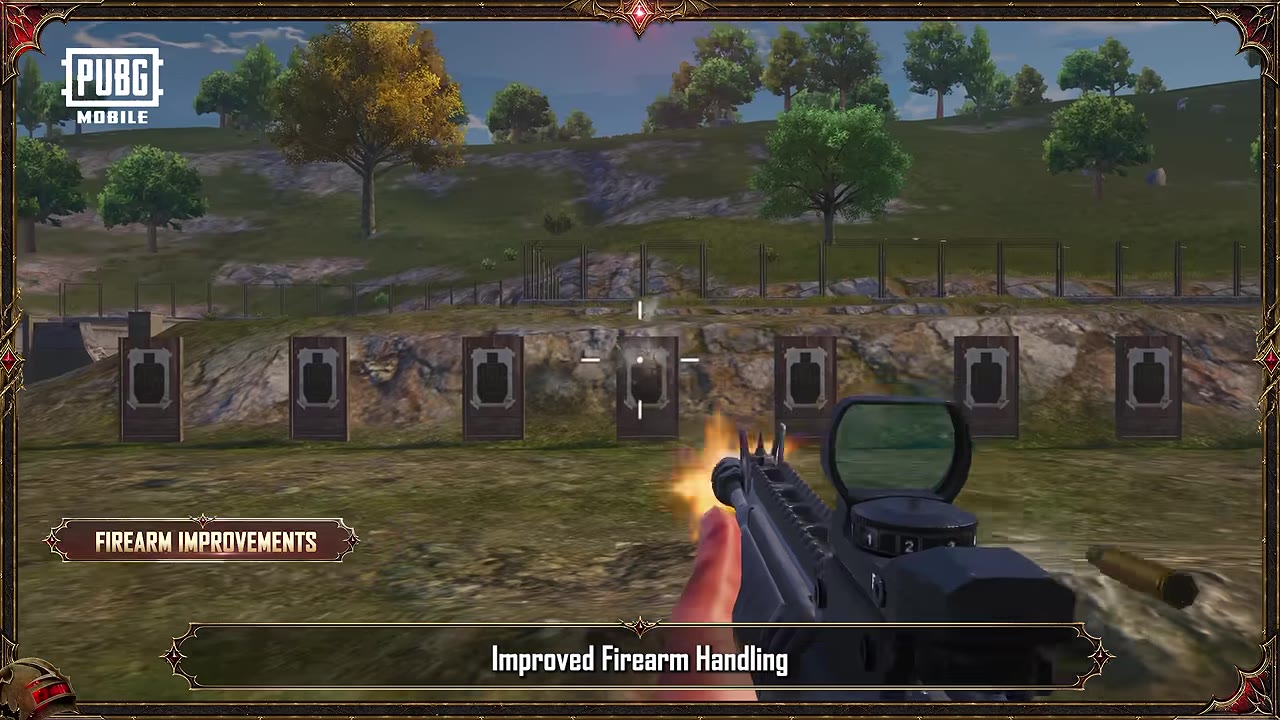
January 2026 delivers comprehensive improvements beyond team-up. Weapon balance changes include increased 7.62mm damage across AKM, Beryl M762, and Groza. Shotguns received reduced damage with scattered spread patterns. These adjustments impact training priorities—recalibrate recoil control for buffed weapons.
Weapon-specific 4x scope crosshairs provide clearer target acquisition. Automatic parachute cutting prevents landing delays. Faster throwable chaining speeds up grenade combos. Prone combat received smoother turning mechanics. These improvements translate directly to ranked performance when practiced systematically.
Why Team-Up Mode Changes Ranked Preparation
Previous methods forced choosing between solo practice (lacking coordination context) or custom rooms (requiring manual setup). The 4.2 team-up system eliminates this compromise with structured environments for drilling specific scenarios repeatedly.
Player capacity increased from 20 to 24, enabling larger-scale tactical exercises. Squads can simulate multi-team final circles, practice third-party timing, or run rotation drills with realistic density.
AI bots with adjustable difficulty fill sessions when full squads aren't available. Set bot behavior to match your tier, creating appropriate challenge for Crown through Conqueror players.
Key Differences from Previous Versions
Earlier iterations treated Training Grounds as isolated shooting ranges. The 4.2 update integrates team mechanics, communication tools, and scenario-based drills replicating ranked conditions.
Interface supports both TPP and FPP modes within the same session. Access: select Training Mode from main menu, use Change map button (top left), then training selector (bottom left) to activate team-up features.
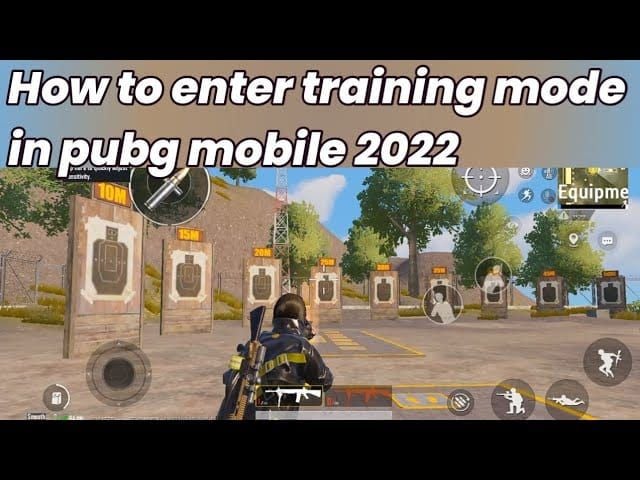
Lobby sharing improved through multiple invitation methods: friends list invites, shareable lobby codes, and match ID distribution.
Understanding the Team-Up System
From main menu, select Training Mode. This opens the training lobby interface for team assembly.
Invitation operates through three channels: in-game friends list for direct invites, lobby code for non-friends, custom match IDs for organized sessions.
Lobby leader controls session parameters including AI bot activation, difficulty settings, and map selection. Training grounds code 7307-1085-6780-4282-435 provides access to specialized drill areas.
Accessing Training Grounds 4.2 Team-Up Mode
- Launch PUBG Mobile, navigate to main menu
- Select Training Mode from game mode options
- Wait for training lobby to load
- Click Change map (top left) to access training grounds
- Select training from bottom left menu
- Choose TPP or FPP perspective
- Invite teammates through friends list, lobby code, or match ID
- Configure AI bots using custom match settings
- Adjust AI difficulty to match squad's average tier
- Confirm all participants ready before starting
Team Matchmaking and Finding Partners
While 4.2 lacks automated matchmaking, expanded capacity facilitates community-organized practice groups. Competitive players coordinate through clan systems or Discord servers for compatible practice schedules.
24-player limit enables multiple squads practicing simultaneously. This creates organic matchmaking where teams rotate between cooperative drills and simulated combat.
AI bot integration provides fallback when teammates aren't available. Crown players should use high-difficulty bots mimicking Ace-tier movement and aim.
Interface Navigation
Weapon racks occupy central spawn area. Throwable stations sit adjacent to shooting ranges. Vehicle spawns cluster near perimeter. Cooperative climbing structures occupy dedicated zones with distinctive architectural features.
Recommended sensitivity settings: 120% third-person, 130% first-person/parachuting, scope sensitivities 45% (Red Dot) to 12% (8x). Gyroscope: 300% no-scope, scaling to 20% for 4x ADS tracking.
Co-op Climbing Drills Explained
Cooperative climbing requires precise timing and communication between two teammates for vertical movements impossible solo. The throw-and-grab sequence involves one player boosting their partner to elevated positions, then receiving assistance to follow.
These drills address ranked scenarios where vertical positioning determines survival. Final circles frequently collapse around multi-story compounds where high ground provides decisive advantages.
The mechanic operates through proximity-based prompts. When positioned correctly, the throwing player receives an on-screen indicator. The receiving player must time their jump to match the throw animation, then immediately activate grab-hand prompt. Mistimed sequences result in failed climbs leaving both vulnerable.
Why Climbing Drills Matter for Ranked
Vertical mobility separates average from competitive-tier players. Traditional methods—staircases, ladders, window vaults—create predictable patterns skilled opponents exploit. Cooperative climbing introduces unpredictable vertical rotations bypassing conventional choke points.
Teams controlling rooftops force ground-level squads into disadvantageous engagements. Rapid high ground claiming through cooperative climbing disrupts enemy positioning before defensive setups establish.
Mid-match rotations often require quick building access when zones shift. Cooperative climbing enables faster vertical repositioning, reducing exposure during critical rotations.
5 Essential Climbing Scenarios
Scenario 1: Two-Story Compound Breach - Throw teammates onto second-floor balconies from ground level, then follow to establish interior control. Replicates common Erangel and Sanhok compound fights.
Scenario 2: Rooftop Access Without Stairs - Master climbing to flat rooftops on buildings lacking internal staircases. Frequent in Livik's compact compounds.
Scenario 3: Emergency High-Ground Claim - Execute rapid sequences when caught in open terrain near multi-story structures. Speed determines survival when third-parties approach.
Scenario 4: Sequential Team Elevation - Coordinate full squad climbs where first pair establishes position, then assists remaining teammates.
Scenario 5: Combat-Under-Pressure Climbing - Practice sequences while receiving simulated fire from AI bots. Reveals timing weaknesses appearing only under combat conditions.
Team Coordination Techniques
Establish clear terminology—thrower and receiver roles assigned before sequences. Verbal confirmation prevents simultaneous throw attempts wasting time.
Visual positioning matters as much as timing. Thrower must stand at optimal distance and angle relative to target ledge. Too close results in insufficient boost; too far creates lateral gaps.
Receiver's jump timing creates critical success variable. Too early causes missed throws; late jumps result in insufficient elevation. Develop rhythm-based timing where thrower's verbal countdown synchronizes with receiver's jump input.
Common Climbing Mistakes
Mistake 1: Inadequate Communication - Silent attempts fail when teammates aren't synchronized. Always verbalize intentions.
Mistake 2: Poor Positioning Awareness - Attempting climbs from incorrect angles wastes time and exposes teams. Establish muscle memory for optimal positions.
Mistake 3: Panic Execution - Under pressure, rushing sequences creates failed attempts compounding vulnerability. Drill until execution becomes automatic.
Mistake 4: Neglecting Follow-Up - Successfully boosting one teammate means nothing if thrower can't follow. Practice complete sequences.
Mistake 5: Ignoring Environmental Audio - Climbing generates distinctive sounds alerting enemies. Practice audio awareness drills.
Ranked Push Mechanics Without Losing Points
Training Grounds 4.2 replicates every ranked mechanical aspect without point-loss consequences. This risk-free environment enables aggressive experimentation with positioning strategies, weapon loadouts, and tactical approaches.
Movement and positioning drills translate directly to ranked improvements. Practice zone edge rotations, compound approaches, and final circle positioning without KD ratio pressure.
Recoil control training benefits from 4.2 weapon adjustments. 7.62mm damage buffs make AKM and Beryl M762 more viable, but recoil patterns demand extensive practice.
For competitive investment, buy pubg mobile uc online through BitTopup's secure platform ensures access to premium features without budget compromise.
Movement and Positioning Drills
Structured movement practice should consume 3 minutes per session. Focus on strafe-shooting patterns where lateral movement maintains accuracy. 4.2 prone improvements enable smoother horizontal tracking.
Zone rotation timing drills prepare for mid-game positioning decisions. Set up scenarios requiring zone edge to center movement under time pressure, practicing vehicle coordination and dismount timing.
Final circle positioning requires different patterns than early-game rotations. Practice micro-adjustments within small safe zones, maintaining cover while advancing.
Recoil Control Training
Daily routine allocates 5 minutes to aim training. Begin with stationary target practice on M416, establishing baseline spray patterns at 50, 100, and 150 meters. Weapon-specific 4x crosshairs provide clearer reference points.
Progress to moving target drills using high-difficulty AI bots. Track hit percentage across sessions for objective improvement measurement.
7.62mm weapons require separate practice due to distinct recoil. AKM vertical climb exceeds M416 significantly. Beryl M762 adds horizontal drift requiring diagonal control. Groza's reduced recoil makes it most controllable 7.62mm option.
Recommended 4x scope sensitivity: 18% for stable mid-range sprays. 2x sensitivity: 30% for faster close-quarters acquisition. Gyroscope ADS: 50% Red Dot scaling to 20% for 4x scopes.
Team Communication Practice
Develop standardized callout systems without ranked pressure. Use location-specific terminology for common compounds with cardinal directions and landmarks.
Practice enemy position callouts using clock system—Enemy 270, two-story blue building, second floor window. This specificity eliminates vague callouts.
Establish protocols for loot discoveries, ammunition needs, and healing distribution. Include inventory management drills for efficient resource sharing under time pressure.
Zone Rotation Simulations
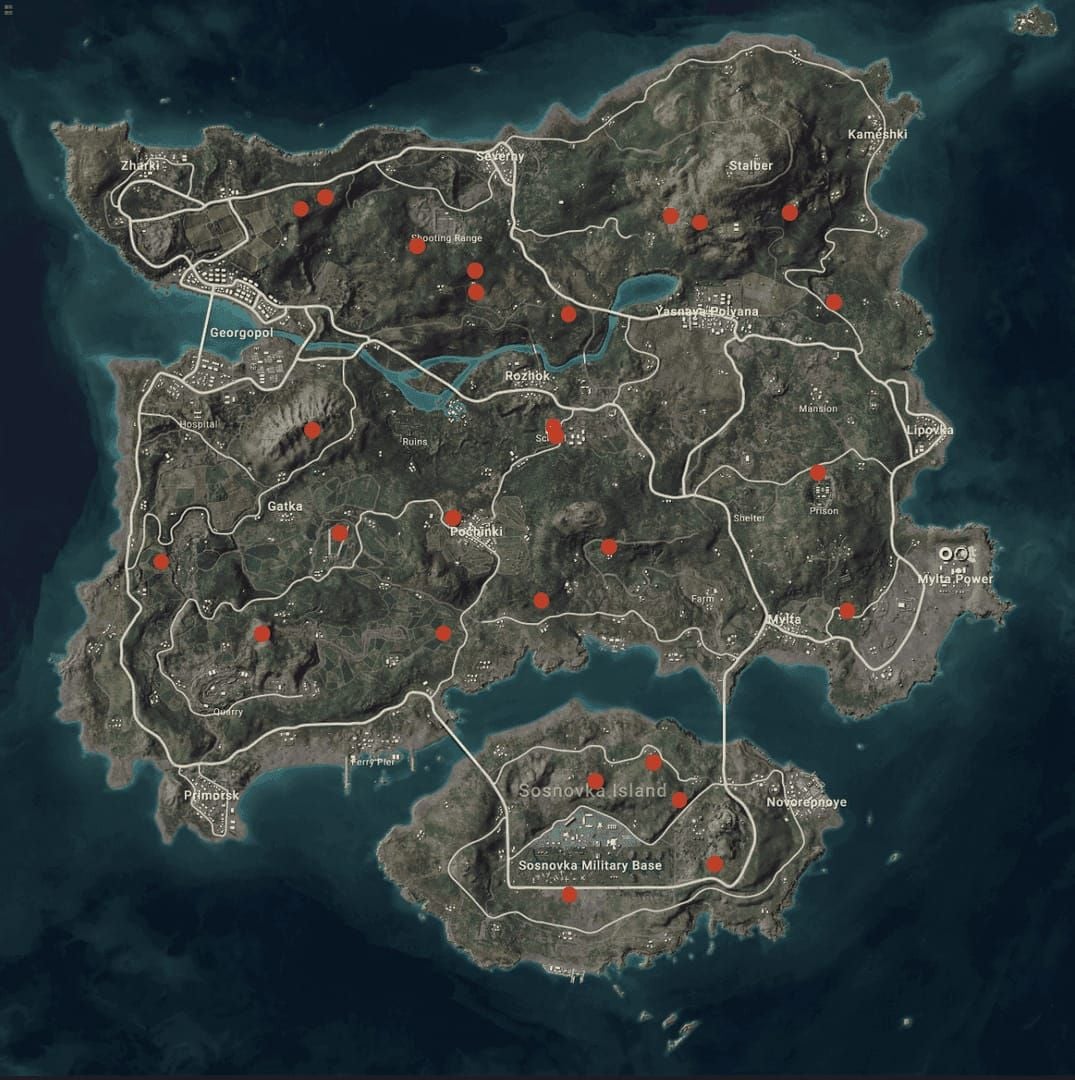
Set up custom scenarios replicating common zone configurations. Practice Erangel's Pochinki to Rozhok rotations, timing vehicle approaches to minimize exposure.
Vehicle coordination requires dedicated practice. Drill synchronized dismounts where all squad members exit simultaneously, immediately establishing defensive positions.
Late-game rotations demand different strategies. Practice final circle approaches on foot through minimal cover, teaching smoke usage, leapfrog positioning, and suppressive fire coordination.
Complete 4.2 Drill Categories Breakdown
Systematic practice requires organized drill categories addressing specific skills. 10-20 minute daily routines distribute time across combat, movement, and tactical exercises.
2-minute sensitivity check opens each session, ensuring control settings remain optimal. Test basic movements, scope transitions, and recoil patterns.
Combat drills occupy 5 minutes, focusing on engagement scenarios across distances. Movement drills consume 3 minutes, emphasizing positioning and rotation. Final 5 minutes target vertical positioning using cooperative climbing.
Combat Drills: CQC, Mid-Range, Long-Range
Close-quarters drills emphasize hip-fire accuracy and quick-scope transitions. Practice building interiors using shotguns and SMGs, noting 4.2 shotgun damage reduction and spread changes.
Mid-range scenarios form majority of ranked engagements. Set up 50-100 meter target practice using assault rifles with 2x and 4x optics. Weapon-specific crosshairs require familiarization across firearms.
Long-range drills develop patience and precision for 150+ meter engagements. Use 6x and 8x scopes on DMRs and bolt-actions, practicing lead calculations on moving targets.
Team Synergy Exercises
Revive mechanics under fire separate surviving squads from eliminated teams. Practice scenarios where one player provides suppressive fire while teammates execute revives. Faster throwable chaining enables quicker smoke deployment—drill smoke-to-revive timing.
Trading kills requires coordinated aggression where teammates immediately capitalize on knocked opponents. Practice scenarios where one engages while others position for follow-up shots.
Crossfire positioning drills teach overlapping fields of fire. Set up scenarios where squad members occupy different angles on same target area.
Tactical Drills
Smoke grenade mastery determines open terrain rotation success. Practice throwing smokes at various distances, learning trajectory arcs. 4.2's faster throwable canceling allows quicker adjustments—drill cancel-and-rethrow sequences.
Frag grenade throws require understanding bounce physics and detonation timing. Practice cooking grenades to specific explosion timings, eliminating warning periods.
Flanking route identification separates tactical teams from straightforward fighters. Explore compound layouts, identifying unexpected approach angles.
Vehicle Coordination
Vehicle combat requires specialized skills. Drill drive-by shooting where one drives while others engage from passenger positions. Driver must maintain stable speeds enabling accurate passenger fire.
Synchronized dismounts prevent staggered arrivals creating elimination windows. Practice scenarios where all exit simultaneously on command, immediately establishing defensive positions.
Vehicle blocking tactics deserve dedicated practice. Learn to position vehicles as mobile cover during rotations.
Performance Metrics Dashboard
While 4.2 lacks built-in tracking, systematic self-assessment drives improvement. Maintain logs tracking hit accuracy percentages, average time-to-kill on moving targets, successful climbing completion rates.
Training Grounds provides controlled conditions for baseline measurements. Test recoil control by counting consecutive hits on stationary targets at fixed distances. Record numbers, retest weekly for improvement trends.
Identify weaknesses through targeted testing. If ranked reveals poor building interior performance, dedicate sessions exclusively to CQC scenarios.
Understanding Training Statistics
Accuracy percentages reveal fundamental aim quality. Calculate hit rates by dividing successful shots by total fired. Competitive players should target 60%+ accuracy on moving targets at 50 meters, 40%+ at 100 meters.
Time-to-kill measurements assess combat efficiency. From target acquisition to elimination, how many seconds elapse? Record separately for different weapon classes.
Movement efficiency metrics track positioning quality. During rotation drills, measure time between designated points while maintaining cover.
Key Metrics Correlating with Ranked Success
Headshot percentages directly predict ranked performance. Players maintaining 30%+ headshot rates in training typically achieve similar rates in competitive matches.
Grenade accuracy determines tactical effectiveness. Track successful placements—competitive players should achieve 70%+ accuracy on practiced throws.
Climbing sequence success rates measure team coordination quality. Teams should target 90%+ success rates on practiced building types before attempting in ranked.
Identifying Weaknesses
Ranked match reviews reveal specific skill gaps. After losses, identify mechanical failure points—poor recoil control? Failed rotations? Translate failures into specific Training Grounds drills.
Compare performance across weapon classes. If assault rifle accuracy significantly exceeds SMG performance, dedicate additional practice to close-quarters weapons.
Team coordination weaknesses appear in communication breakdowns and timing failures. Dedicate training to callout practice and standardized terminology development.
Setting Measurable Goals
Establish specific, time-bound objectives. Instead of get better at recoil control, set goals like achieve 50% accuracy on moving targets at 75 meters with M416 within two weeks.
Break rank climbing goals into component skills. Reaching Ace requires specific proficiencies—identify skill gaps between current performance and Ace-level requirements.
Track correlation between training volume and ranked performance. Log daily practice time alongside ranked results, identifying practice threshold producing consistent positive results.
Pro Player Training Routines
Tournament-level players approach Training Grounds with structured routines maximizing skill development per time invested. Standard competitive warm-up follows fixed sequence: sensitivity verification, recoil drilling, movement exercises, then scenario-based coordination practice.
Professional teams dedicate 30-45 minutes to pre-tournament warm-ups, ensuring mechanical skills reach peak performance. This prevents cold-start degradation costing early-match fights.
Time efficiency drives professional practice design. Every drill serves specific purposes with measurable outcomes.
Daily Practice Schedule
6:00-6:10 AM - Sensitivity Verification: Test basic movements, scope transitions, hip-fire accuracy. Verify no setting changes.
6:10-6:25 AM - Recoil Control: Five minutes M416 baseline patterns. Five minutes 7.62mm platforms. Five minutes DMRs for long-range precision.
6:25-6:40 AM - Movement and Positioning: Three minutes strafe-shooting. Five minutes zone rotation. Seven minutes building navigation and vertical positioning.
6:40-7:00 AM - Team Coordination: Full squad drills simulating ranked situations. Practice coordinated pushes, defensive setups, mid-fight repositioning.
7:00-7:10 AM - Cool-Down: Light practice maintaining warm muscles. Team discussion of drill performance.
Time-Efficient Drills
The 80/20 principle applies—20% of drills produce 80% of improvement. Identify high-impact exercises addressing specific weaknesses.
Compound drills combining multiple skills maximize efficiency. Instead of isolated recoil practice, drill moving-target scenarios simultaneously developing aim tracking, recoil compensation, and target prioritization.
Progressive difficulty scaling prevents wasted time on drills becoming too easy. When achieving consistent success, immediately increase challenge.
30-Minute Pre-Ranked Warm-Up
Minutes 0-2: Sensitivity Check - Verify settings, test movements, confirm muscle memory feels normal.
Minutes 2-7: Aim Training - Five minutes focused recoil control on primary weapons.
Minutes 7-10: Movement Drills - Three minutes practicing mechanics most relevant to playstyle.
Minutes 10-15: Vertical Positioning - Five minutes cooperative climbing on preferred map building types.
Minutes 15-25: Team Coordination - Ten minutes full squad practice simulating ranked scenarios.
Minutes 25-30: Mental Preparation - Light practice while mentally reviewing strategies.
Training Grounds 4.2 vs Other Methods
Training Grounds team-up occupies specific niche in practice ecosystem. Solo practice develops individual mechanics without coordination complexity. Custom rooms provide controlled environments for testing scenarios. Training Grounds 4.2 bridges approaches, offering structured team practice without custom match setup overhead.
Risk-free environment provides psychological advantages over ranked practice. Players can experiment aggressively without fearing point loss or KD damage.
However, Training Grounds cannot fully replicate ranked match pressure. Optimal skill development requires balancing Training Grounds drilling with actual ranked experience.
Team-Up vs Solo Practice
Solo practice excels for pure mechanical skills—recoil control, aim precision, movement techniques. Without coordination requirements, focus entirely on individual execution.
Team-up mode becomes essential for coordination skills solo practice cannot develop. Communication timing, crossfire positioning, cooperative climbing—these abilities only emerge through repeated team drilling.
Optimal programs combine both approaches. Dedicate solo sessions to mechanical drilling when teammates aren't available. Schedule regular team practice for coordination exercises.
Training Grounds vs Custom Rooms
Custom rooms provide maximum control over practice conditions. Organizers can set specific zone configurations, loot distributions, and player counts replicating exact scenarios.
However, custom rooms require significant setup overhead. Creating matches, inviting participants, configuring settings consumes time that could be spent practicing.
24-player capacity in Training Grounds 4.2 approaches custom room flexibility while maintaining accessibility.
When to Use Each Method
Use Training Grounds Team-Up: Practicing standard ranked mechanics with regular squad. Quick access and built-in features provide efficient practice.
Use Solo Training Grounds: Developing individual mechanical skills—recoil control, sensitivity tuning, weapon familiarization.
Use Custom Rooms: Testing specific tactical theories or practicing unusual scenarios requiring exact zone configurations.
Use Ranked Matches: Testing skills under psychological pressure. No practice environment replicates competitive stress.
Common Misconceptions Debunked
Training Grounds suffers from persistent myths preventing players from utilizing full potential. Understanding what Training Grounds does and doesn't affect helps practice confidently.
Most common misconception involves KD ratio impact. Players avoid Training Grounds practice, fearing it damages kill-death statistics.
Another myth suggests Training Grounds only benefits beginners. This ignores how professionals utilize training environments for maintaining peak performance.
Does Training Grounds Affect KD Ratio?
No. Training Grounds operates on completely separate statistical tracking from ranked and classic matches. Eliminations and deaths in training sessions don't register in profile statistics. KD ratio, win rate, and match statistics remain entirely unaffected.
This separation exists by design—training environments should encourage experimentation without statistical consequences.
Verify by noting KD ratio before extended Training Grounds sessions, then checking afterward. Numbers remain identical.
Can You Lose Rank Points in Practice Mode?
Absolutely not. Training Grounds exists entirely outside ranked system. No activity affects tier, rank points, or competitive standing.
Point-loss fear prevents adequate practice before ranked sessions. Players enter competitive matches cold, with degraded mechanical performance from lack of warm-up.
Optimal ranked climbing requires viewing Training Grounds as essential preparation. Players reaching Conqueror consistently warm up before ranked sessions.
Is Training Grounds Only for Beginners?
Wrong. Professional tournament players dedicate significant time to Training Grounds despite elite skill levels. Controlled environment enables focused drilling of specific techniques match conditions cannot provide.
Advanced techniques like cooperative climbing require extensive practice before competitive deployment. Even skilled players need dozens of repetitions for muscle memory and timing coordination.
Skill ceiling continues rising as competitive meta evolves. Continuous Training Grounds practice ensures skills keep pace with meta development.
UC Requirements and Cost-Effective Strategy
Training Grounds 4.2 provides extensive functionality without UC requirements. Core features—team-up mode, cooperative climbing, AI bots, weapon access—remain completely free.
However, certain premium features enhance training experience. Training Ground Pass provides exclusive drill scenarios, performance tracking tools, and cosmetic rewards.
Cost-conscious players should prioritize UC spending on features providing tangible competitive benefits. BitTopup's competitive pricing helps maximize UC value.
Which Features Require UC?
Core Training Grounds functionality operates entirely free. Team-up mode, cooperative climbing, AI bots, and weapon access require no UC.
Premium features include specialized drill scenarios designed by professionals, advanced performance tracking dashboards, and exclusive cosmetics.
Weapon skins and character cosmetics function identically—purely aesthetic without gameplay impact.
Training Ground Pass Worth?
Training Ground Pass provides structured progression systems maintaining practice engagement. Daily and weekly challenges encourage consistent training habits.
Performance tracking features help identify improvement trends and skill gaps. These analytics provide objective data guiding practice focus.
Evaluate Pass value based on practice frequency. Players training daily extract maximum value. Casual players may find free features sufficient.
Maximize Value: Top Up Through BitTopup
BitTopup provides competitive UC pricing maximizing purchasing power. Low-fee structure means more UC per dollar compared to inflated official rates.
Fast delivery ensures uninterrupted access to premium features. UC arrives within minutes, preventing practice session delays.
Secure transactions protect financial information through industry-standard encryption. Excellent customer service provides support for any issues.
Free vs Premium Features
Free: Team-up mode, cooperative climbing, all weapons/attachments, AI bots with difficulty adjustment, basic sensitivity settings, unlimited practice time, TPP and FPP modes, 24-player capacity.
Premium: Advanced performance analytics, professional drill scenarios, exclusive cosmetics, Training Ground Pass progression, priority access during high-traffic periods, extended customization.
Free feature set provides everything necessary for competitive skill development. Players can reach Conqueror using exclusively free features through disciplined practice.
Advanced Tips: Maximizing Training Efficiency
Efficient practice requires strategic planning beyond simply spending time in Training Grounds. Quality matters more than quantity—focused 30-minute sessions produce better results than unfocused two-hour marathons.
Practice fatigue degrades performance and creates bad habits. Recognize when mechanical execution begins deteriorating, then end sessions before reinforcing incorrect patterns.
Ultimate goal involves translating Training Grounds skills to ranked match performance. This transfer requires conscious effort—practice conditions differ from competitive pressure.
How Often to Practice Before Ranked?
Daily warm-up sessions before ranked play ensure consistent mechanical performance. 30-minute pre-ranked routine prevents cold-start degradation costing early matches.
Dedicated skill development sessions should occur 3-4 times weekly, separate from daily warm-ups. These extended 60-90 minute sessions focus on developing new techniques or addressing weaknesses.
Rest days prevent burnout and allow skill consolidation. Schedule at least one complete rest day weekly.
Avoiding Practice Fatigue
Monitor performance metrics throughout sessions. When accuracy percentages decline or execution times increase, fatigue is degrading performance. End sessions immediately.
Vary drill types to maintain engagement. Repetitive practice on identical scenarios creates mental fatigue faster than varied exercises.
Physical breaks between intensive drill blocks prevent cumulative fatigue. Stand, stretch, rest eyes for 2-3 minutes between major drill categories.
Translating Skills to Ranked Matches
Mental bridging techniques help activate training mode performance during ranked pressure. Develop pre-engagement routines—specific breathing patterns, mental cues, physical movements—triggering focused state achieved during practice.
Conscious skill application during early ranked matches reinforces training transfer. Deliberately focus on executing practiced techniques during initial engagements.
Post-match analysis identifies transfer gaps. Review which practiced skills executed successfully and which failed under pressure.
Building Team Chemistry
Regular practice schedules with consistent teammates develop coordination separating elite squads from random groups. Shared training experiences create common tactical language and synchronized timing.
Establish team-specific strategies during practice, then deploy in ranked matches. Custom tactics designed around squad's strengths create competitive advantages.
Communication efficiency improves through repeated practice interactions. Teams develop abbreviated callout systems where single words convey complex tactical information.
FAQ
What is the new Training Grounds 4.2 team-up feature?
Training Grounds 4.2 team-up allows up to 24 players to practice together in cooperative environments, featuring cooperative climbing where two teammates coordinate throw-and-grab sequences to reach elevated positions. Enables squads to drill ranked mechanics, team coordination, and vertical positioning without risking rank points or affecting KD ratios.
How do co-op climbing drills work?
Cooperative climbing requires two teammates in synchronized coordination. One player throws their partner to higher positions using proximity-based prompts, then receiving player activates grab-hand mechanics to pull thrower up. Enables vertical movements impossible solo, replicating ranked scenarios where rapid building access determines outcomes.
Can you practice ranked mechanics without losing points?
Yes. Training Grounds operates completely separate from ranked statistics. All practice activity has zero impact on rank points, tier standing, or KD ratio. Provides risk-free environments for experimenting with strategies, testing weapons, and drilling scenarios without competitive consequences.
How to find teammates for Training Grounds practice?
Access team-up through three methods: direct invites via friends list, shareable lobby codes for non-friends, or match ID distribution for organized groups. 24-player capacity enables multiple squads practicing simultaneously, creating opportunities for community-organized sessions through clans or Discord.
What are the best team coordination drills?
Essential drills include cooperative climbing sequences on multi-story buildings, synchronized vehicle dismounts with immediate defensive positioning, crossfire setups establishing overlapping fields of fire, revive-under-fire scenarios with smoke deployment, and zone rotation timing practicing edge-to-center movement under pressure.
Do you need UC to access Training Grounds 4.2?
Core functionality—team-up mode, cooperative climbing, AI bots, weapon access, unlimited practice time—operates completely free. Premium features like Training Ground Pass provide advanced analytics and exclusive drills but aren't required for competitive skill development. Players can reach Conqueror using exclusively free features.
Ready to unlock premium Training Grounds 4.2 features and accelerate your ranked push? Top up UC instantly through BitTopup for best rates, fast delivery, and secure transactions. Get your UC now and start practicing like the pros!