What Changed: Patch Notes Breakdown
Nov 6, 2025 release targeted long-range AR dominance. 10-15% damage nerf beyond 100m forces closer engagements or DMR transitions—critical on Erangel/Miramar where fights exceed 100m.
DMR buffs compensate AR limits. 60% recoil reduction makes Mini14/SLR controllable during rapid-fire. 15% viability increase = higher pro pick rates.
Shotgun adjustments reduce effectiveness beyond close-quarters. 10-20% pellet damage reduction demands near-perfect positioning, lowering competitive reliability.
Why Alpha7 Matters for PMWC Riyadh
PMWC 2026 Riyadh: $3M prize pool. Scoring: 10 points 1st place, 6 for 2nd, 5 for 3rd, 1 per kill. Rewards survival + aggression—loadout optimization maximizes points.
PMWC 2025 analysis: Yangon Galacticos won with 157 points, 4 Chicken Dinners using M416-Kar98k (5.56mm ammo sharing)—appeared in 90% of pro matches.
Alpha7's mid-range emphasis (50-100m) aligns with PMWC final circles. Teams mastering M416 with full attachments (45% recoil reduction: 25% compensator, 20-25% vertical foregrip) dominate late-game.
Regional Variations: PMWC vs PMGO Pakistan
PMGO Season 2 Pakistan ($500K) favors aggressive CQC, making SMG proficiency essential. Registration + Sept 17-20 in-game qualifiers required.
Southeast Asia PMGO Season 1 ($500K) emphasizes vehicle rotations and compound control. Regional differences demand loadout flexibility—master both M416 (482 DPS, 41 damage, 0.085s interval) and Groza (48 damage, 0.08s interval, built-in suppressor).
30+ National Championships in 2026 diversify meta applications. Local tournaments feature map restrictions/format variations rewarding deep weapon knowledge.
Alpha7 Weapon Tier List: Complete Rankings

S-Tier: Tournament-Dominant
M416 (AR)
- Damage: 41 | Interval: 0.085s | DPS: 482
- Recoil reduction (full attachments): 45%
- Pro usage: 90% (M416-Kar98k combo)
- Sensitivity: Red dot 52-60%, 4x 22-27%, gyro 280-300%
Dominates through versatility. 45% recoil reduction (compensator 25%, vertical foregrip 20-25%) creates most controllable high-damage platform.
AWM (Bolt Sniper)
- Damage: 105 | Ammo: .300 Magnum | Mag: 5 rounds
- Ignores Level 3 helmets
105 damage + helmet penetration = ultimate long-range tool. Guarantees knockdowns vs any helmet tier. Air drop exclusive balances power.
Groza (AR - Air Drop)
- Damage: 48 | Interval: 0.08s
- Built-in suppressor
48 damage + 0.08s interval = superior close-mid range DPS. Built-in suppressor adds stealth. Air drop exclusive but justifies aggressive contesting.
A-Tier: Reliable Competitive
Kar98k (Bolt Sniper)
- Power: 74 | Range: 90
- Headshot: Deletes Level 2 helmets
- Ammo: 7.62mm (shares with AKM)
Appears in 90% pro loadouts with M416. 79 headshot damage eliminates Level 2 helmets instantly. No air drop dependency.
AKM (AR)
- Damage: 48 | Interval: 0.1s
- Crouch-firing recoil reduction: 50%
- Ammo: 7.62mm
48 damage matches Groza, world spawn available. 50% crouch-firing recoil reduction transforms it into controllable mid-range powerhouse.
Vector (SMG)
- Damage: 31 | Interval: 0.054s | DPS: 574
- Extended mag: 33 rounds
574 DPS—highest among automatics. 33-round mag handles multi-target building combat. Ideal for Pakistan PMGO's aggressive urban warfare.
B-Tier: Situational
Mini14/SLR (DMRs)
Post-v4.1 60% recoil buff increased viability 15% with win rate improvements. Mini14: rapid-fire pressure. SLR: higher per-shot damage. Both excel in Alpha7 but need practice.
UMP45 (SMG)
Superior controllability vs Vector, lower DPS (~420). Accessible alternative for developing Vector recoil skills.
Shotguns (S12K, S1897, S686)
10-20% damage reduction beyond point-blank relegates to situational. Tournament viability decreased—emergency early-game only.
Methodology
Prioritizes tournament metrics: DPS calculations, PMGC 2025 pro usage (16 teams, 18 games), attachment availability, ammo logistics. Time-to-kill across ranges (0-50m, 50-100m, 100m+) accounts for Alpha7 adjustments. Weapons effective across multiple ranges rank higher.
PMWC Pro Loadout Analysis
Top 5 Pro Combinations
M416 + Kar98k (90% usage)
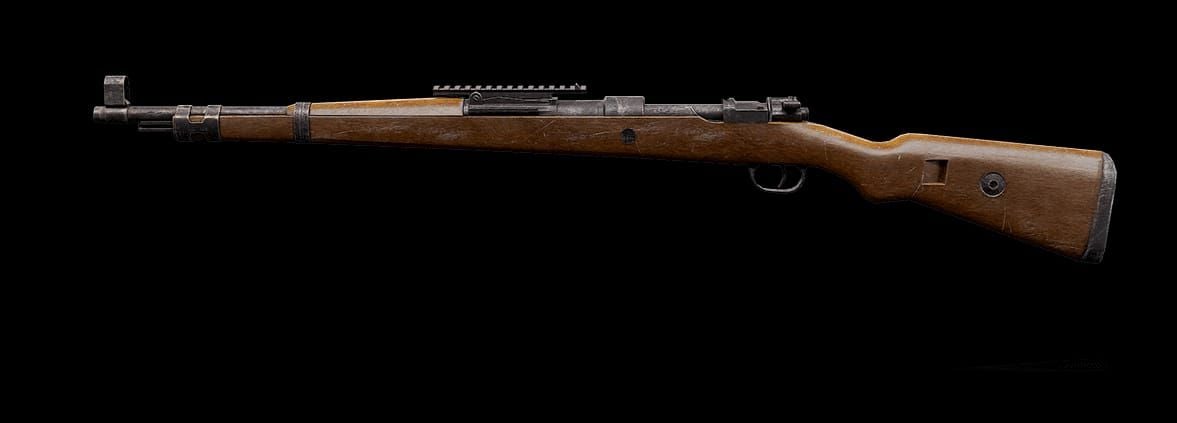
- Ammo sharing: 5.56mm (M416), 7.62mm (Kar98k) = independent pools
- Ranges: M416 0-100m, Kar98k 100m+
- Used by Alpha7 Esports (142 points, $500K) and Yangon Galacticos (157 points, 4 Chicken Dinners)
M416 + Groza (Air drop priority)
Groza replaces secondary when available. Redundant mid-range capability, max damage. Built-in suppressor aids rotations.
AKM + Kar98k (7.62mm focused)
Single ammo type simplifies logistics. AKM's 48 damage + 50% crouch recoil complements Kar98k long-range.
M416 + AWM (Ultimate air drop)
AWM's 105 damage + Level 3 penetration with M416 versatility = most powerful combo. Limited .300 Magnum demands discipline.
Groza + AWM (Double air drop)
Rare but overwhelming. PMGC 2025 teams with this showed significantly higher mid-game eliminations.
Primary Weapons
M416: 90% pro usage. 482 DPS, 45% recoil reduction, all optic compatibility. Sensitivity: red dot 52-60%, 4x 22-27%, gyro 280-300%.
DMRs: 15% primary usage post-buff, especially Miramar. 60% recoil reduction + 15% viability validates as legitimate primaries.
Groza: Primary when air drop accessible. 48 damage, 0.08s interval, built-in suppressor. Pros prioritize when leading (defensive) or trailing (aggressive).
Secondary Selection
90% prefer M416-Kar98k. Kar98k's 74 power, 90 range, Level 2 helmet deletion provides essential long-range tools.
SMG secondaries appear in urban strategies. Vector's 574 DPS, 33-round mag excel in CQC. Pakistan PMGO shows higher SMG adoption vs global PMWC.
AWM replaces all secondaries when available. 105 damage creates unmatched pick potential. Teams adjust tactics around AWM acquisition.
For UC to unlock premium skins with visual clarity advantages, PUBG Mobile top up UC instant PMGO qualifier prep via BitTopup ensures immediate access.
Throwables/Utility
Early game: 2 smokes, 2 frags, 1 stun
Mid game: 4 smokes, 2 frags
Late game: 6+ smokes, 3 frags
Progression reflects increasing rotation importance. Smokes enable safe final circle movement.
Frags: compound clearing + cover damage. Pros practice trajectories in Training Mode.
Boosts: Energy drinks/painkillers prioritized (smaller slots). Med Kits/First Aids: 3:7 ratio. Teams coordinate distribution for collective sustainability.
AR Deep Dive: M416 vs AKM vs Groza
M416 Optimization
Attachments (45% recoil reduction)
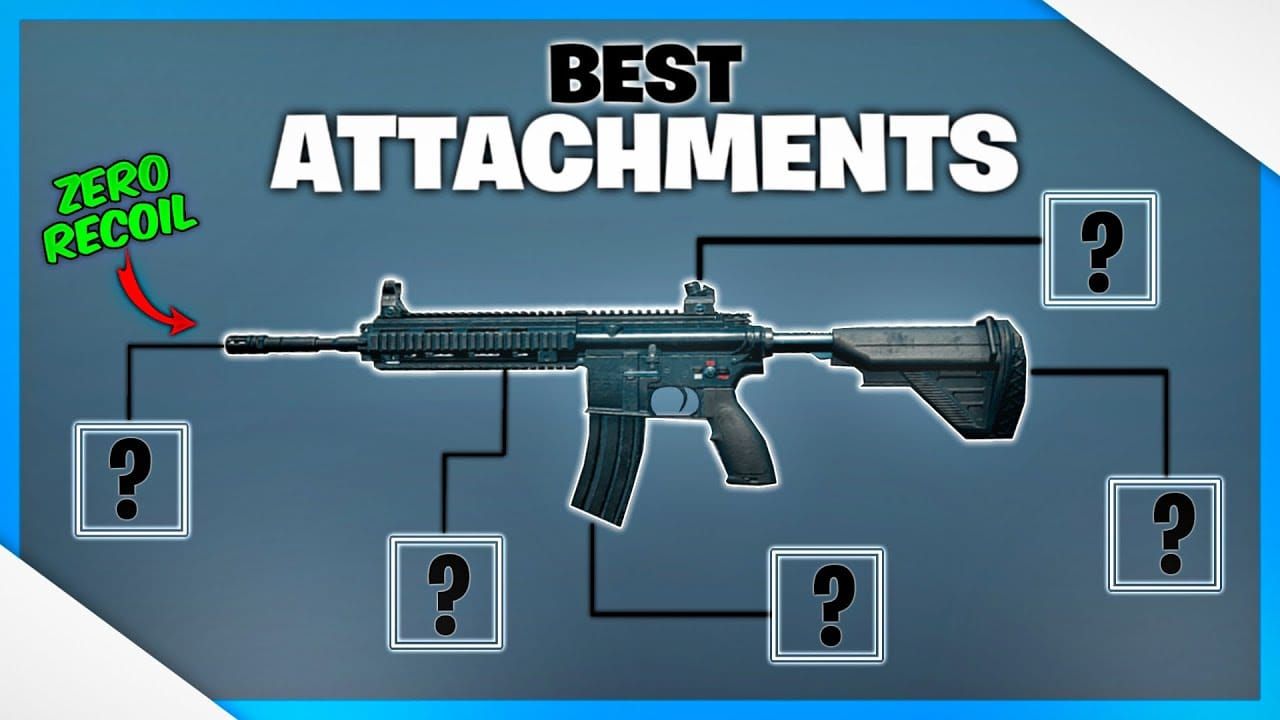
- Compensator: 25% reduction (priority over flash/suppressor)
- Vertical foregrip: 20-25% reduction
- Tactical stock: reduces sway during movement/ADS
- Extended quickdraw mag: 40 rounds, faster reload
- Optic: Red dot 0-50m, 3x 50-100m, 4x/6x 100m+
Sensitivity
- Camera: 150-250%
- Gyro: 100-150% of camera
- ADS AR: 50-70%
Recoil Pattern
Vertical climb + slight right drift initially, horizontal movement after 10-15 rounds. Practice 30-round sprays at 50m, 75m, 100m with gyro compensation.
AKM Trade-offs
48 damage (7 higher than M416) = superior per-bullet impact vs Level 2/3 vests. 0.1s interval (vs M416's 0.085s) reduces DPS but concentrates damage—excels in peek-shooting.
50% crouch-firing recoil reduction transforms AKM. Pros maintain crouched stances mid-range where accuracy benefits outweigh mobility limits.
Attachments differ: Compensator essential, half grip for faster ADS + first-shot accuracy (vs vertical). Tactical stock more valuable due to higher base recoil.
Excels at: Vehicle destruction, cover penetration, mid-range peek battles. Situational advantages explain continued pro usage despite M416 dominance.
Groza Air Drop Priority
Air drop timing: Early (first circle) = high contest risk but sustained advantage. Mid-game = better risk-reward as teams decrease.
48 damage + 0.08s interval = superior DPS vs AKM. Built-in suppressor frees muzzle slot, adds stealth.
Recoil: More horizontal vs M416's vertical. Requires adjusted spray control—gyro emphasizes horizontal compensation. Optimal 30-75m.
Ammo: 7.62mm requires collection priority shift if running 5.56mm. Teams designate specific Groza users to preserve M416 ammo pools.
Time-to-Kill Comparisons
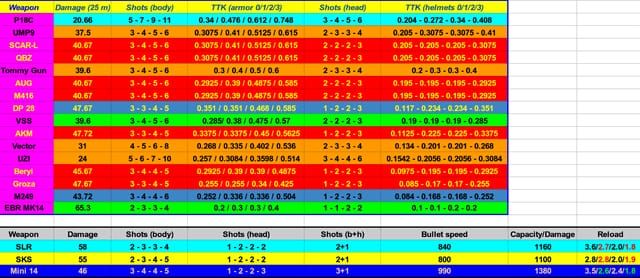
0-50m (vs Level 2 vest)
- Groza: 0.32s (4 shots)
- AKM: 0.40s
- M416: 0.43s
- Vector: 0.27s (beats all ARs but needs secondary slot)
50-100m
M416 favored—45% recoil reduction enables sustained accuracy compensating for 41 damage through higher hit %. AKM competitive when crouch-firing allows stationary play.
100m+
Alpha7's 10-15% AR nerf extends TTK significantly. M416 needs extra shots, creating cover/return-fire windows. Favors DMRs/bolt snipers—explains M416-Kar98k combo dominance.
Sniper/DMR Rankings
AWM vs Kar98k
AWM
- 105 damage (41% higher than Kar98k's 74)
- .300 Magnum penetrates Level 3 helmets
- Guaranteed knockdowns any helmet tier
- Air drop exclusive, limited ammo (~20 rounds)
Kar98k
- World spawn, 7.62mm ammo compatible
- 90 range rating, all maps
- 79 headshot damage deletes Level 2 helmets
- Abundant ammo enables liberal usage
Ammo scarcity differentiates: AWM's limited .300 Magnum demands discipline. Kar98k's 7.62mm abundance allows suppressive fire.
Both support 8x scopes. Pro preferences: 6x for mobile engagements (faster acquisition), 8x for stationary 200m+ picks. 4x minimum effective optic.
Mini14/SLR DMRs
V4.1's 60% recoil reduction transformed DMRs. Mini14: rapid-fire sustained pressure. SLR: higher per-shot damage (58 vs 46), superior cover penetration.
15% viability increase = higher pro adoption, especially Miramar. Win rate improvements correlate with practice investment.
Mini14: Harassment role—rapid sequences depleting heals, restricting movement. 5.56mm shares with M416.
SLR: 7.62mm shares with AKM/Kar98k. Higher damage, slower fire.
Attachments: Mini14 prioritizes compensator + extended quickdraw for sustained fire. SLR benefits from cheek pad + tactical stock for single-shot accuracy. Both need 4x/6x minimum, 8x for 300m+.
Scope Strategy
4x: 100-200m, target tracking during movement
6x: 150-300m, balances magnification + FOV
8x: 250m+ stationary, max magnification for headshots
Sensitivity: ADS sniper 30-50% (lower for 8x, higher for 4x). Gyro 100-150% of camera regardless of magnification.
Scope availability influences loadouts. Multiple high-mag scopes = designated sniper roles. Limited access = flexible strategies. Teams communicate distribution for optimal allocation.
Zeroing (300m+): 8x enables adjustments (100m, 200m, 300m settings) aligning reticle with impact. Pros practice zeroing transitions in Training Mode.
Quick-Scoping
Rapidly transition hip-fire to ADS for immediate shot. Requires precise timing: initiate ADS, fire upon scope clarity, return to hip-fire. Pros achieve sub-0.5s sequences.
Sensitivity: Higher ADS sniper (45-50%) for faster acquisition. Gyro 280-300% for final adjustments. Balance speed + accuracy.
Positioning: Pre-aim head-level, minimize vertical adjustment. Predictive positioning—anticipate movement paths—reduces reaction demands.
Applications: Beyond eliminations, information gathering. Rapid scope-ins reveal positions without extended exposure. Frequent mid-game for rotation decisions.
SMG/CQC Meta
Vector vs UMP45
Vector
- 574 DPS (31 damage, 0.054s interval)
- Highest automatic weapon DPS
- Extended mag: 33 rounds (2-3 eliminations)
- Popular Pakistan PMGO (aggressive building rushes)
UMP45
- ~420 DPS
- Superior controllability, lower damage
- Accurate hipfire during movement
- 9mm ammo abundance
- 0.15s longer TTK vs Vector
Vector attachments: Compensator (horizontal stability), vertical foregrip (vertical reduction), extended quickdraw mag (critical 19→33 capacity).
Pros maintain SMGs through mid-game when urban combat likely, transition to sniper secondaries in open-terrain final circles.
Building Combat Loadouts
Urban warfare
- Primary: M416 + red dot (0-50m)
- Secondary: Vector + extended mag
- Throwables: 2 frags (room clearing), 2 smokes (rotation), 1 stun (rushes)
Entry techniques: Frag through windows/doors, immediate entry during explosion with Vector ready, systematic bottom-up clearing preventing elevated positions.
Sound awareness: Footsteps reveal positions. Pros use quality headphones, max footstep audio, reduce ambient noise.
Positioning: Avoid room centers (multi-angle exposure). Maintain single-angle exposure + immediate cover. Forces attackers into disadvantageous approaches.
Hipfire/Movement
SMG hipfire accuracy exceeds ARs. Enables accurate fire during full-speed movement—decisive in building combat where mobility prevents hits while maintaining pressure.
Vector hipfire viable to ~10m. UMP45 extends to ~15m.
Movement speed with SMGs ~5% faster than ARs. Rotation advantages during urban engagements. Speed compounds over multiple rotations.
Strafing: Rapid directional changes (A-D-A-D) while hipfiring creates difficult targets while sustaining offense. Advanced technique, significant practice required.
Jump-shots: Fire during jump animations—brief apex moments maintain accuracy. Pros incorporate during corner peeks, minimal exposure while gathering info/landing damage.
Attachment Priority Guide
Mandatory by Class
ARs (M416, AKM, SCAR-L)
- Compensator: 25% recoil reduction
- Extended quickdraw mag: Capacity + reload speed
- Vertical foregrip: 20-25% recoil reduction
- Tactical stock: Reduces sway/ADS penalties
- Optic (4x/6x): Mid-long range
Bolt Snipers (Kar98k, M24, AWM)
- 6x/8x scope: Mandatory range utilization
- Cheek pad: Reduces recoil/sway
- Extended quickdraw mag: Faster follow-ups
- Compensator: Reduces scope shake
DMRs (Mini14, SLR, SKS)
- Compensator: Rapid-fire stability
- Extended quickdraw mag: Sustained pressure
- Cheek pad: Reduces recoil between shots
- Tactical stock: Movement accuracy
- 4x/6x scope: Optimal magnification
SMGs (Vector, UMP45)
- Extended quickdraw mag: Capacity (Vector 19→33)
- Compensator: Horizontal control
- Vertical foregrip: Vertical reduction
- Red dot/holo: Fast acquisition
Compensator vs Flash Hider
Compensator: 25% recoil reduction (horizontal + vertical). Superior for sustained spray. Pros prioritize on all primaries, accept muzzle flash visibility.
Flash hider: Reduces flash, 10% recoil reduction. Niche stealth roles. Pro usage <5%—competitive emphasizes controllability over stealth.
Suppressor: Eliminates flash, reduces audio range, no recoil benefit. Tactical value on DMRs during third-party scenarios. Groza's built-in suppressor adds desirability.
Availability influences decisions. Early-game: temporary flash/suppressor until compensator found. Pros communicate needs for optimal squad distribution.
Magazine/Stock Impact
Extended quickdraw: Dual benefits—capacity (30→40 ARs) + reload speed (~30% faster). Capacity enables multi-target engagements without vulnerable reloads. Second-highest priority after compensators.
Extended (capacity only) vs Quickdraw (reload only): Temporary substitutes. Pros prioritize extended over quickdraw—sustained fire > reload speed.
Tactical stocks: Reduce sway during movement/ADS, improve ADS movement speed. Most impactful on ARs/DMRs (mobile combat, strafing). Sniper stocks (cheek pads) provide different benefits—recoil/stability.
Stock rarity creates priority decisions. Teams communicate availability, concentrate on fraggers/primary damage dealers while supports accept stock-less temporarily.
Grip Selection
Vertical: 20-25% vertical recoil reduction. Optimal for sustained spray 50m+. Pros default on M416, accept slower ADS for recoil benefits.
Angled: Reduces horizontal recoil, 10% faster ADS. Benefits horizontal recoil patterns or quick-scope needs. Situational—appears on DMRs where rapid ADS between targets > vertical reduction.
Half: Balanced horizontal/vertical reduction (less than specialized) + improved ADS. Versatile for developing preference or varied ranges. Lower pro adoption—competitive favors specialized optimization.
Light (reduce horizontal, increase vertical) and Thumb (faster scope-in, increased recoil): Niche roles. Rare pro usage, only when preferred grips unavailable early-game.
Training Routines
Training Mode Drills
30-Round Spray (30 min daily)
- M416 full attachments (compensator, vertical, extended, 4x)
- Position 50m from wall
- Full mag sprays, observe impacts
- Adjust gyro for center-mass grouping
- Repeat 75m, 100m
- Track improvement via tighter groupings
Recoil Transfer (20 min daily)
- Multiple targets at 50m, 75m, 100m
- Spray 10 rounds first target, transfer to second
- Maintain control throughout transfer
- Practice M416, AKM, Groza for weapon-specific memory
- Increase transfer speed as accuracy improves
Headshot Accuracy (20 min daily)
- Enable moving targets
- Single-tap headshots M416 at 50m
- Progress to 2-3 burst headshots 75m
- Incorporate strafing while maintaining headshot accuracy
- Track headshot % improvements weekly
Team Deathmatch Practice
5-10 TDM matches daily (60-90 min) for high-intensity combat reps developing target acquisition + CQC decisions. Focus on skill development over win-rate.
Weapon-specific sessions: Entire matches single weapon (M416-only, Vector-only) accelerates mastery faster than varied loadouts.
Range practice: Deliberately engage specific ranges (CQC-only, mid-range-only) builds comprehensive capabilities vs defaulting to comfort ranges.
Movement drills: Focus on jump-shots, drop-shots, strafe-shooting, cover use. Prioritize positioning over eliminations—develops tournament-translatable habits.
Arena Mode Experimentation
30-45 min daily testing loadout combinations without looting time. Preset loadouts enable experimentation before committing practice time.
Attachment comparison: Rapid testing (compensator vs suppressor, vertical vs angled) through immediate respawns + consistent scenarios. Controlled environment reveals performance differences clearly.
Sensitivity calibration: Test adjustments in high-rep environment. Frequent engagements provide immediate feedback, faster calibration than Classic's sporadic combat.
Counter-strategy development: Analyze opponent loadouts/tactics to develop counters. Understanding meta weapon usage informs defensive positioning + engagement timing.
Performance Tracking
Weekly stats
- K/D trends (Classic, TDM, Arena)
- Headshot % improvements
- Average damage per match
- Survival time Classic
- Win rate % across modes
Skill-specific metrics
- Recoil control accuracy (Training Mode grouping sizes)
- Target acquisition speed (first-shot timing TDM)
- Decision quality (review recordings for tactical errors)
- Communication effectiveness (squad coordination)
Goal setting: Specific, measurable goals—Improve M416 spray grouping 75m by 20% within two weeks,Increase TDM K/D 3.5→4.0 within month,Achieve 40%+ headshot rate Classic. Regular reviews maintain focus, identify areas needing emphasis.
UC Investment Strategy
Tactical Skin Advantages
Certain skins offer visual clarity improvements—iron sight modifications (cleaner pictures, less obstruction) enable precise aiming, valuable without optics early-game. Pros research skin-specific advantages before purchases, prioritize function over aesthetics.
Skin effects (kill broadcasts, elimination animations) provide psychological advantages—intimidation, reputation. Opponents recognizing premium skins often attribute higher skill, affecting engagement decisions, creating mental pressure. Subtle but accumulates across tournaments where confidence impacts performance.
Color schemes affect weapon recognition speed during looting. Distinctive skins enable faster identification among ground loot, reducing hot drop decision time. Efficiency compounds across matches/tournaments.
BitTopup Cost-Effective Methods
BitTopup provides competitive UC pricing, secure processing, instant delivery—optimal for tournament prep. Transparent pricing eliminates hidden fees, multiple payment options accommodate international players (PMWC Riyadh, PMGO Pakistan).
Timing strategy: Monitor BitTopup promotions offering bonus UC/discounted rates. Strategic timing maximizes UC per dollar, enabling larger collections within budget.
Bulk advantages: Larger purchases offer better per-UC pricing vs small transactions. Planning significant investments (Royal Pass + skins) benefits from consolidated bulk vs incremental small.
Security: BitTopup's secure processing protects credentials + payment info. Established reputation provides confidence—critical when investing significant amounts.
Season Pass vs Direct Purchase
Royal Pass value: Elite Pass (~600 UC) returns ~300 UC through levels while providing 50+ items. Better value than direct purchases where single skins cost 600+ UC. Tournament players prioritize Royal Pass for cost-efficient building.
Direct purchase scenarios: Specific high-value skins (Glacier M416, Fool M416) justify premium costs when visual clarity/psychological impact warrant investment. Pros acquire 2-3 premium skins for most-used weapons (M416, Kar98k) via direct purchase, rely on Royal Pass for secondaries.
UC return optimization: Complete missions to max returns (300-400 UC/season). Returned UC funds subsequent passes/direct acquisitions, creating sustainable cycles minimizing ongoing costs while maintaining premium access.
Budget Allocation
Essential (Priority 1)
- Royal Pass: 600 UC/season
- M416 premium: 600-1200 UC
- Kar98k premium: 600-1200 UC
- Total: 2400-3600 UC/season
Optional (Priority 2)
- Groza: 600+ UC
- Vector: 600+ UC
- Outfit: 600-1200 UC
- Total: 1800-2800 UC/season
Luxury (Priority 3)
- Vehicle skins: Minimal competitive impact
- Emotes: Purely cosmetic
- Parachutes: No gameplay benefits
- Discretionary after core optimization
Tiered allocation ensures essential advantages funded first. Tournament players typically invest 4000-6000 UC/season for comprehensive competitive access.
Pakistan PMGO Adaptation
Regional Preferences
Pakistan emphasizes aggressive CQC + building warfare, creating higher SMG adoption (~40% qualifiers vs 25% global). Vector usage reflects tactical preferences for high-DPS close-range.
AKM adoption exceeds global averages—weapon familiarity + high-damage preference. Pakistan players demonstrate exceptional AKM crouch-firing control, making 48 damage particularly effective. Influences opponent expectations—preparing for Pakistan benefits from practicing AKM counters.
Aggressive playstyle creates faster pacing vs global tournaments. Average survival times decrease 2-3 min, eliminations/match increase 15-20%. Pacing differences require mental prep + tactical adjustments—players accustomed to slower global meta must adapt to Pakistan's high-intensity frequency.
PMGO Format/Requirements
Qualification
- Complete registration form
- Participate Sept 17-20 in-game qualifiers
- Achieve minimum point thresholds (varies by participants)
- Maintain account standing + fair play
Scoring: Similar to PMGC 2025—10 points 1st, 6 for 2nd, 5 for 3rd, 1 per kill.
Loadout optimization: Point-based scoring rewards placement + eliminations. M416-Vector combinations frequent—mid-range versatility (M416) + building dominance (Vector).
Pacing strategies: Multiple matches/day (4-6) require stamina + consistency vs high-variance aggression. Pros adopt measured aggression—pursue eliminations opportunistically while avoiding unnecessary risks causing early eliminations/zero-point matches.
Local Pro Insights
Pakistan top teams show consistent patterns: M416 primary (85%), Vector/Kar98k secondary (60% Vector, 40% Kar98k), heavy smoke allocation (6-8 final loadouts). Reflects regional emphasis on building combat + aggressive rotations requiring smoke cover.
Sensitivity trends: Higher than global—camera 200-280% (vs global 150-250%), gyro 120-180% (vs global 100-150%). Elevated sensitivities enable faster acquisition during CQC building combat where rapid 180° turns frequent.
Practice routines: Emphasize TDM/Arena over Training Mode recoil drills. Reflects prioritization of combat reps + quick decisions over mechanical precision. Pakistan qualifiers reward aggressive confidence + rapid execution, making high-intensity modes more relevant than controlled Training environments.
Common Misconceptions
Myth: Higher Tier Always Wins
Tier rankings represent statistical advantages + pro usage, not guaranteed outcomes. Player skill—recoil control, positioning, decisions, aim—determines results more than weapon selection within reasonable parameters. Skilled player with B-tier beats unskilled with S-tier consistently.
Leads players to abandon comfortable weapons for meta picks without practice. Transitioning from mastered A-tier to unfamiliar S-tier often decreases performance temporarily, requiring 20-40 hours to regain proficiency. Pros emphasize mastery over meta-chasing—deep expertise with slightly sub-optimal > shallow familiarity with optimal.
Situational factors override tiers frequently. CQC building favors Vector's 574 DPS regardless of M416's higher tier. Long-range 150m+ favors Kar98k over Groza despite similar tiers. Understanding contextual advantages prevents rigid tier adherence ignoring tactical realities.
Overvaluing Rare Weapons
Air drops (AWM, Groza) provide advantages but appear inconsistently due to scarcity + contest risks. Neglecting world-spawn mastery while prioritizing air drops develops incomplete skills failing when drops prove inaccessible.
Pros maintain elite proficiency with world-spawns (M416, Kar98k, AKM) while treating air drops as situational upgrades vs essential components. Ensures consistent performance regardless of availability—air drops provide bonus advantages vs necessary requirements.
Practice time for air drop mastery often exceeds practical value. AWM appears ~15-20% of matches for active contesters, meaning 80-85% require world-spawn reliance. Allocating practice proportionally (80% world-spawn, 20% air drop) optimizes skill development for actual conditions.
Attachment Diminishing Returns
Attachment benefits exhibit diminishing returns—zero to full proves dramatic, partial to full shows smaller impacts. Delaying engagements searching final attachment (stock, specific grip) often sacrifices positioning worth more than marginal improvements.
Effectiveness thresholds
- Compensator + extended mag: 70% max effectiveness
- Add vertical foregrip: 85%
- Add tactical stock: 92%
- Add optimal scope: 100%
Demonstrates weapons with compensator + extended mag achieve combat-ready status, remaining attachments provide incremental improvements. Pros engage confidently with partial vs avoiding combat pursuing perfect loadouts.
Attachment obsession creates looting inefficiency—excessive time searching specific attachments reduces time for positioning, rotation planning, info gathering. Tournament success correlates more with tactical decisions + positioning than perfect optimization, making balanced time allocation essential.
Future-Proofing Loadouts
Anticipated Balance Changes
Historical patterns suggest post-major-tournament adjustments targeting dominant strategies. If PMWC Riyadh 2026 shows overwhelming M416 dominance (current 90% usage), subsequent patches may introduce slight nerfs encouraging diversity.
DMR buffs (60% recoil reduction) may receive fine-tuning if adoption exceeds intentions. 15% viability increase + win rate improvements could trigger minor adjustments maintaining viability without overshadowing ARs.
New weapons/existing buffs typically follow major tournaments, providing fresh dynamics for subsequent seasons. Players rapidly adapting gain temporary advantages before widespread adoption. Monitoring patch notes + pro responses enables early adaptation.
Versatile Strategies
Core skills over weapon-specific: Fundamentals—recoil principles, positioning, rotation timing, communication—transfer across meta shifts while weapon techniques become obsolete with changes. Prioritizing transferable skills creates resilience.
Multi-weapon proficiency: Maintaining competency with 4-5 weapons across classes (2 ARs, 1 DMR, 1 sniper, 1 SMG) enables flexible adaptation. If M416 nerfed, players with developed AKM/SCAR-L transition seamlessly while specialists struggle.
Tactical flexibility: Developing multiple approaches (aggressive early, passive mid, positioning late) prevents over-reliance on single strategies becoming obsolete through shifts. Pro teams practice varied systems, selecting optimal based on current conditions vs rigid single methodology.
Staying Updated
Official channels: Monitor PUBG Mobile patch notes, dev blogs, competitive announcements for authoritative info. Official sources provide accuracy vs unreliable community speculation.
Pro analysis: Follow top players/teams via streaming + social for early meta insights. Pros identify optimal strategies faster than general base, providing advance notice of emerging trends.
Tournament analysis: Review major results (PMWC, PMGC, PMGO) for weapon stats + tactical patterns. Championship teams' choices often predict broader adoption as community emulates success.
Community participation: Engage competitive communities for diverse perspectives. While individual opinions vary, collective analysis often identifies trends before official recognition, enabling proactive vs reactive adjustment.
FAQ
What are best weapons in Alpha7 for competitive?
M416 dominates (90% pro usage): 482 DPS, 45% recoil reduction, 0-100m versatility. Pair with Kar98k (74 power, 90 range, Level 2 helmet deletion) for optimal loadout. Groza (48 damage, 0.08s interval, built-in suppressor) and AWM (105 damage, Level 3 penetration) superior when air drops accessible.
How does Alpha7 differ from previous updates?
V4.1: 10-15% AR damage nerfs 100m+, 60% DMR recoil reduction + 15% viability increases, 10-20% shotgun damage reduction beyond point-blank. Shifted optimal ranges toward 50-100m mid-range, elevated DMRs from situational to legitimate primaries, fundamentally altered pro loadouts + tactics.
Which loadouts do PMWC Riyadh pros use?
M416-Kar98k in 90% pro matches, sharing 5.56mm/7.62mm ammo for logistics. Alpha7 Esports' PMGC 2025 championship (142 points, $500K) validated this. Yangon Galacticos' PMWC 2025 victory (157 points, 4 Chicken Dinners) demonstrated effectiveness across $3M tournaments.
How to optimize attachments for Alpha7?
M416: compensator (25% reduction), vertical foregrip (20-25%), extended quickdraw mag, tactical stock, 4x/6x scope = 45% total reduction. Sensitivity: red dot 52-60%, 4x 22-27%, gyro 280-300%. Kar98k: 6x/8x scope, cheek pad, extended quickdraw, compensator.
What are DPS rankings for Alpha7 ARs?
Vector leads automatics: 574 DPS (31 damage, 0.054s interval). M416: 482 DPS (41 damage, 0.085s). Groza matches AKM damage (48) with faster fire (0.08s vs 0.1s). DPS needs context—M416's superior controllability often produces higher practical damage despite lower theoretical DPS vs harder-recoiling alternatives.
How much UC needed for competitive loadouts?
Essential: 2400-3600 UC/season—Royal Pass (600 UC), M416 premium (600-1200 UC), Kar98k premium (600-1200 UC). Optional enhancements (Groza, Vector, outfit): 1800-2800 UC. BitTopup provides secure top-up, competitive pricing, instant delivery for tournament prep.
Ready to dominate Alpha7 meta? Top up UC instantly at BitTopup for best rates and unlock premium skins giving competitive edge. Secure your loadout now and join PMWC champions!