Elo Rating in Competitive Play
Elo operates on zero-sum principles—winners gain exactly what losers forfeit. Each match calculates expected win probability based on rating differentials, then adjusts points proportionally.
When two 1500 players compete, the system predicts 50% win probability. Victory awards ~12-15 points while defeat costs the same. When a 1500 player faces 1600 opponent, expected win probability drops to ~35%, creating asymmetric stakes—winning yields 18-22 points, losing costs only 8-10 points.
This explains varying point changes. The system constantly recalibrates based on opponent strength, recent performance, and statistical confidence in your rating accuracy.
Display Score vs Hidden MMR
Peak Tournament maintains two ratings: visible display score and internal MMR. These align closely for most players but diverge at skill boundaries like 1500.
Display score updates immediately after matches. Hidden MMR operates as the system's true skill assessment, incorporating opponent difficulty, performance consistency, and statistical outliers not in simplified display calculations.
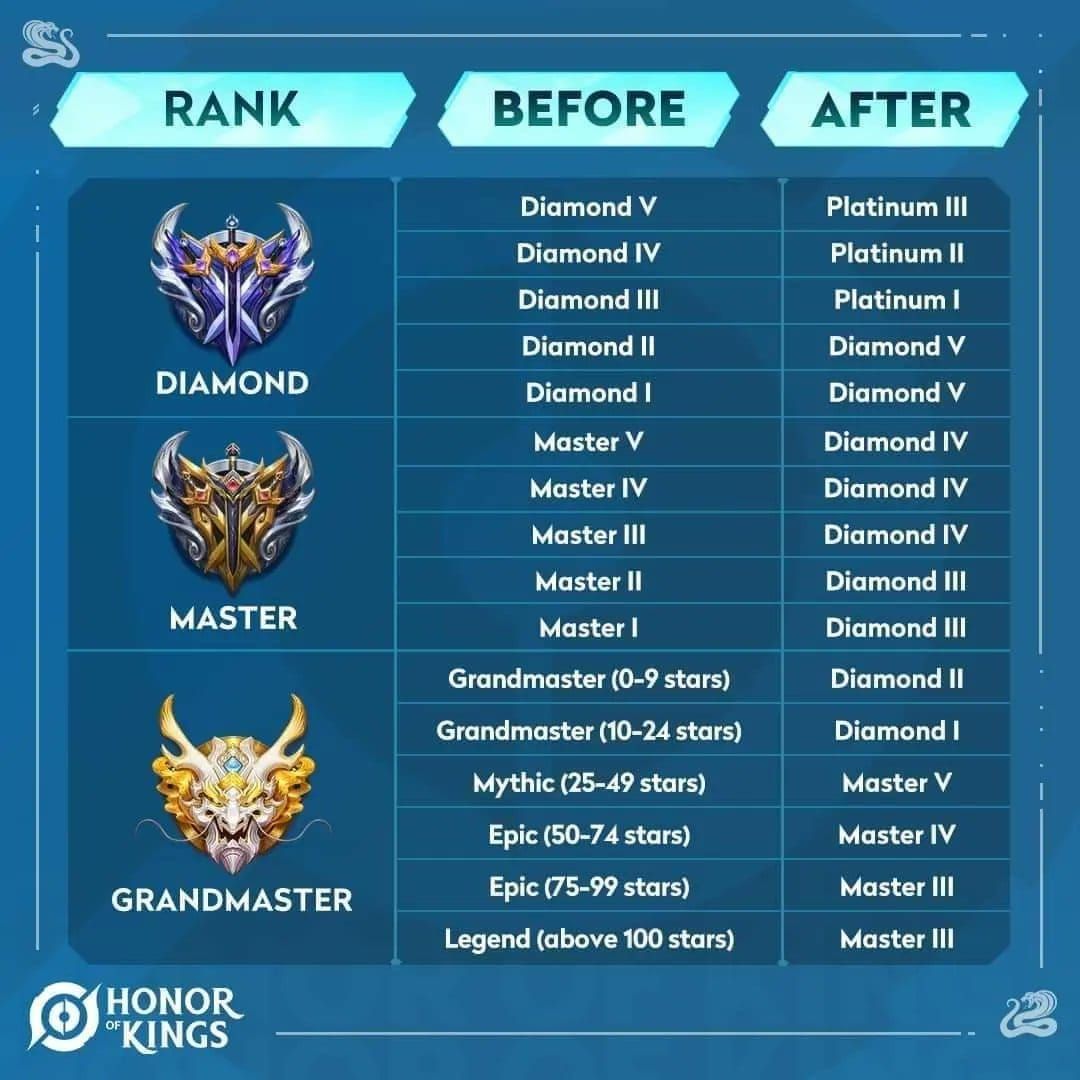
Divergence becomes pronounced when display score exceeds hidden MMR. If you've reached 1500 display through fortunate matchmaking but MMR suggests 1450 true skill, the system compensates by reducing point gains and increasing losses. This prevents rating inflation but creates frustrating experiences.
Why 1500 Creates Uneven Point Distribution
1500 represents a statistically significant skill boundary separating casual competitive players from dedicated specialists. Below 1500, player skill variance remains high—matches frequently contain participants across 200+ rating points. Above 1500, the system enforces stricter bands, typically matching within 100-point ranges.
Mathematical Reality Behind Point Asymmetry
When display score reaches 1500 but hidden MMR lags at 1450-1480, the system predicts you should lose more frequently against true 1500-rated opponents. Victories award reduced points (10-12) because you're expected to occasionally win, while defeats cost more (15-18) as they confirm MMR assessment.
Formula: Point Change = K-factor × (Actual Outcome - Expected Outcome), where K-factor increases for players with fewer games or inconsistent performance.
For established 1500 players with 200+ matches, K-factor stabilizes around 15-20, meaning maximum swings range 15-20 per match. Newer players experience K-factors of 25-30, creating larger swings (20-30 points) as the system determines accurate placement.
1500 as Skill Tier Boundary
Statistical analysis shows 1500 correlates with specific competencies: 70-80% kill participation in victories, KDA ratios averaging 4.0-5.0, and objective control timing awareness—securing Tyrant/Overlord at 4:00 mark and contesting Shadow Dragon at 10:00 intervals.
The system recognizes these through performance grades. SSS grades require 70-80% kill participation, KDA ≥6.0, and 3+ objective takedowns—increasingly difficult as opponent skill increases. At 1500, opponents execute coordinated rotations preventing individual dominance, reducing SSS frequency from 30-40% in lower brackets to 15-20%.
Matchmaking Changes at 1500
Algorithms prioritize different factors above/below 1500. Lower-tier matches emphasize queue time minimization, accepting wider rating spreads for sub-60-second queues. At 1500+, the system tolerates 90-120 second queues for tighter rating bands.
Below 1500, matches frequently feature one-two significantly higher-rated players carrying lower-rated teammates. At 1500+, teams cluster within 50-point ranges, where coordinated strategy outweighs individual mechanics.
Role proficiency tracking intensifies. If you've climbed to 1500 primarily playing Lam (54.9% win rate, 24.1% pick rate, 38.7% ban rate), expect increased ban rates and counter-picks like Augran (55.1% win rate, 45.2% ban rate).
Real Data: Point Patterns Across Ranges
1300-1400 Range:
- Average win: +14 points
- Average loss: -12 points
- Net differential: +2 points per 50% win rate
1450-1550 Range (1500 Plateau):
- Average win: +11 points
- Average loss: -15 points
- Net differential: -4 points per 50% win rate
1600-1700 Range:
- Average win: +13 points
- Average loss: -13 points
- Net differential: 0 points per 50% win rate
The 1500 plateau shows most punishing economics, requiring ~55-58% win rate for neutral progression versus 48-50% at other ranges.
Point Calculation Algorithm Decoded
Core Factors Determining Point Changes
Rating Differential: Gap between your rating and match average determines baseline expectations. Facing opponents 50 points higher increases expected loss probability to 60-65%, reducing loss penalties to 10-12 points while boosting win rewards to 16-18 points.
Performance Grade: Individual grade (C through SSS) modifies base changes by 15-25%. SSS grades reduce losses by 20-30% and increase wins by 15-20%.
Streak Modifiers: Win streaks apply progressive bonuses—2 consecutive wins add +1 point, 3 wins add +2, 4+ wins add +3. Loss streaks implement inverse penalties, capped at -2 points maximum.
Confidence Factor: Players with fewer games or recent volatility experience larger swings as system seeks accurate placement. After 150-200 games at stable rating, this normalizes, reducing swing magnitude by 20-30%.
Opponent MMR Impact
When matched against 1550-average team while you're at 1500, system calculates ~40% win probability:
- Victory awards 17-20 points
- Defeat costs 10-12 points
- Net differential: +5 to +8 points favoring risk-taking
Facing 1450-average opponents inverts economics:
- Victory awards 8-10 points
- Defeat costs 16-19 points
- Net differential: -6 to -9 points punishing failure
Win/Loss Streak Impact
Active win streaks signal performance above current rating, prompting accelerated upward adjustment:
- First win: Standard points (11-15 based on opponent strength)
- Second consecutive: +1 bonus point
- Third consecutive: +2 bonus points (cumulative +3 total)
- Fourth+ consecutive: +3 bonus points (cumulative +6 total)
These stack with performance grades, enabling exceptional runs to generate 20-25 point gains per match. A 5-game win streak with consistent S/SSS grades can propel players 90-110 points upward.
Loss streaks implement gentler penalties. First two consecutive losses apply standard costs, with third loss reducing penalties by 10-15% and fourth+ losses capped at 85% of standard cost.
Performance Rating's Hidden Influence
Algorithm evaluates five core dimensions:
Kill Participation: Involvement percentage in team eliminations, weighted against role expectations. Junglers/roamers require 65-75% participation, marksmen/mages need 55-65%.
Damage Output: Total damage relative to team composition and duration. Achieving 25-30% of team damage as primary carry meets expectations, exceeding 35% adds +1 to +2 point bonuses.
Objective Control: Participation in Tyrant/Overlord (4:00 spawns, 71 gold/player for Tyrant, 34 for Overlord), Shadow Dragon (10:00 spawn, 136 gold), and Tempest Dragon (20:00 spawn, 5% true damage buff). Three+ participations meet SSS requirements.

Vision Score: Ward placements, enemy ward clears, map awareness. This hidden metric becomes increasingly weighted at 1500+ where vision control separates winning teams.
Economic Efficiency: Gold earned per minute relative to role and duration. Falling 15%+ below role averages triggers penalties even in victories.
Players consistently meeting 4-5 dimensional benchmarks receive 10-15% point bonuses, while underperforming in 3+ categories incurs 10-12% penalties.
Common Misconceptions at 1500
Myth: System Keeps You Stuck
The stuck sensation stems from reaching your accurate skill level. If true competitive ability corresponds to 1480-1520 rating, you'll naturally oscillate within this range, experiencing ~50% win rate with minimal net change. This isn't system manipulation but statistical equilibrium.
Progression requires genuine skill improvement rather than additional volume. Playing 100 matches at current ability produces minimal rating change, whereas focused practice addressing specific weaknesses enables breakthrough.
Myth: Need 60%+ Win Rate to Climb
While 60%+ accelerates climbing, sustained progression at 1500 demands only 52-55% win rate when combined with strong performance grades. A player maintaining 53% win rate with 60% S/SSS grade frequency climbs ~15-20 points per 10 games, reaching 1600 in 50-60 matches.
At 1500 with typical +11/-15 distribution, 53% win rate yields 5.3 wins and 4.7 losses per 10 games. With performance bonuses averaging +2 on wins and -1 on losses: (5.3 × 13) - (4.7 × 14) = +3.1 net points per 10 games.
Myth: Playing More Always Helps
Volume without quality creates stagnation. The 20-game performance tracking means recent poor performances disproportionately impact future match difficulty and point calculations. Playing through tilt compounds losses, creating negative spirals.
Strategic session management produces superior results. Limiting play to 3-5 games per session while maintaining mental freshness preserves performance quality. Players averaging 5 games daily with 54% win rate climb faster than those playing 15 games daily at 51% win rate.
Truth About 'Elo Hell' at 1500
Over 100 games, you represent the only constant variable. Teammates and opponents randomize equally, creating neutral expected impact. If you consistently perform above 1500 skill level, you create a 5v4.5 advantage, producing 54-56% win rate that generates upward progression.
The perception stems from cognitive bias—players vividly remember losses caused by teammate errors while forgetting wins where opponents made equivalent mistakes. Reviewing recordings reveals personal mistakes in 70-80% of defeats.
Matchmaking with Higher Skilled Players
Matchmaking Pool Dynamics
1500 rating contains highest player concentration—~25-30% of active participants cluster between 1450-1550. To maintain reasonable queue times (target 90-120 seconds), the algorithm accepts rating spreads of 80-120 points within matches.
When you queue at 1500, system seeks nine other players within 1420-1580 range, then balances teams to equalize average ratings. This frequently places you as lower-rated player on your team, matched with 1550-1600 teammates to offset opponents averaging 1520-1540.
Team Average MMR Determines Difficulty
Algorithm targets team average rating parity within ±10 points. A match might feature:
Team A: 1620, 1580, 1500, 1480, 1420 (Average: 1520)
Team B: 1560, 1540, 1520, 1500, 1480 (Average: 1520)
While team averages match perfectly, individual experiences vary dramatically. As a 1500 player, you'll frequently occupy middle-to-lower range, facing opponents rated 1520-1560 in direct matchups.
When matched with higher-rated teammates, adopt supportive roles—prioritize vision control, objective setup, and peel rather than high-risk carry plays. Let the 1600-rated player make aggressive plays while you provide reliable backup.
Statistical Analysis: What Numbers Show
Average Point Gains/Losses at 1500
Standard Match Outcomes:
- Win with A-grade: +10 points
- Win with S-grade: +12 points
- Win with SSS-grade: +14 points
- Loss with A-grade: -15 points
- Loss with S-grade: -13 points
- Loss with SSS-grade: -11 points
Modified by Opponent Strength:
- Facing 1550+ average: Win +15/+17/+19, Loss -12/-10/-8
- Facing 1450- average: Win +8/+10/+12, Loss -17/-15/-13
Weighted average produces +11.3 points per win and -14.7 points per loss for players at exact 1500 with balanced matchmaking. This -3.4 point differential requires 52.3% win rate for neutral progression.
Win Rate Requirements for Climbing Speeds
Conservative Climb (51-52% win rate, 40% S+ grades):
- Net gain: +5 to +8 points per 10 games
- 1500 to 1600: 125-160 games (4-5 weeks at 5 games/day)
Moderate Climb (54-56% win rate, 55% S+ grades):
- Net gain: +18 to +25 points per 10 games
- 1500 to 1600: 40-55 games (8-11 days at 5 games/day)
Aggressive Climb (58-60% win rate, 70% S+ grades):
- Net gain: +35 to +45 points per 10 games
- 1500 to 1600: 22-28 games (4-6 days at 5 games/day)
Most players realistically achieve moderate climb rates, reaching 1600 in 6-8 weeks of consistent play.
Comparing Stats to Successful Climbers
Players who successfully progress from 1500 to 1600+ demonstrate:
- Kill Participation: 68-75% average
- KDA Ratio: 4.2-5.8 sustained average
- Objective Control: 3.2-4.5 average participations per game
- Damage Output: 26-32% of team total for carries, 18-24% for tanks/supports
- Vision Score: 15-25 per game for supports/tanks, 8-15 for carries
- Economic Efficiency: 350-420 gold/min for carries, 280-340 for supports
Compare your statistics across recent 20-game samples to these benchmarks. Deficiencies in 2+ categories indicate specific improvement areas.
Proven Strategies to Overcome 1500 Point Loss
Optimizing Play Schedule
Queue timing significantly impacts match quality. Peak hours (18:00-23:00) provide optimal conditions with largest player pools, enabling tighter rating bands. Avoid extreme off-peak hours (03:00-08:00) when limited availability forces 150+ point rating spreads.
Session length management prevents performance degradation. Limit continuous play to 90-120 minutes (4-6 games) before taking 30-minute breaks. Cognitive fatigue after extended sessions reduces reaction time by 12-18% and decision quality by 20-25%.
Hero Selection Strategies
Meta-aligned hero selection provides 3-5% win rate advantages. Current high-performance heroes:
Priority Bans: Daji (54.7% win rate, 91% ban rate), Augran (55.1% win rate, 45.2% ban rate), Lam (54.9% win rate, 38.7% ban rate, 98% pick/ban in pro play).
Strong Picks: Loong (55.3% win rate, 26.8% pick rate) offers consistent performance across compositions.
Role Flexibility: Maintain proficiency in 2-3 roles with 3-4 heroes each. The 20-game hero performance tracking rewards specialists, but complete inflexibility creates vulnerabilities.
Avoid experimenting with unfamiliar heroes in ranked. The algorithm detects first-time or low-frequency picks, adjusting expected performance downward and increasing point loss penalties.
Break Protocols to Prevent Tilt
After Two Consecutive Losses: Take 15-minute break to reset mental state.
After Frustrating Loss: Even single games featuring toxic teammates or close defeats warrant breaks.
When Win Rate Drops Below 45% in Session: Stop immediately. Continued play while performing below baseline accelerates rating loss.
Before Mental Fatigue: Proactively schedule breaks every 4-6 games regardless of outcomes.
Tracking Key Metrics
Monitor these across 20-game rolling samples:
- Win Rate by Role: Identifies strongest/weakest positions
- Win Rate by Game Duration: Early-game specialists see higher rates in sub-20-minute games
- First Blood Participation: Tracks early-game impact (target 35-65%)
- Objective Control Rate: Percentage of available objectives secured (target 45%+)
- Death Timing Analysis: Deaths before major objectives prove most costly
Use this data to create focused improvement plans.
Advanced Tactics: Minimizing Point Loss
Understanding Favored vs Underdog Matches
Pre-game lobby analysis reveals match difficulty through team rating distributions. Underdog matches offer superior point economics—reduced loss penalties (10-12 points) with elevated win rewards (16-19 points). Even 40% win rate in underdog matches produces positive progression.
Favored matches demand conservative play. With standard 12-point win rewards but 16-18 point loss penalties, these games punish mistakes severely.
Leveraging Performance Rating
Performance grades provide individual control over point changes. Prioritize grade-influencing metrics even in likely losses:
- Maintain 70%+ kill participation
- Secure 3+ objective participations
- Optimize damage output over KDA preservation
- Continue vision control throughout matches
These behaviors transform 15-point losses into 11-12 point losses through grade improvements. Over 20 losses, this saves 60-80 points—equivalent to 5-7 additional wins.
Communication Strategies
Objective Timing Callouts: Announce upcoming spawns 30 seconds in advance—Tyrant 30s, group mid at 3:30.
Enemy Cooldown Tracking: Communicate major ability cooldowns—Enemy jungler ult down 45s.
Positive Reinforcement: Acknowledge good plays with brief affirmations.
Avoid Blame: Never criticize teammates during matches. Negative communication reduces team win probability by 15-25%.
Adapting to Mid-Tier Meta
Objective Priority Over Kills: Securing Tyrant (71 gold/player) and Shadow Dragon (136 gold) provides more value than chasing kills.
Vision Control Investment: Purchase and place wards consistently, even as carry roles.
Wave Management Discipline: Manipulate minion waves to create pressure without overextending.
Teamfight Positioning Precision: Position to maximize damage while minimizing death risk.
Adaptive Itemization: Build items countering enemy threats rather than following static guides.
Long-Term Progression: Breaking Through 1500
Setting Realistic Goals
Short-Term (1-2 weeks): Improve specific metrics—increase kill participation from 65% to 72%.
Medium-Term (1-2 months): Achieve rating milestones—climb from 1500 to 1550.
Long-Term (3-6 months): Reach tier promotions—advance to consistent 1600+.
Focus on process goals (play 5 quality games daily, review 2 replays weekly) that drive improvement regardless of short-term rating fluctuations.
Skills to Master
- Objective Timing Mastery: Red Buff (00:30-00:45), Blue Buff (01:00), Tyrant/Overlord (4:00), Shadow (10:00, 3:30 respawn), Tempest (20:00)
- Level 2 Gank Execution: Capitalize on 01:00-01:30 window (67% success rate)
- Wave State Recognition: Manipulate waves to create pressure or deny farm
- Cooldown Management: Track ability cooldowns precisely
- Map Awareness: Check minimap every 3-5 seconds
- Draft Phase Strategy: Understand meta picks, counter-picks, composition synergies
How Top Players Climbed 1500-1600
Specialization Phase: Focused on 1-2 primary roles with 2-3 heroes each.
Replay Analysis Discipline: Reviewed 20-30% of games, identifying 2-3 improvement opportunities per replay.
Meta Adaptation Speed: Updated hero pools within 1-2 weeks of major patches.
Mental Reset Protocols: Implemented strict break schedules, never playing through tilt.
Community Learning: Engaged with educational content—watching high-level streams, studying pro matches.
Maintaining Mental Resilience
Focus on Process Over Outcomes: Evaluate sessions based on execution quality rather than point changes.
Embrace Variance: 40-60 point swings occur naturally over 10-20 game samples due to matchmaking variance.
Celebrate Incremental Improvements: Recognize metric improvements even during rating declines.
Maintain Perspective: 1500 represents top 30-35% of Peak Tournament participants.
Take Extended Breaks When Needed: If stagnation persists despite focused effort, take 3-7 day breaks.
Enhancing Experience with BitTopup
Competitive success requires comprehensive hero access and optimal resources. Players limited by incomplete rosters face significant draft phase disadvantages.
BitTopup addresses these barriers through secure, instant honor of kings token recharge services. Competitive pricing enables players to maintain full hero pools, while fast delivery ensures immediate access to newly-released champions.
How Premium Resources Support Progression
Draft Flexibility: Access to all heroes enables optimal counter-picking and team composition building.
Meta Adaptation Speed: New hero releases frequently shift competitive balance. Immediate access enables early mastery before general adaptation.
Trade Potential: In draft phase, trading picks with teammates optimizes composition. Limited rosters prevent participation.
Psychological Confidence: Knowing you can select any hero needed reduces pre-game stress.
Why Competitive Players Trust BitTopup
- Transaction Security: Advanced encryption protects financial information
- Instant Delivery: Automated systems deliver tokens within minutes
- Competitive Pricing: Regular promotions and volume discounts provide superior value
- Responsive Customer Service: Dedicated support teams resolve issues quickly
- Wide Game Coverage: Supports numerous popular titles
- High User Ratings: Consistent positive feedback validates reliability
For players serious about Peak Tournament progression, BitTopup provides the resource foundation enabling competitive success.
FAQ
Why do I lose 15 points but only gain 10 at 1500?
This occurs when display score (1500) exceeds hidden MMR (typically 1450-1480). The system compensates by reducing win rewards and increasing loss penalties to align visible rating with true skill. Consistent strong performance gradually closes this gap, normalizing distribution to symmetric values around +12/-12.
What's the difference between MMR and display score?
Display score is your publicly visible rating updating immediately after matches. Hidden MMR is the system's internal skill assessment, incorporating performance consistency, opponent strength, and statistical confidence. These diverge at skill boundaries where temporary performance spikes push display score above sustainable MMR levels.
Is 1500 considered high rank?
Yes, 1500 represents approximately top 30-35% of active Peak Tournament participants, placing you in upper-middle competitive tier. While significantly below elite 1800+ ratings, this demonstrates above-average competitive ability and solid game fundamentals.
How is point gain calculated?
Point changes integrate rating differential between you and opponents, performance grade (SSS reduces losses by 20-30%, increases wins by 15-20%), active win/loss streaks (progressive bonuses up to +3 points), and system confidence in your rating (newer players experience larger swings).
What win rate do I need to climb past 1500?
At 1500 with typical +11/-15 distribution, you need ~52-53% win rate for neutral progression. Achieving 54-56% win rate with 55%+ S/SSS grade frequency enables moderate climbing at 18-25 points per 10 games, reaching 1600 in 40-55 matches.
Does performance affect points gained or lost?
Yes, significantly. Performance grades modify base point changes by 15-25%. SSS grades reduce loss penalties by 20-30% (turning -15 into -11) and increase win rewards by 15-20% (turning +11 into +14). Consistent high grades provide substantial advantages over time, equivalent to 5-7 additional wins per 100 games.