What Your Eyes Actually See vs. What They Used To
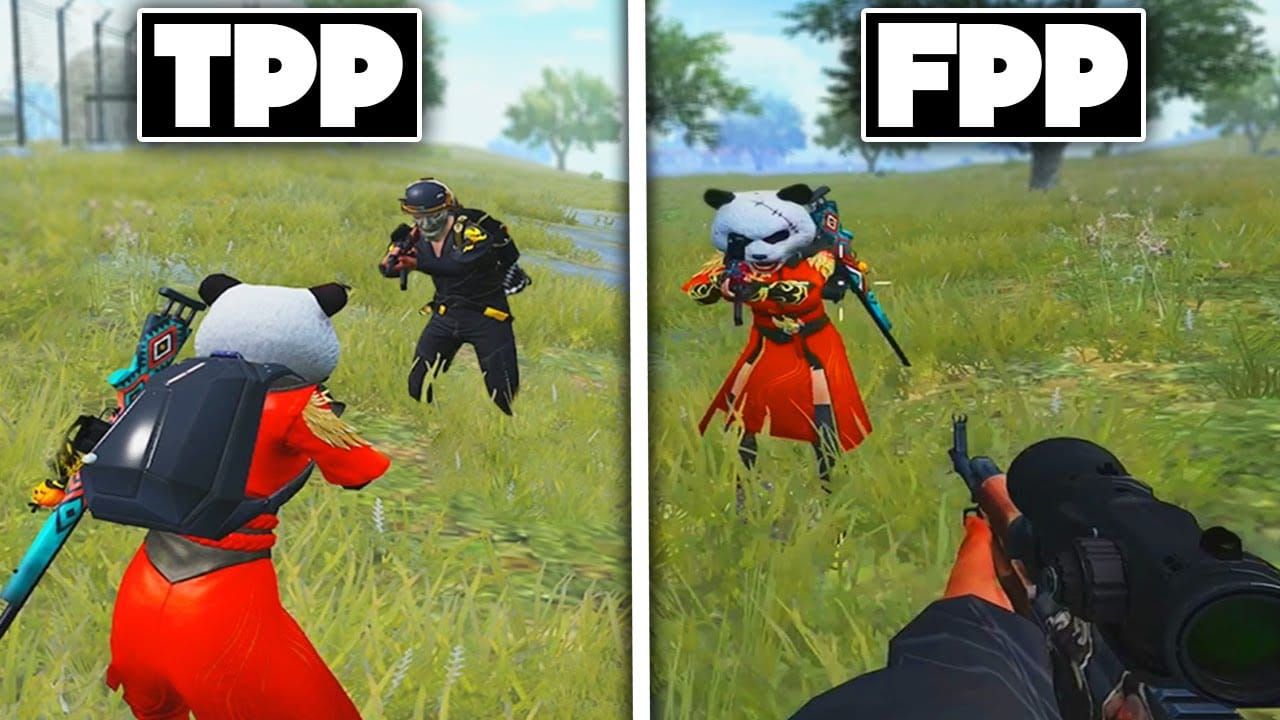
FPP restricts your vision to what your character genuinely sees – no more magical camera manipulation. This demands serious adaptation in spatial awareness, engagement timing, and movement patterns. You'll need to develop enhanced audio positioning skills to compensate for that reduced visual information.
Here's something most guides won't tell you: TPP players typically run 150-200% no-scope camera sensitivity, while successful FPP players optimize for 130-180% to maintain precise tracking. That's not a small adjustment – it's a fundamental recalibration.
Why FPP Demands a Different Skillset Entirely
FPP prioritizes active engagement over passive positioning. No more camera peeking means you're physically exposing yourself for information gathering, creating way more dynamic encounters. Audio mastery becomes absolutely paramount – footstep timing, reload audio cues, vehicle approach sounds carry significantly more tactical weight in first-person engagements.
The Competitive Case for Making the Switch
FPP offers distinct competitive advantages, but here's the kicker – the ranking system actually works in your favor. FPP Conqueror requirements range from 4500/4200/4200 RP at season start to 6000/5000/5000 RP at season end. Compare that to TPP's brutal 5000/4500/4500 to 7000/6000/5500 RP progression.
The smaller player base creates better advancement opportunities for dedicated FPP practitioners. It's simple math – fewer players competing for the same tier slots.
Tactical Depth That Actually Rewards Skill
FPP ranked matches reward tactical positioning and mechanical skill over passive camping strategies. You'll need to master pre-aiming, angle holding, and sound-based positioning. The elimination of camera peeking creates fair engagement conditions where victory depends on positioning, aim, and tactical decision-making rather than camera manipulation advantages.
Breaking Free from the Peeking Crutch
TPP camera peeking creates artificial advantages that don't translate to competitive skill development. Players become dependent on risk-free information gathering that eliminates tactical decision-making entirely. FPP forces development of genuine positioning skills – audio positioning, pre-aiming, tactical movement. You become a more well-rounded competitive player.
Getting Your Foundation Right: Settings and Mindset
Successful transition requires reducing camera sensitivity by 10-15% when switching from TPP to FPP while maintaining your ADS and gyro values. Test these adjustments in Training Ground using 5% increments – don't just guess and hope.
High-end devices can support 400% gyroscope across all scopes, while mid-range devices benefit from 10-15% gyro reduction. If you're running high-refresh displays (90-120Hz) paired with Extreme frame rates, you've got the essential visual clarity advantage.
For consistent progression throughout your training, instant PUBG UC top up with player ID for season push via BitTopup delivers immediate access to premium training resources and seasonal content that supports your competitive development goals.
Baseline Testing That Actually Matters
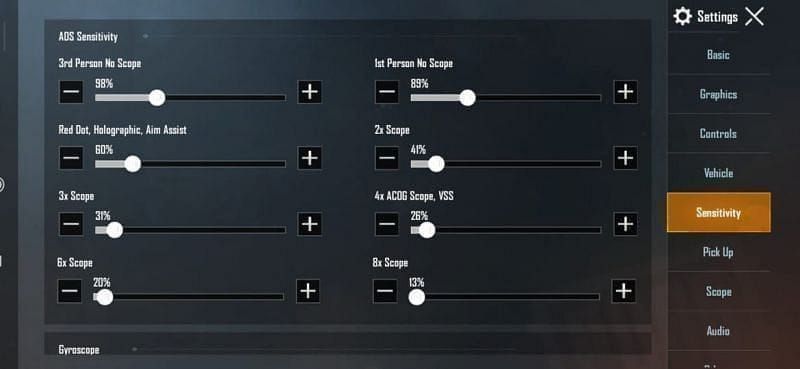
Establish your baseline using this balanced configuration code: 1-7435-8846-3421-0303-0728 for zero recoil foundation. Verify your ADS sensitivity decreases with scope magnification and spend 10-15 minutes confirming comfort levels.
Test target acquisition speed and spray control accuracy across different ranges. Monitor headshot percentage and elimination time as your baseline metrics – these numbers don't lie.
HUD Optimization for Maximum Visibility
FPP requires HUD modifications to maximize screen visibility and minimize visual obstruction. Position essential controls for 4-finger claw grip efficiency while ensuring clear sightlines. Enable Peek to Hold mode for consistent angle holding.
Graphics optimization includes Extreme frame rates, high-refresh display utilization, disabled battery optimization, and gaming mode activation. These aren't suggestions – they're requirements for competitive FPP.
Week 1: Sensitivity Calibration and Movement Fundamentals
Week 1 focuses on sensitivity calibration and fundamental movement adaptation through daily 15-minute routines. You're emphasizing target acquisition, recoil control, and scope transitions. Allow 7-10 days for complete muscle memory adaptation – rushing this phase will cost you later.
The multi-target switching drill at 130% no-scope camera sensitivity should target 80% hit rates for multi-kill preparation. If you're not hitting these numbers, your sensitivity needs adjustment.
Your Daily Protocol for Success
Begin with 3-minute warm-up, 5-minute M416 spray practice, 3-minute scope transitions, and 2-minute strafing drills. Monitor spray patterns using 50% ADS Red Dot sensitivity, dragging downward for 10cm wall patterns. You're targeting 30% recoil bounce reduction.
Adjust sensitivity in 5% increments based on pattern consistency. Don't make dramatic changes – small adjustments compound over time.
Camera Control That Wins Fights
Practice rapid 180° turns using 130% FPP camera sensitivity for TDM Warehouse drills while maintaining tracking accuracy. Focus on smooth, controlled movements rather than speed. Speed without control is useless in ranked matches.
Tracking drills involve following moving targets across various distances using consistent camera movements that maintain target center-mass focus.
Movement Patterns for FPP Success
Practice lateral movement while maintaining target focus using 270% gyro 2x sensitivity at 50-100m ranges. This delivers 20% mid-range flick accuracy improvement. Directional movement drills emphasize maintaining orientation during complex patterns – figure-eight movements, rapid direction changes, strafe-shooting combinations.
Week 2: Close-Quarter Combat Mastery
Week 2 intensifies close-quarter combat through TDM Warehouse practice. Gyroscope sensitivity at 300% no-scope and 280% Red Dot enables tilt-controlled sprays, boosting reaction time 20-30% in 10-25m fights. Complete 5+ TDM matches daily, focusing on hip-fire versus ADS decision-making in confined spaces.
Warehouse Drills That Simulate Real Scenarios
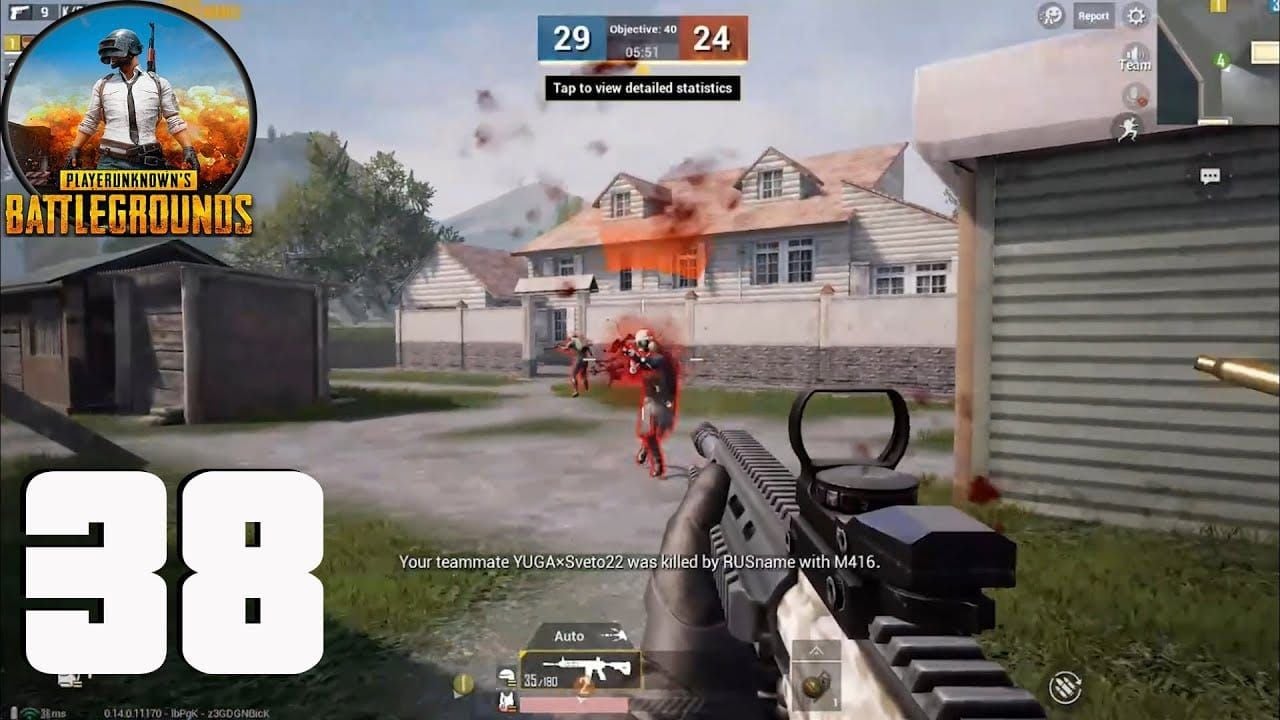
Warehouse drills simulate ranked close-quarter scenarios using controlled environments. Practice room clearing, corner peeking, and rapid target acquisition using FPP-optimized sensitivity. Set up target sequences simulating multi-enemy encounters, practicing rapid target switching and spray control under time pressure.
Hip-Fire vs ADS Decision-Making
Hip-fire excels in ultra-close encounters (under 5 meters) while ADS provides accuracy advantages beyond 10 meters. Practice rapid decision-making based on engagement distance and enemy movement patterns. Gyroscope at 300% for no-scope engagements enables precise hip-fire control during intense CQC scenarios.
Peeking Without the TPP Crutch
FPP peeking requires physical exposure and precise timing. Practice shoulder peeking, jiggle peeking, and wide peeking using sound cues for timing. Develop pre-aiming habits – position crosshairs at expected enemy locations before exposure.
Angle holding becomes critical. Practice maintaining crosshair placement at common angles while listening for audio cues.
Week 3: Mid-Range Mastery and Weapon Control
Week 3 emphasizes mid-range engagement mastery and weapon-specific recoil control. M416 recoil patterns climb then level using 50-60% Red Dot sensitivity, while AKM requires zigzag compensation at 55-65% with vertical compensator. Focus on 5.56mm weapons for enhanced FPP stability.
Static target tracking using M416 spray achieves 30% recoil bounce reduction when done correctly.
Recoil Control That Actually Works
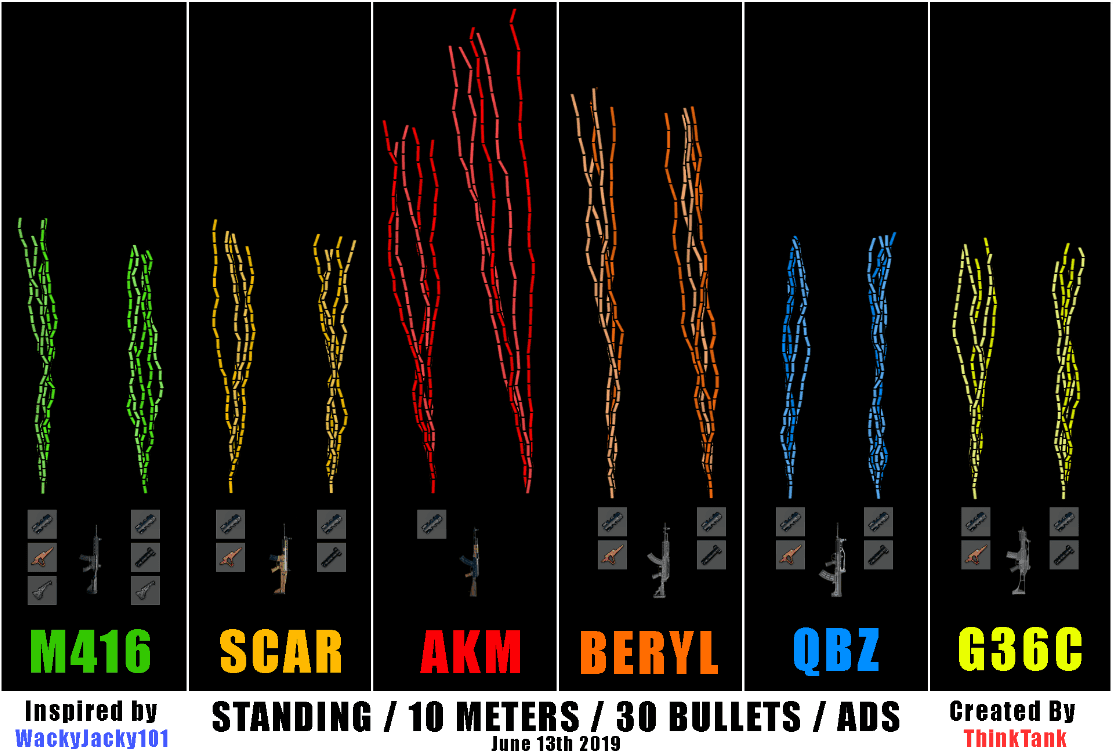
M416 requires initial upward compensation followed by horizontal control, while AKM demands diagonal compensation throughout spray sequences. Practice using Recoil Lab and Training Ground wall patterns, focusing on consistent compensation timing and smooth control inputs.
Maintain target center-mass impact throughout extended sprays – that's your goal.
Pre-Aiming and Angle Holding Mastery
Pre-aiming becomes essential due to reduced reaction time advantages. Practice crosshair placement at head-level positions where enemies commonly appear. Develop muscle memory for common angle pre-aiming, reducing target acquisition time.
Angle holding requires patience and precise crosshair placement with consistent pre-aiming habits.
Sound-Based Positioning Skills
Audio mastery compensates for reduced visual information. Practice directional hearing using stereo audio settings for precise enemy positioning. Develop sound-based positioning strategies replacing visual camera manipulation.
Practice identifying enemy positions using footstep audio, reload sounds, and movement cues for tactical responses.
Week 4: Ranked Simulation and Performance Analysis
Week 4 transitions to ranked match simulation and performance analysis. Target 3-5 kills per match with survival prioritization – survival doubles RP weight. Plan 50-100 matches for Conqueror advancement through FPP Solo/Duo modes.
Expected gains include 30-40% faster target acquisition, 15-25% damage increase, and 20-30% reaction time boost.
Full Strategy Implementation
Implement comprehensive FPP strategies focusing on positioning, engagement timing, and tactical decision-making. Apply pre-aiming techniques, sound-based positioning, and optimized sensitivity in competitive scenarios. Practice hot drop challenges in classic mode to accelerate skill application under pressure.
Match Review That Drives Improvement
Monitor engagement outcomes, positioning decisions, and mechanical execution for targeted practice focus. Track KD ratio trends and survival time improvements as progress indicators. Analyze failed engagements to identify mechanical versus tactical improvement needs.
Focus practice on identified weaknesses – don't waste time on skills you've already mastered.
Final Sensitivity Optimization
Fine-tune sensitivity based on ranked match performance data. Monitor spray control accuracy, target acquisition speed, and comfort levels during extended sessions. Make incremental adjustments optimizing performance without disrupting muscle memory.
Weekly gyroscope recalibration maintains consistent performance as device conditions change.
Technical Optimization for FPP Excellence
Advanced FPP optimization requires precise sensitivity configuration: No Scope 100-120%, Red Dot 55-60%, 2x 37-45%, 3x 30-35%, 4x 25-30%, 6x 20-23%, 8x 10-13%.
Gyroscope configuration: No Scope through 2x at 300-400%, 3x-4x at 180-250%, 6x at 80-120%, 8x at 50-100%.
Gyroscope Configuration for Precision
Gyroscope provides 35% precision addition when properly configured. Avoid over-aiming at 45% Red Dot sensitivity while maintaining responsive control. Device-specific optimization: iPhone +5-10% adjustments, Android 90Hz+ devices 5-10% reductions, tablets +20-30% adjustments for equivalent responsiveness.
Sensitivity Comparison: TPP vs FPP
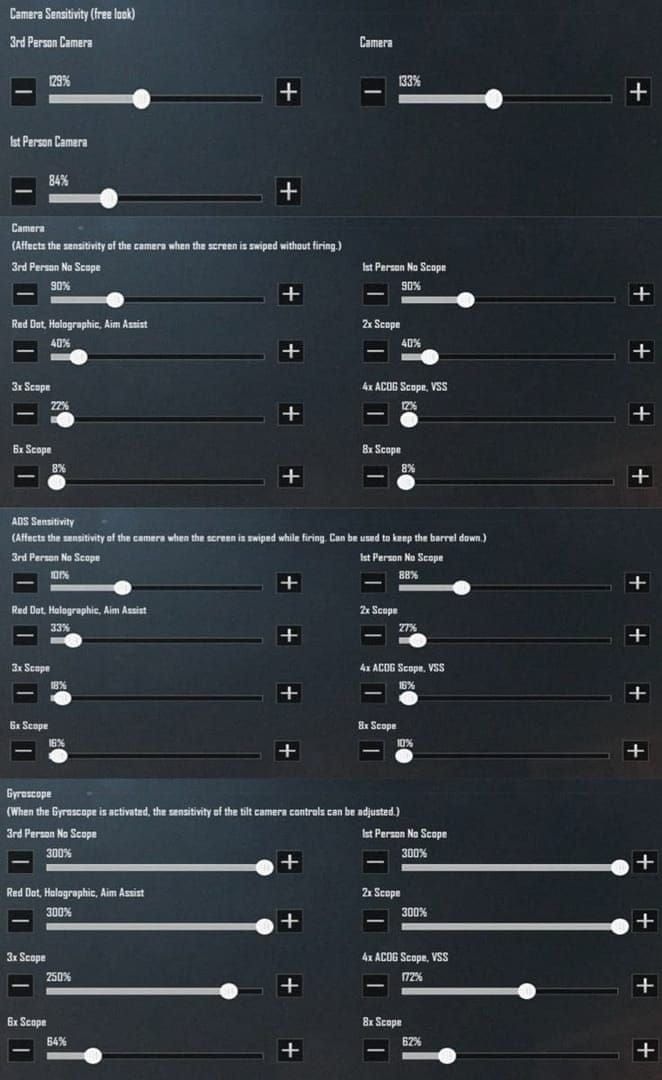
Camera Sensitivity: No Scope TPP 150-200%, FPP 130-180%; Red Dot both 50-100%; 2x both 80%; 3x both 15-30%; 4x both 10-25%; 6x/8x both 5-10%.
ADS Sensitivity: No Scope both 100-120%; Red Dot FPP 55-60%; 2x FPP 37-45%; 3x FPP 30-35%; 4x FPP 25-30%; 6x FPP 20-23%; 8x FPP 10-13%.
Gyroscope: No Scope through Red Dot 300-400%; 2x 300-400%; 3x 180-250%; 4x 180-220%; 6x 80-120%; 8x 50-100%.
Overcoming the Inevitable Challenges
Common challenges include over-sensitivity (reduce gyroscope by 50-100 points), under-sensitivity (increase 5-10% with Training Ground practice), and gyroscope calibration issues. Calibrate on flat surfaces with weekly recalibration schedules.
Spend 10-15 minutes in Training Mode confirming optimal performance.
Breaking Those TPP Habits
Develop new information-gathering strategies using sound cues, teammate communication, and tactical positioning rather than camera manipulation. Practice patience in information gathering without visual confirmation.
Behavioral adjustment requires conscious effort to avoid automatic peeking responses through engagement scenarios that reward proper FPP positioning.
Managing the KD Drop
Expect temporary KD ratio decreases during the 7-10 day adaptation period. Focus on skill development metrics rather than statistical performance. Track improvement in target acquisition speed, spray control accuracy, and tactical decision-making quality.
Training Ground improvements provide objective skill measurement independent of ranked variables.
Building FPP Confidence
Begin with FPP casual matches before progressing to ranked scenarios. Focus on consistent application of trained skills rather than aggressive ranking advancement. Develop tactical frameworks providing decision-making structure during intense engagements.
Practice scenarios repeatedly until responses become automatic.
Maintaining Your Progress: Beyond 30 Days
Continuous improvement requires weekly Training Ground maintenance drills and seasonal ranked goals. Maintain 15-minute daily routines focusing on target acquisition, recoil control, and scope transitions. Advanced techniques including jiggle peeking and quick scoping provide progression pathways beyond basic FPP competency.
Weekly Maintenance Drills
Maintenance drills preserve muscle memory through 20-30 minute TDM Warehouse or Training Ground sessions with systematic skill review. Complete 10 TDM rounds for RP gains while maintaining mechanical sharpness.
Transfer improvements to Erangel sprays using claw grip and crouch-fire techniques.
Setting Seasonal Goals
Set progressive seasonal goals utilizing FPP advantages for ranking advancement. Target Conqueror achievement through FPP Solo/Duo modes where competition favors dedicated practitioners. Plan 50-100 match progressions with consistent performance targets.
Focus on survival-weighted RP gains through tactical positioning while maintaining 3-5 kill averages.
FAQ
How long does it take to transition from TPP to FPP in PUBG Mobile?
Complete transition requires 7-10 days for muscle memory adaptation, with 30-40% performance gains achievable through systematic 30-day training including daily 15-minute drills and progressive skill building.
What sensitivity settings are best for FPP in PUBG Mobile?
Optimal FPP sensitivity: 100-120% camera, 55-60% Red Dot ADS, 300-400% gyroscope for close-range scopes, with device adjustments: iPhone +5-10%, Android 90Hz+ reduce 5-10%, tablets +20-30%.
Is FPP harder than TPP in PUBG Mobile ranked?
FPP requires different skills demanding mechanical precision and audio mastery while eliminating camera peeking. Conqueror requirements are actually lower: FPP 4500-6000 RP versus TPP 5000-7000 RP.
How do I practice FPP mode effectively in PUBG Mobile?
4-week progression: Week 1 sensitivity calibration, Week 2 close-quarter TDM intensive, Week 3 mid-range weapon control, Week 4 ranked simulation with 15-minute daily Training Ground routines.
What are the main differences between TPP and FPP gameplay?
TPP offers peripheral vision with 120-150% camera sensitivity for defensive positioning, while FPP demands 100-120% camera sensitivity with audio-based positioning, eliminating camera manipulation for fair engagements requiring mechanical skill.
Should I use gyroscope for FPP in PUBG Mobile?
Gyroscope provides 20-30% reaction time boost with 35% precision addition when configured at 300% no-scope, 280% Red Dot for tilt-controlled sprays – it's essential for competitive FPP performance and recoil control.