Why iTunes Gift Card HK Scams Are Surging in 2026
Demand for HKD App Store credit has grown sharply among mobile gamers, and scammers have followed that demand directly into WhatsApp groups, Telegram channels, and peer-to-peer marketplaces.
The mechanics are simple. A scammer posts a discounted HK$500 card for HK$300, collects payment via bank transfer or crypto, then delivers a zero-balance code — or nothing at all. Globally, gift card fraud cost consumers over $110 million in the first half of 2023. And 26% of victims received cards that had already been drained before they arrived.
The 2026 surge has a specific accelerant: scammers are exploiting the HK$1,800 iTunes rebate promotion (running until March 31, 2026) by fabricating urgency. They claim codes are expiring or that buyers must act immediately. This is false. iTunes Gift Card HK balances carry no expiry date — they accumulate in your Apple ID indefinitely.
Who gets targeted most? Hong Kong Apple users aged 18–45 who buy digitally and move fast. Mobile-first habits plus trust in peer recommendations inside gaming communities make this demographic especially exposed.
Method 1: Buy Only From Verified, Authorized Platforms
Source control is the single most effective protection. Buy from an authorized retailer or a reputable digital platform, and you eliminate most scam risk before any money changes hands.
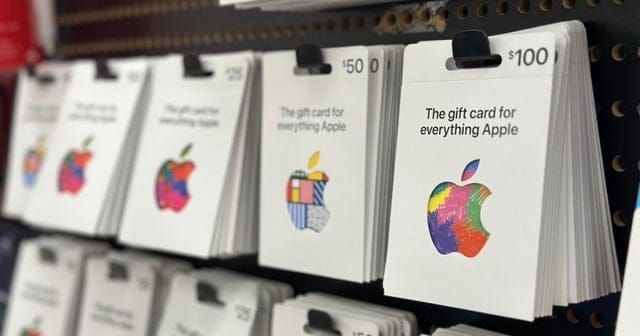
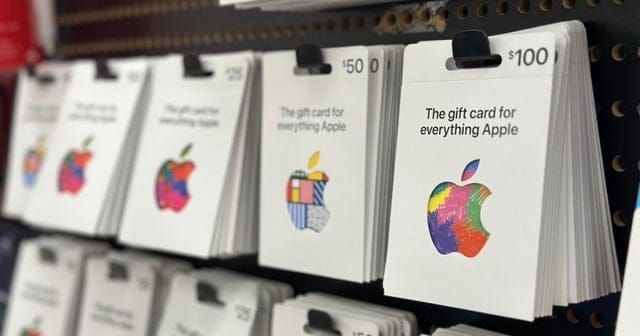
Physical retailers — major convenience chains, electronics stores, and supermarkets in HK — stock iTunes Gift Cards behind the counter. That barrier matters: cards stored there haven't been tampered with. For digital purchases, the equivalent is a platform with fraud detection, real customer support, and a documented delivery history.
What authorized actually means: the seller provides a receipt, has a real customer service contact, and doesn't require untraceable payment. If you want to buy iTunes gift card online safely, look for transparent pricing near face value, instant delivery with a verifiable code format, and accessible post-purchase support.
Red flags for unauthorized resellers:
- No physical address or company registration visible
- Payment only via crypto, wire transfer, or peer-to-peer apps
- No receipt or order confirmation email
- Operates exclusively through social media DMs or messaging apps
Method 2: Authenticate the Seller Before You Pay
Most scam victims skipped verification because the deal looked good and the pressure felt real. Don't.
| Signal | What to Check | Green Flag | Red Flag |
|---|
| Website security | URL bar | HTTPS padlock | HTTP only, or mismatched domain |
| Contact info | Footer/About page | Phone, email, address listed | Only a contact form or DM |
| Review history | Independent review sites | Consistent positive history | No reviews, or self-hosted only |
| Payment options | Checkout page | Credit card, PayPal accepted | Crypto or bank transfer only |
| Seller identity | Registration/About | Named company or individual | Anonymous, no profile history |
Social media sellers deserve special scrutiny. A WhatsApp contact offering discounted iTunes cards — even through a mutual friend — operates outside any accountability structure. Legitimate retailers never contact you unsolicited to sell gift cards, and they never manufacture urgency.
One question cuts through most scams instantly: Can you provide a receipt and a customer service contact I can reach after purchase? Scammers deflect or disappear.
Method 3: Recognize Pricing Red Flags Instantly
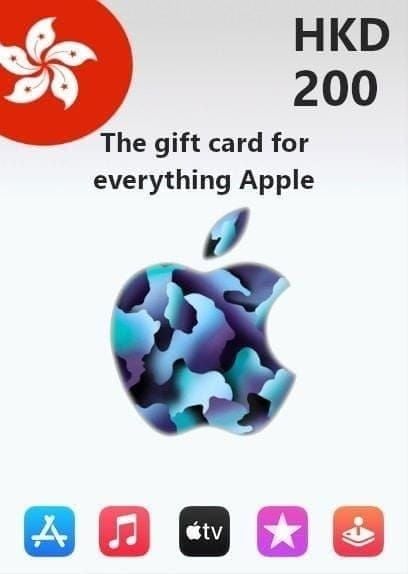
Any discount exceeding 20–30% on an iTunes Gift Card HK is a scam signal. Discounts of 30–50% below face value are always fraudulent — no legitimate seller operates at those margins.
| Denomination | Face Value | Legitimate Range | Scam Territory |
|---|
| HK$50 | HK$50 | HK$45–HK$50 | Below HK$35 |
| HK$100 | HK$100 | HK$90–HK$100 | Below HK$70 |
| HK$200 | HK$200 | HK$180–HK$200 | Below HK$140 |
| HK$500 | HK$500 | HK$450–HK$500 | Below HK$350 |
| HK$1,000 | HK$1,000 | HK$900–HK$1,000 | Below HK$700 |
Small discounts (5–10%) occasionally appear through legitimate promotional partnerships. Anything steeper warrants immediate skepticism.
Scammers layer pricing manipulation with urgency tactics: Only 3 left,Offer expires in 10 minutes,Rebate promotion ending — buy now. The 2026 iTunes rebate promotion is real, but it applies to qualifying purchases through official channels — not discounted card sales from strangers. Any seller invoking that promotion to pressure a purchase is running a scam.
Method 4: Always Use Payment Methods With Buyer Protection
Pay with a credit card or PayPal. These are the only methods that give you a realistic recovery path if something goes wrong.
Chargebacks and PayPal disputes create a documented paper trail and put financial pressure on fraudulent sellers. Once you send crypto or a wire transfer, that money is gone — no recall mechanism, no dispute process, no authority that can reverse it.
| Method | Buyer Protection | Recovery if Scammed | Recommendation |
|---|
| Credit card | Strong (chargeback) | High | ✅ Preferred |
| PayPal | Strong (dispute system) | High | ✅ Preferred |
| Debit card | Moderate (bank-dependent) | Medium | ⚠️ Use cautiously |
| Bank transfer | None | Very low | ❌ Avoid |
| Cryptocurrency | None | Zero | ❌ Never |
| Gift card exchange | None | Zero | ❌ Never |
If a seller insists on anything outside the top two, treat that insistence as a scam signal. Legitimate platforms accept standard payment methods because they have nothing to hide.
Method 5: Verify Your Code Immediately After Purchase
Receiving a code is not the same as having a working code. Verify within minutes — not hours, not the next day.
For digital purchases from third-party platforms: community experience suggests waiting up to 24 hours post-purchase before redeeming, allowing the platform's fraud detection to complete. This protects you from chargeback reversals if the original card was purchased fraudulently upstream. But check the code format immediately: it must be exactly 16 alphanumeric characters starting with X.
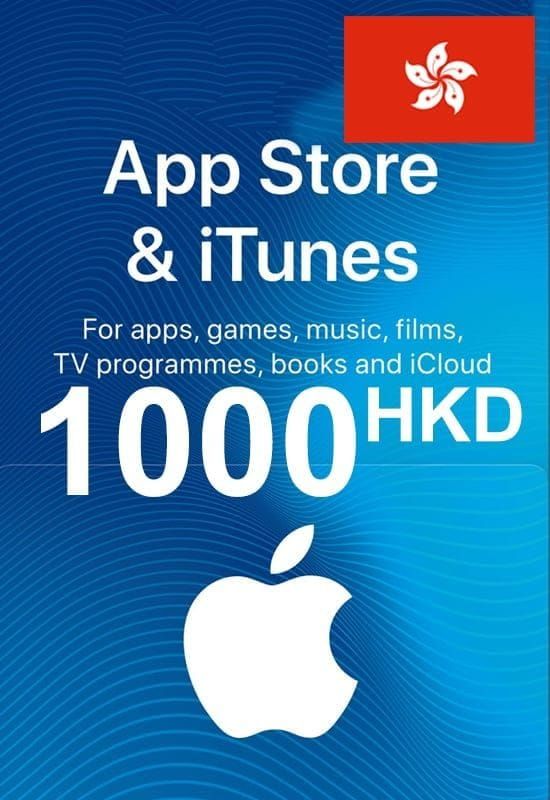
How to verify without fully redeeming: check your balance at secure.store.apple.com/shop/giftcard/balance — this confirms a card's value without committing to redemption on a specific Apple ID. You can also call Apple HK support at 800-908-988.
What error messages mean:
- Invalid code — Wrong format, or the card was never activated at retail. Contact the seller immediately with photos.
- Already redeemed — The code was valid but someone else used it first. Classic tampered-card scam. Escalate to both the seller and Apple Support with documentation.
These two errors require different responses. Invalid points to an activation problem; already redeemed points to theft.
One input tip that trips up many users: characters B/8, D/O, E/3, G/6, O/Q/0, S/5, U/V, and Z/2 look nearly identical in the code font. Always type manually without spaces rather than relying on a scan.
How to Spot a Fake iTunes Gift Card HK: Red Flags Checklist
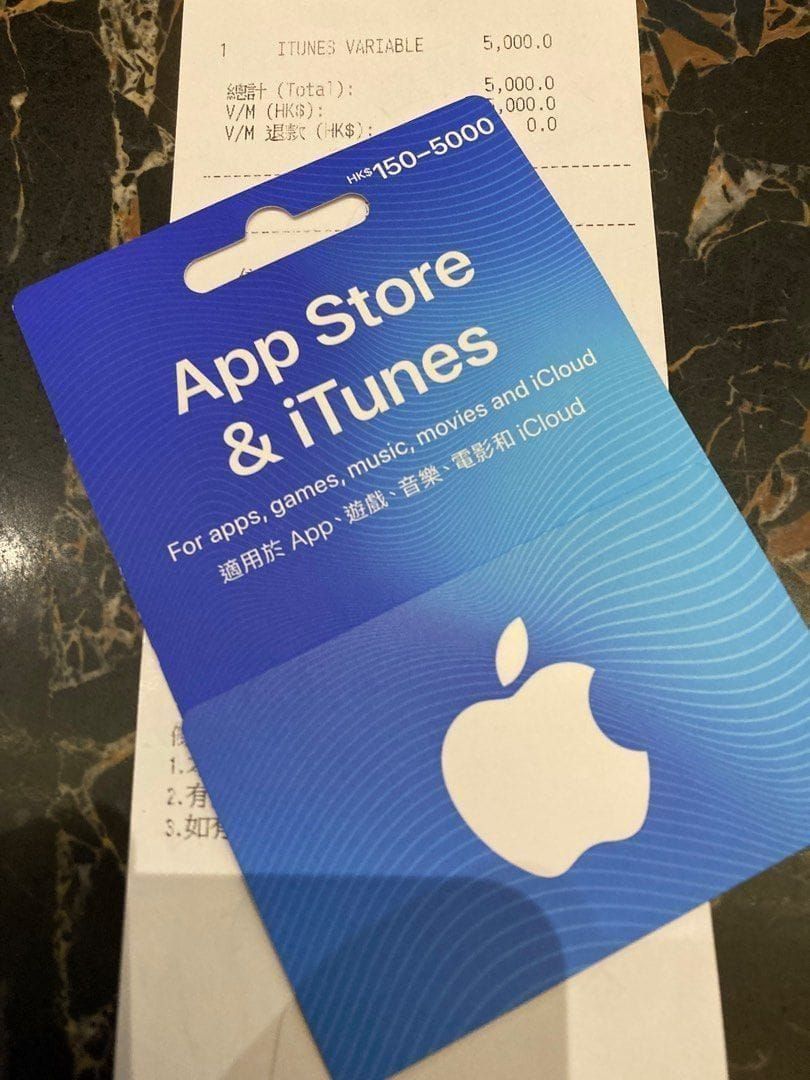
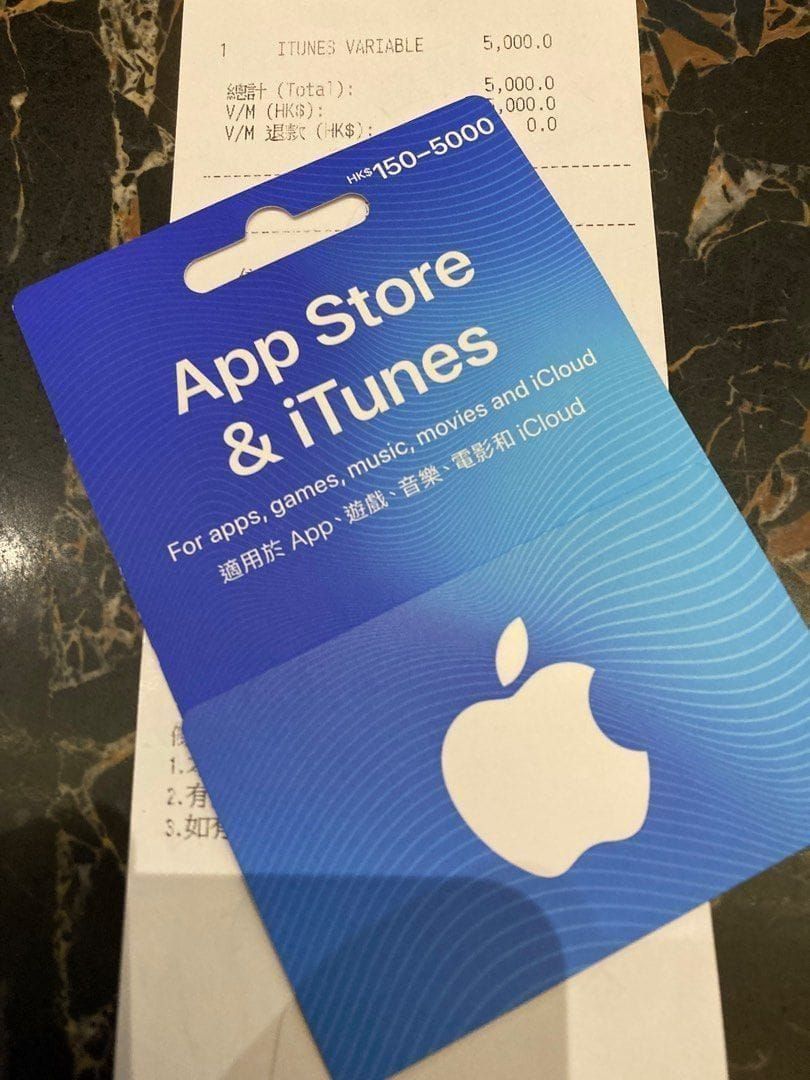
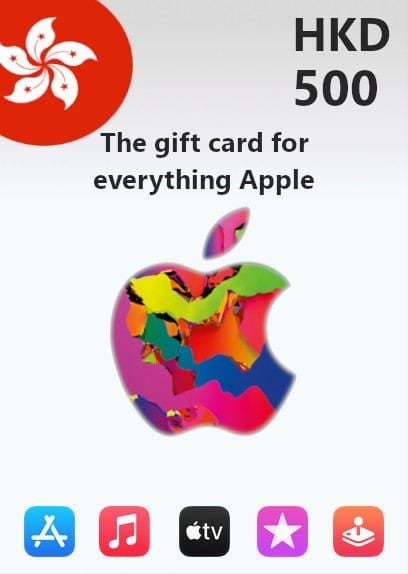
Physical cards: a legitimate card has an intact scratch-off panel with no signs of resealing, undamaged holographic elements, and was stored behind the counter — not on an open display rack. If the scratch-off area looks disturbed, the holographic sticker is missing or peeling, or the card came from an open display, return it with your receipt and request a replacement.
Digital delivery red flags:
- Code delivered as an image file rather than plain text (images can be screenshots of already-used codes)
- Significant delivery delay with vague explanations
- Code doesn't match the 16-digit X-prefix format
- Sent via a platform that generates no transaction record
Seller behavior red flags:
- Avoids direct questions about return policy
- Provides no order confirmation or receipt
- Rushes you to redeem before you can verify
- Becomes aggressive or disappears when you ask for documentation
A pattern reported consistently in HK gaming communities: scammers in Telegram groups send a valid-looking code screenshot, then claim the system is slow when you report it doesn't work — buying time while collecting from multiple victims simultaneously.
What To Do If You've Already Been Scammed
Act within the first hour. Documentation degrades fast, and your dispute window is time-sensitive.
Immediate steps (first 60 minutes):
- Screenshot everything — seller profile, all messages, the code received, and payment confirmation
- Don't redeem the code if you haven't already — a redeemed code complicates Apple's ability to assist
- Contact your payment provider (credit card company or PayPal) to initiate a dispute while the transaction is fresh
- If already redeemed: contact Apple Support with front and back photos of the card, your receipt, and the card's serial number (prefixes GCA, PBH, or EPY)
What Apple Support can and cannot do: Apple can investigate already redeemed cases with documentation, but can't guarantee a refund. Their ability to help is significantly higher when you have a receipt and serial number. Without documentation, recovery is unlikely.
Reporting in Hong Kong:
- File at the Hong Kong Police e-report center: Apps & Services > App Store > Gift Card & Codes > Gift Card Scams
- Contact the Hong Kong Consumer Council for digital goods dispute guidance
- Your bank's fraud team operates independently of Apple and may have stronger recovery tools
Realistic timeline: payment disputes typically take 30–45 days. Apple investigations vary. Document everything and be persistent.
Safe Purchase Walkthrough: Buying iTunes Gift Card HK on BitTopup
For buyers who want a verified digital source without the friction of physical retail, BitTopup offers iTunes Gift Card HK codes with instant digital delivery and accessible customer support.
- Navigate to the iTunes Gift Card HK product page and select your denomination (HK$50 through HK$2,000 available)
- Complete checkout using a credit card or PayPal — both supported, both provide buyer protection
- Receive your 16-digit X-prefix code via email or on-screen delivery
- Wait up to 24 hours if you want fraud detection to complete, then verify the code format before redeeming
- Redeem via App Store (profile icon > Redeem Gift Card or Code) or at
apple.com/redeem
Before redeeming, confirm your Apple ID is set to the Hong Kong region: Settings > [Your Name] > Media & Purchases > View Account > Country/Region = Hong Kong. Redeeming an HK card on a non-HK Apple ID will fail due to region lock — and switching regions requires a zero balance, no active subscriptions, and a valid HK payment method on file.
Ready to top up without the risk of peer-to-peer marketplaces? You can purchase Apple store credit HK through a platform that maintains transaction records and offers post-purchase support.
The Detail Most Buyers Miss: Card Type Confusion
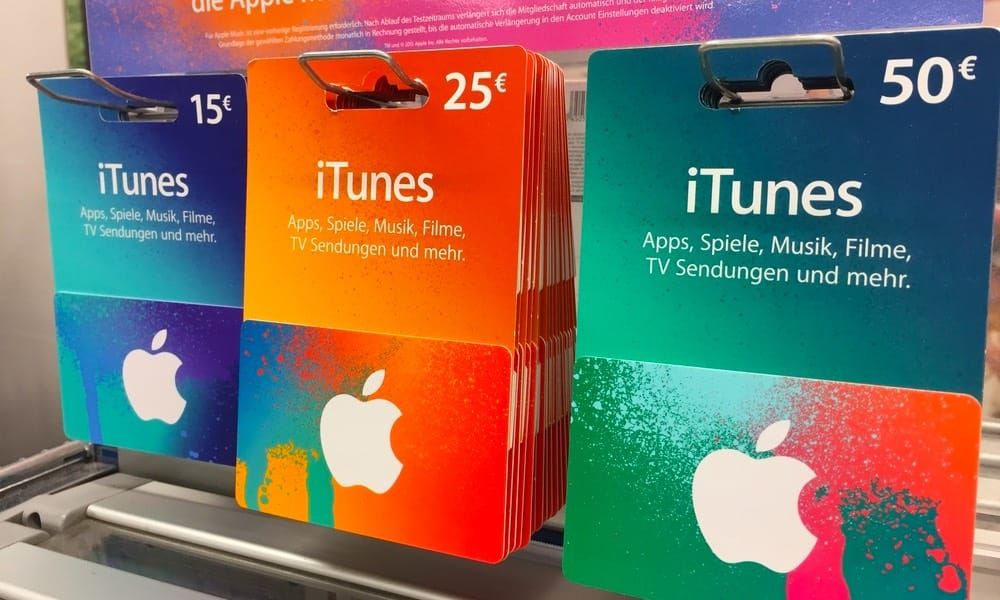
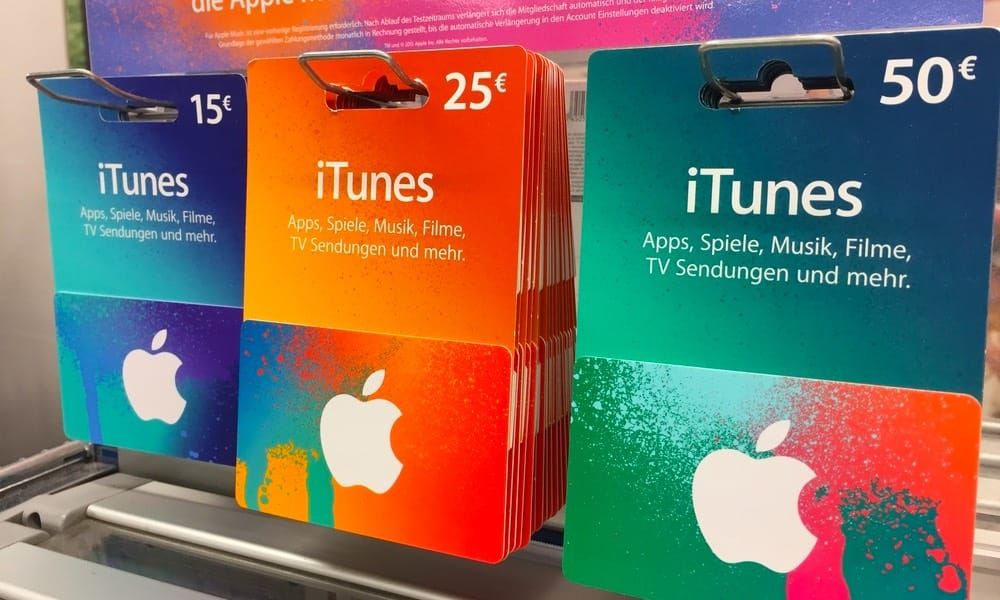
iTunes Gift Cards and Apple Store Gift Cards are completely different products. Apple Store Gift Cards (typically gray, white, silver, or gold) are for hardware purchases only — they cannot be redeemed in the App Store or iTunes. iTunes Gift Cards (HK) cover digital content: App Store, iTunes Store, Apple Books, Apple Music, and iCloud+.
Scammers occasionally exploit this by selling Apple Store Gift Cards to buyers expecting App Store credit. The cards are real and activated — just useless for the buyer's actual purpose. Always confirm you're buying an iTunes/App Store Gift Card before completing any purchase.
Also worth knowing: iTunes balances are transitioning to Apple Account branding in December 2026. It's an administrative rebrand — no codes or actions required from users. Any seller claiming you need to convert your balance or buy new codes because of this transition is running a scam.
Frequently Asked Questions
How can I tell if an iTunes Gift Card HK is fake or already used?
Check the code at secure.store.apple.com/shop/giftcard/balance before redeeming. Invalid code means the card was never properly activated or the code is fabricated. Already redeemed means someone used it before you — classic tampered-card fraud. In both cases, contact the seller immediately with documentation and initiate a payment dispute if they don't respond.
What discounts on iTunes Gift Card HK are too good to be true?
Any discount exceeding 20–30% is a scam signal. Fraud data confirms 30–50% discounts are always fraudulent — no legitimate seller operates at those margins. Small promotional discounts of 5–10% occasionally appear through authorized platforms; anything steeper, walk away.
Is it safe to buy iTunes Gift Card HK from third-party websites?
Depends entirely on the platform. Reputable third-party sites with verifiable track records, transparent pricing, standard payment methods, and real customer support are generally safe. Anonymous resellers on social media or messaging apps are high-risk. The key differentiator is accountability — can you reach someone if something goes wrong?
Why is my iTunes Gift Card HK code showing as invalid?
Three likely causes: (1) visually similar characters like O/0/Q, S/5, or B/8 — retype manually without spaces; (2) the card was never activated at point of sale; (3) the code is fabricated. Try the balance check tool first. If genuinely invalid, contact the seller with photos and your receipt.
Can I get a refund if I was scammed buying an iTunes Gift Card HK?
Recovery depends on your payment method. Credit card chargebacks and PayPal disputes offer the strongest path — initiate within 24 hours of discovering the fraud. Apple Support can investigate with documentation but can't guarantee refunds. Bank transfers and crypto have no recovery mechanism. File a police report via the HK e-report center regardless — it creates an official record that supports your dispute.
What's the safest denomination to buy for a first-time purchase?
Start with HK$100 or HK$150. It limits your exposure while you're establishing trust with a new platform, and it's enough to verify the full purchase-to-redemption process before committing to higher-value cards.