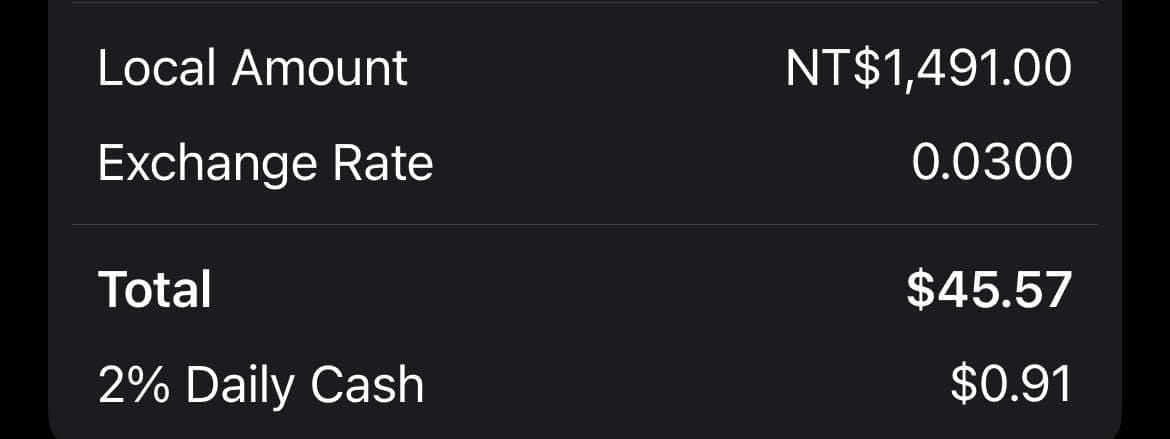
Using an iTunes Gift Card (TW) on a Taiwan-configured Apple ID yields actual savings only when mobile game developers manually fix local territory pricing instead of relying on Apple's automated equalization engine. Across 175 storefronts and 900 price points, Apple's backend tools automatically recalculate prices before tax to align 174 storefronts with a developer's designated base currency. Because Taiwan App Store tier pricing already includes local taxes—unlike advertised storefront prices in the United States and Canada where sales tax is added at checkout—apparent nominal price differences often evaporate at payment, leaving genuine spending advantages strictly to titles with custom regional tiers.
How Apple App Store Global Equalization Affects Regional Pricing
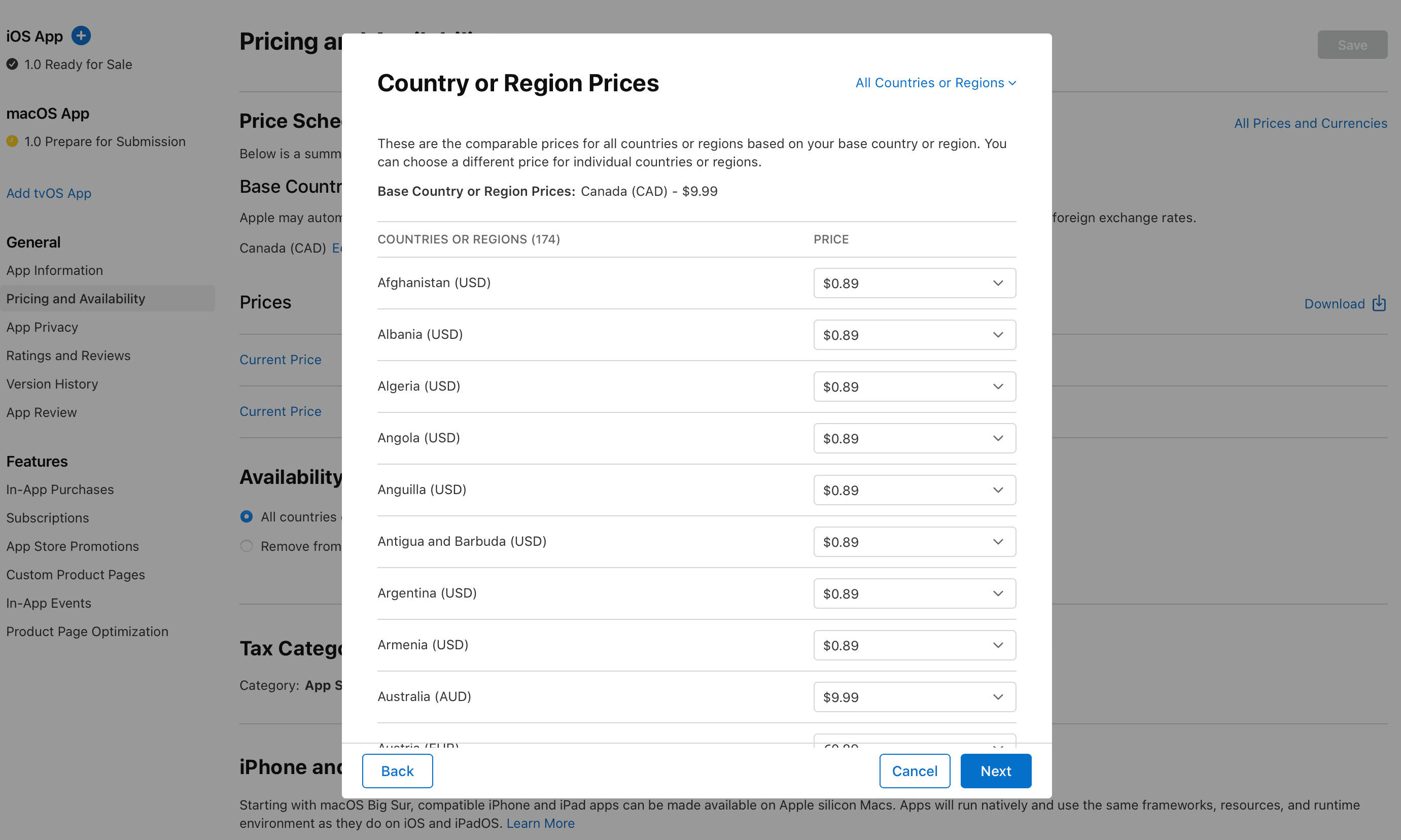
Mobile gamers monitoring international storefronts frequently expect foreign catalogs to offer automatic discounts. On iOS, that assumption runs directly into Apple's automated pricing framework. According to official developer documentation in Apple Tech Talks, the App Store commerce architecture allows a publisher to choose one home storefront as an anchor. Apple then generates corresponding prices across the remaining 174 storefronts automatically.
This equalization mechanism continuously responds to foreign exchange movements and local statutory adjustments. If a currency depreciates relative to the anchor currency, Apple updates the standard tier values to restore developer earnings. These automated updates significantly restrict cross-border price arbitrage.
When does an overseas player actually capture a price discount? Genuine price gaps occur only when a studio explicitly opts out of automatic equalization. Publishers of certain Asian role-playing games or gacha titles occasionally override default global tiers to establish localized prices intended for domestic purchasing power. When a publisher fixes those tiers manually, currency shifts create temporary discounts for international buyers holding regional credits.
The Impact of Included Taxes Versus Checkout Surcharges
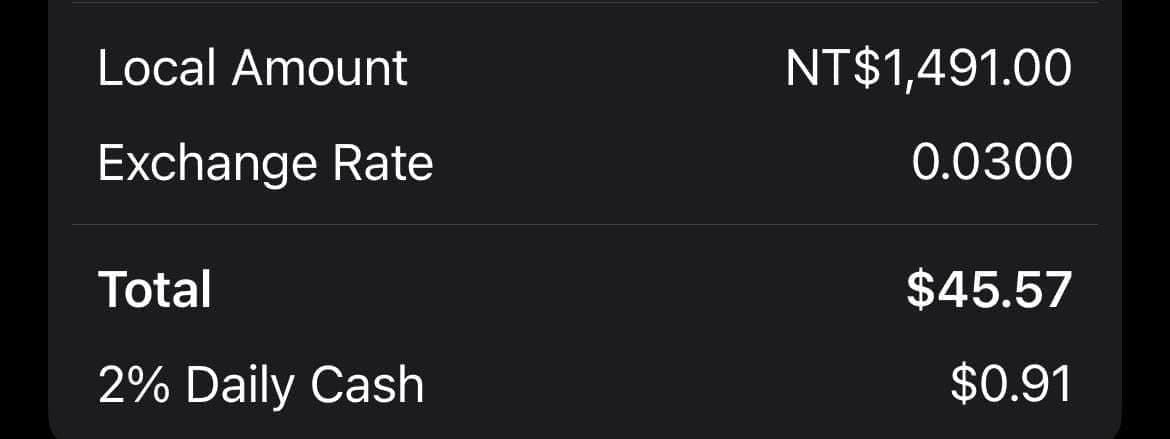
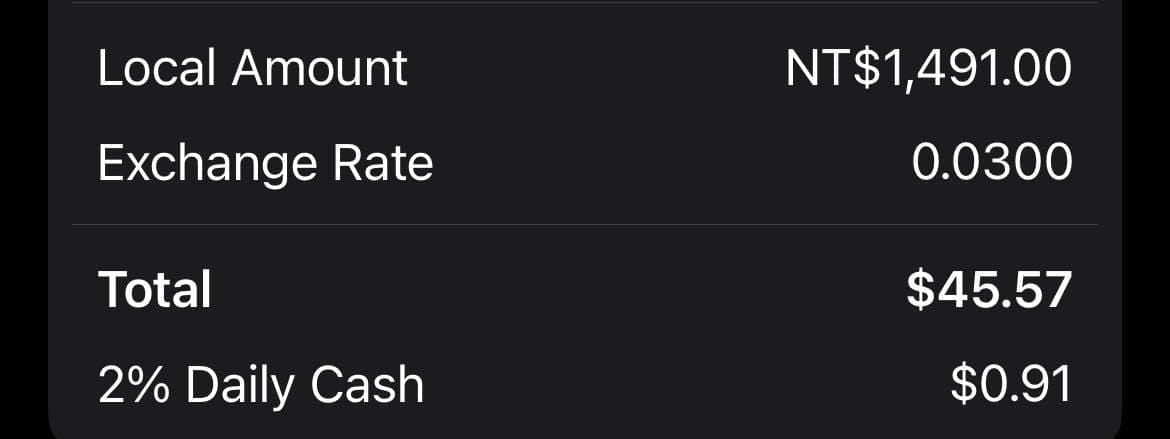
Direct comparisons between the Taiwan App Store and North American storefronts often fail because of how tax collection appears on screen. In Taiwan, digital retail prices shown inside apps are tax-inclusive. The price listed on the purchase button is the exact deduction made from your account balance.
Conversely, the United States and Canada operate on a tax-exclusive presentation model. In those storefronts, state, provincial, or local sales taxes apply at final checkout. According to Apple Tech Talks, Apple collects and remits taxes across 77 storefronts, while exempting advertised prices in the US and Canada from mandatory upfront tax display.
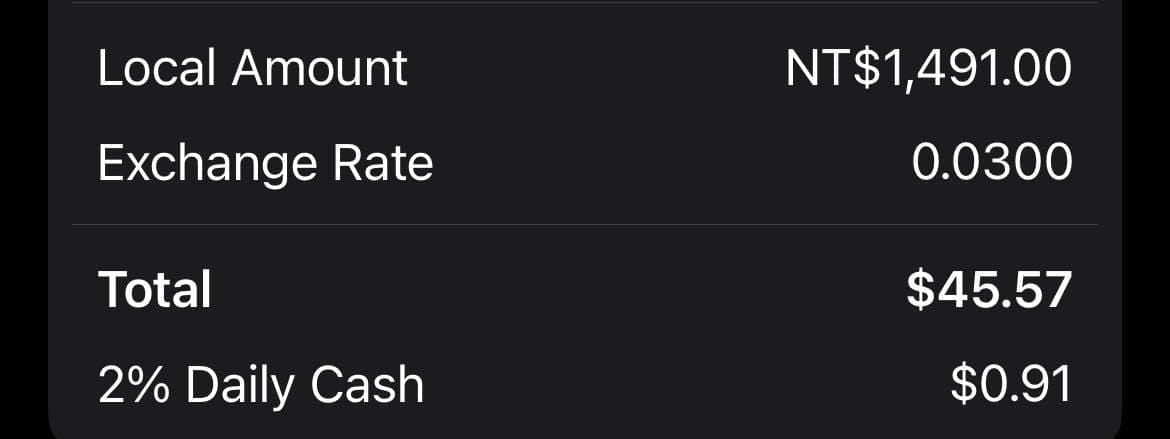
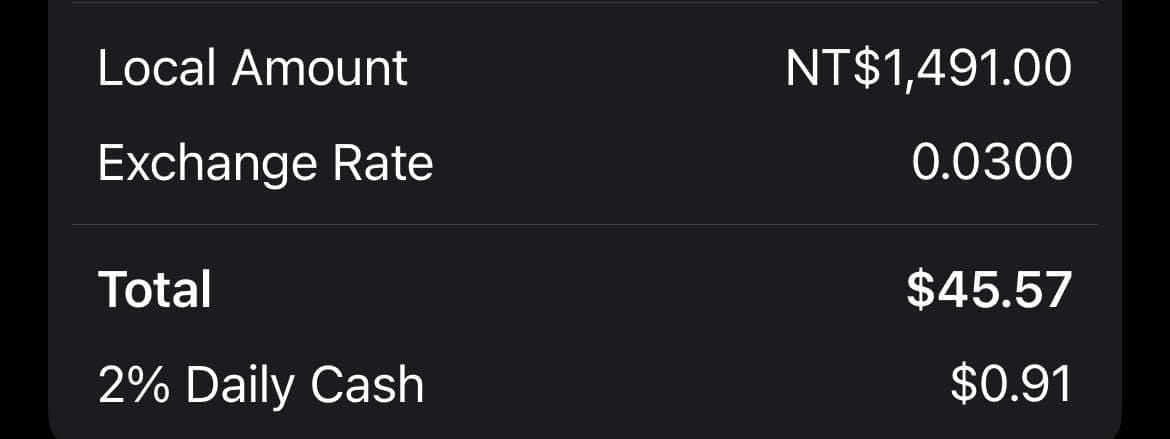
A microtransaction that appears slightly more expensive in New Taiwan Dollars can actually cost less than an equivalent North American purchase once local checkout taxes are applied to the domestic transaction. Evaluating genuine value requires calculating your final out-of-pocket payment rather than comparing nominal menu numbers.
Denomination Selection and Account Balance Planning
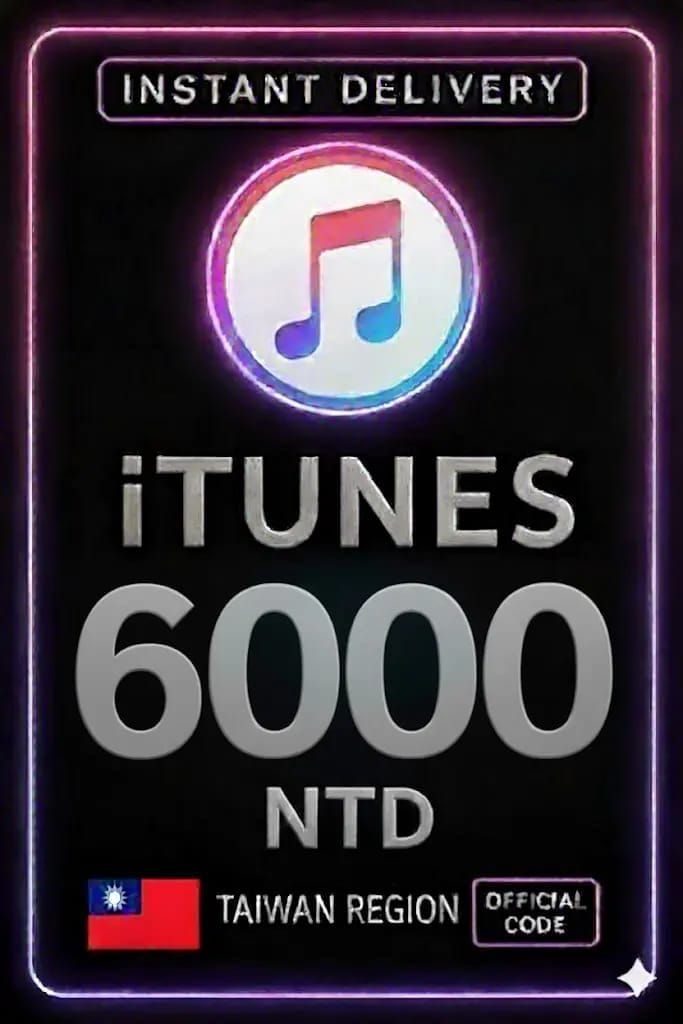
Funding a Taiwan storefront balance requires purchasing regional codes denominated in New Taiwan Dollars (TWD). These digital vouchers do not expire, as noted on BitTopup. Once redeemed, funds stay tied to that specific profile indefinitely, allowing players to bypass the requirement for a Taiwan-issued credit card.
Selecting the right tier depends on intended microtransaction schedules. Unused balances cannot be transferred or combined across borders, making denomination efficiency crucial for avoiding stranded funds.
| Denomination Tier | Target In-Game Content | Account Allocation Role |
|---|
| Tier 300 | Monthly reward cards, single utility apps, base iCloud storage | Entry tier for maintaining active daily passes without residual surplus |
| Tier 500 | Battle passes, mid-level currency packs, single-month music passes | Covers standard seasonal progression items in major service titles |
| Tier 1,000 | Multi-summon resource bundles, standalone digital releases | Balances multi-pull event budgets against potential wallet remainder |
| Tier 2,000 | Large milestone currency packs, recurring annual platform services | High-volume spending tier suitable for major anniversary game updates |
| Tier 3,000 | Maximum event bundles, sustained seasonal subscription stacking | Caps transaction frequency for active banner cycles on one profile |
All standard tiers shown above are supported digital redemption brackets documented on BitTopup. Matching the denomination strictly to planned game bundles prevents unspent credit from sitting idle on a regional Apple ID.
Validation Rules, Region Locks, and Error Recovery
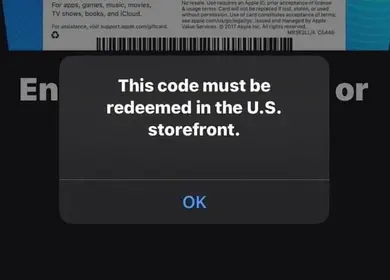
Apple enforces strict geographical borders across its wallet ecosystem. A Taiwan code cannot be credited to an Apple ID set to Japan, the United States, or any other jurisdiction. The App Store backend settlement layer validates the country metadata and rejects cross-region submissions immediately.
Players attempting to redeem cards sometimes encounter execution errors. Most non-technical failures stem from manual input mistakes. Source guides from Taobao Shopping Guides document that Apple deliberately excludes ambiguous visual characters from gift card strings, notably avoiding the letter O (which functions as numeral 0) and the letter I (which functions as numeral 1). Scanning the digital voucher with a device camera or verifying alphanumeric inputs removes these mismatches.
Wallet display latency presents another common operational hiccup. After a successful redemption confirmation, the updated balance may require 1 to 2 minutes or an explicit profile refresh in the App Store app before reflecting on the user dashboard. Rushing into an in-game store while cached wallet metadata persists can result in a declined transaction prompt.
Catalog Distinctions and Storefront Ambiguities
Evaluating foreign digital storefronts requires accounting for platform documentation discrepancies and product scopes. For example, Apple's 2022 press release indicated support for 45 regional currencies across 175 storefronts, whereas the official Apple Tech Talks presentation referenced 44 local currencies across that same storefront footprint. Such minor internal metric variations reflect evolving foreign exchange settlement agreements across Apple's banking network.
Third-party distribution platforms occasionally blur product boundaries. Listings on TOPUPLive claim that Taiwan gift cards can be applied toward physical devices and accessories in the Apple Store. However, Apple Taiwan historically distinguishes digital App Store vouchers from physical hardware store gift certificates. A Taiwan digital App Store card purchased through online marketplaces functions strictly for digital software, media downloads, in-app microtransactions, and regional cloud subscriptions, not physical hardware purchases.
Confirming whether a developer overrides Apple's automatic equalization on your specific game title remains the single most reliable step before acquiring regional balance codes.