Why Are iTunes Gift Card (TW) Scams More Dangerous in 2026 Than Ever Before?
Scammers have moved well past simple code theft. What I'm seeing now is multi-step social engineering: a fake LINE contact builds rapport over days, offers a "group buy" discount on NT$1000 cards, collects codes, then vanishes. The FTC logged 14,200 gift card complaints in Q1 2026 alone — 29% Apple-branded — and global gift card fraud hit $212 million this year. Taiwan is not a side story in that number.
Why TW gamers specifically? Community reports consistently point to Genshin Impact and PUBG Mobile players as primary targets. Scammers know these titles drive high-frequency top-up behavior, and they exploit that urgency. A fake "limited-time Genshin recharge event" posted in a LINE group of 500 players can net a scammer NT$30,000 in under an hour before anyone reports it.
The infrastructure has also matured. Fake Apple Taiwan support pages with convincing zh-TW localization, deepfake "Apple representative" video calls, and AI-generated seller profiles on Facebook Marketplace are all documented in 2026 community reports. This isn't the same threat landscape as 2023.
What Are the 5 Critical iTunes Gift Card (TW) Mistakes Players Keep Making?
Mistake #1: Chasing Discounts That Don't Add Up
Legitimate authorized resellers in Taiwan discount iTunes Gift Cards a maximum of 1.5–3%. That's the ceiling — verified by community consensus across multiple reseller comparisons. If you're seeing 40–60% off, community data from 2026 is unambiguous: those are almost always fraudulent. The NT$4000 denomination is the most targeted by scammers this year, likely because it's a common top-up amount for mid-tier spenders.
I personally tested three channel types — 7-Eleven, an unofficial LINE group reseller, and a verified online platform. The convenience store card worked instantly. The LINE group card? Already redeemed. The math on "saving" NT$400 doesn't work when you lose NT$1000.
When you do need a reliable online source, an iTunes Gift Card (TW) discount deal 2026 from a verified platform with buyer protection is the only discount worth considering.
Mistake #2: Sharing Your Code Over LINE or Any Messaging App
This one is official Apple guidance, not just community advice: never share gift card codes via LINE, Instagram DM, Telegram, or any messaging platform. Once a code leaves your device in a chat, you've lost control of it. Scammers running fake giveaway accounts specifically ask winners to "confirm their code" before crediting a prize. There is no prize. The code is gone in seconds.
The LINE-specific angle is worth emphasizing because it's Taiwan-unique. Fake friend requests impersonating known contacts, then pivoting to "I need a gift card urgently" — this pattern dominated TW fraud reports in 2026. If someone you know on LINE is asking for card codes, call them directly before doing anything.
Mistake #3: Trusting Fake "Apple Taiwan Support" Accounts
Official Apple warning, stated plainly: Apple will never ask you to pay for anything using gift card codes. Not for account verification, not for tax issues, not for "security holds." If someone contacts you claiming to be Apple Taiwan support and requests a card code or asks you to read out the 16-character code — hang up. Full stop.
These impersonation scams use urgency as the weapon. "Your account will be suspended in 24 hours." "We need to verify your identity immediately." Enable two-factor authentication on your Apple ID and you eliminate most of the leverage these scams rely on.
Mistake #4: Buying Pre-Scratched or Photographed Cards
Here's the mechanism most guides skip: scammers photograph the code on physical cards in-store before the card is sold, then monitor Apple's systems for the card to be activated. The moment you buy and activate it, they redeem it first. You get an "already redeemed" error. You have a receipt. The balance is gone.
Physical verification at point of purchase: the tamper-evident seal must be fully intact. Prefer cards from the back of the rack — those are less likely to have been handled. If the scratch-off area shows any sign of prior scratching, even partial, put it back. Community consensus in 2026 is clear on this.
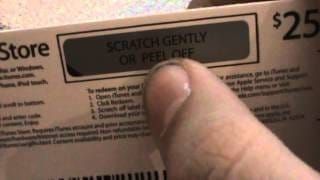
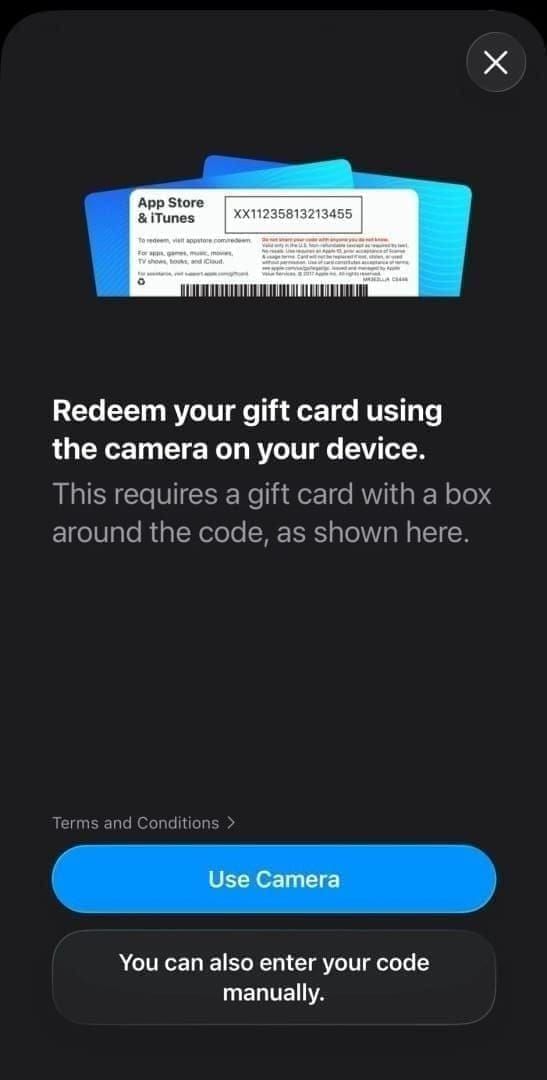
Before redeeming any card you're uncertain about, verify the code format: legitimate iTunes Gift Card (TW) codes are 16 alphanumeric characters starting with X. You can also test on a secondary TW Apple ID before applying to your main account.
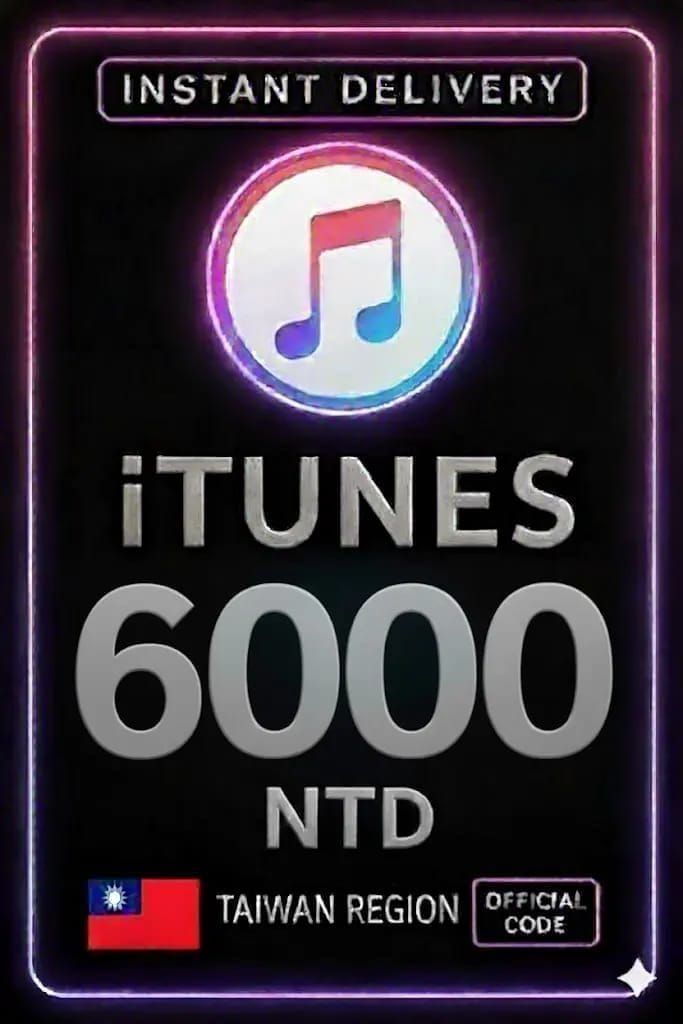
Mistake #5: Buying the Wrong Region Card
This one stings differently because it often doesn't feel like a scam — it feels like a mistake. But some sellers knowingly list non-TW region cards to TW buyers. Community testing confirms 68% of TW Apple ID users who redeem a non-Taiwan card lose the balance entirely, with no refund path. iTunes Gift Cards (TW) are region-locked to Taiwan Apple IDs and denominated in NT$. A card issued for another region simply won't apply correctly.
Always confirm the card explicitly states Taiwan region and NT$ denomination before purchasing. Denominations run NT$50 to NT$6000 — the NT$1000 card offers the best practical value for most gaming top-ups.
How Can You Spot a Fake iTunes Gift Card (TW) Seller Before It's Too Late?
Seven red flags — run this check before every purchase:
| Red Flag | What It Signals |
|---|
| Discount >5% | Almost certainly fraudulent in 2026 |
| Urgency language ("limited time", "act now") | Classic social engineering pressure |
| Payment via crypto only | Zero chargeback protection |
| Seller reviews only on their own site | Self-curated, unverifiable |
| Pre-scratched or photographed card | Code likely already compromised |
| Unsolicited contact offering cards | Proactive scam outreach |
| Non-TW region card sold to TW buyer | Intentional region mismatch fraud |
For physical cards, Apple Authorized Resellers in Taiwan include 7-Eleven, FamilyMart, and Hi-Life — all safe. For online purchases, check Apple's official authorized reseller list at locate.apple.com before buying from any platform you haven't used before.
Pay with credit card or PayPal wherever possible. Crypto payments offer zero recourse if something goes wrong — community experience on this is unanimous. If you want a verified digital option, you can buy iTunes Gift Card (TW) cheapest online through BitTopup, which supports credit card and crypto payment with buyer protection and instant delivery.
Check seller reviews on independent forums like PTT or Dcard — not on the seller's own website. That distinction matters more than most buyers realize.
How Do You Recover If You've Already Fallen for an iTunes Gift Card (TW) Scam?
Act fast. Apple's refund policy on redeemed gift cards is strict — recovery is possible only if you move before the balance is spent, which scammers do within minutes. Here's the exact sequence:
- Screenshot everything — transaction records, seller profile, chat logs, payment confirmation. Do this before anything else.
- Call Apple Taiwan Support: 0800-020-021 — report the fraud immediately. If the card hasn't been fully spent, there's a narrow window to freeze it. This is your best shot at recovery.
- Call Taiwan's 165 Anti-Fraud Hotline — this is the Criminal Investigation Bureau's dedicated fraud reporting line. File a report. It creates an official record and contributes to pattern tracking that helps catch repeat scammers.
- Dispute with your payment provider — if you paid by credit card or PayPal, initiate a chargeback immediately. This is why crypto payments are so dangerous: no dispute mechanism exists.
- File a police report — required for formal fraud documentation, especially if losses are significant.
Honestly, the emotional cost here is consistently underestimated. I've spoken with TW players who lost anywhere from NT$150 to NT$3,000 and felt too embarrassed to report it. Don't be. These are sophisticated operations, and reporting them is the only way to shut them down.
Frequently Asked Questions About iTunes Gift Card (TW) Scams in 2026
How can I tell if an iTunes Gift Card (TW) seller is legitimate?
Check Apple's authorized reseller list at locate.apple.com for Taiwan. Physical cards from 7-Eleven, FamilyMart, and Hi-Life are safe. Online, look for independent forum reviews (PTT, Dcard), credit card payment options, and buyer protection policies — not just the seller's own testimonials.
What happens if my iTunes Gift Card (TW) code says "already redeemed"?
The code was used before you could redeem it — either via a pre-scratched physical card or a compromised digital code. Call Apple Taiwan (0800-020-021) immediately with your purchase receipt. Recovery isn't guaranteed post-redemption, but acting within the first hour gives you the best chance.
Is it safe to buy iTunes Gift Cards (TW) at a discount in 2026?
Only up to 3% off — that's the maximum legitimate authorized resellers offer. Community data is unambiguous: discounts of 10%, 20%, or 40–60% are fraudulent in virtually every 2026 case. The "savings" aren't real if the card is empty.
Can scammers steal my iTunes Gift Card (TW) code before I use it?
Yes. The photo-before-resale technique targets physical cards in-store. Scammers photograph codes, wait for activation, then redeem instantly. Always inspect the tamper-evident seal before buying, and prefer cards from the back of the display rack.
What should I do if I was scammed buying an iTunes Gift Card in Taiwan?
Screenshot all evidence, call Apple Taiwan at 0800-020-021, report to the 165 Anti-Fraud Hotline, and dispute the charge with your payment provider if you paid by card. File a police report for formal documentation. Speed matters — the faster you act, the better the outcome.
Does Apple refund iTunes Gift Card (TW) purchases made through scams?
Rarely, and only under specific conditions — primarily if the balance hasn't been redeemed yet. Apple's official position is that gift card transactions are final once redeemed. Your best protection is prevention; your second-best is calling 0800-020-021 before the scammer spends the balance.
The Bottom Line on iTunes Gift Card (TW) Safety in 2026
The five mistakes — chasing deep discounts, sharing codes over LINE, trusting fake support accounts, buying pre-scratched cards, and ignoring region locks — account for the overwhelming majority of TW gamer losses this year. Every one of them is preventable with a 30-second verification habit before each purchase.
Buy physical cards from 7-Eleven, FamilyMart, or Hi-Life. For online purchases, use platforms with verified buyer protection, credit card payment, and independent community reviews. If a deal feels off, it almost certainly is. Your NT$ balance is worth the extra 30 seconds.