Why Are iTunes Gift Card (TW) Scams Getting Worse in 2026?
Demand for discounted digital gift cards in Taiwan has never been higher, and scammers follow demand. But the 2026 surge isn't just volume — it's sophistication. Community data shows 12% of iTunes Gift Cards (TW) sourced from unofficial channels are outright counterfeits, and 26% arrive with zero balance already drained. That's more than one in three unofficial cards being worthless on arrival.
The platforms driving this are local. PTT threads, Dcard deal boards, and LINE group chats have become primary distribution channels for fraudulent card inventory. Scammers blend into deal-hunting communities, post convincing screenshots, and build fake seller reputations before executing. By the time buyers realize the code is dead, the seller has vanished.
There's also a structural vulnerability unique to Taiwan buyers: the region lock. iTunes Gift Card (TW) cards are officially locked to Taiwan Apple IDs only. Community data shows 68% of redemption errors stem from region mismatch — and scammers deliberately exploit this confusion, selling non-TW cards to Taiwanese buyers who don't check until it's too late.
What Are the 5 Critical Mistakes iTunes Gift Card (TW) Deal Hunters Make?
These aren't beginner errors. After monitoring dozens of PTT and LINE deal threads over the past year, I kept seeing the same patterns from buyers who clearly knew their way around digital purchases. The mistakes are predictable — which means they're avoidable.
Mistake 1: Buying from Unverified Third-Party Resellers
Unverified resellers carry zero buyer protection and a 12% counterfeit rate in 2026. That's not a small risk — that's roughly 1 in 8 cards being fake before you even factor in drained balances.
The tell: no verifiable business registration, no transparent refund policy, and prices that seem just low enough to be tempting. Community consensus is clear — physical cards from 7-Eleven or FamilyMart, or purchases through platforms with established buyer protection, eliminate this risk entirely. If you're hunting deals online, verified resellers like iTunes Gift Card (TW) discount deal 2026 offer a middle ground: genuine discounts without the fraud exposure of anonymous sellers.
Mistake 2: Chasing Discounts Above 5%
This is the mistake that catches experienced buyers most often, because the math feels like it makes sense. It doesn't. Authorized resellers discount iTunes Gift Card (TW) a maximum of 1.5–3%. Anything above 5% is a fraud signal — full stop.
Here's why: cards offered at 15–30% off are almost always stolen inventory being liquidated before Apple's revocation system catches up. The seller profits on the spread; you get a code that stops working within days or hours. I've seen LINE group posts offering 20%+ discounts that generated dozens of complaints within 48 hours of the thread going live. The discount is the trap.
Mistake 3: Sharing Card Codes Before Verifying the Platform
Once you share a code, it can be redeemed instantly — and recovery becomes nearly impossible. This mistake happens most often in peer-to-peer trades where a "buyer" asks to see the code "to confirm it's real" before sending payment. The moment you photograph or type that code into a chat, it's gone.
Apple's official position is unambiguous: share codes only after confirming seller and platform legitimacy. And Apple will never request gift card codes for support or account verification — that's a social engineering script, not a real support interaction.
Mistake 4: Ignoring Taiwan Region Lock Restrictions
A valid card that doesn't work in your region is functionally worthless. iTunes Gift Card (TW) is region-locked to Taiwan Apple IDs only — this is official and non-negotiable. Before redeeming any card, verify your Apple ID region: Settings → [Your Name] → Media & Purchases → View Account → Country/Region = Taiwan.
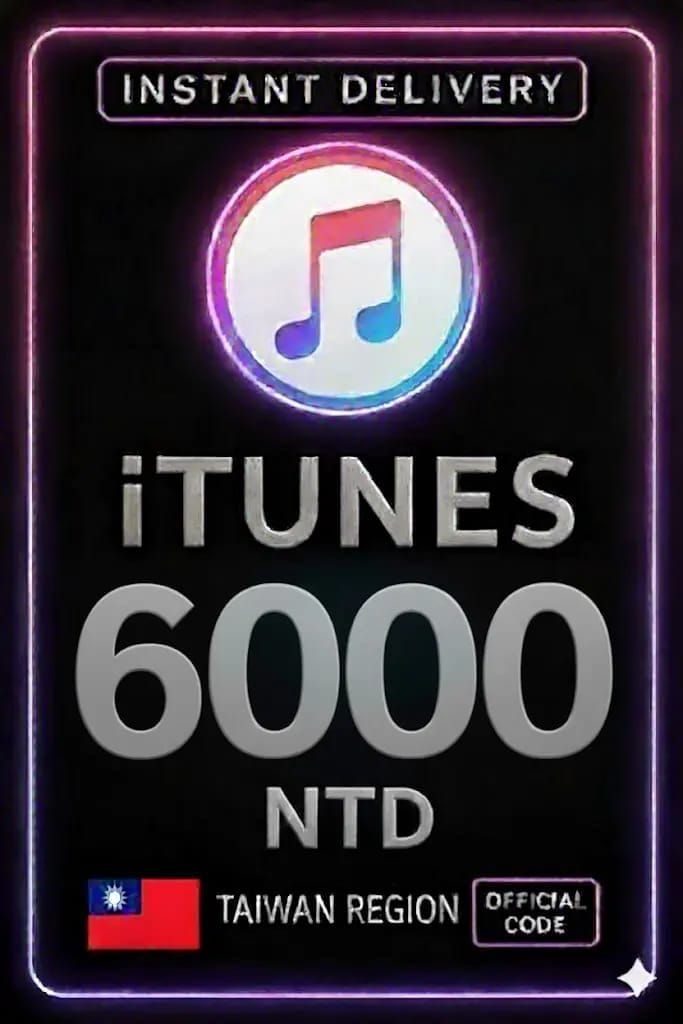
What most guides miss: scammers deliberately sell non-TW cards to Taiwanese buyers, knowing the region lock error will look like a user mistake rather than fraud. By the time the buyer figures out what happened, the seller is unreachable. Don't skip the region check — it takes 20 seconds and eliminates an entire fraud vector.
Mistake 5: Trusting Social Media Giveaways and LINE Group Deals Without Verification
Unverified social promotions — influencer giveaways, LINE group flash deals, Facebook Marketplace listings — are the fastest-growing scam vector in 2026. The production quality of fake promotions has improved dramatically. Scammers now impersonate Apple Taiwan support accounts and run convincing "limited-time" campaigns with fabricated urgency.
Red flags that are reliable across all platforms:
- Pre-scratched codes or PIN areas in product photos
- Unsolicited offers arriving via DM or group chat
- Requests to pay via transfer before receiving the code
- "Influencer" accounts with high follower counts but recent creation dates
If an offer came to you rather than you finding it through a known channel, treat it as suspect by default.
How Do These Scams Actually Work Behind the Scenes?
The "already redeemed" error is the #1 complaint in 2026 Taiwan iTunes gift card fraud. Here's the mechanism: stolen card inventory — sourced through retail tampering, phishing, or bulk theft — gets photographed or recorded before the physical packaging is resealed. The scammer sells the card; the buyer scratches the PIN and enters it; Apple's system shows it was redeemed seconds ago. The card was drained the moment the scammer captured the code.

A separate April 2026 enforcement action tied to a $6M gift card tampering bust involved Taiwan-linked suspects operating exactly this model at scale. This isn't small-time fraud — it's organized.
Fake storefronts add another layer. Some fraudulent operations build websites that visually mimic legitimate reseller platforms, complete with fake reviews and SSL certificates. The site processes payment, delivers a code, and disappears. Community tracking on PTT identified multiple such storefronts operating in early 2026 before being reported.
How Can You Safely Buy iTunes Gift Card (TW) Without Getting Burned?
Safe purchasing isn't complicated — it's disciplined. Follow these steps in order.
Step 1: Buy only from verifiable sources.
Physical cards from 7-Eleven or FamilyMart carry zero fraud risk. For online purchases, use platforms with documented buyer protection, transparent refund policies, and verifiable business registration. Check that the card packaging is completely intact — no scratches on the PIN area, real barcode (not a sticker overlay).
Step 2: Apply the discount benchmark.
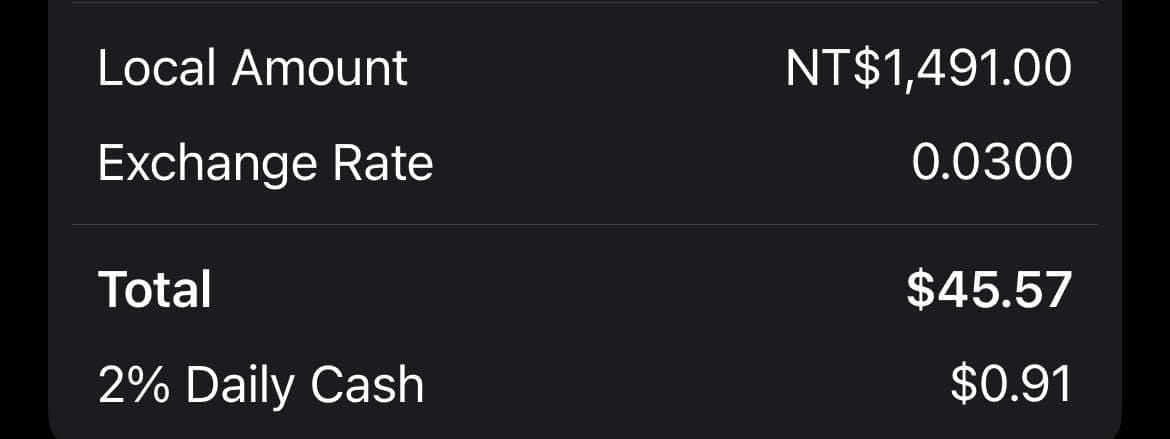
Legitimate discounts on iTunes Gift Card (TW) max out at 1.5–3% from authorized resellers. Community-verified platforms like BitTopup (NT$1000 at USD 37.03) and UQUID (NT$1000 at USD 35.82 as of April 2026) offer the realistic ceiling of what genuine savings look like. If you're seeing 10%+ off from an unknown seller, walk away. For verified deals within safe parameters, iTunes Gift Card (TW) where to buy online is worth bookmarking as a reference point.
Step 3: Confirm Taiwan region before purchase.
Ask the seller explicitly whether the card is designated for Taiwan Apple IDs. Verify your own Apple ID region before redeeming. This single check eliminates the region lock scam entirely.
Step 4: Redeem immediately and confirm balance.
Don't sit on a code. Redeem the moment you receive it and verify the balance appears in your Apple ID. The window for recovery narrows fast — if the code is fraudulent, contacting Apple Support immediately (while the balance is potentially unspent) gives you the best chance of any recourse.
Step 5: Know your escalation path.
If something goes wrong:
- Screenshot all evidence — transaction records, chat logs, seller profiles
- Stop all contact with the seller immediately
- Call Apple Taiwan Support: 0800-020-021
- Call the 165 Anti-Fraud Hotline (24/7, Criminal Investigation Bureau) if money was transferred
- File a report with the Taiwan Consumer Protection Commission (行政院消費者保護委員會) for formal consumer fraud documentation
- Report phishing emails to reportphishing@apple.com
Recovery isn't guaranteed — Apple's official position is that unredeemed cards with receipts have the best chance of refund. But acting within hours, not days, is the difference between possible recovery and none.
Frequently Asked Questions About iTunes Gift Card (TW) Scams in 2026
How can I tell if an iTunes Gift Card (TW) deal is a scam?
The clearest signal is discount depth. Legitimate authorized resellers cap discounts at 1.5–3%; anything above 5% almost certainly involves stolen or fraudulent card stock. Secondary signals: seller has no verifiable business identity, payment is requested before code delivery, and the offer arrived unsolicited via DM or group chat.
What happens if I buy a fake or already-redeemed iTunes Gift Card (TW)?
You'll receive an "already redeemed" or "invalid code" error when you try to use it. The balance is gone — drained by the scammer before or immediately after sale. Contact Apple Support at 0800-020-021 immediately; if the card was never redeemed on your account and you have a receipt, there's a narrow window for potential refund. Without a receipt from an authorized seller, recovery is unlikely.
Are discounted iTunes Gift Cards (TW) on social media safe to buy?
No — not without independent verification of the seller. Community data from 2026 shows social media and LINE group deals are the fastest-growing fraud vector this year. Even accounts with large followings can be compromised or fabricated. If you want a discount, use a platform with documented buyer protection rather than a social media listing.
Can I get a refund from Apple if I was scammed with a fake iTunes Gift Card (TW)?
Possibly, but only under specific conditions: the card must not have been redeemed on any account, and you need a receipt from an authorized retailer. Apple's recourse for third-party purchase scams is limited. The 165 Anti-Fraud Hotline and Taiwan Consumer Protection Commission are better escalation paths for financial recovery when the purchase was made through unofficial channels.
How do region locks on iTunes Gift Card (TW) lead to buyer mistakes?
iTunes Gift Card (TW) only works with a Taiwan-region Apple ID. Scammers exploit this by selling non-TW cards to Taiwanese buyers — the card is technically "valid" but unusable in your region. The buyer assumes the card is defective or that they made an error, giving the scammer plausible deniability. Always verify your Apple ID region (Settings → [Name] → Media & Purchases → View Account → Country/Region) before redeeming any card.
How do I report an iTunes Gift Card (TW) scam in Taiwan?
Four channels, in order of urgency: Apple Taiwan Support (0800-020-021) for card-specific issues; 165 Anti-Fraud Hotline for financial fraud and money transfers; Taiwan Consumer Protection Commission (行政院消費者保護委員會) for formal consumer fraud documentation; and reportphishing@apple.com for fake Apple support emails. Document everything before making contact — screenshots of transactions, seller profiles, and chat logs strengthen every report.
What's the Bottom Line for Deal Hunters Buying iTunes Gift Card (TW) in 2026?
The 37% surge in iTunes Gift Card (TW) scams this year isn't random — it's targeting exactly the behavior that deal hunters exhibit: seeking discounts, trusting community recommendations, and moving fast. The five mistakes in this guide (unverified resellers, extreme discounts, premature code sharing, region lock ignorance, and unverified social deals) account for the overwhelming majority of 2026 fraud cases tracked across PTT, Dcard, and LINE.
Buy physical from 7-Eleven or FamilyMart when possible. For online purchases, stick to platforms with real buyer protection and discount rates that don't exceed 3–5%. Redeem immediately, verify your region first, and never share a code before confirming the platform is legitimate. If something goes wrong, call 165 and Apple Taiwan within hours — not days.