How Sandstorm Weather System Works
Sandstorms operate on dynamic weather cycles across all maps. Northridge (released September 15, 2025) features 40-minute raids with 20-player lobbies where sandstorms occur organically, requiring constant tactical adaptation.
Detection mechanics prioritize audio signatures over visual identification. Suppressors reduce detection range below 30m, making them essential for budget builds. Crouch-walking reduces audio signature by 60%, allowing close-range approaches impossible in clear conditions.
The 450,000 Koens loot cap encourages efficient 15-20 minute Northridge Terminal runs rather than extended looting sessions. This favors budget kits that minimize financial risk while maintaining combat effectiveness.
Thermal Scope Effectiveness During Sandstorms
Thermal scopes costing 150,000-300,000 Koens face significant limitations in sandstorm conditions. Reduced visibility ranges and environmental interference diminish their advantages. Wind-blown particles create visual noise obscuring heat signatures, while detection range reductions apply equally to thermal optics.
Budget players gain tactical parity during sandstorms because expensive thermal equipment loses effectiveness. A 135,000 Koens FAL build with proper positioning can defeat a 300,000 Koens thermal scope user who relies on technology over tactics.
Environmental factors like building interiors, dense vegetation, and heat-generating objects create thermal blind spots. Understanding these limitations allows budget loadouts to exploit positioning advantages that negate equipment disparities.
Best Budget Kits for Sandstorm Combat
Budget loadouts fall into two categories: Dust Loadout at 169,000 Koens and ultra-budget builds at 85,000-95,000 Koens.
Dust Loadout (169,000 Koens total):
- MPX base weapon: 88,000 Koens
- T3 AP6.3 ammunition (150 rounds): 10,000 Koens
- Level 3 chest armor: 30,000 Koens
- Level 3 helmet: 18,000 Koens
- 6-slot tactical rig: 10,000 Koens
- 2x IFAK medical kits: 7,000 Koens
- 1 grenade: 6,000 Koens
This balances protection, firepower, and medical sustainability for Northridge Terminal runs. The MPX's 850 RPM fire rate and 57m effective range excel in close-quarters sandstorm engagements.
FAL Budget Build: Mid-Range Dominance
FAL budget build costs 135,000 Koens (gunsmith code: 3fOafNDUYLQszx4) and delivers exceptional mid-range performance. With 630 RPM and 124m effective range, this configuration outperforms more expensive rifles in sandstorm conditions where engagement distances compress.

T4 M80 ammunition provides 850.5 damage and 441 penetration, sufficient to defeat Level 3-4 armor common in sandstorm 1v1 duels.
Optimal FAL attachments:
- Suppressor to reduce detection below 30m
- Medium-range optic (2-4x magnification)
- Vertical grip for recoil control
- Extended magazine for sustained engagements
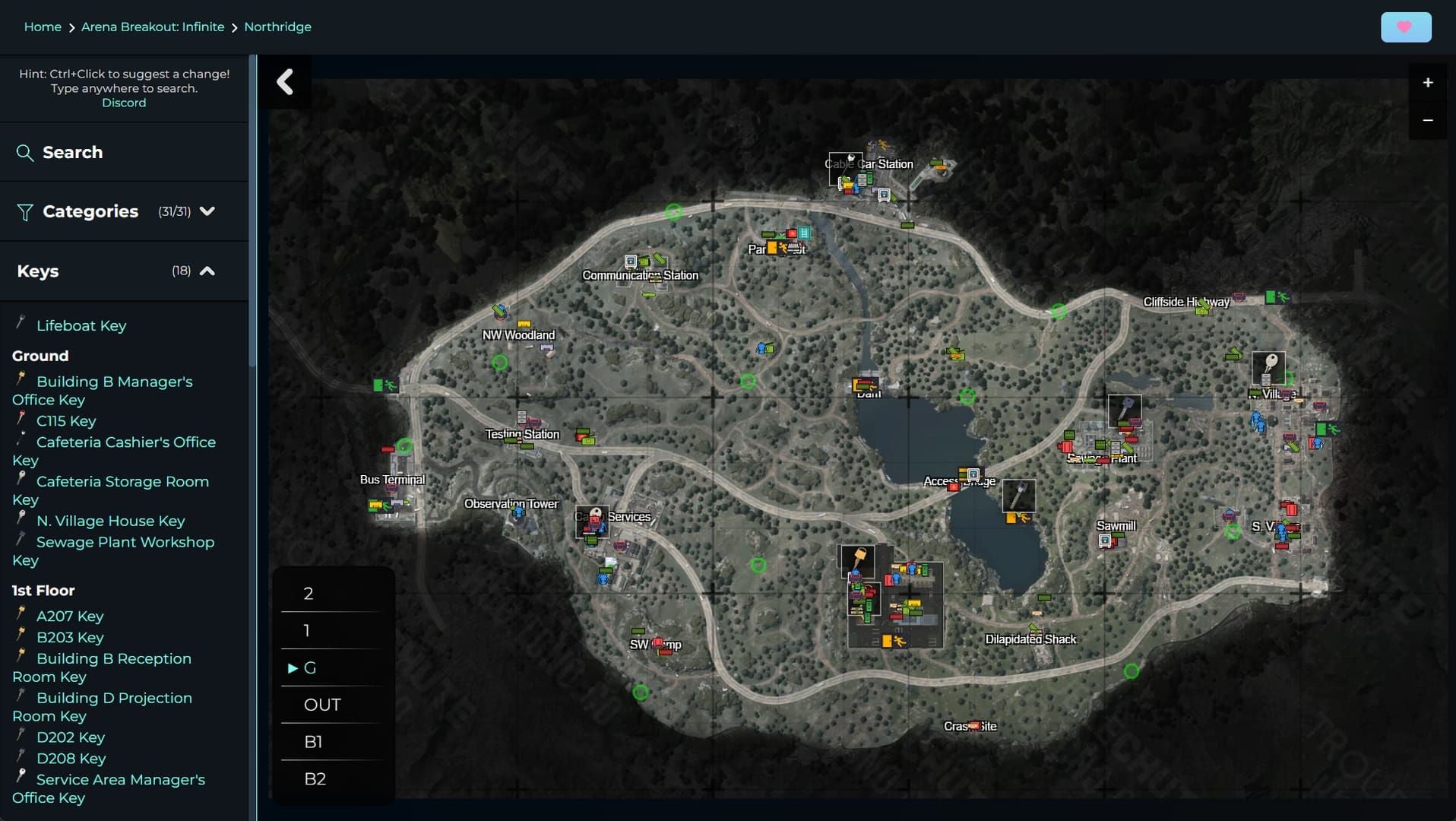
Excels in Northridge Terminal South Route: Tool Shed → Admin → Substation → Extract, where mid-range sightlines dominate.
MPX Budget Build: Close-Quarters Specialist
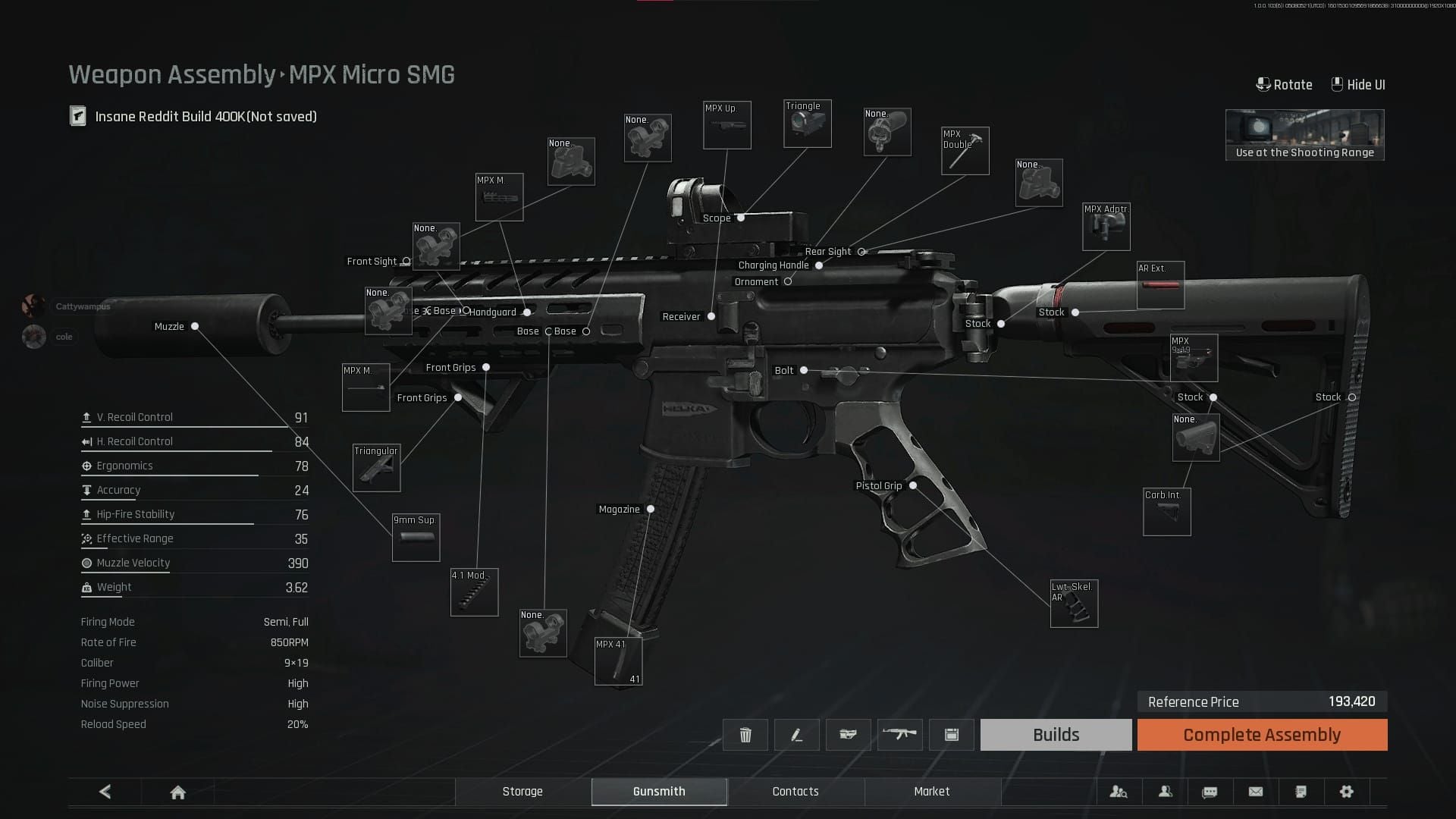
MPX budget build at 88,000 Koens (gunsmith code: 3fOafNDUYLQszu4) represents the most cost-effective competitive loadout. Its 850 RPM fire rate delivers overwhelming close-range firepower compensating for 57m effective range limitation.
Ammunition options:
- T3 AP6.3: 679.68 damage, 424.8 penetration (budget)
- T4 7N31: 665.52 damage, 566.4 penetration (premium)
T3 AP6.3 provides sufficient penetration for Level 3 armor at a fraction of T4 costs.
MPX attachments:
- Compact suppressor for reduced detection
- Red dot sight for rapid target acquisition
- Lightweight stock for improved ergonomics
- Laser sight for hip-fire accuracy
AR57 Premium Budget Option
AR57 build at 305,000 Koens (gunsmith code: 3frwi7fw87UEAA4) requires Level 16 and represents the upper limit of budget configurations. This bridges the gap between pure budget builds and premium loadouts, offering enhanced armor penetration and effective range without financial exposure of top-tier equipment exceeding 500,000 Koens.
Weapon Selection for Low-Visibility Engagements
Sandstorm combat compresses engagement distances, making weapon selection critical. Reduced detection ranges of 57-190m favor weapons optimized for close-to-mid range encounters.
Fire rate becomes more valuable than per-shot damage in low-visibility conditions. MPX's 850 RPM allows rapid target saturation when enemies appear suddenly at close range, while FAL's 630 RPM balances controllability with lethality at extended distances.
Effective range statistics directly correlate with sandstorm performance. MPX's 57m effective range aligns perfectly with crouched detection distances. FAL's 124m effective range covers walking and sprinting detection zones, providing versatility across movement speeds.
Optics That Work Best in Limited Visibility
Red dot sights outperform magnified optics in sandstorm conditions. Reduced visibility ranges make 4x+ magnification largely irrelevant, while red dots provide rapid target acquisition when enemies emerge from obscured sightlines.
Holographic sights offer slightly larger sight pictures than red dots, beneficial when tracking moving targets through swirling sand particles.
Avoid thermal scopes on budget builds. The 150,000-300,000 Koens investment exceeds the cost of entire budget loadouts while providing minimal advantage in sandstorm conditions.
Attachment Priority: Suppressors vs Flashlights
Suppressors represent the single most important attachment for sandstorm combat. Reducing detection range below 30m creates massive tactical advantage, allowing you to fire without revealing position to distant enemies. This 30m detection radius falls well within the 57m crouched detection range, enabling aggressive positioning.
Flashlights provide minimal value in sandstorms. Ambient light conditions and particle density reduce effective illumination range, while visible beam reveals your position. Allocate attachment budgets to suppressors, grips, and stocks that improve handling.
Vertical grips enhance recoil control for sustained fire, critical when engaging multiple targets in rapid succession. Improved accuracy justifies their cost on both FAL and MPX builds.
Cost-Effective Armor and Protection Choices
Armor selection prioritizes cost-effectiveness over maximum protection. The 50% durability reduction for Level 5 armor makes high-tier protection economically inefficient, while Level 3-4 armor provides optimal value.
Sandstorm 1v1 duels typically cap at Level 3-4 armor encounters. Players recognize the futility of expensive protection in conditions that accelerate degradation.
Tier 3-4 Armor: Best Value for Sandstorm Runs
Level 3 armor provides protection against T3 ammunition and below, covering majority of budget loadout threats. The 30,000 Koens chest armor investment pays for itself by surviving a single engagement that would otherwise result in death and complete loadout loss.
Level 4 armor at 55,000 Koens offers marginal improvement for nearly double the cost. Reserve Level 4 protection for situations where you're carrying high-value loot approaching the 450,000 Koens cap.
Armor repair costs during sandstorms often exceed replacement costs due to accelerated durability loss. Budget for complete armor replacement after each raid.
Helmet Selection: Balancing Cost and Protection
Level 3 helmet at 18,000 Koens provides essential head protection without excessive investment. Headshots remain lethal regardless of helmet tier against high-penetration ammunition.
Level 4 helmets at 38,000 Koens offer protection against additional ammunition types but more than double your helmet investment. The incremental survivability improvement rarely justifies the cost.
Prioritize helmets with good audio characteristics. Commander A headset weighing 0.7kg provides excellent sound quality without mobility penalties, critical for detecting enemy movement in sandstorm conditions.
Rig and Backpack Optimization
6-slot tactical rig at 10,000 Koens provides sufficient ammunition and medical supply capacity for 15-20 minute Northridge Terminal runs. Larger rigs increase costs without proportional benefits.
8-slot rigs at 18,000 Koens suit extended engagements or squad play where ammunition consumption increases.
Backpack selection depends on loot priorities. Tier 2 backpacks balance capacity with cost, allowing profitable extractions without excessive upfront investment.
How Thermal Scopes Actually Work
Thermal scopes detect heat signatures through environmental obscuration, providing visibility advantages in clear weather. However, sandstorms introduce particle interference that degrades thermal imaging effectiveness.
The 150,000-300,000 Koens thermal scope investment represents 88-177% of a complete Dust Loadout cost. Players seeking to buy Arena Breakout Bonds recharge through BitTopup can allocate those resources toward multiple budget loadouts instead of single expensive optics, increasing overall raid frequency and profit potential.
Thermal detection range follows the same 57-190m limitations as standard detection during sandstorms. A thermal scope user sprinting at 190m detection range gains no advantage over a budget player using iron sights at the same distance.
Environmental Factors That Affect Thermal Vision
Building interiors block thermal detection through walls and solid obstacles. Unlike night vision requiring line of sight, thermals can't penetrate structural elements, creating safe zones where budget players can reposition without thermal exposure.
Heat-generating objects like vehicles, generators, and industrial equipment create thermal noise that obscures player signatures. Positioning near these heat sources masks your thermal profile.
Dense vegetation provides partial thermal concealment, particularly when combined with stationary positioning. Moving through vegetation creates thermal contrast, but remaining still allows ambient heat to blend your signature with environmental temperatures.
Common Misconceptions About Thermal Mechanics
Thermal scopes don't provide unlimited detection range. Same sandstorm detection mechanics apply—crouched movement at 57m, walking at 90-120m, sprinting at 190m.
Suppressors don't reduce thermal signatures. However, they reduce audio detection below 30m, preventing thermal users from pinpointing your location through sound.
Thermal scopes don't guarantee victory. A budget MPX build with 850 RPM fire rate can overwhelm a thermal scope user in close quarters before they capitalize on their detection advantage.
7 Proven Methods to Counter Thermal Scope Users
Countering thermal scopes with budget loadouts requires tactical discipline and environmental awareness. These methods exploit thermal limitations while maximizing budget loadout strengths.
Method #1: Environmental Cover Exploitation
Building interiors provide complete thermal protection. Northridge Terminal South Route (Tool Shed → Admin → Substation → Extract) features multiple interior spaces where thermal scopes lose all effectiveness.
Solid obstacles like concrete walls, shipping containers, and vehicles block thermal detection. Position these objects between yourself and suspected thermal users.
Method #2: Erratic Movement Patterns
Thermal users anticipate predictable movement along common routes. Erratic pathing with frequent direction changes, crouch-walking segments, and unexpected stops disrupts their targeting solutions. The 60% audio signature reduction from crouch-walking allows silent repositioning.
Combine movement speed variations to manipulate detection ranges. Sprint briefly to 190m detection, then immediately crouch to 57m detection.
Method #3: Using Sandstorm Density to Your Advantage
Peak density periods reduce thermal effectiveness to near-zero, creating windows for aggressive positioning. Monitor environmental conditions and time movements during maximum obscuration.
Wind noise masking footsteps beyond 40m allows repositioning during intense sandstorm phases. Use these periods to close distance on thermal users.
Method #4: Audio Baiting and Misdirection
Fire unsuppressed shots to draw thermal users toward false positions, then relocate using crouch-walking's 60% audio reduction. Thermal users often fixate on last-known positions, creating flanking opportunities.
Grenade throws create audio signatures that suggest your position while you maneuver from a different angle.
Method #5: Close-Range Aggression Tactics
Thermal scopes provide minimal advantage in close quarters where engagement speed determines outcomes. MPX's 850 RPM fire rate overwhelms thermal users before they can capitalize on detection advantages.
Building interior rushes negate thermal advantages entirely. Once inside structures, thermal users must rely on standard optics where your budget red dot sight provides equal or superior target acquisition speed.
Method #6: Positioning Behind Heat Sources
Generators, vehicles, and industrial equipment emit thermal signatures that mask player heat profiles. Position yourself with these objects between you and suspected thermal users.
Extraction points often feature heat-generating objects. Use these for final positioning before extraction, protecting yourself from thermal surveillance during vulnerable extraction animations.
Method #7: Temperature Masking Techniques
Stationary positioning in vegetation allows your thermal signature to normalize with environmental temperatures. Thermal scopes detect temperature differentials—remaining still reduces this contrast.
Combine stationary positioning with audio discipline. Commander A headset's 0.7kg weight allows extended stationary periods without fatigue, while its audio quality lets you track enemy movement through sound alone.
Advanced Positioning Strategies in Sandstorms
Positioning determines sandstorm engagement outcomes more than equipment quality. Budget loadouts achieve competitive performance through superior tactical placement.
Northridge Terminal's 12,000 Koens entry fee and Level 16 requirement create a skill floor that filters casual players. Efficient 15-20 minute runs require intimate map knowledge and optimized positioning strategies.
Best Cover Types That Block Thermal Detection
Concrete structures provide complete thermal concealment. Admin building in Northridge Terminal features multiple concrete walls that block thermal detection while offering sightlines to high-traffic areas.
Shipping containers create thermal dead zones. Stack positioning near containers allows rapid concealment when thermal users appear.
Multi-story buildings offer vertical positioning advantages. Thermal scopes struggle with elevation changes during sandstorms, as particle density increases with altitude.
High-Ground vs Low-Ground in Limited Visibility
High-ground positions provide extended detection ranges in sandstorms. Elevated positions above particle density layers offer clearer sightlines. Substation in Northridge Terminal features elevated positions overlooking extraction routes.
Low-ground positions offer thermal concealment through terrain masking. Depressions, ditches, and ground-level routes keep you below thermal sightlines.
Balance elevation advantages against exposure risks. High-ground positions often feature limited cover, making you vulnerable once detected.
Building Interior Tactics During Sandstorms
Interior positioning eliminates thermal advantages entirely. Tool Shed starting point in Northridge Terminal South Route provides immediate interior cover where budget loadouts compete equally with premium gear.
Control doorways and chokepoints rather than open interior spaces. MPX's 850 RPM fire rate and 57m effective range excel in doorway engagements.
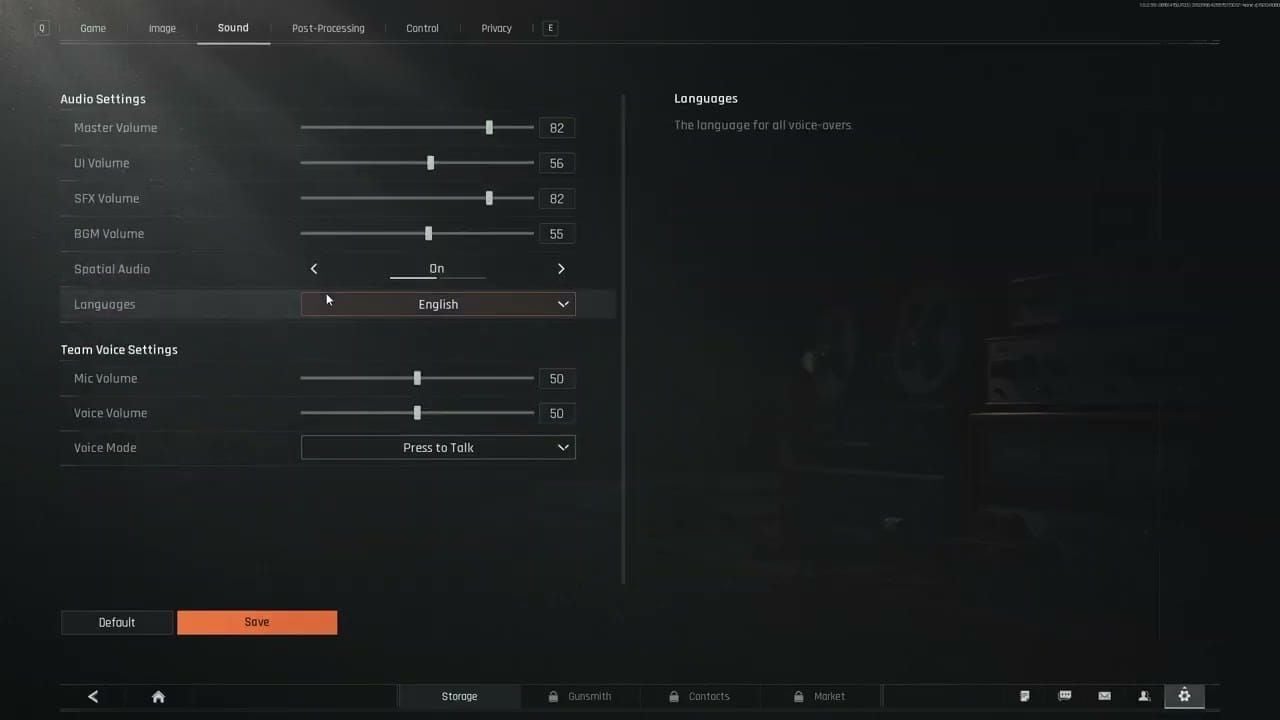
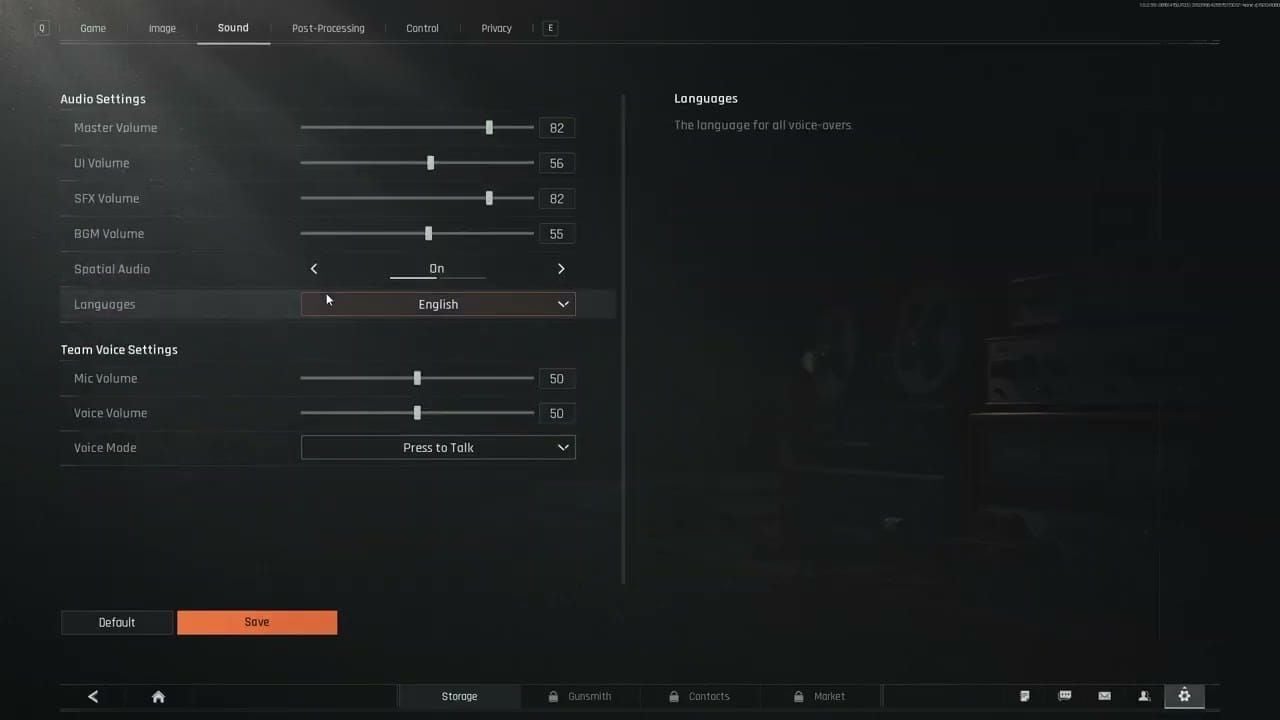
Audio becomes primary detection inside buildings. Optimize audio settings: master volume 70-80%, footsteps 100%, gunfire 100%, ambient 0%.
Rotation Paths That Minimize Exposure
Northridge Terminal South Route minimizes open-area exposure: Tool Shed → Admin → Substation → Extract. This path prioritizes interior spaces and covered transitions.
Time rotations during peak sandstorm density. Wind noise masking footsteps beyond 40m allows movement that would be audible in clear conditions.
Avoid predictable rotation timing. Vary your rotation speed and include deliberate pauses to disrupt timing predictions.
Engagement Decision-Making in Low Visibility
Engagement discipline separates profitable budget runs from costly losses. Sandstorm conditions create ambiguous situations where fight-or-flight decisions determine financial outcomes.
The 450,000 Koens loot cap creates a decision threshold. Once your inventory approaches this value, disengage from uncertain fights and prioritize extraction.
When to Fight vs When to Avoid
Engage when you hold positional advantage—interior spaces, thermal-blocking cover, or close-range ambush positions. MPX's 850 RPM fire rate and FAL's 124m effective range excel when you dictate engagement terms.
Avoid fights when enemies hold elevation, thermal scopes, or superior numbers. Budget loadouts can't overcome multiple disadvantages simultaneously.
Audio cues indicate enemy loadout quality. Suppressed fire suggests experienced players with premium builds. Unsuppressed fire often indicates budget opponents.
Optimal Engagement Distances for Budget Loadouts
MPX optimal range: 20-57m. Maximizes the 850 RPM fire rate advantage while remaining within effective range. Closer than 20m risks grenade counters; beyond 57m reduces hit probability significantly.
FAL optimal range: 50-124m. The 630 RPM semi-automatic fire provides controlled accuracy at mid-range where MPX loses effectiveness.
Avoid engagements beyond 124m. Budget optics and ammunition lack precision for reliable long-range performance.
Solo vs Squad Tactics
Solo play prioritizes stealth and engagement avoidance. Dust Loadout's 169,000 Koens cost allows profitable runs even with modest loot acquisition.
Squad play enables aggressive thermal counters through coordinated pushes. Multiple budget players can overwhelm single thermal users through simultaneous angles.
Communication becomes critical in squads during sandstorms. Reduced visibility increases friendly fire risks. Establish clear callouts for positioning and movement.
Reading Enemy Loadouts Through Audio Cues
Suppressed fire indicates premium loadouts with 150,000+ Koens investment. These players likely carry valuable loot but possess superior equipment.
Unsuppressed fire suggests budget opponents. Lack of suppressor investment indicates cost-conscious loadouts similar to yours.
Footstep audio reveals movement discipline. Constant sprinting indicates inexperienced players; varied movement speeds suggest tactical awareness.
Maximizing Profit with Budget Sandstorm Runs
Profit optimization requires balancing loot acquisition speed against combat risk. The 15-20 minute efficient Northridge Terminal run timeline creates a profit-per-hour framework.
The 450,000 Koens loot cap divided by 20 minutes equals 22,500 Koens per minute theoretical maximum. Realistic runs achieve 15,000-20,000 Koens per minute.
High-Value Loot Routes During Sandstorms
Northridge Terminal South Route (Tool Shed → Admin → Substation → Extract) optimizes loot density per meter traveled. This path features consistent high-value spawns while minimizing open-area exposure.
Admin building contains multiple loot containers with electronics and medical supplies averaging 80,000-120,000 Koens combined value. Prioritize these containers early in raids.
Substation offers final loot opportunities before extraction. The 12,000 Koens entry fee requires minimum 50,000 Koens loot for break-even.
Risk vs Reward: Choosing Your Fights Wisely
Engage only when potential loot exceeds your current loadout value. Fighting over 30,000 Koens loot with a 169,000 Koens loadout creates negative expected value.
Disengage when inventory exceeds 300,000 Koens. The opportunity cost of losing accumulated loot outweighs potential gains from additional combat.
Track your Koens-per-death ratio. Profitable players maintain 3:1 or higher ratios—earning 300,000+ Koens for every 100,000 Koens loadout loss.
Extraction Timing and Safe Path Selection
Extract during peak sandstorm density when thermal surveillance effectiveness minimizes. Reduced visibility creates extraction windows where even campers struggle to detect approaching players.
Vary extraction timing to avoid predictable patterns. Early extractions at 10-15 minutes surprise extraction campers expecting 30+ minute timings.
Use suppressed fire to clear extraction zones. The sub-30m detection range allows you to eliminate threats without alerting distant players.
Common Mistakes That Cost You Fights
Tactical errors compound in sandstorm conditions where visibility limitations reduce reaction time. Recognizing and correcting these mistakes improves survival rates and profitability.
Overcommitting to Engagements in Low Visibility
Pursuing wounded enemies into unknown areas creates ambush vulnerabilities. Sandstorm visibility prevents you from clearing angles before entry.
Reload discipline prevents overcommitment. MPX's 850 RPM depletes magazines rapidly. Reload behind cover rather than pursuing during empty magazines.
Recognize when engagements turn unfavorable. If initial shots don't secure kills, disengage using suppressors and crouch-walking.
Poor Audio Discipline During Sandstorms
Constant sprinting creates 190m detection range, advertising your position to all nearby players. Alternate between crouch-walking (57m detection, 60% audio reduction) and walking (90-120m detection).
Unnecessary actions create audio signatures. Jumping, vaulting, and opening doors generate distinct sounds that reveal your presence.
Audio settings optimization: master volume 70-80%, footsteps 100%, gunfire 100%, ambient 0%. Commander A headset's 0.7kg weight and audio quality complement these settings.
Neglecting Consumables in Budget Builds
Medical supply shortages end otherwise successful raids. Dust Loadout's 2x IFAK provides 7,000 Koens of healing, sufficient for 2-3 engagements.
Grenade utility justifies the 6,000 Koens investment. Grenades clear rooms, force enemy repositioning, and create audio distractions.
Ammunition conservation prevents mid-fight shortages. The 150 rounds of T3 AP6.3 (10,000 Koens) supports 5-6 engagements with disciplined fire.
Predictable Movement Patterns
Repeating the same routes creates patterns that experienced players exploit. Vary your Northridge Terminal path between South Route, alternative interior paths, and timing variations.
Looting patterns reveal your position. Spending excessive time in single locations allows enemies to predict your next movement.
Extraction route predictability enables camping. Approach extractions from unexpected angles using sandstorm concealment.
Season 11 Meta Shifts and Sandstorm Impact
Season 11 Dust to Gold launches December 18, 2025. Maintenance window runs December 18, 00:00-10:00 UTC+0, with matchmaking stopping December 17, 23:00 UTC+0. The 7-day preparation period starting December 11, 2025, allows players to stockpile resources and plan loadout strategies.
Sandstorms democratize combat by reducing the effectiveness of expensive equipment. The 50% Level 5 armor durability reduction and thermal scope limitations create opportunities for budget players to compete against premium loadouts on more equal terms.
How Sandstorms Changed PvP Dynamics
Pre-Season 11 meta favored long-range thermal dominance. Players with 500,000+ Koens loadouts controlled engagements through superior detection and armor. Sandstorms compress engagement ranges and reduce equipment advantages, shifting emphasis toward tactical skill.
The 450,000 Koens loot cap encourages faster raid cycles rather than extended looting. This tempo increase favors budget loadouts that minimize financial exposure per raid.
Detection range reductions (57-190m) eliminate long-range camping strategies. Players must close distance to detect targets, creating more dynamic engagements.
Current Weapon Meta for Weather Conditions
High fire rate weapons dominate sandstorm meta. MPX's 850 RPM and FAL's 630 RPM provide rapid target saturation critical when enemies appear suddenly at close range.
Suppressor adoption increased dramatically post-sandstorm introduction. The sub-30m detection range creates massive tactical advantages, making suppressors essential rather than optional.
Mid-range versatility weapons like the FAL gain popularity over specialized long-range or close-quarters options. The 124m effective range covers most sandstorm engagement distances.
Player Behavior Patterns During Sandstorms
Aggressive players exploit sandstorm concealment for close-range rushes. The 60% crouch-walking audio reduction enables approaches impossible in clear conditions.
Defensive players favor building interiors where thermal advantages disappear. Northridge Terminal Admin building sees increased traffic as players seek thermal-proof positions.
Extraction camping decreases during peak sandstorm density. Reduced visibility makes camping less effective, creating safer extraction windows.
Graphics Settings for Low-Visibility Optimization
Optimize graphics for sandstorm visibility: vegetation low, shadows low, post-processing low, view distance medium-high. These settings reduce visual clutter while maintaining detection range for enemy players.
Low vegetation settings improve ground-level visibility through reduced foliage density. This provides slight advantages in detecting prone or crouched enemies.
Medium-high view distance maintains player rendering at maximum sandstorm detection ranges (190m sprinting). Lower settings risk enemies rendering after they've detected you.
Frequently Asked Questions
What are the best budget weapons for Arena Breakout Season 11 sandstorms?
MPX at 88,000 Koens offers best value with 850 RPM fire rate and 57m effective range, perfect for sandstorm's compressed engagement distances. FAL at 135,000 Koens provides mid-range versatility with 630 RPM and 124m effective range. Both excel in sandstorm conditions where reduced visibility favors close-to-mid range combat.
How do thermal scopes work in Arena Breakout sandstorm conditions?
Thermal scopes costing 150,000-300,000 Koens face the same detection range limitations as standard optics during sandstorms: 57m crouched, 90-120m walking, 190m sprinting. Sandstorm particle density creates visual noise obscuring heat signatures, while building interiors and solid obstacles completely block thermal detection.
Can you counter thermal vision in Arena Breakout without expensive gear?
Yes, through tactical positioning and movement discipline. Suppressors reduce detection below 30m, crouch-walking cuts audio signatures by 60%, and building interiors block thermal detection entirely. Position behind heat-generating objects, use erratic movement patterns, and force close-range engagements where budget loadout fire rates overwhelm thermal users.
What is the cheapest effective loadout for Season 11 sandstorms?
Dust Loadout at 169,000 Koens total: MPX (88k), T3 AP6.3 150 rounds (10k), Level 3 chest (30k), Level 3 helmet (18k), 6-slot rig (10k), 2x IFAK (7k), 1 grenade (6k). This provides competitive firepower, adequate protection against budget ammunition, and sufficient medical supplies for 15-20 minute Northridge Terminal runs.
How does sandstorm weather affect visibility in Arena Breakout?
Sandstorms reduce detection ranges based on movement speed: 57m crouched, 90-120m walking, 190m sprinting. Wind noise masks footsteps beyond 40m, while particle density obscures visual identification. Level 5 armor durability drops 50% during sandstorms, making expensive protection less cost-effective.
Which armor provides best value during sandstorm fights?
Level 3 armor offers optimal value: chest armor at 30,000 Koens and helmet at 18,000 Koens provide protection against common budget ammunition while remaining affordable for consecutive runs. The 50% durability reduction for Level 5 armor during sandstorms makes high-tier protection economically inefficient.