


Identity V 2025 Meta Builds Guide: Best 36/39/129 Trait Pages for Every Rank
Master Identity V's competitive landscape with optimal 36/39/129 trait builds for 2025. This guide covers S-Tier character strategies, Season 39 updates, rank-specific recommendations, and proven meta builds delivering 15-20% win rate improvements.


How Trait Points Actually Work
Here's the thing about Identity V's persona system—it's not as complicated as it looks. Picture a clock face with branches at 12, 3, 6, and 9 o'clock. You get 40 points per match to unlock two Final Talents, and honestly? Most players overthink this part.
The 36 build hits the 3-6 o'clock paths hard. We're talking rescue optimization that can save matches. Meanwhile, 39 builds go 3-9 for kiting—because sometimes you just need to run circles around hunters for 60+ seconds.
Season 39 dropped on September 17, 2025, and changed everything. Chair saves got 10-15% faster (finally!), but healing took a 5-10% nerf. Translation? Aggressive rescue strategies are king now. Characters like Mercenary and Coordinator went from good to essential overnight.
Quick note on rewards: that Nightmare Nightstalker costume at the 600th block costs 1,388 Echoes. Worth it? Depends on your wallet and how much you care about looking intimidating.
For reliable echo top-ups to unlock premium content and seasonal rewards, buy Identity V echoes instant recharge through BitTopup's secure platform. BitTopup offers competitive pricing with instant delivery and verified payment methods for account security.
The Real Differences Between Point Tiers
Let me be blunt about the 36 build—it's a rescue machine. 90% success rates at 80-90% chair progress when two teammates run it? That's not luck, that's math. Borrowed Time gives you 50% health and speed for 5 seconds after the final cipher pops, while Tide Turner provides 20 seconds of post-rescue invincibility. Anti-camping at its finest.
The 39 build is all about early chase survival. Knee Jerk Reflex bumps vault speed by 30% for 3 seconds (40-second cooldown). Season 39 tweaked this to 20-30% post-vault speed, but it's still clutch on window-heavy maps. Good kiters see 50-60 second chase durations with a solid 20% advantage over 36 builds.
Now, the 129 build? That's where things get spicy. We're using 1-2-9 paths with Flywheel Effect for 0.5-second dash immunity. Master this, and you're looking at endless kiting strategies that boost squad win rates by 15-20% on large maps like Lakeside Village. Not for beginners, though.
When Each System Makes Sense
Build selection isn't random—it's strategic. The 36 build shines in support roles and solo queue hell where rescue reliability keeps you sane. Mercenary users absolutely dominate on maps like Arms Factory, where that 10-15% faster rescue capability counters camping strategies beautifully.
Go with 39 builds for kiting-focused characters like Antiquarian, especially on small maps packed with windows. Pair this with Mechanical Flute for hunter disruption—those audio cues can interrupt abilities like Geisha dashes at crucial moments.
The 129 build excels against mobile hunters (looking at you, Violinist) and in duo hunter scenarios requiring 7 cipher completions. Prospector users see 15-20% win rate improvements, combining magnet abilities with Flywheel immunity for evasion patterns that'll make hunters rage quit.
2025 Meta Analysis: What's Actually Working
The Current Season Landscape
Active abilities rule 2025. Passive traits? They're taking a backseat. Base cipher decoding still takes 81 seconds, but coordinated teams knock out all 5 ciphers in 6-7 minutes. That's where characters like Mechanic shine with 200% decoding speeds through robot assistance.
S-Tier survivors earned their spots through pure utility: Mechanic for immune decoding, Priestess for portal repositioning and stuns, Seer for owl shields and revelation intel, and Antiquarian for Mechanical Flute knockback that creates rescue windows out of thin air.

Hunter rankings follow a 35-point system evaluating camp resistance, chase potential, and map control. Dream Witch sits at the top with perfect 35/35 ratings for multi-area chaos, while Breaking Wheel achieved S+ status with 80% speed boosts and instant pallet destruction. Terrifying stuff.
What Everyone's Actually Running
Asian servers love aggressive rescue strategies with 36 builds. So much so that rescue-focused characters get banned constantly in ranked. Teams run double Tide Turner configurations for 90%+ rescue success rates—it's almost unfair.
Global servers lean toward decoder-focused 129 builds during peak hours (4:00-6:00, 12:00-14:00, 18:00-22:00 server time). The coordination supports sustained decoding strategies, and that 15-20% win rate improvement on large maps? Pure gold for climbing ranks.
For competitive players investing in ranked progression, Identity V echoes recharge for ranked matches through BitTopup ensures access to premium characters and skins providing psychological advantages. BitTopup's instant delivery and 24/7 support guarantee uninterrupted gameplay during crucial ranking periods.
How Pros Shape the Meta
Tournament play shifts the meta every 2-3 months like clockwork. The current optimal squad? Mechanic-Priestess-Mercenary-Seer with 1-1-1-1 role distribution. Balanced coverage for decoding, mobility, rescue, and protection—textbook stuff.
Professional players pull off insane techniques like chaining Knee Jerk Reflex with Flywheel Effect for immunity bursts. We're talking 60+ second kites through frame-perfect timing. Takes 100-200 matches to master, but it's consistency gold for Mammoth tier and above.
Upcoming Lanternist (October 10, 2025) brings 10% cipher boosts and 1.5-second indestructible pallets. My prediction? Meta shifts toward assist strategies combining Priestess-Prospector synergies. Mark my words.
Optimal 36-Point Survivor Builds
Decoder-Focused Configurations
Decoder 36 builds prioritize cipher completion while keeping rescue capability in your back pocket. Mechanic users—listen up. Position robots at distant ciphers before chases start. That 200% decoding speed with hunter immunity is your bread and butter. Prime ciphers at 98-99% completion to sync Borrowed Time activation with endgame scenarios.
Build sequence matters: 5 points in Borrowed Time first, add Tide Turner for rescue scenarios, finish with Exit Path for that clutch self-revive. Works best when two team members pack Tide Turner—rescue redundancy saves matches.

Prisoner builds focus on connection abilities for cipher linking while providing escape options through Borrowed Time speed boosts. Pro tip: practice in training mode by rescuing at 49% chair progress and body-blocking from the chaired survivor's right side. Trust me on this one.
Support Character Optimization
Coordinator needs modified 36 builds because of that brutal 60% decoding debuff when chaired. Offset it through quick rescue capabilities and +30% chair time extension. Her flare gun provides reliable stuns on small maps like Red Church—use it wisely.
Mercenary is the 36 build poster child. Tank 3 hits for 60+ second kites while extending chair time by 30%. Synergizes perfectly with Tide Turner for post-rescue body-blocking. Peak performance on small maps with predictable pathing.
Forward users adapt 36 builds by incorporating Rugby dash timing with rescue windows. The stun capability during kites and rescues provides extra utility—particularly effective against hunters with predictable attack patterns.
Kiting with 36 Builds
Kiting-focused 36 builds sacrifice chase potential for team utility. Not ideal, but sometimes necessary. Seer users benefit through owl shield protection combined with Borrowed Time speed boosts for extended chases. Revelation intel provides team value during cipher rushes.
Perfumer builds utilize 36 configurations for recall timing with rescue scenarios—creates unique positioning opportunities. Upcoming buffs to teleport range and cooldown will enhance this synergy significantly.
Advanced techniques include fake rescue animations and quick chat coordination using Stay put, I'm coming! for team sync. Avoid early pallet drops and limit rescues to 1-2 per survivor. More than that? You're feeding.
Advanced 39-Point Survivor Strategies
High-Tier Ranked Applications
The 39 build dominates high-tier ranked through enhanced early chase survival. Allocate 40 points into 3-9 o'clock paths combining Borrowed Time with Knee Jerk Reflex, then add Weber's Law and Herd Behavior. That 30% vault speed boost stacks through chained vaulting sequences—beautiful when executed properly.
Season 39 adjustments to Knee Jerk Reflex (20-30% post-vault speed) maintain effectiveness while requiring timing adaptation. Chain vaults strategically to maximize speed boost duration. Particularly nasty on window-heavy maps supporting 50-60 second kite durations.
Antiquarian users achieve optimal results through Mechanical Flute integration for hunter disruption. Knockback creates rescue windows and protects cipher progress while enhanced vault speed provides escape options during failed disruption attempts. It's all about timing.
Tournament-Level Execution
Professional tournament play showcases advanced 39 build applications through character-specific optimizations. Priestess users combine portal positioning with vault speed enhancements for repositioned stuns and escape routes that confuse hunter tracking completely.
The 39 build provides a 20% advantage over 36 builds on maps with abundant vaulting opportunities—making map knowledge absolutely crucial. Study layouts to identify optimal vaulting routes and portal positions maximizing effectiveness during tournament play.
Advanced techniques include combining Knee Jerk Reflex with character abilities for enhanced mobility. Forward users chain Rugby dashes with vault speed boosts for extended positioning, while Prospector utilizes magnet abilities during vault sequences. Frame-perfect stuff.
Character-Specific Variations
Seer users prioritize owl shield timing with vault sequences, using revelation intel to predict hunter movements and optimize vaulting routes. Creates opportunities for 50-60 second kites while providing team utility—best of both worlds.
Mechanic builds focus on robot positioning combined with vault speed enhancements for escape options when decoding positions get compromised. Curve robot paths to dodge abilities like Guard 26 bombs while maintaining decoding pressure.
Rare 69 variant builds exist for specialized Mechanic applications, amplifying decoding capabilities but risking self-priming scenarios. Requires extensive practice and map knowledge—suitable only for experienced players who know what they're doing.
Hunter 129-Point Meta Builds
Control Hunter Configurations
Hunter 129 builds focus on map control and cipher pressure through strategic trait allocation. Dream Witch users achieve optimal results through follower positioning enhanced by traits improving teleportation speed and area denial. Multi-area chaos potential requires precise follower management and serious map awareness.

Breaking Wheel builds emphasize that insane 80% speed boost and instant pallet destruction through traits enhancing chase potential and reducing cooldowns. Particularly effective on large maps where enhanced mobility creates opportunities for quick downs.
Sculptor builds utilize the 129 system for versatile sculpture placement and enhanced map control. Trait allocation supports both offensive and defensive sculpture strategies, allowing adaptation to different team compositions and map layouts. Flexibility is key.
Chase Hunter Optimization
Geisha builds benefit from 129 configurations through enhanced teleportation abilities and reduced cooldown periods for near-instant positioning. Trait allocation supports aggressive chase strategies while maintaining cipher pressure through strategic positioning.
Violinist builds focus on enhanced mobility and note accuracy through trait combinations improving chase potential on large maps. The 129 system supports sustained pressure campaigns preventing cipher completion through constant repositioning—exhausting for survivors.
Advanced chase techniques include ability chaining and cooldown management for sustained pressure. Study survivor movement patterns and common escape routes to predict positioning and optimize ability usage. Knowledge is power.
Map-Specific Adaptations
Large maps like Lakeside Village favor 129 builds through enhanced mobility and area coverage. Trait allocation supports rapid repositioning between cipher clusters and provides tools for managing multiple survivor groups simultaneously.
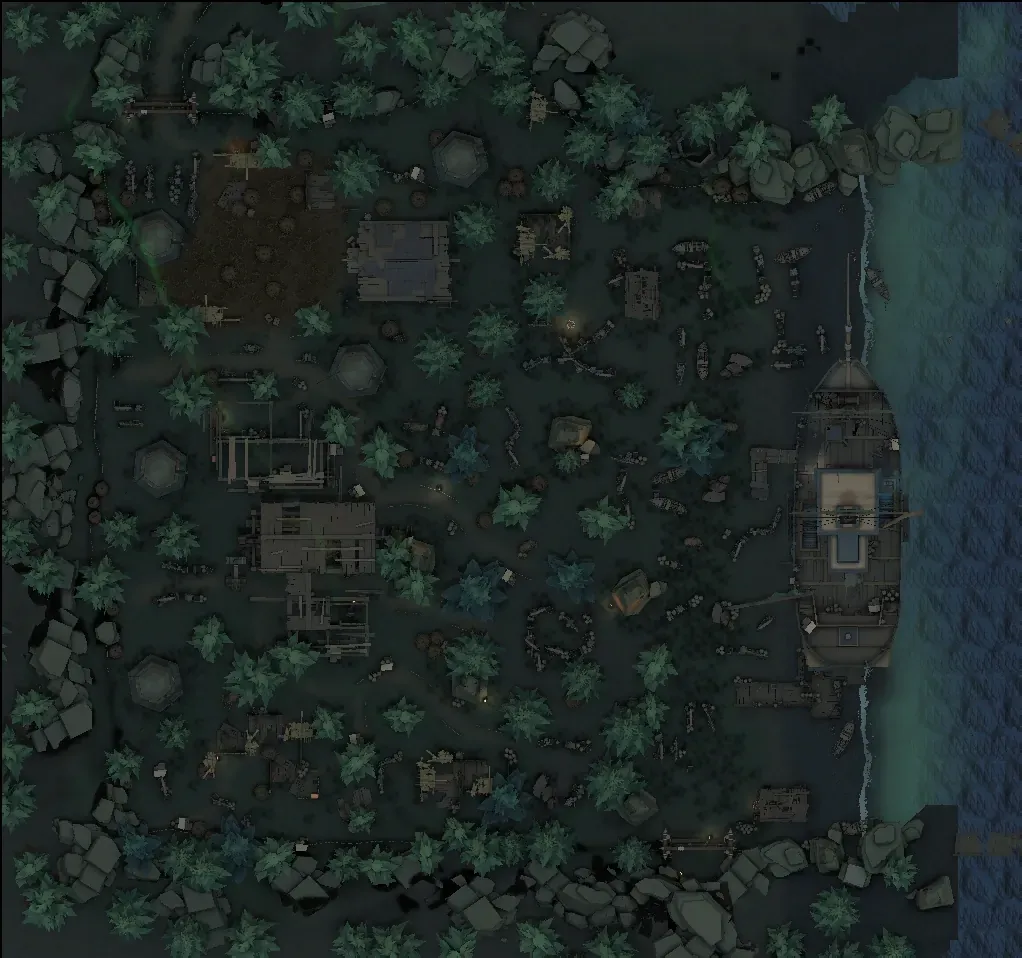
Small maps require modified 129 approaches focusing on area denial and quick elimination strategies. Enhanced abilities provide tools for managing tight spaces and preventing survivor coordination through strategic positioning.
Multi-story maps benefit from 129 builds through enhanced vertical mobility and positioning options. Hunters like Sculptor and Dream Witch utilize trait enhancements for complex positioning strategies challenging survivor escape routes. Three-dimensional thinking required.
Rank-Specific Build Recommendations
Low Tier Fundamentals
Worker Bee to Titan ranks benefit from 36 builds incorporating Exit Path self-revive for learning fundamental rescue and survival mechanics. New players should focus on basic positioning and ability timing rather than complex trait combinations—walk before you run.
Beginners should start with 39 builds for easier vault timing and Forward stuns providing immediate feedback. That 30% vault speed boost offers clear advantages helping new players understand positioning concepts without overwhelming complexity.
Practice basic techniques in Quick Matches for 20-30 games to develop fundamental skills before attempting ranked play. Focus on cipher contribution, rescue timing, and basic kiting. Master the basics first.
Mid Tier Development
Intermediate players (Hound to Mammoth) should experiment with character-specific trait combinations like Perfumer recall timing with Flywheel Effect. These require 50-100 matches to master but provide significant competitive advantages when executed properly.
Mid-tier players benefit from replay analysis to identify positioning errors and timing mistakes affecting build effectiveness. Focus on achieving consistent 60+ second kites and proper rescue timing—consistency beats flashy plays.
Develop specialization in 2-3 characters with optimized trait builds rather than attempting to master all characters simultaneously. Provides deeper understanding of character mechanics and trait synergies. Quality over quantity.
High Tier Competitive Requirements
Mammoth tier and above requires mastery of frame-perfect timing and advanced trait combinations. Players should utilize 129 builds for complex evasion patterns and ability chaining challenging experienced hunters who know every trick in the book.
High-tier play demands adaptation to bans and meta shifts through flexible build strategies and character pools. Maintain proficiency with multiple build types and characters to respond to draft restrictions—versatility wins games.
Professional-level execution requires 100-200 matches with specific builds to achieve consistency needed for tournament play. Focus on perfecting advanced techniques like immunity burst timing and complex positioning strategies. No shortcuts here.
Character-Specific Trait Optimization
Popular Survivor Configurations
Mechanic optimization focuses on robot positioning and decoding efficiency through traits enhancing multitasking capabilities. That 200% decoding speed with hunter immunity requires strategic robot placement and movement prediction. Practice robot pathing in training mode—seriously.
Priestess builds emphasize portal positioning and stun timing through trait combinations enhancing mobility and area control. Network portal strategies require advanced map knowledge and spatial awareness for effective escape routes.
Seer builds balance owl shield protection with revelation intel through traits enhancing team utility and personal survival. The combination provides defensive and offensive capabilities supporting team coordination beautifully.
Meta Hunter Setups
Dream Witch builds require complex follower management enhanced by traits improving teleportation and area denial. Multi-area pressure potential demands precise positioning and strategic planning to prevent cipher completion—not for casual players.
Breaking Wheel configurations focus on enhanced mobility and destruction capabilities through traits amplifying natural advantages. Instant pallet destruction and speed boost create opportunities for quick eliminations that end matches fast.
Sculptor builds utilize versatile sculpture placement enhanced by traits improving area denial and positioning options. The combination requires strategic planning and timing to maximize map control effectiveness.
Niche Character Strategies
Toy Merchant received buffs on October 31, 2025, providing 4% vault speed per item with 12% maximum enhancement. This character benefits from specialized trait builds amplifying item effectiveness and positioning capabilities—underrated pick.
Upcoming Lanternist will introduce new trait synergies requiring adaptation and experimentation. Those 10% cipher boosts and enhanced pallet capabilities will likely create new meta possibilities worth exploring.
Advanced players should experiment with unconventional character and trait combinations to discover new strategic possibilities and counter-meta approaches through unexpected capabilities. Innovation wins tournaments.
Counter-Building and Meta Adaptation
Reading Enemy Compositions
Effective counter-building requires analysis of enemy team compositions and hunter selections to optimize trait allocation for specific matchups. Study character abilities and common strategies to predict enemy approaches—knowledge is your best weapon.
Identify key threats in enemy compositions such as strong kiters, efficient decoders, or reliable rescuers to prioritize counter-strategies through trait optimization. Focus build selection on neutralizing primary threats while maintaining team utility.
Advanced players should develop multiple build options for different scenarios and matchups to maintain strategic flexibility during draft phases. Enables rapid adaptation to unexpected compositions that catch teams off guard.
Flexible Build Strategies
Maintain proficiency with multiple build types to adapt to changing meta conditions and team requirements. The ability to switch between 36, 39, and 129 builds based on team composition provides significant strategic advantages—versatility matters.
Develop understanding of build strengths and weaknesses to make informed decisions during character selection and trait allocation. Enables optimization for specific scenarios determining match outcomes.
Practice build transitions and adaptation strategies to respond to changing match conditions and enemy strategies. The ability to modify approaches mid-match provides crucial competitive advantages when things go sideways.
Seasonal Adaptation
Season 39 changes require adaptation of established build strategies to account for healing nerfs and rescue buffs. Those 10-15% faster chair saves and 5-10% healing reductions favor aggressive rescue strategies—adapt or lose.
Monitor upcoming patches and character releases to anticipate meta shifts and prepare appropriate build adaptations. The trend toward active abilities suggests continued evolution toward dynamic gameplay.
Maintain awareness of regional meta differences between Asian and Global servers to optimize build selection for specific server environments and player preferences affecting character priorities. Different regions, different strategies.
Tools and Resources for Build Optimization
Testing Your Builds
Utilize in-game training mode for 40-point simulations and build testing without external dependencies. Practice rescue timing at 49% chair progress and chain ability combinations like Knee Jerk Reflex with Flywheel Effect—muscle memory saves matches.
Test build effectiveness through customs and replay analysis to identify positioning errors and timing mistakes affecting performance. Focus on metrics like cipher contribution, kite duration, and rescue success rates.
Develop systematic testing approaches for new builds and character combinations to ensure consistent performance before implementing in ranked play. Prevents costly mistakes during competitive matches—trust me on this.
Tracking the Meta
Monitor community discussions and tournament results to identify emerging trends and strategic developments affecting build optimization. Professional play often introduces new techniques influencing meta development every few months.
Track character usage rates and ban frequencies to understand meta priorities and strategic preferences across different skill levels and regions. Guides build selection and character specialization decisions effectively.
Analyze patch notes and developer communications to anticipate changes affecting trait effectiveness and strategic viability. Early adaptation provides competitive advantages during meta transition periods—be ahead of the curve.
Community Knowledge
Engage with experienced players and community experts to learn advanced techniques and strategic insights improving build optimization and execution. Community knowledge provides practical tips for common challenges you'll face.
Participate in community discussions and strategy sharing to contribute to collective knowledge and learn from diverse perspectives. Collaboration enhances understanding of complex strategic concepts that aren't obvious.
Utilize community-created guides and analysis to supplement personal experience with broader strategic knowledge and proven techniques from successful players. Standing on the shoulders of giants works.
Common Mistakes and Advanced Tips
Trait Allocation Pitfalls
Avoid early pallet drops and excessive rescue attempts (>2 per survivor) that compromise team positioning and strategic flexibility. Focus on efficient resource usage and strategic timing rather than reactive responses—patience wins games.
Prevent unsafe rescues at >50% chair progress without Tide Turner equipment by understanding rescue timing and success probability calculations. Use Stage 1 rescues (0-49% progress) for optimal success rates.
Eliminate over-reliance on specific builds without understanding underlying strategic principles and adaptation requirements. Develop flexible approaches responding to changing match conditions and enemy strategies.
Professional Insights
Professional players emphasize consistent execution over complex techniques, focusing on reliable strategies providing predictable advantages rather than high-risk approaches with variable outcomes. Consistency enables sustained elite performance—flashy plays don't win tournaments.
Advanced techniques like frame-perfect timing and complex ability chaining require extensive practice but provide crucial competitive advantages. Invest time mastering fundamental techniques before attempting advanced combinations.
Professional-level strategic thinking involves constant adaptation and learning from both successes and failures to refine approaches and improve performance over time. Growth mindset enables continued improvement at the highest levels.
Future Meta Predictions
The trend toward active abilities and enhanced mobility suggests continued evolution toward dynamic gameplay requiring strategic adaptation and build flexibility. Prepare for increased complexity in future updates—the game keeps evolving.
Upcoming character releases and balance changes will likely introduce new strategic possibilities and meta shifts requiring adaptation and experimentation. Maintain flexibility and openness to new approaches.
Long-term success requires continuous learning and adaptation to changing meta conditions and strategic developments. Invest in fundamental skills and strategic understanding remaining valuable across different meta environments. Some things never change.
FAQ
What's the difference between 36, 39, and 129 builds in Identity V? 36 builds focus on rescue optimization using 3-6 o'clock paths with Borrowed Time and Tide Turner, achieving 90% rescue success rates. 39 builds emphasize kiting through 3-9 paths with Knee Jerk Reflex for 30% vault speed boosts. 129 builds utilize 1-2-9 paths with Flywheel Effect for advanced evasion, providing 15-20% win rate improvements on large maps.
Which build should beginners use in Identity V 2025? New players should start with 39 builds for easier vault timing and immediate feedback on positioning effectiveness. The 30% vault speed boost from Knee Jerk Reflex provides clear advantages while learning fundamental chase mechanics. Practice 20-30 Quick Matches before attempting ranked play.
How do Season 39 changes affect trait builds? Season 39 introduced 10-15% faster chair saves and 5-10% healing nerfs, favoring aggressive rescue strategies with 36 builds. Knee Jerk Reflex was adjusted to 20-30% post-vault speed, maintaining 39 build effectiveness while requiring timing adaptation.
What are the best traits for S-Tier survivors? S-Tier survivors benefit from specialized builds: Mechanic uses 36/129 for decoding with rescue backup, Priestess employs 39/129 for portal mobility, Seer utilizes 36/39 for protection utility, and Antiquarian optimizes 39 builds for Mechanical Flute disruption.
How often should I change my trait builds? Adapt builds based on team composition, map selection, and enemy hunter choice. Maintain proficiency with 2-3 build types per character for strategic flexibility. Season updates typically require build evaluation every 2-3 months.
What's the most effective counter-build strategy? Analyze enemy compositions to identify primary threats: use 36 builds against camping hunters, 39 builds against chase-focused hunters, and 129 builds against mobile hunters like Violinist. Prioritize traits that neutralize enemy strengths while maintaining team utility.
Recommended News





Recommend products



Table of Contents
- Understanding Identity V Trait Systems: The 36/39/129 Breakdown
- How Trait Points Actually Work
- The Real Differences Between Point Tiers
- When Each System Makes Sense
- 2025 Meta Analysis: What's Actually Working
- The Current Season Landscape
- What Everyone's Actually Running
- How Pros Shape the Meta
- Optimal 36-Point Survivor Builds
- Decoder-Focused Configurations
- Support Character Optimization
- Kiting with 36 Builds
- Advanced 39-Point Survivor Strategies
- High-Tier Ranked Applications
- Tournament-Level Execution
- Character-Specific Variations
- Hunter 129-Point Meta Builds
- Control Hunter Configurations
- Chase Hunter Optimization
- Map-Specific Adaptations
- Rank-Specific Build Recommendations
- Low Tier Fundamentals
- Mid Tier Development
- High Tier Competitive Requirements
- Character-Specific Trait Optimization
- Popular Survivor Configurations
- Meta Hunter Setups
- Niche Character Strategies
- Counter-Building and Meta Adaptation
- Reading Enemy Compositions
- Flexible Build Strategies
- Seasonal Adaptation
- Tools and Resources for Build Optimization
- Testing Your Builds
- Tracking the Meta
- Community Knowledge
- Common Mistakes and Advanced Tips
- Trait Allocation Pitfalls
- Professional Insights
- Future Meta Predictions
- FAQ



Recommended News
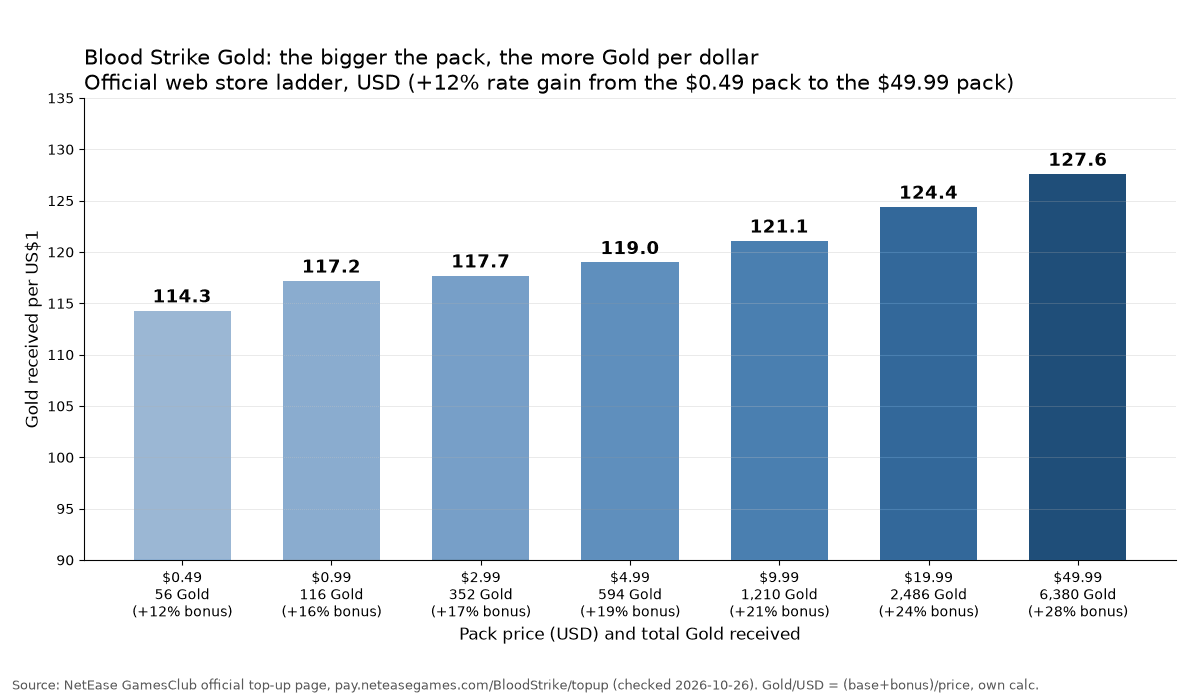
Blood Strike Top-Up Guide (October 2026): Gold Value Ladder, Triple Top-Up Timing and Bunny Force Pass Math

Free Fire Beginner Guide: What to Unlock and What to Skip in 2026

Guild Fest Rewards Worth It? 2026 Selection Priority Guide

Are Microsoft Rewards Milestones Worth It for Office in 2026?

How to Get Free Gold in Marvel Snap in 2026 (All F2P Methods)
Never After Free Gift Packs: Active Codes and Drops Guide (2026)
How to Reach Eggsecutive VP Salmon Run in Solo Freelance Matches

How to Farm Rare Skin Fragments in MLBB | August 2026