What Constitutes Chargeback Fraud
- Disputing authorized purchases you received
- Claiming non-delivery when currency appeared in your account
- Repeated refund patterns across merchants
Banks track these behaviors, damaging credit scores and terminating merchant relationships. Payment processors share fraud databases—violations in Identity V affect other mobile games and digital platforms.
Google Play Refunds vs Bank Disputes
Google Play refunds communicate with NetEase, providing transaction details and reasons. Direct chargebacks bypass this entirely—your bank reverses charges without consulting the developer, leaving them with lost revenue and delivered goods.
NetEase receives chargeback notifications days or weeks later, after you've used purchased Echoes. This creates adversarial relationships triggering penalty systems.
NetEase's Payment Reversal Policy
Terms of Service explicitly prohibit payment manipulation (license 56961-2). Detection systems monitor transaction patterns, flagging accounts with refund histories regardless of amounts.
Enforcement prioritizes ecosystem integrity over individual cases. Automated systems can't reliably distinguish intent. A $5 refund might eliminate accounts containing hundreds in purchases and progress.
Device ID Ban vs Account Ban: Critical Differences
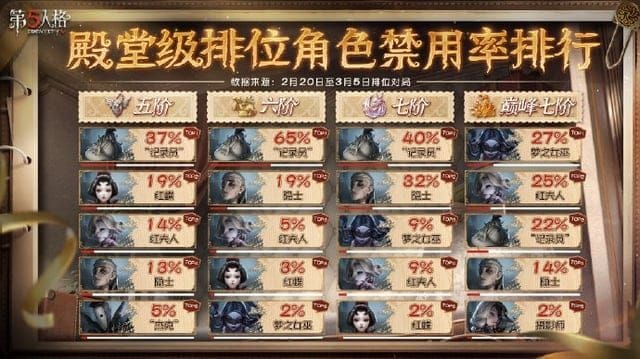
Account bans restrict specific Identity V profiles—you can't login on any device. Device ID bans target hardware identifiers, blocking all accounts on that phone/tablet. Device bans are more severe with longer-lasting consequences.
How NetEase Tracks Device IDs
Android and iOS devices generate persistent identifiers surviving security measures:
- MediaDRM (Android): 13,285,081 unique values, persists after factory resets (confirmed on OnePlus 8 Pro)
- AndroidID: 13,402,601 unique values, less persistent (0.54% associate with multiple MediaDRMs)
- iOS identifiers: Similar persistence on iOS 10.0+ (Identity V's minimum requirement)
NetEase uses multi-factor fingerprinting combining MediaDRM, AndroidID, and hardware specs for composite identifiers resistant to manipulation.
Account-Level Penalties
NetEase announced penalties December 2, 2025, for November 2025 violations. Permanent bans target smurfing (alternate accounts manipulating matchmaking) and chargeback fraud.
Account bans affect only specific profiles. You can create new accounts on the same device, but this risks escalation if the original ban involved payment issues. NetEase tracks account creation patterns from devices with chargeback histories.
Hardware-Based Restrictions
Device ID bans persist through factory resets because MediaDRM remains constant. True Device ID maintains consistency after app reinstallation on Android and iOS, even on rooted devices.
Buying new devices bypasses hardware bans but costs significantly. Identifier spoofing through modified ROMs violates Terms of Service and risks detection through behavioral analysis. NetEase's anti-cheat upgrades (November 27, 2025) detect anomalous device configurations.
Cross-Platform Synchronization
CN servers link to Global servers, enabling data sharing. Penalties synchronize across infrastructure—switching regions doesn't circumvent bans. Account binding (email, phone, social media) creates tracking layers beyond device identifiers.
Payment histories synchronize too. Chargeback penalties on Global servers trigger flagging on CN servers with the same payment method or device.
Will One Refund Ban Your Account?
No confirmed permanent device bans from single Google Play refunds exist. But NetEase's automated systems evaluate multiple factors: disputed amount, timing, refund reason, and account history.
Single Refund Outcomes
Mixed community reports: some refund accidental purchases within 48 hours without consequences. Others face restrictions days/weeks after minor disputes, indicating delayed enforcement or threshold triggers.
Iruna Online precedent: a player received a 2025 ban for a 2017 purchase issue. Payment penalties persist across years. The game continued accepting purchases after the ban—a pattern potentially existing in Identity V.
Refund Amount Thresholds
NetEase doesn't publish thresholds, but higher-value disputes receive greater scrutiny. Payment processors charge merchants fees per chargeback regardless of amount, but larger disputes create proportionally greater losses.
Risk calculation: disputing $5 while risking a $500 account represents poor management. Absorb small losses rather than trigger penalty systems.
Timing Factors
Enforcement varies by detection mechanisms and review queues. Some restrictions appear within 24 hours; others take weeks. NetEase may batch penalties during periodic cycles rather than real-time responses. December 2, 2025 penalties targeting November 2025 violations demonstrate delayed enforcement.
First-Time Offenders
Upgraded AFK detection (November 27, 2025) includes warnings before permanent penalties, suggesting graduated enforcement. But payment violations may receive harsher treatment than gameplay infractions—they involve financial fraud.
Disputing through customer service signals good faith. Bank chargebacks imply adversarial action.
NetEase's Penalty Enforcement System
Multi-layered detection combines automated monitoring, behavioral analysis, and manual review.
Automatic Detection
Payment processors notify merchants immediately when chargebacks occur. NetEase cross-references transaction details against player databases using account IDs, device IDs, payment methods, and IP addresses.
Advanced fingerprinting tracks players across account creation. New profiles trigger scrutiny when systems recognize MediaDRM identifiers—which survive factory resets.
Three-Tier Penalty Structure

Observable patterns suggest:
- Tier 1 - Warning/Temporary: First-time minor violations get warnings or 24-72 hour suspensions. Access to purchased content remains but no new transactions or ranked matches.
- Tier 2 - Extended Suspension: Repeated violations or moderate chargebacks trigger 7-30 day suspensions with potential seasonal reward loss.
- Tier 3 - Permanent Ban: Multiple chargebacks, high-value disputes, or systematic fraud result in permanent termination.
Escalation Path
Progression depends on frequency, amounts, and player response. Tier 1 warnings with immediate behavior correction avoid escalation. Continuing disputes or creating new accounts accelerates permanent bans.
Violation histories track across extended periods. The Iruna case shows payment flags persist indefinitely—isolated incidents years apart combine to trigger severe penalties.
Regional Variations
CN servers require strict real-name verification and anti-addiction systems. Global servers operate under different legal frameworks but maintain consistent anti-fraud measures.
Server synchronization shares penalty data across deployments. Device ID tracking functions identically regardless of server. Switching regions after penalties extends restrictions to new environments.
Common Refund Policy Misconceptions
Myth: 48-Hour Refunds Are Safe
Google's 48-hour window doesn't provide immunity. Even refunds requested within minutes generate developer notifications showing transaction reversals and delivered goods.
NetEase doesn't distinguish fast vs slow refunds. Detection focuses on payment reversal after Echo delivery, not elapsed time.
Myth: Changing Payment Methods Avoids Detection
Switching from credit cards to PayPal/gift cards fails because NetEase tracks accounts and devices, not payment methods. MediaDRM identifiers remain constant across payment method changes.
Myth: Only Accounts Get Banned
Device ID bans block all accounts on affected hardware. MediaDRM persistence (13,285,081 unique values surviving resets) means hardware bans render devices unusable for Identity V.
While no explicit confirmation exists for widespread device bans from single refunds, the infrastructure exists and documented cases from other games demonstrate its use.
Truth: Risk-Based Enforcement
NetEase likely considers:
- Violation history (first-time vs patterns)
- Dispute amounts (higher values = stricter responses)
- Account value (established accounts may get appeals consideration)
- Communication (contacting support before chargebacks shows good faith)
- Refund method (Google Play requests vs bank chargebacks)
No published penalty matrices exist—this ambiguity deters players from calculating safe thresholds.
Legitimate Chargeback Alternatives
Contact NetEase Support Directly
Submit support tickets before initiating refunds. Include transaction IDs, screenshots, and clear explanations. Customer service investigates without triggering automated penalties.
Response times: 24-48 hours for initial replies. Complex cases take longer, but patience protects accounts. NetEase can issue manual refunds or credits resolving problems without adversarial reversals.
Document Transaction Issues
Gather before contacting support:
- Google Play receipts with transaction IDs and timestamps
- Screenshots showing problems (missing Echoes, incorrect amounts, duplicates)
- Account details (player ID, server region)
- Event timeline from purchase through problem discovery
- Error messages or unusual system behavior
Thorough documentation demonstrates legitimate concerns vs buyer's remorse.
Justified vs Risky Disputes
Legitimate scenarios:
- Unauthorized purchases (hacking, child access)
- Technical failures (charged but Echoes never delivered)
- Duplicate charges (single purchase processed multiple times)
Risky scenarios:
- Buyer's remorse (regretting purchases after using Echoes)
- Gacha dissatisfaction (not receiving desired items)
- Perceived poor value (items not worth cost)
Safe Top-Up Through BitTopup
Top up idv echoes cheap through BitTopup eliminates chargeback concerns. The platform handles payment processing before delivering currency, creating a buffer preventing direct chargeback flags.
Protective advantages:
- Transaction verification prevents accidental orders
- Instant delivery (minutes) eliminates delivery disputes
- 24/7 support resolves issues before escalation
- Competitive pricing reduces refund motivations
- Secure processing with fraud protection
Account Recovery After Penalties
Appeal Process
- Verify penalty reason via email/in-game messages
- Gather supporting evidence (transaction records, customer service communication)
- Submit formal appeal through official channels
- Provide detailed explanation acknowledging mistakes
- Demonstrate corrective action (reversed chargeback, paid amounts, secured account)
- Follow up periodically without excessive contact
Required Documentation
- Payment records (bank statements showing disputed transaction and corrections)
- Communication history with NetEase
- Account security evidence (password changes, two-factor authentication)
- Timeline documentation
- Character references (purchase history, community standing, no prior violations)
Resolution Timeframes
- Simple cases: 5-7 business days
- Complex situations: 2-3 weeks
- Permanent bans: 30+ days
Success Rates by Violation
- Unauthorized access: 40-60% with strong compromise evidence
- Accidental purchases: 60-80% for first-time with immediate reporting
- Technical failures: 70-90% when logs confirm delivery problems
- Intentional fraud: <10%
Key differentiator: intent. Good faith and corrective action receive favorable consideration.
Prevention Strategies
Verify Purchases Before Completing
- Read confirmation screens completely (item, quantity, price)
- Check Echo balance to avoid duplicates
- Review payment method selection
- Enable purchase authentication (password/fingerprint/face recognition)
Use Trusted Platforms Like BitTopup
- Pre-purchase verification with cancellation options
- Transaction history through account dashboard
- Support staff can cancel orders before delivery
- Fraud protection detecting unusual patterns
- Regular discounts reducing refund pressure
Enable Confirmations and Receipts
- Email receipts to monitored addresses
- Real-time purchase notifications
- Spending limits on payment methods
- Regular statement reviews
Family Sharing Protections
- Separate device user profiles
- Parental controls requiring approval
- Remove stored payment info from children's devices
- Educate family on purchase mechanics
FAQ
Does one Google Play refund permanently ban your Identity V account?
No confirmed permanent device bans from single refunds exist. NetEase flags all payment reversals regardless of amount. First-time minor refunds may get warnings, but no guaranteed safe threshold exists. Risk-reward heavily favors avoiding refunds—small disputes can trigger penalties affecting accounts worth significantly more.
What's the difference between device ID ban and account ban?
Account bans restrict specific profiles on any device. Device ID bans target hardware identifiers (MediaDRM persists across Android factory resets) blocking all accounts on that device. Device bans are more severe—new account creation doesn't work and hardware becomes unusable for the game.
Can I recover my account after a chargeback?
Recovery depends on circumstances. Submit appeals with transaction records, corrective action evidence, and detailed explanations. Success rates: unauthorized access 40-60%, accidental purchases 60-80%, technical failures 70-90%, intentional fraud <10%. Permanent bans require 30+ days review with uncommon reversals.
Will refunding Echo purchases trigger automatic ban?
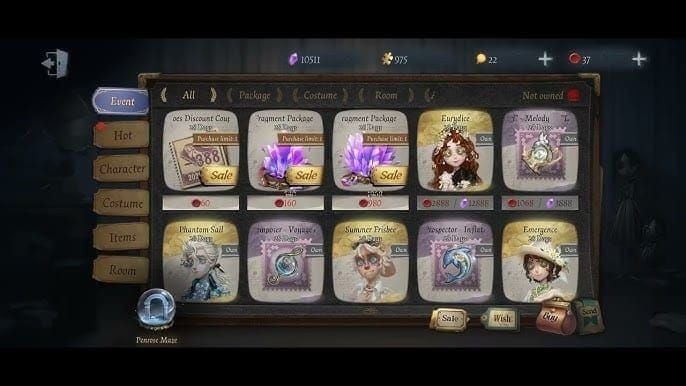
NetEase flags all reversals but penalties aren't necessarily immediate. Systems evaluate amount, history, timing, and method. Some report no consequences for small accidental refunds through proper channels; others face restrictions from minor disputes. Unpredictability serves as deterrent—no safe threshold exists.
How does Google Play communicate with NetEase about refunds?
Google processes refunds per its policies then notifies NetEase with transaction details (amounts, dates, player identifiers). This occurs regardless of timing or amount. NetEase cross-references notifications against player databases, flagging accounts based on internal risk criteria.
Does BitTopup protect against chargeback penalties?
Yes. BitTopup serves as intermediary handling payment processing before delivering Echoes to your account. This prevents direct disputes with NetEase triggering penalties. Offers transaction verification, instant delivery confirmation, 24/7 support, and secure processing with fraud protection—creating a buffer protecting account standing.
Protect your Identity V account from chargeback risks! Top up safely with BitTopup—guaranteed secure transactions, instant delivery, zero ban risk. Get your Echoes now and play worry-free!