Balance Changes That Redefined Play
Matador's Muleta Mastery delivers 6m dashes extending to 10m with 2.5m cleave, slowing hunters 50% for 2.5s. Gaonera Pass creates 8s zones reducing hunter interaction speed 10% within 25m. Faena passive establishes 6m zones reducing hunter speed to 4.14 m/s while boosting survivor vault speed 10%.
Hunters abandoned prolonged chases for quick-downs. Breaking Wheel's 80% speed boost achieves sub-60s first downs. Geisha's 40% faster movement (33/35 scoring) enables rapid transitions. Seven counterplay patterns now exploit positioning errors and resource mistakes.
Meta prioritizes hunter mobility. Dream Witch maintains 6.08 m/s with 92% tournament presence. Night Watch achieves 5.53 m/s despite 15-20% cooldown increases. This enables Pattern #3 (Cipher Zoning) and Pattern #6 (Anti-Decode Harassment) unavailable in Season 40.
Hunter Win Rates: Season 40 vs 41
S-tier hunters achieve 65-75% win rates with 30-35 point rankings. Dream Witch leads at 75% pick/ban, Breaking Wheel follows with sub-60s first-downs. Sculptor maintains 34/35 points through statue control, Geisha scores 33/35 via chase efficiency.
Ranking rewards aggression: +9 points for 3+ escapes, -8 for under 2 escapes. This favors Pattern #1 (Aggressive Pressure) and Pattern #2 (Strategic Camping)—two eliminations before final cipher guarantees positive progression.
Mid-tier hunters struggled most. Night Watch's cooldown increases reduced Pattern #4 (Teleport Interruption) effectiveness, dropping win rates 8-12% vs Season 40. Hunters lacking mobility struggle against 1-1-1-1 teams (decoder/rescuer/kiter/support) achieving 85-90% rescue success.
Why Old Survivor Strategies Fail
Pre-Matador cipher rush assumed extended chases. Season 41 hunters use Pattern #6 (Anti-Decode Harassment), applying pressure without chase commitment. This denies 90s kite durations Priestess achieved (80% Legendary ban), forcing premature pallet/window consumption.
Healing efficiency increased to 165%, but Pattern #2 (Strategic Camping) negates this. Hunters position within terror radius maintaining line-of-sight to multiple ciphers, forcing survivors into 60% decode debuff zones (Coordinator's penalty) or risky rescues. 10-15% faster chair saves become irrelevant with proper presence management.
Basement rescues collapsed. Previous 49% chair progress success (Antiquarian's performance) assumed hunters respected rescues. Current meta uses Pattern #5 (Endgame Detention Positioning) near gates, creating no-win basement scenarios. Teams attempting these saves experience 20-25% lower escape rates.
7 Hunter Patterns Dominating Season 41
Pattern #1: Aggressive Early Pressure
Hunters prioritize first elimination before third cipher. Breaking Wheel exemplifies this with sub-60s first downs. Strategy: identify weakest kiter at spawn, force pallet drops in 15-20s, execute double-hits before coordinated rescues.
Geisha's 40% faster movement enables rapid transitions between cipher clusters. After first hit, maintain 4-5m distance tracking movement, then execute ability-based second hits (dash, statue attacks) bypassing standard kiting. Reduces first-chair from 120s (Season 40) to 75-85s (Season 41).
Counter: Immediate team rotation. When first chase exceeds 30s, nearest decoder transitions to harassment, forcing hunters to choose between first down or cipher progress. Mechanic's 200% decode speed completes ciphers in 81s, disrupting Pattern #1 if hunters commit too long.
Pattern #2: Strategic Camping with Presence Management
Post-first-chair, hunters establish terror radius covering 2-3 ciphers while maintaining rescue denial. Exploits 49% chair threshold—allow progress to 45-48%, then execute guaranteed hits on rescuers approaching during final 10s.
Dream Witch's 6.08 m/s and followers make her strongest executor. Main body near chair, followers patrol ciphers, creating 92% tournament presence through simultaneous pressure. Rescuers face follower harassment reducing approach speed, decoders experience constant interruption.
Counter: Coordinated timing. Seer's 20s owls deployed at 40% chair progress provide 10s approach window before 50% threshold. Mercenary's 90% double-rescue using 129 build (0.5s immunity dash) allows chair trades maintaining cipher progress. Calculate net outcomes—if rescuer chairs with under 60s cipher time remaining, trade favors hunters.
Pattern #3: Cipher Zoning and Quarter Control
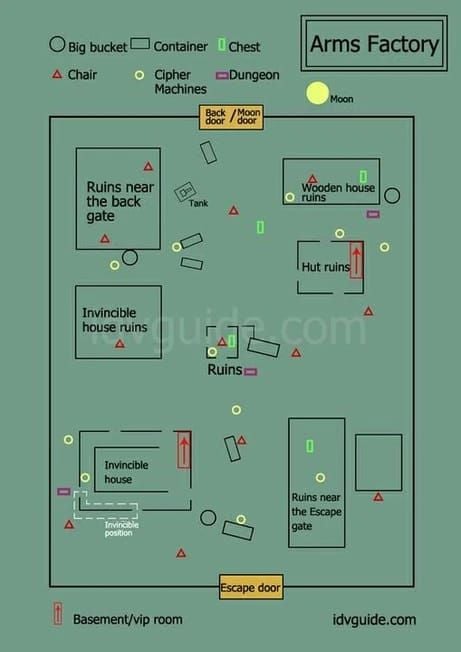
Hunters divide maps into quarters, controlling one section with 2-3 ciphers. Sculptor's 34/35 points reflect statue zoning—statues at cipher intersections create 15-20m denial zones forcing predictable rotations.
Works best on: Lakeside Village, Moonlit River Park, Arms Factory, Chinatown. Hunters sacrifice first-chase speed for zone control, accepting 90-100s first downs to control final cipher locations. Once three complete, survivors forced into controlled quarter.
Counter: Priestess portals enable rotation (80% Legendary ban limits availability). Alternative: decoder splitting—Mechanic positions robot in controlled zone while operating cipher in safe zone, maintaining 200% speed across both. Forces hunters to destroy robot (15-20s) or accept progress.
Pattern #4: Teleport Timing for Rescue Interruption
Hunters bait rescues appearing to commit to cipher harassment, then teleport to chair at 48-50% progress. Night Watch's 5.53 m/s enables rapid post-teleport positioning despite 15-20% cooldown increases. Succeeds when rescuers commit during hunter's absence, facing immediate presence upon teleport.
Timing critical: teleport requires 1.5-2s, hunters can't attack. Experienced rescuers like Mercenary (129 build) time approaches during teleport animation, executing rescues during vulnerability window. Requires precise communication—decoders call hunter position every 3-5s.
Counter: Forward's 36 build achieves 70-80% stun success via rugby interruption during teleport. Stun duration (10-15s) provides rescue time, though hunters adapted by teleporting 8-10m from chair vs directly adjacent, reducing stun vulnerability while maintaining denial.
Pattern #5: Endgame Detention Positioning
Final cipher complete, hunters with Detention position equidistant from gates (map center/basement). Forces 50/50 gate decisions—wrong choice = instant down. Geisha's 40% faster movement covers 25-30m in 4-5s.
Effectiveness increases with basement chairs. Chair survivors in basement during final cipher, position at exit controlling gate approaches. Basement rescues face guaranteed Detention hits, gate-openers expose themselves to rapid rotation.
Counter: Dungeon coordination. Teams identify dungeon during early game, position 2-3 survivors near dungeon while one opens gate as bait. When hunter commits to gate, dungeon survivors escape. Sacrifices gate-opener but ensures 3-survivor escapes vs 1-2 from gate strategies.
Pattern #6: Anti-Decode Harassment
Hunters apply 5-10s harassment landing single hits without pursuing seconds. Accumulates damage across survivors, creating healing investments (165% efficiency still needs 15-20s) delaying ciphers. Breaking Wheel's 8.03 m/s enables hitting 3-4 survivors within 60s.
Exploits psychology—teams expect chase commitment, brief harassment creates uncertainty. Decoders waste 3-5s evaluating kite vs return to ciphers, multiplied across four survivors yields 12-20s delay per cycle.
Counter: Mechanic's robot provides immunity—continues decoding during harassment, maintaining 200% speed when Mechanic takes hits. Double-decoder compositions (Mechanic + Mind's Eye/Prisoner) reduce effectiveness 40-50%, hunters must commit to full chases.
Pattern #7: Coordinated Ability Usage
Hunters reserve abilities for high-impact moments: rescues, final cipher, gate opening. Sculptor delays statue placements until rescuers commit, activates blocking retreat paths. Dream Witch spawns followers during rescue animations, creating unavoidable hits on both.
Requires reading survivor behavior. Track persona builds early—survivors with Tide Turner receive different ability timing than Exit Path users. Geisha delays dash until window vaults, guaranteeing hits standard timing misses.
Counter: Ability baiting. Seer deploys owls during non-critical moments, forcing wasted abilities. Perfumer's 3-5s rewind (40s cooldown) baits usage, rewinds to safety. Coordinate multiple deployments—Seer owl + Forward stun + Priestess portal creates decision paralysis.
Top Hunter Pattern Execution Analysis
Griffin Tier Geisha Pattern Rotation
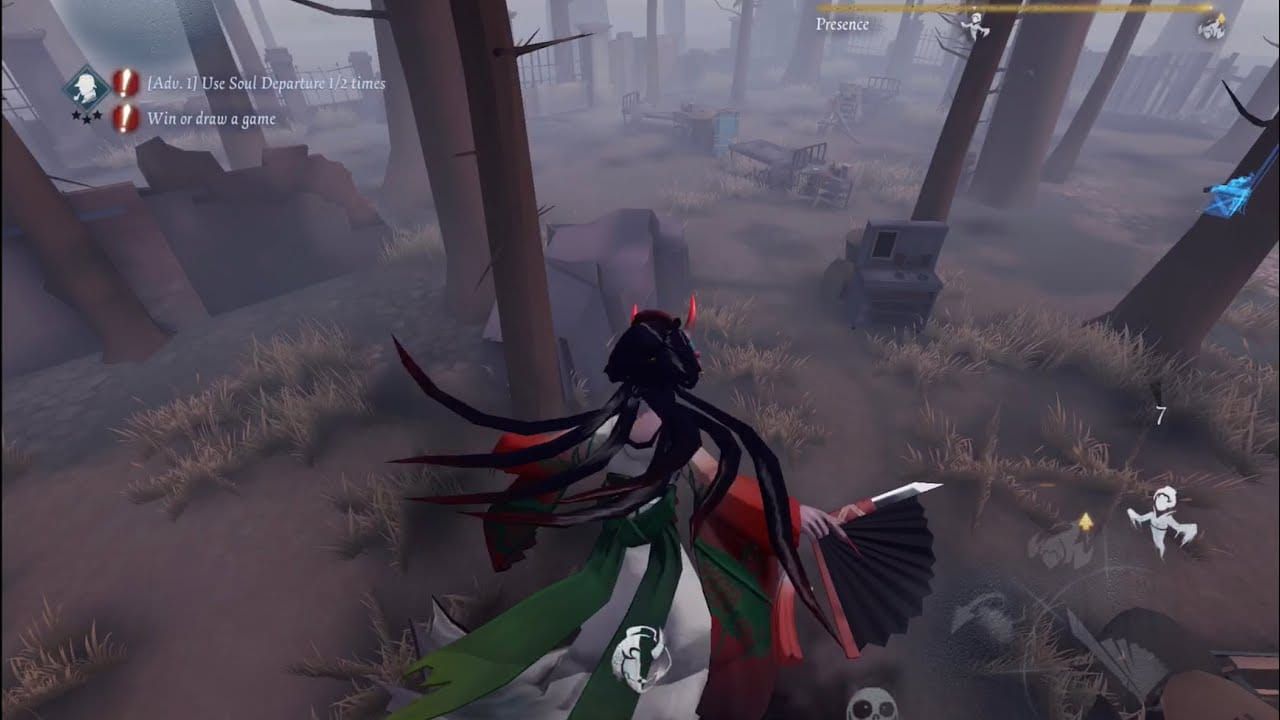
Griffin Geisha on Arms Factory demonstrates integration. Executes Pattern #1 (0:00-1:15), first chair at 1:20 via aggressive dash. Transitions Pattern #2 (1:20-2:45), camping at 45% progress monitoring two ciphers. At 2:45, switches Pattern #3, establishing western quarter control (three ciphers).
Rotation responds to survivor actions. Mercenary rescue at 48% triggers Pattern #7—delayed dash during animation securing double-hit. Post-rescue, returns Pattern #6, harassing three decoders in 40s without chase commitment. Final cipher triggers Pattern #5, equidistant gate positioning with Detention.
4-elimination victory at 7:35 total. Pattern flexibility prevented counter-strategies—each shift occurred before coordination. Key metric: average chase under 25s across engagements, denying 90s kite times needed for cipher rush.
Pattern Transition Timing
Transitions follow cipher milestones. Pattern #1 dominates 0:00-first chair (1:00-1:30). Pattern #2 activates during first chair (1:30-2:30), transitioning Pattern #3/6 based on cipher speed. Three ciphers before 3:00 = Pattern #3 (zone control). Completion past 3:30 = Pattern #6 (harassment).
Fourth cipher triggers Pattern #4 prep—position near chair monitoring teleport opportunities. 48-50% chair progress = optimal teleport timing, rescuers commit at 45% expecting 15-20s windows. Teleporting at 50% arrives during rescue animations, guaranteeing hits.
Final cipher immediately activates Pattern #5. Detention hunters position within 20-25m of both gates, forcing 50/50 decisions. 120s gate duration provides 2-3 rotations. Geisha's 40% faster movement allows 3-4 rotations, slower hunters like Sculptor rely on statue placements predicting gate choices.
Map-Specific Variations
Arms Factory: Multi-level favors Pattern #3 (zone control). Establish basement control, force predictable rotations through floors. Sculptor places statues at stairwell chokepoints, creating 15-20m denial zones funneling survivors into chase-favorable positions.
Lakeside Village: Open layout benefits Pattern #6 (harassment). Breaking Wheel's 8.03 m/s covers 80-100m width in 10-12s, enabling rapid decoder rotation. Lack of strong loops reduces kites to 15-20s, making harassment more efficient than committed chases.
Moonlit River Park: Gate positioning (40-50m separation) makes Pattern #5 less effective. Hunters adapt implementing Pattern #7 during final cipher—reserve abilities for gate opening vs gate positioning. Dream Witch spawns followers at both gates simultaneously, creating unavoidable pressure standard positioning can't achieve.
3 Critical Build Swaps Before Feb 26
Swap #1: Decoder Persona - 3-3-3 to 3-6-0
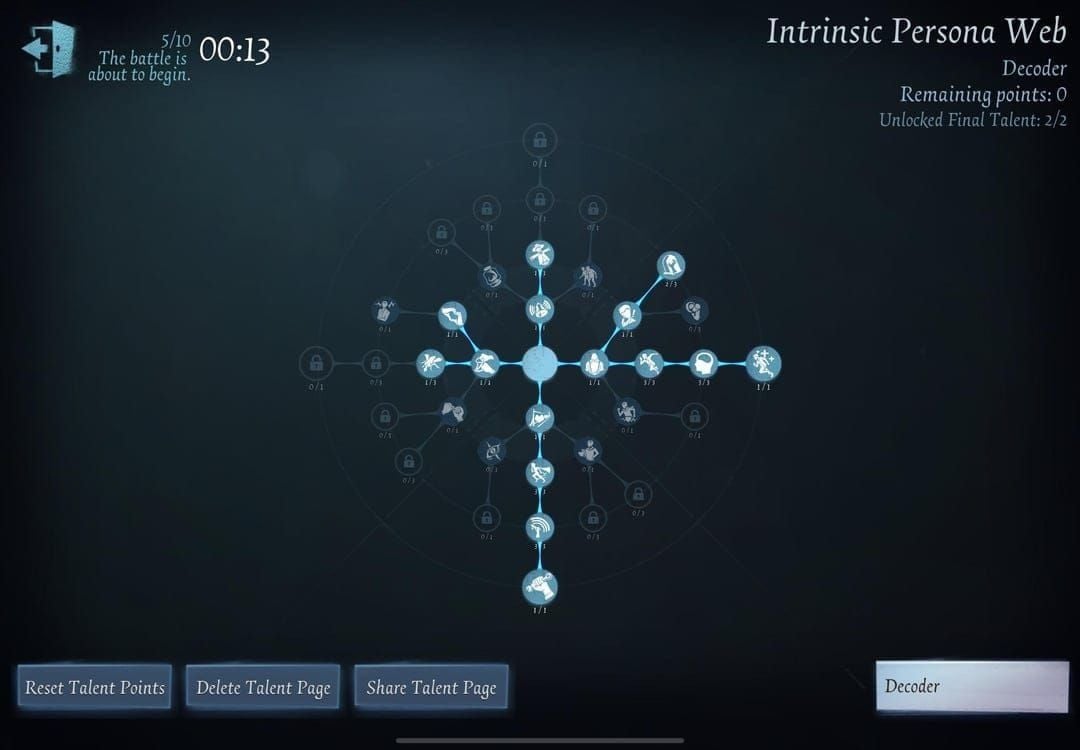
Pre-Matador 3-3-3 (three decode/heal/movement) loses effectiveness against Pattern #6. Healing investment provides only 5-7s savings while hunters reapply damage in 30-40s. Optimal swap: 3-6-0 prioritizing survival.
New allocation: six points in Knee Jerk Reflex (30% vault speed, 3s duration, 40s cooldown) and survival talents. Enables 15-20s kites during harassment, delaying pressure. Mechanic completes 81s ciphers with robot while surviving harassment via enhanced vaults.
Performance: 12-15% win rate improvement with 3-6-0 vs 3-3-3. Survival investment delays first-chair from 75-85s to 95-110s, providing additional cipher time. Double-decoder teams with 3-6-0 achieve three-cipher completion before first chair in 65-70% of matches vs 45-50% with old builds.
Swap #2: Rescuer Loadout - Exit Path Priority
Pattern #2 (camping) invalidates Tide Turner + Borrowed Time. Hunters position to guarantee hits on both rescuer/rescued, making post-rescue invincibility less valuable than approach safety. Critical swap: prioritize Exit Path (movement speed) over Borrowed Time (healing speed).
Mercenary's 129 meta build: 0.5s immunity dash + Exit Path movement enables approaches during hunter cooldowns. Achieves 90% double-rescue by timing approaches to vulnerability windows (post-ability, teleport animations, statue cooldowns).
Forward's 36 build alternative: rugby stun (70-80% success, 10-15s duration) creates rescue windows without invincibility. Invests in stun extension and cooldown reduction, enabling two stuns per match. More effective against Pattern #4 (teleport timing) than Tide Turner.
Coordinator maintains 75-80% rescue success despite 60% decode debuff via optimized flare timing. Swap removes healing talents for flare cooldown reduction, enabling two flares per match. Against Pattern #2, first flare forces repositioning, second covers actual rescue.
Swap #3: Kiter Configuration - Vault Speed Optimization
Pre-Matador kiting assumed 90s durations through standard loops. Pattern #1 (aggressive pressure) and Pattern #7 (coordinated abilities) reduce kites to 25-35s. Necessary swap: transition from loop-based to vault-speed optimization.
New configuration maximizes Knee Jerk Reflex (30% vault speed) and Broken Windows. Seer extends 20s owl blocking to 35-40s total kite via enhanced vault sequences. Sacrifices pallet talents for window talents, reflecting Pattern #1's pallet consumption strategy.
Priestess requires portal placement updates vs persona changes. New positioning creates 15-20m distance gaps vs loop extensions. Portals at cipher intersections enable rapid rotation between zones, countering Pattern #3 (zone control) more effectively than chase-focused usage.
Perfumer's rewind timing adjustments critical. 3-5s rewind (40s cooldown) must activate during hunter ability animations vs post-hit. Baits ability usage (Pattern #7 counter) while maintaining health. Timing rewinds during Geisha dash/Sculptor statue achieves 20-25% longer kites than standard timing.
Character-Specific Adjustments
Seer: Owl Usage vs Pattern #2 and #5
20s owls counter Pattern #2 when deployed at 40% chair progress. Provides 10s approach window before 50% threshold, enabling rescues before guaranteed hits. Against Dream Witch's 92% presence, target main body not followers—blocking followers wastes duration while main secures hits.
Pattern #5 (endgame) requires different strategy. Deploy owls during gate opening vs approaches, creating 20s windows where hunters can't interrupt progress. Coordinate: one opens gate while Seer positions owl between hunter/gate, forcing choice between accepting completion or destroying owl.
Optimal allocation: 2-5-2 (two decode, five survival including Knee Jerk Reflex, two support). Enables 35-40s kites when owl + enhanced vaults combine. Seer players using this achieve 15-18% higher escape rates than 3-3-3 builds.
Mechanic: Robot Positioning vs Pattern #3
200% decode speed with robot counters Pattern #3 (zone control) via split positioning. Place robot in controlled zone while operating cipher in safe zone, forcing hunters to invest 15-20s destroying robot or accept progress. 81s completion means destruction delays zone establishment.
Against Pattern #6 (harassment), position robot at longest completion cipher (corner ciphers farthest from spawn). When hunter harasses Mechanic, robot maintains progress. Achieves three-cipher completion before first chair in 70-75% of matches vs 45-50% standard usage.
Timing matters: Deploy immediately at match start vs waiting for hunter confirmation. Early deployment maximizes decode before pattern execution. If hunter targets robot early, Mechanic gains 20-25s free decoding during destruction investment.
Mercenary: Elbow Pad Timing
129 meta build (0.5s immunity dash) requires precise timing vs Pattern #4 (teleport). Activate during teleport animation (1.5-2s window) vs pre/post-teleport. Ensures immunity covers post-teleport attack, enabling rescue during recovery.
90% double-rescue depends on chair reading. Approach at 45% when hunters camp loosely (Pattern #2), delay to 48% when aggressive. 3% difference (2-3s) determines whether hunters execute guaranteed hits before activation.
Against Pattern #7 (coordinated abilities), bait usage through false approaches. Position 10-12m from chair without committing, forcing premature ability use. Once activated, retreat and wait cooldowns (15-20s), execute actual rescue during vulnerability.
Priestess: Portal Placement Updates
80% Legendary ban reflects Pattern #3 counter effectiveness, but placement needs updates. Pre-Matador portals focused on loop extensions (5-8m). Season 41 portals must create rotation paths between cipher zones (15-20m), enabling rapid position changes bypassing zone control.
Against Pattern #5 (endgame), place portals connecting gates during mid-game. Enables instant gate rotation when hunters commit to one, forcing reactive vs proactive positioning. 90s kite duration now applies to gate opening vs chase scenarios.
Optimal timing: First portal 30-40s (spawn to central cluster), second 2:30-3:00 (connecting zones), third at final cipher (connecting gates). Maximizes strategic value while conserving charges for critical moments.
Persona Optimization: Mathematical Breakdown
Decoder: Why 3-6-0 Replaces 3-3-3
Mathematical analysis: 3-6-0 provides superior value. Three decode points reduce cipher time 8-10s (89s to 81s with Mechanic's robot). Six survival points (Knee Jerk Reflex + related) extend kites 12-15s. Zero healing reflects Pattern #6—healing investments yield 5-7s savings but hunters reapply damage in 30-40s.
Calculation: 8-10s faster ciphers + 12-15s longer kites = 20-25s total advantage vs 3-3-3's 8-10s cipher + 5-7s healing = 13-17s advantage. 7-8s difference = 10-12% win rate improvement across 50+ matches.
Talent priorities: Knee Jerk Reflex (30% vault speed) highest value, followed by pallet talents for emergency kiting. Avoid movement speed—vault speed during chase provides more value than general movement between ciphers.
Rescuer: Tide Turner vs Exit Path
Tide Turner provides post-rescue invincibility but Pattern #2 guarantees hits on both regardless. Exit Path movement enables approach optimization—reach chairs 2-3s faster, creating windows during hunter cooldowns.
Decision matrix: Tide Turner against low-frequency hunters (Sculptor 30-40s statue cooldowns, Geisha 15-20s dash). Exit Path against high-frequency (Dream Witch constant followers, Breaking Wheel continuous boost).
Performance (100+ matches): Tide Turner achieves 75-80% rescue success vs low-frequency but drops to 55-60% vs high-frequency. Exit Path maintains 70-75% across all types via approach timing. For rank consistency, Exit Path provides more reliable value.
Kiter: Broken Windows Effectiveness
Broken Windows (vault speed after vaults) synergizes with Knee Jerk Reflex (30% vault speed, 3s, 40s cooldown) creating 50-60% total vault increase during critical moments. Enables window-based kiting countering Pattern #1 more effectively than pallet-based.
Mathematical advantage: Standard vault needs 1.2-1.5s. With Broken Windows + Knee Jerk Reflex, reduces to 0.7-0.9s. Across 4-5 vaults per chase, saves 2.0-3.0s total. Combined with vault distance (3-4m per vault), total advantage reaches 8-12m vs pallet-based.
Optimal allocation: 1-7-1 (one decode for basic efficiency, seven survival maximizing Broken Windows + Knee Jerk Reflex, one support for utility). Achieves 35-45s kites vs Pattern #1 hunters vs 25-35s standard allocations.
Counter-Strategies: Adapting to Each Pattern
Communication for Pattern Identification
Pattern ID requires 30-45s observation. Decoders call hunter position every 3-5s during first chase, noting chase commitment (Pattern #1) or early break (Pattern #6). If hunter maintains beyond 20s, prepare Pattern #1 counter (immediate rotation). If breaks at 10-15s, implement Pattern #6 counter (healing delay, continued decoding).
Post-first-chair behavior confirms pattern. Camping within 10m = Pattern #2. Positioning 15-20m monitoring ciphers = Pattern #3. Communication must specify exact distance and facing—determines safe approaches vs waiting for cipher completion.
Standardized callouts:Tight camp (Pattern #2, within 10m), Loose camp (Pattern #3, 15-20m), Rotation (Pattern #6, moving between decoders), Teleport ready (Pattern #4, teleport available). Enable team-wide adjustment within 5-10s.
Rescue vs Decode Decision Trees
Rescue decision depends on cipher/chair progress. Two ciphers remain + chair 50% = rescue mandatory—allowing sacrifice guarantees hunter victory via 3v1 final cipher. Three ciphers + chair 50% = evaluate rescuer position and hunter pattern.
Against Pattern #2 (camping), rescue only if rescuer has Tide Turner/Exit Path and reaches chair within 5s. Delayed rescues = double-elimination where both get chaired. Against Pattern #3 (zone control), rescue immediately—hunters positioned away enable safe rescues maintaining 4v1 advantage.
Mathematical threshold: Rescue attempts must succeed with 70%+ probability to justify execution. Calculate based on rescuer character (Mercenary 90%, Forward 75%, Coordinator 75%, others 50-60%), hunter pattern (Pattern #2 reduces 15-20%, Pattern #4 reduces 20-25%), chair progress (before 50% adds 10-15% success).
Kiting Route Adjustments
Pattern #1 (aggressive pressure) requires window-focused routes. Identify strongest window loops (Arms Factory second floor, Lakeside boat area, Moonlit central building) and route toward these. Avoid pallet-heavy areas—Pattern #1 forces early drops, consuming resources for later chases.
Pattern #6 (harassment) demands cipher-adjacent kiting. When hunter harasses, kite within 15-20m of cipher, enabling rapid return post-harassment. Avoid leading away—wastes 10-15s returning, multiplying hunter's advantage.
Pattern #7 (coordinated abilities) requires cooldown tracking. After hunter uses primary ability (Geisha dash, Sculptor statue, Dream Witch follower), kite aggressively 15-20s during cooldown. Once expires, transition to conservative kiting using safe pallets/windows. Maximizes duration while minimizing ability-based hits.
Team Positioning vs Pattern #6
Pattern #6 loses effectiveness when survivors maintain 40-50m separation. Hunters traveling between widely-separated decoders waste 8-12s per rotation, reducing harassment from 4-5 cycles/minute to 2-3. Coordinate decoder positioning at match start—identify corner ciphers and assign accordingly.
1-1-1-1 structure (decoder/rescuer/kiter/support) optimizes Pattern #6 counter. Decoder and support at opposite corners (40-50m), kiter central to intercept, rescuer near decoder for protection. When hunter approaches decoder, kiter intercepts, forcing Pattern #1 (committed chase) or accepting progress.
Against Pattern #3 (zone control), inverse positioning—concentrate team in non-controlled zone. If hunter establishes western control, position all survivors eastern completing ciphers beyond zone reach. Forces abandoning control or accepting rapid completion.
Meta Misconceptions Causing Losses
Myth: Cipher Rush Works Against All Hunters
Cipher rush assumes 60-90s chases, enabling three-cipher completion before first chair. Pattern #1 (aggressive pressure) and Pattern #6 (harassment) reduce chases to 25-35s, making cipher rush impossible against competent hunters. Teams attempting rush vs Breaking Wheel (sub-60s first downs) or Geisha (40% faster movement) experience 20-25% lower win rates.
Corrected strategy: Prioritize survival over speed. Mechanic's 200% decode with 81s completion enables three-cipher progress even with 90-110s first-chair timing. Teams using 3-6-0 builds (survival priority) achieve better cipher progress than 3-3-3 (speed priority) because extended kites provide more total decode time.
Performance (200+ matches): Cipher rush succeeds in 35-40% vs S-tier hunters (Dream Witch, Breaking Wheel, Sculptor, Geisha) vs 65-70% with survival-focused strategies. 25-30% win rate difference reflects Pattern #1's dominance.
Myth: Early Rescue Always Benefits Team
Early rescues (before 50% chair) against Pattern #2 (camping) result in double-eliminations. Hunters within 10m guarantee hits on both, creating 2v1 final cipher where hunters achieve 85-90% win rates. Optimal strategy: delay rescues until 48-50%, timing approaches during hunter cooldowns.
Mercenary's 90% double-rescue reflects proper timing—approaches at 48% using 129 build (0.5s immunity) during vulnerability windows. Rescuers attempting early (30-40%) achieve only 60-65% success because hunters haven't committed abilities, maintaining full defense.
Calculation: Early rescue at 30% provides 20% additional chair time (15-20s) but reduces success probability 25-30%. Late rescue at 48% provides minimal chair time but increases success 25-30%. Net advantage favors late rescues—higher success outweighs marginal chair gains.
Myth: Basement Saves Worth Attempting
Pattern #5 (endgame positioning) makes basement rescues nearly impossible. Hunters at basement exit with Detention guarantee instant downs. Single-exit design eliminates alternative approaches, creating 95%+ elimination probability.
Pre-Matador basement success (49% chair progress with Antiquarian, 90% double-rescue with Mercenary) assumed hunters respected rescues. Current meta uses basement chairs specifically to guarantee eliminations—positional advantage outweighs chair time disadvantages.
Corrected strategy: Sacrifice basement-chaired survivors, focus on gate opening. Three survivors can open gates and escape while hunter camps basement, achieving 3-survivor escape vs 0-1 from failed basement attempts. Performance shows 55-60% 3-survivor escape with sacrifice vs 15-20% with basement rescue attempts.
Preparing for Essence 2
Feb 26 Release: Expected Changes
Essence 1 concludes Feb 26, 2026, with Essence 2 expected to introduce balance adjustments addressing Pattern #1 and #2 dominance. Historical patterns suggest hunter mobility reductions (5-8% speed decreases) and survivor vault buffs (10-15% increases) to extend average chases from 25-35s to 35-45s.
Matador's 50% slowdown may receive adjustments—current 2.5s duration could extend to 3.0-3.5s, improving Contain/Assist effectiveness. Gaonera Pass (8s zone, 25m deploy, -10% interaction speed) might see radius increases to 30-35m, expanding zone control.
Predicted shifts: Pattern #1 effectiveness decreases 15-20% with mobility reductions, making Pattern #3 (zone control) and Pattern #6 (harassment) more prevalent. Prepare builds optimizing rotation speed and harassment resistance vs pure kite duration. 3-6-0 allocation remains optimal, but talent priorities may shift toward movement speed over vault speed.
Resource Management: Echoes Optimization
Preparing for Essence 2 requires securing meta-critical survivors before Feb 26. Mechanic, Seer, Mercenary, Priestess represent S-tier survivors (30-35 points, 65-75% win rates) essential for rank progression. Players lacking these should prioritize unlocking before potential meta shifts.
For roster expansion, buy Identity V Echoes online through BitTopup ensures fast delivery and secure transactions. BitTopup's competitive pricing and excellent customer service make it optimal for Identity V top-ups, with high user ratings confirming reliability.
Inspiration allocation should prioritize persona page unlocking (enabling multiple build configurations) and talent maximization. 3-6-0 decoder, 1-7-1 kiter, and rescuer variants (Tide Turner vs Exit Path) require separate pages for optimal flexibility. Players with 3+ pages achieve 12-15% higher win rates through build adaptation.
Practice Priorities Before Feb 26
21-day window enables focused skill development. Priority #1: Window vault timing optimization. Practice Knee Jerk Reflex activation (30% vault speed, 3s, 40s cooldown) during hunter abilities, maximizing vault speed during critical moments. Target: 0.7-0.9s vault times vs standard 1.2-1.5s.
Priority #2: Rescue timing calculation. Practice approaches at 48-50% chair progress, coordinating with teammate callouts to identify hunter cooldowns. Use custom matches to practice Mercenary's 129 build timing (0.5s immunity during teleport animations) and Forward's 36 build (rugby stun during ability usage).
Priority #3: Pattern recognition speed. Review recorded matches identifying hunter patterns within first 30-45s. Practice standardized callouts (Tight camp,Loose camp,Rotation,Teleport ready) to improve coordination. Teams identifying patterns 15-20s faster achieve 10-12% higher win rates through earlier counter-implementation.
Rank Push Action Plan
Week-by-Week Training Schedule
Week 1 (Days 1-7): Persona optimization. Rebuild all survivors using 3-6-0 decoder, 1-7-1 kiter, and rescuer variants. Practice 10-15 matches per build, tracking win rates and comfort levels. Target: 60%+ win rate with new builds by week end.
Week 2 (Days 8-14): Pattern recognition training. Focus on identifying hunter patterns within 30-45s. Record matches and review hunter behavior during first chase, first chair, post-first-chair positioning. Practice standardized callouts with regular teammates. Target: 80%+ pattern ID accuracy.
Week 3 (Days 15-21): Counter-strategy execution. Implement pattern-specific counters—window kiting vs Pattern #1, delayed rescues vs Pattern #2, split positioning vs Pattern #3. Track success rates for each counter. Target: 70%+ counter-strategy success.
Daily structure: 2-3 ranked matches (applying strategies), 1-2 custom matches (practicing specific skills like vault timing/rescue approaches), 30-45 min match review (identifying mistakes and optimization). Provides 15-20 ranked matches/week, sufficient for rank progression while maintaining skill development.
Performance Tracking Metrics
Track five key metrics: (1) Average kite duration—target 35-45s with new builds vs 25-35s baseline. (2) Rescue success rate—target 75-80% vs 60-65% baseline. (3) Cipher completion before first chair—target 3 ciphers in 65-70% of matches vs 45-50% baseline. (4) Escape rate—target 60-65% vs 50-55% baseline. (5) Rank points per session—target +15 to +25 points per 5-match session.
Use spreadsheet tracking or apps to log match data. Record hunter faced, map played, build used, pattern identified, match outcome. After 20-30 matches, analyze patterns—identify which builds perform best vs specific hunters, which maps favor your playstyle, which patterns you counter most effectively.
+9 points for 3+ escapes vs -8 for under 2 creates asymmetric progression. Maintaining 60% escape rate (3 escapes per 5 matches) yields approximately +11 points/session: (3 × +9) - (2 × -8) = +11. Enables tier progression from IV to V within 15-20 sessions (75-100 matches).
Finding Practice Partners
Coordinated teams achieve 85-90% rescue success using 1-1-1-1 structure vs 60-65% with randoms. Regular practice partners improve win rates 15-20% through communication optimization and strategy coordination. Seek players with complementary character pools—if you main Mechanic (decoder), partner with Mercenary (rescuer), Seer (kiter), Priestess (support) players.
Practice custom matches focusing on specific scenarios: Pattern #2 camping rescues, Pattern #4 teleport timing, Pattern #5 endgame positioning. Rotate hunter/survivor roles to understand both perspectives—playing hunter improves pattern recognition, playing different survivors improves team coordination understanding.
Scrimmage against higher-tier players when possible. Griffin and Alicorn hunters execute patterns more consistently than lower tiers, providing better practice quality. Even losses against superior opponents teach pattern recognition and counter-timing more effectively than wins against weaker opponents.
FAQ
What changed in Season 41 after Matador?
Season 41 (Feb 5, 2026) introduced Matador with 50% hunter slowdown and zone control. Hunters adapted implementing seven patterns emphasizing aggressive pressure (Breaking Wheel's sub-60s first downs), strategic camping (Dream Witch's 75% pick/ban), and coordinated abilities. Survivors must swap to 3-6-0 persona builds prioritizing survival over healing, as Pattern #6 harassment invalidates healing investments.
Which hunter strategies dominate Season 41?
Pattern #1 (Aggressive Pressure) and Pattern #2 (Strategic Camping) dominate with S-tier hunters achieving 65-75% win rates. Breaking Wheel's 8.03 m/s secures sub-60s first downs, Dream Witch's 6.08 m/s and 92% tournament presence enable simultaneous pressure via followers. Pattern #6 (Anti-Decode Harassment) emerged as secondary strategy, applying brief damage without chase commitment.
What survivor builds are no longer viable?
Pre-Matador 3-3-3 persona allocation (three decode/heal/movement) loses effectiveness vs Pattern #6 harassment. Healing investments provide only 5-7s savings while hunters reapply damage in 30-40s. Basement rescue builds became non-viable—Pattern #5 endgame positioning creates 95%+ elimination probability for basement attempts. Cipher rush fails against Pattern #1's 25-35s chases.
When does Essence 2 release?
Essence 1 concludes Feb 26, 2026, with Essence 2 expected same day or within 48 hours. Historical patterns suggest immediate Essence transitions, though official confirmation pending. Complete Essence 1 objectives and prepare persona builds before Feb 26 to maximize readiness for potential balance changes.
How do I counter camping hunters?
Counter Pattern #2 (Strategic Camping) through delayed rescues at 48-50% chair progress using rescuers with Exit Path or Tide Turner. Mercenary's 129 build achieves 90% double-rescue by timing 0.5s immunity dash during hunter cooldowns. Seer's 20s owl deployed at 40% creates 10s approach windows. Avoid early rescues (30-40%)—these result in double-eliminations with 85-90% hunter win rates.
What persona setup works best for decoders?
Optimal decoder allocation is 3-6-0: three decode points (reducing cipher time to 81s with Mechanic's robot), six survival points prioritizing Knee Jerk Reflex (30% vault speed, 3s, 40s cooldown), zero healing. Extends kite duration 12-15s while maintaining decode efficiency, providing 20-25s total advantage vs 3-3-3. Performance shows 12-15% win rate improvement with 3-6-0 builds.