Understanding the Lumina Plant System
Each planted seed creates an invisible underground growth cycle tied to specific map coordinates. The system tracks planting locations across sessions—you must remember or mark where you've planted for future harvesting.
Alternative names include Lumina Fruit Bud and Lumina Fruit Seed, though the official designation is Lumina Plant Seeds. These naming variations appear across regional versions but refer to identical mechanics.
Energy accumulation continues even when you're offline. This passive progression encourages regular gameplay patterns—return within specific timeframes to harvest before plants become visible to competitors.
How Lumina Seeds Fit Into Version 4.2 Gameplay
Seeds integrate into standard match flow without disrupting core mechanics. During looting, you'll encounter one Lumina Plant Seed per match as ground loot. The single-seed-per-match limitation prevents hoarding and ensures balanced distribution.
Planting takes minimal time—approach your chosen location and execute the plant command through inventory. This quick interaction fits into rotation strategy without sacrificing combat readiness.
Harvesting mature plants yields: level 3 helmets, level 3 vests, level 3 backpacks, and airdrop weapons. These top-tier items provide significant advantages, making cross-match planting a viable alternative to high-risk airdrop chasing.

Cross-Match Planting Mechanics: Complete Breakdown
Cross-match planting means seeds grow across multiple matches rather than within a single session. Your planting decisions in Match 1 directly impact your loadout in Match 3 or beyond.
Underground growth keeps investments hidden from competitors during vulnerable early stages. Seeds accumulate energy invisibly with no visual indicators alerting other players. This stealth period allows strategic planting in high-traffic areas that'll be safer to access later.
Step-by-Step: Initiating Cross-Match Planting
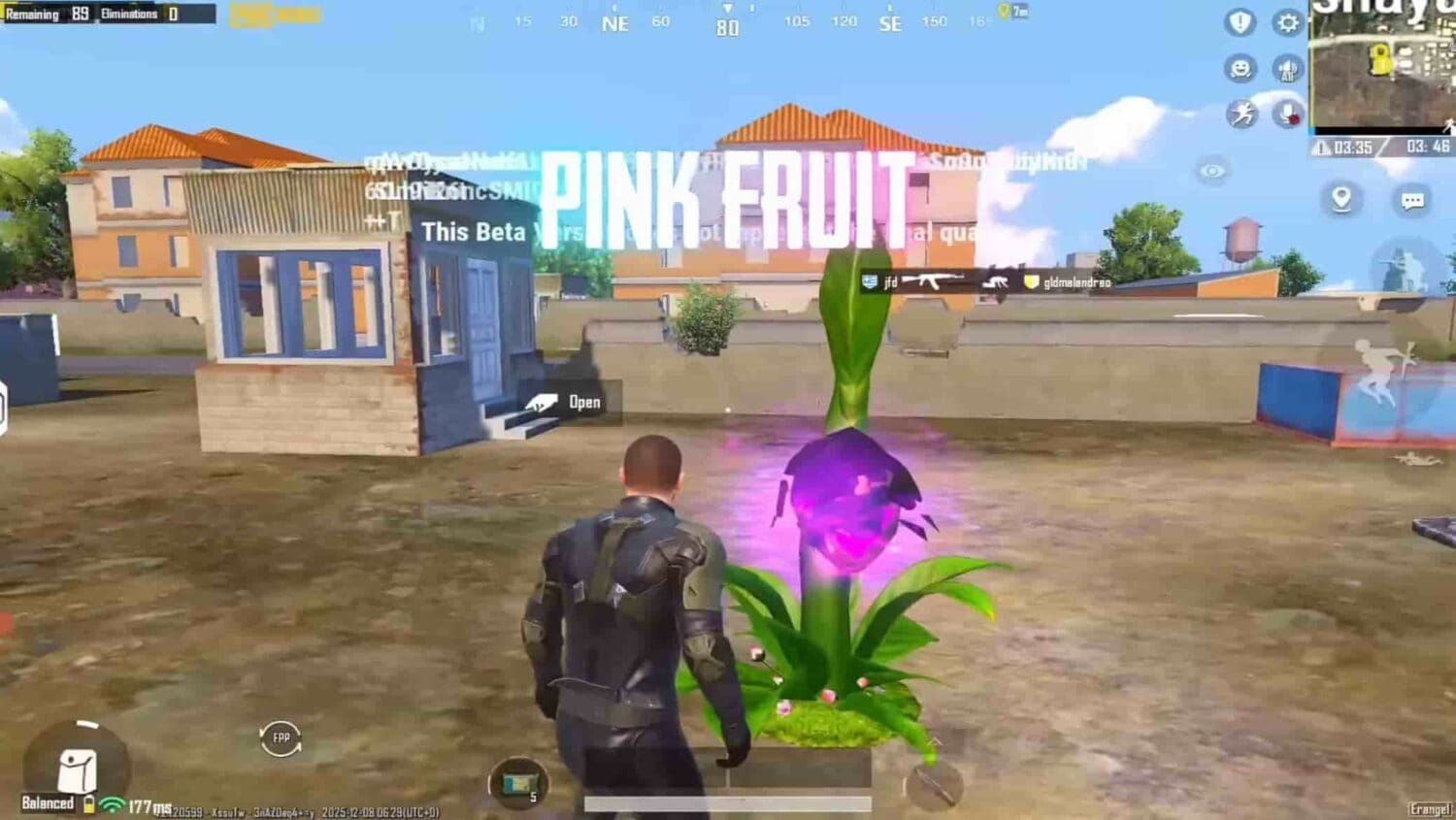
- Pick up your Lumina Plant Seed during looting—appears as ground loot with distinctive visual marker
- Navigate to selected planting spot—consider landmark proximity, safety from combat zones, and future accessibility
- Open inventory and select the seed—planting interface activates with ground-targeting reticle
- Position marker precisely where you want growth—confirm placement to complete planting
- Seed enters underground growth mode—note exact location using map markers or landmarks
The game doesn't provide automatic tracking of planting sites. Manual record-keeping is essential for successful harvesting.
Timing Windows and Maturity Phases
Current 4.2 implementation shows harvest readiness on the third match after planting. Earlier season 3 mechanics allowed next-match harvesting, but this no longer applies.
During growth, planted seeds remain completely invisible to all players. No visual cues, ground disturbances, or interface elements reveal underground plants. This invisibility period is your safest window.
Upon maturity, Lumina Fruit trees become visible to all players. This visibility shift creates critical vulnerability where theft becomes possible. Mature trees display distinctive visual models experienced players recognize immediately.
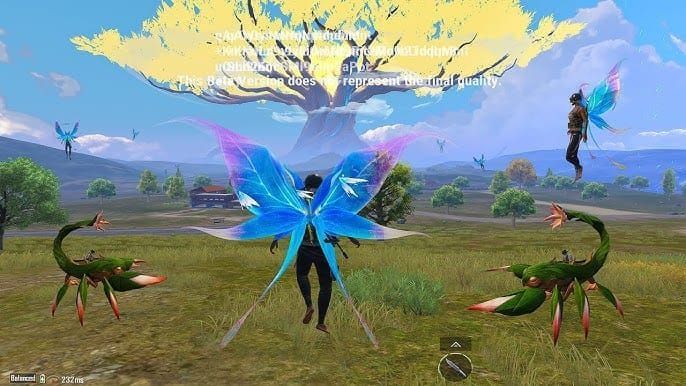
How Cross-Match Planting Works: Technical Mechanics
The system relies on persistent coordinate tracking across match instances. When you plant at specific coordinates, servers record that location tied to your player ID. Each subsequent match checks for mature plants at recorded coordinates.
The system operates independently of match mode or squad composition. Whether you planted in solo, duo, or squad matches, seeds mature based purely on match count at that location. You can plant in squads and harvest in solos, or vice versa.
Planting Zone Selection and Optimal Locations
Optimal zones balance accessibility with security. Edge-of-circle locations near major landmarks provide easy navigation while avoiding central high-traffic combat zones. Distinctive terrain features—unique rock formations, isolated buildings, map edge structures—serve as reliable reference points.
Avoid planting in:
- Common drop zones
- Vehicle spawn areas
- Popular rotation paths
These high-traffic areas increase theft risk once plants mature and become visible.
Consider future circle probabilities. Planting in areas frequently outside safe zones reduces safe return access. Mid-map locations with balanced circle inclusion rates provide more consistent access.
Cross-Match Interface Navigation
Planting interface activates through standard inventory interaction. Select the seed to enter placement mode. A ground-targeting reticle appears for precise positioning before confirming.
No additional UI elements track planted locations automatically. Players rely on map markers, screenshots, or manual notes to remember sites. This manual tracking adds a memory skill component.
Harvesting requires approaching visible trees and interacting. Harvest action completes quickly, immediately granting rewards to inventory. Multiple items spawn simultaneously—ensure sufficient inventory space.
Stealing Lumina Plants Without Getting Revealed: Stealth Guide
Any player can harvest mature, visible trees regardless of who planted them. However, the reveal system punishes thieves by exposing their location to original planters when theft occurs.
This location reveal creates a critical decision point. High-value rewards tempt opportunistic harvesting, but positional exposure to alerted enemies creates immediate combat risk. Understanding reveal triggers determines whether stealing succeeds or backfires.
For players seeking enhanced progression while mastering these mechanics, buy PUBG UC online through BitTopup for fast delivery and excellent customer service.
Understanding Detection and Reveal System
When you harvest a tree you didn't plant, the reveal system immediately notifies the original planter of your location. This notification appears as a map marker showing your precise position at theft moment. The reveal persists for a duration, giving planters time to respond.
Reveal activates only upon completing harvest action. Approaching, examining, or positioning nearby doesn't trigger detection. Theft must be consummated through harvest interaction before planters receive notification.
This delayed trigger creates a narrow window for strategic theft. If you harvest and immediately reposition before planters reach your revealed location, theft succeeds despite notification. Speed and escape route planning become essential.
Critical Timing Windows When Plants Are Vulnerable
Mature plants remain visible throughout matches once harvestable. This extended visibility means plants face theft risk from maturity until someone harvests them or matches end.
Most vulnerable period occurs during off-peak hours when original planters may not be actively playing. Plants maturing while planters are offline remain unguarded and visible to any discoverer.
Early-match harvesting by planters minimizes theft exposure. Returning to planting locations immediately after dropping reduces time windows when mature plants sit visible and vulnerable.
Advanced Stealing Strategies: Avoiding Detection Completely
While reveal systems can't be completely bypassed—theft always notifies planters—advanced strategies minimize tactical disadvantages of location exposure. The key lies in converting brief reveal windows into manageable risks.
Immediate repositioning after harvesting creates distance from revealed locations before planters respond. Notifications show where you were, not where you're going. Rapid movement in unexpected directions exploits information delay.
Movement Patterns That Bypass Detection Triggers
Pre-plan escape routes before initiating harvest. Identify nearby cover, vehicle spawns, or terrain features enabling quick disengagement. Harvest completes in seconds—escapes should begin within moments of collecting rewards.
Avoid linear escape paths planters can predict. If you harvest and run directly toward nearest compounds or common rotation paths, experienced planters anticipate movement. Use irregular angles, terrain masking, or unexpected directions forcing planters to search rather than intercept.
Vehicle-assisted theft provides fastest escape. Position vehicles near mature plants before harvesting, complete theft, and immediately drive away. Speed advantages make pursuit difficult even with location reveal, especially with unpredictable routes.
Using Terrain and Cover to Mask Approach
Approach mature plants using terrain defilade concealing movement from common sightlines. Ridges, valleys, and building cover prevent early detection by planters or squads before committing to theft.
Approach phases don't trigger reveals—take time to scout areas. Check for nearby enemies, identify planters if present, and assess whether theft risk justifies rewards. Patient reconnaissance prevents walking into ambushes.
Smoke grenades create temporary concealment during harvest and escape phases. Deploy smoke before approaching plants, harvest within concealment, and use remaining smoke duration to begin escapes. This works best in open areas where natural cover is limited.
Cross-Match Planting vs Solo Planting: Data-Driven Comparison
Solo planting refers to individual players planting and harvesting their own seeds without coordination, while cross-match planting emphasizes multi-match growth cycles. Both use the same underlying mechanic but differ in strategic execution and risk management.
Solo planting prioritizes personal reward security. You control the entire process from planting through harvesting, minimizing coordination requirements and teammate theft. The trade-off involves bearing full responsibility for location security and timing optimization.
Reward Output Analysis
Both approaches yield identical base rewards:
- Level 3 helmet
- Level 3 vest
- Level 3 backpack
- Airdrop weapon
Reward structure doesn't differentiate between planting methods—the choice is purely strategic.
The airdrop weapon component provides significant value. These weapons typically require high-risk airdrop chasing or lucky world spawns. Guaranteed access to AWM, M249, or other airdrop-exclusive weapons through planting offers safer acquisition.
Golden fruits represent special reward variants that summon Groot—an AI companion assisting in combat. This unique reward adds tactical versatility beyond standard equipment upgrades.
Time Investment and Efficiency Metrics
Three-match maturity requirement represents minimum time investment of three full games. Assuming average match durations of 25-30 minutes, successful harvesting requires 75-90 minutes of gameplay spread across multiple sessions.
Efficiency improves when maintaining multiple planting sites simultaneously. Planting one seed per match across different locations creates rotations where some plants are always nearing maturity. This staggered approach provides more consistent reward flow.
The one-seed-per-match limitation caps maximum planting efficiency. Even with perfect execution, you can't accelerate beyond one new plant per game. This ceiling ensures balanced progression.
Optimal Cross-Match Combinations for Maximum Rewards
The system uses a single seed type with standardized rewards. Understanding optimal planting patterns and location combinations maximizes overall efficiency.
Strategic players maintain planting sites across multiple maps to ensure harvestable plants regardless of map rotation. If you only plant on Erangel but rotate to Miramar, mature plants become inaccessible. Multi-map planting diversifies harvest opportunities.
Coordinating Seed Selection With Teammates
Squad coordination enables protective harvesting where teammates provide security during vulnerable harvest moments. One player harvests while squadmates maintain overwatch, ready to engage threats attracted by visible mature plants.
Communication about planting locations within squads prevents accidental theft and reveal triggers between teammates. If squadmates unknowingly harvest your plants, you receive theft notifications despite being on the same team. Clear location sharing prevents friendly-fire reveals.
Distributed planting across squad members creates multiple harvest opportunities per match. If each member plants in different locations, teams can potentially harvest four mature plants in single matches, dramatically accelerating gear acquisition.
Common Mistakes and Misconceptions About Lumina Plants
New players frequently misunderstand visibility mechanics, believing plants remain hidden even after maturity. This leads to planting in obvious locations and surprise when plants get stolen. Understanding that mature trees become visible to all players is fundamental.
Another common error involves forgetting planting locations. Without discipline to mark or record where you've planted, players waste three-match investments by being unable to relocate mature plants. Systematic location tracking prevents this.
Mistake: Planting in High-Traffic Areas Without Defense
Central compounds, major cities, and popular rotation paths attract constant player traffic. Planting in these areas virtually guarantees theft once plants mature and become visible.
Even if you successfully harvest in high-traffic areas, combat risk during harvest actions increases dramatically. Standing still to interact with plants while enemies potentially observe creates vulnerability often resulting in elimination.
The optimal approach balances accessibility with security. Plant near high-traffic areas but not within them—close enough for convenient access but far enough to avoid constant observation.
Misconception: All Seed Combinations Give Same Bonuses
The Lumina Plant system uses standardized rewards rather than variable combinations. Every successful harvest yields the same level 3 gear set and airdrop weapon, with golden fruits as special variants.
Lack of combination mechanics means focus should shift to location optimization and timing rather than seed type selection. Since you can't influence reward quality through seed choice, strategic planting locations and efficient harvesting schedules become primary optimization vectors.
Defense Strategies: Protecting Your Lumina Plants
Proactive defense begins with location selection. Remote areas with limited approach angles naturally deter casual thieves who prefer easy, low-risk harvests. Extra travel time required to reach isolated plants filters out opportunistic thieves.
Timing harvests for early-match windows reduces theft exposure. Most players focus on initial looting and positioning during early game, creating less competition for plant harvesting.
Squad Rotation Schedules for Plant Protection
Coordinate with squadmates to establish protection rotations for high-value planting locations. One squad member monitors areas while others loot nearby, ensuring rapid response if enemies approach mature plants.
The reveal system works in your favor when defending your own plants. If thieves harvest your plants, you immediately know their locations. This information advantage enables quick retaliation, potentially eliminating thieves and recovering positions.
Set up ambushes near mature plants if you suspect theft attempts. Position yourself with sightlines to plants but concealed from approaching enemies. When thieves commit to harvest actions, they become stationary targets vulnerable to prepared defenders.
Early Warning Signs Someone is Attempting Theft
Nearby gunfire or vehicle sounds near planting locations suggest enemy presence threatening plants. These audio cues provide early warning to approach cautiously rather than rushing directly to harvest.
If you arrive at planting locations and mature plants are already gone, someone harvested before you. The reveal system already notified you of thief locations when theft occurred, giving options to pursue or accept loss.
Missing plants also indicate you may have misremembered locations. Double-check map markers or notes before assuming theft. Wasting time searching for plants actually placed elsewhere diverts attention from productive gameplay.
Map-Specific Planting Locations and Stealing Opportunities
Different maps offer unique terrain features influencing optimal planting strategies. Understanding map-specific characteristics helps select locations balancing accessibility with security.
Livik: High-Risk High-Reward Locations
Livik's compact size increases overall player density, making truly isolated planting locations rare. Faster match pace and smaller play areas mean more players pass through any given location, increasing theft probability.
Compressed timelines on Livik also affect harvesting schedules. Matches end more quickly, potentially forcing choices between harvesting plants and maintaining optimal circle positions.
Despite higher theft risk, Livik's compact nature makes returning to planting locations easier. Reduced travel distances mean you can incorporate harvest attempts into standard rotations without significant detours.
Miramar: Desert Cover Strategies
Miramar's open desert terrain offers fewer natural concealment options but provides excellent long-range visibility. Planting in isolated warehouse clusters or small compounds gives sightlines to detect approaching thieves from distance.
The map's vehicle-dependent meta means most players stick to roads and major routes. Planting away from these high-speed corridors reduces casual discovery while remaining accessible via off-road vehicle approaches.
Miramar's verticality creates opportunities for elevated planting positions. Hilltop locations provide defensive advantages when harvesting, allowing you to spot threats before committing to harvest actions.
Maximizing Lumina Plant Rewards: Pro Optimization Tips
Consistent daily planting creates steady pipelines of maturing plants. If you plant one seed every day, you'll have harvestable plants available every three days once initial cycles complete. This rhythm provides regular high-tier equipment access.
Prioritize planting over risky combat when carrying seeds. Guaranteed future value of planted seeds often exceeds uncertain rewards of aggressive early-game fighting. Conservative play while holding seeds protects investments until you can plant safely.
Leveraging BitTopup for UC to Accelerate Progression
While Lumina Plants provide free high-tier equipment through gameplay investment, UC purchases through BitTopup enable access to premium features, cosmetics, and progression accelerators complementing planting strategy. The platform's competitive pricing and secure transactions make it the reliable choice for players seeking to enhance PUBG Mobile experience.
BitTopup's fast delivery ensures immediate access to purchased content without delays interrupting gaming sessions. Wide game coverage and excellent customer service provide peace of mind when making digital purchases.
Daily and Weekly Planting Routines for Consistent Rewards
Establish routines where your first action each match involves planting seeds. This habit ensures you never waste one-seed-per-match opportunities and maintains planting pipelines. Consistent planting today guarantees harvests three matches from now.
Track planting schedules using external tools like spreadsheets or note apps. Record match number, map, and precise location for each plant. This documentation prevents forgetting where you've planted and enables efficient harvest planning.
Coordinate play schedules around harvest windows when possible. If you know plants will mature on specific days based on planting history, prioritize playing those days to harvest before theft becomes likely.
FAQ
What are Lumina Plant Seeds in PUBG Mobile 4.2?
Lumina Plant Seeds are plantable items that grow underground across multiple matches at the same location. Pick up one seed per match, plant it, and return to harvest on the third match for level 3 gear, airdrop weapons, and potentially golden fruits that summon Groot AI companions.
How does cross-match planting work in PUBG Mobile?
Seeds planted in one match grow underground and become harvestable in future matches at the same location. Seeds accumulate energy invisibly for typically three matches before maturing into visible trees any player can harvest.
Can you steal Lumina plants without being revealed?
No, stealing always triggers the reveal system. When you harvest someone else's mature plant, your location is immediately revealed to the original planter. Minimize risk through quick escapes, terrain usage, and vehicle-assisted theft creating distance before planters respond.
How long do Lumina Plants take to mature?
Lumina Plants typically mature on the third match after planting based on current version 4.2 mechanics. Plants remain invisible underground during this growth period.
What rewards do you get from cross-match planting?
Successful harvesting yields complete level 3 gear sets including helmet, vest, and backpack, plus airdrop weapons. Special golden fruit variants summon Groot, an AI companion assisting in combat.
Where are the best locations to plant Lumina seeds?
Optimal locations balance accessibility with security—near distinctive landmarks for easy relocation but away from high-traffic combat zones. Edge-of-map areas near unique terrain features, isolated compounds, or mid-map positions with balanced circle probability provide the best combination of safety and consistent access.