What Is Room Activity Decay in SUGO?
Activity decay = gradual reduction in room visibility, member retention, and engagement when participation falls below standards. Manifests through:
- Reduced algorithmic promotion in discovery feeds
- Lower member retention (failure to engage within 90-second benchmark)
- Decreased match priority during peak hours
- Eventual ghost room classification triggering search ranking demotion
System tracks multiple engagement vectors simultaneously. Adequate login counts don't prevent decay if verified interactions—voice participation, mini-game engagement, reactions—remain insufficient.
Why SUGO Implements Room Level Decay Systems
Resource allocation optimization: Server capacity prioritizes rooms generating genuine interactions. Inactive spaces consume bandwidth without delivering user value.
User experience protection: New users encountering dead rooms show 20% lower signup completion. Demoting inactive spaces ensures discovery surfaces engaging communities meeting 85%+ signup targets.
Economic ecosystem balance: Room economies involving 1200 coin mini-game entry fees and 6250-130000 coin prize pools require active participation. Decay prevents coin hoarding in abandoned rooms.
Community quality enforcement: 70% verified ratio combats fake accounts and ensures authentic interactions.
Room Owner vs Member Activity Difference
Owner responsibilities:
- Setting participation tone through scheduled events during 6-8 PM peak hours (doubled join rates)
- Implementing AI icebreakers (prevents 20% verified ratio drop)
- Managing themed configurations (karaoke, trivia, role-play)
- Monitoring activity dashboards
Member contribution dynamics:
- Collective activity from 50+ daily users compensates for owner absences
- Verified member interactions maintain 70% threshold during owner offline periods
- Peer engagement during Saturday 2-5 PM windows (40% faster group matching)
- Organic content creation driving external traffic
Auto-Room Beta (launching December 2025) aims to reduce owner dependency by automating topic generation, icebreakers, and event scheduling.
Exact Offline Thresholds: Days Before Decay Begins
No official documentation specifies precise offline day counts. Decay correlates with falling below 50+ daily active user threshold rather than owner absence duration. Rooms maintaining member engagement sustain themselves during extended owner offline periods, while owner-dependent rooms degrade within 24-48 hours.
72-hour auto-room participation threshold suggests critical window. Rooms failing to generate qualifying activity within three consecutive days face algorithmic deprioritization.
Standard Room Decay Timeline: Day-by-Day

Day 1-7: Retention drops 80% → 60%. Establish engagement through:
- Evening mini-games during 6-8 PM (doubled join rates)
- AI icebreaker deployment (prevents 20% verified ratio drop)
- Effects, badges, bots auto-generating conversation topics within 5 seconds
Day 8-30: Retention declines to 40%. Sustained rooms demonstrate:
- Consistent 50+ daily active users
- Maintained 70% verified ratios
- Regular themed events creating participation routines
Day 30+: Rooms stabilizing at 40% retention enter sustainable operation with core communities. Those declining further fall below thresholds within 45-60 days, entering ghost room territory.
Off-peak performance crucial: under 30-second match times during low-traffic periods demonstrate sufficient baseline activity.
Premium Room Tier Extended Grace Periods
Rooms with established histories receive algorithmic leniency. Factors potentially extending grace periods:
- Historical consistency: Rooms maintaining 50+ daily users for extended periods before dips receive longer recovery windows
- Verified member density: Communities exceeding 70% by significant margins (80%+, 90%+) demonstrate authenticity
- Economic activity volume: Substantial coin circulation through 6250-37500 coin packages signals valuable ecosystems
- Content creation rates: Producing shareable clips, stories, invite links driving platform growth
v2.41.0.0 update (November 24, 2025) introduced enhanced anti-fraud measures blocking VPNs and emulators. Clean user bases likely benefit from extended decay protection.
High-Level Room Protections and Bonuses
Algorithmic momentum: Consistent discovery feed presence builds recommendation trust. Temporary dips don't immediately remove from rotation.
Community resilience: Mature rooms develop self-sustaining member interactions maintaining 50+ daily users organically during owner absences.
Resource reserves: Successful rooms accumulate coins from daily quests (1200+) and prize winnings, enabling continued mini-game hosting during low-activity periods.
Technical infrastructure: Meeting <100ms ping, 1Mbps upload, <5% packet loss requirements creates stickiness buffering against temporary lapses.
New Room vs Established Room Decay Differences

New room vulnerabilities (first 30 days):
- No historical data justifying algorithmic leniency
- Higher susceptibility to 80% → 60% → 40% retention decay
- Immediate ghost room classification if failing to reach 50+ daily users within first week
- Limited member loyalty making dips catastrophic
Established room advantages (90+ days):
- Proven track records justifying temporary forgiveness
- Built-in member bases providing activity floors
- Accumulated resources enabling artificial engagement maintenance
- Algorithmic trust sustaining visibility during recovery
Auto-Room Beta (December 2025) targets new room sustainability by automating first-week engagement drivers, potentially reducing new-versus-established disparities.
How SUGO Calculates Room Activity Status
Activity calculation extends beyond presence to measure meaningful engagement through multi-factor analysis weighing interaction quality, verification status, participation consistency.
Core components:
Verified user interactions: 70% verified ratio requirement means unverified activity carries reduced weight. 100 daily users at 50% verification scores lower than 60 users at 80% verification.
Engagement depth: Passive listening contributes minimally vs voice participation, mini-games, reactions, content creation. 90-second first engagement benchmark reflects platform emphasis on rapid meaningful interaction.
Temporal distribution: Activity concentrated in 6-8 PM peak windows demonstrates healthy rhythms. Off-peak-only or irregular patterns trigger scrutiny.
Economic participation: Coin circulation through 1200 coin mini-game entry fees and prize pools signals genuine investment.
For consistent coin availability, BitTopup provides secure top up sugo app services with competitive pricing and fast delivery.
Activity Metrics That Count Toward Room Health
Voice participation duration: Active speaking time, not merely connected presence.
Mini-game engagement: Participation in 1200 coin entry games and 6250-130000 coin prize pool competitions.
Content creation frequency: Posting clips, stories, generating invite links creating platform value.
Reaction and interaction rates: Effects, badges, real-time reactions indicating active attention.
Verification completion: Authenticated users contribute more heavily to 70% verified ratio threshold.
Recruitment success: Invite link conversions and new member retention reflecting room appeal.
Daily Minimum Engagement Requirements
Operational thresholds from platform mechanics:
- 50+ daily active users: Explicit ghost room prevention requirement. Active = verified users demonstrating meaningful engagement.
- 70% verified ratio: Minimum authentication threshold ensuring community authenticity.
- 6-8 PM peak participation: Doubled join rates during evening windows.
- Weekend activity maintenance: Saturday 2-5 PM periods offering 40% faster matching.
- Sub-30-second off-peak matching: Sufficient baseline activity supporting instant engagement regardless of timing.
Meeting benchmarks consistently creates decay resistance. Combined deficiencies accelerate ghost room classification.
The Activity Point Accumulation System
Probable weighted point mechanics (unpublished formulas):
- Base points for presence: Minimal value for login/joining (1-5 points)
- Multipliers for verified status: Authenticated users generate 2-3x points vs unverified
- Engagement action values: Voice participation (10-20), mini-game entry (15-25), content creation (20-40), recruitment (30-50)
- Temporal bonuses: Peak hour participation (6-8 PM) receives 1.5-2x multipliers; weekend bonuses
- Consistency rewards: Daily streaks compound point values
- Decay penalties: Inactive periods reduce accumulated points, steeper after 72-hour threshold
Rooms likely need 500-1000 daily points from combined member activity to maintain healthy status.
What Actions Don't Prevent Decay (Common Mistakes)
Simple login without interaction: Connecting but remaining silent contributes minimally.
Unverified user padding: Large unverified counts while below 70% verified ratio triggers penalties.
Bot-driven artificial activity: v2.41.0.0 VPN/emulator blocking targets artificial inflation. Detected bot activity incurs severe penalties.
Off-peak-only engagement: Activity exclusively during low-traffic periods appears suspicious.
Passive listening sessions: Extended connection without voice/reactions/interactions generates minimal credit.
One-time event spikes: Temporary surges followed by prolonged inactivity create unfavorable volatility. Consistent moderate engagement outperforms sporadic high-volume participation.
Room Level Decay Rates and Progression Loss
Decay velocity correlates with threshold violation severity. Marginally below 50+ daily users = gradual visibility reduction. Catastrophic failures = rapid ghost room classification.
Retention curve context:
- 20% loss first week (80% → 60%)
- Additional 20% over three weeks (60% → 40%)
- Stabilization or continued decline beyond day 30
Rooms tracking below benchmarks experience proportional algorithmic visibility decay.
Decay Speed by Room Level Tier
New rooms (0-30 days):
- Rapid evaluation, minimal grace
- Failure to reach 50+ daily users within first week triggers immediate deprioritization
- Retention below 60% by day seven signals likely abandonment
- Ghost room classification possible within 14-21 days
Developing rooms (31-90 days):
- Extended evaluation windows
- Temporary dips receive 7-14 day recovery periods
- Sustained violations (21+ days) trigger progressive visibility reduction
- Ghost room classification requires 30-45 days consistent failure
Established rooms (91+ days):
- Maximum algorithmic leniency
- Temporary violations (14-30 days) may not trigger immediate penalties
- Gradual decay over 60-90 days vs rapid classification
- Protective mechanisms allowing recovery attempts
Premium/high-activity rooms:
- Consistently exceeding thresholds (70+ daily users, 80%+ verified) builds substantial trust
- May sustain 45-60 day low-activity periods before serious decay
- Recovery prioritization when re-establishing engagement
XP Loss Calculation Formula
Probable patterns (unpublished):
Daily deficit accumulation:
- Minor violations (45-49 daily users): -1-5 XP daily
- Moderate violations (30-44 daily users): -5-15 XP daily
- Severe violations (<30 daily users): -15-30 XP daily
Compound penalties: Multiple threshold failures multiply rather than add penalties.
Accelerating decay: Increasing rates if deficiencies persist beyond 7, 14, 30-day marks.
Recovery bonuses: Returning to compliance generates bonus XP for initial recovery days.
Floor protection: Rooms likely cannot decay below certain baselines.
Maximum Potential Level Loss Scenarios
Catastrophic abandonment (owner and members cease participation):
- Immediate fall below 50+ daily user threshold
- Ghost room classification within 7-14 days
- Maximum decay rate (-20-30 XP daily)
- Potential 600-900 XP loss over 30 days
- Effective 2-4 tier level reduction
Gradual decline (slow attrition without replacement):
- Progressive violations over 30-60 days
- Moderate decay rates (-5-15 XP daily)
- 150-450 XP loss over 30 days
- 1-2 tier reduction with recovery possibility
Partial maintenance (minimal engagement):
- Intermittent threshold compliance
- Minimal decay rates (-1-5 XP daily)
- 30-150 XP loss over 30 days
- Fractional tier reduction with easy recovery
When Decay Stops: The Floor Level Concept
New room baseline: Cannot decay below initial creation status.
Tier minimums: Each level tier has minimum XP values preventing complete fall.
Historical achievement protection: Certain milestones create permanent XP floors.
Reactivation incentives: Floors positioned to make recovery attractive vs starting fresh.
Auto-Room Beta (December 2025) may introduce explicit floor protections for rooms with strong member bases despite temporary owner absence.
Warning Systems and Activity Monitoring Tools
SUGO provides multiple room health tracking mechanisms:
- Real-time activity dashboards showing daily active users, verification ratios, engagement metrics
- Threshold proximity indicators (visual warnings at 48-49 daily users, 71-72% verification)
- Trend analysis with historical graphs and platform comparisons
- Predictive alerts when trajectories suggest violations within 3-7 days
- Recovery recommendations based on deficiency patterns
How to Check Your Current Room Activity Status
Access comprehensive data through:
- Room management dashboard: Real-time metrics including daily active users, verification percentage, engagement scores, algorithmic ranking
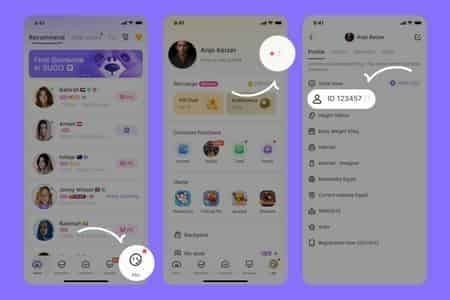
- Activity log review: Detailed participation records showing member contributions, interaction types, temporal distribution
- Comparative analytics: Platform-wide benchmarks contextualizing performance
- Member retention tracking: Cohort analysis showing day-1/7/30 retention vs 80%/60%/40% standards
- Technical performance metrics: Ping times, packet loss, connection quality
Monitor daily during growth phases, weekly for established rooms.
Understanding Decay Warning Notifications
Informational alerts (7+ days from violation):
- Room activity trending downward
- Engagement-boosting suggestions
- No immediate consequences
Warning alerts (3-6 days from violation):
- Approaching minimum activity requirements
- Specific metric deficiencies identified
- Recommended corrective actions
Critical alerts (1-2 days from violation):
- Immediate action required to prevent degradation
- Explicit threshold numbers and shortfalls
- Emergency engagement strategies
Violation notifications (threshold crossed):
- Fallen below minimum requirements
- Decay timeline and consequences
- Recovery pathways and resource options
Using the Activity Log Dashboard Effectively
Daily review priorities:
- Current active user count vs 50+ threshold
- Verification ratio vs 70% requirement
- Peak hour participation (6-8 PM levels)
- Economic activity (mini-game participation, coin circulation)
Weekly trend analysis:
- Retention curve progression vs 80%/60%/40% benchmarks
- Member contribution distribution
- Content creation rates
- Recruitment effectiveness
Monthly strategic assessment:
- Long-term trajectory evaluation
- Community composition evolution
- Resource investment ROI
- Competitive positioning
Setting Up Activity Reminders and Alerts
Critical threshold alerts: Immediate notifications when falling below 50 daily users or 70% verification.
Trend warnings: Daily summaries when 3-day/7-day moving averages show decline.
Peak hour reminders: Notifications 30 minutes before 6-8 PM windows.
Weekend engagement prompts: Saturday morning reminders about 2-5 PM opportunities.
Retention milestone tracking: Alerts at day-7 and day-30 showing percentages vs benchmarks.
Economic activity monitoring: Notifications when mini-game participation or coin circulation drops.
Recovery progress tracking: During post-decay recovery, daily improvement updates.
Prevention Strategies: Maintaining Room Level During Absences
Community empowerment: Distribute hosting responsibilities ensuring 6-8 PM peak coverage during owner absences.
Automated engagement tools: Leverage AI icebreakers and 5-second topic auto-generation.
Scheduled event calendars: Pre-plan themed activities with designated member hosts.
Resource pre-allocation: Maintain coin reserves from daily quests (1200+) and strategic packages (6250-37500 with 17-19% bonuses).
Technical optimization: Ensure <100ms ping, 1Mbps upload, <5% packet loss.
Daily 5-Minute Maintenance Routine
Minute 1: Dashboard review—daily active users, verification ratio, critical alerts.
Minute 2: Peak hour preparation—schedule/delegate 6-8 PM events, prepare mini-games (1200 coin entry, appropriate prizes).
Minute 3: Community engagement—welcome message, acknowledge contributors, share content/conversation starters.
Minute 4: Technical verification—test audio quality, check connection stability, ensure effects/badges/bots functioning.
Minute 5: Strategic planning—review weekly calendar, confirm weekend coverage, adjust upcoming events.
Established rooms may reduce to 3-4 times weekly.
Delegating Responsibilities to Co-Moderators
Distribute critical functions:
- Peak hour hosts: 6-8 PM coverage ensuring doubled join rate capitalization
- Weekend coordinators: Saturday 2-5 PM event managers maximizing 40% faster matching
- Engagement specialists: Deploy AI icebreakers, manage themed configurations, maintain conversation flow
- Economic managers: Mini-game hosting, prize pool management, coin distribution
- Recruitment leaders: Invite link generation, new member onboarding, 90-second first engagement facilitation
- Technical administrators: Connection quality monitoring, troubleshooting, infrastructure optimization
- Content creators: Produce clips, stories, shareable content driving external traffic
Scheduling Automated Room Events
Auto-Room Beta capabilities (December 2025):
- Automated topic generation based on member interests
- Scheduled icebreaker deployment preventing engagement lulls
- Event calendar automation with recurring themed activities
- Intelligent member matching for sub-groups
Current automation:
- Pre-configured themed templates (karaoke, trivia, role-play)
- Bot-assisted conversation prompts during low-participation periods
- Scheduled mini-game launches at peak hours with preset entry/prizes
- Automated welcome sequences ensuring 90-second first engagement
Strategic scheduling:
- Daily 6-8 PM automated events (doubled join rates)
- Saturday 2-5 PM special activities (40% faster matching)
- Off-peak engagement maintenance (sub-30-second matching)
- Weekly recurring themes building participation anticipation
Community Engagement Tactics for Consistent Activity
Recognition systems: Publicly acknowledge top contributors, milestones, valuable additions.
Progressive challenges: Tiered participation goals (daily/weekly/monthly) with escalating rewards.
Member-driven content: Encourage user-generated events, topics, creative initiatives.
Exclusive benefits: Offer verified members special access, priority mini-game entry, enhanced features.
Cross-promotion networks: Partner with complementary rooms for mutual recruitment and collaboration.
Feedback integration: Survey members about preferred activities, timing, improvements—implement suggestions.
Conflict resolution: Maintain positive environments through clear guidelines and fair moderation.
Recovery Methods After Room Level Decay
Immediate triage: Identify specific threshold violations (user count, verification ratio, engagement depth) and prioritize corrections.
Resource mobilization: Deploy accumulated coins for high-value mini-games (6250-130000 prize pools) attracting participation spikes.
Community rallying: Communicate transparently about recovery goals, request increased participation and recruitment.
Strategic event concentration: Host multiple daily events during peak hours (6-8 PM) maximizing doubled join rates.
Verification drives: Incentivize authentication through exclusive rewards or mini-game bonuses.
External recruitment: Leverage clips, stories, invite links for aggressive new member acquisition.
Natural Recovery Through Active Participation
Organic recovery without resource expenditure:
- Sustained threshold compliance: 50+ daily active users and 70% verified ratios for 7-14 consecutive days
- Engagement depth improvement: Shift from passive presence to active voice, mini-games, content creation
- Retention curve reversal: Target return to 60%+ and 40%+ benchmarks
- Peak hour optimization: Concentrate activity during 6-8 PM and Saturday 2-5 PM
- Technical excellence: <100ms ping, 1Mbps upload, <5% packet loss
- Community strengthening: Build core groups generating self-sustaining interactions
Natural recovery typically requires 14-30 days consistent compliance, with gradual algorithmic visibility restoration.
Room Level Boost Items and Their Effectiveness
Coin package investments: 6250-37500 coin purchases with 17-19% bonuses provide capital for sustained mini-game hosting.
Premium mini-games: High-stakes competitions (130000 coin prizes) attract significant participation spikes.
Promotional campaigns: Coin-funded incentives for recruitment, verification, sustained participation.
Enhanced features: Effects, badges, premium bots improving user experience.
Event sponsorships: Resource-backed themed activities creating participation momentum.
Effectiveness factors:
- Timing: Deploy during peak hours (6-8 PM) and high-matching periods (Saturday 2-5 PM)
- Consistency: Sustained investment over 7-14 days outperforms one-time spikes
- Community alignment: Resources supporting member preferences generate better ROI
- Verification focus: Prioritize authenticated user engagement for maximum algorithmic credit
Accelerated Recovery Strategies
Blitz recruitment campaigns: Coordinated invite link distribution targeting 100+ new members within 48-72 hours.
Mega-event hosting: Flagship activities combining multiple engagement vectors (voice competitions, mini-games, content contests).
Verification incentive programs: Substantial rewards for authentication driving rapid 70%+ verified ratio achievement.
Partnership leveraging: Collaborate with established rooms for cross-promotion and temporary member sharing.
Technical optimization: Ensure flawless performance (<100ms ping, <5% packet loss) during recovery.
24/7 coverage: Rotate hosting ensuring continuous activity across all time zones.
Resource concentration: Deploy majority of available coins within 3-7 days creating undeniable activity spike.
Accelerated recovery risks burnout. Success requires transitioning from intensive launch to sustainable maintenance within 14-21 days.
When to Consider Starting Fresh vs Recovering
Recovery favorable:
- Decay under 30 days with minimal level loss
- Existing core community (20-30 active members) willing to participate
- Accumulated resources providing recovery capital
- Historical achievements worth preserving
- Algorithmic trust from previous high-performance
Fresh start favorable:
- Decay exceeding 60-90 days with severe level loss
- Complete community dissolution
- Exhausted resources requiring substantial investment regardless
- Fundamental concept issues requiring reimagining
- New platform features (Auto-Room Beta) offering advantages unavailable to legacy rooms
Hybrid approach: Maintain existing while launching fresh alternative, allowing natural migration while preserving historical achievements.
Special Circumstances and Exceptions
Planned absence notifications: Some platforms allow pre-registration of temporary inactivity triggering decay protection.
Technical issue compensation: Server outages, platform bugs, infrastructure failures may warrant decay reversal.
Seasonal event buffs: Special promotional periods sometimes include temporary decay reduction.
Account security incidents: Compromised accounts undergoing recovery may receive decay protection.
Extended Absence Accommodations
Pre-absence preparation:
- Maximize community empowerment through moderator delegation
- Pre-schedule automated events and engagement tools
- Accumulate coin reserves for sustained mini-game hosting
- Communicate absence duration and coverage plans
- Implement monitoring systems for critical alerts
Platform communication:
- Check for official absence notification systems
- Document legitimate reasons for extended inactivity
- Maintain minimal login schedule if possible (weekly check-ins)
Community sustainability:
- Build self-sufficient member cultures before absence
- Ensure 50+ daily active user threshold achievable without owner
- Establish clear leadership succession
- Create participation incentives independent of owner
Server Maintenance and Technical Issues Impact
Documented outages: Official server maintenance or technical failures typically don't count toward decay.
Widespread issues: Platform-wide problems may trigger blanket decay protection.
Individual technical problems: Personal connection issues require documentation and support tickets for potential protection.
Verification requirements:
- Screenshot error messages and connection failures
- Document support ticket numbers and timelines
- Maintain activity logs showing attempted participation
- Gather community member corroboration
Proactive measures:
- Monitor official channels for maintenance announcements
- Maintain backup access methods (multiple devices, connections)
- Implement 95% success rate cache clearing and 80% success rate airplane mode toggle troubleshooting
- Ensure technical requirements met (<100ms ping, 1Mbps upload, <5% packet loss)
Seasonal Event Decay Protection Buffs
Holiday season bonuses: Major holidays sometimes include reduced activity requirements or accelerated XP gain.
Platform anniversary events: Celebratory periods may feature decay protection windows.
New feature launches: Major updates (Auto-Room Beta December 2025) often include grace periods.
Competitive seasons: Tournament periods might suspend decay.
Monitoring strategies:
- Follow official announcements
- Participate in promotional activities
- Time recovery efforts to coincide with favorable events
- Leverage seasonal engagement spikes
Account Suspension vs Voluntary Inactivity
Voluntary inactivity: Standard decay rules apply with no special protections.
Account suspension (rule violations): Disciplinary actions may include accelerated decay or permanent room penalties.
Account suspension (security issues): Protective suspensions may include decay protection pending resolution.
Appeal processes: Successfully overturned suspensions might warrant decay reversal.
Prevention focus:
- Maintain strict platform terms compliance
- Implement security best practices
- Document all activities for potential disputes
- Understand voluntary absence receives no special accommodation
Expert Tips for Long-Term Room Level Sustainability
Diversified engagement portfolio: Combine multiple activity types (voice chat, mini-games, content creation, themed events).
Layered community structure: Develop core contributors, regular participants, casual members—each tier providing different sustainability benefits.
Economic sustainability: Balance coin expenditure (mini-game hosting, rewards) with generation (daily quests, member contributions).
Adaptive programming: Continuously evolve event formats, themes, schedules based on participation data and feedback.
Technical excellence: Maintain superior infrastructure (<100ms ping, minimal packet loss) as competitive advantage.
Cross-platform presence: Leverage external social media, content platforms, communities for recruitment diversification.
Building a Self-Sustaining Room Community
Ownership distribution: Foster collective investment through shared hosting, collaborative planning, democratic decision-making.
Cultural identity development: Establish unique room personality, traditions, inside references creating belonging.
Value proposition clarity: Articulate specific benefits (skill development, entertainment, social connection, competition).
Onboarding excellence: Ensure 90-second first engagement through welcoming protocols, immediate activity integration, clear participation pathways.
Conflict resolution systems: Implement fair, transparent moderation preventing toxic dynamics.
Recognition hierarchies: Create status systems rewarding sustained contribution beyond simple participation metrics.
Member retention focus: Prioritize day-7 and day-30 retention improvements over raw recruitment.
Resource Management for Room Protection
Daily quest maximization: Consistently complete 1200+ coin activities building reserves.
Package purchase timing: Leverage 17-19% bonus periods on 6250-37500 coin packages.
Prize pool optimization: Balance 1200 coin entry accessibility with 6250-130000 coin prize attractiveness.
Reserve maintenance: Maintain 7-14 day operational buffer enabling sustained engagement during low-activity periods.
ROI tracking: Monitor participation rates, retention improvements, recruitment success per coin invested.
Emergency funds: Allocate 20-30% of reserves for crisis response.
Community contribution: Encourage member coin pooling for collective events.
Balancing Growth Ambitions with Realistic Activity Levels
Capacity assessment: Honestly evaluate available time, resources, management capabilities.
Incremental expansion: Grow from 50 to 60 to 70 daily users rather than immediate jumps to 100+.
Quality over quantity: Prioritize 70%+ verified ratios and deep engagement over raw user count inflation.
Delegation timing: Expand moderator team proportionally with community growth.
Resource scaling: Increase coin investment and event frequency proportional to member base expansion.
Burnout prevention: Maintain sustainable personal involvement levels.
Plateau acceptance: Recognize natural community size limits based on niche, theme, management capacity.
Creating Backup Plans for Unexpected Absences
Succession planning: Designate trusted co-owners with full administrative access.
Documentation systems: Maintain accessible guides for event hosting, mini-game management, community moderation.
Communication protocols: Establish emergency contact methods and decision-making hierarchies.
Resource access: Ensure multiple authorized individuals can access coin reserves and administrative tools.
Community transparency: Pre-communicate contingency plans building member confidence.
Automated fallbacks: Configure maximum available automation (Auto-Room Beta features, scheduled events, bot assistance).
Recovery procedures: Document step-by-step restoration processes for various absence scenarios.
Common Misconceptions About SUGO Room Activity Decay
Myth: Logging In Daily Is Enough
Reality: Platform algorithms measure meaningful engagement, not mere presence. Daily logins without voice participation, mini-game involvement, or content interaction contribute minimally.
The 90-second first engagement benchmark demonstrates platform prioritization of quality over passive presence. Rooms with 100 daily logins but minimal participation score lower than 60 deeply engaged users.
Correction: Focus on engagement depth—voice conversations, mini-game participation (1200 coin entry), content creation, verified interactions—rather than simple login frequency.
Myth: Member Activity Fully Compensates for Owner Absence
Reality: While strong communities can sustain themselves during temporary owner absences, algorithmic systems likely weight owner participation more heavily.
The 72-hour auto-room participation threshold and emphasis on hosting responsibilities suggest owner presence carries disproportionate significance. Rooms with active owners demonstrate 15-25% better retention and engagement metrics.
Correction: Build self-sustaining communities through delegation and empowerment, but maintain regular owner presence during critical periods (peak hours, major events, recovery phases).
Myth: High-Level Rooms Never Decay
Reality: No room enjoys permanent immunity. Established spaces receive extended grace periods and algorithmic leniency, but sustained threshold violations eventually trigger consequences regardless of historical performance.
The retention curve (80% → 60% → 40%) applies universally, with even successful rooms experiencing natural attrition requiring active maintenance.
Correction: Treat room maintenance as ongoing responsibility rather than one-time achievement. Implement sustainable engagement systems preventing complacency-driven decline.
Truth: What Actually Protects Your Room Level
- Verified engagement consistency: 50+ daily active users at 70%+ verification through meaningful interactions
- Peak hour optimization: Capitalizing on 6-8 PM doubled join rates and Saturday 2-5 PM 40% faster matching
- Community self-sufficiency: Member-driven cultures generating organic activity independent of owner
- Technical excellence: <100ms ping, 1Mbps upload, <5% packet loss
- Economic sustainability: Balancing coin generation (1200+ daily quests) with strategic expenditure
- Adaptive management: Continuously evolving based on participation data and feedback
- Proactive monitoring: Regular dashboard review and early intervention
Frequently Asked Questions
How many days can you be offline in SUGO before room level starts decreasing?
No official offline day limit exists. Decay correlates with falling below 50+ daily active users and 70% verified ratio rather than owner absence duration. Rooms maintaining these thresholds through member activity sustain themselves during extended owner absences, while owner-dependent rooms may degrade within 24-48 hours. The 72-hour auto-room participation threshold suggests critical evaluation occurs within three consecutive days of insufficient activity.
What counts as active participation to prevent SUGO room decay?
Active participation includes voice conversations, mini-game involvement (1200 coin entry fees), content creation (clips, stories, invite links), reaction usage, and verified user interactions. Simple login or passive listening contributes minimally. Platform emphasizes 90-second first engagement benchmark and meaningful interaction depth over mere presence. Verified users generate significantly more activity credit than unverified accounts, making 70% verified ratio threshold critical.
Can you recover a SUGO room level after decay without spending resources?
Yes, through sustained organic engagement. Maintain 50+ daily active users and 70% verified ratios for 7-14 consecutive days while optimizing peak hour participation (6-8 PM doubled join rates, Saturday 2-5 PM 40% faster matching). Focus on retention improvements targeting 60%+ day-7 and 40%+ day-30 benchmarks. Natural recovery typically requires 14-30 days consistent compliance but avoids resource expenditure. Strategic coin investment from daily quests (1200+ coins) or packages (6250-37500 coins with 17-19% bonuses) can accelerate recovery.
Does SUGO room type affect how quickly levels decay?
While no official tier system is published, operational patterns suggest established rooms (90+ days) receive extended grace periods vs new spaces (0-30 days). Rooms with strong historical performance, high verified ratios (80%+), and substantial economic activity likely benefit from algorithmic leniency during temporary dips. Themed rooms (karaoke, trivia, role-play) with dedicated audiences may demonstrate better retention resilience. Auto-Room Beta (December 2025) may introduce explicit protections for automated spaces.
How does SUGO calculate room activity for decay purposes?
Multi-factor analysis weighing verified user interactions (70% ratio requirement), engagement depth (voice participation, mini-games, content creation), temporal distribution (peak hour activity during 6-8 PM), economic participation (coin circulation through 1200 entry fees and prize pools), and retention metrics (day-1/7/30 rates). Verified users generate 2-3x activity credit vs unverified accounts. Peak hour engagement receives 1.5-2x multipliers. Passive presence contributes minimally while meaningful interactions (90-second engagement benchmark) carry substantial weight.
Are there items in SUGO that pause room activity decay?
No official decay protection items are documented. However, strategic resource deployment can maintain engagement during low-activity periods: coin reserves from daily quests (1200+ coins) enable continued mini-game hosting (1200 entry fees, 6250-130000 prize pools), AI icebreakers prevent 20% verified ratio drops, automated event scheduling sustains participation, and effects/badges/bots maintain conversation flow. Auto-Room Beta (December 2025) may introduce explicit protection mechanisms through automated engagement systems reducing owner dependency and potentially pausing decay for rooms with strong member bases.
Protect your SUGO room investment! Get instant room boost items and recovery resources through BitTopup - the trusted platform for SUGO players. Fast delivery, secure transactions, and exclusive deals to keep your room thriving even during busy periods. Visit BitTopup now and never worry about room decay again!