Mechabellum's automated in-game tournaments run across weekly regional time windows that are open to all players worldwide regardless of account region. Main competitive brackets feature 32 entries starting with single-elimination matches across the Rounds of 32 and 16, transitioning into best-of-three series for the Quarterfinals through the Finals. Advancing through rounds requires precise Supply economy, staggered deployments accounting for unit speeds between 6 and 16 meters per second, and immediate tech upgrades that retroactively empower entire unit classes.
How the in-game tournament schedule and regional brackets work
Weekly tournaments in Mechabellum are structured around automated calendar windows designed to accommodate different time zones. The game displays tournament brackets labeled Asia, Europe, and America, but these tags do not lock participation by physical geography.
According to official tournament documentation on the Mechabellum Dreamhaven Wiki, all in-game tournaments are accessible to competitors across the globe. The regional naming convention exists solely to indicate the active time slot when the bracket matches run. A European player who works evenings can freely join the Asia or America time slots if those schedules fit their availability better.
Locating your Player ID for tournament verification
Before entering organized tournaments or cross-referencing your standing in community-tracked brackets, you must identify your account credentials. External community platforms such as Kafu Games, Checkmate Gaming, or Allkeyshop brackets often require exact numerical IDs rather than just display names.
- Open Mechabellum on your desktop client.
- Navigate to your Commander Profile overview from the main menu.
- Look directly beneath your level badge.
- Copy your numerical Player ID (UID), which sits alongside your Account Name and Combat Rating (MMR).
Having your exact numerical UID ready prevents registration mix-ups during administrative check-ins.
| Tournament Bracket Stage | Format | Series Length | Tactical Adaptation Focus | Unit Reference | Source Link |
|---|
| Round of 32 | Single Elimination | 1 Game | Aggressive early tempo; eliminate baseline chaff before opponent adapts | 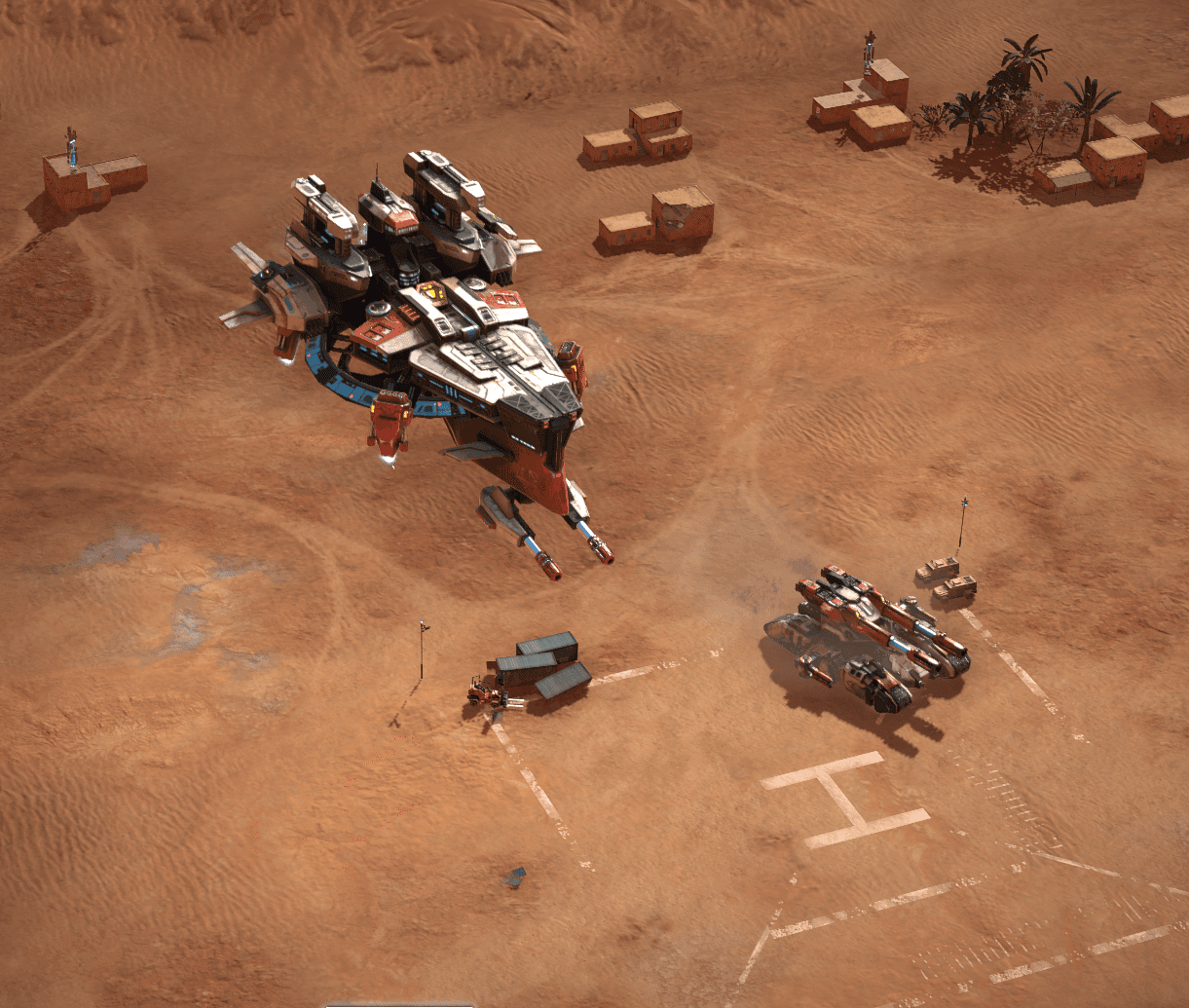 | Dreamhaven Tournament Structure |
Tournament rules, match formats, and prestige qualifiers
Tournaments present a different competitive environment than standard ranked ladder queues. In ranked matches, a loss deducts a modest amount of MMR and you can queue right back up. In tournament brackets, a single tactical oversight knocks you out of contention during opening stages.
Official formats documented in premier events like the Launch Clash utilize a 32-entrant bracket structured around strict phase transitions, as detailed on the Mechabellum Dreamhaven Wiki:
- Rounds of 32 and 16: Single-elimination sudden death. You play one standard match. The loser is eliminated instantly.
- Quarterfinals, Semifinals, Third Place, and Finals: Best-of-three series. Players contest up to three complete games, allowing opportunities to adjust starting commander tactics and counter high-cost giant compositions.
Placement in automated weekly tournaments directly feeds higher-tier championship systems. During the Launch Clash series, 8 tournament slots in the 32-player main bracket were directly reserved for top-performing players from official Weekend Tournaments across weeks 63 through 73. High weekly placement functions as the documented gateway into Mechabellum's premier competitive brackets.
Combat Power scoring and rating penalties
Tournament standings directly interact with your Combat Power (CP). Official updates contain differing rules regarding CP loss penalties that players should understand:
- Historical Adjustment: Earlier developer notes reduced CP point losses for competitors with low MMR, cushioning newer participants from steep rating hits.
Under this rule, only elite leaderboard contestants suffer rating erosion on elimination, lowering the entry risk for aspiring competitors.
Check your current profile screen between matches to verify if your current standing places you inside the vulnerable top-200 rating bracket.
Round-by-round tactical adjustments and flank control
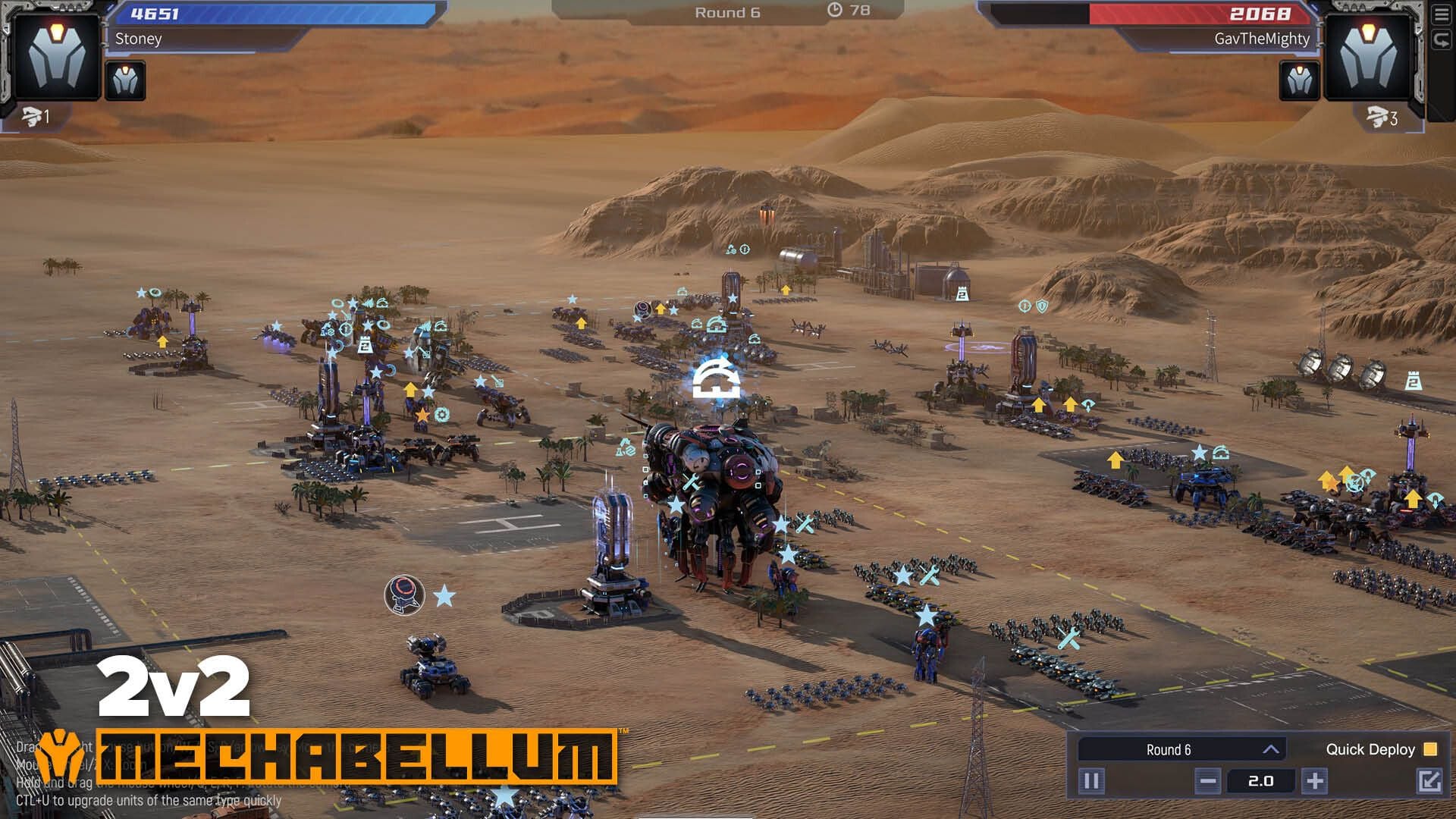
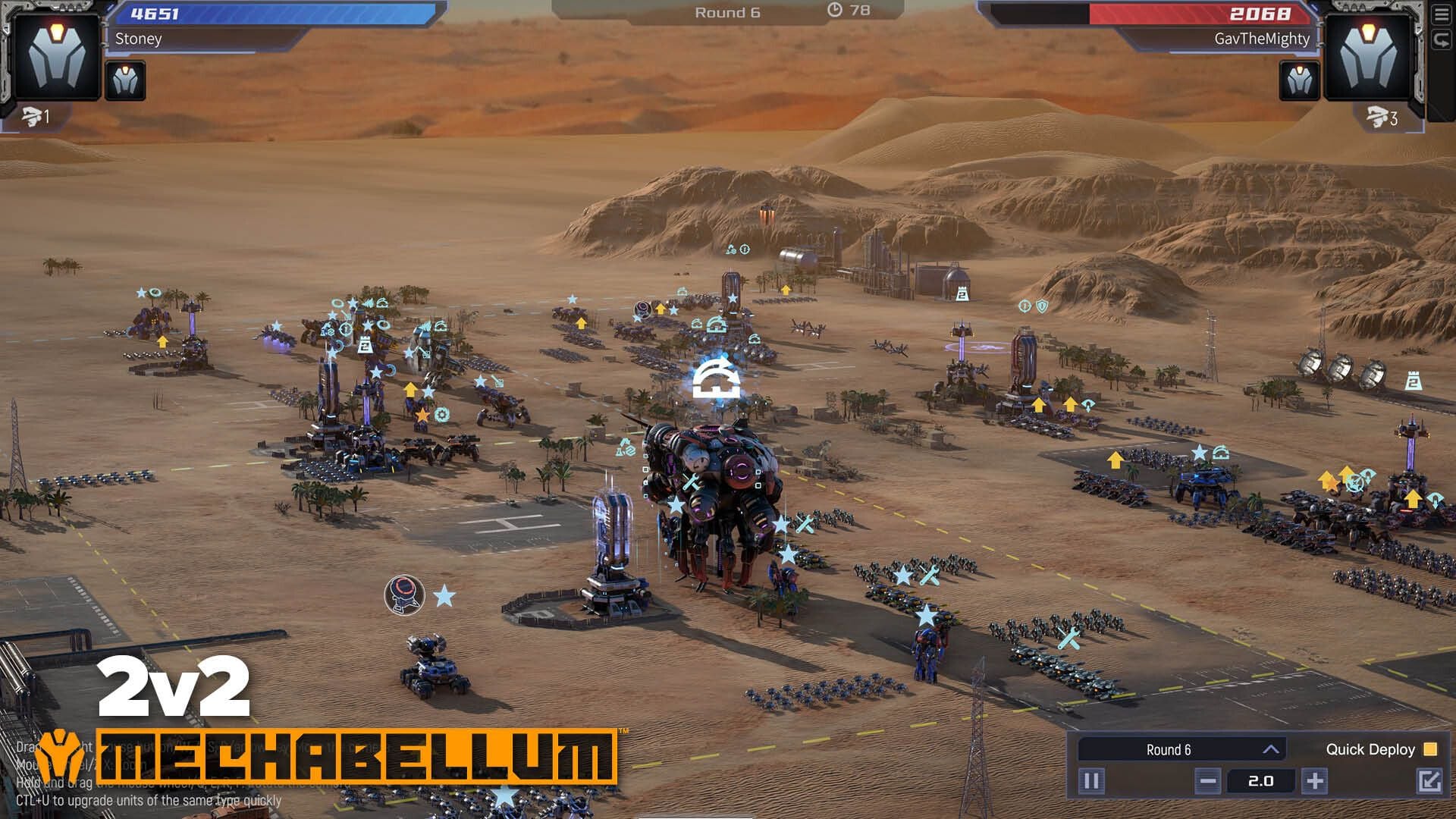
Winning tournament matches requires understanding round pacing. A tournament match on Far-Away unfolds across distinct developmental phases.
Round 1: Foundation and movement tempo
Round 1 sets your foundational army shape. Units feature varying movement speeds ranging from 6 to 16 meters per second, as documented by TheGamer. Placing fast Light Bots on the front line causes them to sprint ahead at up to 16 m/s, separating from your slower Medium, Heavy, and Giant supports.
To build a cohesive frontline:
- Place fast Light Bots slightly behind slower frontliners during initial deployment.
- Allow your medium and heavy tanks to absorb incoming sniper shots before the light melee units make contact.
- Ensure firing lanes remain open so backline ranged units do not waste movement cycles repositioning around bottlenecks.
Flank deployment zones remain locked during Round 1. Flanking allows you to place units directly beside or behind an opponent's backline artillery.
A single unit of Light Bots deployed along an undefended flank forces the opponent's snipers or heavy giants to rotate away from the center clash. Even if the flanking squad dies, the disruption preserves your frontline integrity. Conversely, keep a defensive response—such as a rear chaff screen—ready along your own borders if your opponent shows aggressive positioning.
Tech upgrade prioritization vs. unit recruitment
Tournament board space is physically limited. Simply recruiting waves of Level 1 units creates congested boards that crumble against high-damage area-of-effect abilities. Instead of endless recruitment, top-tier tournament play leans on unit tech upgrades.
As explained by TheGamer, purchasing a tech upgrade on a specific unit archetype retroactively applies that upgrade to every active unit of that type on the field. All future recruitments of that unit arrive pre-upgraded straight out of the deployment interface. This mechanic gives tech upgrades compounded value over raw unit counts.
| Unit Archetype | Critical Tech Upgrade | Cost / Stat Impact | Primary Tournament Tactical Function | Source Link |
|---|
| War Factory | Efficient Maintenance | Upkeep reduced from 200 to 50 Supply | Mitigates the recurring round penalty to preserve economy | TheGamer Upgrades |
| Fortress | Anti-Air Barrage | Fires 16 missiles (900 damage each, 0m range) every 10s | Clears aerial swarms before aircraft enter attack range | TheGamer Upgrades |
| Light Chaff | Specialist Upgrades | Varies (e.g., Replicate / Portable Shield) | Subject of strategic division; sustains frontline distraction | TheGamer Upgrades |
The Light Bot upgrade debate
Tournament strategists disagree sharply on whether to spend scarce tournament supply on light chaff tech:
- The Chaff-Deprecation View: Strategic breakdowns from Game Rant argue against investing heavy resources into upgrades for Light Bots like Crawlers or Fangs. They assert that cheap units lose value during high-tech late rounds where mass splash damage obliterates them instantly.
- The Chaff-Tech Priority View: Detailed upgrade analyses from TheGamer counter this claim. They rank Crawler Replicate as the single strongest upgrade in the game and Fang Portable Shield among the top four tech choices. Multiplying chaff forces opponent giants to expend massive single-target salvos on disposable targets.
Your choice depends on the opponent's composition. If the enemy relies on single-target giants like snipers or standard Fortresses, upgrading chaff stalls their damage output. If your opponent fields wide area-of-effect weapons, redirect your supply into your own giants.
Managing giant unit supply and upkeep penalties
Fielding Giant units provides the heavy firepower required to sweep mid-game boards, but unmanaged giant costs will bankrupt your late-game economy.
War Factory upkeep management
The War Factory delivers massive board presence, but it inflicts a severe operational penalty: an ongoing upkeep drain of 200 Supply at the start of every subsequent round. Deploying one without an economic plan leaves you unable to purchase crucial counters in later rounds.
To run a War Factory safely in tournament play, prioritize the Efficient Maintenance upgrade immediately upon deployment. Documented by TheGamer, this upgrade cuts the round penalty by 150 Supply, lowering the ongoing drain to just 50 Supply per round. This 150-Supply saving per turn pays for crucial positioning adjustments and counter-upgrades.
Aerial counters and artillery bombardment
When your opponent transitions into air-heavy compositions, ground-focused armies rapidly collapse without dedicated anti-air measures:
- Fortress Anti-Air Barrage: Equipping a Fortress with this tech unleashes 16 missiles every 10 seconds. Each missile deals 900 damage over a 170-meter engagement radius, intercepting air units before they reach firing range.
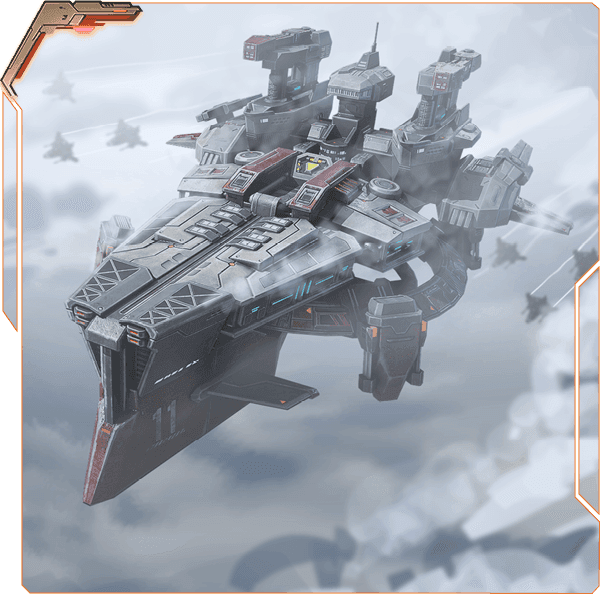
- Overlord Ground Artillery: If you are piloting Overlords and need to bypass enemy ground defenses, invest 350 Supply into the Overlord Artillery tech. It mounts dual ground cannons that activate after three seconds, dealing 11,000 base damage per hit. Because this damage scales by an additional 11,000 per unit rank level, a ranked-up Overlord with artillery quickly punches through fortified lines.
Balancing these specialized giant upgrades against your baseline recruitment ensures your army remains durable as single-elimination rounds transition into multi-game series.
Frequently asked questions
Do I need to be in Asia or Europe to enter those specific tournaments?
No. Tournament region labels only indicate the time of day the matches occur. All automated tournaments in Mechabellum are globally open to all registered players regardless of geographic location.
Where can I check my current Combat Power and tournament standings?
Open your Commander Profile overview. Your Combat Rating (MMR), Account Name, and numerical Player ID (UID) are displayed beneath your level badge on the profile screen.
When does flank deployment unlock during a match?
Flank zones unlock after Round 1 finishes.