What Are Chamet Diamonds and Why They're Targeted

Diamonds function as Chamet's primary currency, convertible to coins for virtual gifts valued from hundreds to thousands of diamonds. This direct monetary value makes accounts attractive targets. Scammers know users seek cost-effective recharge methods, creating vulnerability during price searches.
The gift economy drives constant demand. Popular streamers receive gifts worth thousands monthly, motivating viewers to maintain balances. This perpetual need creates recurring scam opportunities.
Evolution of Scam Tactics from 2023 to 2026
Scam sophistication escalated dramatically since Google Play removal. Early scams used obvious fake websites with poor design. Modern 2026 operations deploy clone sites with near-identical interfaces, SSL certificates, and professional customer service that deceive cautious users.
The January 3, 2026 Terms of Service update introduced stricter security, yet scammers adapted by creating phishing pages mimicking new verification processes. Fake sites now request enhanced security credentials, turning safety features into exploitation tools.
Diamond generators evolved from simple downloads to sophisticated web platforms claiming API integration. These now incorporate countdown timers, fake testimonials, and fabricated recent transaction feeds creating urgency and false legitimacy.
Financial Impact on Community Members
Average victims lose initial payments plus cascading consequences. Compromised accounts experience unauthorized diamond transfers within minutes, draining balances before users recognize breaches. Recovery takes 24-48 hours for face verification alone, during which scammers monetize stolen accounts.
Beyond direct loss, victims face suspension risks. January 3, 2025 community guidelines impose stricter penalties for accounts in fraudulent transactions, even when users are victims. This creates secondary victimization where legitimate users lose access to networks and VIP status.
How Scammers Exploit New Users
New users are prime targets due to unfamiliarity with legitimate processes. Scammers position fake sites prominently in search results for cheap Chamet diamonds or Chamet recharge discount, intercepting users before they discover official methods.
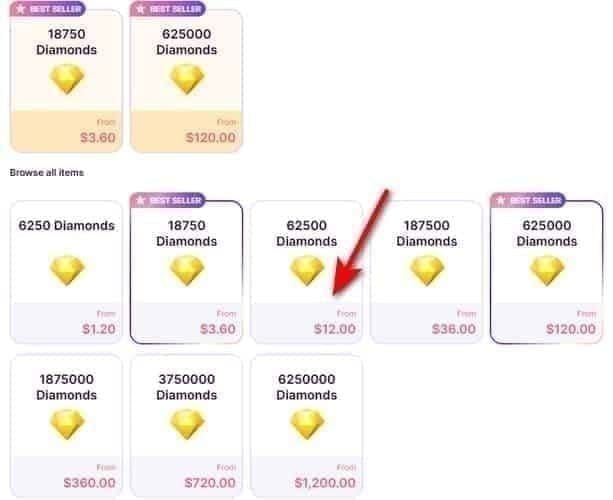
The nine-tier agency structure from January 12, 2026 created confusion about authorized resellers. Scammers exploit this by claiming agency status while offering prices like $1.07-$1.29 for 6,250 diamonds—rates mirroring legitimate pricing but leading to fraud.
The Unlimited Diamonds Scam: Too Good to Be True
Unlimited diamonds generators represent the most prevalent scam—90% of free diamond shortcuts are confirmed fraud. These promise infinite diamonds through supposed exploits that can't exist within Chamet's server-side economy.
The technical impossibility stems from centralized transaction validation. All diamond balances exist on company servers, not local devices. Any legitimate addition requires server authentication through encrypted payment gateways. Generators claiming to bypass this are fundamentally incompatible with platform architecture.
How Fake Generators Actually Work
Fake generators follow predictable patterns harvesting user data rather than delivering diamonds. The typical process:
- Enter Chamet User ID (8-12 digit number in Profile > My Profile)
- Select desired diamond quantity
- Complete verification steps installing malware or collecting personal information
Research shows 95% contain malware capturing device data, banking credentials, or social media access. These request permissions far exceeding legitimate tools: contact lists, SMS access, storage permissions enabling comprehensive data theft.
Human verification redirects through survey sites, app downloads, or subscription traps generating scammer revenue while never delivering diamonds. Each completed survey earns affiliate commissions, creating profit even when users recognize the scam.
Why Unlimited Diamonds Are Technically Impossible
Chamet's transaction architecture employs multiple validation layers preventing unauthorized additions. Each recharge triggers server-side verification through official payment gateways using UPI, credit cards, or net banking—never cryptocurrency.
Updated security includes real-time transaction monitoring flagging unusual additions. Even if generators bypassed initial validation, anomaly detection would immediately suspend accounts showing impossible patterns, resulting in permanent bans.
Real User Experiences
User reports describe identical experiences: generators display convincing progress bars, then require verification steps never concluding successfully. After multiple verification rounds, users receive server congestion notifications requiring waiting periods while scammers monetize collected data.
Sophisticated operations actually add small diamond amounts creating false legitimacy, then request passwords for final verification. Users complying discover accounts drained within minutes—scammers transfer balances and make unauthorized purchases before victims respond.
Account Bans and Security Risks
Chamet's detection identifies accounts attempting generators through behavioral analysis. Even unsuccessful attempts create red flags, potentially triggering enhanced scrutiny or preventive suspensions.
Terms of Service explicitly prohibit third-party tools manipulating balances. Users caught face permanent termination with no appeal, losing VIP progress, social connections, and previous legitimate purchases.
12 Critical Red Flags of Fake Recharge Sites
Suspicious URL Patterns
Fake sites use domain variations mimicking official platforms through subtle misspellings or additional words. Common patterns: extra hyphens, number substitutions, or extensions like .net/.info instead of .com. Scammers register domains with official,secure, or verified creating false legitimacy.
Legitimate platforms maintain consistent domains across all pages. URL changes during checkout—particularly redirects to unfamiliar domains—indicate payment harvesting schemes.
Missing SSL Certificates
Secure websites display HTTPS with padlock icons, indicating encrypted transmission. Fake sites often lack SSL or use invalid certificates triggering browser warnings. Never proceed past security warnings.
Even HTTPS sites require verification. Click the padlock to examine certificate details, confirming issuance to the domain you're visiting. Legitimate platforms invest in extended validation certificates showing company names in green; scammers use basic certificates or none.
Unrealistic Discounts
Discounts exceeding 50% are immediate red flags—legitimate platforms operate on thin margins preventing dramatic reductions. Scammers advertise impossible deals like 90% off or buy 1000 get 10000 free.
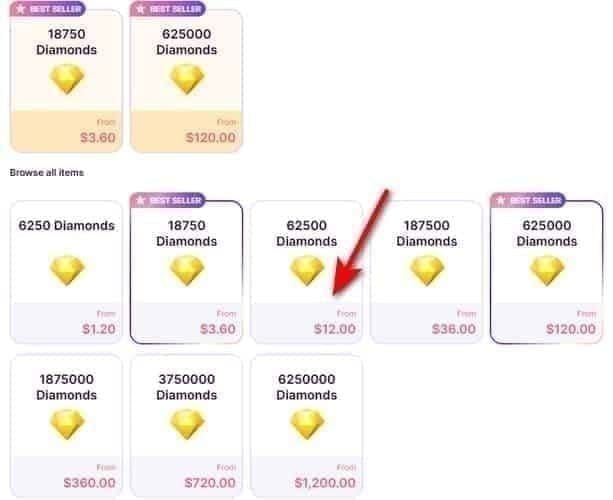
Legitimate agency pricing for 6,250 diamonds: $1.07-$1.29, reflecting actual wholesale rates. Offers significantly below indicate fraud or bait-and-switch schemes.
Requests for Passwords or Sensitive Data
No legitimate platform ever requires your Chamet password. Authentic top-ups need only your User ID—the 8-12 digit number in your profile. Password requests indicate credential harvesting to steal accounts.
Similarly, requests for login credentials, email passwords, or external account access are definitive scam indicators. Legitimate platforms process payments through secure gateways requiring only payment method details.
For comprehensive verification, BitTopup provides fake site checklists detailing exactly what legitimate services require versus scammer requests.
Poor Design and Grammar
Professional platforms invest in polished interfaces with consistent branding, proper grammar, functional navigation. Scam sites display spelling errors, awkward translations, broken images, or inconsistent formatting.
Check contact information. Fake sites list generic Gmail/Yahoo addresses rather than professional domain-based emails. Legitimate platforms provide multiple contact methods: phone support, live chat, official emails matching their domain.
Absence of Customer Support
Scam operations avoid genuine contact methods exposing identities. Fake sites omit contact information or list non-functional numbers and emails never responding. Test customer service before transactions.
Legitimate platforms like BitTopup maintain 24/7 support with multiple channels and guaranteed response times. Real-time chat, verified phones, and documented physical addresses indicate operational legitimacy scammers can't replicate.
Comprehensive Fake Site Checklist (2026 Edition)
Step 1: Verify Domain Registration and Age
Use domain lookup tools examining registration dates and ownership. Legitimate platforms maintain established domains registered for multiple years with consistent ownership. Newly registered domains—particularly under six months—warrant extreme caution.
Check domain privacy settings. While privacy protection is legitimate, scammers universally employ it hiding identities. Established platforms often display public registration demonstrating transparency.
Step 2: Check Official Partnership Indicators
Legitimate third-party platforms maintain verifiable relationships with gaming platforms. Look for official partnership badges, authorized reseller certifications, or documented business relationships. Contact Chamet support at chamet.feedback@gmail.com to verify specific platforms hold authorized status.
The nine-tier agency structure from January 12, 2026 created official channels for verified resellers. Legitimate agencies provide documentation of tier status and authorization; scammers can't produce verifiable credentials.
Step 3: Analyze Payment Gateway Legitimacy
Examine available payment methods. Legitimate platforms integrate established gateways supporting UPI, major credit cards, net banking through recognized processors. Avoid sites requesting cryptocurrency, wire transfers, or gift cards—methods favored by scammers due to irreversibility.
Verify payment pages redirect to official gateway domains rather than remaining on recharge sites. Legitimate processors like Razorpay, PayPal, or Stripe display branding and security during checkout, with URLs matching official domains.
Step 4: Review User Testimonials
Authentic feedback appears across multiple independent platforms with varied dates and detailed experiences. Scam sites fabricate testimonials with generic praise, stock photos, suspiciously perfect ratings. Search platform name with scam or review to discover genuine experiences.
Check review consistency across platforms. Legitimate services maintain similar ratings on multiple sites; fake operations show dramatic discrepancies—perfect scores on their site but numerous scam reports elsewhere.
Step 5: Test Customer Service
Contact support before purchasing to evaluate response quality and speed. Ask specific questions about transaction processes, refund policies, delivery timeframes. Legitimate platforms provide detailed, helpful responses within reasonable timeframes; scams offer generic replies or never respond.
Verify support channels function. Many fake sites display chat widgets or contact forms never connecting to real representatives. Test multiple methods confirming genuine support infrastructure exists.
Common Phishing Techniques
Email Scams Claiming Free Rewards
Fraudulent emails impersonate Chamet support, announcing contest winners or offering compensation for fabricated issues. These contain links to phishing sites capturing login credentials when users attempt claiming nonexistent rewards.
Legitimate Chamet communications never request passwords via email or direct users to external login pages. Official notifications appear within the app, with emails limited to security alerts never including clickable login links.
Social Media Fake Giveaways
Scammers create accounts mimicking official Chamet profiles, announcing giveaways requiring external site visits and account detail entry. These exploit users' desire for free diamonds while appearing legitimate through stolen branding.
Verify social media accounts through official Chamet channels before engaging. Legitimate giveaways never require password entry or external visits, processing rewards directly through verified in-app mechanisms.
Clone Websites
Advanced phishing creates pixel-perfect replicas of legitimate platforms, copying designs, security badges, testimonials. These appear in search results through paid advertising, intercepting users searching for authentic services.
Always access platforms through bookmarked URLs or direct navigation rather than search results. Verify URLs character-by-character before entering information—clone sites use subtle misspellings easily overlooked.
In-App Message Impersonation
Scammers contact users through Chamet messaging, impersonating administrators or support. These claim account issues requiring immediate verification through external links, creating urgency bypassing rational security.
Chamet staff never initiate contact requesting passwords or payment through in-app messages. All legitimate account issues generate official notifications within app settings, never through direct messages from individual accounts.
How Scammers Steal Your Information
Data Harvesting Methods
Fake platforms capture every piece of entered information, from User IDs to payment details. This data gets stored in databases sold to other criminals or used for identity theft. Even incomplete transactions provide valuable information for targeted phishing.
Advanced operations employ keylogging scripts recording all keyboard inputs, capturing information users delete or don't submit. Browser fingerprinting collects device details, IP addresses, browsing patterns enabling sophisticated tracking across platforms.
From Payment Details to Identity Theft
Payment information stolen during fake recharges enables immediate fraudulent charges. Beyond direct theft, scammers sell complete identity packages including names, addresses, phones, payment details to specialized criminals conducting large-scale fraud.
The 95% of unauthorized transactions detected within 3-15 minutes demonstrates how quickly stolen information gets monetized. Scammers employ automated systems immediately testing compromised cards across multiple platforms, maximizing theft before victims freeze accounts.
How Compromised Accounts Are Monetized
Stolen accounts serve multiple criminal purposes. Scammers drain existing balances, make unauthorized purchases, or use accounts conducting romance scams against the victim's contacts. Established accounts with VIP status and social connections hold particular value.
Account credentials also enable access to linked emails and social media if users reuse passwords. This credential stuffing creates cascading breaches where single Chamet compromise exposes entire digital identities.
Long-Term Consequences
Data stolen during scams remains valuable indefinitely. Personal information appears in criminal databases sold repeatedly across dark web marketplaces, creating ongoing identity theft risks years after initial compromise. Victims face recurring fraudulent account creations, credit applications, targeted phishing using stolen details.
Reputational damage from compromised accounts conducting scams against friends creates social consequences beyond financial loss. Rebuilding trust after your account sends fraudulent messages requires extensive explanation and verification.
Safe and Verified Recharge Methods
Official In-App Purchase
The most secure method involves direct in-app purchases through Chamet's integrated payment system. This eliminates third-party risks by processing transactions entirely within official infrastructure, with immediate delivery typically completing within 1-5 minutes using secure gateways.
However, in-app purchases often carry premium pricing compared to authorized resellers. The August 2023 Google Play removal also complicated access for some users, creating legitimate needs for verified third-party alternatives maintaining security while offering competitive rates.
BitTopup: Verified Third-Party Solution
BitTopup represents the gold standard for third-party Chamet recharges, combining competitive pricing with comprehensive security. The platform processes 98% of orders within 3 minutes while maintaining encryption standards and verification protecting user information.
The recharge process requires only your Chamet User ID—found by opening the app, tapping the profile icon in bottom right, copying the 8-12 digit number below your profile name. This minimal information requirement eliminates password exposure risks while enabling secure delivery.
BitTopup's multi-layer verification includes SMS verification completing in 2-3 minutes for standard transactions, with face verification available for enhanced security requiring 24-48 hours. These confirm account ownership without exposing credentials.
Comparing Security Features
Legitimate platforms share common security characteristics:
- HTTPS encryption
- Recognized payment gateway integration
- Documented delivery timeframes (typically 1-5 minutes)
- Transparent refund policies
- Multiple customer support channels
- Never request account passwords
- Established payment methods (UPI, credit cards, net banking)
- Avoid cryptocurrency or irreversible payment types
Payment Method Selection
Choose methods offering buyer protection and transaction reversibility. Credit cards provide superior fraud protection compared to debit cards or direct transfers, enabling chargebacks if services aren't delivered. Avoid wire transfers, cryptocurrency, or gift cards offering no recourse.
Enable transaction notifications through your payment provider for immediate charge alerts. This real-time monitoring allows rapid response if unauthorized transactions occur, minimizing losses through quick account freezing and dispute initiation.
BitTopup Security Features
Multi-Layer Verification Process
The platform employs graduated verification matching transaction values to security requirements. Standard recharges use SMS verification sending one-time codes to registered phones, confirming ownership in 2-3 minutes without exposing passwords.
Higher-value transactions trigger face verification requiring identification photos matched against account profiles. This 24-48 hour process prevents unauthorized access even if phone numbers become compromised, creating redundant security layers scammers can't replicate.
Encrypted Transaction Technology
All payment processing occurs through SSL-encrypted connections using industry-standard protocols preventing data interception. BitTopup integrates established payment gateways rather than handling sensitive financial information directly, ensuring card details never pass through potentially vulnerable intermediate systems.
The platform maintains PCI DSS compliance for payment card security, implementing tokenization replacing actual card numbers with randomized identifiers. This ensures even database breaches can't expose usable payment information.
Customer Protection Policies
BitTopup provides documented refund policies covering non-delivery, incorrect amounts, or technical failures. These guarantees create accountability absent from scam operations disappearing after collecting payments.
The 24/7 customer support infrastructure enables immediate assistance for transaction issues, with multiple contact channels including live chat, email, phone support. Response time guarantees ensure users receive help within documented timeframes rather than facing silence characteristic of fraudulent platforms.
Step-by-Step Secure Recharge Guide
- Locate your Chamet User ID: open app, tap profile icon (bottom right), copy 8-12 digit number below profile name

- Visit BitTopup's Chamet page through bookmarked URLs or direct navigation, never through search ads
- Enter only your User ID—legitimate platforms never request passwords
- Select desired diamond package, reviewing pricing and delivery timeframes
- Choose payment method from supported options (UPI, credit cards, net banking)
- Complete payment through secure gateway redirect, verifying URL matches official payment processor
- Confirm transaction and save receipt/confirmation number
- Receive diamonds within 1-5 minutes (98% of orders complete within 3 minutes)
24/7 Customer Support
Immediate support access distinguishes legitimate platforms from scams. BitTopup maintains round-the-clock service through multiple channels, ensuring assistance availability regardless of transaction timing or location.
The support team handles delivery delays, incorrect amounts, or technical issues through documented resolution processes with guaranteed response times. This accountability creates recourse options completely absent from scam operations vanishing after collecting payments.
Protecting Your Account After Scam Exposure
Immediate Actions If You've Shared Details
Change your Chamet password immediately through official app settings if you've provided credentials to any external site. Use a strong, unique password combining uppercase/lowercase letters, numbers, special characters, ensuring it differs from passwords on other platforms.
Review transaction history for unauthorized diamond purchases or transfers. The platform's monitoring detects 95% of fraudulent transactions within 3-15 minutes, but manual verification ensures nothing escapes automated detection. Document suspicious activity with screenshots for reporting.
Contact your payment provider immediately if you've entered card details on fake sites. Request card freezing or replacement preventing unauthorized charges, and initiate fraud monitoring alerting you to suspicious activity across financial accounts.
Enable Two-Factor Authentication
Two-factor authentication adds critical security preventing account access even if passwords become compromised. Enable through Chamet's security settings, linking your account to a phone number receiving verification codes for each login attempt.
SMS verification takes 2-3 minutes to configure but provides ongoing protection against credential-based attacks. Even if scammers obtain your password, they can't access your account without the secondary verification code sent to your registered device.
Monitor Transaction History
Establish regular review schedules for Chamet transaction history, checking for unauthorized diamond purchases, unexpected balance changes, or unfamiliar gift sending. Early detection enables faster response and improved recovery outcomes.
Enable transaction notifications if available, receiving immediate alerts when diamonds are purchased, transferred, or spent. This real-time monitoring creates awareness of account activity even when you're not actively using the platform.
Report Scam Sites
Report fraudulent recharge sites to chamet.feedback@gmail.com within 24 hours of discovery, providing complete details including URLs, screenshots, descriptions of requested information. These reports help the platform identify emerging threats and warn other users.
Include transaction receipts, communication records, and any documentation supporting your report. Comprehensive information enables more effective investigation and potentially assists recovery efforts if you've suffered financial losses.
Recover Compromised Accounts
Account recovery begins with password reset through official app mechanisms, never through external links received via email or messages. Use in-app password recovery sending verification codes to your registered email or phone.
If scammers changed your registered contact information, contact Chamet support directly with account ownership proof including previous transaction receipts, registration details, or identification documents. Face verification requiring 24-48 hours provides secure identity confirmation for account restoration.
Document all unauthorized activity with screenshots showing fraudulent transactions, changed settings, or suspicious messages sent from your account. This evidence supports your case during recovery processes and potential fraud investigations.
Legal Ways to Earn Free Diamonds
Daily Check-In Bonuses
Chamet provides daily check-in rewards at 00:00 UTC+8, offering 200-500 diamonds for consistent login activity. This legitimate free diamond source requires only regular app access without external sites, downloads, or information sharing.
Mission systems reward specific activities like watching streams, sending messages, or participating in platform events. These engagement-based rewards create sustainable free diamond earning without security risks or terms violations.
Official Promotional Events
The platform periodically conducts legitimate campaigns offering bonus diamonds for recharges, special event participation, or milestone achievements. These official promotions appear within the app with clear terms, never requiring external site visits or credential sharing.
Monitor in-app announcements and official Chamet social media for authentic promotional opportunities. Verify all promotions through multiple official sources before participating—scammers frequently create fake events mimicking legitimate campaigns.
Referral Program Benefits
Legitimate referral systems reward users for inviting friends through official invitation mechanisms built into the app. These provide diamonds when referred users complete registration and initial activities, creating mutual benefits without security risks.
Avoid external referral programs claiming enhanced rewards for sharing account details or downloading third-party apps. Authentic referral benefits process entirely through official platform infrastructure without requiring information exposure.
Streaming and Engagement Rewards
Content creators earn diamonds through viewer gifts during live streams, with the platform's economy designed to reward popular streamers. This legitimate earning method requires content creation effort but provides substantial diamond income for successful broadcasters.
Active viewers also receive occasional rewards for consistent engagement, chat participation, or supporting favorite streamers. These organic earning opportunities integrate with normal platform usage without requiring external interactions or security compromises.
Expert Tips for Long-Term Security
Create Strong, Unique Passwords
Generate passwords combining at least 12 characters with mixed case letters, numbers, special symbols. Avoid dictionary words, personal information, or patterns automated cracking tools easily guess. Each platform should have unique passwords preventing credential stuffing attacks where one breach compromises multiple accounts.
Use password managers to generate and store complex passwords securely rather than relying on memory or written records. These tools create randomized passwords impossible to guess while maintaining convenient access through encrypted databases.
Recognize Official Communications
Legitimate platform communications appear within app notification systems rather than through external emails or messages requesting immediate action. Official emails from Chamet use consistent sender addresses and never include clickable login links or password requests.
Verify unexpected communications by accessing your account directly through the app rather than clicking provided links. If messages claim urgent account issues, check through official channels rather than responding to potentially fraudulent communications.
Safe Browsing Habits
Access recharge platforms exclusively through bookmarked URLs or direct navigation, never through search engine advertisements or social media links. Scammers purchase ads targeting gaming-related searches, positioning fake sites above legitimate results.
Verify URLs completely before entering information, checking for subtle misspellings or unexpected domain extensions. Bookmark verified legitimate platforms after initial verification ensuring consistent access to authentic sites.
Regular Security Audits
Review account security settings monthly, verifying contact information accuracy, checking linked devices, confirming no unauthorized access appears in login history. Regular audits detect compromises early, enabling faster response before significant damage occurs.
Update passwords quarterly even without suspected breaches, rotating credentials to limit exposure windows if undetected compromises exist. This proactive approach prevents long-term unauthorized access from undiscovered credential leaks.
FAQ About Chamet Diamond Safety
Are unlimited diamond generators real?
All unlimited diamond generators are scams. Chamet's server-side architecture makes unauthorized diamond additions technically impossible, with 95% of generators containing malware stealing your information rather than delivering diamonds. The platform's validation systems immediately detect and ban accounts attempting to use such tools.
How can I verify a recharge website is legitimate?
Check for HTTPS encryption, verify domain registration age exceeds six months, confirm multiple established payment methods (UPI, credit cards), test customer support responsiveness, search for independent user reviews. Legitimate platforms like BitTopup display all these characteristics while never requesting your account password—only your 8-12 digit User ID.
What happens if I use a fake top-up site?
Fake sites steal payment information for immediate fraudulent charges, harvest account credentials to drain existing balances, and sell personal data to other criminals. You'll receive no diamonds while facing unauthorized transactions detected within 3-15 minutes and potential account suspension if the platform flags your account for fraudulent activity.
Can I get my money back from a scam?
Recovery depends on payment method. Credit card users can initiate chargebacks through their issuer by reporting fraudulent charges within 60 days. Bank transfers and cryptocurrency payments are typically irreversible. Contact your payment provider immediately after discovering a scam, providing all transaction documentation to support fraud claims.
Why do fake sites ask for my password?
Scammers request passwords to steal your account entirely, not to deliver diamonds. Legitimate recharge platforms only need your User ID to process transactions. Password requests indicate credential harvesting designed to drain your existing balance, make unauthorized purchases, or use your account for romance scams against your contacts.
What are red flags of phishing websites?
Critical warning signs: unlimited diamonds promises, discounts exceeding 50%, password/login credential requests, countdown timers creating false urgency, unusual URL spellings, missing HTTPS encryption, no customer support contact information, cryptocurrency-only payment options. Any site displaying multiple red flags is definitely fraudulent—avoid immediately.
Protect your Chamet account and recharge diamonds safely through BitTopup – the verified platform trusted by thousands of players. Secure transactions, instant delivery, and 24/7 support guaranteed. Start your safe recharge now!