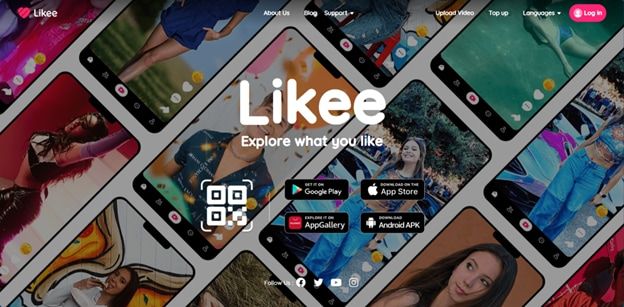
Configure the best Likee settings for crisp 60fps playback, zero live lag, and clean camera capture while stopping battery drain and overheating issues.
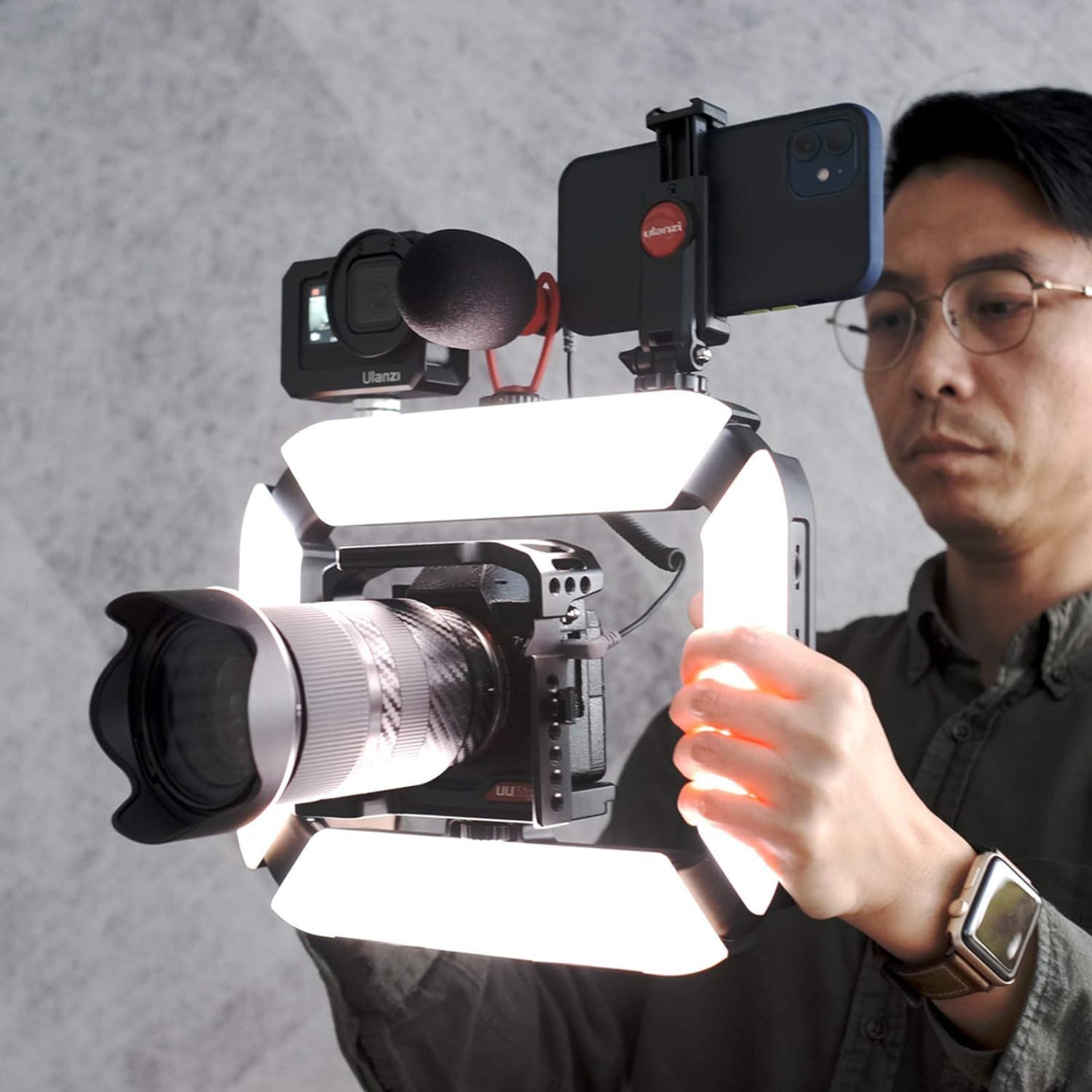
Nothing spoils a high-energy broadcast quite like dropped frames, macroblocking, or a camera feed that looks like frosted glass. Likee leans heavily on dynamic AR transitions, SuperMix effects, and real-time facial smoothing filters built by Bigo Technology (a subsidiary of Joyy). These filters tax mobile memory and thermal headroom.
Stuttering feeds and washed-out clips rarely require a new phone. They require calibration. Dialing in your bitrate, refresh rate, and camera exposure fixes the stream.
Hardware Demands and Frame Timing Bottlenecks
Mobile video encoding burns hardware fast. During a broadcast, your phone renders live camera input, processes AI skin smoothing, and encodes outgoing video packets all at once.
Android requires at least version 6.0, but stable HD streaming needs an octa-core CPU, 4GB of RAM (6GB or more if multitasking), and 10 to 15GB of free internal storage. When internal flash storage dips below this threshold, the OS relies on aggressive memory swapping, causing micro-stutters.
Display refresh cadences dictate playback feel. Hardware panels refresh frame buffers on fixed intervals: every 16.67 ms at 60 Hz and every 8.33 ms at 120 Hz. When stream delivery drops below this cadence, frame pacing stumbles and the broadcast jitters regardless of what an average FPS counter reports.
| Hardware Component | Baseline Requirement | Recommended Spec for 60 FPS |
|---|
| Android OS | Android 6.0 | Android 13 or newer |
| System RAM | 4GB RAM | 6GB – 8GB LPDDR5 |
| Free Storage | 5GB available | 10GB – 15GB unallocated |
| Processor | Quad-Core 2.0 GHz | Octa-Core with modern GPU |
| Display Refresh | 60 Hz (16.67 ms frame time) | 120 Hz (8.33 ms frame time) |
Meeting these specs preserves enough processor headroom to render AR effects without the OS down-clocking your CPU.
Live Stream Bitrate and Resolution Profiles
Pushing raw resolution across inadequate bandwidth degrades video instantly. Clean 1080p footage encoded at healthy bitrates consistently outperforms noisy 4K feeds crushed down to 5 Mbps.
Network headroom is mandatory. Total broadcast bitrate must sit at least 20 percent below your verified upload bandwidth. On a 10 Mbps connection, combined audio and video outgoing rates should cap at 8 Mbps. Exceeding that ceiling overflows RTMP ingest queues and triggers buffering for your viewers.
| Resolution & Target Frame Rate | Recommended Video Bitrate | Minimum Upload Speed Required | Optimal Use Case |
| :--- | :--- | :--- |
| 720p HD @ 30 FPS | 2,500 – 4,000 Kbps | 4.0 Mbps | Low-bandwidth connections, older devices, casual chats |
| 720p HD @ 60 FPS | 3,500 – 5,000 Kbps | 6.0 Mbps | Fast mobile action, quick dance moves, reduced blur |
| 1080p Full HD @ 30 FPS | 3,500 – 6,000 Kbps | 8.0 Mbps | Standard high-definition profile balancing clarity and stability |
| 1080p Full HD @ 60 FPS | 4,500 – 8,000 Kbps | 10.0 Mbps | Premium creator feeds with fast movements and high-end gear |
Base your target output on actual speed tests rather than an ISP's theoretical plan limit.
Stable streams keep viewers in chat. That consistency matters directly for creator revenue; viewers regularly buy diamonds on bittopup to send virtual gifts that convert into cash payouts.
Step-by-Step Configuration for 60 FPS Playback
Achieving fluid 60 FPS requires tuning both client toggles and device-level rendering flags:
- Launch Likee Settings: Open your profile, tap the top menu icon, and navigate to the app settings panel.
- Tweak Data Saver: In the video playback section, turn off Data Saver when connected to Wi-Fi or uncapped mobile plans. Leaving it enabled forces 480p proxies and cut frame rates.
- Set Keyframe Interval: When streaming through an external RTMP encoder to Likee, lock the keyframe interval to 2 seconds. A floating 4-second GOP length inflates decoder latency on mobile client devices.
- Select CBR Mode: Set your encoder to Constant Bitrate (CBR). Variable Bitrate (VBR) creates bandwidth spikes during fast movement, choking mobile connections.
- Tune Audio Encoding: Set stereo AAC audio to 128 Kbps at 44.1 kHz to protect vocal fidelity without stealing bandwidth from the video feed.
- Toggle Hardware Acceleration: Enable hardware-accelerated decoding in system settings to route video decompression to your GPU silicon rather than the CPU.
If you stream outside on congested cellular networks, drop back to 720p at 30 fps with a 3,000 Kbps cap to prevent transmission drops.
Camera Quality Fix: Shutter Speed, Exposure, and Lenses
Grainy mobile video usually stems from poor exposure control rather than low sensor resolution. Smartphone cameras on auto mode ramp up ISO gain in typical indoor lighting, generating severe sensor noise.
Respect the 180-degree shutter rule. To get natural motion without judder, set your shutter speed to roughly double your frame rate: 1/60s for 30 fps, 1/120s for 60 fps, and 1/48s or 1/50s for 24 fps narrative clips.
Lock focus and exposure manually. Constant autofocus hunting ruins stream professionalism whenever your hands move in front of the lens. Long-press the preview feed to trigger AE/AF Lock, then drag exposure down by roughly -0.7 EV. Phone sensors clip highlights quickly, and lowering exposure protects skin tones under bright ring lights.
Watch your storage consumption. Recording 4K at 24 fps uses roughly 350 MB per minute. Capturing 4K at 60 fps with Enhanced Stabilization on devices running iOS 26 (using 48MP ProRAW with JPEG-XL compression) drains space even faster. Native 1080p at 60 fps remains the most balanced format for vertical social clips, saving storage and bypassing harsh platform compression re-encodes.
How to Stop Likee Lag by Clearing Cache and Controlling Heat
UI stutter and sluggish feed scrolling point straight to a bloated cache. Likee stores every clip, sticker, avatar, and AR filter on local storage, routinely consuming over 1GB within weeks.
Clearing this data removes temp assets without touching your login, drafts, or account preferences. Open device Settings, go to Apps, select Likee, tap Storage, and hit Clear Cache to free up OS swap space.
Thermal build-up causes processor throttling. As internal temperatures rise, the OS cuts CPU and GPU clock speeds to protect the battery. Manage thermals with four steps:
- Remove thick phone cases before broadcasting or recording long sessions.
- Turn off background refresh on inactive messaging and social apps.
- Avoid fast-charging bricks while streaming live; combined charging and encoding heat induces frame drops.
- Run a desk fan directed at the phone's chassis in warm rooms.
Stable thermals maintain maximum clock frequencies. When broadcasts run smoothly without mid-show degradation, viewers stay engaged and can recharge Likee diamonds to support streams with premium gifts.
Latency vs Stability: Dialing In Your Broadcast Delay
Low-latency streaming is a direct trade-off between chat responsiveness and playback reliability.
Low latency trims read-ahead buffer depth to hold conversation delays under 5 to 10 seconds. However, if a viewer experiences a micro-drop in cellular reception, their buffer empties immediately, causing freezes.
Standard latency preserves a 15-to-30-second read-ahead buffer. Fast-paced interactive Q&As and live battles justify low latency, but performances, dance routines, and planned shows benefit more from standard buffers. The continuous visual stream prevents viewer drop-off.
Platform Differences: Android vs iOS Performance Profiles
Android and iOS treat camera hardware access and process scheduling differently.
| Setting / Feature | Android Optimization | iOS Optimization |
|---|
| Minimum System Version | Android 6.0 (Android 13+ recommended) | iOS 15 or newer |
| Camera API Access | Varies by OEM (use Camera2 API/Pro Mode) | Native AVFoundation integration |
| Background Throttling | Managed via Battery Optimization exclusions | Managed via Background App Refresh toggles |
| Cache Management | Manual purge available via OS App Settings | In-app cache purge tool within Likee |
| High Refresh Rate | Requires manual 120Hz display forcing on some UIs | Automatic ProMotion variable refresh |
| Video Export Pipeline | Hardware encoder varies by SoC chipset | Uniform Apple Silicon hardware encoding |
Android devices often run aggressive OEM battery handlers that terminate background streaming tasks. Add Likee to your battery optimization exclusion list. On iOS, disable Background App Refresh for competing social tools so Likee commands full hardware resources.
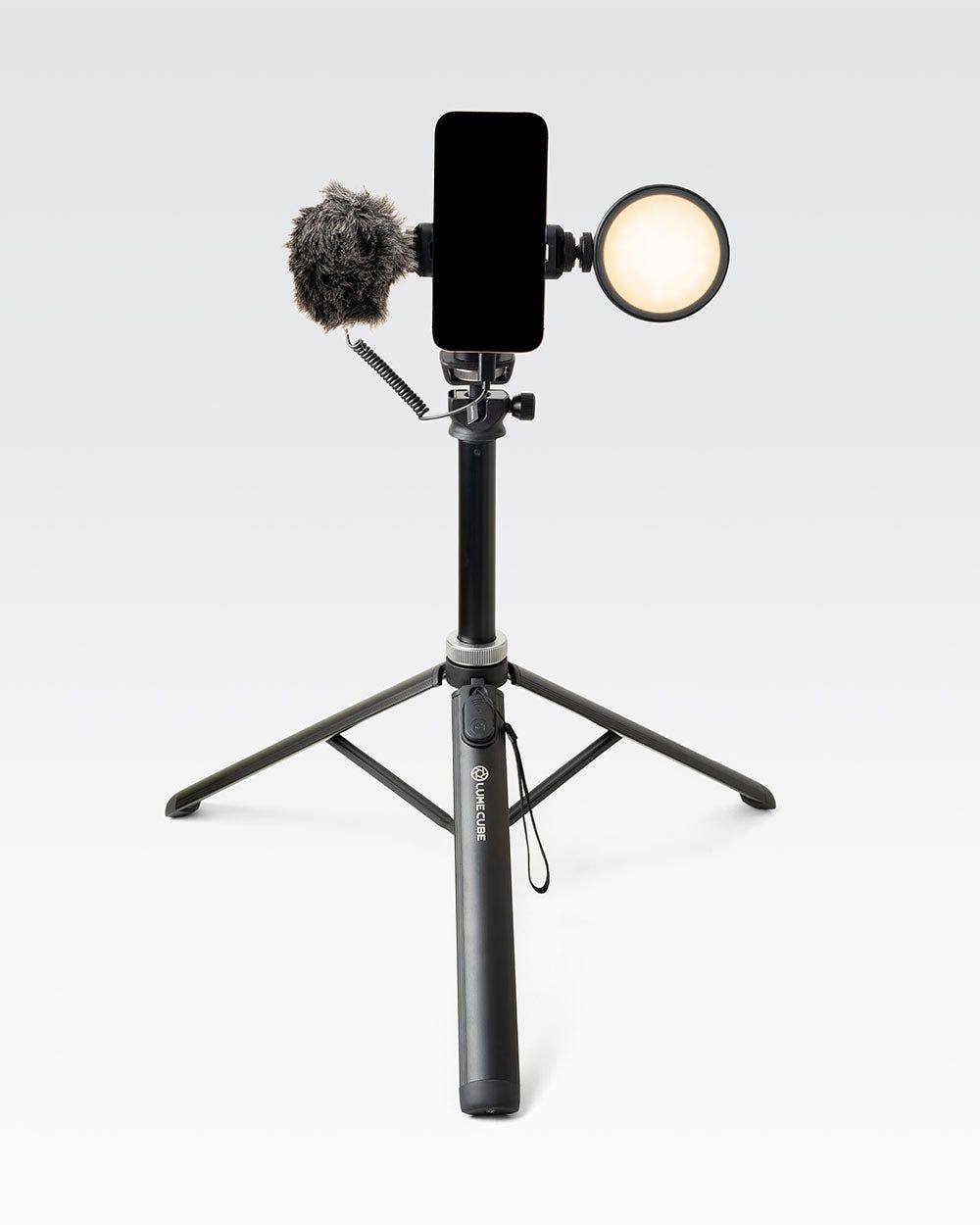
Preventing audio desync and dropped frames through proper OS configuration keeps the presentation professional. Audiences noticing crisp visual quality are more inclined to complete a Likee diamond recharge to trigger animated gifts during your stream.
FAQ
What frame rate should I use when recording videos for Likee?
Shoot at 30 fps or 60 fps for crisp, responsive motion on modern mobile displays. Reserve 24 fps solely for cinematic, narrative-style clips where you specifically want natural motion blur.
Why does my Likee live stream buffer or drop frames?
Buffering happens when your encoding bitrate exceeds 80% of your network upload bandwidth, or when thermal throttling drops your processor clocks. Lower your resolution to 720p at 30 fps and close background apps to restore stability.
How does clearing cache fix stutter inside the Likee app?
Clearing the cache deletes temporary video fragments that routinely pile up beyond 1GB. Purging these unneeded files frees up local flash storage and memory, eliminating UI stutter without erasing your login details.
Should I record my videos in 4K before uploading to Likee?
Recording in 1080p is preferred because 4K footage consumes 350 MB per minute and can trigger thermal throttling on mobile devices. If you choose to shoot in 4K, downsample the file to 1080p on export to avoid harsh compression artifacts from the platform encoder.
What shutter speed should I set on my phone or camera for 30 fps?
Set your shutter speed to 1/60s to adhere to the standard 180-degree shutter rule. If you step up to 60 fps capture, double the shutter speed to 1/120s to keep motion crisp.
Can low latency settings cause live stream lag for viewers?
Yes, low latency shrinks the read-ahead buffer to keep chat delay under 5 to 10 seconds. This leaves viewers vulnerable to playback freezing whenever their cellular connection dips.
Does data saver mode affect my upload quality?
Yes, data saver restricts network usage by compressing incoming feeds and limiting upload throughput. Keep it disabled on stable Wi-Fi to maintain high-definition broadcast standards.
The Final Word on Clean Likee Feeds
Chasing maximum technical figures is a trap. Pushing uncompressed 4K feeds and excessive bitrates onto mobile networks generates dropped frames and thermal throttling.
Stream at 1080p at 60 fps only if you possess verified upload bandwidth above 10 Mbps and sustained hardware cooling. Otherwise, 720p at 60 fps or 1080p at 30 fps yields a far more reliable feed. Keep local storage clear, hold shutter speed at double your frame rate, and monitor device thermals. Clean frame pacing will always outperform choppy resolution.