How Private Calls Work
Users browse profiles and click the call button. System deducts beans per minute in real-time. Calls end when balance depletes.
Configure rates via Profile > My Chat Price—changes take effect immediately. Your per-minute rate displays prominently, enabling price comparison.
Session duration multiplies your rate: 10 minutes at 2,000 beans = 20,000 beans gross. With 60% split, you receive 12,000 beans ($1.20) per session.
Commission Rates and Revenue Split
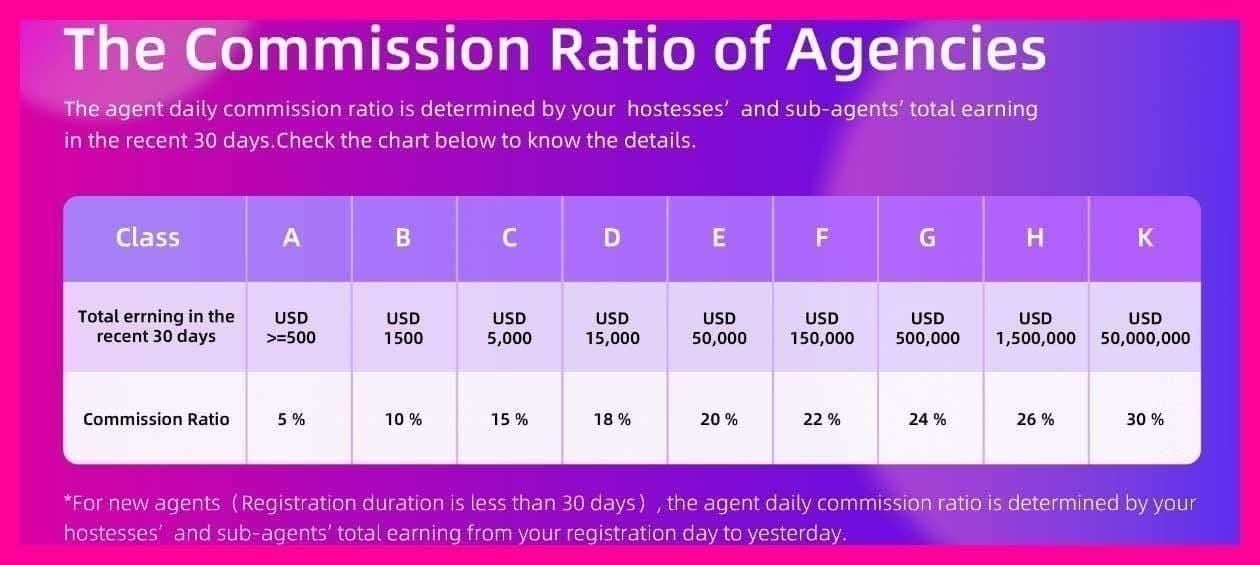
The 60-40 split applies to all bean earnings. Level 5+ hosts at 70% gain substantial advantages—on 1,000,000 beans monthly ($100), the difference between $60 and $70 compounds to $120 annually.
Gift revenue adds 15-30% of total income, operating separately where 16,670 Diamonds = 10,000 beans at 0.6 bean-per-Diamond rate.
Platform fees stay consistent regardless of pricing tier. Higher rates directly increase take-home earnings proportionally. At 5,000 beans/minute: $0.50 gross, $0.30 net (60% split) = $30 hourly during active calls versus $7.20 hourly at 1,200 beans.
Diamond Currency System
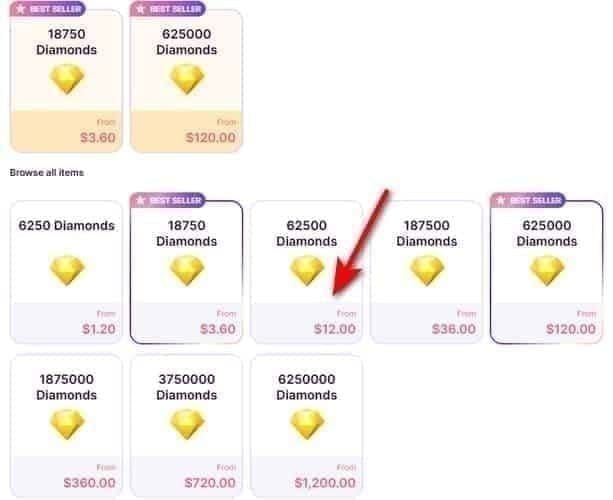
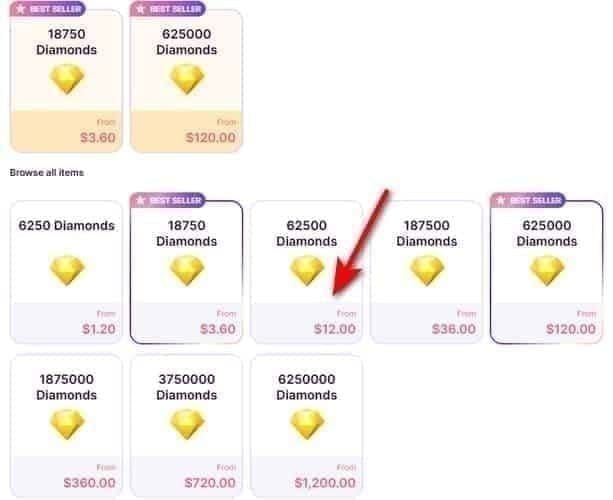
Users purchase Diamonds, then convert to beans for private calls. The 16,670:10,000 conversion creates slight premium over direct bean purchases.
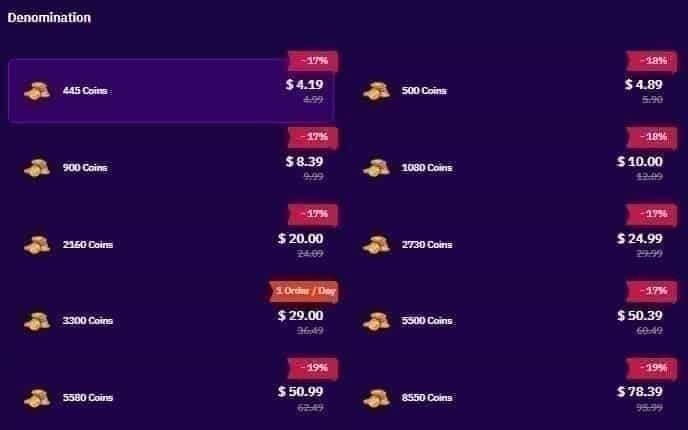
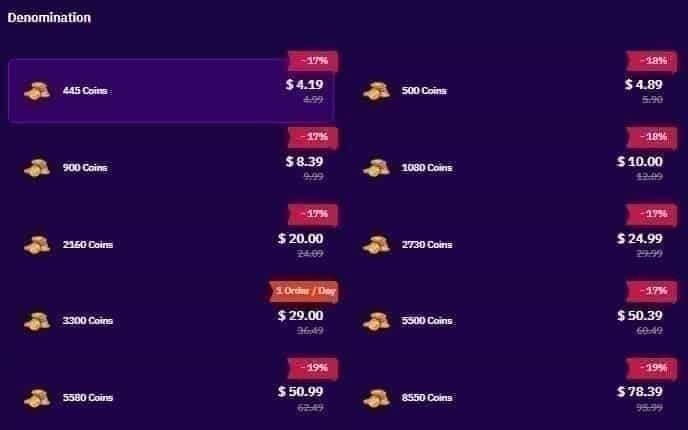
When users recharge through platforms offering top up chamet app services, they access promotional rates and bonus Diamonds, increasing spending capacity.
Bean-to-USD conversion at 10,000:1 simplifies calculations. Earning 400,000 beans daily from 8 viewers at 2,000 beans/minute across 10-minute sessions = $40 gross, $24 net. Scaling to 30 viewers with 15-minute sessions yields 900,000 beans ($90 gross, $54 net).
Key Income Factors
Viewer conversion rate: Optimized profiles convert 5-15% of daily views. At 200 daily views with 10% conversion = 20 private calls.
Average session duration: Typical sessions run 10-15 minutes. Hosts building rapport extend to 20-30 minutes. At 5,000 beans/minute, 10-minute ($3 net) versus 20-minute ($6 net) sessions doubles revenue.
Repeat caller rate: 40-60% of callers return within 7 days for quality hosts. A base of 15 regulars generating 2-3 weekly sessions provides stable income versus constantly acquiring new viewers.
The Complete Private Call Rate Calculation Formula
Formula: Target Daily Income ÷ (Available Hours × 60 × Conversion Rate × Average Session Duration) × Commission Split = Required Beans Per Minute
Start with daily income target in USD, convert to beans (multiply by 10,000). A $50 goal = 500,000 beans gross, requiring 833,333 beans before 60% split.
Example: Broadcasting 4 hours daily with 30% in private calls (72 minutes), averaging 12-minute sessions = 6 daily sessions. Required beans per session: 833,333 ÷ 6 = 138,889 beans, or 11,574 beans/minute—premium territory.
Step 1: Determine Target Daily Income
Set goals by experience level:
- Entry-level: $20-40 daily ($600-1,200 monthly) = 333,333-666,667 beans gross
- Established: $60-100 daily ($1,800-3,000 monthly)
- Premium: $150+ daily
A host needing $1,500 monthly with 25 broadcasting days requires $60 daily = 1,000,000 beans gross or 1,666,667 before commission.
Set minimum, target, and stretch goals. A 22-viewer daily average generating 1,188,000 beans monthly ($71 net) provides baseline, while optimizing to 16 viewers with 14-minute sessions yields 1,568,000 beans monthly ($94 net).
Step 2: Calculate Broadcasting Hours and Call Capacity
Realistically assess weekly schedule. Hosts maintaining 20-30 hours create sufficient visibility. Peak hours (7-11 PM local) generate 20-40% higher conversion than off-peak.
Calculate private call capacity: New hosts average 15-25% private call time, established hosts reach 40-60%. Broadcasting 25 hours weekly at 30% conversion = 7.5 hours (450 minutes) billable time.
Factor turnover: 12-minute sessions with 3-minute gaps = 4 sessions hourly. Over 7.5 weekly hours = 30 sessions weekly or 4-5 daily.
Step 3: Estimate Conversion Rate
Track profile views versus completed calls. New hosts convert 3-8%, optimized profiles reach 12-18%. At 150 daily views with 8% conversion = 12 calls.
Improve conversion through:
- 5+ high-quality photos (40-60% better conversion)
- Detailed bio highlighting unique value
- Preview videos (70-90% conversion increase)
- Caller testimonials
Weekend conversion exceeds weekday by 25-35%. Peak evening hours convert 2-3x higher than morning slots.
Step 4: Apply Diamond-to-Income Conversion
Convert required beans per session to per-minute rates by dividing by average duration. Needing 100,000 beans per session with 12-minute calls = 8,333 beans/minute.
Test whether calculated rate aligns with market. Rates above 8,000 beans require premium justification. Most hosts target optimal 3,000-8,000 bean range where demand elasticity remains favorable.
Elasticity coefficients range 0.49-4.0. At 2,000 beans with elasticity 2.0, a 50% increase to 3,000 reduces demand 100% (halving volume). Revenue per call increases 50%, offsetting volume loss if elasticity stays below 3.0.
Step 5: Factor Platform Commission
Calculate pricing on gross beans before commission. Needing $30 net daily ($0.50/minute over 60 minutes) requires $50 gross at 60% split = 500,000 beans or 8,333 beans/minute.
Level 5+ hosts at 70% split need only $42.86 gross (428,600 beans) or 7,143 beans/minute—14% lower rate maintaining same income.
Monitor for platform policy changes. Seasonal promotions occasionally offer enhanced splits (65-35) during growth campaigns.
Competitive Pricing Analysis: What Top Hosts Charge
Market tiers by experience:
Entry-level (1,200 beans/minute): $0.12/minute, $7.20/hour gross. Requires 15-20 daily sessions for $40-50 daily gross.
Mid-tier (2,400-6,000 beans/minute): $0.24-$0.60/minute, $14.40-$36/hour gross. At 5,000 beans with 8 daily 10-minute sessions = 400,000 beans daily ($40 gross, $24 net).
Premium (8,000-12,000 beans/minute): $0.80-$1.20/minute, $48-$72/hour gross. With 4-6 daily sessions at 15 minutes = 720,000-1,080,000 beans daily ($72-$108 gross, $43-$65 net at 60%).
Average Rates by Host Level
New hosts (0-3 months): 1,200-3,000 beans/minute while building reputation. Attracts price-sensitive users, generates reviews. Expect 8-15 daily sessions yielding 240,000-450,000 beans daily ($24-$45 gross).
Established hosts (3-12 months): 3,000-6,000 beans with 50+ reviews and 20-30 regulars. Daily sessions stabilize at 10-15 with 12-15 minute duration, generating 540,000-1,350,000 beans daily ($54-$135 gross).
Premium hosts (12+ months): 6,000-12,000 beans leveraging reputation and niche specialization. With 6-10 daily sessions averaging 15-20 minutes = 1,080,000-2,400,000 beans daily ($108-$240 gross, $65-$144 net).
Regional Pricing Variations
Asia-Pacific (UTC+8): Highest volume 18:00-24:00. Competitive rates cluster 2,000-5,000 beans/minute. Price lower initially, leverage volume, gradually increase.
Middle East (UTC+3): Peak 19:00-01:00. Supports 4,000-8,000 beans/minute. Arabic language skills command 30-50% premiums over Asia-Pacific equivalents.
Western markets: More price-sensitive at 3,000-6,000 beans/minute. Higher session duration averages (15-20 minutes versus 10-12) offset lower per-minute rates.
Premium Pricing: When to Charge 2-3x More
Specialized skills justify premium pricing:
- Multiple language fluency
- Professional entertainment backgrounds
- Specific expertise (fitness, language tutoring, career advice)
- Unique appearance attributes
Exclusivity positioning: Broadcasting only 10-15 hours weekly during peak times creates scarcity justifying 40-60% premiums.
Implement gradually through 1,000-bean weekly increments. Data shows 150% price increases cause 73% demand decreases, but gradual 20-25% increases over 4-6 weeks retain 70-80% of callers versus 40-50% with immediate jumps.
Benchmarking Against Similar Hosts
Research 10-15 hosts with similar experience, appearance, content style. Note rates, session frequency, engagement metrics. If comparable hosts cluster at 3,000-4,000 beans, pricing at 2,500 positions competitively while 5,000 requires clear differentiation.
Monitor competitor rate changes monthly. Multiple similar hosts successfully raising rates signals market supports your increase.
A/B test by adjusting rates 20% for 7-day periods while tracking volume, total beans, caller feedback. If 20% increase from 4,000 to 4,800 reduces sessions only 10%, total revenue increases 8%—validating higher rate.
Pricing Strategy Models
Three core models: high-volume low-price, premium exclusivity, dynamic pricing.
High-volume: 1,200-3,000 beans/minute attracts maximum callers. Requires 20-30 daily sessions at 8-12 minutes for $40-60 daily. Demands high energy and 25+ weekly hours but builds large follower bases quickly.
Premium: 6,000-12,000 beans/minute targets quality over quantity. Needs only 4-8 daily sessions at 15-20 minutes for $60-100 daily. Requires exceptional interaction quality and clear differentiation.
High-Volume Low-Price: Pros and Cons
Pricing at 1,200-2,400 beans maximizes accessibility, converting 12-18% of viewers versus 5-8% at premium rates. At 200 daily views: 24-36 conversions versus 10-16.
Builds follower bases rapidly—100+ callers in 3 months versus 6-9 at premium pricing. Large bases provide income stability through diversification.
However, demands significant time (30-40 weekly hours) and risks burnout. Lower rates attract price-sensitive users with higher churn (28-35% monthly versus 15-20% at mid-tier).
Premium Pricing Model
Rates 6,000-12,000 beans position you as specialized, high-value. Attracts quality-seeking users who engage longer (15-20 minutes) and return more frequently (3-5 times weekly versus 1-2).
Justify through limited availability, specialized skills, or unique attributes. Professional-level multilingual conversation, specific expertise, or rare characteristics maintain 8,000+ beans with minimal resistance.
Risk: Insufficient volume. Requiring 6 daily sessions at 15 minutes (90 active minutes) needs 6 conversions from 75-100 daily views at 6-8%. If conversion drops to 4%, sessions fall to 3-4, halving income.
Dynamic Pricing
Peak pricing premiums of 20-40% during high-demand hours (7-11 PM). At 4,000 beans off-peak, increase to 4,800-5,600 during peaks, capitalizing on higher activity and reduced price sensitivity.
Weekend rates exceed weekday by 25-35% due to increased leisure time. At 4,000 Monday-Thursday, increase to 5,000-5,400 Friday-Sunday.
Special event pricing during holidays or milestones creates urgency. Limited-time 15-20% discounts attract new callers, with 30-40% converting to full-price regulars.
Tiered Pricing for User Segments
VIP rates for top 10-15 regulars with 20+ sessions. Providing 10-15% discounts (5,000 to 4,250-4,500 beans) rewards loyalty while maintaining higher rates for new callers.
Package deals: 5 sessions at 8% off, 10 sessions at 15% off. At 4,000 beans/minute (40,000 per 10-minute session), 10 sessions cost 340,000 versus 400,000—saving 60,000 beans while securing guaranteed revenue.
Trial rates for first-timers reduce barriers. Offering 20-30% off first session (5,000 to 3,500-4,000) converts hesitant browsers. 35-45% of trial users return for full-price sessions within 7 days.
Maximizing Conversion Without Lowering Price
Conversion optimization focuses on perceived value. Hosts at identical 5,000 beans see 4-14% conversion based on profile quality. At 150 daily views: 14% converter (21 calls) earns 3x more than 4% converter (6 calls).
Profile optimization:
- 5+ high-quality photos (40-60% better conversion)
- Video previews (70-90% increase versus photo-only)
- Detailed bio highlighting unique value
- Caller testimonials
Psychological Pricing Tactics
Charm pricing: 4,999 beans versus 5,000 creates value perception despite minimal difference. Users categorize 4,999 as 4,000-range, improving conversion 8-12%.
Tiered presentation:Standard: 3,000 | Premium (You): 5,000 | VIP: 8,000 positions your rate as mid-tier value rather than expensive.
Scarcity messaging:Only 3 slots available today triggers urgency. Hosts implementing availability limits see 15-25% conversion increases, though overuse erodes trust.
Value Demonstration
Articulate specific benefits: Fluent English/Spanish conversation,Professional career coaching from Fortune 500 background,Certified fitness training. Specific propositions convert 30-50% better than generic descriptions.
Showcase social proof: 50+ positive reviews convert 40-60% better than under 10 reviews. Request reviews from satisfied callers, offering small incentives (5-minute bonus after 5 reviews).
Demonstrate expertise through content. Hosts sharing tips publicly establish authority justifying premium rates, converting at 2-3x rates of hosts without demonstrated expertise.
Profile Optimization
Complete all sections—bio, interests, languages, specialties. Fully completed profiles convert 35-50% better than minimal profiles.
Update weekly with fresh photos, status updates, achievements. Active profiles convert 20-30% better than static profiles unchanged for months.
Optimize online hours display for consistent peak availability. Predictable schedules convert 25-35% better. Online daily 8-11 PM UTC+8 sets expectations and attracts matching users.
Creating Urgency and Exclusivity
Limit daily session capacity: Accepting only 8 private calls daily establishes exclusivity even if rarely reaching that limit.
Implement waitlists for peak hours. When slots fill, offering waitlist positions maintains engagement while reinforcing demand signals.
Create VIP access tiers where top callers receive priority booking during peaks. Rewards loyalty while maintaining exclusivity for new callers.
Peak Hours Strategy
Peak hour pricing capitalizes on increased activity and reduced price sensitivity. 7-11 PM local generates 60-75% of daily volume, with users 30-45% less price-sensitive than morning/afternoon.
Implementing 20-40% peak premiums (4,000 to 4,800-5,600 during 7-11 PM) optimizes revenue without significantly reducing demand. Elasticity drops from 2.0-3.0 off-peak to 0.49-1.5 during peaks.
Geographic timezone targeting maximizes exposure. Asia-Pacific hosts prioritize UTC+8 18:00-24:00, Middle East hosts target UTC+3 19:00-01:00.
Identifying Peak Activity Times
Analyze call history to identify clustering. Most hosts see 65-80% of calls within 4-hour windows. If 70% occur 8-11 PM, concentrate broadcasting then and implement premium pricing.
Test different schedules for 2-week periods, tracking calls per hour and revenue per broadcasting hour. Earning $8/hour during 2-5 PM versus $18/hour during 8-11 PM signals reallocation opportunity.
Monitor platform-wide activity. When online user counts peak, private call demand rises proportionally. Align availability with platform-wide peaks.
Time-Based Dynamic Pricing
Configure blocks: off-peak (6 AM-6 PM), standard peak (6-9 PM), premium peak (9 PM-12 AM). Example: 3,500 beans off-peak, 4,500 standard, 5,500 premium.
Communicate clearly in profile and status updates. Peak hours (8-11 PM): 5,000 beans/min | Off-peak: 4,000 beans/min sets expectations.
Grandfather existing callers at previous rates during initial implementation. Offering regulars 30-day grace periods maintains relationships while new callers pay premiums.
Weekend vs Weekday Adjustments
Weekend rates can exceed weekday by 25-35% due to increased leisure time. Users demonstrate 40-55% lower price sensitivity Fridays-Sundays.
Implement gradually, starting with 15-20% increases and monitoring demand. At 4,000 weekdays, test 4,600 weekends. If volume drops only 8-10% versus 15%, net revenue increases justify premium.
Alternative: Weekday-only discounts. Reduce Monday-Thursday rates 10-15% to stimulate slower periods while maintaining full weekend rates.
Special Event and Holiday Pricing
Major holidays support 30-50% premiums due to increased activity and celebratory spending. Users seeking connection during holidays demonstrate reduced price sensitivity, with elasticity dropping to 0.49-1.0.
Platform promotional events generate traffic surges. Aligning availability with these while maintaining or slightly increasing rates captures increased demand. Hosts active during promotions report 40-70% volume increases.
Personal milestone pricing (follower achievements, anniversaries) creates engagement. Limited-time 15-20% discounts during 24-48 hour windows attract new callers, with 30-40% converting to full-price regulars.
Common Pricing Mistakes
Underpricing: Most costly mistake, leaving 30-60% potential income unrealized. Charging 2,000 beans when market supports 3,500 sacrifices $0.15/minute ($9 hourly), totaling $180-270 monthly on 20-25 weekly hours.
Inconsistent pricing: Frequent changes confuse audiences and erode trust. Hosts changing rates weekly see 25-35% higher churn as callers perceive instability.
Ignoring competition: Setting rates once without adjustment misses opportunities when market supports increases or risks losing callers to competitors.
Underpricing: Hidden Costs
New hosts often charge 1,200-1,800 beans from insecurity when 2,500-3,500 aligns with market. This 40-60% underpricing costs $12-18 daily, accumulating to $360-540 monthly.
Underpricing attracts price-sensitive users with higher churn (28-35% monthly versus 15-20% at mid-tier), requiring constant replacement.
Low rates create anchoring making future increases difficult. Callers at 1,500 beans resist increases to 3,000 (100% jump), while those starting at 2,500 accept increases to 3,500 (40% jump) more readily.
Inconsistent Pricing Confusion
Frequent changes (more than monthly) signal desperation. Callers delay purchases waiting for drops. Hosts changing weekly see 30-45% conversion decreases.
Unexplained increases damage trust. Communicate reasons: Increasing to 4,500 beans to reflect expanded language offerings. Transparent rationale maintains relationships—70-80% of regulars accept justified increases versus 40-50% accepting unexplained changes.
Inconsistent application (frequent discounts, individual negotiations) undermines integrity. Callers discovering others received lower rates feel cheated, leading to negative reviews and churn.
Ignoring Market Changes
Market rates shift 15-25% annually. Hosts never adjusting miss opportunities when conditions support 20-30% increases by Month 12.
New competitor entry affects positioning. Multiple new hosts at 2,000-2,500 beans while you maintain 4,000 without differentiation drops conversion 30-50%.
Platform policy changes impact optimal pricing. Monitoring announcements enables adjustments 2-3 weeks faster than those who don't, capturing early-mover advantages.
Failing to Test and Adjust
Static pricing ignores learning opportunities. Testing 15-20% variations quarterly discovers optimal pricing through data. Testing 3,500, 4,000, 4,500 beans across 3-week periods identifies revenue maximizers.
Seasonal fluctuations require adjustments. Summer sees 20-30% demand decreases, winter increases proportionally. Maintaining static pricing misses opportunities to stimulate summer demand through 10-15% discounts or capture winter premiums through 15-20% increases.
Not tracking metrics (conversion rate, session duration, repeat rate, total revenue) prevents optimization. Weekly monitoring identifies issues within 7-14 days versus 30-60 days for monthly/never trackers.
Tracking and Optimizing Performance
Essential metrics: conversion rate (calls ÷ views), average session duration, repeat caller percentage, beans per broadcasting hour.
Conversion benchmarks:
- 3-5%: Underoptimized or overpriced
- 6-10%: Average
- 11-15%: Strong optimization
- 16%+: Exceptional or underpriced (test 15-20% increases)
Session duration: Under 8 minutes suggests quality issues, 10-15 represents solid performance, 18+ indicates exceptional engagement. At 5,000 beans/minute, 12 versus 18 minutes = $6 versus $9 per call.
Essential Metrics
Conversion rate: Calculate weekly (total calls ÷ total views × 100). At 180 views and 18 calls = 10%. If raising rates from 3,000 to 3,600 (20% increase) drops conversion from 10% to 8.5% (15% decrease), net revenue increases 2% (1.20 × 0.85 = 1.02).
Average session duration: Total minutes ÷ sessions. 20 sessions totaling 260 minutes = 13-minute average (solid performance). Duration decreases after rate increases signal value-price misalignment requiring quality improvements.
Repeat caller rate: Monthly calculation (callers with 2+ sessions ÷ total unique × 100). Below 30% indicates retention issues, 40-55% represents solid performance, 60%+ shows exceptional relationship building.
A/B Testing Price Points
Implement structured tests changing rates for 7-14 days while holding other variables constant. Test one change at a time.
Test 15-20% variations from baseline. At 4,000 beans, test 3,400 (15% decrease) for 2 weeks, return to 4,000 for 2 weeks, then test 4,600 (15% increase) for 2 weeks. Compare total revenue, volume, revenue per hour.
Document systematically: date range, rate, total sessions, total beans, average duration, new versus repeat ratio. Patterns reveal optimization opportunities—4,600 beans generating 12% fewer sessions but 15% more revenue validates increase.
Using Platform Analytics
Analytics show profile view trends, peak times, demographics, session history. Increasing views without proportional calls suggests pricing or profile needs. If views increase 40% but calls only 15%, conversion dropped—test 10-15% rate decreases or profile improvements.
Session history reveals spending patterns. If top 10 callers account for 60-70% of revenue, you're dependent on few high-value users—risky if they churn. Diversify through moderate pricing attracting broader bases.
Demographic data informs regional strategies. If 70% of callers originate from specific timezones, optimize schedule and pricing for those peaks.
Monthly Review Protocol
Analyze: total monthly beans, beans per broadcasting hour, average session count/duration, conversion trends, competitive positioning, caller feedback themes.
Implement gradual adjustments. If revenue per hour declined 15% despite stable sessions, duration likely decreased—investigate quality before adjusting pricing. If revenue and sessions both increased 20%, test 10-15% rate increases.
Document pricing history: Month 1: 3,000 beans, 450 sessions, 5,400,000 total through Month 6: 4,200 beans, 380 sessions, 6,384,000 total reveals 40% rate increases with 15% volume decreases yielded 18% revenue growth.
Encouraging Diamond Recharges
User wallet balances directly impact conversion and session duration. Callers with under 50,000 beans (8-16 minutes at 3,000-6,000 rates) often terminate prematurely or delay calls until recharging.
Communicate value clearly to justify purchases. Hosts delivering exceptional experiences see 40-60% of callers recharge specifically to continue sessions versus 15-25% for average hosts.
Recommend reliable recharge platforms offering competitive rates and instant delivery for quick session resumption.
How Balance Affects Bookings
Users with 100,000+ beans convert 2-3x more readily than those with under 30,000. Higher balances reduce purchase friction, enabling spontaneous sessions.
Session duration correlates with balance. Users with 200,000+ beans average 15-18 minutes, while 30,000-50,000 bean users average 8-10 minutes, terminating when depleted.
Repeat frequency increases with higher balances. Users maintaining 150,000+ beans initiate 3-5 weekly sessions versus 1-2 for 30,000-50,000 bean users who must recharge between calls.
Communicating Value
Articulate specific benefits: language practice, professional advice, emotional support, entertainment. Specific propositions justify expenditures better than generic claims.
Demonstrate ROI. Career coaching at 5,000 beans/minute ($30/hour) frames as 1/10th traditional consultant rates, making purchases feel like investments.
Share caller success stories (with permission): Improved English confidence in 3 weeks or Got promoted after implementing advice demonstrates tangible value.
Leveraging Seamless Recharge
When callers mention needing recharge, recommend platforms offering instant delivery and competitive rates. Immediate crediting prevents session interruptions.
Educate about options during natural breaks: Most regulars use convenient recharge services with instant crediting—let me know if you'd like recommendations.
Consider creating simple recharge guides for your profile. Removing friction directly benefits income through longer sessions and higher conversion.
Building Long-Term Relationships
Identify top 15-20 callers (10+ sessions or 200,000+ beans spent) and provide personalized attention. Remembering details, acknowledging milestones, showing appreciation builds loyalty sustaining income through fluctuations.
Offer VIP benefits: 10-15% discounts, priority booking, exclusive content. These cost 10-15% on small subsets but generate 30-50% higher retention, protecting valuable revenue sources.
Maintain consistent quality regardless of spending level. Treating all callers professionally ensures positive reviews and referrals expanding your base. Consistent quality attracts and retains more high-value users long-term.
Advanced Income Maximization
Experienced hosts (6+ months, 50+ regulars) implement sophisticated strategies: package deals, VIP tiers, cross-promotion, seasonal adjustments compound to increase income 30-60%.
Package deals: 10-session package at 15% discount (340,000 versus 400,000 at 4,000 beans/minute, 10-minute sessions) provides immediate 340,000 bean income while guaranteeing 10 future sessions.
VIP tiers: Standard (4,000 beans), premium (6,000 with extended sessions), VIP (8,000 with priority access) captures willingness-to-pay variation, maximizing total revenue.
Package Deals
Structure: 5-session (8% discount), 10-session (15%), 20-session (25%). At 5,000 beans/minute with 12-minute sessions: 5 sessions = 276,000 beans (versus 300,000), 10 = 510,000 (versus 600,000), 20 = 900,000 (versus 1,200,000).
Packages generate immediate large deposits improving stability. Selling 3-4 monthly secures 1,500,000-2,000,000 beans baseline ($150-$200 gross) before individual sessions.
Packages increase commitment. Users purchasing 10-session packages complete 85-95% versus 60-70% return rates for single-session callers.
VIP Pricing Tiers
Three-tier: Standard (base rate), Premium (+30-50% with added value), VIP (+80-100% with priority access, personalized experiences).
Premium tier: 18-20 minute sessions at 6,000 beans (versus 12-minute standard at 4,000), providing 30% more value for 50% higher price. VIP tier at 8,000 includes priority booking, personalized content, exclusive updates.
Limit VIP to 10-15 callers maximum, creating genuine exclusivity. VIP callers typically generate 40-60% of total revenue despite representing only 15-20% of base.
Cross-Promotion
Use public streams to showcase personality, driving private call conversions. Hosts streaming publicly 5-10 hours weekly see 50-80% higher private call conversion than private-only hosts.
Mention availability during public streams: For personalized conversations about [topic], I offer private calls—check my profile. Converts 8-12% of engaged viewers within 7 days.
Offer public stream viewers first-time discounts (15-20% off) to reduce friction. 35-45% of discount users convert to full-price regulars.
Seasonal Adjustments
Analyze historical patterns. Many hosts see 25-35% demand increases winter (November-February) and 20-30% decreases summer (June-August). Implementing 15-20% winter premiums and 10-15% summer discounts optimizes annual revenue.
Platform growth phases support increases. During user acquisition periods, new influx reduces price sensitivity. Implementing 10-15% increases during growth sees minimal demand impact.
Economic factors influence pricing. During downturns, maintain rates while adding value (longer sessions, additional content). During expansions, users tolerate 15-25% premiums more readily.
FAQ
How much should I charge as a new Chamet host?
Start at 2,000-3,000 beans/minute. At 2,000 with 8 daily 10-minute sessions, earn 400,000 beans daily ($40 gross, $24 net after 60% split). This builds caller base and reviews, with gradual 1,000-bean increases every 7 days as reputation establishes.
What's the optimal rate to maximize income?
Optimal rates range 3,000-8,000 beans/minute depending on experience. Mid-tier hosts at 5,000 with 10 daily 12-minute sessions generate 600,000 beans daily ($60 gross, $36 net). Premium hosts at 8,000 with 6 daily 15-minute sessions earn 720,000 daily ($72 gross, $43 net).
How do I calculate earnings from private calls?
Formula: (Beans/minute × Session duration × Daily sessions × Revenue split). At 4,000 beans/minute with 12-minute sessions, 10 daily calls, 60% split: 4,000 × 12 × 10 × 0.60 = 288,000 beans daily ($28.80). Convert beans to USD by dividing by 10,000. Level 5+ hosts use 70% split.
What percentage does Chamet take?
Chamet retains 40% under standard split, hosts receive 60%. Level 5+ hosts earn 70%, platform takes 30%. On 1,000,000 beans monthly ($100 gross), standard hosts net $60 while Level 5+ net $70—$120 annual difference per $100 earned.
Do higher rates reduce caller numbers?
Yes, based on elasticity coefficients (0.49-4.0). A 50% increase with elasticity 2.0 causes 100% demand decrease (halving volume), but revenue per call increases 50%. If elasticity stays below 3.0, net revenue increases despite volume loss. Gradual 1,000-bean weekly increases minimize impact—150% jumps cause 73% demand decreases.
Should new hosts charge lower rates initially?
Charge moderate initial pricing (2,000-3,000 beans) rather than minimum (1,200). Lower rates attract price-sensitive users with 28-35% monthly churn versus 15-20% at moderate rates. Starting at 2,500 builds sustainable bases while allowing gradual increases to 4,000-5,000 over 3-6 months, avoiding extreme underpricing anchoring.
Ready to maximize Chamet host income through strategic pricing? Understanding the bean economy, implementing gradual increases, and tracking performance transforms private calls into sustainable revenue. Whether starting at 2,000 beans or commanding 8,000+ rates, systematic optimization of pricing, session quality, and caller relationships drives consistent growth. Start with competitive baseline pricing, test adjustments methodically, and scale rates as reputation strengthens—your optimal strategy awaits discovery through data-driven experimentation.