What Is an Auto-Mute and How It Differs From Manual Bans
Auto-mutes activate immediately when AI detects prohibited language, disabling microphone and chat for exactly 10 minutes. Your stream continues broadcasting video, but viewers can't hear audio or see text messages. The system operates independently of human moderators through algorithmic detection.
Manual bans require human intervention for severe or repeated violations. These range from temporary suspensions (125 USD appeal fee) to permanent bans (175 USD appeal cost). Shadowbans trigger when streams get fewer than 41 likes within 10 minutes, zero views, or watch completion below 80%. Shadowban appeals cost 145 USD with 24-48 hour processing.
Auto-mutes resolve automatically after 10 minutes without appeals. Manual bans demand documentation: age verification, phone records, Facebook confirmation, birth date proof, apology letters, and compliance pledges sent to feedback@likee.video.
Why Likee Implements Automatic Moderation in US Streams
US digital content regulations impose stricter liability standards, compelling aggressive moderation. The platform balances creator freedom with advertiser requirements, brand safety, and legal compliance varying across jurisdictions.
Automatic moderation scales enforcement across millions of concurrent streams without proportional moderator staffing increases. AI applies identical standards regardless of streamer popularity, follower count, or revenue, preventing preferential treatment while maintaining advertiser-friendly environments.
The 10-minute duration addresses accidental versus intentional violations. Streamers who inadvertently use prohibited terms get immediate feedback without permanent damage. Repeat offenders accumulate violation histories triggering escalated penalties including permanent bans up to 20 years for severe infractions like underage streaming.
The Technology Behind Real-Time Language Detection
Likee's AI flags violations within 10 minutes using speech-to-text algorithms processing audio streams continuously. The technology analyzes phonetic patterns, contextual usage, and semantic meaning to differentiate prohibited terms from acceptable variations, reducing false positives while maintaining rapid response.
The system maintains constantly updated databases of prohibited words across multiple languages, regional dialects, and slang. Machine learning models train on millions of flagged violations, improving accuracy through pattern recognition. When detection confidence exceeds thresholds, auto-mute activates without human confirmation.
Processing occurs server-side, ensuring consistent enforcement regardless of streamer location, device type, or connection quality. Centralized architecture allows instant policy updates across all active streams, enabling rapid responses to emerging violation trends.
How Likee's AI Detects Prohibited Words During Live Streams
Real-time detection begins when streamers activate broadcasts, with continuous audio monitoring feeding natural language processing pipelines. The system converts speech to text, analyzes structure, identifies prohibited terms, evaluates context, and executes enforcement—all within seconds.
Speech-to-Text Processing in Real-Time
Advanced speech recognition converts audio waveforms to text with 95%+ accuracy for clear speech. The system handles various accents, speaking speeds, and audio quality common in mobile streaming. Background noise filtering separates streamer voices from music, viewer audio, and environmental sounds.
Conversion operates with minimal latency, processing speech within 2-3 seconds of utterance. This enables near-instantaneous enforcement while streamers remain unaware of backend analysis. Buffering ensures smooth processing during network fluctuations.
Multi-language support incorporates cultural context and regional variations. The system recognizes identical phonetic sounds carry different meanings across languages, preventing false positives from cross-language homonyms.
Context Analysis: When the Same Word Gets Different Treatments
Sophisticated context analysis differentiates prohibited usage from acceptable mentions. Educational discussions about discrimination, news commentary on violence, or artistic expression using profanity receive different treatment than direct harassment or hate speech. AI evaluates surrounding words, sentence structure, tone, and conversation flow to assess intent.
This explains why some streamers use seemingly prohibited words without triggering mutes while others face immediate penalties. The algorithm weighs historical violation patterns, current topics, audience interaction, and semantic relationships. Gaming streamers discussing in-game violence receive different analysis than direct threats.
Context analysis remains imperfect, occasionally generating false positives or false negatives. The system prioritizes over-enforcement to minimize harmful content exposure, accepting some wrongful mutes as trade-offs for community safety.
Multi-Language Detection Capabilities
Likee's moderation processes dozens of languages simultaneously, recognizing US streamers frequently code-switch between English and heritage languages. AI maintains separate prohibited word databases for each language while cross-referencing terms appearing across multiple contexts.
Slang detection proves challenging as informal language evolves rapidly and varies across regional communities. The system updates slang databases continuously based on violation reports, moderator feedback, and linguistic trend analysis. Popular euphemisms, coded language, and intentional misspellings receive special attention through pattern-matching.
The technology addresses transliteration challenges where streamers use English characters representing non-English words. These hybrid expressions require phonetic analysis combined with character pattern recognition to identify prohibited content disguised through creative spelling.
Complete Categories of Words That Trigger 10-Minute Mutes
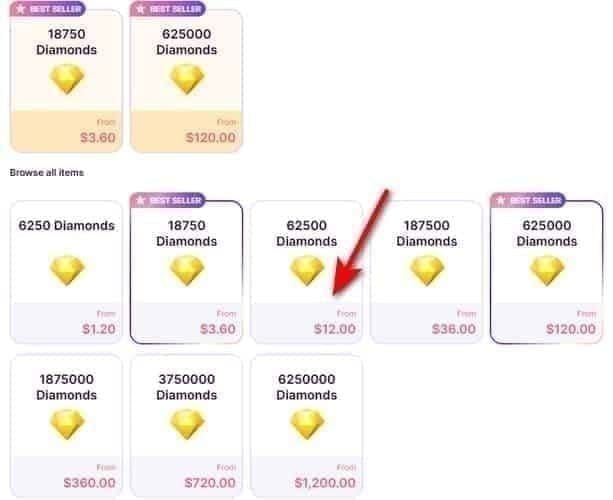
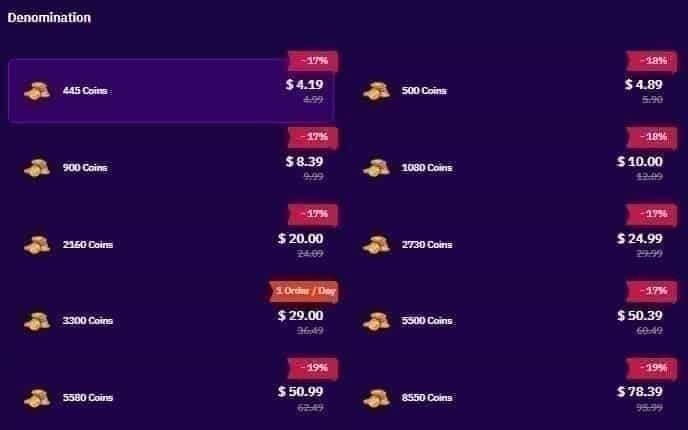
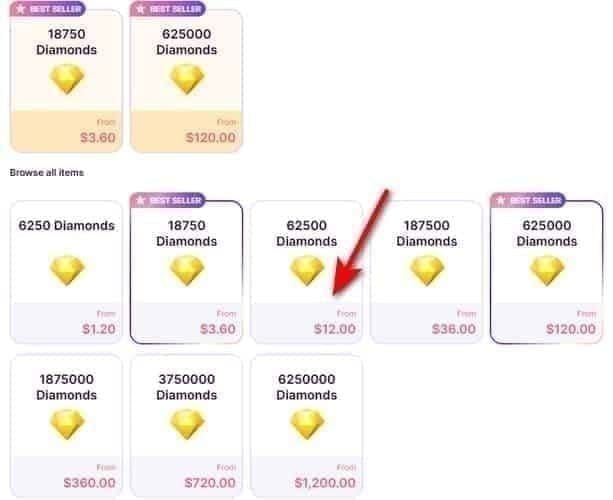
Likee's prohibited language framework divides violations into six primary categories, each containing hundreds of specific terms, phrases, and contextual expressions. For creators investing in Likee presence, top up likee diamonds cheap at BitTopup ensures access to premium features enhancing stream production and audience growth.
Category 1: Profanity and Explicit Language
Common profanity triggers immediate auto-mutes regardless of context or intensity. The system flags standard curse words, sexual references, anatomical terms used offensively, and scatological expressions. Severity levels don't affect the 10-minute duration—mild profanity receives identical treatment to extreme vulgarity.
Creative spelling variations like replacing letters with symbols or numbers rarely bypass detection. AI recognizes patterns such as f*ck,sh!t, or a$$ as prohibited variations. Acronyms containing profane words also trigger enforcement.
Avoid:
- Standard profanity in any language
- Sexual slang and innuendo
- Anatomical references used insultingly
- Scatological terms and toilet humor
- Profane acronyms and abbreviations
- Creative misspellings designed to bypass filters
Category 2: Hate Speech and Discriminatory Terms
Hate speech enforcement represents Likee's strictest moderation with zero tolerance for slurs, discriminatory language, or derogatory terms targeting protected characteristics. The system flags racial slurs, ethnic insults, religious mockery, homophobic language, transphobic expressions, ableist terms, and age-based discrimination.
Context provides minimal protection. Even educational discussions or reclaimed usage by community members often trigger auto-mutes due to difficulty algorithmically distinguishing intent. Streamers discussing social justice topics should use clinical terminology rather than repeating offensive language they're critiquing.
AI also detects coded hate speech including dog whistles, numerical references to extremist ideologies, and seemingly innocent phrases with documented discriminatory usage.
Category 3: Harassment and Bullying Phrases
Direct attacks on individuals—whether viewers, other streamers, or public figures—trigger harassment penalties. The system identifies threatening language, intimidation tactics, doxxing attempts, encouragement of self-harm, persistent unwanted contact references, and coordinated harassment indicators.
Bullying detection includes:
- Repeated negative comments about appearance
- Mocking speech patterns or disabilities
- Encouraging audience pile-ons against individuals
- Sharing personal information without consent
- Making threats disguised as jokes
- Sustained criticism intended to humiliate
AI weighs repetition patterns, with single negative comments receiving different treatment than sustained campaigns. Streamers repeatedly targeting the same individual across broadcasts face escalated penalties beyond standard 10-minute mutes.
Category 4: Adult Content References
Sexual content restrictions prohibit explicit discussions, solicitation, pornography references, escort service mentions, and sexually suggestive language beyond mild flirtation. The system distinguishes age-appropriate romantic content from explicit sexual material, though boundaries remain conservative for advertiser standards.
Prohibited adult content:
- Explicit sexual act descriptions
- Solicitation for sexual services
- Pornography website or performer references
- Sexual role-play scenarios
- Graphic anatomical discussions
- Links to adult content platforms
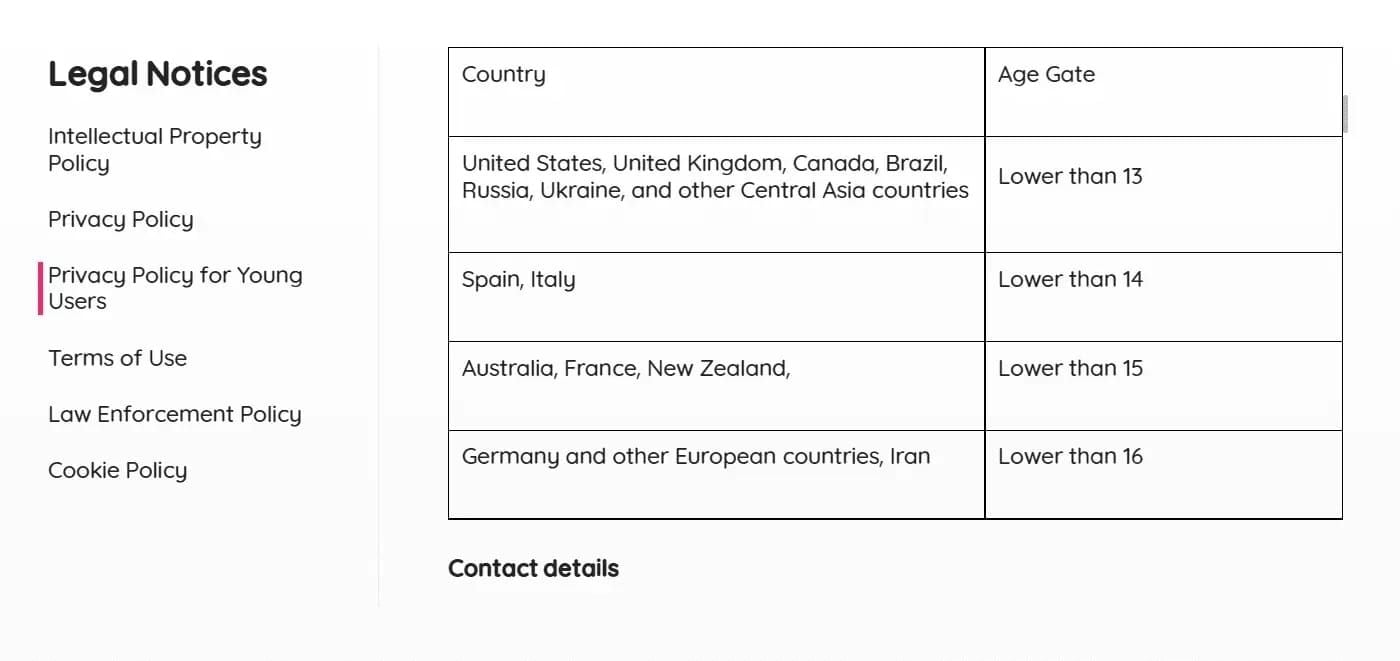
Age verification requirements compound restrictions. Streamers must be 18+ to broadcast, with accounts for users 16-17 limited to viewing only. Under-16 users face platform blocks, and age restriction violations result in bans up to 20 years.
Category 5: Violence and Threat Indicators
Violence-related violations encompass direct threats, graphic violence descriptions, self-harm content, dangerous challenge promotion, weapon glorification, and instructions for harmful activities. The system differentiates fictional violence discussion (like video game content) from real-world violence advocacy.
Gaming streamers discussing in-game combat typically avoid violations by maintaining clear fictional context. However, transitioning from game discussion to real-world violence advocacy triggers immediate enforcement. AI monitors these contextual shifts.
Specific threat language receives strictest enforcement, particularly when directed at identifiable individuals or groups. Even hypothetical or joking threat formats trigger auto-mutes due to difficulty algorithmically assessing sincerity and potential real-world consequences.
Category 6: Illegal Activity Mentions
References to illegal activities including drug sales, weapons trafficking, fraud schemes, piracy, hacking, and other criminal enterprises trigger immediate enforcement. The system flags both direct participation claims and instructional content facilitating illegal activities.
AI distinguishes news discussion of illegal activities from promotion or participation. Streamers covering current events involving crimes typically avoid violations by maintaining journalistic framing and avoiding glorification. However, sharing personal experiences with illegal activities or providing how-to instructions crosses enforcement thresholds.
Prohibited topics:
- Drug purchase or sale coordination
- Counterfeit product promotion
- Fraud scheme explanations
- Hacking tutorials or services
- Pirated content distribution
- Tax evasion strategies
- Identity theft methods
US-Specific Likee Stream Ban Rules and Regional Differences
American content moderation operates under stricter standards than many international markets due to regulatory environments, advertiser expectations, and cultural norms. US streamers face more aggressive enforcement of certain violation categories.
Why US Moderation Standards Are Stricter
US legal frameworks impose platform liability for user-generated content in specific contexts, particularly regarding child safety, hate speech, and violent content. Section 230 protections provide some immunity but don't eliminate all legal risks, compelling conservative moderation policies exceeding minimum legal requirements.
Advertiser standards in American markets demand brand-safe environments with minimal controversial content. Major brands refuse association with platforms hosting unmoderated hate speech, explicit content, or violent material. This economic pressure drives stricter enforcement beyond legal compliance, as revenue loss from advertiser exodus exceeds aggressive moderation costs.
Cultural expectations around acceptable public speech vary significantly between US markets and regions with different free expression norms. While some international markets tolerate profanity in broadcast media, American advertiser-supported platforms maintain conservative standards aligned with mainstream television rather than internet culture norms.
Compliance With US Digital Content Regulations
The Children's Online Privacy Protection Act (COPPA) mandates strict age verification and content restrictions for users under 13, influencing Likee's 16+ account requirement and 18+ streaming threshold. Age restriction violations trigger the platform's most severe penalties, with bans lasting up to 20 years for underage streaming.
Emerging state-level regulations around digital platform accountability, particularly in California, New York, and Texas, create compliance complexity requiring conservative nationwide policies. Rather than implementing state-specific moderation variations, Likee applies strictest standards uniformly across all US users.
Federal Trade Commission guidelines on deceptive practices, endorsement disclosures, and consumer protection extend to live streaming contexts. Streamers promoting products without proper disclosures or making false claims face violations beyond standard content restrictions, though these typically trigger manual review rather than automatic mutes.
Words Banned in US But Allowed in Other Regions
Certain profanity acceptable in European or Asian markets triggers automatic enforcement in US streams due to cultural sensitivity differences. British English profanity considered mild in UK contexts receives strict enforcement in American streams where identical terms carry stronger offensive connotations.
Political speech restrictions vary significantly across regions. References to controversial political figures, movements, or ideologies receiving tolerance in some international markets trigger enforcement in US streams when crossing into hate speech or harassment territories. AI applies region-specific political context databases to assess violation thresholds.
Regional slang creates enforcement disparities where terms with innocent meanings in some English-speaking countries carry offensive connotations in American contexts. The system prioritizes US cultural interpretations for streams originating from American IP addresses, occasionally creating confusion for international streamers accessing US audiences.
Context-Sensitive Phrases: When Innocent Words Trigger Mutes
False positive auto-mutes frustrate compliant streamers when legitimate content accidentally triggers enforcement algorithms. Understanding common false positive patterns helps avoid unintentional violations while maintaining natural communication.
Common False Positives Reported by Streamers
Gaming terminology frequently generates false positives when competitive language mimics prohibited harassment or violence categories. Phrases like destroy the enemy,kill streak, or dominate the competition occasionally trigger enforcement when context analysis fails to recognize gaming-specific usage.
Educational content discussing prohibited topics for awareness or prevention sometimes triggers auto-mutes despite positive intent. Streamers addressing cyberbullying, discrimination awareness, or safety topics must carefully frame discussions to avoid repeating harmful language they're critiquing.
Medical and anatomical terminology used in health discussions occasionally triggers adult content filters when algorithms misinterpret clinical language as sexual references. Fitness streamers, health educators, and wellness content creators face particular challenges navigating this boundary.
How Likee's Algorithm Evaluates Conversational Context
AI analyzes sentence structure, surrounding vocabulary, conversation topic history, and audience interaction patterns to assess whether potentially prohibited terms violate guidelines. Educational framing, clinical terminology, and clear fictional context provide some protection, though imperfect algorithmic understanding generates occasional errors.
Tone analysis attempts to distinguish aggressive from playful usage of borderline language. However, sarcasm, irony, and humor prove challenging for AI interpretation, sometimes resulting in mutes for jokes human moderators would recognize as acceptable. The system errs toward enforcement when tone remains ambiguous.
Historical violation patterns influence current enforcement decisions. Streamers with clean compliance records receive marginally more lenient context interpretation than creators with multiple previous violations. This reputation scoring creates incentives for long-term compliance while potentially disadvantaging new streamers learning platform norms.
Gaming Terminology That May Trigger Warnings
Competitive gaming language includes numerous phrases resembling prohibited content when removed from gaming context. Exercise caution with:
- Killing references (use eliminating or defeating)
- Destroying opponents (use outplaying or winning against)
- Trash talk crossing into personal attacks
- Rage expressions containing profanity
- Team coordination language resembling violence planning
- Victory celebrations mocking defeated opponents
First-person shooter and battle royale streamers face particular challenges due to inherently violent game mechanics. Maintaining clear gaming context through consistent game-specific terminology and avoiding transitions to real-world violence discussion minimizes false positive risks.
Strategy game streamers discussing aggressive expansion,hostile takeovers, or crushing enemies should maintain clear game-specific framing to prevent context confusion. Using game-specific terminology rather than generic violent language helps algorithms correctly categorize content.
What Actually Happens During a 10-Minute Mute
Understanding practical impacts of auto-mutes helps streamers prepare contingency responses and minimize audience disruption when violations occur.
Streamer Capabilities and Restrictions While Muted
During active mutes, your microphone automatically disables, preventing audio transmission to viewers. Text chat capabilities also suspend, blocking written message communication. However, video continues broadcasting normally, allowing viewers to see reactions and visual content.
You retain access to stream controls including ending broadcasts, adjusting camera settings, and viewing incoming viewer messages. This partial functionality allows damage control through visual communication—holding up signs, using gestures, or displaying pre-prepared graphics explaining technical difficulties.
The mute notification appears only on your streamer dashboard, not to viewers. Audiences see sudden audio loss without explanation unless you've prepared visual communication methods. Many viewers assume technical difficulties rather than policy violations, providing some reputation protection for accidental infractions.
How Viewers Experience Your Muted Stream
Viewers experience abrupt audio cutoff mid-sentence when auto-mutes activate, typically accompanied by confusion about whether the issue stems from their device, connection, or your stream. Without visible mute notifications, audiences often refresh streams, check audio settings, or leave comments asking about technical problems.
Video continues normally, creating dissonance between visual content showing you speaking and absent audio. Engaged viewers may wait several minutes expecting resolution, while casual viewers typically exit to find functioning streams. This viewer loss impacts concurrent viewer counts, engagement metrics, and algorithmic visibility rankings.
Viewer comments during mutes often include technical troubleshooting suggestions, questions about audio problems, and eventual speculation about policy violations. Experienced Likee users familiar with auto-mute systems may inform other viewers about the likely cause, potentially damaging reputation even for accidental violations.
Impact on Stream Metrics and Visibility Rankings
Auto-mutes trigger immediate metric degradation as confused viewers exit. Concurrent viewer counts drop sharply, watch time completion rates decline, and engagement metrics suffer from inability to respond to comments. These metric impacts extend beyond the 10-minute mute duration, affecting algorithmic recommendations for hours or days afterward.
Likee's recommendation algorithm prioritizes streams with strong engagement metrics, consistent viewer retention, and positive audience interactions. Sudden metric crashes during mutes signal quality problems to the algorithm, reducing stream visibility in discovery features, recommendation feeds, and trending categories.
Multiple mutes within short timeframes compound metric damage while building violation histories influencing future enforcement decisions. The system tracks violation frequency, severity, and patterns to identify repeat offenders requiring escalated penalties. Three or more mutes within a single stream often trigger manual review for potential temporary or permanent bans.
Shadowban triggers also connect to mute-related metric degradation. Streams receiving fewer than 41 likes within 10 minutes, zero views, or watch completion rates below 80% face shadowban penalties suppressing visibility without notification. Auto-mutes crashing your metrics can inadvertently trigger these secondary penalties, creating compounding enforcement effects.
14 Proven Strategies to Avoid Auto-Mutes on Likee Streams
Proactive compliance strategies minimize violation risks while maintaining engaging, authentic content resonating with audiences.
Pre-Stream Preparation: Setting Up Chat Filters
Configure Likee's built-in chat filters before going live to automatically block prohibited words from viewer comments. This prevents accidentally reading and repeating flagged terms during viewer interaction segments. Access filter settings through your streamer dashboard under moderation tools.
Create custom banned word lists specific to your content niche and audience demographics. Gaming streamers should include competitive trash talk crossing harassment boundaries, while lifestyle streamers might focus on appearance-based insults and body-shaming language.
Test filter configurations during private streams to ensure they block intended terms without creating excessive false positives frustrating legitimate viewer communication. Balance protection against over-moderation stifling audience engagement.
Real-Time Monitoring Techniques
Designate a trusted moderator to monitor your stream with 10-15 second delay, providing real-time warnings when language approaches violation boundaries. This external perspective catches risky phrases you might miss during high-energy broadcasts.
Use secondary devices to monitor your own stream as viewers experience it, helping catch audio issues, context problems, or borderline language before violations occur. This dual-screen approach provides immediate feedback on how content translates to audience experience.
Develop personal awareness of high-risk moments:
- Heated competitive gaming sequences
- Controversial topic discussions
- Viewer Q&A sessions with unpredictable questions
- Collaboration streams with guests unfamiliar with Likee policies
- Late-night streams when fatigue reduces self-monitoring
Training Your Audience on Community Guidelines
Educate viewers about Likee's community standards during stream introductions, particularly when attracting new audiences unfamiliar with platform rules. Explain certain language triggers automatic enforcement affecting everyone's experience, creating shared responsibility for compliance.
Pin messages in chat reminding viewers about prohibited content and requesting they help maintain compliant environments. Frame guidelines positively as community values rather than restrictive rules, fostering collaborative compliance culture.
Recognize and thank viewers who help moderate chat by reporting violations or reminding others about guidelines. This positive reinforcement encourages community self-policing reducing your moderation burden while building audience investment in stream success.
Using Moderator Tools Effectively
Appoint multiple trusted moderators across different time zones to ensure coverage during all streaming hours. Provide clear guidelines about when to delete messages, timeout users, or alert you to potential violations requiring immediate response.
Grant moderators appropriate permissions including message deletion, user timeouts, and ban capabilities for severe or repeated violations. However, reserve permanent ban authority for yourself to prevent moderator abuse or overzealous enforcement.
Conduct regular moderator training sessions reviewing recent policy updates, discussing challenging moderation scenarios, and aligning on enforcement standards. Consistent moderation creates predictable environments where viewers understand boundaries and consequences.
Alternative Phrases for Common Risky Words
Develop vocabulary substitutions for high-risk terms common in your content niche:
Instead of profanity:
- Dang or darn replacing stronger curse words
- Oh my gosh instead of religious profanity
- What the heck for surprised reactions
- Freaking as intensity modifier
Instead of violent gaming language:
- Eliminated rather than killed
- Defeated instead of destroyed
- Outplayed replacing dominated
- Secured the win versus crushed them
Instead of potentially offensive slang:
- Specific descriptive language replacing vague insults
- Game-specific terminology instead of generic trash talk
- Positive framing emphasizing your skill over opponent weakness
Practice these substitutions until they become natural speech patterns, reducing cognitive load during high-energy streaming moments when self-monitoring proves most difficult.
Common Misconceptions About Likee Stream Bans
Clearing widespread misunderstandings helps streamers make informed compliance decisions based on accurate platform knowledge rather than community myths.
Myth: Using Symbols to Replace Letters Bypasses Detection
AI recognizes common symbol substitutions including asterisks, numbers, and special characters replacing letters in prohibited words. Patterns like f*ck,sh!t,a$$, or b!tch trigger identical enforcement as unmodified terms. The system's pattern-matching algorithms identify phonetic similarities and common evasion techniques.
Advanced variations using Unicode characters, emoji combinations, or creative spacing also face detection. The technology continuously updates to recognize emerging evasion patterns as streamers develop new bypass attempts. Relying on symbol substitution creates false security often resulting in unexpected violations.
The only reliable approach involves eliminating prohibited terms entirely rather than attempting creative disguises. Vocabulary substitution with genuinely different words provides actual protection versus cosmetic modifications to flagged language.
Myth: Speaking Fast Prevents AI Recognition
Speech-to-text processing handles various speaking speeds with consistent accuracy. Rapid speech may introduce minor transcription errors, but prohibited words remain recognizable even with imperfect transcription. AI's error tolerance accounts for mumbling, accents, and speed variations.
Speaking quickly while using prohibited language often compounds violations by appearing intentionally evasive. The system may interpret rapid-fire profanity as deliberate policy circumvention, potentially triggering manual review and escalated penalties beyond standard auto-mutes.
Clear, moderate-paced speech provides better protection by ensuring accurate transcription of acceptable language. When AI confidently recognizes compliant content, it's less likely to flag borderline phrases that might trigger enforcement under uncertain transcription conditions.
Myth: Private Streams Have No Moderation
All Likee streams undergo identical automated moderation regardless of privacy settings or viewer counts. Private streams limited to approved followers face the same AI detection, enforcement thresholds, and penalty structures as public broadcasts. The 10-minute auto-mute activates identically whether streaming to 5 viewers or 5,000.
This universal enforcement prevents streamers from using private streams to coordinate violations, share prohibited content with select audiences, or practice policy-violating content. The system makes no distinction between public and private contexts when evaluating community guideline compliance.
Violation histories from private streams also impact account standing identically to public stream infractions. Multiple private stream violations contribute to escalation patterns triggering manual reviews and potential permanent bans.
Truth: How Repeat Violations Escalate Penalties
The platform tracks violation frequency, severity, and patterns across streaming history. While individual auto-mutes last exactly 10 minutes regardless of violation count, accumulated infractions trigger escalating consequences including manual reviews, temporary suspensions, and permanent bans.
Specific escalation thresholds remain undisclosed to prevent gaming the system, but streamers report manual reviews after 3-5 violations within 30-day periods. These reviews assess whether violations represent accidental infractions or intentional policy disregard, determining appropriate escalated penalties.
Permanent bans lasting 1-20 years become possible after establishing patterns of repeated violations despite previous warnings. The most severe 20-year bans typically apply to egregious violations like underage streaming, severe hate speech, or coordinated harassment campaigns. Appeal processes for permanent bans cost 175 USD with 24-48 hour processing times and require comprehensive documentation including age verification, apology letters, and compliance pledges.
Recovery and Appeal Process After Receiving Mutes
Understanding post-violation procedures helps streamers minimize long-term damage and restore account standing after infractions.
How Multiple Mutes Affect Your Account Standing
Each auto-mute creates a permanent record in account history, contributing to violation pattern analysis influencing future enforcement decisions. The system weighs recent violations more heavily than historical infractions, with violations older than 90 days carrying reduced impact on current standing.
Violation density matters more than absolute counts. Five violations spread across six months receive different treatment than five violations within one week. Concentrated violation patterns suggest intentional policy disregard or inadequate compliance efforts, triggering more aggressive enforcement responses.
Account standing impacts extend beyond enforcement:
- Reduced visibility in recommendation algorithms
- Lower priority in discovery features
- Decreased eligibility for platform promotions
- Potential exclusion from monetization programs
- Reduced credibility in partnership opportunities
Step-by-Step Guide to Appealing Wrongful Auto-Mutes
While 10-minute auto-mutes resolve automatically without requiring appeals, documenting wrongful enforcement helps establish patterns for escalated appeals if violations accumulate:
- Immediately record violation timestamp and context - Note exactly what you said, surrounding conversation, and why you believe enforcement was erroneous
- Capture video evidence if possible - Screen recordings showing violation moment provide concrete evidence for appeal reviews
- Document the auto-mute notification - Screenshot streamer dashboard showing enforcement action and stated reason
- Review actual violation against community guidelines - Honestly assess whether content genuinely violated policies versus representing algorithmic error
- Submit detailed appeals to feedback@likee.video - Include timestamps, context explanations, video evidence, and specific policy interpretations supporting your position
- Maintain compliance during appeal processing - Additional violations during appeal reviews severely damage credibility and reduce reversal likelihood
Appeal processing for serious penalties takes 24-48 hours with costs ranging from 125 USD for temporary bans to 175 USD for permanent ban appeals. Shadowban appeals cost 145 USD. However, individual 10-minute auto-mutes typically don't warrant paid appeals unless they contribute to escalated penalties.
Restoring Your Streamer Reputation Score
Consistent compliance over extended periods gradually restores account standing damaged by previous violations. The platform's reputation algorithms weight recent behavior more heavily, allowing streamers to recover from early mistakes through sustained policy adherence.
Restoration strategies:
- Maintain violation-free streaming for 90+ consecutive days
- Generate strong positive engagement metrics signaling quality content
- Build audience communities with low moderation requirements
- Participate in platform initiatives and creator programs
- Demonstrate policy knowledge through community leadership
Proactive compliance education signals commitment to platform standards. Streamers who publicly discuss community guidelines, help other creators understand policies, and foster positive community cultures receive algorithmic benefits partially offsetting historical violation impacts.
Consider temporary streaming breaks after multiple violations to reset patterns and approach content with renewed compliance focus. Continuing to stream while frustrated about enforcement often generates additional violations compounding reputation damage.
Frequently Asked Questions
What words trigger automatic mutes on Likee live streams?
Likee's AI flags profanity, hate speech, discriminatory terms, harassment phrases, adult content references, violence language, and illegal activity mentions. The system maintains databases of hundreds of specific prohibited words across multiple languages, with context analysis determining whether borderline terms violate policies. Creative spelling variations using symbols or numbers receive identical enforcement as unmodified prohibited words.
How long does a Likee stream mute last?
Auto-mutes last exactly 10 minutes from activation. Your microphone and chat capabilities disable automatically, while video continues broadcasting normally. The mute resolves automatically without requiring appeals or manual intervention. However, multiple mutes within short timeframes trigger manual reviews that may result in temporary suspensions or permanent bans lasting 1-20 years.
Can you appeal a Likee auto-mute penalty?
Individual 10-minute auto-mutes don't require appeals as they resolve automatically. However, if accumulated violations trigger escalated penalties like temporary or permanent bans, you can appeal through feedback@likee.video. Temporary ban appeals cost 125 USD, permanent ban appeals cost 175 USD, and shadowban appeals cost 145 USD. Processing takes 24-48 hours and requires age verification documents, apology letters, and compliance pledges.
Does Likee ban you permanently for saying bad words?
Single profanity violations trigger 10-minute auto-mutes rather than permanent bans. However, repeated violations establish patterns escalating to temporary suspensions and eventually permanent bans lasting 1-20 years. The platform issued 42,751 bans between January-May 2021, with the most severe 20-year bans typically reserved for egregious violations like underage streaming, severe hate speech, or coordinated harassment campaigns.
How does Likee detect prohibited words in real-time?
Likee's AI converts speech to text continuously during broadcasts, analyzing phonetic patterns, contextual usage, and semantic meaning. The system flags violations within 10 minutes of occurrence, typically processing speech within 2-3 seconds of utterance. Multi-language support, slang detection, and context analysis help differentiate prohibited usage from acceptable mentions, though imperfect algorithms occasionally generate false positives.
What happens to viewers when a streamer gets muted?
Viewers experience sudden audio cutoff without visible notifications explaining the cause. Video continues broadcasting normally, creating confusion as they see you speaking without hearing audio. Most viewers assume technical difficulties, with many refreshing streams or checking audio settings. Approximately 30-50% of viewers typically exit muted streams within 2-3 minutes, significantly impacting engagement metrics and algorithmic visibility rankings.
Keep your Likee streaming career thriving! Top up your Likee diamonds safely and instantly at BitTopup to unlock premium features, boost visibility, and engage your audience without interruptions. Visit BitTopup now for exclusive deals on Likee top-ups!