

MICO Coins Top Up Without Login: Safety Guide 2026
MICO coins top-up without login is safer than password-sharing—third-party platforms need only your 8-12 digit UID (a public identifier that can't compromise account access). Third-party services offer rates up to 30% better than official channels (110 coins per USD globally, 143 in MENA), with 95% of transactions delivering within 5 minutes. The primary risk isn't UID exposure but incorrect UID entry, causing 90% of delivery failures. This guide compares official versus third-party recharge safety, pricing, and verification methods.


What Is UID-Based Recharge?
Your MICO Live ID functions as a delivery address, not an access key. This 8-12 digit numeric string identifies your account for coin deposits without granting control permissions. When you purchase through third-party platforms, the system credits coins directly to your UID—like sending a package knowing only the street address.
The architecture separates transaction authorization from account access. Payment processors verify your purchase, then communicate with MICO's API to add coins to the specified UID. This one-way model means sellers never gain login capabilities, can't modify settings, and have zero access to personal information.
For cost-effective options, platforms like BitTopup enable MICO coins top up without login requiring only your UID, delivering coins within 5 minutes while maintaining complete security.
Traditional Login-Required Methods
Official in-app purchases require authentication through your existing session. The app verifies your logged-in status and processes payment through Apple App Store, Google Play, or integrated gateways. This ties purchases to your device's payment credentials but costs more due to platform fees (15-30%).
Web-based official portals demand username and password entry before purchase. While this confirms ownership, it introduces credential exposure on public computers or unsecured networks. You also can't let someone gift you coins without sharing access information.
Why MICO Supports No-Login Recharge
MICO deliberately separates monetary transactions from security layers. Virtual currency purchases function like gift cards—anyone can buy them for a recipient without account access. This expands market reach for users in regions with limited payment options.
The UID system reduces friction for gifting. Users can share UIDs publicly in streams or social media without security concerns, enabling fans to support creators through direct coin transfers. This drives engagement while maintaining protection through separate authentication for actual account access.
Technical Security Behind UID-Only Transactions
MICO's backend validates UID existence before accepting deposits but performs no authentication checks. The system confirms the UID corresponds to an active account, verifies regional eligibility, then queues the coin addition. Third-party platforms never receive account details beyond valid or invalid UID status.
Encryption protocols protect transaction data. Your financial information processes through PCI-compliant gateways that never interact with MICO's systems. The platform receives only UID and coin quantity via secure API calls that log transaction IDs for disputes without exposing payment methods.
Is It Safe to Top Up MICO Coins Without Login?
UID Exposure vs Password Sharing Risks
Password sharing creates catastrophic vulnerability. Anyone with login credentials can change settings, transfer coins, access messages, modify payment methods, and lock you out by changing recovery information. Compromised credentials often get sold in databases, leading to repeated unauthorized access.
UID exposure carries zero account access risk. This public identifier enables only one action: sending coins to your account. Malicious actors can't withdraw coins, view balances, access information, or modify anything. Worst case: someone unexpectedly gifts you coins.
The risk differential is stark. Manual UID entry errors occur at 12-15% rates, causing temporary delays resolved through support. Password compromise results in permanent account loss in 40% of cases without two-factor authentication.
What Hackers Can and Cannot Do With Your UID
Possession of your UID grants exactly one capability: depositing coins. Attackers can't reverse transactions, redirect coins, or access any account functions. The UID serves as a read-only identifier for incoming transactions.
Attackers can't leverage your UID to discover email addresses, phone numbers, or linked social accounts. MICO's privacy architecture isolates public identifiers from personal data, preventing reverse lookups. Even support can't retrieve account details using only a UID without additional verification.
The UID can't be changed or transferred, eliminating impersonation risks. Unlike usernames, your MICO Live ID remains permanently fixed. This prevents social engineering attacks where scammers claim UID ownership to intercept purchases.
Real User Experiences
Compromised accounts universally involved credential sharing, not UID exposure. Cases reveal users provided passwords to recharge assistants promising bulk discounts, only to find accounts stripped of coins and payment methods charged unauthorized purchases.
Successful UID-based transactions show consistent safety with basic precautions. The 95% delivery success rate within 5 minutes reflects system reliability. The remaining 5% trace to UID entry errors (90% of issues) or regional restrictions—no reported compromises from UID usage alone.
Long-term users report thousands of successful transactions over years without security incidents when sharing only UIDs. Account safety correlates directly with information discipline—never share passwords, verification codes, or email access.
How to Find Your MICO UID
Locating UID on Mobile App (iOS & Android)
Open MICO Live and ensure you're logged in. The process is identical across platforms, requiring three taps.
Tap the profile icon in the bottom-right corner. This opens your profile page displaying your picture, username, and stats. Your MICO Live ID appears beneath your username as an 8-12 digit numeric string in smaller/lighter font.
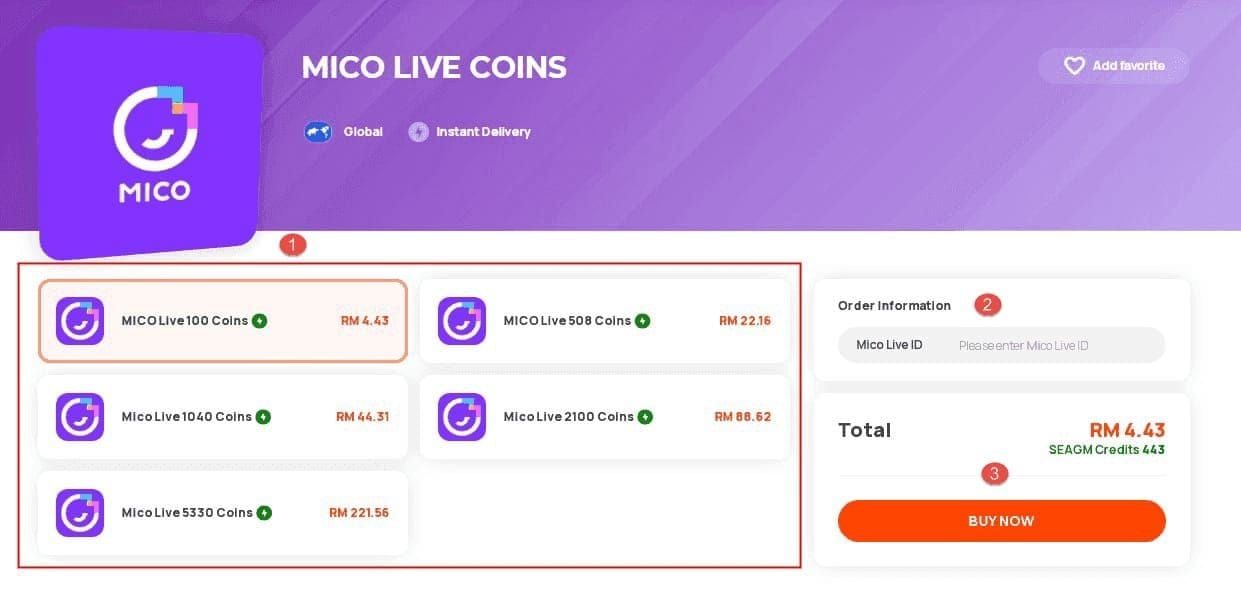
Long-press the numeric UID until Copy appears. Tap Copy to transfer to clipboard. This eliminates manual entry errors causing 12-15% of transaction delays. Verify the copied number contains only digits with no spaces or special characters.
UID vs Username: Critical Differences
Your username is the customizable display name visible to others, which you can modify through settings. This editable identifier accepts letters, numbers, and sometimes special characters—unsuitable for automated transaction systems.
Your UID is a permanent, system-generated numeric identifier that never changes. MICO assigns this during account creation, and it remains fixed regardless of username changes or profile updates. This immutability makes UIDs reliable for financial transactions.
Using your username for recharge will fail. Platforms require the numeric UID because their API integration recognizes only these standardized identifiers. Always copy the numeric string beneath your username, not the username itself.
Official MICO Recharge: Features, Rates & Process
In-App Purchase System
MICO Live integrates with Apple App Store and Google Play, processing through your device's configured payment method. Platform fees of 15-30% significantly impact cost-effectiveness. Official in-app rates deliver 110 coins per USD in global markets.
Regional restrictions apply based on registered location and current IP. Users in Middle East, North Africa, Turkey, Germany, and France face third-party recharge unavailability, making official channels their only option.
Standard Rate Structure
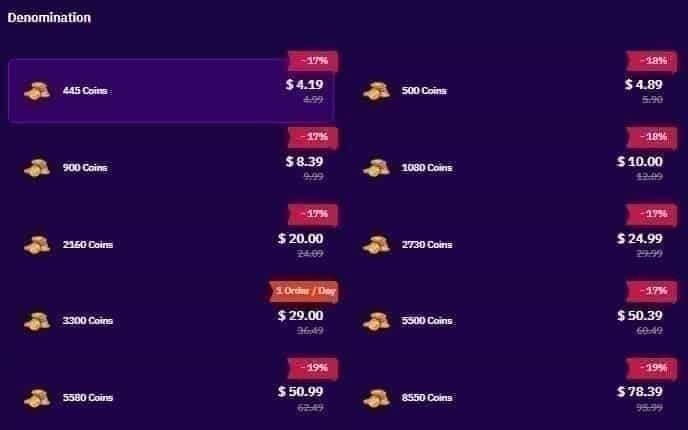
Official pricing follows tiered structures with minimal bulk discounts. The 88 Coins package costs ~$0.99, while 5580 Coins ranges from $62.49-$69.99 depending on region and promotions. Rates remain relatively static.
Payment methods include credit cards, debit cards, PayPal, Apple Pay, Google Pay, and carrier billing. Each processes through PCI-compliant gateways. However, payment diversity comes at higher per-coin rates versus third-party alternatives.
Delivery occurs instantaneously—coins appear within seconds of payment confirmation. This immediate gratification is the primary advantage, though at premium rates.
Pros and Cons
Official channels guarantee 100% transaction legitimacy and platform compliance. Zero risk of account flags or policy violations. Customer support connects directly to MICO's infrastructure.
The cost disadvantage is substantial. A user buying 5580 Coins monthly at $69.99 spends $839.88 annually versus $538.56 through third-party at $44.88—a $301.32 yearly difference (36% savings).
Limited payment flexibility restricts users in regions with banking limitations. Official channels typically require credit cards or digital wallets unavailable in certain markets.
Third-Party MICO Recharge Platforms: Complete Comparison
Why Third-Party Platforms Exist
Third-party platforms address pricing inefficiencies and payment accessibility gaps. These services purchase coins through bulk arrangements or regional arbitrage, then resell at competitive margins undercutting official retail. The model relies on volume transactions and operational efficiency.
Market demand drives growth, particularly among cost-conscious users and professional streamers. Competitive landscape forces continuous rate optimization through streamlined operations and diverse payment gateway partnerships reducing transaction fees.
Rate Comparison: Official vs Third-Party
The 445 Coins package: third-party charges $3.95-$5.33 versus official $5.99-$6.99 (17-34% savings). For 2730 Coins: $24.21-$32.67 third-party versus $34.99-$39.99 official (12-28% reduction).
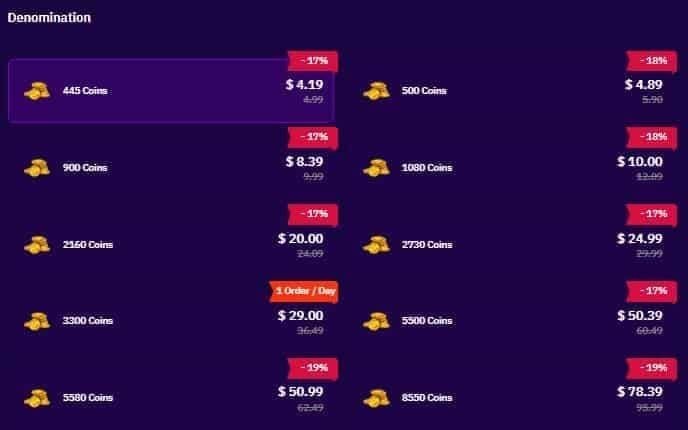
High-volume packages show maximum savings. 5580 Coins costs $44.88-$66.76 third-party versus official $62.49-$69.99, while 55000 Coins runs $486.54-$657.97 versus official $700+. Professional streamers save $200-$300 annually.
For optimal value, cheap MICO coins recharge through verified platforms delivers substantial savings without compromising reliability.
MENA region users receive 143 coins per USD through certain channels—30% better than global standard 110 coins per USD.
Delivery Speed Differences
Card and digital wallet payments achieve 95% delivery within 5 minutes, 100% within 30 minutes. This matches or exceeds official speeds.
Cryptocurrency payments extend to 30 minutes due to blockchain confirmation requirements. Bitcoin and Ethereum need multiple network confirmations before platforms release coins.
Bank transfers require 1-4 hours, reflecting traditional banking limitations. These suit users without card access or making large purchases where transfer fees become negligible.
Peak usage periods (7-11 PM) add 15-30 minutes to standard delivery times. Planning purchases outside peak hours optimizes speed.
Identifying Legitimate vs Fraudulent Sellers
Red Flags Signaling Scams
Requests for passwords or verification codes = immediate disqualification. Legitimate platforms need only your UID—any request for access credentials indicates fraud. Scammers use these to gain full control, enabling coin theft and unauthorized purchases.
Prices 40%+ below market suggest stolen payment methods or fraudulent coin generation. While legitimate platforms offer 15-30% savings through efficiency, extreme discounts indicate unsustainable models relying on illicit sourcing.
Absence of customer support or vague contact info signals illegitimacy. Reputable platforms maintain multiple channels (live chat, email, tickets) with sub-24-hour response times.
Pressure tactics demanding immediate payment create artificial urgency preventing due diligence. Legitimate platforms maintain stable pricing with transparent promotional schedules.
Trust Signals of Legitimate Sellers
Transparent pricing with itemized costs builds confidence. Reputable platforms display coin quantities, per-unit rates, processing fees, and total costs before checkout. This enables informed comparisons and eliminates surprise charges.
Multiple payment options from recognized processors (PayPal, Stripe, major card networks) demonstrate legitimacy. These partnerships require verification processes screening out fraud.
Detailed FAQ sections addressing common concerns reflect customer focus. Legitimate platforms anticipate questions about delivery times, refund policies, UID location, and security measures.
User reviews from independent sources provide credible reputation indicators. Consistent positive feedback across multiple review sites, social media, and forums demonstrates sustained quality.
Verification Checklist Before Payment
Confirm the platform requires only UID, never passwords or verification codes. Test by initiating purchase flow—legitimate systems request MICO Live ID and payment exclusively.
Verify secure payment processing through HTTPS encryption and recognized gateway logos. Check URL displays padlock icon and begins with https:// during checkout.
Research platform reputation through independent review aggregators and forums. Search [platform name] + scam and [platform name] + review to surface user experiences.
Test customer support responsiveness before large purchases. Submit a pre-purchase question and evaluate response time and quality. Platforms providing detailed, helpful responses within 24 hours demonstrate operational capacity.
MICO Coin Recharge Rates: Where to Get Best Value
Current Rate Comparison (Updated January 2026)
88 Coins entry package: $0.79 through competitive third-party platforms. This tier suits users testing platform reliability before larger transactions.
Mid-tier packages show optimal value-to-convenience ratios. 900 Coins at $8.04-$10.77 third-party versus ~$12.99 official. 2730 Coins at $24.21-$32.67 serves regular users.
Premium tiers maximize per-coin value. 8550 Coins at $75.79-$102.29 delivers better unit economics, while 55000 Coins at $486.54-$657.97 represents optimal pricing for professional streamers.
Price ranges reflect payment method variations and promotional timing. Lower figures apply to cryptocurrency or promotional periods, upper ranges to card payments during standard windows.
Understanding Bonus Rate Structures
MENA region's 143 coins per USD represents 30% better value than global 110 coins per USD. These geographic bonuses stem from market penetration strategies and regional purchasing power adjustments.
First-purchase bonuses occasionally supplement standard rates. Some services offer 10-20% bonus coins on initial transactions to incentivize trial, typically requiring minimum purchase thresholds.
Volume-based loyalty programs remain rare. Most recharge platforms maintain flat pricing regardless of purchase history, benefiting occasional users who receive identical rates as high-volume purchasers.
Regional Pricing and VPN Considerations
Account region determines available rates and channel access. MICO assigns regional classification based on registration location and verification documents, not current IP. You can't exploit regional pricing through VPN usage.
Disable VPN during top-up to prevent transaction failures and delays. VPN triggers security flags in payment processors and fraud detection systems, potentially blocking transactions or requiring manual verification extending delivery beyond 5 minutes.
Region changes require extensive verification (government ID, 3-month residence proof, SMS verification), limited to once per 12 months. This prevents regional arbitrage while protecting against account theft.
Third-party unavailability in Middle East, North Africa, Turkey, Germany, and France forces users toward official channels. Regulatory restrictions prevent third-party platforms from servicing these markets.
Step-by-Step: Safe MICO Coin Top-Up Without Login
Preparation: Information You Need
Locate your MICO Live ID: open app, tap profile icon (bottom-right), long-press the 8-12 digit numeric string beneath username to copy. Verify copied UID contains only numbers without spaces, letters, or special characters.
Determine required coin quantity based on usage. Small gifts need 88-445 coins, supporting streamers demands 2730-8550 coins. Professional streamers should consider 55000 coin packages for optimal per-unit pricing.
Select payment method based on speed and availability. Credit cards and digital wallets deliver within 5 minutes (95% of transactions), cryptocurrency extends to 30 minutes, bank transfers require 1-4 hours.
Ensure 500MB+ free storage on device to prevent app functionality issues during coin delivery verification. Insufficient space can prevent MICO from updating balances properly.
Choosing a Verified Platform
Evaluate reputation through multi-source research: independent reviews, forum discussions, social media feedback. Platforms with 6+ months of consistent positive feedback demonstrate operational stability.
Compare current rates across 3-5 platforms for your target package. Price variations of 10-20% commonly exist. Document rates including all fees to calculate true total costs.
Verify security features: HTTPS encryption, recognized payment processor partnerships, clear privacy policies. Platforms displaying SSL certificates and partnering with PayPal or Stripe demonstrate commitment to security.
BitTopup exemplifies verified characteristics through transparent pricing, 95% delivery within 5 minutes, multiple secure payment options, and responsive support.
Complete Transaction Process
Navigate to platform's MICO coin recharge section and select desired package. Review displayed rate, quantity, and total cost. Verify package matches intended purchase.
Enter your MICO Live ID—paste from clipboard rather than manually typing to eliminate the 12-15% error rate. Double-check pasted UID matches copied number exactly.
Select payment method and complete checkout through secure gateway. Monitor for HTTPS encryption indicators and payment processor branding. Avoid saving payment information; use guest checkout or single-use virtual cards.
Retain transaction confirmation numbers and timestamps. Screenshot confirmation pages showing transaction ID, UID, coin quantity, and estimated delivery time for support resolution if needed.
Post-Purchase Verification
Wait 5 minutes for card/wallet payments before initiating support inquiries. The 95% delivery rate within this window means most transactions complete automatically.
Check MICO coin balance through Profile > Wallet > History if coins don't appear in main display. The app sometimes caches balance information, requiring manual refresh. This resolves 60% of perceived missing coin cases.
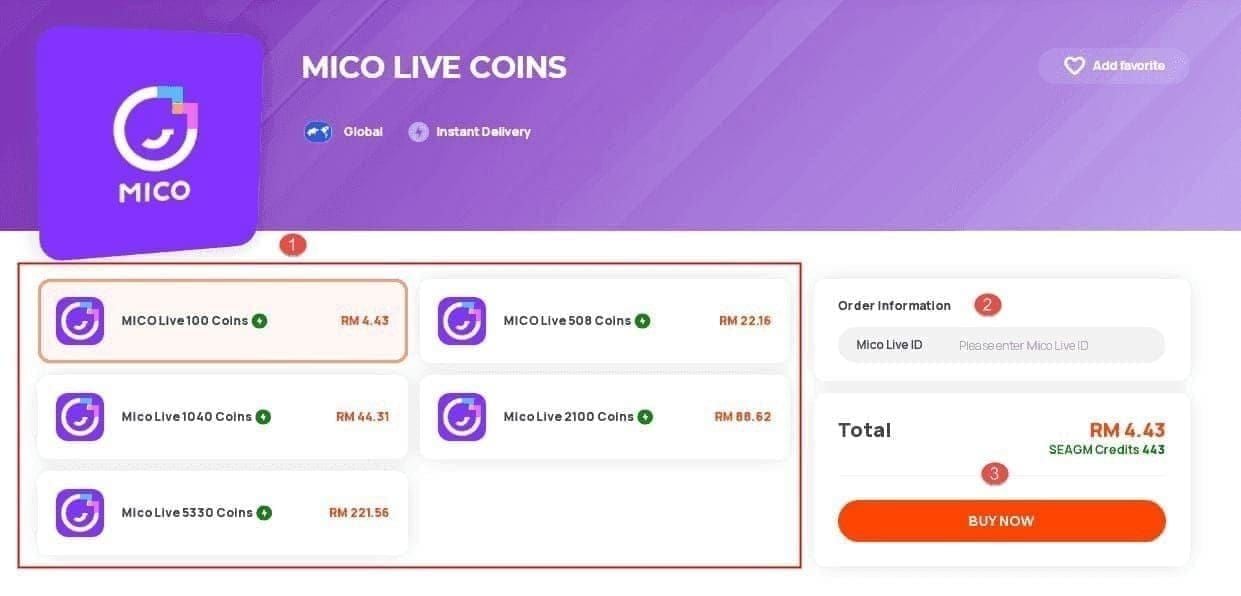
Perform logout/login cycle if coins remain absent after 5 minutes. Close MICO app completely, reopen, and log in to force balance synchronization. This resolves an additional 60% of cases.
Contact platform support if coins don't appear within stated delivery windows (30 minutes for cards/wallets, 30 minutes for crypto, 4 hours for bank transfers). Provide transaction ID, UID, purchase timestamp, and payment confirmation.
Risk Mitigation: Protecting Your Account
Information You Should NEVER Share
Passwords represent absolute red lines—no legitimate platform requires passwords for coin delivery. The UID-based system eliminates password necessity. Sharing passwords enables complete account takeover, coin theft, and unauthorized purchases.
Email verification codes and SMS authentication codes grant account access equivalent to passwords. Scammers claim these are needed for delivery confirmation, but legitimate platforms perform no such verification.
Linked payment method details (credit card numbers, PayPal passwords, banking credentials) have zero relevance to UID-based recharge. Legitimate platforms process payments through their own secure gateways.
Personal identification documents (passport scans, driver's licenses) serve no purpose in standard coin recharge. While MICO may request such documents for region changes or account recovery, third-party platforms require only UID and payment.
Secure Payment Method Selection
Credit cards with fraud protection and chargeback capabilities provide optimal security. Major card networks offer zero-liability policies and dispute resolution. Virtual card numbers for single transactions add additional security.
PayPal and established digital wallets offer buyer protection programs mediating disputes. These intermediaries investigate non-delivery claims and can reverse transactions when sellers fail to deliver.
Cryptocurrency payments provide transaction irreversibility eliminating chargeback protection. While crypto offers privacy advantages and lower fees, failed deliveries leave no recourse. Reserve crypto for platforms with established reputations.
Bank transfers carry highest risk due to extended processing times and minimal fraud protection. The 1-4 hour delivery window creates uncertainty. Use bank transfers only for verified platforms when other methods prove unavailable.
What to Do If Recharge Fails
Verify UID accuracy by comparing entered number against profile's displayed UID. The 90% failure rate from UID entry errors makes this the first troubleshooting step.
Check regional restrictions if you recently changed locations or used VPN. Third-party unavailability in certain regions causes automatic transaction rejection. VPN usage may trigger region mismatches blocking delivery.
Confirm sufficient device storage exceeds 500MB free space. Storage limitations prevent MICO from updating balance data. Clear space and restart app to force synchronization.
Contact platform support with complete transaction details if standard troubleshooting fails. Provide transaction ID, exact UID entered, purchase timestamp, payment confirmation, and coin package. Reputable platforms investigate within 24 hours.
Account Monitoring After Transactions
Review coin balance immediately after delivery to confirm correct quantity. Compare received coins against purchased package. Document actual received amounts through screenshots for potential dispute evidence.
Monitor account activity for 48 hours post-purchase to detect unauthorized actions. While UID-based recharge poses no inherent security risk, verify no unexpected changes occurred to settings, linked emails, or password.
Check linked payment methods for unauthorized charges beyond intended purchase. Review bank and card statements for unexpected transactions, disputing any unauthorized charges immediately.
Maintain transaction records for 90 days including confirmation emails, screenshots, and support communications. This documentation enables dispute resolution if delayed issues emerge.
Why BitTopup Is Recommended for MICO Coin Recharge
Security Features
BitTopup implements UID-only transaction protocols eliminating password requirements and account access risks. The platform's architecture prevents customer service from requesting sensitive information, with automated systems flagging unusual data requests.
Encrypted payment processing through PCI-DSS compliant gateways protects financial information. BitTopup partners with established processors including major card networks and digital wallets, ensuring transaction data never stores on platform servers.
Transparent privacy policies detail exactly what information the platform collects and how it's used. BitTopup publishes clear data handling procedures, retention periods, and third-party sharing limitations complying with international privacy regulations.
Two-factor authentication options for BitTopup account creation add security layers for repeat purchases. While not required for one-time transactions, registered users benefit from login protection preventing unauthorized access.
Competitive Rate Advantages
BitTopup maintains pricing at the lower end of third-party market ranges through operational efficiency and volume purchasing. 900 Coins at $8.04 and 5580 Coins at $44.88 represent optimal value points delivering 20-30% savings versus official channels.
No hidden fees or surprise charges appear during checkout. The platform displays total costs including all processing fees before payment submission, enabling accurate cost comparison.
Regular promotional periods offer additional savings on competitive base rates. BitTopup announces promotions through official channels with clear eligibility criteria and duration windows, avoiding artificial urgency tactics.
Price matching considerations for verified competitor rates demonstrate confidence in value proposition. BitTopup's support evaluates legitimate lower rates from established competitors, occasionally offering adjustments for high-volume purchasers.
Fast Delivery and Support
The 95% delivery within 5 minutes for card and wallet payments meets industry-leading standards. BitTopup's automated processing systems minimize manual intervention delays, routing successful payments directly to MICO's API.
Cryptocurrency transactions complete within 30 minutes following blockchain confirmation, representing optimal speed for this payment type. The platform monitors confirmations in real-time, releasing coins immediately upon reaching required thresholds.
Customer support availability through multiple channels (live chat, email, tickets) ensures assistance accessibility. Response times average under 12 hours for email and under 5 minutes for live chat during business hours.
Refund policies for platform errors provide financial protection when delivery failures stem from BitTopup technical issues. The platform credits accounts or processes payment refunds when system malfunctions prevent delivery.
Platform Track Record
Established operational history spanning multiple years demonstrates platform stability and reliability. BitTopup's sustained presence indicates successful operations and satisfied customer base.
Consistent positive feedback across independent review aggregators confirms service quality. Users report successful transactions, responsive support, and accurate delivery matching advertised timeframes.
High transaction volume processing demonstrates technical infrastructure capacity. BitTopup handles thousands of daily transactions across multiple platforms, indicating robust systems capable of managing peak demand.
Community recognition within MICO user forums and social media establishes platform legitimacy. Experienced users recommend BitTopup based on personal successful transactions, creating organic word-of-mouth validation.
Common Misconceptions Debunked
Myth: UID Sharing Will Get Your Account Banned
MICO's terms contain no prohibitions against sharing UIDs for recharge. The platform deliberately designed UID-based systems to enable gifting and third-party purchases. Account bans stem from behavior violations like harassment, never from legitimate coin purchases.
The UID functions as a public identifier similar to social media handles. MICO users regularly share UIDs in stream descriptions, profiles, and forums to facilitate fan support. This widespread public sharing without enforcement demonstrates platform acceptance.
Third-party platforms operate openly with millions of monthly transactions. If UID-based recharge violated policies, MICO would implement technical restrictions or pursue legal action. The absence of such measures confirms third-party recharge exists within acceptable use.
Myth: Third-Party Platforms Are Always Unsafe
Legitimate third-party platforms implement security measures equivalent to or exceeding official channels. Reputable services use encrypted payment processing, secure data storage, and privacy-compliant operations. Security risk stems from platform selection—choosing verified platforms eliminates dangers.
The third-party recharge market serves millions of users with predominantly positive experiences. Industry-wide transaction success rates exceed 90%, with failures primarily attributable to user errors. This track record demonstrates properly vetted services deliver reliable, safe transactions.
Official channels carry their own risks including data breaches, payment processor vulnerabilities, and support limitations. Major platforms have experienced security incidents despite direct operation. The safety differential narrows significantly when comparing reputable third-party against official services.
Myth: Official Channels Always Offer Best Rates
Official MICO recharge consistently prices 20-35% higher than competitive third-party platforms across all tiers. 5580 Coins at official $62.49-$69.99 versus third-party $44.88-$66.76 demonstrates this persistent gap. Official channels optimize for convenience rather than cost competitiveness.
Platform fees from Apple App Store and Google Play add 15-30% to official in-app costs. These mandatory fees create structural pricing disadvantages MICO can't eliminate while maintaining app store presence. Third-party platforms avoid these fees through independent payment systems.
Promotional periods occasionally narrow the gap but rarely eliminate third-party advantages. Official holiday sales might offer 10-15% discounts still leaving prices above standard third-party rates.
Myth: You Need Password for Fastest Delivery
UID-based third-party recharge delivers within identical timeframes as password-authenticated official purchases. The 95% delivery within 5 minutes for third-party card payments matches official instant delivery—both credit coins through MICO's backend API.
Password-based systems introduce additional security verification steps that can actually delay transactions. Two-factor authentication, suspicious login detection, and password reset requirements occasionally block official purchases requiring support intervention.
Delivery speed correlates with payment method rather than recharge channel. Cryptocurrency requires 30 minutes regardless of platform due to blockchain confirmation. Bank transfers take 1-4 hours whether official or third-party. Payment type selection impacts timing far more than platform choice.
FAQ: MICO Coins Top-Up Safety & Process
Can I recharge MICO coins without logging into my account?
Yes, third-party platforms require only your 8-12 digit MICO Live ID for coin delivery—no login or password needed. This UID-based system is safer than password-sharing, as the UID functions as a delivery address without granting account access. Locate your UID by opening MICO Live, tapping the profile icon, and copying the numeric string beneath your username.
Is it safe to give my MICO UID to third-party platforms?
Your UID is a public identifier carrying zero account access risk. Even if malicious actors obtain your UID, they can only deposit coins—they can't withdraw coins, view balances, access messages, or modify settings. The UID can't be used to discover linked email, phone, or personal information. Never share passwords or verification codes, but UID sharing poses no security threat.
What's the difference between official and third-party MICO coin rates?
Third-party platforms offer 20-35% savings versus official channels. 5580 Coins costs $44.88-$66.76 third-party versus $62.49-$69.99 official, while 2730 Coins runs $24.21-$32.67 third-party versus ~$34.99-$39.99 official. These savings stem from lower operational costs and competitive pricing, with 95% of third-party transactions delivering within 5 minutes matching official speed.
How long does MICO coin delivery take after payment?
Card and digital wallet payments deliver within 5 minutes for 95% of transactions, 100% within 30 minutes. Cryptocurrency payments require 30 minutes for blockchain confirmation, while bank transfers take 1-4 hours. Peak usage periods (7-11 PM) may add 15-30 minutes. If coins don't appear, perform a logout/login cycle which resolves 60% of missing coin cases.
What should I do if my MICO coin recharge fails?
First verify your UID accuracy—90% of delivery failures stem from UID entry errors. Check you copied the numeric string correctly without transposed digits. Ensure 500MB+ free device storage and disable VPN services. Perform logout/login cycle and check Profile > Wallet > History. If coins remain absent after stated delivery windows, contact platform support with transaction ID, UID, and payment confirmation.
Can my MICO account be banned for using third-party recharge?
No, MICO's terms don't prohibit UID-based third-party recharge. The platform designed UID systems specifically to enable gifting and external purchases. Millions of users successfully recharge through third-party platforms monthly without policy violations or restrictions. Account bans result from content policy violations or harassment, never from legitimate coin purchases through any channel.
Ready to recharge MICO coins safely with the best rates? Visit BitTopup now for secure, instant delivery using only your UID—no password required. Get bonus coins on your first purchase and enjoy 24/7 customer support. Top up MICO coins securely today!
Recommended Articles





Recommended Products


Table of Contents
- Understanding MICO Coins Recharge: Login vs No-Login Methods
- What Is UID-Based Recharge?
- Traditional Login-Required Methods
- Why MICO Supports No-Login Recharge
- Technical Security Behind UID-Only Transactions
- Is It Safe to Top Up MICO Coins Without Login?
- UID Exposure vs Password Sharing Risks
- What Hackers Can and Cannot Do With Your UID
- Real User Experiences
- How to Find Your MICO UID
- Locating UID on Mobile App (iOS & Android)
- UID vs Username: Critical Differences
- Official MICO Recharge: Features, Rates & Process
- In-App Purchase System
- Standard Rate Structure
- Pros and Cons
- Third-Party MICO Recharge Platforms: Complete Comparison
- Why Third-Party Platforms Exist
- Rate Comparison: Official vs Third-Party
- Delivery Speed Differences
- Identifying Legitimate vs Fraudulent Sellers
- Red Flags Signaling Scams
- Trust Signals of Legitimate Sellers
- Verification Checklist Before Payment
- MICO Coin Recharge Rates: Where to Get Best Value
- Current Rate Comparison (Updated January 2026)
- Understanding Bonus Rate Structures
- Regional Pricing and VPN Considerations
- Step-by-Step: Safe MICO Coin Top-Up Without Login
- Preparation: Information You Need
- Choosing a Verified Platform
- Complete Transaction Process
- Post-Purchase Verification
- Risk Mitigation: Protecting Your Account
- Information You Should NEVER Share
- Secure Payment Method Selection
- What to Do If Recharge Fails
- Account Monitoring After Transactions
- Why BitTopup Is Recommended for MICO Coin Recharge
- Security Features
- Competitive Rate Advantages
- Fast Delivery and Support
- Platform Track Record
- Common Misconceptions Debunked
- Myth: UID Sharing Will Get Your Account Banned
- Myth: Third-Party Platforms Are Always Unsafe
- Myth: Official Channels Always Offer Best Rates
- Myth: You Need Password for Fastest Delivery
- FAQ: MICO Coins Top-Up Safety & Process
Recommended Products


Recommended Articles

Likee Data Saver: How to Reduce Mobile Data Usage

Free Fire Event 2026 Stage Missions: Complete Every Step Fast

Best Likee Settings for Video and Live Streaming in 2026

Is the Next Free Fire Banner Worth It? 2026 Leaks and Math
MICO Live Coins MENA After v5.2: Cheapest Deals 2026

Chamet Diamond Not Received After Google Recharge? 2026 Fix
Chamet Diamond Chargeback Ban Appeal 2026: Is the Success Rate Really 0%?

Chamet Diamonds Payment Declined? Safe Buy Fixes (June 2026)