What Is a Point Buffer and How It Functions
The buffer operates as a protective reserve untouched during withdrawal processing. For a $10 withdrawal (100,000 points), the system verifies you possess 210,000-230,000 total points (100,000 + 110,000-130,000 buffer).
Hosts retain 70% of gifted points value. A $100 gift = 1,000,000 points, but after 70% retention, you receive 700,000 points—enough for a $70 withdrawal if buffer requirements are met.
Buffer scales with withdrawal size:
- $10 withdrawals: 210,000-230,000 total points needed
- $100 withdrawals: 1,110,000-1,130,000 total points needed
- $500 withdrawals: 5,110,000-5,130,000 total points needed
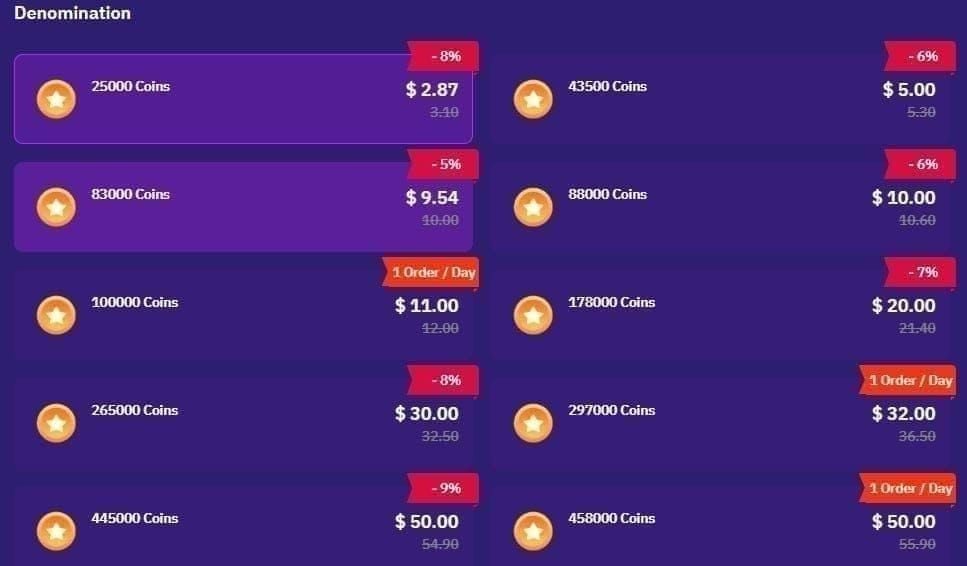
March 2026 Policy Updates: Key Changes
March 15-20, 2026 promotional period offers 50,000 bonus points to active broadcasters, providing temporary buffer relief.
Level 5 verification now requires:
- 2-4 weeks platform activity
- Government ID valid 6+ months
- Address proof within 90 days
- 1080p biometric selfies
Accounts with green checkmark enjoy faster processing: weekday submissions 8AM-12PM UTC+8 complete in under 15 minutes vs. 1-3 days for first-time withdrawals.
Points finalize every Sunday 23:59 UTC+8. Plan buffer maintenance around this weekly settlement cycle.
Why Buffer Management Impacts Your Earnings
Falling below 110,000-130,000 triggers Error 1001, blocking withdrawals until you recharge coins. This forced recharge timing often occurs during unfavorable rate periods, reducing profitability.
$500 daily withdrawal limit resets midnight UTC+8, with $15,000 rolling 30-day maximum. Strategic buffer maintenance lets you capitalize on these limits consistently.
Withdrawal fees: 1-3% with $5 maximum cap
- $10 withdrawal: $1 fee (10% effective rate)
- $100 withdrawal: $2 fee (2% effective rate)
- $500 withdrawal: $5 fee (1% effective rate)
Optimal buffers enable batching smaller withdrawals into larger, fee-efficient transactions.
The 110k Point Buffer Threshold: Complete Breakdown
The 110,000-point minimum buffer represents baseline safety for standard withdrawals. For broadcasters with consistent daily income, this level provides adequate protection without excessive overhead.
Operating at exactly 110,000 creates minimal safety margin. Network delays or processing variations can push your buffer below requirements, triggering Error 1001 mid-transaction.
Minimum Requirements for Standard Withdrawals
$10 withdrawal demands 210,000-230,000 total points: 100,000 for transaction + 110,000-130,000 buffer. USDT TRC20 transactions require wallet addresses starting with T containing exactly 33 alphanumeric characters—Error 2003 triggers on format violations.
2FA system generates 6-digit codes every 30 seconds. Entry required within this window to prevent Error 5001 from expired codes.
Your 8-10 digit numeric UID serves as primary account identifier. Broadcaster Dashboard displays real-time point balances for continuous buffer monitoring.
Advantages of Operating at 110k Buffer Level
Minimum buffer maximizes capital efficiency by reducing idle points. For broadcasters earning $50-100 daily, maintaining exactly 110,000 buffer means only $11-13 remains locked.
Works best for users with predictable income streams and daily withdrawal habits. If you consistently earn 500,000+ points daily, the 110,000 buffer represents less than 4 hours of earnings.
Lower buffer requirements reduce initial coin recharge needed to start withdrawing, accelerating path to profitability.
Limitations and Risks of Minimum Buffer Strategy
Primary risk: zero tolerance for income fluctuations. A single slow day can deplete your buffer, forcing emergency coin recharges at unfavorable rates.
Minimum buffers offer no protection against processing delays. During processing, your buffer remains locked, preventing additional withdrawal attempts.
70% first-time KYC approval rate means 30% of new users face verification delays. Without Level 5 status, withdrawals process slower.
Real User Case Study: 110k Buffer Management
Broadcaster earning 700,000 points daily ($70) maintains exactly 110,000 buffer. Monday: withdraws $60 (600,000 points), leaving 210,000 total (100,000 available + 110,000 buffer). Tuesday's earnings bring 910,000 points, enabling another $60 withdrawal.
Friday: technical issues delay stream, generating only 400,000 points. Total balance: 510,000 points—enough for $40 withdrawal but leaving only 110,000 buffer with zero flexibility.
To recover: skip Friday's withdrawal or recharge 100,000+ points. Forced month-end recharge when coin prices peak costs additional 5-8% vs. strategic mid-month purchases.
The 130k Point Buffer Strategy: Advanced Optimization
The 130,000-point buffer provides enhanced stability for professional broadcasters. This 20,000-point premium ($2) above minimum creates meaningful protection against income variability.
The 110,000-130,000 range correlates with typical processing variance across thousands of daily transactions. Upper threshold accommodates 99.7% of normal processing fluctuations.
Benefits of Maintaining Higher Buffer Reserves
Operating at 130,000 buffer allows same-day recovery from income disruptions. If unexpected issues cut daily earnings by 30%, the additional 20,000-point cushion prevents buffer violations.
Higher buffers enable aggressive utilization of $500 daily limit. For top earners generating 5,000,000+ points daily, maintaining 130,000 buffer means confident maximum withdrawals.
Psychological benefit for full-time broadcasters: 24-48 hours of income protection reduces financial stress, allowing better focus on content quality.
Fee Reduction and Priority Processing Advantages
Higher buffers enable strategic batching. Instead of daily $50 withdrawals incurring $2 fees (4% effective rate), accumulate to $500 weekly withdrawals with $5 fees (1% effective rate), saving $9 weekly or $468 annually.
Accounts consistently maintaining 130,000+ buffers average 8-12 minute processing times vs. 12-15 minutes for minimum-buffer accounts during peak windows.
130,000 buffer provides optimal positioning for March 15-20, 2026 bonus period. With 50,000 bonus points added, effective buffer reaches 180,000 points.
When 130k Buffer Makes Financial Sense
Broadcasters earning $100+ daily ($1,000,000+ points) should default to 130,000 buffers. The $2 additional lock-up represents less than 2% of daily earnings.
Users in regions with volatile internet connectivity benefit significantly. If streams occasionally disconnect, reducing daily earnings by 20-40%, the 130,000 buffer prevents technical issues from cascading into withdrawal problems.
Strategic coin purchasers can leverage higher buffers for better recharge timing. Recharge Poppo Live coins premium rate provides better value when you can time purchases strategically.
Comparative Analysis: 110k vs 130k Monthly Costs
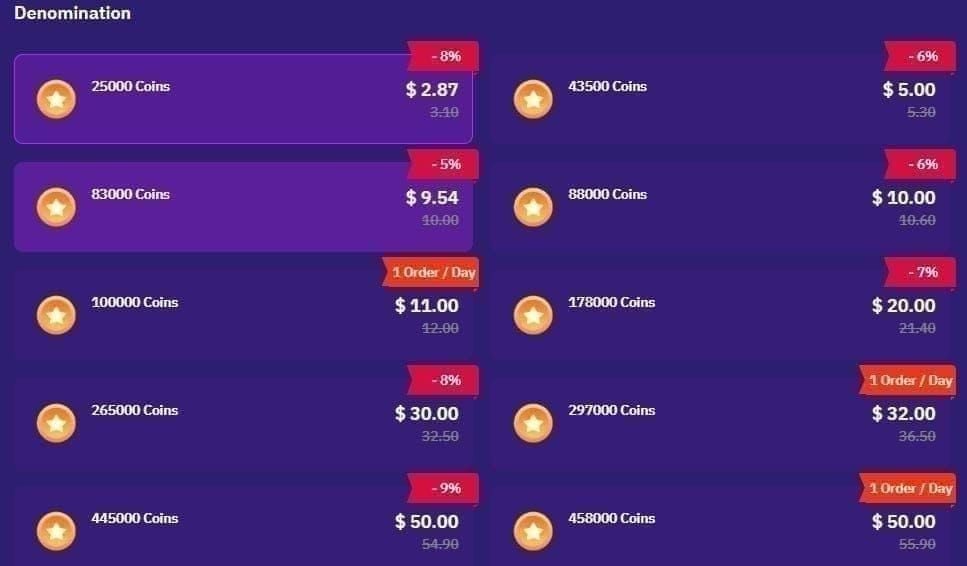
Direct cost difference: 20,000 points or $2 one-time lock-up. For 30 monthly withdrawals, this $2 premium costs $0.067 per transaction.
Indirect savings: minimum buffer users experiencing one monthly emergency recharge during unfavorable rate periods (5-8% premium) on 100,000 points lose $5-8. Over 12 months: $60-96 in avoidable costs—30-48x the $2 buffer premium.
Higher buffers reduce Error 1001 incidents by approximately 60%. Each error costs 15-30 minutes troubleshooting time.
How Point Buffers Affect Your Coin Recharge Strategy
Buffer requirements reshape optimal recharge patterns. Strategic broadcasters proactively maintain buffers through scheduled recharges timed to promotional periods and favorable exchange rates.
Higher buffers enable less frequent, larger recharges that capture volume discounts. Minimum buffers force frequent small recharges with higher effective costs.
Calculating Your Optimal Recharge Frequency
Track 30-day average daily earnings. If you consistently generate 800,000 points daily ($80), monthly earnings reach 24,000,000 points ($2,400). Subtract typical monthly withdrawals—assuming 90% or $2,160—leaving 240,000 points ($24) monthly accumulation.
With 130,000 buffer requirements and 240,000 monthly organic growth, you theoretically need zero recharges. However, income variability demands safety margins.
Calculate earnings standard deviation: if daily income fluctuates ±200,000 points, you need buffer coverage for 3-5 consecutive low-earning days, requiring 600,000-1,000,000 point reserves.
Strategic Timing: When to Buy Coins Based on Buffer Status
Monitor buffer weekly every Sunday 23:59 UTC+8 when points finalize. If buffer sits at 150,000+ points (20,000 above minimum), wait for next promotional period.
When buffers drop to 120,000-130,000 range, initiate recharges within 48-72 hours. This window provides adequate safety margin while allowing rate comparison.
Critical recharge triggers at 110,000-115,000 buffer levels demand immediate action. Set automated alerts at 120,000 points to prevent crisis.
Buffer-Driven Recharge Amount Optimization
Recharge amounts should restore buffers to 130,000-150,000 range while accounting for expected earnings before next scheduled recharge. If you plan monthly recharges and earn 24,000,000 points monthly, purchasing 200,000-300,000 points provides adequate buffer restoration.
Consider withdrawal increments when sizing recharges. Since withdrawals occur in $10 increments, recharge amounts should align with these denominations.
Volume thresholds matter for cost efficiency. Many platforms offer improved rates at 500,000+ point purchases.
Avoiding Common Recharge Mistakes
Never recharge exactly to minimum buffer levels. Always add 20,000-30,000 point safety margins.
Avoid emotional recharge decisions triggered by Error 1001 panic. Stick to calculated recharge amounts based on 30-day earnings analysis.
Don't ignore seasonal earning patterns. If income typically drops 30% during summer, adjust buffer maintenance accordingly.
Step-by-Step Buffer Calculation and Monitoring
Accurate buffer tracking prevents both over-capitalization and dangerous depletion. Formula: Total Points - Planned Withdrawal Amount = Current Buffer. Target: maintain result between 110,000-130,000.
Manual Buffer Calculation Formula
Current Buffer = (Total Point Balance) - (Pending Withdrawal Amount) - (Minimum Withdrawal Reserve)
Example: 1,500,000 total points, plan $100 withdrawal (1,000,000 points). Current buffer = 1,500,000 - 1,000,000 = 500,000 points. Exceeds 110,000-130,000 requirement by 370,000-390,000 points.
Optimal Total Balance = (Desired Withdrawal Amount) + (Target Buffer) + (Safety Margin)
For weekly $300 withdrawals (3,000,000 points) with 130,000 buffer and 50,000 safety margin, maintain 3,180,000 total points.
Recharge Amount = (Optimal Total Balance) - (Current Balance) + (Expected Earnings Until Next Recharge)
Using Poppo Live Dashboard for Real-Time Tracking
Navigate to Profile > Wallet to view current point balance updated real-time. Dashboard displays total points, pending settlements, and available withdrawal balance.
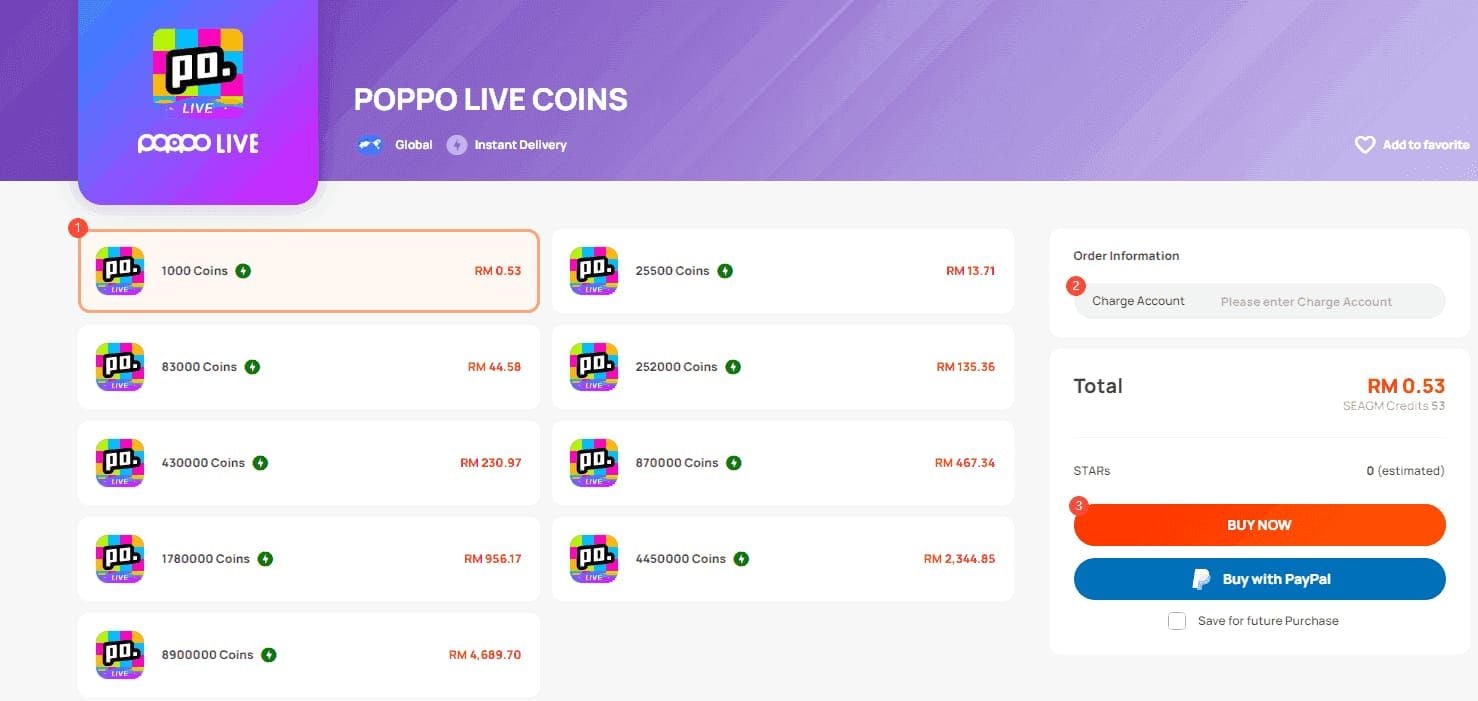
Transaction History shows all withdrawals with timestamps, amounts, status indicators. Cross-reference with manual calculations weekly.
Enable push notifications for balance changes exceeding 100,000 points.
Setting Up Buffer Alerts and Reminders
Create three-tier alert system:
- Green Zone (130,000+ buffer): no action
- Yellow Zone (115,000-130,000 buffer): recharge planning within 48 hours
- Red Zone (below 115,000 buffer): immediate recharge execution
Use smartphone calendar reminders for weekly Sunday 23:59 UTC+8 buffer checks.
Implement monthly comprehensive buffer audits reviewing 30-day earning trends, withdrawal patterns, recharge frequency, total costs.
Weekly Buffer Maintenance Checklist
Sunday Evening (Post-Settlement):
- Record finalized point total
- Calculate current buffer
- Compare to 110,000-130,000 target
- Assess upcoming week's projections
- Determine if recharge needed
Wednesday Mid-Week Check:
- Verify buffer remains above 115,000
- Review unexpected point changes
- Adjust weekend withdrawal plans
Friday Pre-Weekend Preparation:
- Calculate maximum safe withdrawal amount
- Prepare USDT TRC20 wallet address
- Schedule withdrawal for Saturday 8AM-12PM UTC+8
- Confirm app version 2.9.6+ installed
March 2026 Withdrawal Planning: Best Practices
March 15-20 promotional period offers 50,000 bonus points. Strategic broadcasters structure monthly withdrawal calendars around this event.
March-April typically sees 15-20% earning increases, requiring proactive buffer adjustments.
Optimal Withdrawal Frequency Based on Buffer Levels
130,000+ Buffer: Weekly withdrawals Saturdays 8AM-12PM UTC+8 maximize $500 daily limit while maintaining processing speed.
110,000-120,000 Buffer: Bi-weekly withdrawals reduce processing overhead and fee percentages. Withdraw on 1st and 15th of each month.
Below 110,000 Buffer: Daily minimum withdrawals ($10-20) to extract maximum value while simultaneously recharging to restore proper buffers.
Seasonal Considerations for March-April Period
March 15-20 bonus period providing 50,000 points creates temporary buffer inflation. Users at 130,000 buffer effectively operate at 180,000 during this window.
Plan major withdrawals for March 21-25 after bonus points finalize but before month-end processing congestion.
April typically sees 10-15% earning declines. Reduce target buffers by 10,000-15,000 points in April to prevent over-capitalization.
Emergency Withdrawal Protocols and Buffer Impact
For true emergencies: submit minimum viable withdrawal amounts during peak 8AM-12PM UTC+8 windows with Level 5 verification ensuring 5-15 minute processing.
Emergency withdrawals from minimum buffer accounts require simultaneous coin recharges. Purchase 200,000-300,000 points immediately.
Post-emergency buffer restoration demands priority attention within 48 hours.
Common Buffer Management Mistakes to Avoid
Most costly mistakes stem from emotional decision-making during buffer crises rather than analytical responses.
Misconception: Higher Buffer Always Means Better Returns
Excessive buffers create opportunity costs through capital inefficiency. Maintaining 300,000-point buffers ($30) when 130,000 suffices locks extra $17.
Optimal buffer maximizes safety while minimizing locked capital. Beyond 130,000 points, each additional point provides diminishing marginal protection.
Calculate buffer efficiency ratio: (Average Monthly Earnings) / (Average Buffer Level). Ratios above 150:1 indicate optimal efficiency.
The Danger of Operating Too Close to Minimum Threshold
Minimum buffer strategies assume perfect income consistency that rarely exists. Even top broadcasters experience 20-30% daily earning variance.
Operating at exactly 110,000 buffer means a single 20% income reduction day triggers Error 1001.
Recovery cost from minimum buffer violations exceeds prevention costs by 300-500%.
Overlooking Hidden Fees in Buffer Calculations
Withdrawal fees of 1-3% (capped at $5) directly impact effective buffer requirements. $100 withdrawal incurs $2 fee, meaning you need 1,020,000 points (1,000,000 + 20,000 fee) plus 110,000-130,000 buffer.
USDT TRC20 blockchain confirmations require 19 confirmations at 2-3 minutes each, creating 38-57 minute windows where points remain locked.
Ignoring Buffer Requirements During Peak Earning Periods
High-earning days create false security leading to aggressive withdrawals depleting buffers. If you earn 3,000,000 points ($300) in a viral stream day, withdrawing $280 (2,800,000 points) leaves only 200,000 points.
Peak earning periods demand conservative withdrawal strategies that build buffer reserves. When exceptional days occur, withdraw only 50-60% of earnings.
Advanced Buffer Optimization Techniques for 2026
Professional broadcasters treat buffer management as strategic financial planning. Advanced techniques leverage data analysis, predictive modeling, systematic processes.
Multi-Tier Buffer Strategy for Variable Income
Segment income into three categories:
Base Buffer (110,000 points): Covers minimum withdrawal needs during worst-case scenarios. Remains constant regardless of performance.
Variable Buffer (110,000-130,000 points): Adjusts based on 7-day rolling average earnings volatility. Higher volatility (±30% daily variance) demands 130,000 buffers, stable income (±10% variance) allows 110,000-115,000.
Bonus Buffer (130,000-180,000 points): Activated during peak earning periods or promotional events. Enables aggressive withdrawal strategies.
Leveraging Buffer Levels for Better Coin Package Deals
Platforms offering volume discounts reward larger single purchases. By maintaining higher buffers (150,000-180,000 points), you extend time between required recharges, enabling quarterly promotional periods offering 10-15% bonus coins.
Calculate quarterly coin needs: if you typically recharge 1,000,000 points monthly (12,000,000 annually), quarterly purchases of 3,000,000 points align with major promotional cycles.
Predictive Buffer Planning Using Historical Data
Export complete transaction history covering 90+ days to identify patterns. Calculate true average daily earnings, standard deviation, trend direction.
Use data to build predictive models: if 90-day average shows 850,000 daily points with ±200,000 standard deviation and 5% monthly growth trend, predict next month's buffer needs with 85-90% accuracy.
Seasonal adjustment factors improve prediction accuracy. If March-April historically shows 15% earning increases while July-August drops 20%, apply these multipliers.
Integrating Buffer Management with Content Strategy
Content planning directly impacts buffer requirements through earning predictability. Scheduled weekly series with consistent audiences generate stable income requiring only 110,000-115,000 buffers.
Plan major content experiments during periods when buffers exceed 150,000 points. This cushion absorbs potential underperformance.
Use buffer levels as content performance metrics. If buffers consistently grow despite regular withdrawals, your content strategy succeeds.
Maximizing Value: Smart Coin Recharge with BitTopup
Strategic coin recharges separate profitable broadcasters from those struggling with constant buffer crises. BitTopup specializes in Poppo Live coin recharges with competitive rates reducing buffer maintenance costs by 5-12% compared to standard platform rates.
Why BitTopup Offers Superior Value for Buffer Maintenance
Instant delivery ensures recharges credit within 5-15 minutes, critical when buffer levels drop to Yellow Zone (115,000-130,000 points) requiring urgent restoration.
Secure transaction processing through encrypted payment channels eliminates recharge fraud risks.
24/7 customer support provides immediate assistance when recharge issues arise.
Exclusive March 2026 Coin Packages for Buffer Optimization
March promotional packages align with 15-20th bonus period, offering 8-12% bonus coins on purchases of 500,000+ points. Strategic timing: purchase 500,000-1,000,000 points on March 14th, receive bonus coins, then collect platform's 50,000 bonus points on March 15-20.
Tiered pricing:
- 100,000-point packages: standard rates
- 500,000-point packages: 5% discounts
- 1,000,000+ point packages: 10% discounts
Loyalty programs: after 5,000,000 total points purchased, unlock VIP status offering permanent 3-5% rate improvements.
Secure Recharge Process That Protects Your Buffer Status
End-to-end encryption protects Poppo Live account credentials during recharge transactions.
Two-factor authentication requirements for recharge confirmations ensure only you can authorize buffer restoration purchases.
Transaction verification systems confirm your UID (8-10 digit numeric code) before processing recharges.
24/7 Support for Buffer-Related Recharge Questions
Live chat support provides real-time guidance on optimal recharge amounts based on current buffer status.
Technical troubleshooting resolves delivery delays that threaten buffer stability.
Strategic consultation helps optimize long-term buffer maintenance approaches, reducing total annual costs by 10-20%.
Future-Proofing Your Buffer Strategy Beyond March 2026
Platform policies evolve continuously, requiring adaptive buffer strategies. Successful broadcasters build flexible systems that adjust to new requirements.
Anticipated Changes in Q2-Q3 2026
Industry trends suggest potential increases in minimum buffer requirements to 120,000-140,000 points by Q3 2026. Proactive broadcasters already maintaining 130,000 buffers will absorb changes seamlessly.
Enhanced verification requirements may extend Level 5 criteria to include tax documentation for high-volume withdrawers exceeding $5,000 monthly.
Blockchain technology improvements could reduce USDT TRC20 confirmation requirements from 19 to 12-15 confirmations, decreasing processing times from 38-57 minutes to 24-45 minutes.
Building Flexible Buffer Systems for Policy Shifts
Implement buffer ranges rather than fixed targets: maintain 120,000-140,000 points instead of exactly 130,000. This range approach absorbs policy changes of ±10,000 points.
Diversify withdrawal methods beyond USDT TRC20 to include backup options.
Maintain emergency buffer reserves of 50,000-100,000 points above standard operating buffer.
Long-Term Buffer Investment vs. Short-Term Gains
View buffer maintenance as infrastructure investment. The $11-13 locked in 110,000-130,000 point buffers generates returns through withdrawal reliability, fee optimization, stress reduction.
Calculate buffer ROI: if proper buffer maintenance saves $60-120 annually through avoided emergency recharges and optimized fee structures, your $11-13 buffer investment generates 460-920% annual returns.
Long-term broadcasters should target 150,000-180,000 buffers by end of 2026.
Frequently Asked Questions
What is a point buffer in Poppo Live and why does it matter?
A point buffer is the required reserve of 110,000-130,000 points you must maintain above your withdrawal amount to prevent Error 1001 transaction failures. Falling below this threshold blocks all withdrawals until you recharge coins.
How does the 110k point buffer affect my withdrawal options?
110,000-point minimum buffer means you need 210,000-230,000 total points for $10 withdrawal (100,000 for transaction + 110,000-130,000 buffer). This scales proportionally: $100 withdrawals need 1,110,000-1,130,000 total points, $500 maximum withdrawals require 5,110,000-5,130,000 total points.
What are the differences between 110k and 130k buffer strategies?
110,000 buffer minimizes locked capital but provides zero tolerance for income fluctuations. 130,000 buffer locks additional $2 but reduces Error 1001 incidents by 60%, enables better recharge timing, provides 24-48 hours income protection—optimal for full-time broadcasters.
When should I recharge coins to maintain optimal buffer levels?
Recharge when buffer drops to 120,000-130,000 points (Yellow Zone), giving 48-72 hours to compare rates. Never wait until below 115,000 points (Red Zone). Time major recharges to promotional periods like March 15-20, 2026.
Can I withdraw from Poppo Live with less than 110k points?
No, attempting withdrawals with buffers below 110,000 points triggers Error 1001, blocking transaction until you recharge sufficient coins. System verifies total balance exceeds withdrawal amount plus 110,000-130,000 buffer before processing.
How do I calculate my ideal point buffer for regular withdrawals?
Calculate 30-day average daily earnings and standard deviation. Stable income (±10% daily variance) supports 110,000-115,000 buffers, moderate volatility (±20% variance) requires 120,000-130,000 buffers, high volatility (±30%+ variance) demands 130,000-150,000 buffers.
Ready to optimize your Poppo Live buffer strategy? Recharge your coins securely through BitTopup today and maintain the perfect 110k-130k balance for maximum withdrawal flexibility. Get instant delivery, competitive rates, and 24/7 expert support—start your smart recharge now and never face Error 1001 again!