What Makes PK Purge Different from Standard PK Events
Standard PK operates on linear point accumulation. PK Purge introduces three mechanics: tier-based multipliers, timing efficiency decay, and comeback bonuses. The tier system creates distinct brackets—Bronze (580-2,899 diamonds, 1x multiplier), Silver (3,200-6,499 diamonds, 2-2.5x multiplier), Gold (6,500+ diamonds, 3-5x multiplier). Entry costs: $10.10, $55.68, and $113.30 respectively.
Multiplier advantage compounds dramatically. A 1,000-diamond investment in Bronze tier generates 1,300 points maximum. Same investment in Gold tier with 5x multiplier produces 6,500 points—a 400% performance increase.
Timing efficiency introduces urgency: minutes 0-3 maintain 100% efficiency, minutes 4-5 drop to 80%, minutes 6-7 plummet to 60%. A 5,000-diamond Yacht gift at minute 2 in Gold tier generates 32,500 points, while identical gift at minute 6 yields only 19,500 points—40% value loss.

How the $150k Pool Distribution Mechanism Works
Pool distribution operates on cumulative tournament performance across all 12-15 events. Final ranking derives from aggregate points, weighted heavily toward later tournaments. Tournaments 8, 10, and 12 see spending increases of 120-150%, 150-200%, and 200%+ respectively.
Top 50% threshold varies by tier: Bronze needs ~2,900 diamonds total, Silver requires 5,000-6,000, Gold demands 10,000-15,000. Top 20% escalates to 8,000-10,000 (Silver) and 15,000-20,000 (Gold). Elite top 5% requires 25,000-50,000 diamonds, with tournament 12 alone consuming 50,000+ for serious contenders.
Daily spending follows predictable escalation: Days 1-2 see 70-80% of average budgets, Days 3-4 normalize at 100%, Days 5-6 surge to 110-120%.
Multiplier Calculation Formula: Base, Combo, and Tier Bonuses
Complete multiplier formula combines: base gift efficiency, tier multiplier, timing efficiency, and combo bonuses. Base efficiency varies by gift: Rose delivers 1.0 efficiency, Rose Bouquet 1.3, Luxury Car 1.2, Yacht 1.3.
Tier multipliers apply multiplicatively. Rose Bouquet in Bronze generates 130 points (1.3 × 1x). Same gift in Silver with 2.5x produces 325 points, Gold with 5x yields 650 points. Maximum efficiency: 1.3 (Bronze), 3.25 (Silver), 6.5 (Gold).
Combo bonuses add 15% when sending five identical gifts within 30 seconds. Five Luxury Cars in Gold tier with 100% timing generate 69,000 points for 10,000 diamonds (6.9 points per diamond).
Comeback bonus provides 1.3x multiplier when trailing by 30%+ at minute 4 and closing gap to 10% by minute 6. This creates 23% efficiency gain worth thousands in saved resources.
Why the January 20 Tier End Creates Urgency
January 20 tier reset fundamentally alters competitive dynamics by resetting accumulated advantages. Players who invested heavily in tier climbing lose positional benefits, creating temporary equalization. This makes January 15-20 PK Purge the final opportunity to leverage existing tier status.
Historical data shows escalating stakes: June 2025 featured $135,000 pool with 3.5x max multiplier, September 2025 offered $120,000 with 3x multiplier. Current January event's $150,000 pool and 5x multiplier represent 11% and 43% increases respectively.
Pre-event preparation by tier: Bronze 2,900-5,000 diamonds, Silver 5,000-10,000, Gold 10,000-20,000 minimum. Technical requirements: Uplive app version 9.10.4 with Android 5.1+.
The 5 Proven Stack Routes for $150k Pool Dominance
Route 1: The Steady Accumulator (Conservative 15-Day Strategy)
Distributes resources evenly: 20% to tournaments 1-3, 50% to tournaments 4-8, 30% to tournaments 9-15. Daily spending follows 70-80-100-100-110-120 progression.
Gold tier participant deploys 1,500 diamonds per tournament early, targeting top 50% positions requiring 10,000-15,000 total. This route minimizes variance risk—rarely cracks top 5% but consistently achieves top 20% with 15,000-20,000 diamonds.
Optimal gifts: Rose Bouquets during 100% efficiency windows, Luxury Cars for mid-tournament adjustments, Yacht gifts reserved for tournaments 8, 10, and 12.
Route 2: The Weekend Warrior (Concentrated 3-Day Blitz)
Compresses participation into final three phases (January 19-20), leveraging late-entry information advantages. Budget allocation: 10% to tournaments 11-12, 30% to 13-14, 60% to tournament 15.
By tournament 11, top 20% thresholds become apparent. Gold tier Weekend Warrior might identify 18,000 diamonds secures top 20%, allowing precise calibration versus 15,000-20,000 range uncertainty.
Risk: If tournament 15 experiences issues, entire strategy collapses. Maintain 20% emergency reserves.
Route 3: The Final Hour Surge (High-Risk Last 24 Hours)
Deploys 80%+ of budget during final 24 hours before January 20. Targets players with 30,000+ diamonds (Gold) willing to accept binary outcomes—top 10% or complete loss.
Exploits psychological fatigue among early participants. 25,000-diamond deployment across tournaments 14-15 can vault from 35th percentile to top 10% in Gold tier.
Timing precision critical: Tournament 15 starts 0:00 Beijing time January 20, surge must initiate by tournament 14 (24-48 hours prior).
Route 4: The Tier Climber (Dual-Objective Route)
Pursues simultaneous PK Purge pool share and tier advancement. Requires 40,000-60,000 diamonds for Gold tier participants. Budget: 40% tournament participation, 40% tier activities, 20% emergency reserves.
Tier Climbers prioritize tournaments 8 and 12 (60% of tournament budget), distributing 40% across tournaments 3, 5, 10, and 15. Non-tournament days focus on tier maintenance.
Maintaining Gold tier through January 20 enters next cycle with 3-5x multiplier access versus demoted participants restarting in Silver with 2-2.5x.
Route 5: The Agency Coordinated Strike (Team-Based Approach)
Leverages multi-broadcaster collaboration. Agency members specialize in different tournaments—Member A handles 3, 8, 13; Member B focuses 5, 10, 15; Member C covers 7, 12.
Synchronized deployment creates artificial competition spikes discouraging independent participants. Agency member with 15,000 diamonds coordinates with two partners for concentrated 45,000-diamond deployment across three tournaments, achieving top 5% positioning.
Common distribution: 40-30-30 splits favoring primary investor, or proportional by diamond contribution percentage.
Diamond Investment Optimization for Maximum Multiplier Returns
Calculating Your Optimal Diamond Budget per Route
Budget calculation starts with pool share objectives:
- Top 50%: 2,900 (Bronze), 5,000-6,000 (Silver), 10,000-15,000 (Gold)
- Top 20%: 8,000-10,000 (Silver), 15,000-20,000 (Gold)
- Top 10%: 25,000-40,000 (Gold only)
- Top 5%: 25,000-50,000 (Gold only)
Route multipliers:
- Steady Accumulator: 1.2x minimum threshold (18,000-24,000 for top 20% Gold)
- Weekend Warrior: 1.5x minimums (22,500-30,000)
- Final Hour Surge: 2x minimums (30,000-40,000)
- Tier Climber: 2.5x minimums (37,500-50,000)
- Agency Strike: 0.8x per member (12,000-16,000)
ROI calculation: Top 20% Gold finish with 20,000 diamonds ($348.40) claims portion of $52,500 pool. With ~15% participants in bracket, individual returns $2,300-$3,800, representing 6.6x-10.9x ROI.
Diamond-to-Multiplier Efficiency Ratios by Tier Level
Efficiency ratios quantify point generation per diamond:
- Bronze max: 1.3 points per diamond
- Silver max: 3.25 points per diamond
- Gold max: 6.5 points per diamond
Real-world efficiency runs 70-85% of maximums. Gold tier participant achieving 5.0 points per diamond needs 10,000 diamonds for 50,000 points—common tournament 8 threshold for top 30%.
Efficiency gap: Silver needs 15,385 diamonds for 50,000 points at max 3.25 efficiency. Gold needs only 7,692 at max 6.5—50% resource savings compounding across 12-15 tournaments.
When to Front-Load vs Back-Load Your Investment
Front-loading (60-70% budget in tournaments 1-5): Works when you possess 2x+ expected threshold. Gold participant with 40,000 diamonds targeting top 20% (typical 15,000-20,000) can front-load 24,000-28,000 to claim top 10% early, then coast.
Back-loading (60-70% budget for tournaments 10-15): Suits threshold-level budgets. Gold participant with 18,000 diamonds allocates 5,400 to tournaments 1-9 (maintaining top 50%), then deploys 12,600 during 10-15 when dynamics clarify.
60-30-10 timing rule optimizes intra-tournament spending: 60% during minutes 0-3 (100% efficiency), 30% during minutes 4-5 (80%), 10% during minutes 6-7 (60%).
Hybrid 20-50-30: 20% to tournaments 1-3, 50% to 4-8, 30% to 9-15. Provides early visibility while maintaining late-stage flexibility.
Using BitTopup for Strategic Diamond Acquisition
Strategic timing impacts tournament performance. Players requiring rapid deployment for tournaments starting 0:00 Beijing time need payment processing completing 2-4 hours prior.
For competitive players, buy Uplive diamonds discount online instant through BitTopup provides transaction speed essential for tournament-critical timing. Instant delivery ensures diamonds arrive within minutes.
Payment methods:
- Credit cards: 5-15 minutes, $500-$1,000 limits
- Digital wallets: 2-10 minutes, similar limits
- Bank transfers: 30-60 minutes, $2,000-$5,000+ limits
For purchases exceeding $500, complete 6-12 hours before critical tournaments to ensure availability.
Timing Your PK Purge Entries: The Critical Success Factor
Peak Activity Windows and Pool Competition Analysis
Peak activity concentrates during tournaments 8, 10, and 12. Tournament 8 (typically January 17) sees 120-150% of average spending. Tournament 10 marks critical decision point with 150-200% spending. Tournament 12 determines 70% of final rankings with 200%+ spending, top 5% contenders deploying 30,000+ diamonds.
Off-peak tournaments (1-3, 5-7, 9, 11, 13-14) see 60-80% of average spending. Strategic participant might target top 40% in off-peak and top 15% in peak, achieving overall top 25% with 30% less expenditure.
Avoiding Saturation: When NOT to Enter PK Purge
Saturation occurs when participation exceeds resource capacity. Gold tier participant with 12,000 total diamonds faces saturation attempting all 15 tournaments—800 per tournament falls below 1,000-1,500 minimum. Should selectively enter 8-10 tournaments.
Technical saturation emerges during tournaments 8, 10, 12 when server load peaks. Players with unstable connections should avoid these, focusing on tournaments 7, 9, 11 where competition runs 20-30% lower.
Psychological saturation affects consecutive tournament participants. Optimal patterns include 24-hour breaks after every 3-4 tournaments.
Financial saturation: Spending 40,000 diamonds ($696.80) for top 20% (return $2,300-$3,800) realizes 3.3x-5.5x ROI. Increasing to 60,000 ($1,045.20) for top 10% (return $4,500-$6,500) reduces ROI to 4.3x-6.2x.
Countdown Strategy: The Final 72 Hours Before Jan 20
Tournament 13 (48 hours before): Last low-risk adjustment opportunity. Deploy 20-30% of remaining reserves to test positioning movement.
Tournament 14 (24 hours before): Final strategic decision point. Leaderboard analysis reveals whether top 20% requires 18,000 or 24,000 total diamonds.
Tournament 15 (final tournament): Maximum volatility. Spending discipline critical—predetermined budgets prevent emotional overspending destroying ROI.
Time Zone Considerations for Global Pool Competition
Tournaments at 0:00 Beijing time occur 8-10 PM EST, 7-9 PM GMT. Asian participants face midnight starts requiring sleep adjustments.
North American advantage: Tournaments 1-5 when Asian competitors may deprioritize midnight events. Establish strong early positioning with 20-30% less expenditure.
European advantage: Tournament timing aligns with evening leisure hours across entire schedule, supporting Steady Accumulator strategies.
Asian advantage: Home-region benefits during tournaments 8, 10, 12 when midnight timing aligns with peak alertness.
Multiplier Stacking Techniques: Going Beyond Base Rewards
Understanding Combo Multiplier Triggers and Chains
Combo multipliers activate when sending five identical gifts within 30 seconds, adding 15% bonus. Gold tier participant sending five Luxury Cars (10,000 diamonds) during minutes 0-3 with 5x tier multiplier generates 60,000 base points plus 9,000 combo bonus (69,000 total, 6.9 points per diamond).
Combo chains: Sending five Luxury Cars, followed by five Rose Bouquets, then five more Luxury Cars creates three separate combo activations within two minutes.
Pre-loading: Purchase 10-15 high-value gifts before tournament entry, enabling instant deployment. Eliminates 5-10 second purchase delays breaking combo timing.
Streak Bonus Mechanics and Maintenance Requirements
Streak bonuses reward consecutive participation:
- 1.05x after three consecutive tournaments
- 1.10x after five consecutive
- 1.15x after eight consecutive
Gold tier participant with 5x tier multiplier, 100% timing, and 1.15x streak achieves 7.475 points per diamond (1.3 base × 5 × 1.15) before combo bonuses.
Missing any tournament resets streak counter. Strategic streak breaking occurs when competition exceeds resource capacity—skip tournament to preserve resources for critical finals.
Tier-Based Multiplier Bonuses: Maximizing Your Level Advantage
Bronze participant generating 1.3 points per diamond across 15 tournaments with 2,900 diamonds accumulates 3,770 points. Gold participant with identical 2,900 diamonds generating 6.5 points per diamond accumulates 18,850 points—400% advantage from tier selection alone.
Tier maintenance requires ~10,000-15,000 diamonds monthly in non-event activities. Neglecting maintenance costs 2-3x multiplier advantages in subsequent events.
Cross-tier strategy: Deliberately enter lower tiers when competition analysis reveals saturation. Gold-eligible participant might enter tournament 7 in Silver when Gold requires 4,000+ diamonds for top 30% while Silver achieves equivalent with 2,000 diamonds.
Hidden Multiplier Opportunities Most Players Miss
Tournament-specific bonuses announced 2-4 hours before start offer 1.2-1.5x additional multipliers. Tournament 8 promotion might offer 1.3x for Yacht gifts during minutes 0-2, creating 8.45 points per diamond efficiency.
First-tournament bonuses: 1.25x multipliers for initial PK Purge entry.
Regional multipliers: 1.15x bonuses during specific windows targeting geographic participation balance.
Loyalty multipliers: 1.05-1.10x bonuses for accounts active 6+ months with consistent spending. Gold tier with 1.10x loyalty achieves 7.15 points per diamond standard efficiency.
Risk Management in High-Stakes PK Purge Competition
Assessing Your Competition: Pool Share Estimation Techniques
Leaderboard analysis during tournaments 3-5 when patterns stabilize. Observing top 20% requires 4,000-5,000 cumulative diamonds by tournament 5 allows extrapolation. Linear scaling suggests 12,000-15,000 total, though actual runs 120-140% due to late-stage surges.
Percentile tracking: Participant ranking 32nd after tournament 3, 28th after 5, 25th after 7 demonstrates positive momentum. Maintaining trajectory yields top 20% final positioning.
Competitor profiling: Participants deploying 5,000+ diamonds in single early tournaments signal deep resources and aggressive strategies. Competing for top 5% requires matching 40,000-60,000 total diamonds.
Agency identification: Multiple participants from same agency deploying similar amounts in identical tournaments indicates coordinated strikes. Avoid direct competition in these tournaments.
Setting Stop-Loss Limits for Diamond Expenditure
Participant budgeting 20,000 diamonds for top 20% Gold should set 25,000-diamond hard limit (125% of budget) beyond which no spending occurs regardless of pressure.
Tournament-specific limits: Participant allocating 2,000 to tournament 8 maintains that limit even if competition suggests 3,000 would improve positioning. 1,000-diamond savings preserves resources for tournaments 9-15.
Percentage-based limits: 100% of planned budget for tournaments 1-7, 120% for 8-10, 150% for 11-15. 20,000-diamond total allows 8,000 for 1-7, 6,000 for 8-10, 10,500 for 11-15.
ROI-based limits: Requiring 4x ROI minimum caps spending at $1,000 for top 20% (expected return $2,300-$3,800, yielding 2.3x-3.8x).
Diversification Strategy: Multiple Routes vs Single Focus
Diversification: 60% to Steady Accumulator, 30% to Weekend Warrior, 10% to opportunistic Final Hour Surge. Ensures moderate success even if components underperform.
Single-focus: 100% to Agency Coordinated Strike leverages full budget for coordinated dominance, potentially achieving top 10% with 30% less spending. Trade-off: binary outcomes.
Hybrid 70-30: 70% to Steady Accumulator baseline with 30% reserved for opportunistic Final Hour Surge if tournaments 13-15 reveal achievable top 15%.
Contingency Planning for Unexpected Tier Movements
Tier demotion: Maintain 2,000-3,000 diamond emergency reserves for preservation. Losing Gold during tournament 8 reduces remaining efficiency by 50%.
Technical failure: Identify backup internet connections, maintain updated app versions, avoid tournaments 8, 10, 12 if experiencing issues during 6-7.
Competitive surge: Reserve 15-20% of total budget for unexpected intensity. 20,000-diamond budget maintains 3,000-4,000 reserves.
Agency coordination failures: If tournament 8 reveals unexpected coordination, pivot to tournaments 9, 11, 13-15 where coordination appears absent.
Agency Coordination and Team-Based Pool Strategies
How Agency Networks Influence $150k Pool Outcomes
Five-member agency with 15,000 diamonds per member (75,000 total) deploys 25,000 across three coordinated tournaments, achieving dominant positioning. Remaining 50,000 distributes across others for baseline, creating multiple top 20% placements with 40% less per-member spending.
Information sharing: Agency members monitor different tournaments, sharing real-time observations about competition intensity and strategic opportunities.
Psychological warfare: Three members simultaneously deploying 5,000+ diamonds in tournament 8's opening minute demoralizes independent competitors who reduce spending.
Cross-event coordination: Agencies rotate which members pursue top 5% across different events, allowing concentrated deployment.
Coordinating Multi-Broadcaster Stack Routes
Role specialization:
- High-capacity members (30,000+ diamonds): tournaments 8, 10, 12
- Medium-capacity (15,000-25,000): tournaments 3, 5, 7, 13, 15
- Low-capacity (8,000-15,000): tournaments 1, 2, 4, 6, 9, 11, 14
Synchronized deployment: Members enter simultaneously, deploying initial resources within first 60 seconds for immediate leaderboard dominance.
Resource reallocation: If member encounters unexpected competition, agency redirects resources from less competitive tournaments.
Backup systems: If primary member experiences technical issues during tournament 12, designated backup deploys reserves immediately.
Communication Protocols for Synchronized PK Purge Entries
Real-time channels: Dedicated voice channels for live updates: Deploying 2,000 diamonds now,Competition at 15,000 points, need support.
Pre-tournament briefings (30-60 minutes before): Review competitive intelligence, confirm resource allocations, establish contingency triggers.
Post-tournament debriefs (2-4 hours after): Analyze actual vs. planned spending, positioning outcomes, competitor patterns.
Emergency protocols: Predefined decision trees—If primary disconnects, backup deploys reserves immediately,If competition exceeds projections by 50%+, all reduce spending 30%.
Fair Distribution Models for Agency-Won Pool Shares
Proportional: Member contributing 25,000 of 100,000 total receives 25% of agency winnings.
Tiered: All members receive 20% equally, remaining 80% distributed proportionally by contribution.
Tournament-specific: Members keep 100% of pool shares from assigned tournaments while supporting others.
Performance-based: Top 10% achievers receive 40% of their pool share, top 20% receive 30%, top 50% receive 20%, remaining 10% distributed equally.
Hybrid: 50% proportional by contribution, 30% tournament-specific allocation, 20% equal distribution.
Common Mistakes That Cost Players Pool Share
Misconception 1: More Diamonds Always Equals Higher Multiplier
Linear spending fallacy assumes doubling investment doubles outcomes. Reality: first 10,000 diamonds might move from 50th to 25th percentile (25-point gain), next 10,000 moves 25th to 18th (7-point gain), third 10,000 yields 18th to 14th (4-point gain)—80% efficiency decline.
Efficiency thresholds: Spending beyond 40,000 total in Gold rarely improves beyond top 10%. Marginal 5,000 diamonds moving 11th to 9th percentile costs $87 for pool value differences of $200-300—2.3x-3.4x return underperforming earlier 6x-10x returns.
Tier mismatch: Participant with 8,000 diamonds entering Gold (competitive minimum 10,000-15,000) achieves worse positioning than entering Silver where 8,000 secures top 20%.
Timing inefficiency: 10,000 diamonds during minutes 6-7 (60% efficiency) generates 39,000 points in Gold. Same during minutes 0-3 (100%) produces 65,000 points—67% difference, effectively wasting 40% of investment.
Misconception 2: Entering Early Guarantees Better Position
Early entry trap assumes tournaments 1-3 offer easier competition. Sophisticated players deliberately avoid early tournaments. Participants overinvesting in 1-3 (deploying 40% of budget) find themselves resource-depleted when competition intensifies during 8-12.
Competitive intelligence disadvantages: Early entrants lack information about final intensity. Participant establishing 15th percentile by tournament 5 might assume this secures top 20%, only to discover 10-15 require 150-200% increased spending.
Streak bonus obsession: Maintaining eight-tournament streak for 1.15x bonus might cost 3,000 diamonds in tournament 9 for 40th percentile. Skipping tournament 9 and deploying 3,000 in tournament 10 might achieve 25th percentile—net gain despite losing 15% multiplier.
Psychological commitment escalation: Participant spending 8,000 across tournaments 1-5 for 22nd percentile faces decision at tournament 8: accept position or spend additional 12,000 pursuing top 20%. Sunk cost fallacy drives spending beyond rational ROI.
Misconception 3: Tier Level Doesn't Affect Pool Distribution
Tier-agnostic fallacy assumes pool distribution operates independently of tier. Reality: tier-weighted algorithms where Gold points receive 1.5-2x weighting versus Bronze. Bronze participant with 50,000 total points ranks below Gold participant with 35,000 due to tier weighting.
Cross-tier competition: Bronze and Silver compete in same pool as Gold, but lower multipliers require 2-5x diamond expenditure for equivalent points. Makes top 20% nearly impossible for Bronze regardless of spending.
Tier maintenance neglect: Allowing demotion to save 5,000-8,000 diamonds costs 2-3x multiplier disadvantages in subsequent events. Short-term savings costs 15,000-25,000 diamonds in equivalent point generation next event—net loss of 10,000-17,000 diamonds.
Tier climbing timing errors: Spending 8,000 for Silver-to-Gold advancement during tournaments 1-3 consumes resources needed for participation. Complete advancement during two-week inter-event periods instead.
Tactical Errors in Final Hours Before Deadline
Panic spending during tournament 15 destroys ROI. Participants maintaining discipline through 1-14 often abandon limits, deploying 200-300% of planned budgets. Spending 8,000 to move 21st to 19th percentile (crossing into top 20%) achieves rational ROI, while 8,000 to move 19th to 16th within same bracket wastes resources.
Resource exhaustion before tournament 15 eliminates participation in tournament determining 70% of rankings. Front-loaded spending leaves insufficient reserves for competitive final participation.
Timing miscalculation: Tournament 15 starts 0:00 Beijing time January 20. Western participants may miscalculate conversion, missing tournament entirely and forfeiting 70% of ranking weight.
Competitive intelligence failure: Not monitoring leaderboards during 13-14 prevents optimal deployment. Participant conservatively spending 3,000 in tournament 15 might discover post-event that 5,000 was required. 2,000-diamond difference between top 20% ($2,300-$3,800) and top 30% ($1,200-$1,800) represents $1,100-$2,000 lost value.
Post-January 20 Strategy: Positioning for Next Cycle
Understanding Tier Reset Mechanics and Carryover Benefits
Tier reset preserves 60-70% of pre-reset points. Gold participant with 25,000 points retains 15,000-17,500 post-reset, maintaining Gold if threshold sits at 15,000.
Carryover benefits: Multiplier retention for 7-14 days post-reset allows leveraging pre-reset tier advantages. Gold participant continues accessing 3-5x multipliers through early February.
Tier advancement windows: Competition for tier climbing decreases 40-60% immediately post-reset. Participants conserving resources during PK Purge can invest 8,000-12,000 in advancement during January 21-28, achieving Silver-to-Gold with 30-40% less spending.
Reset timing patterns: Quarterly cycles with major resets January, April, July, October. Minor resets monthly preserving 80-90% of points.
Early Bird Advantages in the New Cycle
Early positioning: Achieving top 20% in first post-reset PK Purge (typically February) creates perception of dominance discouraging competition, allowing position maintenance with 20-30% less spending.
Resource accumulation: Spending conservatively during February-March (targeting top 30-40%) accumulates 15,000-25,000 diamond reserves for April-May when prize pools increase 20-30%.
Tier consolidation: Investing 10,000-15,000 in tier maintenance during January-February secures Gold for entire quarter, avoiding mid-cycle battles when advancement costs surge 50-100%.
Strategic experimentation: Trial new approaches during low-stakes early events without catastrophic consequences. Test Agency Coordinated Strike during February $100,000 pool versus January's $150,000.
Analyzing Your Performance: ROI Calculation Methods
ROI calculation: 25,000 diamonds at $0.0174 per diamond = $435 invested. Pool winnings of $2,800 (top 20% Gold) yield 6.4x ROI. BitTopup's 5-10% below standard rates improves effective ROI to 6.7x-7.1x.
Efficiency metrics: Averaging 5.8 points per diamond in tournaments 1-7 but only 4.2 in 8-15 reveals timing degradation or suboptimal gift selection. Analysis guides 15-20% efficiency improvements.
Positioning trajectory: Moving from 35th percentile (tournament 3) to 28th (7) to 22nd (12) to 18th (final) demonstrates consistent improvement suggesting strategy sustainability.
Competitive benchmarking: If top 20% Gold required 18,000 average and you achieved with 16,000, your 11% efficiency advantage suggests strategy worth replicating.
Resource Planning for Upcoming PK Purge Events
Planning horizons: 3-6 months aligning diamond acquisition with event schedules. Historical patterns show events every 8-12 weeks with prize pools increasing 10-15% per cycle.
Quarterly budget: Targeting top 20% across three events (February, April, June) requires 18,000 per event (54,000 total) plus 15,000 tier maintenance (69,000 total)—approximately 11,500 diamonds monthly.
Acquisition timing: Leverage promotional periods when prices decrease 10-20%. BitTopup offers enhanced rates mid-month and major holidays. Purchasing 70,000 diamonds at $0.0156 (versus $0.0174) saves $126—equivalent to 7,200 additional diamonds.
Budget allocation: 60% to PK Purge events (54,000), 25% to tier maintenance (15,000), 15% to standard engagement and contingencies (10,500).
Contingency reserves: 15-20% total budget (10,500-14,000 diamonds) for emergency tier preservation, opportunistic participation, or competitive surges exceeding projections.
Rapid Diamond Acquisition via BitTopup for Last-Minute Pushes
Why BitTopup is Essential for Competitive PK Purge Players
Transaction speed: 2-10 minute processing ensures diamond availability before tournament entry windows close. Competitors using slower platforms (30-60 minutes) risk missing tournaments or entering without optimal preparation—forfeiting 10-15% efficiency.
Pricing competitiveness: 5-10% below standard platform pricing translates to $22-$44 savings on 25,000-diamond purchases. Across quarterly 70,000-diamond budget, savings total $61-$122—equivalent to 3,500-7,000 additional diamonds.
Transaction reliability: 99%+ successful transaction rate eliminates payment processing failures during critical tournaments 12 or 15. Less reliable platforms face 2-5% failure rates costing thousands in pool share value.
Customer support: 15-30 minute response times ensure resolution before tournament windows close. Slower platforms (2-4 hour response) leave participants unable to resolve issues in time.
Step-by-Step: Purchasing Uplive Diamonds Through BitTopup
Account creation: Email verification and basic profile, completing in 2-3 minutes. Complete 24-48 hours before first purchase.
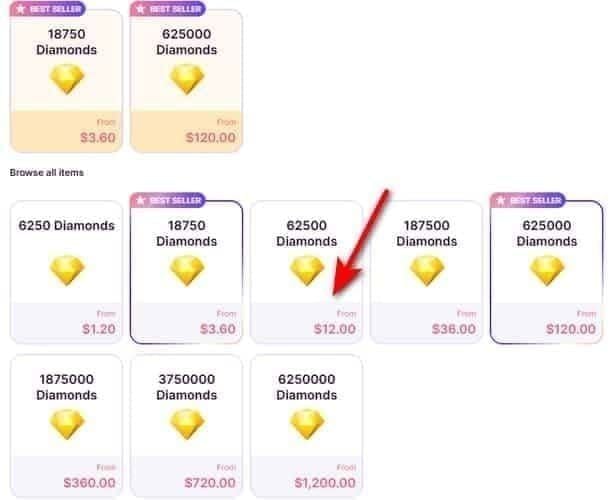
Product selection: Navigate to Uplive diamonds section, choose quantity. Denominations from 580 (Bronze minimum) to 50,000+ (bulk purchases).
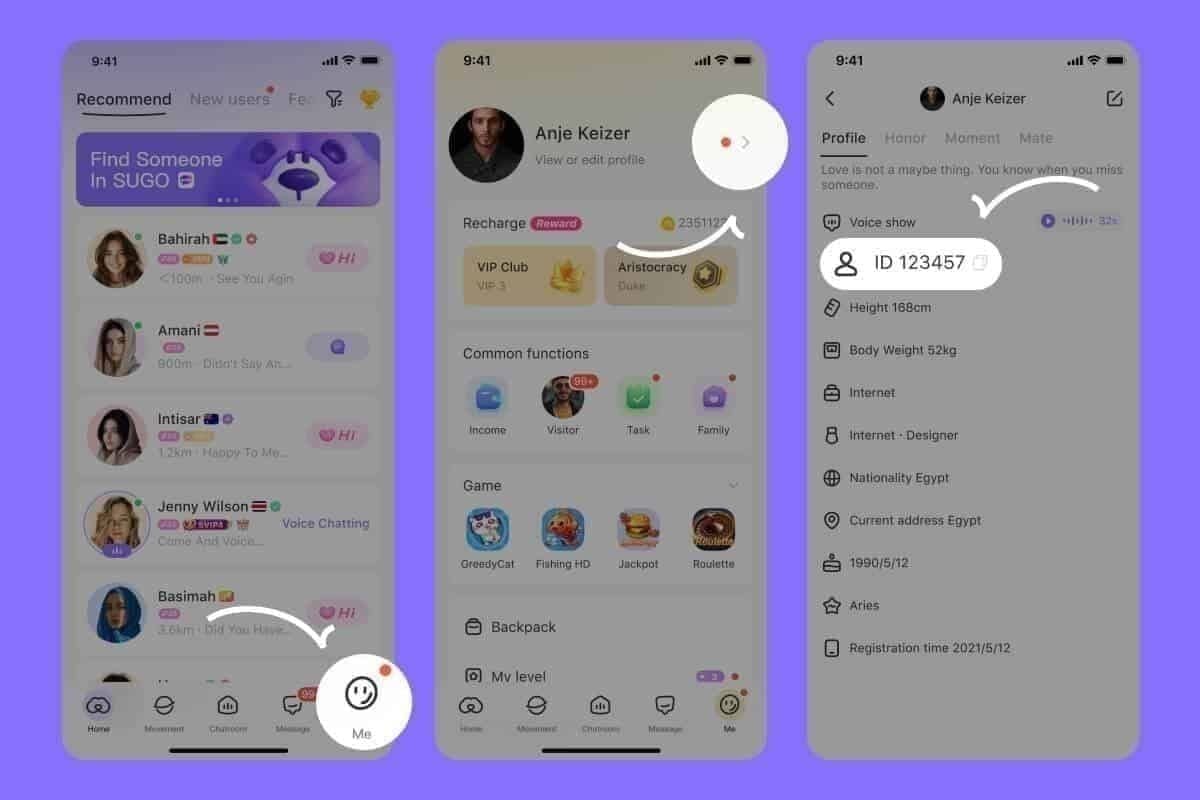
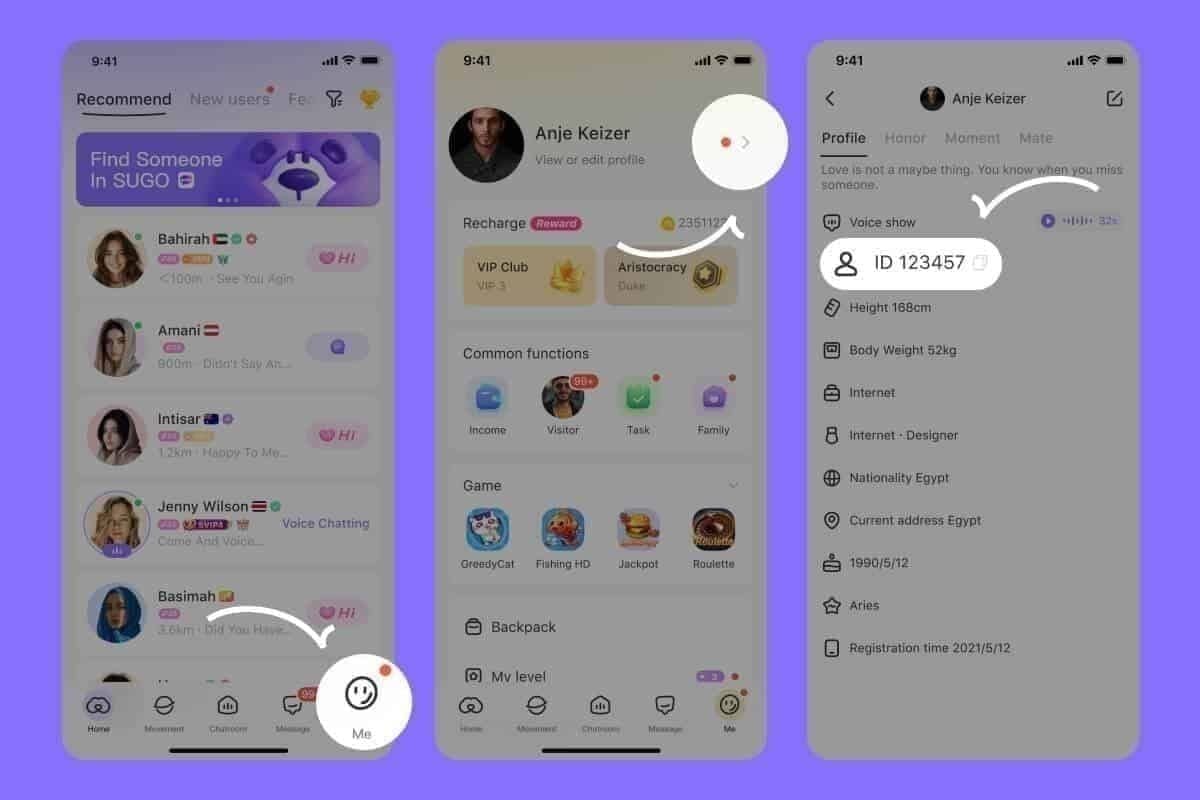
Account linking: Enter Uplive user ID (found in app settings under Account Information). Double-check accuracy—errors cause 30-60 minute delays.
Payment method: Credit cards (5-15 minutes, $500-$1,000 limits), digital wallets (2-10 minutes, similar limits), bank transfers (30-60 minutes, $2,000-$5,000+ limits).
Order confirmation: Most transactions complete within stated timeframes, diamonds appearing automatically. Delays beyond stated times warrant customer support contact (<1% occurrence).
Payment Methods and Processing Speed Comparison
Credit cards: Optimal balance of speed (5-15 minutes) and convenience. $500-$1,000 limits accommodate typical tournament budgets (2,000-5,000 diamonds per tournament).
Digital wallets: Fastest processing (2-10 minutes) with similar limits. PayPal, Apple Pay, Google Pay integration allows one-click purchasing. Speed advantage valuable for last-minute pre-tournament purchases.
Bank transfers: Accommodate large purchases ($2,000-$5,000+) for Final Hour Surge or Agency Strike requiring 30,000-50,000 diamonds. 30-60 minute processing necessitates advance planning—complete 6-12 hours before critical tournaments.
Cryptocurrency: High limits and international accessibility but 10-30 minute processing plus price volatility. $500 purchase via Bitcoin might vary $15-$25 based on exchange rate fluctuations.
Security and Transaction Reliability for High-Value Purchases
Encryption protocols: SSL/TLS security standards prevent interception during transmission. Infrastructure meets industry standards ensuring credit card numbers, bank details, personal information remain confidential.
Fraud detection: Monitors transactions for suspicious patterns. First $1,000 purchase might experience additional verification (email confirmation, phone verification) adding 10-15 minutes but preventing account compromise.
Transaction history: Comprehensive records showing purchase dates, amounts, payment methods, delivery confirmations. Essential for ROI analysis, tax documentation, dispute resolution.
Dispute resolution: Support team investigates issues within 2-4 hours, typically resolving within 24 hours. Priority support escalation for time-sensitive tournament situations ensures resolution before critical windows close.
Frequently Asked Questions
How do Uplive PK Purge multipliers work in the $150k pool?
Multipliers combine tier bonuses (Bronze 1x, Silver 2-2.5x, Gold 3-5x), timing efficiency (100% minutes 0-3, 80% minutes 4-5, 60% minutes 6-7), combo bonuses (15% for five identical gifts in 30 seconds), and comeback multipliers (1.3x when closing 30%+ gaps). These stack multiplicatively, allowing Gold tier to achieve 6.5-8.0 points per diamond. $150,000 pool distributes based on cumulative points across 12-15 tournaments, with tournament 12 determining 70% of final rankings.
What are the best stack routes for Uplive PK Purge before tier end?
Five proven routes: Steady Accumulator (20-50-30 allocation, 15,000-20,000 diamonds for top 20% Gold), Weekend Warrior (concentrated final phases, 18,000-25,000), Final Hour Surge (80% budget in final 24 hours, 25,000-40,000 for top 10%), Tier Climber (40-40-20 split, 40,000-60,000), Agency Strike (team-based, 12,000-16,000 per member for collective top 20%). Selection depends on budget, risk tolerance, time availability.
When does the Uplive January 20 tier end affect PK Purge rewards?
January 20 reset preserves 60-70% of tier points. Participants maintaining Gold through January 20 retain 3-5x multipliers for 7-14 days post-reset, enabling efficient resource rebuilding. Reset makes January 15-20 PK Purge final opportunity to leverage existing tier status before equalization. Post-reset tier advancement costs decrease 30-40% during January 21-28 window.
How many diamonds needed for Uplive $150k pool dominance?
Top 50%: 2,900 (Bronze), 5,000-6,000 (Silver), 10,000-15,000 (Gold). Top 20%: 8,000-10,000 (Silver), 15,000-20,000 (Gold). Top 10%: 25,000-40,000 (Gold only). Top 5%: 25,000-50,000 (Gold only). Tournament 12 alone requires 50,000+ for serious top 5% contenders. Ranges assume optimal efficiency (5.0-6.5 points per diamond in Gold); suboptimal execution increases requirements 20-40%.
How to calculate pool share percentage in Uplive PK Purge?
Formula: (Your Cumulative Points ÷ Total Participant Points) × Tier Weight × Tournament Performance Weight. Tier weights favor Gold (1.5-2x) over Silver (1.0-1.2x) and Bronze (1.0x). Tournament performance emphasizes 8, 10, 12 (1.5-2x weight) over early tournaments (0.8-1.0x). Gold participant with 180,000 cumulative points in pool with 12 million total, strong critical tournament performance, captures ~0.018-0.025% of pool—$2,700-$3,750 from $150,000 total.
Where to buy Uplive diamonds fast for PK Purge events?
BitTopup provides fastest, most reliable acquisition: 2-10 minute processing for most payment methods, 5-10% below standard pricing, 99%+ transaction success rates, 15-30 minute customer support response. Offers denominations from 580 to 50,000+ diamonds. Credit cards and digital wallets provide optimal speed-convenience balance. Complete account creation 24-48 hours before first purchase, use credit cards or digital wallets for tournament-critical acquisitions requiring immediate availability.