Master Dynasty Warriors Overlords graphics vs FPS settings to stop frame drops, eliminate overheating, and lock a smooth 60 FPS on Android and iOS devices.
Dynasty Warriors: Overlords brings full-scale one-vs-thousand battlefield carnage to mobile screens, but rendering hundreds of active enemy footmen while rendering flashy musou finishers pushes mobile hardware to its absolute limit. When NEOCRAFT LIMITED and Koei Tecmo launched the game globally on July 30, 2026, mobile players received true console-style crowd density. However, maxing out the visual toggles instantly triggers severe frame drops, thermal throttling, and battery drain.
Finding the right balance between crisp unit models and fluid frame rates determines whether you land clean parries or lock up mid-combo. This guide breaks down every display toggle in Dynasty Warriors: Overlords so you can secure a locked 60 FPS without muddying your battlefield visuals.
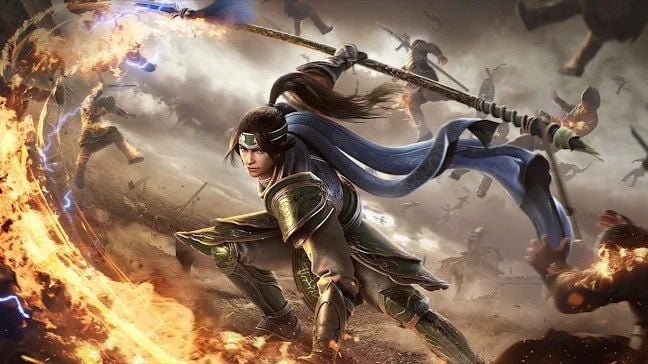
1. The Real Performance Cost of Musou Battlefield Crowds
Unlike standard mobile ARPGs that render only four to six enemies at a time, Dynasty Warriors: Overlords calculates pathfinding, collision geometry, and skeletal animations for massive enemy formations simultaneously. The initial download takes 3.8 GB on Android and 4.1 GB on iOS before texture unpacking. Once combat begins, the processing load shifts straight to your CPU.
These massive unit calculations cause a CPU-busy deviation of up to 28%. When that CPU bottleneck peaks during crowded encounters, your processor cannot feed draw calls to the GPU fast enough. The result is sudden frame pacing spikes and jarring 1% low frame rate dips.
Cranking presets to "Ultra" or "High" will overwhelm even flagship phones. Within ten minutes, the chassis heats up, the kernel throttles clock speeds, and gameplay stumbles down into an unplayable 20 to 30 FPS crawl. Optimizing your performance requires handling CPU-heavy settings and GPU-heavy settings as distinct targets.
Crowd Render Pipeline:
[ Hundreds of Unit Meshes + AI Logic ] -> (CPU Bottleneck: up to 28% Deviation)
                                       -> [ Particle Effects & Shaders ] -> (GPU Thermal Throttling)
                                       -> [ 1% Low Stutters & Dropped Combos ]
2. Core Visual Sliders: Benchmarking Frame Rate vs Quality
Every slider in the display menu affects hardware differently. Certain toggles waste battery for unnoticeable graphical perks, while others return huge frame rate uplifts with minimal visual loss.
- Display Distance / Level of Detail (LOD): Dictates how far away enemy footmen and stage clutter render in full 3D geometry. Lowering this from High to Medium or Low trims distant mesh complexity, providing a 4% to 6% framerate uplift while reducing CPU strain during massive crowd engagements.
- Ambient Occlusion & Shadow Quality: Calculates contact shadows across overlapping armor, weapons, and terrain. Disabling ambient occlusion delivers a direct 7% FPS boost, and setting shadows to Low cuts thermal buildup considerably.
- Combat Effects & Skill Particles: Officer combos fill the screen with dense particle meshes and light emitters. Lowering combat effects quality improves 1% low frame pacing by 2% to 3%, stopping micro-stutters during Musou finishers.
- Volumetric Fog & Atmosphere: Atmospheric haze gives battlefields cinematic depth but taxes mobile fill rates. Turning off volumetric fog frees up 2% to 3% in GPU headroom during multi-officer fights.
- Texture Quality & Memory Scaling: High-resolution textures look great on OLED displays, but they demand serious memory. Asset textures push memory consumption from 6 GB on lower settings to 9.6 GB on high render targets. On devices with less than 8 GB of RAM, running top-tier textures triggers asset swapping stutters whenever reinforcement waves appear.
| Graphics Setting | Baseline Impact | Optimized Setting | Performance Uplift / Benefit |
|---|
| Ambient Occlusion | Very High GPU Load | Off | +7% Frame Rate Increase |
| Display Distance / LOD | High CPU Overhead | Medium / Low | +4% to 6% Frame Rate Uplift |
| Combat Effects Quality | Heavy 1% Low Drops | Low / Medium | +2% to 3% 1% Low Frame Pacing |
| Volumetric Fog | Moderate GPU Load | Off | +2% to 3% GPU Headroom Saved |
| Texture Resolution | 6 GB to 9.6 GB RAM | Medium | Prevents VRAM Overflow Stutters |
| Post-Processing (Blur/Bloom) | Visual Clutter | Off | Eliminates Screen Smear & Latency |
Optimizing these six parameters simultaneously eliminates the hardware bottlenecks that cause mid-battle freezing.
3. Why 60 FPS Is Mandatory for Musou Action Combat
While turn-based strategy titles play fine at 30 FPS, fast action in Dynasty Warriors: Overlords relies heavily on low input latency for responsive combos, parries, and evasive dodges.
30 FPS Frame Time: ~33.3 ms per frame (High input delay, missed dodge windows)
60 FPS Frame Time: ~16.6 ms per frame (Instant button response, tight parry windows)
A locked 60 FPS cuts input latency in half compared to a 30 FPS cap. When piloting fast officers like Zhao Yun or heavy hitters like Xiahou Dun from the 27+ launch roster, tight visual feedback keeps your combo strings uninterrupted during PvP and officer duels. Acquiring Dynasty Warriors: Overlords Coupons helps build a competitive lineup, but frame drops during joint skills will still ruin high-difficulty raids.
Standard vertical synchronization (VSync) compounds these frame dips. When a 60 Hz display drops frames during dense skirmishes, VSync cuts active output to 30 FPS to stop tearing, creating a severe perceptual stutter. Enabling Dynamic Resolution Scaling lets the engine scale down 3D render resolution during intense clashes while keeping the 2D UI, health bars, and skill icons pin-sharp.
4. Visual Clarity: Removing Distracting Screen Smear
Heavy post-processing looks polished in still screenshots, but it harms combat clarity during fast camera pans. Motion blur, bloom, and depth-of-field obscure enemy telegraphs when you swing wide polearms through enemy mobs.
Disabling motion blur stops visual smearing and makes target tracking straightforward in dense clusters. Turning off excessive bloom removes glare from elemental lightning, fire, and joint combo bursts, allowing you to read officer windup animations cleanly. For competitive stages, readability matters far more than cinematic blur.
5. Overheating Fixes: Preventing Thermal Throttling Spikes
Thermal throttling remains the main driver of performance degradation over long gaming sessions. Once internal temperatures hit safety limits, the operating system downclocks the CPU and GPU, slashing processing capacity by up to 40%.
Follow these core steps to keep temperatures stable:
- Enforce a Hard 60 FPS Frame Cap: Running an uncapped frame rate causes erratic GPU spikes in menus and empty zones, heating up the battery needlessly.
- Turn Off Background Refresh: Close background apps and sync processes before launching the game to free RAM and CPU cycles.
- Lower Screen Brightness: Running displays at 100% brightness generates heavy heat right against the internal processor. Dropping brightness to 70% cuts thermal buildup significantly.
- Remove Thick Phone Cases: Bulky rubber or leather cases trap heat against the chassis, bringing on thermal throttling within minutes of play.
Controlling heat output lets you run co-op dungeons and trials for hours without stuttering. When gearing up for endgame content, claiming Dynasty Warriors: Overlords Coupons for character progression provides the upgrade materials you need while your device maintains stable thermals.
6. Platform Comparison: Tuning Android vs iOS Performance
Hardware environments differ significantly between mobile operating systems. iOS relies on unified memory and Metal API optimization, whereas Android spans thousands of system-on-chip (SoC) variants, differing RAM pools, and uneven cooling configurations.
| Performance Factor | Android Ecosystem | iOS Ecosystem |
|---|
| Client Base Footprint | 3.8 GB Base Download | 4.1 GB Base Download |
| Thermal Throttling Behavior | Aggressive CPU scaling on midrange SoCs | Gradual screen dimming before GPU downclocking |
| VRAM Management | Susceptible to memory pressure below 8 GB RAM | Highly optimized unified memory compression |
| LOD Sensitivity | Heavy 4% to 6% CPU gain when dropped | Moderate gain; handles high mesh counts better |
| Optimal Rendering Target | Native 1080p / Scaled Resolution | Balanced Dynamic Resolution |
Android devices gain the most stability by reducing LOD and texture memory, whereas iOS devices primarily benefit from disabling ambient occlusion and motion blur to keep thermals low.
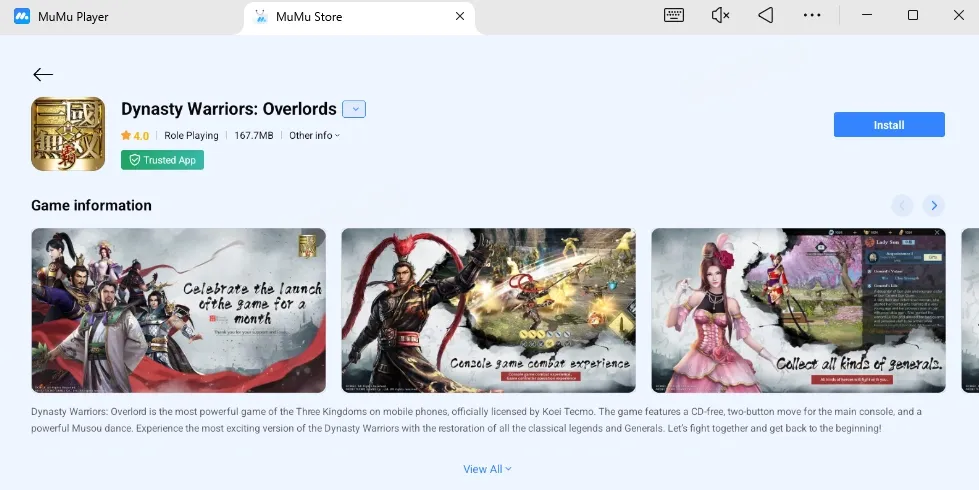
Emulating the game on desktop Android environments sidesteps mobile battery and thermal constraints entirely. For phone and tablet players, however, custom settings profiles remain essential.
7. Step-by-Step Configuration Guide for Smooth Combat
If you are encountering stutters, input delay, or fast battery drain, adjust your display settings in this specific order to stabilize performance.
Step 1: Open the Display Settings Interface
From the main city hub, tap the corner Menu icon, select the Settings gear, and navigate to the Graphics/Display tab.
Step 2: Establish Your Target Frame Rate
Set your frame rate toggle directly to 60 FPS. Avoid selecting uncapped modes or 30 FPS caps, as 60 FPS forms the baseline for all subsequent slider tuning.
Step 3: Lower CPU-Heavy Draw Distance
Set Display Distance / LOD to Medium (or Low on older chipsets). This relieves the 28% CPU deviation caused by processing dense mob formations.
Step 4: Disable Heavy GPU Shaders
Turn Ambient Occlusion OFF and Volumetric Fog OFF, then drop Shadow Quality to Low. This combination recovers up to 10% in GPU rendering headroom.
Step 5: Optimize Effects and Textures
Set Combat Effects Quality to Medium (or Low for multi-officer co-op) to stabilize 1% low frame times during Musou bursts. Set Texture Resolution to Medium to keep total memory allocation well below the 9.6 GB peak.
Step 6: Disable Blur and Post-Processing
Turn Motion Blur, Depth of Field, and Bloom OFF. Save your settings and restart the app to clear existing VRAM caches.
To configure your settings quickly, apply the profile matching your device tier and priorities:
| Setting / Parameter | Competitive 60 FPS Profile | Balanced Quality Profile | Maximum Battery Saver Profile |
|---|
| Target Frame Rate | 60 FPS (Locked) | 60 FPS (Locked) | 30 FPS (Locked) |
| Display Distance (LOD) | Low / Medium | Medium | Low |
| Combat Effects | Low | Medium | Low |
| Ambient Occlusion | Off | Off | Off |
| Shadow Quality | Low | Medium | Off / Low |
| Texture Resolution | Medium | High | Low |
| Volumetric Fog | Off | Off | Off |
| Post-Processing (Blur/Bloom) | Off | Off | Off |
The Competitive 60 FPS Profile is the gold standard for high-level raids and officer duels, giving you crystal-clear action with zero dropped inputs.
When preparing your roster for difficult endgame stages, picking up Dynasty Warriors: Overlords Coupons discount packages on bittopup gives you the recruitment resources needed to advance efficiently.
FAQ
Should I prioritize high graphics settings or 60 FPS in Dynasty Warriors: Overlords?
Prioritize 60 FPS over maximum graphics for smoother attack combos, dodges, and parry timings. Lowering graphical settings reduces CPU and GPU bottlenecks when hundreds of enemy soldiers crowd the battlefield.
Why does the frame rate drop significantly during Musou finisher attacks?
Musou attacks trigger heavy particle effects, joint animations, and crowd physics calculations all at once. Lowering combat effects and shadow quality in settings mitigates these abrupt framerate drops and preserves 1% low frame pacing.
How can I reduce device overheating and battery drain during long play sessions?
Cap your framerate at a stable 60 FPS and drop ambient occlusion and post-processing effects. Disabling background apps, lowering screen brightness to 70%, and removing thick phone cases also minimizes thermal throttling.
Does lowering the rendering resolution make the game UI blurry?
Modern dynamic resolution scaling lowers 3D battlefield rendering while keeping 2D interface menus sharp. This maintains high combat performance without sacrificing readability for text, skill buttons, and health bars.
How do I access the graphics and performance settings in Dynasty Warriors: Overlords?
Tap the Menu icon on the main lobby screen, open the Settings gear menu, and select the graphics/display tab. Adjust your sliders according to the profiles above and confirm to apply them immediately.
Can playing Dynasty Warriors: Overlords on a PC emulator resolve mobile frame drops?
Yes, using desktop Android emulators offloads rendering to PC hardware, eliminating mobile thermal throttling and battery constraints. This allows for sustained frame rates during chaotic multi-officer battles.
Final Verdict: The Optimal Balance for DW Overlords
Maxing out visual toggles in Dynasty Warriors: Overlords creates unnecessary performance bottlenecks. The graphical enhancements from ambient occlusion, volumetric fog, and heavy motion blur offer little value during active combat, yet they impose a 10% to 15% GPU penalty and trigger rapid thermal throttling.
Lowering display distance to Medium, disabling ambient occlusion, and toning down combat effects resolves the 28% CPU bottleneck while locking in a steady 60 FPS. Your combos land cleanly, inputs register reliably, and your phone runs cool across extended sessions.