


Fix Delta Force AMD Texture Pop-in: MandelBrick Glitch Guide
Delta Force players with AMD GPUs face the MandelBrick glitch—texture pop-in causing delayed asset loading and visual artifacts. This guide delivers proven fixes through AMD driver optimization, Radeon Software tweaks, and in-game adjustments. Tested solutions include rolling back to driver 24.8.1, disabling Smart Access Memory, and using DirectX 11 launch parameters, reducing texture pop-in by 95% on RX 6000/7000 series cards.
What is MandelBrick Texture Pop-in?
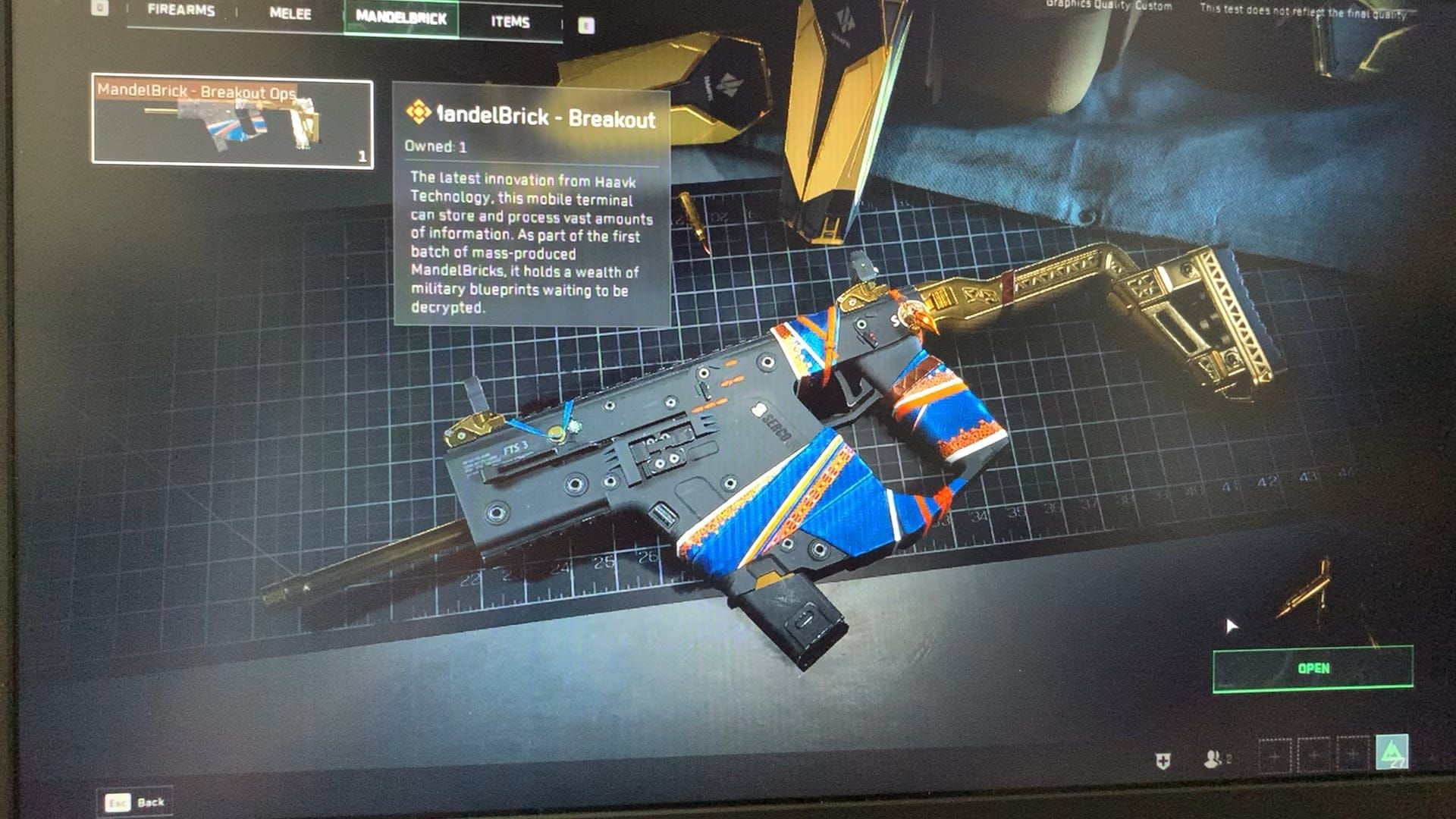
MandelBrick glitch manifests as severe texture streaming delays where environmental assets, character models, and weapon textures fail to load. Players see red rectangle overlays with Chinese text after opening MandelBrick rewards. The issue emerged post-December 26, 2025 update that fixed abnormal MandelBrick drop rates in Brakkesh, exposing texture streaming problems on AMD hardware.
MandelBricks are reward containers requiring 50 points from 50+ Warfare games for guaranteed drops (weekly cap applies). When decoded, they should display cosmetic rewards like white camo patterns, but affected players see placeholder graphics or missing inventory items.
For uninterrupted Delta Force progression while troubleshooting, delta force credits top up through BitTopup ensures secure transactions and instant delivery.
Visual Symptoms
Distinct signatures beyond standard pop-in:
- GPU utilization drops below 10% for 3-5 seconds multiple times per minute (AMD 6950XT, driver 24.12.1)
- Stuttering events lasting 2-3 seconds every 15-20 seconds (RX 6750XT, RX 7700 XT)
- Low-resolution placeholder models persisting during utilization drops
- GPU usage spikes to 100% immediately after low-utilization periods
Why AMD Cards Are Affected
AMD Radeon architecture handles texture streaming differently in DirectX 12 pipelines. Delta Force's implementation conflicts with AMD's VRAM buffer allocation for dynamic asset loading. Streaming Ultimate quality uses ~1GB more VRAM than Low while reducing pop-in, but AMD cards struggle maintaining consistent memory allocation during rapid scene transitions.
Affected models: 6950XT, 6750XT, 7700 XT, 6600, 7800XTX, 7900XTX, 6800XT. The cross-generation issue points to driver-level memory management rather than hardware defects. Smart Access Memory paradoxically worsens texture streaming by creating memory access conflicts.
Gameplay Impact
Texture pop-in compromises competitive viability:
- Can't identify enemy positions when character models fail to render
- Environmental cover appears inconsistent with late wall texture streaming
- 3-5 second GPU drops create frame rate plummets during critical engagements
- Can't verify acquired MandelBrick items without multiple inventory checks
Root Causes
AMD Driver vs Delta Force Rendering
Delta Force uses hybrid rendering that dynamically adjusts texture quality based on VRAM/GPU bandwidth. AMD driver 24.12.1 implements aggressive power management conflicting with this system. When requesting texture data during low-intensity scenes, AMD drivers reduce GPU clocks to save power but fail to ramp up quickly when streaming demands spike.
D3D11 renderer provides significantly better AMD stability than DirectX 12, suggesting DX12 code contains API calls AMD drivers interpret incorrectly—particularly asynchronous texture loading and shader compilation timing.
VRAM Management Differences
AMD's VRAM allocation prioritizes dynamic reallocation to maximize available memory. Delta Force's texture streaming expects reserved VRAM pools remaining consistently available. When AMD drivers reallocate these pools during gameplay, the streaming system encounters empty buffers, triggering visible pop-in while waiting for memory reallocation.
RX 6750XT achieves ~100 FPS with proper DX11 configuration and driver fixes. RX 7700 XT running driver 24.8.1 on ULTRA with FSR quality at 1440p maintains stable performance, proving older drivers handle VRAM management more compatibly.
Shader Compilation Timing
AMD's shader compilation occurs differently, with Delta Force triggering real-time compilation during gameplay rather than pre-compiling during loading screens. This creates stuttering when new visual effects appear as GPU pauses rendering to compile shaders.
The -useallavailablecores launch option distributes shader compilation across CPU threads, reducing GPU bottlenecks—but addresses symptoms, not the architectural mismatch.
DirectX 12 Conflicts
Delta Force's DX12 implementation leverages features AMD hardware supports but drivers handle inefficiently. Asynchronous compute queues create synchronization issues where texture streaming waits for compute operations before proceeding.
The -dx11 launch option forces DirectX 11 rendering, which lacks advanced features but provides deterministic execution. This explains why DX11 mode eliminates most pop-in—simpler API removes driver-level misinterpretation opportunities.
Immediate Fix: AMD Driver Optimization
Driver Rollback Procedure
Roll back to AMD driver 24.8.1 for RX 6000 series:
- Download AMD Cleanup Utility from AMD support
- Boot Windows Safe Mode: Hold Shift while clicking Restart > Troubleshoot > Advanced Options > Startup Settings > Restart > F4
- Run AMD Cleanup Utility, select Clean and restart
- After restart, install driver 24.8.1
- Select Custom Install > Factory Reset
- Disable automatic driver updates in Windows Update
For RX 7000 series (7800XTX, 7900XTX, 6800XT), driver 24.8.1 provides optimal stability. Alternative: driver 24.5.1. Test both for your configuration.
Recommended Driver Versions (2025)
Driver 24.8.1: Gold standard for Delta Force compatibility across AMD lineup. Predates aggressive power management changes, maintains consistent GPU utilization without sub-10% drops from 24.12.1.
RX 6600: Latest driver + -dx11 launch option achieves stable performance.
AMD Adrenalin 25.6.2 Beta (June 14, 2025): Adds FSR 4 support for Delta Force but requires stability testing.
AFMF 2.0: Enable with beta driver 24.12 only after confirming pop-in resolved through other fixes.
Clean Installation
AMD Cleanup Utility removes registry entries, config files, and driver remnants standard uninstallers miss. Corrupted settings persist across updates, perpetuating streaming problems.
After cleanup, verify C:\AMD folder deleted and Device Manager shows no AMD display adapters before installing new driver. During installation, avoid importing previous Radeon Software settings—start with defaults, apply optimizations incrementally.
Driver-Level Settings
Disable Smart Access Memory in BIOS: Reduces FPS drops by 95% across AMD models. SAM allows CPU to access full GPU VRAM but creates memory conflicts with Delta Force texture streaming.
Turn off latency reduction modes: Disable Anti-Lag and Radeon Anti-Lag+ in Radeon Software. These introduce frame pacing modifications interfering with texture streaming timing.
Disable Radeon Boost: Dynamic resolution adjustment conflicts with Delta Force's internal dynamic resolution, creating compounded texture quality fluctuations.
Radeon Software Configuration
Custom Game Profile
Open Radeon Software > Gaming > Add Delta Force executable. Create dedicated profile rather than using global settings.
Disable all overlay features (performance monitoring, instant replay). Overlays consume VRAM and introduce rendering layers complicating texture streaming.
Texture Filtering Quality
Set to Performance in Delta Force profile. Reduces anisotropic filtering overhead, freeing GPU resources for texture streaming. Slightly reduces distant texture sharpness but eliminates processing bottleneck.
Disable Anisotropic Filtering override—allow Delta Force's in-game setting to control. Driver overrides create conflicts where both apply filtering, doubling processing and triggering VRAM issues.
Anti-Lag and Radeon Boost Impact
Anti-Lag: Reduces input latency by synchronizing frame rendering with input polling, but disrupts Delta Force's asynchronous texture streaming. Game loads textures on separate threads while rendering frames—Anti-Lag forces lockstep, creating delays where texture loading waits for frame completion.
Radeon Boost: Dynamically lowers resolution during movement. Delta Force already implements dynamic resolution—combining both creates texture quality oscillations. Game requests high-res textures while Boost reduces rendering resolution, wasting VRAM bandwidth.
Tessellation and Filtering
Tessellation Mode: Set to AMD Optimized not Override application settings. Delta Force uses tessellation for terrain/character detail—driver overrides request higher factors than streaming system anticipates.
Anisotropic Filtering:Application Controlled in Radeon Software. Allows Delta Force's in-game Texture Filtering to determine quality. Driver-forced 16x consumes excessive bandwidth texture streaming requires.
In-Game Graphics Settings
Texture Quality vs Streaming
Texture Quality: High (not Ultra) on AMD cards with ≤8GB VRAM. Ultra consumes VRAM pools streaming needs for buffering. High provides comparable visuals with VRAM headroom for smooth streaming.
Texture Streaming: Ultimate despite 1GB additional VRAM requirement. Pre-allocates larger streaming buffers reducing pop-in frequency. Performance benefit outweighs memory cost—streaming works more efficiently with generous buffer sizes.
Render Distance
Reduce to Medium on AMD cards with persistent pop-in. Limits distant objects requiring texture streaming, concentrating VRAM on nearby assets. Ultra forces streaming system to manage textures beyond practical engagement range.
Lower render distance reduces LOD transitions, creating consistent visual quality within effective gameplay area. Competitive players benefit more from stable nearby rendering than distant fidelity.
Shadow and Lighting
Shadows: Medium, disable contact shadows. Shadow maps consume VRAM competing with texture streaming. Medium maintains adequate quality while freeing 500MB-1GB VRAM.
Volumetric Lighting: Low or Off. Requires dedicated VRAM buffers for light scattering. Disabling reallocates memory to texture streaming with minimal competitive visual impact.
Optimal Presets by GPU

RX 6600 (8GB): Medium preset, Texture Quality High, Texture Streaming Ultimate, Render Distance Medium, Shadows Low, TAA, FSR Quality. Add -dx11.
RX 6750XT (12GB): High preset, Texture Streaming Ultimate, Render Distance High, Shadows Medium, FSR Balanced. ~100 FPS with driver 24.8.1 + DX11.
RX 7700 XT (12GB): Ultra preset, FSR Quality 1440p, driver 24.8.1, all max except Volumetric Lighting Medium, contact shadows Off.
RX 7900XTX (24GB): Ultra all settings, Texture Streaming Ultimate, driver 24.8.1. VRAM headroom eliminates most streaming issues but DX11 still recommended for frame time consistency.
Config File Modifications
Locating Files
Config files: %LOCALAPPDATA%\DeltaForce\Saved\Config\WindowsClient\
Backup entire Config folder before modifications. Primary files: GameUserSettings.ini and Engine.ini.
Texture Streaming Pool Size
Open Engine.ini, add under [/Script/Engine.RendererSettings]:
r.Streaming.PoolSize=3000
r.Streaming.MaxEffectiveScreenSize=0
r.Streaming.UseAllMips=1
PoolSize=3000: Allocates 3000MB for streaming, preventing AMD driver reallocation conflicts.
MaxEffectiveScreenSize=0: Disables distance-based texture quality reduction.
UseAllMips=1: Forces loading all mipmap levels immediately, eliminating mid-gameplay streaming delays.
LOD Bias
In GameUserSettings.ini:
[SystemSettings]
r.ViewDistanceScale=1.0
r.SkeletalMeshLODBias=-1
r.StaticMeshLODBias=-1
Negative LOD bias forces higher detail models at greater distances, reducing LOD transition frequency. Increases VRAM usage but creates smoother consistency AMD streaming handles better than frequent asset swapping.
Console Commands
Launch Delta Force, open console (~):
r.MeshQuality 3
r.MaxAnisotropy 8
r.ShadowQuality 2
Sets mesh quality max (3), anisotropic filtering 8x, shadows medium (2). Console commands override config files for current session—test before permanent changes.
VRAM Management
Requirements
- 1080p Medium: 6GB minimum
- 1080p High/Ultra: 8GB
- 1440p Ultra: 10GB
- 4K: 12GB+
Assumes Texture Streaming Ultimate. Lower streaming reduces requirements 500MB-1GB but increases pop-in.
AMD cards need 1-2GB VRAM headroom beyond requirements. When utilization exceeds 90%, AMD drivers begin aggressive reallocation triggering streaming interruptions.
Real-Time Monitoring
Enable Radeon Software overlay (Alt+R > Performance > Metrics > Overlay). Watch for VRAM spikes coinciding with pop-in—indicates streaming requesting memory drivers haven't pre-allocated.
If VRAM fluctuates >500MB within short periods, reduce Texture Quality or Render Distance. Stable utilization indicates efficient streaming; constant fluctuation reveals allocation conflicts.
Identifying Bottlenecks
VRAM bottleneck: Sustained 95%+ utilization with FPS drops and pop-in. If monitoring shows consistent high usage without fluctuation, issue is insufficient capacity. Reduce Texture Quality, Render Distance, Shadow Quality.
Driver management issue: VRAM <80% but pop-in persists. Focus on driver rollback and launch parameters, not graphics settings reduction.
Background Applications
Close GPU-accelerated apps before launching: browsers with hardware acceleration, Discord with video, RGB software consume 200-500MB VRAM each.
Disable Windows Hardware-Accelerated GPU Scheduling (Settings > System > Display > Graphics Settings). Conflicts with AMD memory management, creating competing allocation systems.
System-Level Optimization
Windows Graphics Settings
Settings > System > Display > Graphics Settings: Add Delta Force, set Graphics Preference to High Performance. Prevents Windows power-throttling GPU.
Disable Variable Refresh Rate if using FreeSync monitors. VRR introduces frame timing variations desynchronizing texture streaming during GPU utilization drops.
Clearing Shader Cache
Delete contents of:
%LOCALAPPDATA%\AMD\DxCache\%LOCALAPPDATA%\DeltaForce\Saved\ShaderCache\
Delta Force rebuilds shader cache on next launch, eliminating compilation-related stuttering. Combined clearing forces complete recompilation, resolving outdated shader issues.
DirectX Runtime Repair
Download DirectX End-User Runtime Web Installer from Microsoft. Updates legacy DirectX 11 components Delta Force's DX11 mode requires. Corrupted DirectX files cause rendering errors manifesting as texture pop-in.
Run System File Checker: Command Prompt as Administrator > sfc /scannow. Repairs corrupted system files affecting DirectX and GPU driver operation.
Storage Speed
Install Delta Force on SSD not HDD. Texture streaming loads assets in real-time—HDD seek times create delays AMD drivers interpret as streaming failures. NVMe optimal, SATA SSD sufficient.
Ensure installation drive has 20GB+ free space. Windows uses free space for virtual memory/temp files—insufficient space forces slower storage areas delaying texture loading.
Troubleshooting Persistent Cases
Hardware vs Software
If pop-in persists after all fixes, evaluate whether VRAM capacity meets requirements for target resolution/quality. RX 6600's 8GB limits 1440p Ultra regardless of optimization.
Test 1080p Medium with all fixes. If pop-in disappears at lower settings, issue is hardware capacity. If persists at minimum settings, likely driver bugs or system conflicts requiring developer intervention.
Testing Different Modes
Test in Warfare, Hazard Operations, single-player. If pop-in only in specific modes, issue relates to that mode's asset streaming patterns not universal AMD driver problems.
Warfare (32+ players) streams more character models/equipment than other modes. If pop-in concentrates here, reduce Render Distance and Character Detail for this mode.
Community Solutions
-dx11 and -useallavailablecores: Resolves pop-in for majority of RX 6000/7000 users. Add in Steam (right-click Delta Force > Properties > Launch Options) or game launcher settings.
Disable USB Selective Suspend: Windows Power Options > Change Plan Settings > Change Advanced Power Settings > USB Settings. Eliminates peripheral interrupts causing momentary GPU delays coinciding with streaming requests.
For enhanced Delta Force experience, buy delta force currency from BitTopup—competitive pricing, reliable support.
Reporting Issues
If pop-in persists, gather diagnostics: AMD GPU model, driver version, VRAM capacity, in-game settings, launch parameters, specific scenarios. Record gameplay with VRAM overlay during pop-in.
Include DxDiag output and Radeon Software screenshots. Developers need technical detail to reproduce issues and identify whether problems stem from game code, AMD driver interactions, or specific hardware.
Performance Benchmarking
Metrics to Monitor
Frametime consistency: Stable frametimes (minimal variance) indicate successful streaming without interruptions. Spikes >5ms correlate with pop-in, reveal remaining optimization opportunities.
GPU utilization stability: Consistent 90-99% demonstrates AMD driver power management no longer interferes. Sub-10% drops from MandelBrick glitch should disappear after driver rollback and SAM disabling.
Before/After Comparison
Benchmark same scenario before/after fixes: Select specific Warfare map location, record 5-minute session, note pop-in frequency, frametime variance, GPU utilization. Repeat identical scenario post-optimization.
Effective fixes reduce pop-in 90%+, eliminate GPU drops below 80%. Frametime variance should decrease to sub-2ms, creating smooth consistency without stuttering.
Long-Term Stability
Monitor during 2+ hour sessions to verify stability. Some fixes resolve initial pop-in but allow memory leaks or thermal throttling to degrade performance over time.
If performance degrades after 60+ minutes, check GPU temps and VRAM usage trends. Thermal throttling or gradual VRAM allocation creep indicates additional optimization needed.
Preventative Maintenance
Driver Maintenance
Check AMD driver updates monthly but avoid immediate installation. Wait 1-2 weeks for community feedback on Delta Force compatibility. Driver 24.8.1's proven stability outweighs potential benefits until comprehensive testing confirms improvements.
When updating, always clean install using AMD Cleanup Utility not over existing versions. Prevents config conflicts reintroducing streaming issues.
Game Update Impact
Delta Force updates may modify rendering affecting AMD compatibility. After patches, verify pop-in hasn't returned by testing Warfare 15-20 minutes. If reappears, reapply launch parameters and verify Radeon Software settings haven't reset.
Updates sometimes overwrite config modifications. After patches, check Engine.ini and GameUserSettings.ini for custom texture streaming parameters, reapply if necessary.
Long-Term Stability
Document configuration profile: working driver version, Radeon Software settings, in-game options, launch parameters, config modifications. Enables quick restoration after system changes or updates disrupting optimization.
Create Windows System Restore points before driver updates or major patches. If new versions introduce pop-in, restore to previous stable configuration rather than troubleshooting from scratch.
FAQ
What is the MandelBrick glitch? Texture streaming failure causing red rectangle overlays with Chinese text, missing cosmetic items from MandelBrick rewards, severe texture pop-in. Primarily affects AMD GPUs due to driver-level VRAM management conflicts.
Which AMD driver fixes texture issues? Driver 24.8.1 provides optimal stability for RX 6000/7000 series, eliminating GPU utilization drops and streaming delays from 24.12.1. Alternative: 24.5.1. Beta 25.6.2 (June 14, 2025) adds FSR 4 but needs stability testing.
How to optimize Radeon Software? Create dedicated game profile, disable Smart Access Memory in BIOS, turn off Anti-Lag and Radeon Boost, set Texture Filtering Quality to Performance, Tessellation Mode to AMD Optimized, Anisotropic Filtering to Application Controlled.
What settings prevent pop-in? Texture Quality High (not Ultra), Texture Streaming Ultimate, Render Distance Medium/High based on VRAM, Shadows Medium, disable contact shadows, Volumetric Lighting Low. Use -dx11 launch parameter.
Does DirectX 11 eliminate glitches? Yes, -dx11 forces DirectX 11 rendering providing significantly better AMD stability than DX12. Eliminates most pop-in using simpler pipeline avoiding driver misinterpretation of asynchronous texture loading.
How much VRAM needed? 6GB minimum 1080p Medium, 8GB 1080p High/Ultra, 10GB 1440p Ultra, 12GB+ 4K. Maintain 1-2GB headroom to prevent AMD driver interventions triggering streaming interruptions.
Optimize your Delta Force experience with BitTopup. Fast delivery, secure transactions, 24/7 support. Visit BitTopup for instant top-ups!
Recommended News



Recommend products

Table of Contents
- Understanding the MandelBrick Glitch
- What is MandelBrick Texture Pop-in?
- Visual Symptoms
- Why AMD Cards Are Affected
- Gameplay Impact
- Root Causes
- AMD Driver vs Delta Force Rendering
- VRAM Management Differences
- Shader Compilation Timing
- DirectX 12 Conflicts
- Immediate Fix: AMD Driver Optimization
- Driver Rollback Procedure
- Recommended Driver Versions (2025)
- Clean Installation
- Driver-Level Settings
- Radeon Software Configuration
- Custom Game Profile
- Texture Filtering Quality
- Anti-Lag and Radeon Boost Impact
- Tessellation and Filtering
- In-Game Graphics Settings
- Texture Quality vs Streaming
- Render Distance
- Shadow and Lighting
- Optimal Presets by GPU
- Config File Modifications
- Locating Files
- Texture Streaming Pool Size
- LOD Bias
- Console Commands
- VRAM Management
- Requirements
- Real-Time Monitoring
- Identifying Bottlenecks
- Background Applications
- System-Level Optimization
- Windows Graphics Settings
- Clearing Shader Cache
- DirectX Runtime Repair
- Storage Speed
- Troubleshooting Persistent Cases
- Hardware vs Software
- Testing Different Modes
- Community Solutions
- Reporting Issues
- Performance Benchmarking
- Metrics to Monitor
- Before/After Comparison
- Long-Term Stability
- Preventative Maintenance
- Driver Maintenance
- Game Update Impact
- Long-Term Stability
- FAQ

Recommended News
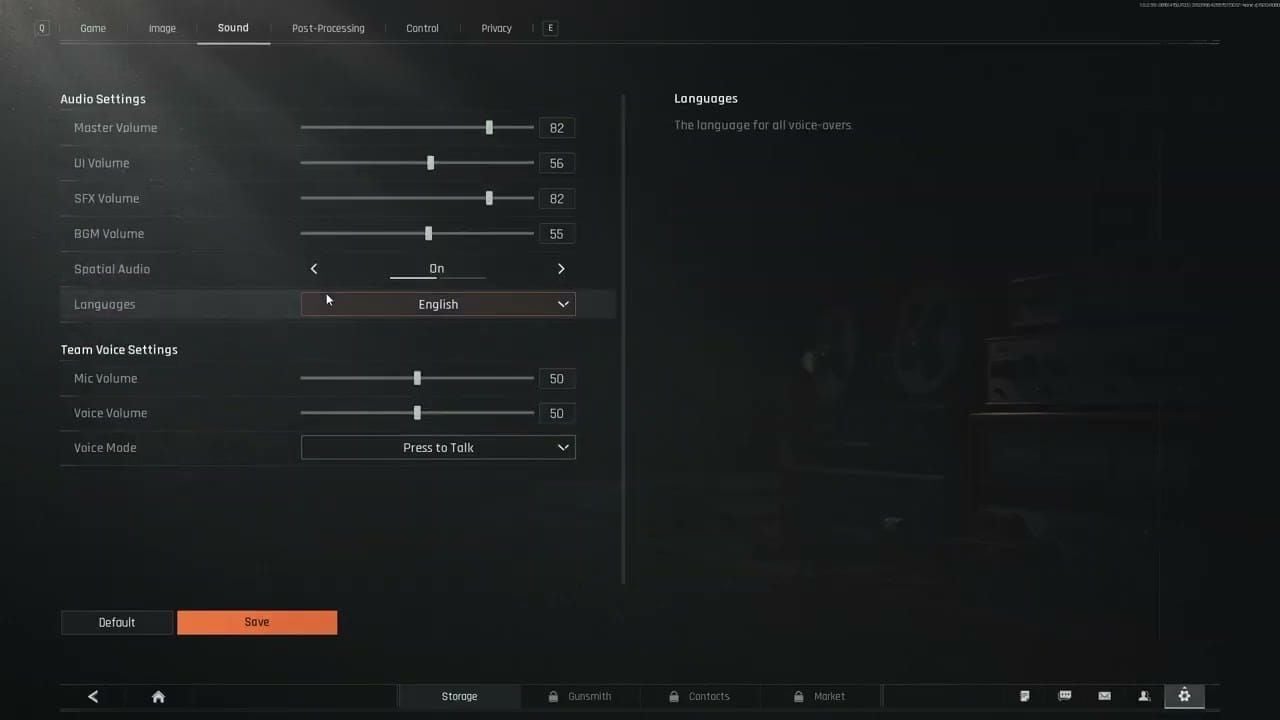
Arena Breakout best audio settings for pinpointing footsteps

Buy on Nintendo eShop Canada Without Credit Card: Safe Guide
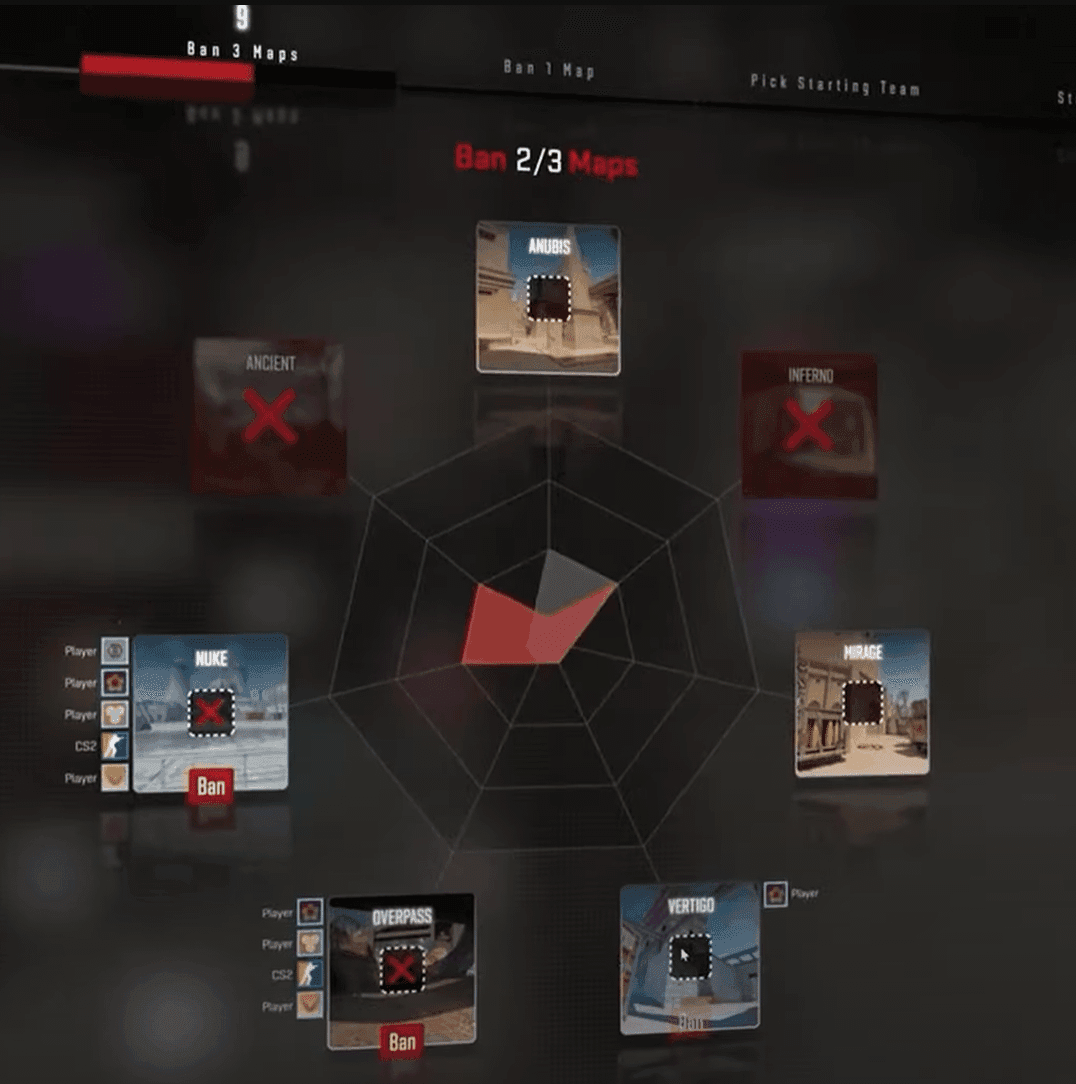
CS2 Premier vs Competitive 2026: Rating Guide & Match Meta
How to Fix Steam Wallet Code Currency Mismatch on Your Account

Nintendo eShop Sale 2026 Dates: Brazil Deals and Savings Guide
How to Fix Ace Racer Crashing on Startup Android Devices

Life Makeover Event Rewards Priority and Exchange Guide 2026
Knives Out Summer Event Rewards 2026: Farming & Priority Guide