What Makes It Different from Classic
Permanent role-based enhancements persist throughout matches. Classic treats all players identically; Passive Skills creates interdependent teams with specialized functions. Healing specialists boost recovery speed and medical efficiency. Recon tracks enemy movements. Combat amplifies offensive power. Detection enhances scouting beyond visual range. Vehicles improves mobility and durability.
These permanent buffs eliminate equipment-dependent randomness, replacing it with strategic role selection and composition planning.
Skill selection occurs in lobby or on Spawn Island, allowing pre-match coordination or last-minute tactical adjustments.
Core Mechanics: Skill Points, Activation, Cooldowns
Skills upgrade through two pathways: assisting teammates and traveling in vehicles. Both reward supportive gameplay and strategic positioning over static camping.
Passive skills activate automatically when conditions are met—healing bonuses apply instantly, Recon continuously scans, Combat buffs activate during weapon discharge. This automation reduces mechanical complexity while maintaining strategic depth.
Upgrades scale throughout matches. Early-game skills provide foundational benefits; late-game enhancements offer decisive advantages. System caps progression to prevent insurmountable leads, ensuring competitive balance.
Why High-Tier Players Test This in Ranked
Competitive players recognize Passive Skills introduces skill expression beyond mechanical aim. Role mastery and composition optimization create strategic differentiation, particularly in Conqueror tier where mechanics reach parity.
Team interdependence elevates communication above individual fragging. Optimized compositions (one healer, two combat, one recon) consistently outperform mechanically superior teams lacking role diversity.
Early beta mastery provides crucial advantages. Understanding optimal upgrade priorities, positioning requirements, and counter-strategies creates knowledge gaps translating directly into ranking advantages.
The Five Role Archetypes
Healing: Mechanics, Strengths, Team Value
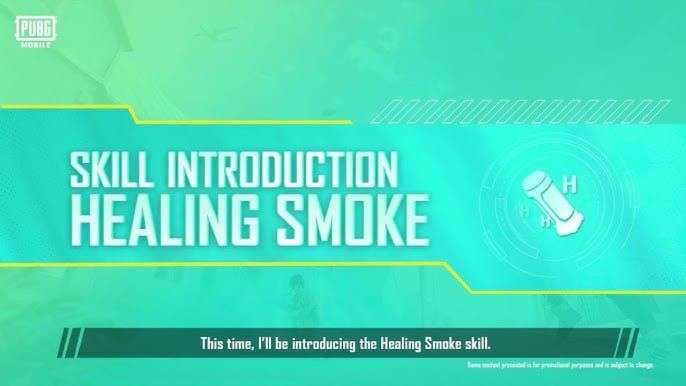
Healing transforms medical efficiency and recovery speed. Specialists reduce consumption time, increase restoration per item, provide area-of-effect benefits to nearby teammates. Converts standard first aid into rapid-response tools for sustained engagements.
Optimal builds:
- Early: Reduce self-healing time
- Mid: Expand healing radius for passive teammate regeneration
- Late: Increase revival speed, add damage resistance to revived players
Position second-line during engagements, 10-20m behind frontline. Carry 60-70% medical supplies vs 30-40% for combat roles. Move second or third in rotation order.
Recon: Information Advantage & Map Control
Recon reveals enemy positions in scan areas, provides extended minimap info, reduces detection delay. Enables proactive positioning and prevents third-party ambushes during mid-game rotations.
Advance ahead during rotations, scanning high-traffic areas before teammates commit. During circle transitions, identify optimal paths by detecting enemies in chokepoints.
Value scales dramatically in late-game circles where positioning determines outcomes. Squads with active recon win late-game scenarios at significantly higher rates.
Combat: Damage Output & Engagement Dominance
Combat amplifies offense through damage multipliers and weapon handling improvements. Increases bullet damage, reduces recoil, provides faster weapon swaps.
Optimal builds:
- Early: Maximize damage multipliers for early eliminations
- Mid: Enhance weapon stability for medium-range accuracy
- Late: Add armor penetration and headshot damage bonuses
Squads typically include two combat specialists for crossfire angles. Coordinate engagement timing with recon intelligence.
Detection: Enhanced Scouting Capabilities
Detection identifies enemy movements at extended distances, reveals footstep audio with greater clarity, detects vehicle approaches earlier. Creates defensive perimeters preventing surprise attacks.
Position in elevated locations or zone edges where scouting range provides maximum coverage. Monitor flanking routes while combat players focus on primary angles.
Peaks during mid-game rotations when multiple squads converge. Identifies third-party threats before engagement range, significantly reducing elimination rates from unexpected attacks.
Vehicles: Mobility & Durability Improvements
Vehicles increases speed, reduces fuel consumption, enhances vehicle health, provides damage resistance to occupants. Transforms vehicles into viable tactical assets for aggressive rotations.
Optimal builds:
- Early: Fuel efficiency and speed for distant compounds
- Mid: Vehicle durability for contested area rotations
- Late: Occupant protection for final circle rotations
Squads with specialists reach optimal positions first, claim superior cover, maintain rotation flexibility when circles shift unfavorably.
Best Healing Builds for Ranked
Top-Tier Combinations
Optimal healing prioritizes area-of-effect support over personal survivability. Initial allocation: maximize healing radius for passive teammate regeneration during engagements.
Secondary: revival speed enhancements and post-revival protection. Faster revivals create clutch potential; damage resistance prevents immediate re-elimination.
Advanced: medical item efficiency multipliers reducing consumption time and increasing restoration values. Combined with radius bonuses, creates healing zones where squads sustain indefinitely.
Skill Point Allocation Priority
Early (0-3 min): Healing radius expansion + self-healing speed
Mid (3-15 min): Revival enhancements + medical efficiency
Late (15+ min): Maximum healing output + protection buffs
Positioning & Resource Management
Maintain second-line 10-20m behind frontline. In buildings, occupy ground floors or protected rooms. Carry 60-70% medical supplies. Prioritize first aid kits and medkits over bandages—efficiency multipliers provide greater value on high-restoration items.
During rotations, move in protected positions (second or third). When taking fire, immediately seek cover and prepare medical items.
When Healing Outperforms Combat
Healing provides superior value in defensive playstyles focused on late-game positioning. Squads prioritizing survival over eliminations benefit more from sustained healing than additional damage.
Value increases with match duration and engagement frequency. Squads experiencing multiple mid-game fights accumulate damage standard items can't efficiently address.
Competitive scenarios with high-skill opponents favor healing over pure combat. When mechanics reach parity, sustained healing provides decisive advantages during prolonged engagements.
Optimal Recon Setup
Essential Skills
Priority: detection range expansion + scan frequency reduction. Extended ranges reveal enemies earlier; reduced cooldowns enable continuous information gathering.
Secondary: detection precision and duration. Precision provides detailed enemy info (equipment, health); extended duration maintains visibility after initial scans.
Advanced: stealth enhancements reducing own detection signature. Prevents enemy recon from identifying your position, creating information asymmetry.
UAV Timing & Detection Techniques
Deploy during rotation phases when squads converge on shrinking circles. Pre-rotation scans identify occupied compounds, allowing alternative paths or engagement preparation. Avoid scanning during active combat—information value decreases when positions are known.
Prioritize high-traffic chokepoints: bridge crossings, valley entrances, circle edges. Early warning enables defensive positioning or proactive ambushes.
Continuous late-game scanning provides critical final positioning intelligence. Identify enemies in remaining cover, track movements during shifts, coordinate pushes when exposed.
Recon in Different Circle Phases
Early (1-3): Minimal active scanning. Focus on skill point accumulation via vehicle travel and assists.
Mid (4-6): Continuous scanning as density increases. Scan ahead of movements, identify contested zones.
Late (7-9): Precision scanning on remaining cover. Increase frequency as circle decreases, maintain constant awareness.
Countering Enemy Recon
Prioritize unpredictable movement patterns and rapid position changes. Avoid stationary camping in obvious cover. Maintain constant micro-movements within defensive positions.
Utilize natural cover breaking line-of-sight: dense foliage, terrain elevation, building interiors. Position in multi-level structures where vertical positioning complicates detection.
Aggressive counter-scanning identifies enemy recon first. Mirror matches favor proactive scanning—first detection enables ambush preparation.
Combat Meta Builds
Aggressive Loadouts for Entry Fraggers
Entry builds prioritize raw damage and weapon stability. Initial: maximize damage multipliers for hot drop eliminations.
Secondary: recoil reduction + weapon swap speed. Recoil control improves medium-range accuracy; faster swaps enable aggressive pushing with weapon alternation.
Advanced: armor penetration + headshot damage bonuses. Maintains lethality against level 3 gear.
Damage Boost Stacking & Weapon Synergies
Optimal weapons: high base-damage platforms maximizing percentage multipliers. DMRs and bolt-actions benefit most, achieving one-shot potential. High damage-per-bullet ARs outperform high-fire-rate alternatives.
Stacking combines attachments with passive bonuses for multiplicative effects. Compensators + vertical grips synergize with skill stability for laser accuracy. Extended mags + damage bonuses enable squad wipes without reloading.
Carry additional grenades instead of excess medical supplies (covered by healers), maximizing elimination potential.
Effectiveness Across Maps
Erangel: Open terrain favors DMR loadouts and range builds. Prioritize elevated positions in multi-story buildings.
Miramar: Extreme ranges amplify bolt-action effectiveness. Prioritize ridge control and elevated terrain.
Livik: Compressed size demands close-range builds (SMG/shotgun). Maintain mobile positioning, constantly rotate between compounds.
Balancing Aggression with Survival
Maintain line-of-sight with supporting teammates for healing and crossfire. Avoid overextending beyond support range.
Evaluate numerical advantages and positioning before committing. Combat skills provide damage advantages, not invulnerability.
Carry 300-400 rounds primary ammo. Allocate remaining inventory to grenades and utility, relying on healers for health restoration.
Proven Squad Compositions
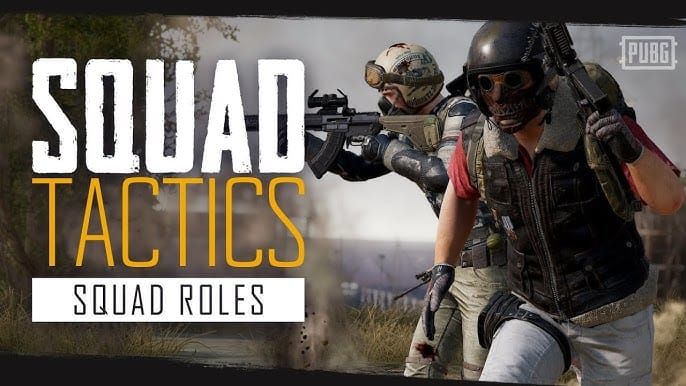
2-1-1: Two Combat, One Healer, One Recon
Standard competitive composition. Balanced offensive pressure, information advantages, sustained healing. Combat specialists create crossfire angles preventing focused defense.
Primary combat leads engagements; secondary provides crossfire and covers flanks. Healer maintains second-line; recon scouts rotations and scans finals.
Excels in balanced playstyles combining aggressive fragging with tactical positioning.
Defensive 1-2-1 for Late Circle Wins
One combat, two support (healing + recon), one detection. Prioritizes survival over eliminations. Maximizes information and healing for superior positioning and resource efficiency.
Single combat focuses on defensive holds. Dual support provides redundant healing and comprehensive information coverage.
Optimal in final circles where positioning determines outcomes more than fragging.
Aggressive 3-1 for High Kill Games
Three combat, one healer. Maximizes elimination potential, overwhelms through superior firepower. Single healer provides minimal sustain—requires minimizing damage via aggressive positioning and quick eliminations.
Excels early/mid-game when density is high. Enables hot drop dominance and aggressive mid-game hunting.
Late-game viability decreases without information gathering. High-risk, high-reward for mechanically skilled squads.
Duo Synergies
Combat + Healing: Balanced offense/defense. Elimination potential with sustained health.
Combat + Recon: Information-driven aggression. Identifies isolated targets for optimal engagement timing.
Healing + Detection: Survival focus. Maximizes information and sustainability for conservative play.
Advanced Tactics
Adapting to Circle Position
Center circles: Favor defensive setups with healing and detection. Combat adopts defensive postures, repelling advancing enemies.
Edge circles: Demand aggressive recon and mobile combat. Continuous scanning for safe passages; prepare for frequent engagements.
Unfavorable circles: Pre-heal to full before forced rotations. Combat provides suppression covering movements; recon identifies least-contested paths.
Counter-Comps
vs Triple-Combat: Defensive positioning + sustained healing. Avoid direct engagements; outlast through attrition. Force prolonged fights where their lack of healing becomes decisive.
vs Defensive Comps: Aggressive information denial + rapid engagements. Unpredictable rotations avoid detection. Focus fire healers first, eliminating sustain.
vs Balanced 2-1-1: Exploit temporary numerical advantages and positioning mistakes. Identify when enemies split during rotations; secure rapid eliminations before regrouping.
Communication Protocols
Role-specific callouts:
- Recon: Continuous enemy position updates (distance, direction, movement)
- Healing: Available capacity, optimal positioning for AoE regeneration
- Combat: Engagement timing, focus-fire targets
Standardized system: directional references (compass/clock), distance estimates (near/medium/far), threat levels (isolated/squad/multiple).
Role-based decision authority: Recon directs rotations, Healing determines sustainability/disengage timing, Combat calls engagement initiation/target priority.
Resource Priority
Combat: High-tier weapons, scopes, ammo. Priority armor/helmets.
Healing: Medical supplies, backpack upgrades. Priority armor.
Recon: Mobility items, utility equipment.
Grenade allocation favors combat specialists in aggressive positions. Healing/recon carry minimal grenades, allocating space to role-specific supplies.
Common Mistakes
Why Pure Combat Squads Lose Late Game
All-combat sacrifices information and healing for damage. Secures early eliminations but late-game punishes lacking support. Without recon, suffers information blindness. Without healing, depletes resources before finals.
Combat bonuses provide no defensive advantages—take identical damage but lack efficient healing. Multiple mid-game fights leave squads damaged and resource-depleted.
Without recon intelligence, claim suboptimal positions, forced into reactive gameplay. Finals favor complete information and full health.
Healing Role Underestimation
Misconception: mechanical skill + medical items provide sufficient sustainability. Ignores efficiency multipliers dramatically reducing resource consumption. Standard squads exhaust supplies after 2-3 prolonged engagements; healer squads maintain full health entire matches using half the resources.
AoE regeneration enables pressure during sieges and holds without disengagement. Revival speed creates clutch potential.
Competitive data: healing specialists achieve 15-20% higher average placements than compositions lacking support.
Skill Point Waste
Spreading points across multiple trees achieves mediocrity. Hybrid builds combining combat damage with healing support provide neither sufficient damage nor adequate healing. Optimal progression requires complete specialization.
Prioritizing late-game skills during early progression sacrifices foundational bonuses providing value throughout matches. Early selections should focus on frequently-used capabilities.
Ignoring synergies wastes potential. Combat choosing recoil reduction without damage increases sacrifices elimination potential. Healing selecting revival speed without AoE healing reduces overall support value.
Solo Queue Role Selection Errors
Frequently selecting combat regardless of composition creates unbalanced squads. Selfish selection prioritizes individual fragging over team success.
When joining squads with existing combat, prioritize healing or recon for balance. Solo queue success depends more on composition optimization than role preference.
Communication limitations demand self-sufficient selections. Healing provides value without coordination via passive AoE. Recon benefits entire squad regardless of communication quality.
Maximizing Ranked Performance
Practice Drills
Combat: Aim training maximizing damage multipliers. Recoil control with high-damage weapons. Target acquisition speed + headshot accuracy.
Healing: Positioning awareness + resource management. Maintain second-line positions, automatically seek cover when teammates damaged. Efficient medical usage minimizing time, maximizing restoration.
Recon: Map knowledge + predictive positioning. Study rotation paths, camping locations, high-traffic zones. Scanning timing and frequency intuition.
Tracking Role-Specific Win Rate
Monitor win rates, average placement, damage output for each role independently. Identify personal strengths/weaknesses.
Role-specific metrics:
- Healing: Teammate survival rates, total healing provided
- Recon: Successful detections, prevented ambushes
- Combat: Elimination efficiency, engagement win rates
Compare against role benchmarks. Research high-tier player statistics, establish performance targets.
When to Switch Main Role
Switch when performance plateaus despite consistent practice. Players reaching mechanical ceilings in combat may discover untapped potential in support requiring strategic thinking over raw aim.
Meta shifts following balance patches may necessitate adjustments. Developers nerfing combat multipliers or buffing healing efficiency changes optimal selections.
Team composition needs should override personal preference in coordinated play. Joining established teams requires flexibility filling composition gaps.
Preparing for Full Release
Beta provides crucial opportunities developing role expertise before official release creates ranking pressure. Master multiple roles during beta, building versatility enabling optimal composition filling.
Document effective strategies, optimal builds, successful tactics. Personal notes become invaluable references during official release.
Establish consistent squad partnerships during beta, developing chemistry and synergies before ranked implications exist.
Players can buy pubg uc online secure recharge through BitTopup's trusted platform for immediate premium access and customization enhancing role effectiveness.
Fuel Your PUBG Mobile Journey with BitTopup
Competitive players require reliable UC access for premium features, cosmetic customization, battle pass progression. BitTopup provides fast, secure recharge without authentication delays. Streamlined interface eliminates unnecessary login requirements.
Security paramount for competitive players. BitTopup employs industry-standard encryption and secure payment processing. Established reputation among high-tier players reflects consistent reliability.
Competitive pricing and frequent promotions make BitTopup economical for regular purchases. Cost savings compound over time. Combined with instant delivery and responsive support, provides comprehensive value beyond simple transactions.
FAQ
What is Passive Skills Themed Mode in PUBG Mobile 4.3?
Five specialized roles (Healing, Recon, Combat, Detection, Vehicles) providing automatic bonuses throughout matches. Select roles in lobby or Spawn Island; upgrade via teammate assists and vehicle travel. Emphasizes team composition and role synergy over individual mechanics.
Which role is best for solo queue?
Healing provides optimal solo value through independent AoE support benefiting teammates regardless of coordination. Requires minimal communication while providing measurable advantages. Alternatives: Recon for information-driven gameplay or Combat for mechanical superiority.
What squad composition wins most?
One healer, two combat, one recon. Balanced offensive pressure, sustained healing, information advantages. Excels across all game phases and map types—most versatile and consistently successful.
How do you upgrade skills?
Two methods: assisting teammates (reviving, covering fire, engagement support) and traveling in vehicles (distance-based currency). Encourages strategic rotations and supportive gameplay over static positioning.
Can you change roles mid-match?
No. Selection permanent once matches begin. Choose during lobby or Spawn Island; locked for entire duration. Emphasizes pre-match planning and composition coordination.
When does PUBG Mobile 4.3 officially release?
Expected late March/early April 2026, following beta concluding March 7, 2026. Beta runs four phases January 29-March 7. BGMI version reportedly launches second week of March 2026.
Ready to dominate PUBG Mobile 4.3 Passive Skills Mode? Get your UC instantly at BitTopup—fast, secure, trusted by competitive players worldwide. Top up now and unlock your full potential!