What Are Harmony Stacks
Harmony stacks are vocal layers recorded sequentially in duet mode. Each layer adds harmonic depth and triggers score multipliers. StarMaker evaluates timing precision, pitch accuracy, and layer sync simultaneously. When all three align within tolerance thresholds, you get bonus harmony points that compound across layers.
Technical requirement: each layer must land within 50ms of original timing cues. Horizontal grey lines indicate pitch height, white vertical bar triggers exact start moment. When cue line touches white bar, vocal input must begin—any delay nullifies the multiplier.
2-4 layers represent maximum effective range. Beyond four, audio gets muddy and processing struggles. Sweet spot for 780K+ is three precisely synced layers: one base vocal locked as layer 1, plus two harmony variations.
The Science Behind Echo Delay
Echo stems from three sources: device audio buffer settings, mic feedback loops, and app-level latency compensation failures. Your device's audio buffer determines how much sound data gets processed before playback—larger buffers reduce CPU strain but increase delay.
StarMaker's duet system expects real-time audio synced with playback. When you wear earphones with mic, the app balances three streams: backing track, live vocal, and monitoring signal. If your device's audio driver introduces even 100ms delay, you'll hear your voice after singing it, creating disorienting echo that ruins timing.
The triangular cursor positions left for timing reference. When echo exists, you instinctively adjust singing to match what you hear—but this makes you sing late relative to actual track timing.
How Stacks Impact 780K+ Scores
StarMaker multiplies base points by harmony accuracy percentages. Single vocal at 95% accuracy might generate 250K base points. Adding second layer at 93% doesn't simply add scores—it multiplies base by harmony coefficient, potentially reaching 450K. Third layer at 94% pushes toward 680K, fourth breaks 780K.
Multiplier only triggers with zero-echo sync. If second layer drifts 200ms due to echo, the app registers separate performance rather than harmony stack. You'll see two independent scores instead of one multiplied total.
Points tracks specifically reward this mechanic. The 153K+ standard library songs don't offer same multiplier potential—they calculate linearly. The 294 Points playlist songs feature enhanced harmony detection that recognizes and rewards properly stacked vocals. This explains why competitive players focus exclusively on these for SupernovaX contests (2 seasons/year).
Complete Duet Delay Fix Routine
Start by checking mic and internet permissions. StarMaker requires full mic access—not just while using app but continuous access. Restricted permissions force app to reinitialize audio drivers between screens, introducing latency.
Clear app cache completely before major sessions. On iOS 13.0+: Settings > General > iPhone Storage > StarMaker > Offload App, then reinstall. Android: Settings > Apps > StarMaker > Storage > Clear Cache.
Update to latest version and restart device. Oct 10 2025 update included critical latency improvements that aren't retroactively applied to running instances.
Pre-Recording Audio Calibration
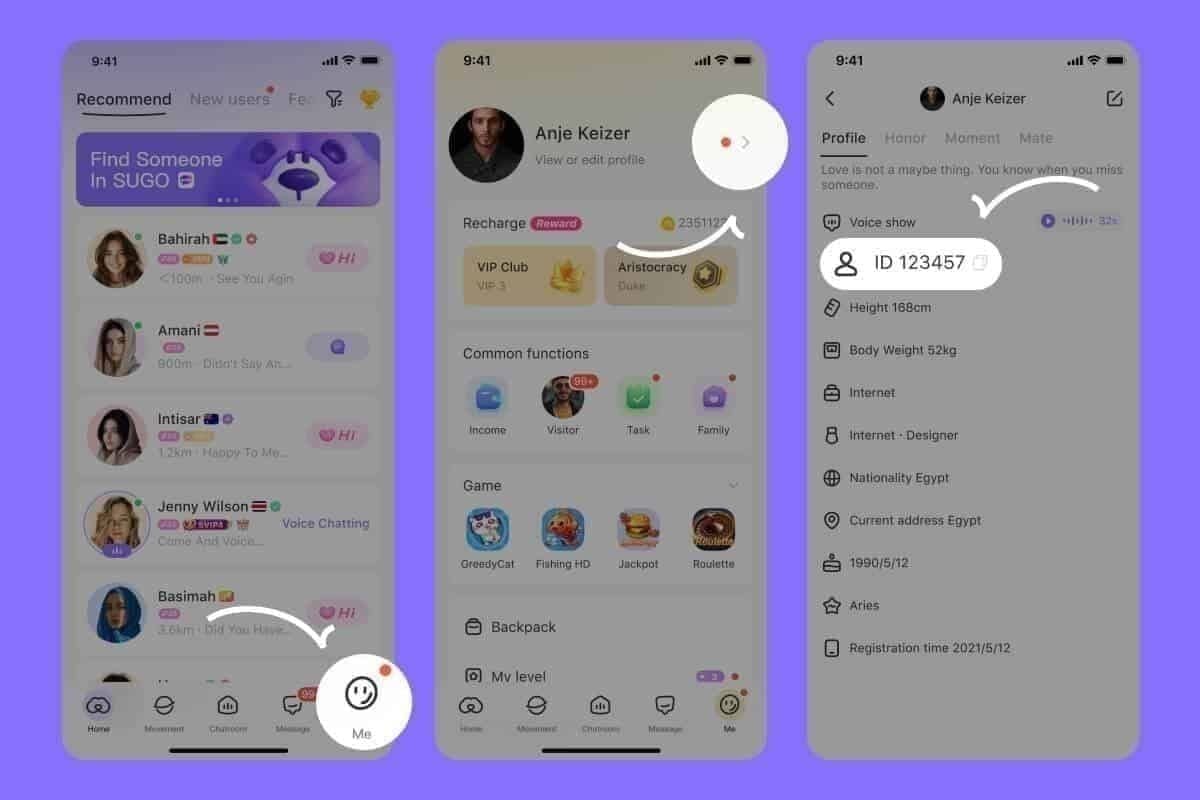
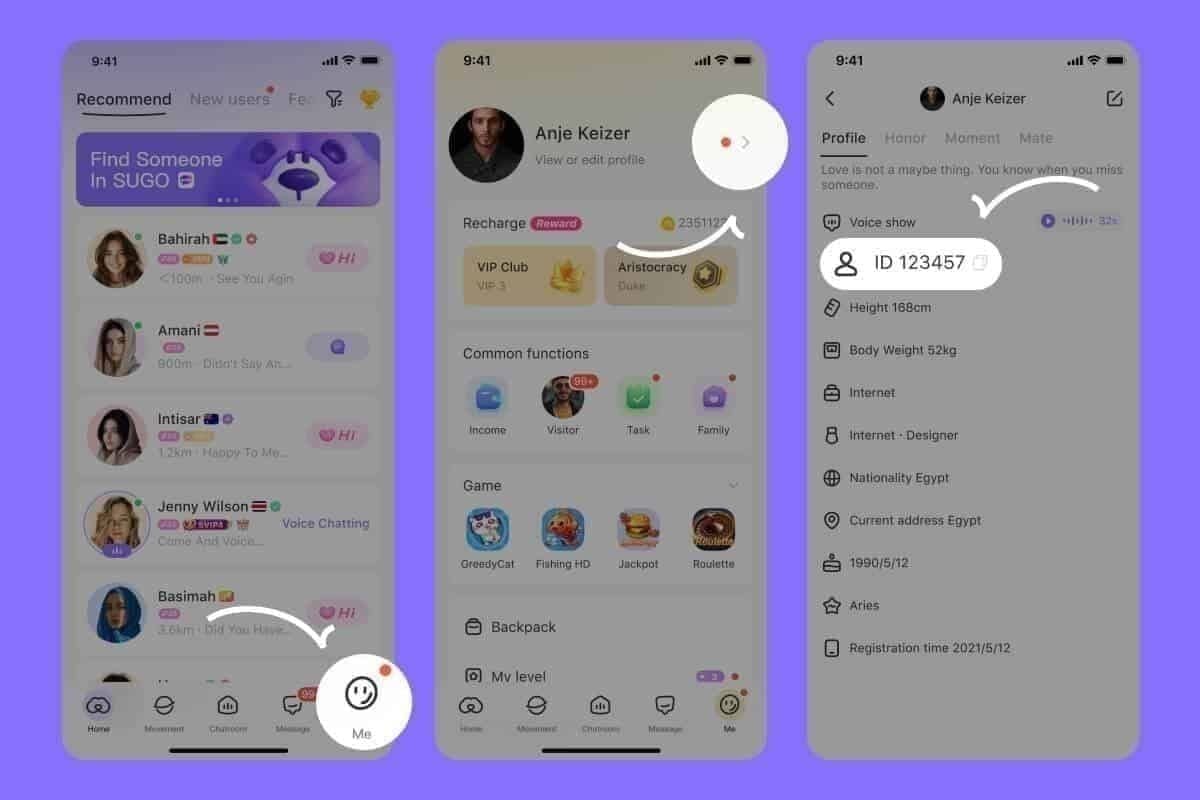
Open StarMaker, navigate to ME tab. Before selecting song, configure audio settings. Disable all effects and mute feedback during clean recording—reverb, echo effects, and real-time pitch correction introduce processing delays.
Set pitch/scale adjustments between -1 to +1. Large pitch shifts require additional processing time, adding 20-50ms latency per semitone.
Turn off all device notifications. Enable Do Not Disturb or Airplane Mode if internet isn't required.
Apply denoise before reverb or echo in signal chain. Correct order: raw vocal > denoise > pitch correction > reverb/echo effects.
Device-Specific Buffer Settings
iOS (13.0+): Limited user control—Apple's Core Audio manages automatically. Close background apps competing for audio resources. Force-close music apps, video players, voice assistants.
Android: Enable Developer Mode (tap Build Number 7x in Settings > About Phone). Navigate to Developer Options > Audio. For wired earphone recording, disable Bluetooth audio processing entirely.
Critical Android setting: Audio buffer size under Developer Options. Smaller buffers (64/128 samples) minimize latency but need powerful processors. Mid-range devices perform best at 256 samples. Test by recording 10-second clips—if you hear dropouts/crackling, increase buffer size.
Both platforms: use wired earphones with integrated mic. Bluetooth introduces 150-300ms inherent latency.
Environmental Setup
Record in acoustically treated spaces or use soft furnishings to absorb reflections. Closets with clothing, bedrooms with curtains/carpets, or spaces with acoustic foam work best.
Position mic 6-8 inches from mouth at 45-degree angle to minimize plosives while maintaining clear capture.
Unplug and replug earphones when you hear initial beep during audio check. This beep triggers auto-sync calibration routine measuring round-trip time from audio output to mic input.
Testing and Verification
Click Latency Adjust > AUTO-ADJUST. Pull out headphones during calibration—this lets system measure audio output timing without mic feedback. Keep device volume at 50-70%.

Auto-adjust plays clicks/beeps while analyzing time difference between when audio should play and when mic detects it. Resulting calibration offset applies to all future recordings.
After calibration, record test clip on familiar Points track. Click red mic icon, select from Points playlist. Choose song you know well. Record just hook section for quick testing.
Preview recording and listen for sync between vocal and backing track. If you still detect delay, repeat latency adjustment or manually fine-tune offset in 10ms increments.
Track Layering Mechanics
Start with locked base vocal as layer 1. Click red mic, select target Points track, record cleanest possible take. Focus on pitch accuracy and consistent volume. Save as draft.
Access draft through ME tab, locate layer lock option. Locking layer 1 prevents accidental edits while building harmonies.
For premium layering features and VIP rooms, buy StarMaker coins online through BitTopup's secure platform.
Record second layer by selecting draft and choosing Add Harmony. App plays locked base vocal through earphones while recording new input. Sing complementary harmony part—typically third or fifth above melody.

Stack layers 3-4 using same process. Adjust volumes: base layer 100%, harmony layers 70-85%.
How StarMaker Calculates Points
Algorithm evaluates three components per layer: pitch accuracy (40% weight), timing precision (35%), tonal quality (25%). Each layer gets independent score, then harmony multiplier applies based on sync. Perfect sync (all layers within 30ms) triggers 1.8x for two layers, 2.4x for three, 3.1x for four.
Multiplier compounds with 30+ AI effects when used strategically. Clean stacks recorded with effects disabled can have reverb/enhancement applied post-recording without introducing delay.
Points tracks feature enhanced harmony detection standard songs lack. Algorithm analyzes frequency relationships between layers, rewarding consonant intervals (thirds, fifths, octaves) more heavily.
Vocal Timing Windows
White vertical bar represents absolute timing reference. When horizontal grey cue line touches this bar, app expects vocal input within 50ms. Earlier = rushing, later = dragging—both reduce timing scores.

Tolerance windows vary by tempo. Faster tracks (140+ BPM) have tighter windows around 40ms, slower ballads (60-80 BPM) allow up to 70ms variance.
Breath timing between phrases critically impacts stack sync. If second layer breathes at different points than base layer, mic captures these as timing markers. Misaligned breaths create rhythm disruptions.
Multiplier Effects
Perfect sync unlocks full 3.1x multiplier for four-layer stacks. On Points track with 250K base potential, this pushes theoretical max to 775K before pitch/tonal bonuses. Adding A++ grade performance can break 800K.
Multiplier applies to combined score of all layers, not individually. Four-layer stack where one scores 90% and three score 95% benefits more than two-layer stack where both score 98%.
Sync degrades gracefully. Stack with 60ms timing variance might receive 2.8x instead of 3.1x—still substantially better than no multiplier.
Layer Order and Priority
Layer 1: Establishes melodic/rhythmic foundation. Record with max focus on timing accuracy. Choose strongest vocal take.
Layer 2: Complements melody with harmonic support, typically third above/below lead. Keep volume slightly lower, focus on smooth tone.
Layer 3: Introduces textural variety. Consider octave doubling or rhythmic variation.
Layer 4: Fills remaining frequency space or reinforces critical phrases. Use for ad-libs/flourishes or double layer 2 for thickness.
Audio Buffer Optimization
Buffer size controls trade-off between latency and stability. Smaller buffers process near-real-time but demand more CPU. Larger buffers provide smooth playback but introduce delay.
Optimal size depends on processor generation and system load. Flagship devices (past 2 years) handle 128-sample buffers reliably (~3ms latency at 44.1kHz). Mid-range devices perform better at 256 samples (6ms). Older hardware may require 512 samples (12ms).
Calculate effective latency: buffer delay + audio driver processing + app-level processing. 256-sample buffer at 44.1kHz = 5.8ms, but iOS Core Audio adds ~10ms driver processing, StarMaker's pitch detection adds 15-20ms. Total system latency typically 30-50ms on optimized setups.
Buffer Size Trade-offs
Buffer size = number of audio samples processed per batch. At 44.1kHz, 128-sample buffer processes 2.9ms audio per batch. System must fill buffer, process audio, output results before next batch—any delay creates latency.
Smaller buffers reduce latency but increase processing frequency. 64-sample buffer requires CPU to process 689x/second, while 512-sample only demands 86 cycles/second.
Human perception threshold for audio delay sits around 10-15ms. Below this, delay feels imperceptible. Above 20ms, singers begin compensating unconsciously. Beyond 30ms, echo becomes consciously noticeable. StarMaker's zero-echo target aims for total system latency below 25ms.
Optimal Settings by Device Generation
2023-2025 flagships (Snapdragon 8 Gen 2+, Apple A16+): 128-sample buffers. These devices have dedicated audio processing hardware.
2021-2023 mid-range (Snapdragon 700 series, Apple A13-A15): 256-sample buffers. Provides 6-8ms buffer latency, 25-35ms total—acceptable for zero-echo with proper calibration.
Pre-2021/budget models: 512-sample buffers for stability. Increases latency to 40-50ms total, but StarMaker's latency adjustment compensates effectively.
Test by recording rapid vocal runs or rhythmic passages. If you hear stuttering/crackling/dropouts, increase buffer size. If recording feels smooth but playback reveals timing drift, decrease buffer or recalibrate.
Real-Time Monitoring
Enable visual metronome or beat indicators. Triangular cursor provides timing reference independent of audio monitoring.
Monitor waveform display during recording. Properly synced vocals show waveform peaks aligning with beat markers. If waveform consistently appears shifted right (delayed) or left (early), recalibrate latency.
Use preview blend after each layer to verify sync before adding subsequent stacks. If preview reveals drift, delete problematic layer and re-record.
Record in short segments when learning new tracks. Drag lyrics feature lets you re-record specific phrases without discarding entire takes.
Microphone and Hardware Setup
Earphones with integrated mics provide most reliable config. Physical separation between speaker drivers (in ears) and mic element (on cable) prevents acoustic feedback loops.
Wired connections eliminate Bluetooth codec latency entirely. Even aptX Low Latency introduces 40ms delay, standard Bluetooth adds 150-200ms.
Mic positioning on cable-integrated designs typically places element 12-18 inches below chin. This captures clear vocals while minimizing breath noise/plosives. Avoid touching cable during recording—mechanical vibrations transmit to mic capsule.
Positioning Techniques
Hold device stable or use stand to prevent handling noise. Mic elements detect vibrations through device chassis.
Angle mic element slightly off-axis from mouth rather than pointing directly at lips. Reduces plosive impact while maintaining clear capture. Optimal angle: ~45 degrees below chin.
Maintain consistent distance throughout performance. Moving closer during quiet passages and pulling back during loud sections creates volume inconsistencies.
Test position by recording passage with intentional plosives (Peter Piper picked a peck) and sibilants (She sells seashells). Playback should reveal clear consonants without explosive pops or harsh hissing.
Wired vs Wireless Impact
Wired earphones provide deterministic latency that remains constant. Once you calibrate for specific wired model, calibration remains valid indefinitely.
Wireless earbuds introduce variable latency based on radio interference, battery level, codec negotiation. Connection might provide 40ms latency at session start but degrade to 80ms as interference increases.
The 50M+ StarMaker users include competitive players who exclusively use wired setups. Budget wired earphones with decent mics outperform premium wireless for zero-echo recording.
If you must use wireless, choose models with aptX Low Latency support. Standard SBC/AAC codecs prioritize quality over latency.
Headphone Selection
Closed-back designs prevent audio leakage that feeds back into mic. Open-back headphones leak backing track audio that mic captures.
In-ear monitors (IEMs) offer best isolation. Proper fit creates seal blocking external noise and preventing leakage.
Frequency response matters less than isolation. Singers need clear midrange reproduction to hear pitch relative to backing track.
Volume calibration affects monitoring accuracy. Set playback to minimum level where you clearly hear both backing track and your voice.
Room Acoustics
Record in spaces with soft, irregular surfaces. Bedrooms with carpets/curtains/upholstered furniture provide natural treatment. Bathrooms/kitchens with hard tile create strong reflections.
Temporary treatment using blankets/pillows dramatically improves quality. Hang blanket behind you, place pillows on hard surfaces nearby.
Distance from walls affects reflection timing. Recording in room centers minimizes early reflections. Maintain at least 3 feet from walls when possible.
Test acoustics by clapping sharply. Single crisp clap should produce short, clean sound. If you hear flutter echo or sustained reverb, room needs treatment.
Advanced Layering Strategies
Breath control between harmony parts separates amateur stacks from competitive scores. Each layer should breathe at identical points. Mark breath points in lyrics and practice patterns until automatic.
Selecting compatible duet partners requires matching vocal ranges and timing styles. Partners who naturally rush or drag create sync challenges calibration can't fully resolve.
Multi-take approach records 5-10 complete performances, then selects best segments using drag lyrics re-record. Single-take recording demands higher skill but creates more natural, flowing performances.
Fine-tune vocal volume balance: 100% base layer, 80% secondary harmony, 70% tertiary harmony, 60% textural layer.
Breath Control
Unified breathing creates rhythmic cohesion timing detection rewards. When all layers breathe simultaneously, brief silence registers as intentional phrasing.
Practice breath patterns separately from singing. Speak lyrics in rhythm while breathing at marked points.
Circular breathing extends phrases beyond normal lung capacity, but most singers achieve better results through strategic breath placement.
Monitor oxygen levels during stacked sessions. Singing multiple takes quickly can lead to hyperventilation or oxygen debt, affecting pitch stability and timing.
Selecting Compatible Partners and Songs
The 294 Points playlist songs vary significantly in scoring potential. All Of Me with 786K demonstrated max provides optimal harmony opportunities. Uptempo tracks with rapid lyrics offer fewer stacking opportunities.
Analyze song structure before committing. Choruses typically offer best stacking potential. Verses often feature rhythmic complexity that doesn't layer effectively.
Partner compatibility extends beyond vocal range to timing feel and stylistic interpretation. Some singers naturally sit ahead of beat (pushing), others lay back (dragging).
Song familiarity dramatically impacts scoring. Choose tracks you've performed dozens of times over new songs.
Multi-Take vs Single-Take
Multi-take captures 5-10 complete performances, then uses drag lyrics to assemble best phrases. Maximizes technical perfection—every phrase represents best execution. Resulting composite often scores 5-10% higher.
Single-take captures complete performances without editing, preserving natural flow and emotional arc. Human judges in SupernovaX contests sometimes prefer single-take authenticity.
Hybrid approach: record 3-4 complete takes, select single best complete performance. If specific phrases contain obvious errors, use drag lyrics to replace only those sections.
Fine-Tuning Volume Balance
Base layer at 100% establishes lead presence. Secondary harmony at 75-80% provides support. Tertiary layers at 60-70% add texture. Textural/ad-lib layers at 50-60% contribute subtle enhancement.
Adjust based on specific vocal timbre and song arrangement. Voices with strong fundamental frequencies can use lower harmony volumes, breathy voices need higher levels.
Frequency masking occurs when layers with similar pitch/timbre occupy same frequency range. Combat by ensuring harmony layers sing different notes (thirds, fifths) rather than doubling melody.
App's mixer interface provides real-time visual feedback showing each layer's waveform. Balanced mixes show all waveforms visible and distinct.
Troubleshooting Common Issues
Persistent echo despite calibration indicates multiple simultaneous issues. Start isolating variables: test different earphones, record in different rooms, close background apps, restart device.
Most common overlooked issue: audio routing through multiple outputs simultaneously. Check device audio settings to ensure sound outputs only through connected earphones.
App cache corruption manifests as echo appearing inconsistently. Solution: complete app reinstallation—delete StarMaker entirely, restart device, download fresh copy.
Network latency affects real-time features but shouldn't impact solo recording with offline playback. Enable airplane mode and record using downloaded tracks.
Diagnosing Root Cause
Differentiate between acoustic echo (room reflections), monitoring echo (hearing voice delayed in earphones), and recording echo (delay captured in final file). Record test clip, play back without earphones through device speaker. If echo is audible in playback, issue is captured in recording.
Acoustic echo appears as natural reverb or distinct repetitions. Test by recording in closet or under blanket—if echo disappears, room acoustics are culprit.
Check for hardware issues by testing with multiple earphone models. If echo persists across different earphones, problem is device or app config.
System-level audio enhancements on some Android devices introduce processing delays. Navigate to Settings > Sound > Audio Effects and disable all enhancements.
Quick Fixes for Mid-Performance Lag
If echo appears suddenly, pause and unplug/replug earphones. Forces audio driver to reinitialize, often clearing temporary buffer glitches.
Reduce device temperature if phone feels warm. Thermal throttling reduces CPU performance, increasing audio processing time.
Close app completely and restart if lag persists. Force-close from app switcher, wait 10 seconds, relaunch.
Enable airplane mode to eliminate background network activity. Download target song for offline access first.
When to Reset Audio Settings
Complete reset becomes necessary when incremental troubleshooting fails. Document current settings before resetting.
In StarMaker: Settings > Audio > Reset to Default. Clears latency calibration, buffer preferences, effect settings.
Device-level reset varies by platform. iOS: Settings > General > Reset > Reset All Settings. Android: clear audio framework cache through Recovery Mode.
Schedule complete resets during practice sessions rather than before important recordings. Recalibration requires 30-45 minutes of testing.
Device-Specific Known Issues
Samsung Galaxy S20/S21: Audio routing issues where system randomly switches between earphone and speaker mid-recording. Workaround: disable Separate app sound in Settings > Sounds and vibration > Advanced.
iPhone 12/13: Bluetooth interference affecting wired earphone performance. Disable Bluetooth completely before recording sessions.
Xiaomi MIUI: Aggressive background app management can pause StarMaker's audio processing. Settings > Apps > Manage apps > StarMaker > Battery saver > No restrictions. Disable MIUI optimization in Developer Options.
Google Pixel Android 13+: Adaptive audio processing introduces variable latency. Disable Adaptive sound in Settings > Sound & vibration.
Maintaining Consistent 780K+ Performance
Weekly maintenance prevents gradual degradation. Every 7 days: clear StarMaker cache, restart device, run latency auto-adjust.
Track score metrics over time using spreadsheet. Record: date, song title, number of layers, final score. This reveals patterns—certain songs consistently score higher, specific times produce better results.
App updates occasionally modify audio processing algorithms, requiring recalibration. After any update, run test recording on familiar track before attempting competitive scores.
Practice regimen for timing precision should include metronome training separate from StarMaker. Use metronome app to practice singing scales at various tempos.
Weekly Maintenance Routine
Monday: Clear app cache, verify storage space. StarMaker requires at least 2GB free.
Wednesday: Run latency auto-adjust, record test clip on benchmark track. Maintain log of test scores.
Friday: Clean earphone connectors with isopropyl alcohol and soft cloth.
Sunday: Review week's recordings, identify patterns. Which songs scored highest? What time of day produced best results?
Tracking Score Metrics
Create tracking spreadsheet: Date, Song Title, Number of Layers, Base Score, Final Score, Multiplier Achieved, Notes.
Calculate average score per song to identify strongest tracks. Focus competitive efforts on songs where you consistently score 750K+.
Track calibration dates and correlate with score changes. If scores drop 10% after specific date, review what changed.
Set incremental goals based on data. If current average is 720K, target consistent 740K before attempting 780K.
Adapting to App Updates
Major updates (version 8.0 to 9.0) often modify audio processing engines, requiring complete recalibration. Minor updates (8.1 to 8.2) typically fix bugs without changing core algorithms.
Beta test updates on non-competitive tracks. Record benchmark song immediately after updating, compare to baseline.
Join StarMaker community forums where experienced players discuss update impacts. The 50M+ user base includes dedicated communities that quickly identify issues.
Delay updating during active contest periods if current version performs well. Update during off-season when you have time to recalibrate.
Practice Regimen
Dedicate 15 minutes daily to metronome practice. Set metronome to 60 BPM, practice starting scales precisely on each beat. Gradually increase to 120 BPM.
Record yourself singing along with original artist recordings, then compare timing using audio editing software. Visual waveform comparison reveals whether you naturally rush or drag.
Practice difficult passages at half-speed until timing becomes automatic, then gradually increase to full tempo.
Warm up before serious sessions with 10 minutes of scales and breathing exercises. Cold vocals lack control and consistency needed for precise timing.
Competitive Edge: Top Songs and Resources
Best practice songs for harmony stack training: clear melodic lines, moderate tempos (90-120 BPM), sustained notes. All Of Me demonstrates ideal characteristics with 786K potential. Perfect by Ed Sheeran and Someone Like You by Adele offer similar advantages.
Avoid uptempo tracks (140+ BPM) during initial training. Rapid lyrics leave minimal time for breath coordination.
Score analysis tools within StarMaker include post-recording breakdown showing pitch accuracy, timing precision, tonal quality percentages. Study these to identify weaknesses.
App's practice mode lets you rehearse songs without recording, displaying real-time pitch/timing feedback.
FAQ
What are Zero-Echo Harmony Stacks in StarMaker?
Vocal layers recorded in duet mode with synchronized timing that eliminates echo delay, allowing 2-4 tracks to blend seamlessly. Triggers score multipliers up to 3.1x, enabling 780K+ scores on Points tracks.
How do I fix duet delay in StarMaker 2025?
Clear app cache, run latency auto-adjust with headphones unplugged during calibration, use wired earphones, record in acoustically treated spaces. Apply denoise before reverb, disable effects during recording, maintain consistent mic distance.
Why do my StarMaker duets have echo problems?
Audio buffer latency, room acoustics reflecting sound to mic, or monitoring delay where you hear voice after singing. Device-specific audio processing, Bluetooth codec delays, and background app interference also contribute.
How does track layering affect StarMaker scores?
Layering multiplies base scores when layers sync within 50ms timing windows. Two layers trigger 1.8x multiplier, three achieve 2.4x, four reach 3.1x max. 250K base becomes 775K with optimal four-layer stacking.
What audio settings eliminate echo in StarMaker?
128-256 sample audio buffers, wired earphones with integrated mics, effects disabled during recording, denoise before reverb, latency auto-adjust completed. Disable system audio enhancements, close background apps, enable airplane mode, record in treated spaces.
Can I reach 780K score without fixing echo issues?
No. Echo delay prevents timing sync required for harmony multipliers above 2.0x. Without multipliers, even perfect pitch/tone caps around 300K. 780K+ threshold requires 3-4 layer stacks with zero-echo timing precision.
Ready to dominate StarMaker leaderboards? Unlock premium VIP features and exclusive audio enhancements through BitTopup—your trusted partner for seamless StarMaker top-ups. Get instant access to advanced calibration tools and priority support. Visit BitTopup now and elevate your performance to consistent 780K+ scores!