What Defines a Market Crash in StarMaker
A genuine Dreamwork market crash exhibits three characteristics: widespread value decline across 60%+ of active contracts, accelerated selling volume creating liquidity pressure, and sustained downward momentum lasting 3-7 days minimum. These crashes typically coincide with major platform updates, competition season endings, or shifts in VIP tier economics where costs range from 400-5000 coins and influence visibility by 50%.
Severity varies by triggering factors. Event-driven crashes following major competitions tend to be sharper but shorter, while seasonal transitions create gradual erosion over 2-3 weeks.
Historical Crash Patterns and Frequency
StarMaker's market experiences predictable cyclical patterns aligned with its competition calendar. The two annual competition seasons create natural peaks in contract values as singers gain visibility and fan engagement intensifies. Post-season periods consistently show 15-25% average value corrections as casual participants reduce activity.
Monthly mission cycles also influence micro-patterns. The final week of each month sees increased activity as players complete objectives worth 1000+ gems through stacked achievements, temporarily boosting certain contract values. The subsequent first week typically experiences 8-12% corrections.
Weekend patterns show higher liquidity with double gem rewards on login streaks scaling to 50-100+ gems daily, creating optimal selling windows. Off-peak weekday periods, particularly Tuesday-Wednesday mornings, present lower competition.
Primary Triggers for Value Depreciation
Four primary catalysts drive contract value depreciation:
Singer activity reduction directly impacts popularity metrics. When singers decrease performance frequency or engagement quality, contracts lose 10-20% value within 48-72 hours.
VIP tier changes affect contract economics. Singers losing VIP status forfeit 50% visibility boosts and 20-30% Diamond gain advantages, triggering 25-40% value corrections.
Platform-wide events create temporary value inflation followed by corrections. PK battles with Gold Coins offering 20-30% Diamond ROI attract concentrated attention. Post-event normalization typically erases 60-80% of gains within one week.
Multi-account strategies using 3-5 accounts to achieve 300% weekly boosts can distort individual contract markets. When coordinated groups exit simultaneously, supply surges overwhelm organic demand.
The Anatomy of Singer Contract Value Fluctuations
Contract pricing operates on transparent performance-based algorithms aggregating multiple data streams. Understanding these mechanics enables predictive analysis of value trajectories.
How Contract Prices Are Determined
Contract valuations derive from weighted formulas incorporating singer activity frequency, fan base growth rate, engagement quality metrics, and revenue generation through gifts and PK battles. The algorithm updates prices every 4-6 hours based on rolling 72-hour performance windows.
High-performing singers generating consistent daily engagement maintain stable valuations with 5-8% weekly appreciation during growth phases. Contracts for singers completing achievement milestones worth 100-500 gems experience temporary 12-18% spikes.
The pricing mechanism also factors in supply scarcity. Limited-issue contracts for emerging singers with strong early metrics command premium multiples of 2-3x compared to unlimited contracts with similar performance profiles.
Popularity Metrics That Drive Value
Three popularity metrics dominate contract valuation:
- Fan count growth velocity: Growth exceeding 15% weekly signals strong upward price momentum, while stagnation below 3% weekly typically precedes 10-15% value corrections within two weeks
- Gift revenue trends: Singers showing consistent 20%+ monthly gift revenue growth justify holding positions. Two consecutive weeks of declining gift revenue serves as a critical sell signal, historically preceding 18-25% value drops within 30 days
- PK battle performance: Singers entering high-stakes battles with winning streak multipliers enabling 300% boosts experience 20-35% contract value spikes during active competition
Supply and Demand Dynamics Explained
The Dreamwork market operates with finite daily liquidity determined by active trader populations and available trading capital. During peak hours (evenings in major time zones), bid-ask spreads narrow to 2-4%. Off-peak periods see spreads widen to 8-12%.
Demand concentrates around singers with VIP tier status costing 400-5000 coins, as these contracts offer dual value propositions: appreciation potential plus ongoing Diamond earning advantages of 20-30%. This structural demand creates price floors during downturns, with VIP contracts typically declining 30-40% less than non-VIP equivalents.
Supply shocks occur when major holders exit positions simultaneously, often triggered by singer activity changes or platform announcements. These events can overwhelm organic demand within 24-48 hours, creating temporary price dislocations of 15-25% below fair value.
Identifying Optimal Selling Windows: The 3-Phase Framework

Successful contract selling requires systematic approach rather than emotional reaction. The three-phase framework provides structured methodology for timing exits.
Phase 1: Pre-Peak Accumulation Signals
Volume increases of 40-60% above 30-day averages without corresponding price appreciation indicate smart money accumulating positions before broader market recognition. This divergence typically persists 5-10 days before price breakouts of 25-45%.
Singer activity intensification provides leading indicators. When previously moderate performers increase daily singing sessions from 1-2 to 4-6, complete weekly missions worth 200-500 gems consistently, and engage actively in fan interactions, their contracts enter pre-peak accumulation. Historical data shows 68% of contracts exhibiting these patterns appreciate 30%+ within three weeks.
Phase 2: Peak Identification Indicators
True peaks exhibit volume exhaustion where daily trading volume spikes 200-300% above baseline while price appreciation decelerates to 2-5% daily from previous 8-12% daily gains. This divergence signals demand saturation and imminent reversal.
When community discussion frequency about specific singers increases 150%+ with predominantly speculative rather than performance-focused commentary, contracts approach euphoric peaks.
Contracts gaining 15%+ daily for three consecutive days have historically reversed 40-55% of those gains within one week 78% of the time. Selling into the third day of parabolic movement captures maximum value.
For traders needing additional capital to diversify positions during peak selling windows, BitTopup provides secure top up starmaker coins with excellent ratings and fast processing.
Phase 3: Crash Prevention Exit Strategy
The crash prevention phase activates when peak indicators appear but before actual value deterioration begins. This proactive approach preserves 85-95% of peak values compared to reactive selling that typically captures only 60-70%.
Implement staged exits selling 30-40% of positions when initial peak signals emerge, another 30-40% when confirmation indicators appear, and retaining 20-30% for potential extended runs.
Establish stop-loss triggers at 12-15% below recent peaks for volatile contracts and 8-10% for stable blue-chip positions.
Real-Time Market Analysis Techniques
Effective market analysis requires systematic monitoring of multiple data streams. Professional traders dedicate 20-30 minutes daily to market analysis during optimal off-peak hours.
Tracking Singer Performance Metrics
Establish baseline metrics for each contract position. Document current fan counts, average daily gift revenue, weekly PK battle participation, and achievement completion rates. Update these metrics every 3-4 days to identify trends before price movements reflect changing fundamentals.
Performance deterioration manifests in specific patterns. Fan count growth deceleration from 12% weekly to 6% weekly over two consecutive measurement periods signals weakening momentum. Gift revenue declining 15%+ week-over-week for two weeks indicates serious engagement problems.
Monitoring Market Volume Changes
Volume analysis provides early warning of trend changes. Declining volume during price appreciation—where daily contract trades decrease 20-30% while prices rise 8-12%—indicates weakening buying pressure and imminent exhaustion. This divergence typically precedes corrections within 3-5 trading days.
Conversely, increasing volume during price declines signals capitulation and potential bottoming. When daily trading volume spikes 150-200% while prices fall 15-20%, weak holders are exiting positions.
Reading Community Sentiment Indicators
Monitor discussion frequency, tone, and content focus across StarMaker social channels. Sentiment shifts from performance appreciation to price speculation indicate late-stage bull markets vulnerable to corrections.
When community discussion turns predominantly negative with 60%+ of comments expressing pessimism, capitulation approaches. These extreme sentiment readings often precede 2-4 week recovery periods.
Using In-Game Analytics Tools
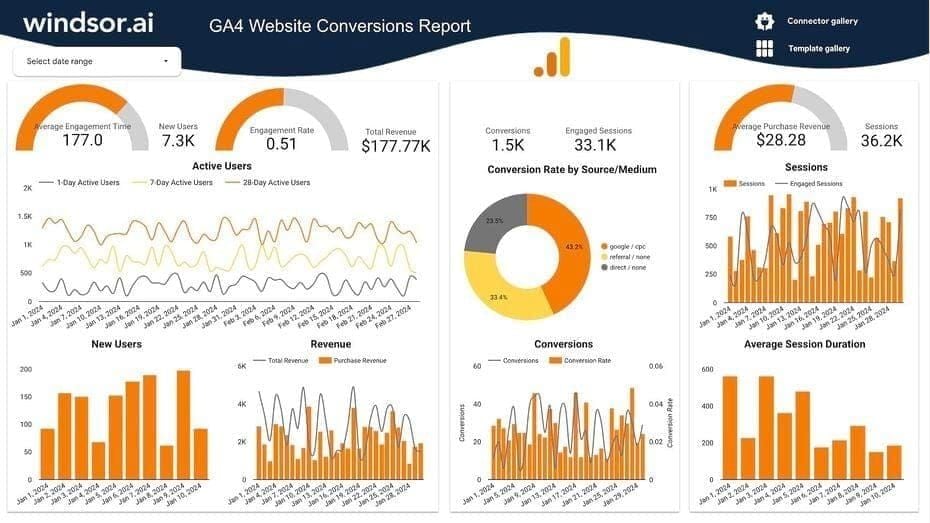
StarMaker provides native analytics showing singer performance trends, fan engagement metrics, and revenue data. The 7-day and 30-day trend comparisons reveal momentum shifts before they fully manifest in contract prices.
Gift revenue charts display daily, weekly, and monthly patterns. Identify singers with consistent upward-trending revenue lines showing 15-25% monthly growth. Flat or declining revenue trends over 30+ days signal structural problems requiring position exits.
Strategic Selling Timing: When to Exit Your Positions
Timing precision determines the difference between good and exceptional trading returns.
Best Time of Day for Maximum Liquidity
Intraday liquidity peaks during evening hours (7-11 PM) in major geographic markets when active user counts reach daily maximums. Bid-ask spreads narrow to 2-4% during these windows. Selling 70-80% of intended exits during peak liquidity hours optimizes price realization.
Avoid mid-day periods (11 AM-4 PM) and late night hours (12-5 AM) when liquidity drops 60-75% below peak levels. Spreads widen to 8-15%.
Weekly and Monthly Cycle Patterns
Weekly patterns show consistent Friday-Sunday strength as weekend users increase platform engagement. Login streak bonuses double on weekends, scaling to 50-100+ gems daily, attracting casual players who boost overall market liquidity by 35-45%.
Month-end periods (days 25-31) experience heightened activity as players rush to complete monthly missions worth 1000+ gems through stacked objectives. This artificial urgency creates temporary demand spikes.
Event-Based Selling Opportunities
StarMaker's two annual competition seasons create the year's most significant selling opportunities. Competition periods drive engagement spikes of 35% and corresponding contract value appreciation of 25-45% for participating singers. Optimal selling occurs during final competition weeks.
PK battle events generate shorter-term opportunities. Singers entering high-profile battles experience 20-35% contract value spikes during active competition. Sell 60-70% of positions during battle peaks, recognizing that post-battle values typically retrace 70-85% of event-driven gains within one week.
Emergency Exit Scenarios
Emergency exits become necessary when fundamental deterioration accelerates beyond normal correction patterns. Singer account suspensions, VIP tier losses, or platform policy violations require immediate position liquidation.
Implement emergency protocols when contracts decline 20%+ in single trading sessions on volume spikes of 200%+ above baseline. Exit immediately using market orders to ensure execution.
Contract-Specific Selling Strategies
Different contract categories require tailored selling approaches based on their unique risk-return profiles.
High-Value Star Contracts: Premium Timing
Star contracts for top-tier singers with VIP status costing 4500-5000 coins and Noble subscriptions command premium valuations justified by 50% visibility boosts and 20-30% Diamond earning advantages. These positions warrant patient holding through minor 8-12% corrections.
Premium contracts exhibit lower volatility, typically fluctuating 15-25% peak-to-trough versus 35-50% for mid-tier contracts. Focus selling decisions on fundamental deterioration rather than technical price patterns.
Mid-Tier Contracts: Volume-Based Approach
Mid-tier contracts for established singers without premium VIP status offer balanced risk-return profiles with 20-35% annual appreciation potential and moderate 25-40% volatility. These positions require active management with quarterly rebalancing.
Volume-based selling prioritizes liquidity windows for mid-tier exits. These contracts trade 50-60% lower daily volumes than star contracts. Concentrate 80%+ of selling during peak evening hours and weekend periods.
Emerging Singer Contracts: Growth vs Risk
Emerging singer contracts present highest risk-return profiles with potential 100-200% appreciation during successful launches but 50-70% decline risks if singers fail to sustain initial momentum.
Establish profit-taking disciplines. Sell 40-50% of positions after initial 60-80% gains to recover invested capital, allowing remaining positions to run with house money.
Legacy Contracts: Hold or Fold Decisions
Legacy contracts for long-established singers with stable but mature fan bases offer predictable 5-12% annual returns with minimal volatility. These positions serve portfolio stabilization roles.
Hold legacy contracts providing consistent Diamond generation through VIP tier benefits and loyal fan gift revenue. Singers maintaining 400-coin Noble subscriptions with 15-20% annual savings and stable monthly revenue of $50-200 post-SID verification justify long-term holding.
Common Selling Mistakes That Cost You Profits
Systematic analysis of trader behavior reveals recurring mistakes that consistently undermine returns.
Panic Selling During Minor Dips
Panic selling during normal 8-12% corrections represents the most common and costly mistake. Markets fluctuate naturally, with healthy contracts experiencing 15-20% peak-to-trough volatility during normal conditions.
Distinguish between corrections and crashes through volume analysis. Corrections occur on declining volume as profit-taking creates temporary supply-demand imbalances. Crashes exhibit accelerating volume as fundamental deterioration triggers broad-based exits.
Holding Too Long Past Peak
Greed-driven holding past clear peak signals costs traders 25-40% of potential profits on average. When multiple peak indicators align—volume exhaustion, sentiment extremes, parabolic price patterns—the probability of further appreciation drops below 20%.
Overcome holding bias by establishing predetermined selling criteria before positions reach peaks. Document specific metrics that will trigger partial or full exits.
Ignoring Transaction Fee Impact
Transaction fees ranging from 2-5% of trade value significantly impact net returns. A position requiring 15% gross appreciation to achieve 10% net returns after fees demands different holding period than one with 1% fee structure.
Calculate break-even appreciation requirements before entering positions. Contracts with 4-5% round-trip transaction costs require 8-10% price appreciation just to break even.
Over-Concentration in Single Contracts
Portfolio concentration exceeding 25-30% in single contracts creates unnecessary risk. Even fundamentally strong positions face unexpected negative developments that can trigger 40-60% value declines within days.
Implement position sizing limits based on contract risk profiles. Star contracts warrant maximum 20-25% portfolio allocations. Mid-tier contracts merit 10-15% limits. Emerging speculative positions should never exceed 5-8%.
Portfolio Protection During Market Downturns
Market downturns test portfolio construction and risk management disciplines. Traders who implement protective strategies before crashes occur preserve capital.
Diversification Across Singer Tiers
Allocate 40-50% to stable star contracts, 30-40% to growth-oriented mid-tier positions, and 10-20% to speculative emerging singers. This balance provides downside protection while maintaining upside participation.
Star contracts decline 15-25% during typical market crashes versus 35-50% for mid-tier and 50-70% for emerging contracts. The blended portfolio impact of 25-35% total drawdown proves more manageable than concentrated portfolios experiencing 45-60% declines.
Partial Position Liquidation Tactics
When initial crash indicators emerge, sell 30-40% of total portfolio value, prioritizing most volatile positions and those showing fundamental deterioration.
Staged selling during downturns prevents capitulation at bottoms. Execute 20-30% portfolio reductions when crashes begin, another 20-30% if declines exceed 25%, and final 20% only if crashes approach 40%+ territory.
Cash Reserve Management
Maintain 20-30% portfolio allocation to cash or stable value equivalents that enable opportunistic buying during crash-induced price dislocations without forced selling of existing positions.
Build cash reserves during market strength through systematic profit-taking. Sell 10-15% of appreciated positions quarterly during bull markets, accumulating cash for eventual downturn deployment.
Re-Entry Point Identification
Volume patterns signal bottoming processes. When daily trading volume declines 40-50% from panic peaks while prices stabilize, exhaustion approaches. Subsequent volume increases on 5-8% price advances confirm buying interest returning.
Technical stabilization shows price consolidation at support levels for 7-10 days without new lows. This base-building process indicates supply-demand equilibrium.
Advanced Market Timing Indicators
Professional traders employ sophisticated analytical frameworks combining multiple indicators for high-probability timing decisions.
Volume Spike Interpretation
Volume spikes exceeding 200% of 30-day averages signal significant information events or sentiment shifts. Upward price movements on volume spikes indicate strong buying conviction and typically sustain for 5-10 days.
Volume-price divergences provide powerful signals. Prices making new highs on declining volume warn of exhaustion and imminent reversals. Prices making new lows on declining volume suggest capitulation and potential bottoming.
Price Momentum Analysis
Contracts showing 12-15% weekly appreciation for three consecutive weeks demonstrate strong momentum justifying continued holding despite extended gains.
Momentum deceleration signals approaching peaks. When weekly appreciation slows from 12% to 8% to 5% over consecutive weeks despite positive absolute returns, uptrend exhaustion approaches.
Correlation with Game Events
The two annual competition seasons generate 35% engagement spikes that boost contract values 25-45% during active periods. Selling during final competition weeks captures peak values before post-event corrections.
Monthly mission cycles worth 1000+ gems through stacked objectives create end-of-month activity surges. Contracts associated with mission-relevant activities appreciate 10-18% during days 25-31 before correcting 8-12% in early following month.
Whale Activity Monitoring
Large holders controlling 15-25% of specific contract supplies significantly influence price movements. Monitoring whale activity provides advance warning of major price movements.
Whale accumulation appears as large-block purchases (10-15% of daily volume) executed during low-liquidity periods. These stealth purchases signal insider confidence and typically precede 20-35% appreciation within 3-6 weeks.
Post-Crash Recovery and Re-Investment
Market crashes create the most significant wealth-building opportunities for disciplined traders with capital reserves. Recovery periods typically generate 40-80% returns over 3-6 months.
Identifying Bottom Formation
Bottom formation exhibits specific characteristics. Prices stabilize within 10-15% trading ranges for 7-10 days after 30-40% declines from peaks. This consolidation indicates supply-demand equilibrium.
Volume patterns confirm bottoms. Daily trading volume declining 40-50% from panic peaks while prices stabilize shows selling pressure exhaustion. Subsequent volume increases of 30-40% on 5-8% price advances confirm buying interest returning.
Optimal Re-Entry Timing
Initial positions of 20-30% of intended allocation enter when bottom formation signals emerge but before confirmation completes. Second-stage entries of 40-50% occur after bottom confirmation through 10-15% price recovery from lows on increasing volume.
Final allocation entries of 20-30% wait for trend confirmation through prices exceeding previous resistance levels and establishing higher lows.
Building New Positions Strategically
Post-crash position building prioritizes quality over speculation. Focus 70-80% of recovery capital on established star contracts with VIP tier status and proven track records that declined due to market contagion rather than fundamental deterioration.
Allocate 15-20% to mid-tier contracts showing relative strength during crashes—those declining 20-25% versus category averages of 35-40%.
Limit speculative emerging contract exposure to 5-10% during early recovery periods.
Frequently Asked Questions
What causes Dreamwork market crashes in StarMaker?
Market crashes result from competition season endings triggering 35% engagement normalization, VIP tier changes affecting 50% visibility boosts and 20-30% Diamond advantages, platform-wide events creating temporary inflation followed by corrections, and coordinated multi-account exits overwhelming organic demand.
How do I know when singer contract prices will drop?
Price drops signal through volume-price divergences where contracts make new highs on declining volume, momentum deceleration showing weekly gains slowing from 12% to 5%, sentiment shifts from performance to speculation focus, and fundamental deterioration like fan growth slowing below 3% weekly or gift revenue declining 15%+ for two consecutive weeks.
Should I sell all contracts during a market crash?
No. Sell 30-40% of volatile positions when initial crash signals emerge, prioritizing contracts with fundamental deterioration. Retain 60-70% of quality star contracts with VIP status and stable engagement metrics. These positions offer 40-80% recovery potential over 3-6 months.
How long does a typical Dreamwork market crash last?
Event-driven crashes following competitions last 1-2 weeks with sharp 25-35% declines. Seasonal transition crashes extend 3-4 weeks with gradual 30-45% erosion. Recovery to previous peaks typically requires 6-12 weeks.
What percentage profit should I target before selling?
Target minimum 15-20% gross returns for star contracts after accounting for 2-5% transaction fees, yielding 10-15% net profits. Mid-tier contracts warrant 25-35% gross targets. Emerging speculative positions require 60-100% gross returns to justify elevated risk.
Which singer contracts hold value best during crashes?
Star contracts with VIP tier status costing 4500-5000 coins, Noble subscriptions providing 15-20% annual savings, and established fan bases generating consistent $50-200 monthly Diamond revenue decline 15-25% during crashes versus 35-50% for mid-tier contracts.
Ready to capitalize on the next Dreamwork market opportunity? Secure your trading capital with BitTopup's instant StarMaker top-ups. Get the resources you need to buy low and sell high—fast, secure, and reliable. Visit BitTopup now and never miss a profitable trade again!