What Is the 3-Attempt Rule and When Does It Activate?
The 3-attempt rule functions as a cumulative counter tracking from your first unsuccessful payment. Each attempt includes a 10-minute grace period—waiting at least 10 minutes after a failed attempt before retrying registers it as a deliberate retry rather than rapid-fire fraud attempts.
Activation occurs instantly when the third attempt fails. The platform displays Payment temporarily unavailable—please try again in 24 hours and disables all diamond package purchase buttons. This lock applies universally across all payment methods.
The rule activates more aggressively when:
- Attempting large packages exceeding 6,000 diamonds
- Using payment methods from different countries than your account registration
- Account age falls below 30-60 days
- New accounts (some report locks after just two attempts in first week)
How Uplive Tracks Payment Attempts Across Sessions
Uplive employs device fingerprinting technology identifying unique combinations of browser type, OS, screen resolution, installed fonts, and timezone settings. This fingerprint remains consistent even if you clear cookies or use incognito mode.
The tracking system maintains a 24-hour rolling window. If you make failed attempts at 14:00 Monday, 18:00 Monday, and 10:00 Tuesday, the third triggers the lock even though 24+ hours passed since the first. The counter only fully resets after 24 hours of complete inactivity following your most recent attempt.
Session tracking extends to payment method metadata—last four digits of cards, PayPal emails, crypto wallet addresses. Switching between methods doesn't reset your counter.
Differences Between Failed Payments and Declined Transactions
Failed payments result from technical disruptions: network drops during the 60-second processing window, OTP codes submitted beyond 30 seconds, or browser extensions interfering with payment gateways. These appear as generic Transaction could not be completed messages.
Declined transactions generate explicit rejections: Card declined by issuer,Insufficient funds, or Transaction blocked for security. These happen before Uplive's gateway completes processing. Declines carry higher risk flag weights because they suggest potential account compromise.
After a failed payment, address technical issues—clear browser cache, disable extensions, switch to stable network. After a decline, resolve issues with your payment provider—enable international transactions, verify card isn't flagged for fraud, confirm sufficient credit.
Why Event Periods Trigger Stricter Payment Monitoring
Event periods concentrate transaction volume into compressed timeframes. During 7-minute PK battles, thousands of users simultaneously attempt top-ups to send 25-30 gifts per hour. This surge strains payment gateway capacity and forces aggressive filtering.
The platform's risk scoring algorithm adjusts thresholds during events based on real-time fraud rates. When the system detects a 20% increase in suspicious patterns, it automatically tightens approval criteria. Legitimate transactions that would normally process may require additional verification.
Gift-sending competitions attract account takeover attempts where fraudsters use stolen payment methods to purchase diamonds and transfer value through gifts. Uplive combats this by flagging accounts exhibiting sudden behavioral changes—like users who normally top up 3,200 diamonds monthly suddenly attempting 31,500 diamond purchases.
Historical data shows payment block rates increase 35-50% during the first 6-12 hours after event launch. Users who delay top-ups until this surge subsides experience 60-70% fewer issues.
Complete Breakdown of Uplive Risk Flag Categories
Uplive's risk detection categorizes suspicious activities into five primary types:
Geographic anomalies: Payment method's registered location conflicts with account registration country or current IP address. US-registered cards processing payments while account shows Southeast Asian login activity trigger high-risk scores.
Payment pattern irregularities: Sudden increases in transaction frequency or amount. If your typical behavior involves 6,000 diamonds monthly, then suddenly attempting three 12,000 diamond purchases within 48 hours flags deviation. The algorithm compares current activity against 90-day historical average.
Account behavior deviations: Minimal platform engagement but sudden high activity during competitions receives elevated risk scores. The platform expects 0.8-1.2 gift-to-top-up ratio—users who top up large amounts but send disproportionately few gifts trigger fraud alerts.
Device security concerns: VPN usage, proxy connections, TOR browser access, shared device fingerprints. The system maintains databases of known VPN server IP ranges and automatically flags transactions from these sources.
Transaction velocity violations: Exceeding safe top-up frequency thresholds. Recommended spacing of 12-24 hours between top-ups exists because rapid successive purchases mimic money laundering patterns. During events, limit top-ups to 50,000-75,000 diamonds daily.
Automated Risk Detection: What Triggers Instant Flags
Instant flags activate when transactions meet predefined high-risk criteria:
- Payment methods with mismatched billing addresses vs. account registration
- Name on payment method doesn't match Uplive profile name
- First-time payment methods (24-48 hour observation period, reduced limits to 60-3,200 diamonds)
- Cryptocurrency payments from wallets flagged in blockchain analysis databases
- Browser/device inconsistencies—payment from device never previously associated with account
Complete one small successful transaction from new devices before attempting larger event-related purchases.
Geographic Location Mismatches and VPN Usage
Geographic verification compares three data points: account's registered country, current IP address location, payment method's issuing country. Perfect alignment results in lowest risk score. Any mismatch increases scrutiny; conflicts across all three often result in automatic rejection.
VPN usage creates artificial location mismatches the system can't distinguish from legitimate mobility. The platform maintains constantly updated databases of known VPN provider IP ranges, data center IP blocks, proxy server addresses. Transactions from these sources receive automatic risk flags.
Legitimate international travelers face similar challenges. If you registered in the US but travel to Japan, your Japanese IP conflicts with US-registered account and US-issued card. The platform provides no official mechanism to pre-authorize travel.
Safest approach: avoid VPN, proxies, TOR entirely during top-up attempts. Disconnect VPN before initiating any payment transaction.
Unusual Payment Patterns During Peak Event Hours
Peak event hours—first 6-12 hours after launch and final 2-3 hours before conclusion—see transaction volumes increase 300-500% vs. normal periods.
Attempting top-ups during off-peak hours (02:00-08:00 UTC) while most users transact during 12:00-22:00 UTC creates pattern anomalies. While off-peak timing reduces fees 30-60% and avoids congestion, it also triggers flags because fraudsters often operate during low-activity periods.
Unusual package selection raises flags. Most users purchase mid-tier packages of 3,200-6,500 diamonds during competitions. Users who exclusively purchase maximum 31,500 diamond packages or multiple small 60-580 diamond purchases exhibit inconsistent patterns.
Payment method switching between attempts signals potential fraud. If first attempt uses Visa, second uses PayPal, third uses crypto, the system interprets this as desperation behavior common in fraud scenarios. Select your most reliable payment method and resolve issues with that single source.
Account Age and Verification Status Impact on Risk Scoring
Account age serves as primary trust indicator. Accounts younger than 30 days face transaction limits regardless of verification, with maximum single purchases capped at 6,000 diamonds. The 30-60 day threshold represents minimum period to establish baseline behavioral patterns.
Verification status encompasses multiple factors:
- Bronze VIP (580 diamonds): Minimal investment, slight risk score improvements
- Silver VIP (3,200-6,499 diamonds, 2-2.5x multipliers): Moderate trust, 30-40% fewer blocks
- Gold VIP (6,500+ diamonds, 3-5x multipliers): Highest trust, most lenient thresholds
- Professional VIP (12,000 diamonds): Maximum trust benefits
Unverified accounts—without confirmed email/phone—cannot purchase packages exceeding 3,200 diamonds and experience locks after just two failed attempts instead of three.
Payment history builds verification independent of VIP tiers. Accounts with 10+ successful transactions over 90+ days receive trusted payer status reducing risk scoring sensitivity.
Linking multiple verification factors compounds benefits. Accounts with confirmed email, verified phone, completed profile, and consistent payment history receive lowest baseline risk scores.
The 24-Hour Payment Lock: Mechanics and Countdown System
The 24-hour lock activates immediately upon your third failed attempt, displaying a countdown timer showing remaining duration down to the minute. Timer begins from exact moment your third attempt fails—if it fails at 14:37, lock expires at 14:37 the following day.
The countdown operates independently of account activity. Logging out, uninstalling app, or avoiding platform doesn't accelerate removal. Timer runs based on server-side timestamps that can't be manipulated through device clock changes.
Lock duration remains fixed at 24 hours for first-time offenders. The platform doesn't offer early removal through customer support. Support representatives can't manually lift locks—restriction operates through automated security protocols overriding manual intervention.
Lock applies universally across all payment methods and diamond packages. You can't circumvent by switching from credit cards to PayPal, selecting smaller packages, or using different devices.
During lock period, your account maintains full functionality for all non-payment activities. You can watch streams, send gifts from existing balances, participate in chat, and engage with all features except purchasing additional diamonds.
For users who can't afford 24-hour delays during critical events, BitTopup solutions process transactions independently of Uplive's direct payment system.
Exact Timeline: When Does the Lock Start and End?
Lock timeline begins at precise second your third payment attempt registers as failed in Uplive's transaction database. This timestamp may differ slightly from when you see failure notification due to network latency.
Lock expiration occurs exactly 24 hours after initiation, measured in hours, minutes, seconds. If lock started at 15:42:18, it expires at 15:42:18 the following day. Platform doesn't round to convenient times.
Countdown timer updates every 60 seconds, showing remaining time in hours and minutes. When fewer than 60 minutes remain, display switches to minute-by-minute countdown.
Lock removal happens automatically without requiring action. The moment 24-hour period expires, all diamond package purchase buttons reactivate. You don't need to log out/in, restart app, or perform verification steps.
Post-lock transactions receive heightened scrutiny for subsequent 48-72 hours. While you can immediately attempt top-ups after expiration, fraud detection applies stricter approval criteria to your next 2-3 transactions.
What You Can and Cannot Do During Lock Period
You CAN:
- Watch live streams
- Send gifts using existing diamond balance
- Participate in chat conversations
- Follow new streamers
- Engage with all social features
- View transaction history
You CANNOT:
- Purchase diamonds through any payment method
- Add new payment methods (option disabled in settings)
- Transfer diamonds to/from other accounts
- Bypass lock through any workaround
Gift-sending from existing balances continues without restriction. If you have 5,000 diamonds when lock activates, you can spend all 5,000 during lock period.
Does the Lock Affect Event Participation and Rewards?
Payment lock doesn't directly prevent event participation, but severely limits competitive capacity if you exhaust existing diamond balance. You can continue sending gifts using diamonds purchased before lock, but once depleted, you can't replenish until lock expires.
Event reward eligibility remains intact. If you've achieved qualifying thresholds before lock activated, those rewards remain secure. Platform doesn't revoke earned rewards or disqualify participants due to payment locks.
Leaderboard positions may decline if you can't maintain gift-sending pace with competitors who have unrestricted top-up access. During competitive 7-minute PK battles requiring 25-30 gifts per hour, running out of diamonds mid-event while locked effectively eliminates you from top-tier competition.
Time-sensitive event milestones create critical vulnerabilities. If event offers bonus rewards for reaching thresholds within first 12 hours, and your lock activates 6 hours in, you may miss time-limited opportunities.
Team-based events suffer particularly severe impacts. If you've committed to supporting specific streamer/team, your inability to purchase diamonds during critical moments may affect not just individual performance but team's collective results.
Multiple Locks: Escalation Patterns for Repeat Offenders
First lock: Exactly 24 hours, no additional penalties
Second lock within 30 days: Extends to 48 hours instead of 24
Third lock within 60 days: 72-hour restriction plus mandatory account verification requirements (identity documents, payment method ownership confirmation, potential video verification call)
Five or more locks within 90 days: Permanent payment restrictions requiring manual review for every transaction (2-6 hour delays per purchase)
Escalation pattern resets after 90 days of lock-free activity. If you experience two locks in January but maintain successful transactions through April, your next lock reverts to standard 24-hour duration.
Why Top-Up Blocks Spike During Uplive Events
Event periods concentrate transaction volume into compressed timeframes stressing payment gateway infrastructure beyond normal capacity. During major gift-sending competitions, platform processes 10-15x baseline transaction volume, creating bottlenecks at payment processor endpoints.
Fraud detection sensitivity increases 40-60% during events because these periods attract coordinated fraud campaigns. Criminal networks specifically target high-value events when large diamond purchases appear normal. Platform combats this by tightening approval criteria across all users, accepting higher false positive rates.
Payment gateway partnerships impose transaction velocity limits that become binding constraints during events. Uplive's payment processors contractually limit transactions processed per minute. During event peaks, legitimate user demand exceeds these limits, forcing platform to queue transactions and implement aggressive filtering.
Currency conversion volatility during events creates pricing discrepancies triggering fraud alerts. When thousands simultaneously purchase same packages, exchange rate fluctuations cause actual charged amount to vary 2-4% between transactions minutes apart.
Server load balancing failures during traffic spikes cause geographic routing inconsistencies. Platform distributes transaction processing across multiple regional servers. During events, automatic load balancing may route your payment through servers in different countries than previous transactions, creating artificial geographic mismatches.
Server Load and Payment Gateway Capacity Issues
Payment gateway capacity operates on transactions-per-second (TPS) model. Uplive's standard infrastructure supports approximately 500-750 TPS during normal operations. Major events generate peak demand of 3,000-5,000 TPS, exceeding capacity by 400-600%.
Transaction queuing creates artificial delays where payment enters waiting line rather than processing immediately. Queue wait times during peak hours range from 45-180 seconds. Many users interpret this delay as failure and cancel, consuming an attempt without allowing payment to complete.
Throttling mechanisms limit transactions accepted per minute from individual users. System may reject your transaction with generic try again later message even if payment method and account status are perfect. This rejection consumes one attempt despite having nothing to do with payment validity.
Database synchronization delays during high load cause transaction status reporting errors. Payment may successfully process at gateway level but fail to update in Uplive's user-facing database for 5-15 minutes. App shows transaction as failed even though payment method was charged and diamonds are pending. Users who retry during this gap create duplicate charges.
Real Data: Payment Failure Rates During 2026 Major Events
Payment failure rates during normal operations average 8-12%. During first 6 hours of major events in early 2026, failure rates spiked to 35-42%, with technical timeouts and fraud detection blocks accounting for majority rather than legitimate payment issues.
Highest failure rates occurred during Lunar New Year event (February 2026): 47% of transactions during 18:00-22:00 UTC window failed. Post-event analysis revealed 60% of failures resulted from server capacity constraints rather than user payment problems. Users who retried same transactions 8-12 hours later during off-peak periods experienced 89% success rates with identical payment methods.
Mid-tier packages (3,200-6,500 diamonds) showed lower failure rates (28-31%) compared to maximum 31,500 diamond packages (52-58%) during peak periods. Users who split large purchases into multiple smaller transactions spread across 12-24 hour intervals achieved 73% higher success rates.
Geographic variation: Southeast Asian users experienced 15-20% higher failure rates than North American users during same events, stemming from payment gateway routing processing Southeast Asian transactions through higher-latency pathways.
Payment method type significantly impacted failure rates: cryptocurrency transactions showed 61% failure rates during peak hours vs. 33% for credit cards and 29% for PayPal.
7 Proven Strategies to Avoid Payment Blocks During Events
1. Pre-Event Top-Up: The 48-Hour Preparation Window
The 48-hour pre-event window offers optimal conditions. Transaction volumes remain normal, fraud detection operates with standard sensitivity, payment gateway capacity easily handles demand. Purchases during this window process with 91-94% success rates vs. 58-65% during peak event hours.
Calculate event diamond requirements by estimating participation duration and gift-sending frequency. For competitive PK battles requiring 25-30 gifts per hour, budget approximately 2,000-2,500 diamonds per hour of active participation. Add 20-30% buffer for unexpected competition intensity.
Split large purchases across multiple transactions during preparation window. Instead of buying 31,500 diamonds in single transaction, complete three separate 10,500 diamond purchases spaced 12-24 hours apart. This avoids velocity flags while accumulating necessary resources.
2. Payment Method Verification Before Event Start
Contact card issuer or payment provider 3-5 days before major events to confirm international transaction capabilities are enabled. Many providers automatically block international charges, requiring explicit authorization.
Verify payment method's available credit exceeds planned purchase amount plus fees. A 12,000 diamond purchase listed at USD 209.35 may actually charge USD 215-220 after foreign transaction fees and currency conversion.
Test payment method functionality with minimum-value transaction. Purchase smallest available package (60-580 diamonds) using intended payment method 24-48 hours before event. This confirms end-to-end processing works and establishes payment method as verified, trusted source.
3. Network Stability Checks and Connection Requirements
Network stability requirements for successful transactions exceed typical browsing needs. Payment gateway communication requires sustained connections with latency below 200ms and packet loss under 1%.
Wired ethernet connections provide most stable environment. WiFi introduces variable latency and potential interference. If using WiFi, position within 10 feet of router with clear line-of-sight.
Mobile data connections should show full signal strength (4-5 bars) before initiating transactions. Avoid attempting top-ups while moving in vehicles, walking between buildings, or in areas with coverage gaps.
Close bandwidth-intensive applications before top-up attempts. Video streaming, file downloads, online gaming, video calls consume bandwidth and introduce latency spikes disrupting payment processing.
4. Optimal Transaction Timing to Avoid Peak Traffic
Uplive's user base concentrates in Southeast Asia, East Asia, North America, creating three daily peak periods:
- 02:00-04:00 UTC (Southeast Asia evening)
- 12:00-14:00 UTC (East Asia evening)
- 18:00-22:00 UTC (North America evening)
Optimal transaction window: 06:00-10:00 UTC when most major user populations are sleeping/commuting. Payment gateway capacity utilization during this window averages 25-35% vs. 85-95% during peak periods.
If event launches at 00:00 UTC, first 6-12 hours see maximum transaction attempts. Delaying top-up until 12-18 hours after launch allows initial surge to subside while providing ample time for participation.
5. Single-Attempt Success: How to Get It Right First Time
Create checklist covering payment method verification, network stability confirmation, browser preparation, account status review. Complete every item before clicking purchase button.
Browser preparation:
- Clear all cache and cookies
- Disable extensions (especially ad blockers, privacy tools)
- Ensure JavaScript enabled
- Use incognito/private mode
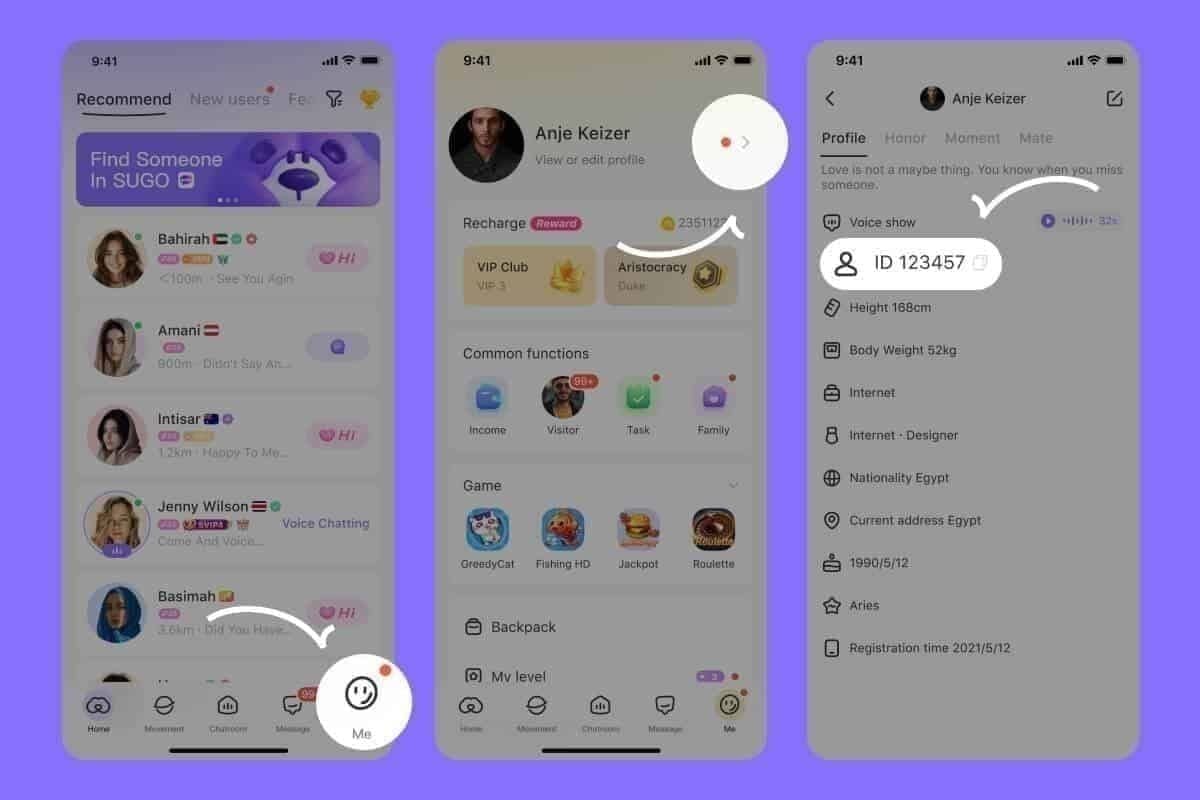
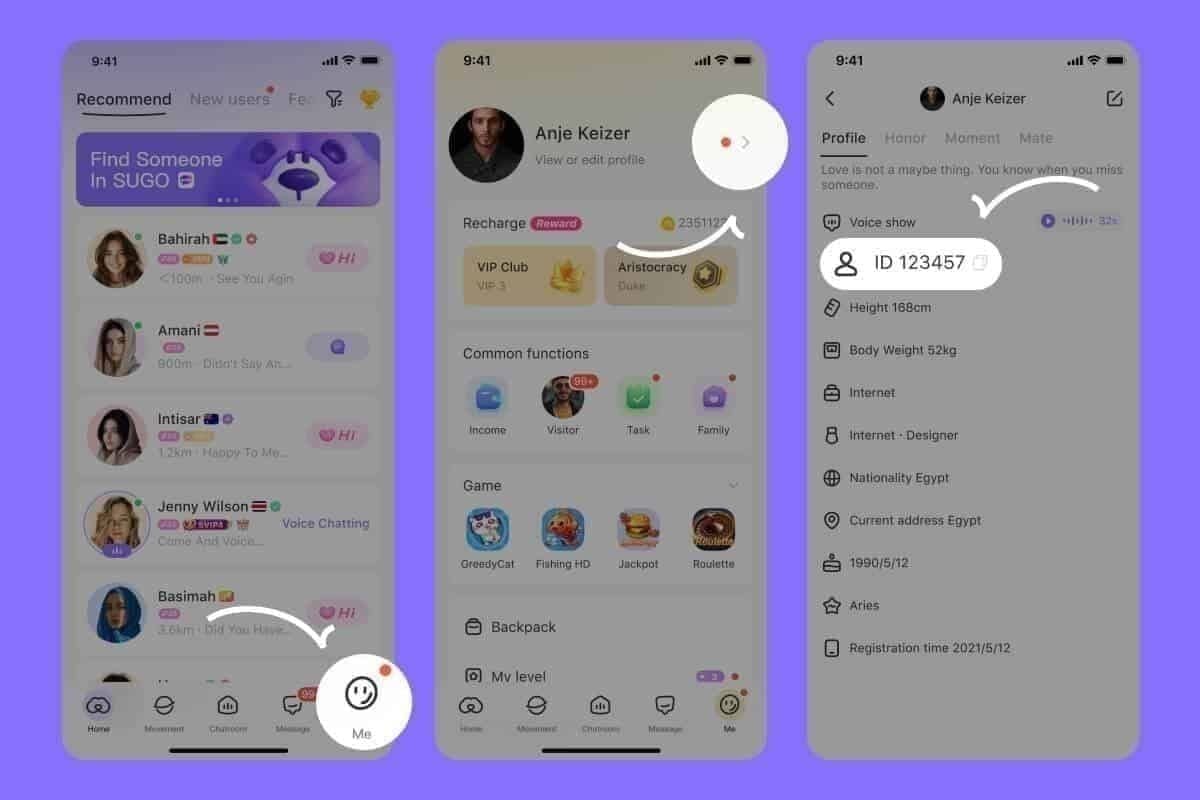
Double-check Up ID entry. Open Uplive app, tap profile avatar in bottom-right, copy numeric Up ID displayed under profile picture. Paste into checkout field and verify every digit matches.
Monitor transaction continuously from initiation through confirmation. Don't navigate away from payment page, switch apps, or lock device during 60-second to 5-minute processing window.
Submit OTP codes within 30 seconds of receipt. OTP codes timeout in 5-10 minutes, but optimal submission occurs within first 30 seconds when code is freshly generated.
6. Avoid Rapid Multiple Attempts Within 5-Minute Windows
Transactions attempted within 5 minutes of previous failure receive automatic elevated risk scores because timing matches automated bot attack patterns.
Recommended 10-minute wait after failed attempt provides sufficient time to clear cached transaction states from payment gateways and Uplive's systems. During this window:
- Verify payment method wasn't actually charged
- Check network connection stability
- Clear browser cache
- Review transaction details for errors
Users who wait 10+ minutes between attempts show 68% higher success rates on second attempts vs. those who retry within 5 minutes.
7. Maintain Payment Method Consistency
Payment method consistency signals legitimate user behavior. Users who maintain same payment method across multiple transactions—even when some fail—demonstrate ownership and familiarity.
Each payment method carries own verification status. Your primary credit card used for 10 previous successful transactions has trusted status with minimal scrutiny. Newly added PayPal account has unverified status requiring additional checks.
Optimal strategy: resolve issues with primary payment method rather than switching to alternatives. If credit card fails, contact issuer to verify international transactions enabled, confirm sufficient credit, ensure card isn't flagged for fraud.
Common Payment Mistakes That Trigger Instant Risk Flags
Rapid multiple attempts within 5-minute windows: Most common mistake. Users who see transaction fail and immediately retry without addressing underlying issue create patterns identical to automated fraud bot behavior.
Switching payment methods between failed attempts: Cycling through multiple payment sources—credit card to PayPal to crypto—within short timeframe suggests attacker testing multiple compromised credentials.
Using payment cards with mismatched regional settings: If Uplive account registered in Thailand but you attempt payment with US-issued card while connected from European IP, three-way geographic mismatch triggers maximum risk scoring.
Browser and app cache issues: Ghost transactions where payment gateway processes charge but Uplive's app doesn't receive confirmation due to cached error states. Always clear browser cache and cookies or restart mobile app after any failed transaction.
Ignoring payment method spending limits: Many credit cards impose daily or per-transaction limits on international purchases. Verify payment method's specific limits for international purchases before attempting large transactions.
Step-by-Step Recovery Process After Hitting 3-Attempt Limit
Immediate Actions: What to Do in First 10 Minutes
Stop all transaction attempts immediately. Lock is absolute—no payment methods, packages, or timing will bypass it.
Screenshot lock notification showing countdown timer and exact message. Documentation helps if you need to contact support.
Check email inbox and spam folder for transaction-related messages from Uplive and payment provider. Sometimes transactions that appear to fail actually process successfully.
Verify payment method wasn't charged for failed transactions. Log into card issuer's website or payment provider account and check pending transactions. Charges typically appear within 2-3 minutes for cards, 5-10 minutes for PayPal.
Document sequence of events leading to lock: payment methods used, error messages, diamond packages attempted, network connection. This helps diagnose root causes and prevents repeating mistakes.
Waiting Period Best Practices During 24-Hour Lock
Address root causes of failures:
- If insufficient funds caused declines, add money to payment method
- If network issues caused timeouts, identify more stable connection
- If geographic mismatches triggered flags, align account/payment/IP locations
Complete account verification improvements:
- Verify email address and phone number if not already done
- Add profile picture, bio, linked social accounts
- Achieve at least Bronze VIP status (580 diamonds)
Prepare payment method:
- Contact card issuer to confirm international transactions enabled
- Verify billing address matches card records exactly
- Ensure sufficient available credit for planned purchase plus 10% for fees
Research alternative top-up options:
- Third-party platforms like BitTopup process transactions independently
- Research during lock period so you can act immediately if needed after expiration
Post-Lock Verification Steps Before Next Attempt
Verify lock expiration by checking all diamond package purchase buttons are active and clickable. Lock notification banner should disappear.
Test network connection stability. Verify latency below 200ms, packet loss under 1%, sustained connection stability for 2-3 minutes.
Confirm payment method status hasn't changed during lock period. Verify card hasn't expired, available credit remains sufficient, no fraud holds placed.
Clear all browser cache and cookies or restart mobile app immediately before post-lock transaction.
Complete small test transaction before attempting full event purchase. Buy minimum package (60-580 diamonds) to verify end-to-end processing works. This consumes one attempt but provides confidence larger transactions will succeed.
How BitTopup Bypasses Uplive Payment Restrictions
Third-party platforms like BitTopup operate independently of Uplive's direct payment system, processing transactions through pre-verified merchant accounts that don't trigger same fraud detection protocols as direct user purchases.
BitTopup's infrastructure uses dedicated payment gateways optimized for high-volume digital goods transactions. Unlike Uplive's shared payment processing handling multiple transaction types, BitTopup's specialized gateways focus exclusively on game currency and digital item purchases, resulting in higher approval rates and faster processing.
Platform's pre-verified status with payment processors means transactions don't undergo same real-time fraud analysis as direct Uplive purchases. BitTopup's merchant accounts have established trust relationships allowing processors to approve transactions based on BitTopup's reputation rather than individual user risk profiles.
Transaction processing occurs through BitTopup's systems before interfacing with Uplive's diamond delivery infrastructure. Users purchase diamonds from BitTopup using standard payment methods, then BitTopup credits those diamonds to user's Uplive account through bulk distribution channels. This two-step process separates payment processing from Uplive's fraud detection, eliminating 3-attempt limit and 24-hour lock mechanisms.
Competitive pricing often matches or beats Uplive's direct pricing. Current promotions: 20% discount reducing 12,000 diamonds from USD 252.18 to USD 209.35, and 6,000 diamonds from USD 126.10 to USD 104.28.
Why Third-Party Platforms Have Higher Success Rates
Volume advantages: Third-party platforms aggregate transactions from thousands of users, creating volume justifying premium payment processing relationships. Payment processors offer better rates and higher approval thresholds to high-volume merchants.
Diversified payment method support: Platforms can route transactions through optimal processors for each payment type. If credit card processing experiences issues, platform routes users to PayPal or crypto without transaction appearing as retry consuming attempt limits.
Geographic payment optimization: Routes transactions through processors located in same region as user's payment method. US user's transaction processes through US-based gateways, Southeast Asian user through regional processors, eliminating international transaction flags.
Independent fraud prevention: BitTopup maintains own fraud detection focusing on identifying compromised BitTopup accounts rather than analyzing Uplive-specific behavior patterns. Uplive-related risk flags don't impact BitTopup transaction approval.
Customer support integration: Human intervention for problematic transactions. If automated system flags transaction for review, BitTopup's support team can manually verify user's identity and approve within minutes.
No Attempt Limits: Unlimited Transaction Flexibility
BitTopup imposes no attempt limits on transaction retries. If payment fails, users can immediately retry without consuming attempts from limited allowance. This unlimited flexibility eliminates pressure and anxiety associated with Uplive's 3-attempt system.
Failed transaction diagnostics provide specific error codes and resolution guidance. Instead of generic transaction failed messages, platform displays detailed information about why failure occurred and suggests specific remediation steps.
Payment method flexibility allows switching between options without penalty. If credit card fails, you can immediately try PayPal or crypto without attempt counting against any limit.
Instant Delivery Even During Peak Event Traffic
BitTopup's diamond delivery infrastructure operates independently of Uplive's user-facing transaction systems. While Uplive's app may experience database synchronization delays during peak traffic, BitTopup's delivery uses backend API connections bypassing these bottlenecks. Diamonds typically credit within 5 minutes regardless of platform load.
Dedicated delivery channels for third-party platforms receive priority processing in Uplive's systems. Platform recognizes bulk deliveries from verified partners represent pre-approved transactions not requiring real-time fraud analysis.
Automated delivery confirmation provides immediate verification diamonds reached your account. BitTopup's system monitors Uplive's API responses and sends confirmation notifications moment delivery completes.
Advanced Prevention: Account Security Optimization for Events
Account security optimization begins weeks before major events, building trust signals reducing fraud detection sensitivity when you need to make event purchases.
VIP Status Benefits:
- Bronze VIP (580 diamonds): Minimum investment for improved transaction treatment
- Silver VIP (3,200-6,499 diamonds, 2-2.5x multipliers): 30-40% fewer payment blocks vs. non-VIP
- Gold VIP (6,500+ diamonds, 3-5x multipliers): Significantly relaxed fraud detection thresholds
- Professional VIP (12,000 diamonds): Highest trust tier, preferential treatment across all systems
Payment History Building:
- Complete regular small transactions over extended periods
- Account with 15 successful 580-3,200 diamond purchases over 90 days has far better standing than account making first 12,000 diamond purchase
- Consistent history demonstrates legitimate engagement and establishes behavioral baselines
Pre-Event Account Health Audit (Complete Checklist)
Complete 7-10 days before major events:
Verification Status:
- ✅ Email address verified
- ✅ Phone number verified
- ✅ Profile picture uploaded (25% lower block rates)
- ✅ Bio section completed
- ✅ At least one social media account linked
- ✅ VIP status Bronze or higher
Payment Method:
- ✅ Primary method used for 3+ previous successful transactions
- ✅ Billing address matches payment method's registered address exactly
- ✅ Available credit exceeds planned purchase plus 10% for fees
- ✅ International transactions enabled (confirmed with issuer)
- ✅ No fraud holds or security reviews pending
- ✅ Expiration date at least 60 days in future
Account Activity:
- ✅ Account age minimum 30 days, preferably 60+
- ✅ At least 10 hours total platform usage
- ✅ Gifts sent to at least 3 different streamers
- ✅ No warnings, suspensions, or violations in past 90 days
- ✅ Login activity from consistent IP ranges over past 30 days
Technical Preparation:
- ✅ Uplive app updated to latest version
- ✅ Device OS updated to latest stable version
- ✅ Sufficient storage space (minimum 2GB free)
- ✅ Browser cache and cookies cleared
- ✅ All browser extensions disabled for payment attempts
- ✅ Network connection tested (latency <200ms, packet loss <1%)
Event-Specific Top-Up Planning Calendar (2026)
Major events typically occur during cultural celebrations, platform anniversaries, seasonal periods when user engagement peaks. 2026 calendar shows concentration during Lunar New Year (January-February), platform anniversary (mid-year), year-end holiday season.
High-risk event periods:
- First 6-12 hours after event launch (transaction volumes spike 300-500%)
- Final 2-3 hours before event conclusion (last-minute purchases)
- Avoiding these windows reduces payment block probability 60-70%
Diamond requirement estimation:
- Leaderboard competitions requiring top-10 finishes: 50,000-100,000+ diamonds
- Participation-based events with threshold rewards: 10,000-25,000 diamonds
- PK battles requiring 25-30 gifts per hour: approximately 2,000-2,500 diamonds per hour
- Add 20-30% buffer for unexpected competition intensity
Buffer strategy:
- Competitive leaderboard events: 25-30% buffer
- Participation threshold events: 10-15% buffer
- Time-sensitive milestone events: 30-40% buffer
- Collaborative team events: 40-50% buffer
Emergency alternatives:
- Establish backup options at least 7 days before major events
- Create BitTopup accounts, complete verification, test with small purchase
- Add and verify backup payment sources before events
- Pre-arrange friend/family assistance if needed
Frequently Asked Questions About Uplive Payment Locks
Why does Uplive block top-ups after 3 failed attempts?
Uplive implements 3-attempt limit as fraud prevention measure protecting platform and users from unauthorized transactions. System assumes multiple consecutive failures indicate potential account compromise, stolen payment credentials, or automated bot attacks. 24-hour lock provides time for legitimate users to investigate and resolve payment issues while disrupting automated fraud operations.
How long does Uplive payment lock last?
Standard lock lasts exactly 24 hours from moment third failed attempt registers. Countdown operates on server-side timestamps measured to the second. Repeat offenders face escalating durations: second locks within 30 days extend to 48 hours, third locks within 60 days reach 72 hours plus mandatory verification, five or more locks in 90 days face permanent manual review for all transactions. Escalation resets after 90 days of lock-free activity.
What triggers Uplive risk flags during events?
Event periods trigger flags through: sudden increases in transaction frequency/amount vs. historical baseline, attempting large packages (12,000+) during peak traffic, using payment methods from different countries than account registration, connecting through VPN/proxy, rapid successive attempts within 5 minutes, unusual gift-sending patterns like immediately transferring 90%+ of purchased diamonds to single recipients. Platform increases fraud detection sensitivity 40-60% during events.
Can I use a different payment method after being blocked on Uplive?
No. 24-hour lock applies universally across all payment methods and diamond packages. You can't circumvent by switching from credit cards to PayPal, selecting smaller packages, or using different devices. Restriction ties to account identifier and blocks all top-up functionality. Lock automatically expires after 24 hours, at which point all payment methods become available again.
Does Uplive payment lock affect my account permanently?
No. Standard locks are temporary restrictions expiring after 24 hours with no permanent account impact. Account maintains full functionality for all non-payment activities during lock. However, repeated locks trigger escalating consequences. These escalations reset after 90 days of lock-free activity. To avoid permanent impacts, address root causes of payment failures and maintain clean transaction records.
How to prevent Uplive from flagging my payment as suspicious?
Maintain consistent account behavior: complete top-ups during off-peak hours (02:00-08:00 UTC), space purchases 12-24 hours apart, limit daily top-ups to 50,000-75,000 diamonds during events, use same payment method for all transactions, ensure payment method's country matches account registration and connection IP location, avoid VPN/proxy/TOR, maintain 0.8-1.2 gift-to-top-up ratio, build payment history with regular small purchases over 60-90 days before events, achieve at least Bronze VIP status, verify email and phone number, complete pre-event top-ups 48-72 hours before launch.
Avoid payment locks entirely—top up Uplive diamonds through BitTopup with zero attempt limits, instant delivery during peak events, and 24/7 transaction reliability. Secure your event participation now!