What is Tuning Mode
The system applies intelligent pitch correction while preserving vocal character, distinguishing intentional style from technical errors. In duets, compatible settings between partners optimize vocal blend for harmony scores up to 30% of total points.
Accuracy multipliers:
- 76-85%: 1.5x multiplier
- 86-95%: 2x multiplier
- 96-100%: 3x multiplier
Real-Time Pitch Correction Science
Target audio latency: 70ms through 192 Kbps stereo pipeline. Lower-end devices use 256 audio samples; high-performance devices leverage 128 samples for faster response. Perfect pitch (within 5 cents) earns full points. The 5-15 cent tolerance yields 80-90% points, allowing natural expression without harsh penalties.
Score Calculation Impact
The system evaluates 100-200ms windows. Responses within 50ms of target timing earn 90-95% points. Multipliers apply to base scores across all four categories, making them exponentially valuable.
2026 AI-Assisted Features
Version 5.94.1 (December 2, 2026) introduced adaptive algorithms learning from your vocal patterns. The AI analyzes consistent pitch tendencies—whether you sing sharp or flat—and adjusts correction to complement your voice. The 344.8 MB app includes enhanced vibrato detection preserving intentional oscillations while correcting unwanted wavering. Requires iOS 13.0+.
Tuning Mode vs Classic Mode
Classic Mode evaluates raw vocal input without correction. Tuning Mode democratizes high scores for players who optimize settings properly.
Scoring Differences
Tuning Mode advantages compound during 2-3 minute songs—optimal for algorithm stability. Peak hours (7-11 PM) increase server errors by 23%, disproportionately affecting Tuning Mode users dependent on <100ms ping.
When to Use Each Mode
Use Tuning Mode when:
- You have strong rhythm but pitch challenges
- Performing ballads with sustained notes (80-110 BPM)
- You can maintain stable network (<100ms ping, 5+ Mbps upload)
Use Classic Mode when:
- You have natural pitch control but inconsistent timing
- Performing uptempo tracks with rapid note changes
- Network conditions are unstable
Select one difficulty tier below skill level in Tuning Mode to maintain 86-95% accuracy sweet spot.
Authenticity Score Myths
No inherent penalties exist for using Tuning Mode. Vocal expression evaluates dynamic range and emotional delivery—independent of pitch correction. Poor scores stem from over-processing (70%+ intensity) creating robotic quality, not from using the mode itself.
Competitive Standards
Top players use moderate settings (40-60% intensity) rather than maximum correction. Most ranked duet challenges permit all modes, recognizing settings optimization as a skill. Tournament restrictions vary by organizer.
Activating and Configuring Tuning Mode
Access via Profile → Settings → Audio Settings → Tuning Mode toggle.
Initial Voice Calibration
Complete 5-10 minute warmup before calibration. The system analyzes:
- Natural pitch range and tendencies
- Vibrato patterns
- Breath control characteristics
Calibrating with cold voice produces inaccurate baseline data.
Configuration Parameters
Correction intensity (0-100%):
- <30%: Subtle assistance, preserves natural character
- 30-70%: Moderate correction, competitive sweet spot
- 70%+: Aggressive correction, risks robotic sound
Response speed: How quickly corrections apply. Faster = tighter control but risks artificial sound.
Vibrato preservation: Distinguishes intentional oscillation from errors. Too low eliminates expressive vibrato; too high allows pitch errors.
Harmony blend priority: For duets—prioritize matching partner's pitch or original melody.
Managing Presets
Save up to 5 custom presets for different scenarios:
- Solo performances
- Duets with regular partners
- Genre-specific settings
- Practice mode experiments
Label descriptively: Ballad Duet,Uptempo Solo,Partner A Harmony. Review performance analytics after each session and incrementally adjust presets.
Best Settings for High-Score Duets
Optimal configuration:
- Correction intensity: 40-60%
- Response speed: Medium
- Vibrato preservation: 60-70%
- Network: 5+ Mbps upload, <100ms ping
Enable QoS prioritization for WeSing in router settings. Lock Southeast Asia servers in app settings.
For premium content and exclusive features, buy WeSing KCoin online through BitTopup's secure platform.
Intensity Sweet Spots
30-40%: Experienced singers with minor inconsistencies. Requires 80%+ Classic Mode baseline.
40-55%: Competitive sweet spot for intermediate players. Improves pitch to 86-95% while preserving expression.
55-70%: Aggressive correction for significant pitch challenges. Reduce response speed to prevent robotic quality.
Voice Type Settings
Soprano: 35-50% intensity, faster response, higher vibrato preservation (70-80%). Higher frequencies make corrections more noticeable.
Alto/Tenor: 40-60% intensity, medium response, standard vibrato (60-70%). Most flexible configuration.
Bass: 50-70% intensity, slower response, lower vibrato preservation (50-60%). Lower frequencies need stronger correction signals.
Genre Adjustments
Pop (90-110 BPM): 40-55% intensity, medium response. Genre emphasizes pitch accuracy over raw power.
Ballads (60-80 BPM): 50-70% intensity, slower response. Sustained notes allow maximum correction time.
Rock: 30-45% intensity, faster response. Preserve raw, energetic quality. Most challenging for Tuning Mode.
R&B: 40-55% intensity, slower response, high vibrato preservation (70-80%). Allows vocal runs and melismas to complete before correction.
Device Optimization
iOS (13.0+): Most consistent performance. Can use faster response and higher intensity without artifacts.
Android (2GB+ RAM, 4GB+ recommended): Test device limits in practice mode. Increase intensity until artifacts appear, then reduce 10-15%. Wired headphones reduce desync by 40-50%.
Both platforms: Clear cache weekly via Storage Management. Force-close app 30 seconds before important performances.
Duet Partner Synchronization
Coordinate intensity levels within 10-15% of each other. When one uses 60%+ while the other uses 30%, the system struggles to blend voices harmonically.
Matching Settings
Compare individual calibration results. If one partner sings sharp and the other flat, balance intensity levels. The partner with better natural accuracy should reduce intensity, allowing the weaker partner higher settings without creating pitch gaps.
Joint practice protocol:
- Both start at 45% intensity, medium response
- Weaker pitch partner increases by 5% increments until reaching 86-95% accuracy
- Stronger partner maintains or slightly reduces intensity
Cross-Device Duets
Partner on lower-performance device uses slightly higher intensity to compensate for less precise detection. Partner on higher-performance device reduces intensity to meet at common corrected pitch level.
Both partners need <100ms ping, <1% packet loss, <30ms jitter. Test with built-in network diagnostic tool. Enable audio latency compensation if one partner has higher latency.
Harmony Blend Optimization
Use complementary vibrato settings. If both preserve maximum vibrato, oscillations may desynchronize. Coordinate: one partner 70-80% preservation, other 50-60%.
3-5 second pause technique: When desynchronization occurs mid-performance, both pause 3-5 seconds. Allows algorithms to resync—70% success rate.
Pre-Performance Checklist
- Verify network stability (5+ Mbps upload, <100ms ping)
- Confirm matching tuning preset selection
- Complete individual warmups
- Conduct 30-second test recording
Share current settings via partner chat before each performance. Document which combinations produced highest scores for specific genres.
Advanced Techniques
Elite players select songs matching their configured settings' strengths. Higher intensity (60-70%) = choose sustained notes and slower tempos. Lighter correction (30-45%) = select uptempo tracks where timing precision carries performance.
Microphone Positioning
Position 6-8 inches from mouth at 45-degree angle. Captures clear vocal input while minimizing breath noise. Wired headphones eliminate 40-50% desync increase from Bluetooth.
Vibrato Enhancement
Adds controlled pitch oscillation to sustained notes where you don't naturally produce vibrato. Set conservatively (20-30%) for subtle warmth. When using enhancement, reduce correction intensity by 10-15% to prevent competing pitch movements.
Microphone Sensitivity
Quiet rooms, quality mics: 40-50% sensitivity captures only intentional vocal input.
Noisy environments, lower-quality mics: 60-70% sensitivity ensures all vocal input registers. Use noise gate to filter non-vocal sounds.
Test in practice mode by singing at various dynamics. Verify soft sections register while silence doesn't trigger false detection.
Audio Latency Compensation
Target: 70ms latency. Measure actual latency with audio diagnostic tool. If exceeding 100ms, enable compensation. Above 150ms, consider device upgrades—compensation can't address excessive latency without perceptible delay.
Wired connections (headphones and internet) reduce latency more effectively than software compensation.
Maximizing Score: Understanding Metrics
The algorithm evaluates four categories every 100ms, aggregating micro-scores into final result.
Pitch Accuracy (35-40% weight)
Improving from 80% to 90% accuracy increases overall score by 3.5-4 percentage points. Perfect pitch within 5 cents earns full points. 5-15 cent deviations capture 80-90% points. Configure for reliable 5-15 cent range rather than chasing perfect correction that risks artifacts.
Timing Precision (20-25% weight)
Tuning Mode introduces 10-20ms delay when properly configured—well within 50ms window for maximum points. Aggressive intensity + fast response can create perceptible delays. Moderate intensity (40-60%) often produces higher overall scores.
Rehearse in practice mode to develop timing precision independently. Focus on phrase entrances/exits—they carry disproportionate weight.
Harmony Blend (25-30% weight in duets)
Algorithm analyzes frequency relationships, rewarding consonant intervals (thirds, fifths, octaves). When both partners use compatible settings, correction maintains consonant relationships even when both deviate from original melody.
Set harmony blend to partner priority for harmony vocalist, melody priority for lead. This ensures harmony adjusts to complement lead.
Consistency Bonuses
Rewards steady accuracy across all categories throughout entire song. Penalizes dramatic fluctuations. Select 2-3 minute songs for optimal consistency. Choose one difficulty tier below skill level to maintain 86-95% accuracy throughout.
Troubleshooting Common Issues
Robotic Vocal Sound
Causes: Excessive intensity (70%+) + fast response speeds.
Fixes:
- Reduce intensity by 15-20% to 40-55% range
- Slow response speed by one level
- Increase vibrato preservation to 60-70%
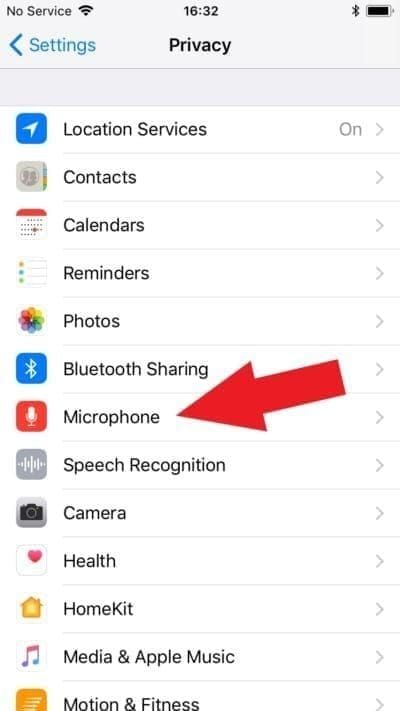
- Toggle microphone permission OFF for 10 seconds, then ON
- Verify wired headphone connection
- Maintain consistent mic positioning (6-8 inches, 45-degree angle)
Audio Lag and Desync
Network fixes:
- Verify 5+ Mbps upload, <100ms ping throughout performance
- Avoid peak hours (7-11 PM) when errors increase 23%
- Use wired internet connection
Device fixes:
- Close all background apps
- Reduce audio sample rate from 128 to 256 samples
- Force-close app, wait 30 seconds, restart before performances
Mid-performance: Use 3-5 second pause technique (70% success rate).
Inconsistent Pitch Detection
Microphone issues:
- Maintain consistent 6-8 inch distance at 45-degree angle
- Use microphone stand or headset with fixed position
- Reduce sensitivity by 10-15%
- Enable noise gate in advanced settings
Environment: Perform in quieter spaces with sound-absorbing materials (curtains, carpets, furniture).
Equipment Compatibility
Minimum specs: 2GB+ RAM, 500MB+ storage, iOS 13.0+. Budget devices with low-quality microphones create performance ceilings settings can't overcome.
Wired headphones reduce desync by 40-50% vs Bluetooth—essential for competitive play. Ensure headphone jack provides clean output; damaged jacks introduce noise degrading monitoring and detection.
2026 Update Features
AI-Assisted Adaptive Tuning
Version 5.94.1's adaptive system learns from performance history, identifying consistent pitch tendencies and adjusting correction to complement natural voice. Requires 5-10 songs before personalization becomes noticeable. Complete learning period in practice mode.
The AI distinguishes consistent tendencies (naturally singing sharp on ascending intervals) from random errors (occasional drift from breath control). Applies permanent correction bias for tendencies, standard real-time correction for random errors.
After 3-5 duets with same partner, AI optimizes both singers' parameters to maintain characteristic blend while improving accuracy.
Enhanced Duet Tools
Real-time synchronization monitoring displays harmony blend quality during performances. Enables strategic use of 3-5 second pause at optimal moments.
Partner calibration tools include joint practice sessions where both sing simultaneously. System analyzes natural harmonic relationship and recommends complementary settings.
Upcoming Features
Q2 2027 beta: Genre-specific AI models optimized for pop, ballad, rock, R&B vocal characteristics. Beta invitations prioritize engaged users with high performance ratings.
Late 2027: Expand presets from 5 to 10. Cloud sync for settings across multiple devices.
Staying Competitive
Conduct quarterly settings reviews. Compare recent analytics against historical data to identify declining categories. Community resources (high-ranking player streams, strategy discussions) provide insights into emerging optimization techniques before widespread adoption.
Essential Resources
Recommended Equipment
Wired headphones: 32-80 ohm impedance, closed-back design. Higher impedance (250+ ohms) requires dedicated amplification mobile devices don't provide.
External microphones: USB condenser mics with cardioid pickup patterns ($50-100). Dramatically improve pitch detection vs built-in device mics.
Network: 5GHz WiFi or wired Ethernet prioritized over audio equipment.
Practice Routines
Baseline assessment: Perform 5-10 songs in Classic Mode to identify natural strengths/weaknesses.
60-minute structured session (3-4x weekly):
- 15 min vocal warmup
- 20 min technical exercises (scales, rhythm drills, dynamics)
- 15 min settings optimization testing
- 10 min full songs under simulated competitive conditions
Community Resources
High-ranking player streams show advanced strategies and exact settings. Forums offer crowdsourced troubleshooting—include device, settings, network metrics, and specific issues for expert responses.
BitTopup Premium Features
BitTopup provides secure access to WeSing KCoin for premium features: advanced tuning presets, exclusive song libraries, priority server access. Expanded analytics track performance trends across all categories. Exclusive duet challenges with higher-skilled players accelerate development.
FAQ
What is WeSing Tuning Mode?
Real-time pitch correction analyzing vocal input every 100ms, adjusting pitch to align with target notes. Weights pitch accuracy at 35-40%. Proper configuration (40-60% intensity) achieves 86-95% accuracy for 2x multipliers without penalties.
Does Tuning Mode reduce scores?
No inherent penalties exist. Poorly configured settings (70%+ intensity) create robotic quality scoring lower in vocal expression (15-20% weight). Optimal 40-60% intensity preserves natural character while improving pitch, increasing overall scores.
Best duet settings?
40-60% intensity, medium response, 60-70% vibrato preservation, partner-priority harmony blend. Both partners coordinate settings within 10-15% intensity. Maintain <100ms ping, 5+ Mbps upload. Select 2-3 min songs at 80-110 BPM, one difficulty tier below skill level.
How to calibrate for voice type?
Complete 5-10 min warmup before in-app calibration. Soprano: 35-50% intensity, higher vibrato preservation. Alto/tenor: 40-60% standard. Bass: 50-70% intensity, slower response. Adjust from calibrated baseline using performance analytics.
What's new in 2026 update?
Version 5.94.1 (Dec 2, 2026): AI-assisted adaptive tuning learning from performance history. Enhanced duet synchronization with real-time harmony monitoring. Improved vibrato detection. 344.8 MB app requires iOS 13.0+.
How to fix robotic sound?
Reduce intensity by 15-20% to 40-55%. Slow response speed one level. Increase vibrato preservation to 60-70%. Toggle mic permission OFF 10 seconds then ON. Use wired headphones. Maintain consistent 6-8 inch mic distance at 45-degree angle.