The Impact of Spray Control on Win Rate Statistics

Let me break down what the numbers actually show. Take the M4A1 – 10.1% pick rate, 672 RPM, and when you master its pattern, you'll understand why it's everywhere in competitive play. Players using optimized builds like the proven import code 6FINC4G0CQTV1IBVCBQVT consistently outperform those without systematic recoil training. It's not even close.
The weapon statistics tell a clear story:
- M4A1: 25 damage per round with that manageable vertical climb pattern
- SMG-45: 6.1% pick rate, but deadly at its 40-meter sweet spot with proper control
- MP7: 92% recoil control rating – honestly the most stable automatic weapon in the game
How Professional Players Approach Recoil Training
Elite players don't just hop into the firing range and spray randomly. They follow structured progression frameworks, and there's a reason for that. The proven 7-week advancement system shows optimal learning curves that actually work:
Weeks 1-2: Foundation building with M4A1 spray patterns and basic positioning (boring but essential)
Weeks 3-4: Advanced techniques including sprint-slide combinations and multi-target engagement
Weeks 5-6: Team coordination integration with callouts and operator synchronization
Week 7+: Professional gameplay analysis and specialized Tactical Stance applications
Understanding Delta Force Recoil Pattern Mechanics
Delta Force implements realistic gunplay mechanics that reward precision over spray-and-pray tactics. And honestly? That's what makes it challenging. You've got vertical recoil creating upward weapon kick that requires consistent downward compensation, while horizontal recoil introduces side-to-side weapon sway. Some weapons follow fixed patterns, others throw in semi-randomized sequences just to keep you on your toes.
Random bloom affects bullet spread during sustained automatic fire, which is why tap-firing and burst control become essential for medium to long-range engagements. It's not just about pulling down anymore.
Vertical vs Horizontal Recoil Components
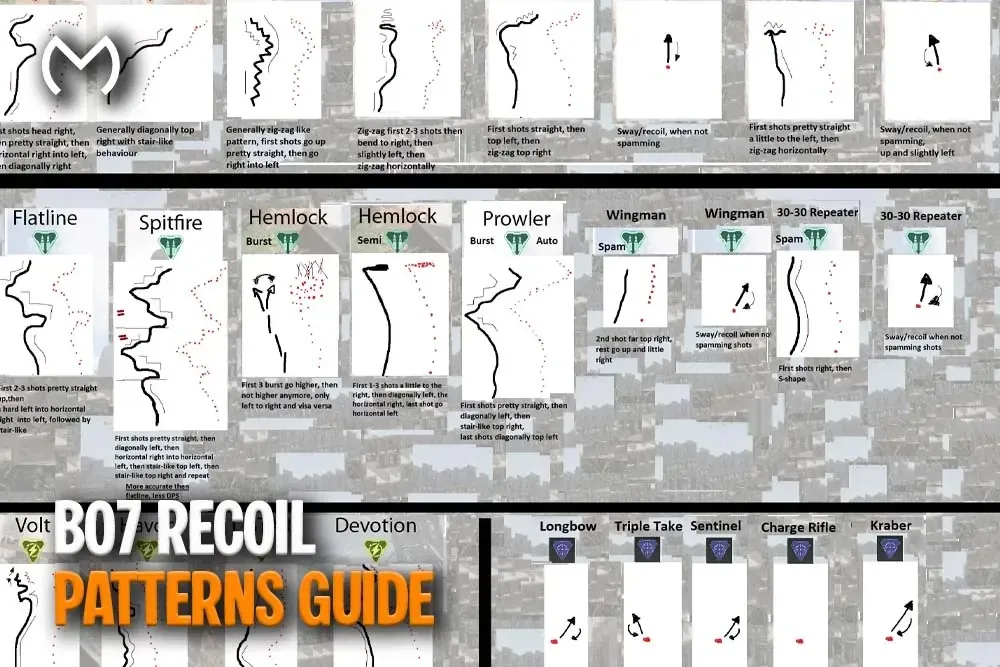
Vertical recoil compensation is straightforward in theory – steady downward mouse movement that matches the weapon's upward climb rate. The M4A1 demonstrates this perfectly with its classic vertical-dominant pattern where you pull down consistently while making minor horizontal adjustments.
But then you get into SMGs like the SMG-45, and suddenly you're dealing with rapid side-to-side movement requiring quick directional changes. Assault rifles typically show more gradual horizontal drift, which is more forgiving but still demands attention.
Key compensation techniques that actually work:
- Consistent pull-down motion for vertical control (sounds simple, isn't always)
- Anticipatory horizontal adjustments based on pattern memorization
- Crouch positioning for that sweet 15-20% recoil reduction bonus
- Burst fire integration to reset pattern sequences when things get messy
How Weapon Classes Differ in Spray Behavior
Assault rifles prioritize manageable patterns suitable for medium-range engagements. The CI-19 with its 9.5% pick rate and 60-round drum capacity exemplifies controlled spray potential – when players master its extended pattern sequence. That's a lot of bullets to keep on target.
SMGs emphasize high rate-of-fire with aggressive recoil that demands precise timing. Marksman rifles like the MINI-14 feature minimal recoil kick but require different compensation timing due to semi-automatic firing mechanics. Each class has its own personality, basically.
The Role of Attachments in Pattern Modification
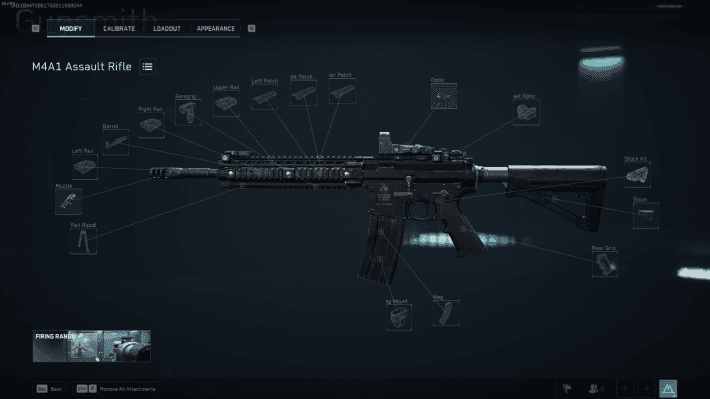
Attachment selection dramatically influences recoil behavior and pattern characteristics. In practice, priority optimization follows this hierarchy:
- Recoil Control: Sandstorm Vertical Compensator provides +9 recoil control improvement (massive difference)
- Optics: Cobra Accuracy Sight and ACOG 6x for improved target acquisition
- Extended Magazines: Sustained fire capability for pattern practice
- Foregrips: Calibrated grips offer +4% ADS speed with stability bonuses
The Resonant Grip attachment delivers +16% movement stability – crucial for maintaining spray control during strafing engagements. Advanced players utilize laser attachments like the DBAL-X2 Purple Laser-Light Combo to enable Tactical Stance recoil reduction.
The Flashcard Method: Science-Backed Learning for Gamers
Spaced repetition learning principles apply directly to recoil pattern memorization because muscle memory development requires both cognitive recognition and motor skill reinforcement. What works best is understanding that cognitive load theory explains why 10-minute focused sessions outperform extended practice marathons.
Short, intensive training blocks allow optimal information processing without the mental fatigue that degrades learning efficiency. I've seen too many players burn out trying to grind patterns for hours at a time.
For competitive players requiring consistent performance, instant Delta Force top up for ranked matchmaking ensures access to optimal weapon configurations that support advanced recoil training progression.
Why Spaced Repetition Works for Muscle Memory
Spaced repetition leverages memory consolidation periods to strengthen neural pathways associated with motor control. Daily 10-15 minute sessions allow sufficient practice volume while providing recovery time for skill integration. Research demonstrates that distributed practice sessions create more durable muscle memory than massed practice blocks.
The optimal spacing interval for recoil patterns appears to be 24-hour cycles, allowing overnight memory consolidation while maintaining skill momentum. Your brain literally processes this stuff while you sleep.
The 10-Minute Sweet Spot for Daily Training
Ten-minute sessions optimize learning efficiency while preventing mental fatigue that degrades skill acquisition. This duration allows sufficient repetition volume for pattern reinforcement without overwhelming cognitive processing capacity.
Professional players consistently report that focused 10-minute blocks produce better results than extended 30-60 minute sessions. Daily consistency proves more valuable than session length for developing reliable muscle memory. It's about showing up every day, not grinding until your wrist hurts.
Creating Your Delta Force Recoil Pattern Flashcard System
Effective flashcard design incorporates specific visual elements and information hierarchy that supports rapid pattern recognition and recall. Each card should contain essential pattern data, visual representation, and practical application notes. Don't overcomplicate this – simple and consistent works best.
Essential Information to Include on Each Card
Front Side Elements:
- Weapon name and class designation
- Pattern difficulty rating (beginner/intermediate/advanced)
- Key attachment recommendations for optimal control
- Import code for immediate build access
Back Side Components:
- Detailed pattern shape with directional indicators
- Compensation timing sequence (first 10 bullets focus)
- Common mistake warnings and correction techniques
- Practice drill recommendations specific to that weapon
Visual Pattern Representation Techniques
Effective visual representations use consistent symbology across all flashcards to maintain learning coherence. Pattern drawings should emphasize the first 10-15 bullets where most engagements are decided. Color coding helps differentiate pattern phases:
- Red: Initial vertical climb requiring immediate compensation
- Blue: Horizontal transition points demanding directional changes
- Green: Stabilization zones where consistent control maintains accuracy
Organizing Cards by Weapon Category and Difficulty
Beginner Tier (Start Here):
- M4A1: Predictable vertical pattern, 25 damage per round
- MP7: 92% recoil control, forgiving horizontal movement
- MINI-14: Minimal kick, excellent for learning compensation timing
Intermediate Tier (Week 3-4):
- SMG-45: Higher rate of fire, 40-meter effective range
- CI-19: Extended 60-round capacity requiring sustained control
- AS-VAL: Integrated suppressor with unique pattern characteristics
The 10-Minute Daily Drill Framework
The structured 10-minute framework maximizes learning efficiency through focused activity progression that builds from cognitive review to practical application. Each segment serves specific skill development purposes while maintaining optimal attention span utilization. No wasted time here.
Minute 1-3: Visual Pattern Review and Visualization
Begin each session with flashcard review covering 3-5 weapon patterns depending on current learning phase. Mental visualization activates the same neural pathways used during actual gameplay, strengthening pattern memory through cognitive rehearsal.
Review priority follows current learning objectives:
- Week 1-2: M4A1 and MP7 foundation patterns
- Week 3-4: SMG-45 and intermediate weapon additions
- Week 5+: Advanced patterns and specialized configurations
Minute 4-6: Dry Practice with Mouse Movement
Execute compensation movements without firing, focusing on smooth mouse control that matches memorized patterns. This kinesthetic rehearsal develops muscle memory without the distraction of visual feedback from bullet impacts.
Key focus areas include consistent downward pull speed for vertical compensation, smooth horizontal transitions without jerky corrections, and proper timing for pattern phase changes. It feels weird at first, but it works.
Minute 7-9: In-Game Controlled Environment Testing
Apply practiced patterns in the firing range using wall spray and spray transfer drills. Wall spray drills involve firing full magazines at 15-meter targets while attempting to maintain vertical bullet groupings. Spray transfer exercises use dual targets positioned 20 meters away, requiring smooth pattern transitions between targets without accuracy degradation.
Minute 10: Progress Logging and Next-Day Planning
Document session results including accuracy observations, pattern consistency notes, and identified improvement areas. Effective logging captures pattern accuracy ratings for each practiced weapon, specific areas requiring additional focus, successful technique modifications, and next session priorities.
Don't skip this part – tracking progress keeps you motivated and identifies what's actually working.
Weapon-Specific Flashcard Examples and Priority Order
Weapon selection for pattern learning follows strategic progression that builds foundational skills before advancing to specialized applications. The M4A1 serves as the universal starting point due to its predictable pattern characteristics and widespread competitive usage. There's a reason everyone starts here.
M4A1: The Foundation Pattern Every Player Needs
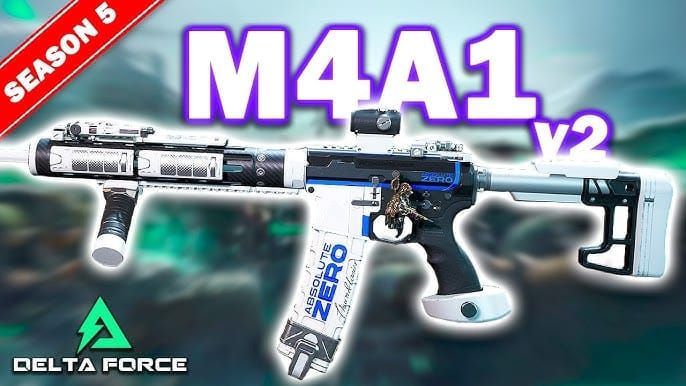
The M4A1 represents the ideal learning platform with its 10.1% competitive pick rate and manageable 672 RPM firing rate. Its pattern emphasizes consistent vertical climb with minimal horizontal deviation, making compensation movements predictable and learnable.
Flashcard Front:
- Weapon: M4A1 Assault Rifle
- Difficulty: Beginner (Essential)
- Import Code: 6FINC4G0CQTV1IBVCBQVT
- Key Attachment: Sandstorm Vertical Compensator (+9 control)
Flashcard Back:
- Pattern: Steady vertical climb for first 10 rounds
- Compensation: Consistent downward pull, minor left adjustment at round 12-15
- Critical Window: Rounds 1-10 determine engagement success
- Practice Focus: Wall spray for vertical line accuracy
AK-47: Managing Aggressive Horizontal Kick
High-recoil weapons like the AK-47 teach advanced compensation techniques essential for mastering challenging patterns. These weapons require precise timing and directional control that builds upon foundational skills developed with easier patterns.
Pattern Characteristics:
- Aggressive initial vertical climb requiring immediate compensation
- Significant horizontal kick beginning around round 7-8
- Complex directional changes demanding precise mouse control
- Higher damage per round rewarding accuracy over volume
Vector and SMG Patterns: Speed vs Control
SMG patterns emphasize rapid compensation adjustments due to high rates of fire and aggressive recoil characteristics. The SMG-45 with its 6.1% pick rate demonstrates typical SMG control requirements. The MP7's exceptional 92% recoil control rating makes it ideal for players transitioning from assault rifles to SMG patterns.
Integrating Flashcard Learning with In-Game Practice
Effective integration requires structured practice sessions that reinforce flashcard knowledge through controlled gameplay scenarios. Progressive drill difficulty ensures steady skill development from static target practice to dynamic combat applications. Theory without practice is useless – you need both.
Best Training Range Exercises for Pattern Reinforcement
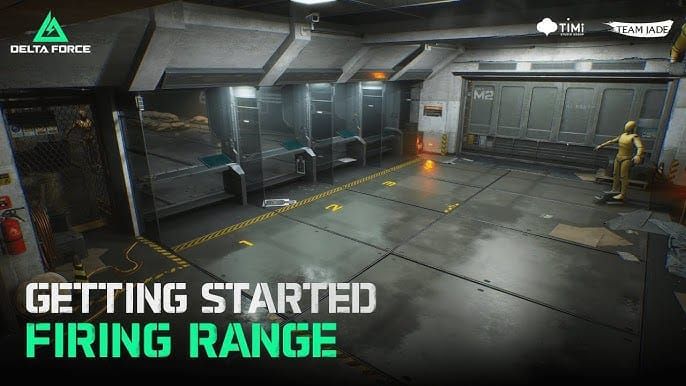
Wall Spray Drill (Primary Foundation Exercise):
Position at 15 meters from wall target, fire complete magazines while maintaining vertical bullet groupings. Successful execution produces tight vertical lines demonstrating proper pattern compensation.
Spray Transfer Drill (Multi-Target Application):
Use dual targets positioned 20 meters away, practice smooth transitions between targets while maintaining spray accuracy. This exercise develops the target-switching skills essential for multi-enemy engagements.
Distance Variation Training:
Practice patterns at 10, 20, and 30-meter ranges to understand how distance affects compensation requirements.
Real Match Application: When to Full Spray vs Burst
Pattern mastery enables informed decisions about engagement methods based on range, target behavior, and tactical situation.
Full Spray Scenarios:
- Close-range engagements (under 15 meters)
- Multiple enemies requiring rapid elimination
- Suppressive fire during team advances
- High-health targets requiring sustained damage
Burst Fire Applications:
- Medium to long-range precision shots
- Moving targets requiring lead compensation
- Ammunition conservation during extended engagements
Common Mistakes and How to Avoid Them
Pattern learning failures typically result from systematic errors rather than insufficient practice time. Most players attempt to learn too many patterns simultaneously, creating cognitive overload that prevents mastery of any individual weapon. I see this mistake constantly.
Practicing Too Many Patterns Simultaneously
Cognitive load limitations prevent effective learning when players attempt to master multiple complex patterns concurrently. The brain requires focused repetition to develop reliable muscle memory for each weapon's unique characteristics.
Optimal Learning Progression:
- Weeks 1-2: M4A1 foundation with occasional MP7 practice
- Weeks 3-4: Add SMG-45 while maintaining M4A1 proficiency
- Weeks 5-6: Introduce CI-19 or AS-VAL based on playstyle preferences
- Week 7+: Specialized weapons and advanced configurations
Neglecting the Mental Visualization Component
Pure mechanical practice without cognitive understanding produces inconsistent results under competitive pressure. Players who skip mental rehearsal and pattern visualization often struggle to maintain accuracy during intense firefights. Your brain needs to understand the pattern, not just your muscles.
Inconsistent Practice Schedule Impact
Irregular training schedules disrupt memory consolidation processes essential for developing reliable muscle memory. Daily 10-minute sessions produce superior results compared to longer weekly practice blocks. Consistency beats intensity every time.
Advanced Techniques: Beyond Basic Pattern Memorization
Advanced recoil control encompasses dynamic applications that extend beyond static pattern memorization. Spray transfer mastery represents the pinnacle of recoil control skill, requiring seamless pattern transitions between multiple targets without accuracy degradation. This is where good players become great ones.
Spray Transfer Between Multiple Targets
Spray transfer combines individual pattern mastery with target acquisition and transition timing. Successful execution requires maintaining compensation rhythm while smoothly redirecting aim between enemies.
Training Progression:
- Dual Static Targets: Practice smooth transitions at 20-meter range
- Triple Target Sequences: Develop sustained control across extended sprays
- Variable Distance Targets: Adjust compensation for range differences
- Moving Target Integration: Combine spray transfer with target tracking
Adjusting Patterns for Movement and Strafing
Movement integration adds complexity to pattern control by introducing additional variables that affect weapon stability and compensation requirements. Counter-strafing and movement timing become crucial elements for maintaining accuracy. It's like learning the pattern all over again, but while moving.
Measuring Progress and Maintaining Consistency
Objective progress measurement enables data-driven training adjustments and skill development tracking. Key performance indicators provide concrete feedback about pattern mastery and competitive readiness. Without metrics, you're just hoping you're getting better.
Key Performance Indicators for Recoil Control
Accuracy Metrics:
- Wall spray vertical grouping consistency (target: <5% deviation)
- Spray transfer success rate between multiple targets
- First 10-bullet accuracy percentage in controlled conditions
- Combat accuracy maintenance under competitive pressure
Timing Measurements:
- Pattern initiation speed from crosshair placement
- Compensation adjustment reaction time
- Target acquisition speed during spray transfers
Weekly Assessment Drills and Benchmarks
Monday Assessment Protocol:
- Wall spray accuracy test for primary weapons
- Spray transfer drill with time and accuracy measurement
- Pattern consistency evaluation across 5 consecutive sprays
Friday Progress Review:
- Comparative accuracy measurement against Monday baseline
- New weapon pattern introduction readiness assessment
- Combat application success rate in practice matches
Optimizing Your Setup for Maximum Training Efficiency
Hardware and software optimization significantly impacts training effectiveness and skill development speed. Proper configuration eliminates technical barriers that can interfere with pattern learning and muscle memory development. Don't let your setup hold you back.
Mouse Sensitivity and DPI Considerations
Optimal sensitivity settings balance precision control with comfortable movement range for sustained practice sessions. Most professional players utilize lower sensitivity settings that enable precise compensation movements without sacrificing speed.
Sensitivity Optimization Guidelines:
- DPI range: 400-800 for most players
- In-game sensitivity: Adjust for comfortable 180-degree swipe
- Consistent settings across all weapons and game modes
- Gradual adjustments (±10%) to prevent muscle memory disruption
Crosshair Settings That Aid Pattern Learning
Crosshair configuration affects visual feedback during pattern practice and compensation accuracy. Optimal settings provide clear visual reference without distraction during intense practice sessions.
Recommended Crosshair Elements:
- Static crosshair for consistent visual reference
- Contrasting color for visibility against varied backgrounds
- Minimal thickness to avoid obscuring target details
- Center dot for precise aim point identification
Frequently Asked Questions
How long does it take to memorize Delta Force recoil patterns?
Most players achieve basic pattern competency within 1-2 weeks of consistent daily practice using the 10-minute flashcard method. Complete mastery typically requires 4-6 weeks of focused training, with the M4A1 serving as the foundation pattern. Don't rush it – solid fundamentals take time.
What are the best weapons to learn recoil patterns first in Delta Force?
Begin with the M4A1 (import code: 6FINC4G0CQTV1IBVCBQVT) for its predictable vertical pattern, then progress to the MP7 with its 92% recoil control rating. The SMG-45 makes an excellent third weapon due to its 6.1% competitive pick rate.
Do attachments change recoil patterns in Delta Force?
Yes, attachments significantly modify recoil behavior. The Sandstorm Vertical Compensator provides +9 recoil control improvement, while the Resonant Grip offers +16% movement stability. Always practice with your intended competitive attachments – otherwise you're wasting your time.
How do flashcards help with spray control in Delta Force?
Flashcards leverage spaced repetition learning to develop both visual pattern recognition and motor skill memory. The combination of cognitive review and kinesthetic practice creates dual-pathway memory encoding that improves pattern retention and recall speed.
Can you master recoil patterns in 10 minutes a day?
Yes, focused 10-minute daily sessions optimize learning efficiency while preventing mental fatigue. This duration allows sufficient repetition volume for pattern reinforcement without overwhelming cognitive processing capacity. Consistency is key here.
What is the easiest recoil pattern to learn in Delta Force?
The MP7 offers the most forgiving learning experience with its 92% recoil control rating and predictable pattern behavior. However, the M4A1 provides better long-term value as a foundation pattern due to its 10.1% competitive pick rate.