Why It's Game-Changing
Eliminates traditional stop-and-wait at cooldown-dependent obstacles. Standard parkour requires timing rolls, waiting for cooldown, then executing next boost. Rolling Cooldown Cancel maintains continuous motion.
Momentum persists 1.5 seconds after input removal. Chaining directional lunges with roll cancels extends this window indefinitely, creating sustained high-speed states. On 15-degree slopes, rolling immediately maximizes acceleration.
Single cancels save 1-2 seconds, but consistent execution across Section 3 obstacles accumulates 6-8 second advantages—difference between top 100 and podium.
Cooldown Mechanics
Roll ability follows fixed recovery timers independent of player actions. Game doesn't lock all inputs during recovery—only prevents roll reactivation.
Exploitable gap: X key (roll) stays disabled, but Ctrl key (lunge) remains active. Lunge doesn't share cooldown with rolling but interacts with velocity state. When executed during roll animation tail, lunge inherits roll's momentum vector rather than base movement speed.
Roll Cooldown talent decreases cooldown rate, but speedrunners prioritize Max Move Speed and Move Acceleration talents for greater velocity gains with cancel techniques.
Why Section 3 Works
Layout features consecutive downward slopes, tight corners, and checkpoint positioning rewarding sustained velocity. Geometry creates natural opportunities where Rolling Cooldown Cancel maximizes advantage.
Section begins with 30-degree descent extending ~25 meters. Standard play involves 1-2 rolls with walking between cooldowns. Proper cancel execution maintains roll-speed for entire descent, entering corners with 40% more velocity.
First checkpoint sits at slope base—time saved carries forward without reset. Second checkpoint appears after 90-degree turns in 2-meter tunnel—where momentum preservation matters most, as direction changes reduce velocity 15%.
Prerequisites
Basic Rolling Mastery
Execute rolls without conscious thought, understand hitbox changes during roll state, predict exit position based on terrain angle.
Roll Duration talent extends animation, shifting optimal cancel timing by 0.1-0.2 seconds. Practice without this talent first for baseline timing, then adjust.
On 15-degree slopes, roll immediately on contact. On 30-degree+ slopes, delay 0.5 seconds to prevent overshooting. Section 3's initial descent is ~30 degrees, requiring delayed approach.
Momentum Conservation
Mid-air control allows 30% of ground speed. Launching off ramps at full roll velocity maintains significant horizontal distance without inputs.
Cancel relies on transferring momentum between states without normal deceleration. If roll speed drops below ~60% maximum before cancel, momentum transfer becomes inefficient—better to wait for full cooldown.
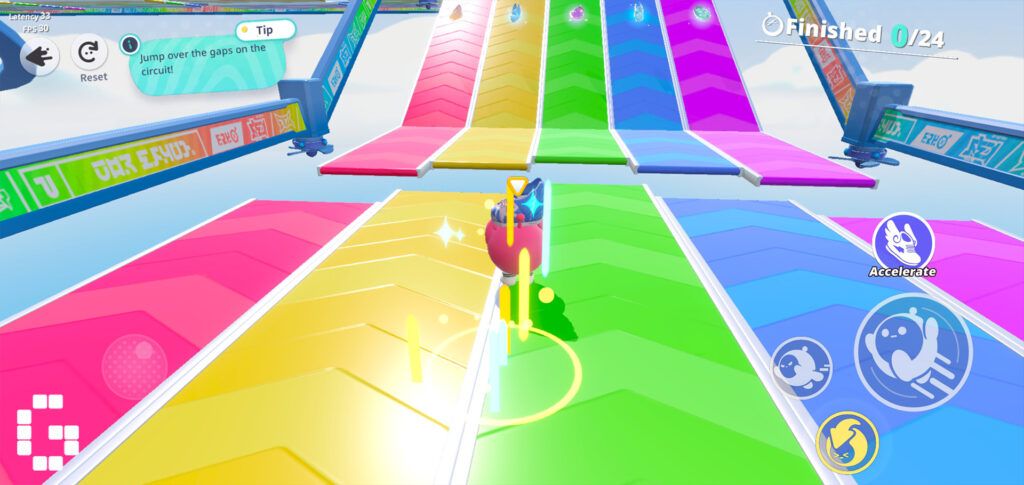
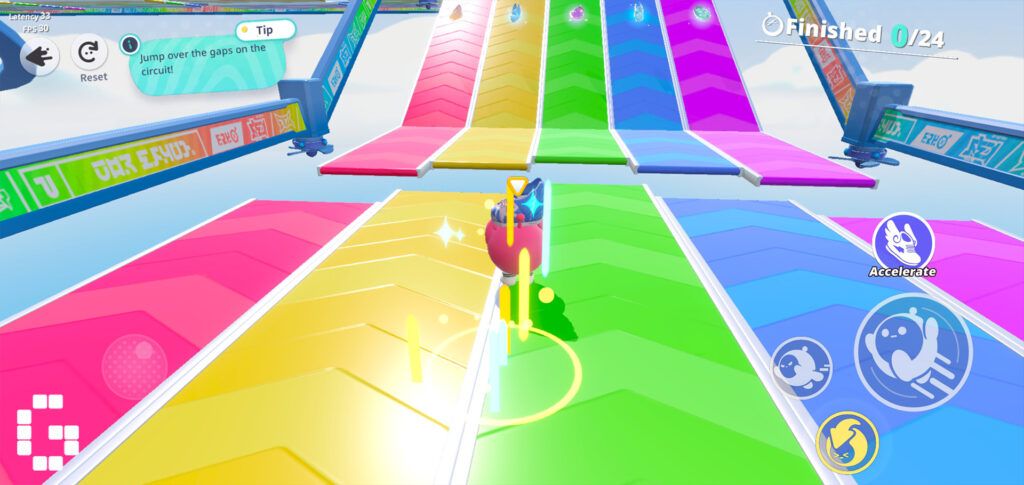
Visual cue: Egg's lean angle. Maintaining 20-25 degree forward tilt indicates sufficient velocity for effective canceling.
Control Optimization
Input responsiveness affects 0.3-second timing windows. Default settings include smoothing/acceleration curves introducing 50-100ms delays—enough to miss windows.
PC: Disable mouse acceleration, set raw input mode. Bind X (roll) and Ctrl (lunge) to accessible positions without hand repositioning. Top speedrunners rebind lunge to side mouse button for thumb activation.
Mobile: Enable performance mode to reduce frame processing. Position roll/lunge buttons in natural thumb rest area. Competitive mobile players use three-finger claw grip separating movement, roll, and lunge inputs.
Section 3 Layout Analysis

Key Obstacles
Entry zone: 30-degree decline extending 25 meters, terminating at Checkpoint Alpha. Checkpoint placement is crucial—sits at transition between decline and tunnel, so velocity persists.
After Checkpoint Alpha: 2-meter tunnel with three consecutive 90-degree turns. Tunnel descends 30 degrees for ~30 meters total. Standard routes lose significant speed on each turn (15% velocity reduction). Rolling Cooldown Cancel maintains higher baseline, reducing percentage loss impact.
Checkpoint Bravo: Tunnel exit, leading to open chamber with scattered obstacles and 15-meter sprint to section exit.
Activation Location
Optimal first cancel: 8 meters into initial 30-degree decline. Sufficient velocity from slope acceleration, with 17 meters remaining for 2-3 cancel cycles before Checkpoint Alpha.
Visual landmark: Small rock formation on left wall at 8-meter mark. When rock enters peripheral vision, initiate first roll. Roll carries ~6 meters before completion. At tail end—egg returning to upright—input directional lunge toward tunnel.
Second critical point: 0.5 seconds before each 90-degree tunnel turn. Rolling before turns carries velocity through corners while lunge provides directional correction.
Visual Landmarks
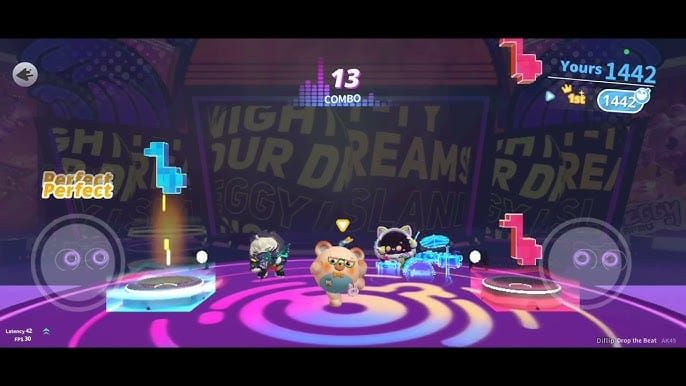
Entry decline: Bright overhead lighting casts shadow forward-left. When shadow extends to ~1.5x egg diameter, you've reached optimal cancel velocity.
Tunnel: Wall texture changes mark turn approaches. ~3 meters before corners, smooth stone transitions to rough rock—cue to begin pre-turn roll for corner navigation.
Exit chamber: Prominent stalactite at chamber midpoint. Passing beneath at roll-speed indicates successful tunnel cancels. Walking speed at stalactite means tunnel cancels failed.
Execution Guide
Input Sequence
Frame 0: Initial Roll
Press X at 8-meter mark. Egg enters roll state immediately. Animation lasts ~90 frames at 60 FPS (1.5 seconds). Velocity increases from base to maximum roll speed.
Frames 1-75: Animation Monitoring
Maintain directional input. Don't release movement keys—triggers 1.5-second momentum decay prematurely. Egg's lean angle maximizes at frame 45, returns to neutral at frame 76.
Frames 76-85: Cancel Window
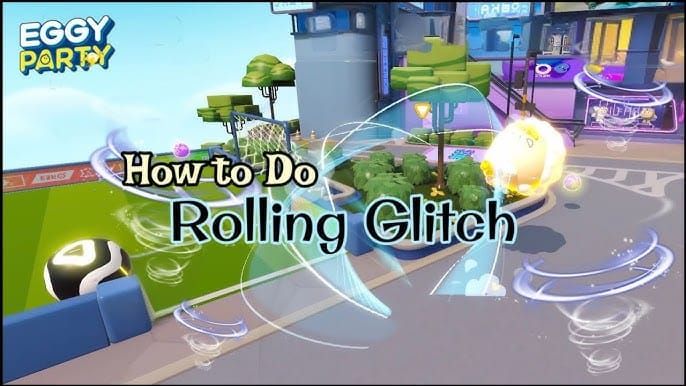
9-frame window (0.15 seconds at 60 FPS). Press Ctrl for lunge while holding movement key. Lunge animation overrides roll deceleration, transferring momentum to lunge velocity.
Frames 86-100: Verification
Egg maintains 85-90% roll speed during lunge. Visual confirmation: movement blur persists at similar intensity. Significant blur reduction means cancel failed.
Frame 101+: Cycle Reset
Lunge completes after ~0.8 seconds (48 frames). Roll cooldown continues during lunge—by lunge end, roll nearly recharged. Input another roll immediately for next cycle.
Timing Windows
Frames 76-80: Perfect window with 95% momentum transfer. Frames 81-85: Good window with 75-85% efficiency. Outside these ranges: fail to cancel (too early) or normal lunge without momentum (too late).
Audio cue: Roll sound includes subtle pitch decrease during final 15 frames. When pitch drop begins, you're entering cancel window.
Practice drill: Metronome at 100 BPM. Each beat = one complete cancel cycle (roll → cancel → verification). This rhythm matches optimal cancel frequency for Section 3. Execute on-beat consistently for 30 seconds to develop baseline timing.
For premium items and skins, buy eggy coins cheap at BitTopup with competitive pricing and fast delivery.
Visual/Audio Cues
Successful cancel: Movement blur maintains consistent intensity through roll-to-lunge transition—no visible deceleration. Failed cancels show clear blur reduction.
Camera behavior: FOV adjusts based on speed. Successful cancels maintain widened FOV from rolling rather than snapping to standard view. Creates smooth visual flow versus jarring FOV changes.
Audio: Roll and lunge sounds overlap. Failed cancels have clear gap between sounds, indicating normal deceleration before lunging.
Maintaining Momentum
Momentum preservation extends beyond individual cancels to chaining across Section 3. Each terrain transition requires adjusted timing for slope angles and obstacles.
30-degree entry decline: Execute 2-3 cancel cycles before Checkpoint Alpha. Declining angle naturally accelerates—each successive cancel starts from higher baseline. Third cancel = 60% faster than standard rolling.
Tunnel entrance: Sits ~15 degrees left of decline's straight path. Input directional change during lunge animation rather than between cycles—mid-air control allows 30% ground speed, prevents 15% velocity reduction.
Tunnel turns: Time cancels so lunge executes during turn itself. Lunge's directional component handles navigation while preserving forward momentum. Lunge-turning essential for maintaining chains through non-linear geometry.
Common Mistakes
Mistiming Initial Roll
Too early (before 8-meter mark): Complete roll before reaching optimal slope velocity. Cancel executes correctly but from lower baseline, reducing savings to 2-3 seconds instead of 4-5.
Diagnostic: Reaching Checkpoint Alpha at similar times with/without cancels means rolling too early. Fix: Use rock formation landmark consistently. Practice decline approach 10 times focusing solely on reaching rock before pressing X.
Too late (after 10 meters): Insufficient distance for multiple cycles before checkpoint. Might execute one cancel but lack space for second/third providing maximum advantage.
Losing Momentum
Most common error: Releasing directional input during cancel window. Pressing Ctrl without holding movement key = neutral lunge (defensive repositioning) with minimal forward velocity. Maintains only 30-40% roll speed instead of 85-90%.
Visual: Egg lunges nearly in place. Fix: Build muscle memory treating directional input as continuous. Hold W through entire sequences without releases.
Another source: Inputting directional changes during cancel window. Holding W during roll, switching to W+A for diagonal lunge during cancel triggers 15% velocity reduction. Maintain pure forward input through cancel, adjust direction during subsequent lunge animation.
Incorrect Positioning
Entry requires specific angle to align with decline's optimal path. Entering too far left/right requires corrections costing velocity before cancel attempts.
Entry checkpoint: 4-meter passage. Optimal positioning: 0.5 meters right of center crossing threshold. Aligns with decline's fastest line—path where slope angle and distance combine for maximum acceleration.
Practice: Run 20 entries focusing only on checkpoint crossing position. Ignore other techniques. Mark position mentally, note which lead to smoother decline navigation. Hit 0.5-meter-right position 15/20 attempts = solved prerequisite.
Recovery Strategies
Failed first cancel (frames 86-100 show blur reduction): Immediately transition to standard movement. Don't attempt second cancel from compromised velocity—you'll fail again. Use remaining decline to rebuild speed through normal rolling when cooldown completes.
Failed tunnel cancels: 2-meter width provides limited recovery. Lost momentum mid-tunnel = focus on clean corner navigation rather than rushed cancels. Smooth standard route loses 3-4 seconds versus perfect cancels but only 1-2 seconds versus botched attempts with wall collisions.
Mental component: Failed cancels trigger rushed decision-making attempting risky techs to make up time. Compounds errors. Accepting failed cancel and executing remaining section cleanly yields better times than desperation plays.
Practice Drills
Practice Mode Timing
Load Section 3, focus exclusively on entry decline for first 50 attempts. Don't proceed to tunnel until 70% success rate on decline cancels.
Drill: Execute 10 consecutive decline attempts, track successful cancels (maintaining 85%+ momentum). Rest 30 seconds between sets preventing fatigue-induced timing drift. Record success rate per set. Three consecutive sets at 7/10+ = baseline competency.
Advanced: Practice cancels at different animation points to understand window boundaries. Deliberately input at frames 70, 73, 76, 79, 82, 85, 88. Note which produce successful transfer, which fail. Builds conscious awareness becoming subconscious.
Progressive Training
Phase 1: Stationary (Days 1-2)
Flat ground practice without terrain complexity. Roll, wait for frames 76-85, input lunge. Focus purely on recognizing cancel window through visual/audio cues. Target: 90% execution on flat ground.
Phase 2: Shallow Slope (Days 3-4)
15-degree slope in any map. Gentler angle where velocity builds slower, giving more processing time. Target: 80% execution on 15-degree slopes.
Phase 3: Section 3 Decline (Days 5-7)
Actual 30-degree decline with full velocity. Success rate initially drops to 40-50%—expected. Previous phases built timing sense adapting to real conditions. Target: 70% execution on Section 3 decline.
Phase 4: Full Integration (Days 8+)
Complete Section 3 runs including tunnel cancels and exit chamber. Target: Full section with 3+ successful cancels in 60% of attempts.
Tracking Improvement
Spreadsheet columns: Date, Attempts, Successful Cancels, Section Time, Notes.
After each session (20-30 attempts), calculate success rate percentage and average completion time. Plot weekly. Effective practice shows upward success trend, downward time trend. Success rate plateau for 3+ sessions = current method maximized—need new drill or refinement.
Benchmarks:
- Week 1: 40-50% success, 52-55 seconds
- Week 2: 60-70% success, 48-51 seconds
- Week 3: 75-85% success, 45-47 seconds
- Week 4+: 85-90% success, 43-45 seconds
Top speedrunners: 90-95% success, sub-45 seconds. Requires 100+ hours focused practice beyond basic competency.
Time Savings
Normal vs Cancel Route
Standard Section 3 (51-54 seconds):
- Entry decline: 12-13s (2 rolls with walking)
- Tunnel: 18-20s (careful corners, 1-2 rolls)
- Exit chamber: 8-10s (final sprint with 1 roll)
- Transitions: 13-15s (checkpoints, positioning)
Proficient cancel (38-43 seconds):
- Entry decline: 8-9s (continuous cancel chains)
- Tunnel: 13-15s (lunge-turning with momentum)
- Exit chamber: 6-7s (high velocity entry)
- Transitions: 11-12s (smoother checkpoints)
Total improvement: 8-13 seconds. Variance depends on consistency—perfect cancels achieve lower end, 70-80% success lands middle range.
World Record Strategies
Top speedruns combine Rolling Cooldown Cancel with other techniques for compounding advantages. Section 3 mastery prerequisite for competitive times—enables subsequent section optimizations.
World records use Section 3 momentum to influence Section 4 entry. Exiting at high velocity carries speed into Section 4's initial obstacle, where mid-air charge jumps extend horizontal distance 30%. Secondary save: 2-3 seconds not appearing in isolated Section 3 analysis.
Skill transfers to other sections. Rolling Cooldown Cancel mechanics apply anywhere roll-to-lunge transitions occur. Sections 5, 7, 9 feature similar geometry providing 3-5 second advantages each. Mastering in Section 3 improves 40% of full course.
Competitive impact: 80%+ Section 3 cancel consistency typically places top 15% of leaderboards even with average performance elsewhere.
Personal Best Calculation
Expected Save = (Base Time - Target Time) × Success Rate
Example: Current average 52s, target 44s, practice success 70%:
- Potential: 52 - 44 = 8s
- Realistic: 8 × 0.70 = 5.6s
- New expected: 52 - 5.6 = 46.4s
Accounts for failed attempts reverting to standard routing. As success improves, realized savings approach theoretical maximum.
Track clean runs (no failed cancels) versus average runs (typical success rate) separately. Clean PBs show skill ceiling, average times reflect competitive performance under pressure. Gap indicates consistency development needs.
Advanced Tips
Input Buffering
Input buffering queues commands before executable, with game processing on first available frame. Eggy Party's buffer window: 5 frames (0.083s at 60 FPS) before action availability.
For Rolling Cooldown Cancel: Press Ctrl up to 5 frames before cancel window opens (frame 76), game executes lunge on frame 76 automatically. Expands timing window from 9 to 14 frames, increasing consistency significantly.
Implementation: Instead of waiting for animation to reach cancel point, input lunge at ~frame 71-72. Slightly early = buffer catches it. Slightly late but within window = still executes. Particularly valuable for tunnel cancels with less distinct visual cues.
Tradeoff: Reduced control over exact timing. Buffered inputs always execute earliest possible frame, might not be optimal for specific terrain. Advanced players use buffering for straightforward cancels (entry decline), manual timing for complex scenarios (tunnel corners).
Platform Differences
Mobile: Inherent touchscreen latency adds 30-50ms versus physical keyboards. Shifts effective timing windows, requires adjusted calibration.
Mobile technique: Enable Simplified Controls reducing simultaneous inputs required. Combines directional movement with automatic camera adjustment, freeing mental bandwidth for cancel timing. Top mobile players: 75-80% success with simplified versus 60-65% standard touch.
PC advantages: Macro potential for frame-perfect inputs. While discouraged competitively, understanding theoretical perfect timing helps manual execution. Optimal sequence: X press → 76-frame delay → Ctrl press while holding W. Practicing this rhythm manually builds near-macro precision.
Cross-platform: Practice on PC but compete on mobile (or vice versa) = dedicate 20% practice to competition platform. Timing sense transfers but requires platform-specific muscle memory calibration.
Combining with Other Tech
Mid-Air Charge Jump
After decline cancel, chain into mid-air charge jump at decline end. Cancel provides high horizontal velocity, charge jump adds vertical lift, clearing tunnel entrance barrier entirely and skipping first corner. Advanced combination saves additional 2-3 seconds but requires 90%+ cancel consistency prerequisite.
Gigantify Skill
Level 14 unlock, 16s cooldown, enables 20-meter leaps. Activating during successful cancel chain multiplies momentum, doubling distance per cycle. Optimal timing: Second cancel on entry decline, letting Gigantify duration cover tunnel where leap distance maximizes advantage.
Talent Synergy
Roll Cooldown seems relevant but experienced players prioritize Max Move Speed and Move Acceleration instead. These increase baseline velocity that cancels preserve, providing greater absolute speed gains. Optimal priority: Max Move Speed > Move Acceleration > Roll Duration > Max Roll Speed > Roll Acceleration > Roll Cooldown.
Troubleshooting
Timing Diagnosis
Record 10 consecutive attempts, categorize failures:
Too Early (frames 60-75)
- Symptom: Lunge executes mid-roll, immediate deceleration
- Visual: Egg stutters with animation interruption
- Fix: Delay Ctrl by counting one-thousand-one after X
Too Late (frames 86+)
- Symptom: Roll completes, decelerate to normal, then lunge at base velocity
- Visual: Clear gap between roll ending and lunge starting
- Fix: Input earlier using audio cue (pitch drop) not visual confirmation
Inconsistent (sub-50% random pattern)
- Symptom: Some perfect, others fail with no pattern
- Root cause: Visual reaction not rhythm-based timing
- Fix: Metronome practice at 100 BPM for consistent internal timing
7+ out of 10 in same category = systematic timing error needing specific correction. Even distribution = inconsistent execution rhythm requiring fundamental timing development.
Environmental Factors
Slope Transitions
Entry decline isn't uniform 30 degrees—includes micro-transitions 28-32 degrees affecting acceleration. Cancels during transitions produce unexpected velocity. Fix: Position cycles avoiding transition zones at 6-7m and 14-15m down decline.
Checkpoint Interaction
Crossing Checkpoint Alpha triggers 2-3 frame system check interrupting cancel if timed poorly. Cancel window overlapping checkpoint = game prioritizes checkpoint, cancel fails. Solution: Complete final decline cancel 2+ meters before checkpoint, execute next after crossing.
Tunnel Width
2-meter width narrows to 1.8m at corners due to collision geometry. Lunge-turn extending beyond width = wall collision, momentum loss. Tunnel cancels require directional precision—lunge toward corner exit not straight forward.
Hardware/Connection
Frame Rate
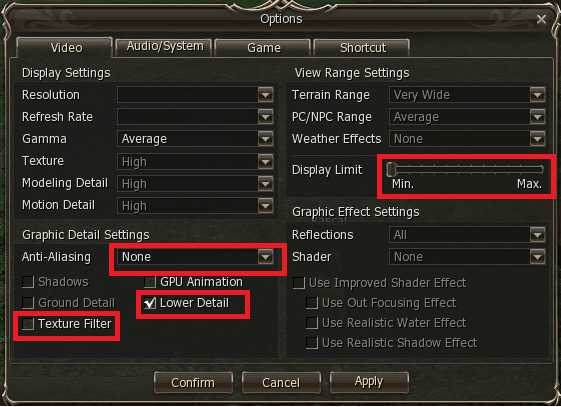
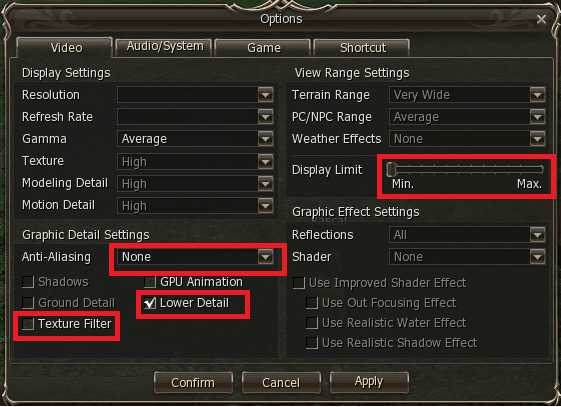
Cancel windows are frame-based, so inconsistent FPS alters real-time duration. 60 FPS dropping to 45 FPS during Section 3 misaligns practiced timing. Enable performance mode, reduce graphics for stable 60 FPS.
Input Lag
Online play introduces 20-80ms delay depending on server distance/connection. Delay consistent within session but varies between sessions. Practice on same servers you'll compete on for specific latency calibration.
Controller vs Keyboard
Controllers add 8-15ms input processing versus keyboards. Shifts optimal cancel timing slightly later. Practice on keyboard but compete with controller = add ~1 frame (16ms at 60 FPS) to cancel input timing.
Alternative Strategies
Backup Route
When cancel fails mid-section, transition to Consistent Clear route prioritizing reliability over max speed. Completes in 48-51 seconds—slower than perfect cancels but faster than botched attempts with recovery.
Structure:
- Entry decline: Two standard rolls with walking (12s)
- Checkpoint Alpha: Clean crossing with forward momentum (2s)
- Tunnel: Single roll before first corner, walk remaining with optimal angles (19s)
- Exit chamber: Final roll for straight sprint (8s)
- Total: 48-51s with 95% success
Fallback during competitive runs when recognizing early cancel execution isn't working. Prevents compounding losses from repeated failures.
Other Skip Techniques
Gigantify Skip
Requires Gigantify skill (level 14). Activate at entry decline start, use 20-meter leap to clear entire decline and tunnel entrance in one jump, landing in exit chamber. Saves 9-11 seconds but requires 16s cooldown available, limiting to once per full course.
Optimal: Save Gigantify specifically for Section 3 in full runs. Time save exceeds potential in other sections, making it priority usage. Success rate: 85-90%.
Wall-Ride Navigation
Uses tunnel's curved walls to maintain velocity through corners without lunge-turning. Approach corners at 45-degree angles, letting collision box slide along wall surface rather than sharp turns. Saves 2-3 seconds versus standard corners but requires precise angle control.
Doesn't require Rolling Cooldown Cancel, accessible to players developing cancel consistency. Combined with basic rolling achieves 47-49s Section 3 times—competitive with moderate cancel success.
Route Selection
Use Rolling Cooldown Cancel When:
- Practice success exceeds 70%
- Attempting personal best or competitive ranking
- Early course sections went well, mental bandwidth available
- Run already strong, need maximum optimization
Use Consistent Clear When:
- Practice success below 70%
- Qualification round where completion matters more than optimal time
- Earlier sections had errors, need reliable recovery
- Fatigued or experiencing input inconsistency
Use Gigantify Skip When:
- Skill available (not on cooldown)
- Need to make up significant time from earlier mistakes
- Confident in landing execution (85%+ practice success)
- No other section offers better Gigantify value
Competitive players prepare multiple options, make real-time decisions based on run conditions. Prevents forcing techniques in suboptimal situations where standard routing yields better results.
FAQ
What is Rolling Cooldown Cancel in Eggy Party?
Advanced movement technique preserving roll momentum by inputting directional lunge during final 9 frames of roll animation (frames 76-85 at 60 FPS). Overrides normal deceleration, maintaining 85-90% roll velocity into lunge state for continuous high-speed movement through sections normally requiring stop-and-wait cooldown management.
How much time does Section 3 skip save?
Proficient execution saves 8-13 seconds versus standard routing. 70% success rates typically save 5-6 seconds in practice, while 90%+ consistency achieves full 8-13 second advantage. Reduces Section 3 from 51-54 seconds (standard) to 38-43 seconds (optimized).
What's the timing for Rolling Cooldown Cancel?
Optimal window: frames 76-85 of roll animation (0.15s at 60 FPS). Input directional lunge (Ctrl) when hearing roll sound pitch decrease or seeing egg return to upright. Input buffering allows pressing Ctrl up to 5 frames early (frame 71), with game executing on frame 76 automatically.
Can you use Rolling Cooldown Cancel on mobile?
Yes, but mobile has 30-50ms additional touchscreen latency. Enable Simplified Controls to reduce simultaneous inputs, position roll/lunge buttons in natural thumb areas. Top mobile players achieve 75-80% success versus 85-90% on PC, making technique viable but requiring platform-specific calibration.
How do I practice effectively?
Progressive training: Stationary on flat ground (90% target) → 15-degree slopes (80%) → Section 3 decline (70%). Practice in 10-attempt sets with 30s rest. Track success rates, expect 40-50% initially, improving to 70-85% after 2-3 weeks focused practice (20-30 attempts per session).
Is Rolling Cooldown Cancel a glitch?
No, exploits intended mechanics—separation between roll cooldown and lunge availability, combined with momentum inheritance during animation transitions. Requires precise timing and skill, not unintended bugs. Accepted in competitive speedrunning, doesn't violate terms of service.
Master Eggy Party speedruns with premium skins and exclusive items! Top up securely at BitTopup for instant delivery and best rates. Unlock competitive advantages today!