The Golden Age (Patch 2.0-2.3)
Harmony Trailblazer's +160% Super Break DMG created multiplicative damage with Ruan Mei's buffs:
- Skill Overtone: +50% Break Effect, +16% DMG for 3 turns
- Ultimate: +15% All-Type RES PEN, extends Break duration (20% Break Effect +10%)
Firefly's Enhanced Skill deals Fire DMG at (0.2×Break Effect +200%) SAM ATK for main targets, capped at 360% Break Effect. Her Ultimate grants +60 SPD, +50% Break efficiency, +20% enemy Break DMG taken.
Forge of the Kalpagni Lantern amplified this: +6% SPD, +40% Break Effect vs Fire Weakness enemies. Complete Combustion advanced action by 100% while consuming 40% Max HP but regenerating 60% Energy.
Resist-Break Mechanics Introduction
Stage 12 Node 2 features Hoolay's Moon Rage: at 6 stacks, +40% SPD and summons Sableclaw Wolftrooper reinforcements. Summon generation outpaces standard Break team toughness output.
Borisin Warhead and Hoolay possess Physical/Fire weaknesses but regenerate toughness through resist-Break mechanics. Stage 11's Borisin Warhead requires immediate breaks to prevent summons—timing windows Super Break's sustained damage can't exploit.
Shape of Shifter and Sweet Gorilla disable enemy weaknesses entirely. Firefly's Enhanced Skill applies Fire Weakness for 2 turns, but against weakness-nullifying enemies, this fails.
Memory Turbulence Amplification
Current Memory Turbulence awards 10 stacks from weakness attacks dealing True DMG. Ally summons grant +40% DMG boost and True DMG instances—bypassing toughness entirely.
Super Break requires Weakness Broken enemies. Memory Turbulence activates regardless of Break status. Summon teams access both 40% DMG boost and True DMG from turn one, while Break teams must setup first.
Firefly's Ultimate costs 240 energy, grants 5 per use. Talent regenerates 50% energy below 50% threshold—after setup turns. Summon teams establish early damage leads that compound throughout encounters.
What Is Resist-Break and How Does It Work?
Resist-break introduces toughness regeneration, locks, and Break efficiency reduction countering traditional Break systems.
When Hoolay summons reinforcements at 6 Moon Rage stacks, toughness bars create distributed pools. Breaking one enemy doesn't prevent others acting—summon generation exceeds Break team output.
Toughness lock prevents Weakness Broken states even at zero toughness. This negates Super Break damage entirely. Firefly's Module β deals 35%/50% Super Break DMG on Weakness Broken enemies at 200%/360% Break Effect—if enemies can't be Weakness Broken, this damage disappears.
Technical Definition: Toughness Lock vs Standard
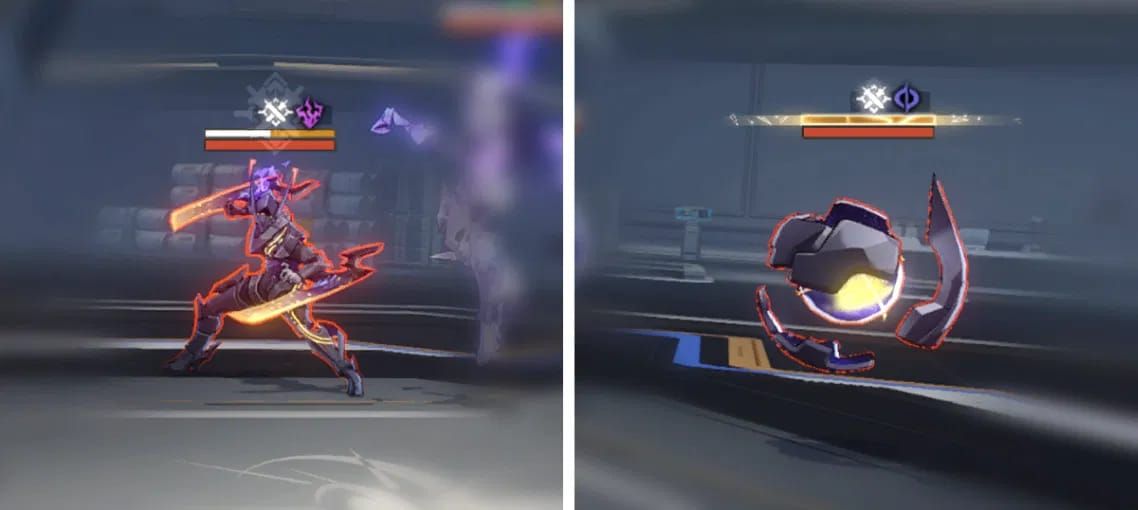
Standard toughness: Depletes from weakness-matching attacks. At zero, enemy enters Weakness Break with action delay, vulnerable to Break/Super Break DMG. Regenerates after Break duration expires.
Toughness lock: Prevents Weakness Break state transition. Toughness bar depletes visually but mechanical state change doesn't occur. Break Effect investment provides zero damage return—Super Break multipliers can't activate.
Exo-toughness: Secondary layer requiring depletion before accessing primary toughness. Absorbs toughness damage without triggering Weakness Break, effectively doubling requirements.
Resist-Break Values: Enemy Stats
Stage 12 enemies possess significantly higher base toughness. Where previous cycles allowed Weakness Break in 2-3 Enhanced Skill rotations, current enemies require 4-5+.
Break efficiency reduction applies multiplicatively. Ruan Mei's +50% Break Efficiency and Firefly's Ultimate +50% combine substantially, but resist-break applies percentage reductions to final toughness damage—requiring 150-200% normal damage for same Break timing.
This disproportionately affects Break teams. Hypercarry teams dealing direct HP damage bypass toughness entirely. Break teams overcome both increased toughness and reduced efficiency simultaneously.
How Resist-Break Reduces Super Break Output
Super Break formula: Base Break DMG × (1 + Break Effect%) × Super Break Multiplier.
Firefly's Module β: 50% Super Break at 360% Break Effect. Harmony Trailblazer: +160% Super Break DMG. These multiply base Break damage scaling with attacker level and toughness damage dealt.
Resist-break reduces toughness damage, directly decreasing base Break DMG. If an attack dealing 100 toughness damage instead deals 60, the entire calculation scales from that reduced base. With 360% Break Effect and combined multipliers, final damage drops 40-50%.
Reduction compounds with action economy losses. Complete Combustion operates on countdown SPD 70. If resist-break extends time-to-Break, Firefly exhausts Combustion before enemies become vulnerable, wasting peak damage windows.
Exo-Toughness Impact
Exo-toughness shields must deplete before primary toughness becomes vulnerable. Doesn't prevent HP damage but blocks Weakness Break transitions—creating dead zones where Break Effect provides zero return.
Forces extended setup. Firefly's Skill consumes 40% Max HP, regenerates 60% Energy, advances action 25%. If Enhanced Skills deplete exo-toughness without triggering Break, energy/HP expenditure yields minimal damage. Sustain must compensate without damage justifying investment.
Interacts poorly with Fire Weakness application. Enhanced Skill applies Fire Weakness for 2 turns—if exo-toughness persists, weakness expires before depletion. Forces additional casts purely for maintenance, straining energy economy and Combustion uptime.
Why Firefly Teams Specifically Struggle
Firefly's damage concentrates in Super Break, creating single-point failure. Enhanced Skill caps at 360% Break Effect. Optimal builds: 360%+ Break Effect, 2600+ ATK, 150 base SPD. This maximizes favorable conditions but provides no fallback when Super Break becomes inaccessible.
Ruan Mei/Harmony Trailblazer dependency exacerbates this. Ruan Mei requires 180% Break Effect for A2's 36% DMG buff—competing with Firefly's needs. Harmony Trailblazer's +160% Super Break scales with enemy count through Dance With the One (+20-60%), but summon encounters fragment positioning.
For efficient resource acquisition enabling faster character access, competitive honkai star rail top up site services help address mechanical limitations.
Firefly's Damage Profile
Level 80 base stats: HP 814, ATK 523, DEF 776, SPD 104. Low base ATK requires significant investment reaching 2600+ for optimal Module γ (+0.8% Break Effect per 10 ATK above 1800). Creates gear tension between ATK%, Break Effect%, SPD.
Ultimate costs 240 energy, grants 5 per use. Complete Combustion advances action 100%, provides +60 SPD, +50% Break efficiency, +20% Break DMG taken, but operates on countdown SPD 70. Higher SPD paradoxically reduces Combustion duration in turns.
Enhanced Skill's 40% Max HP consumption requires dedicated sustain. Lingsha provides healing and Break Effect support but occupies a damage amplification slot. 25% Max HP restoration partially offsets consumption, but sustained spam creates net HP loss.
Ruan Mei + Harmony Trailblazer Dependency
Ruan Mei's Skill: +50% Break Effect, +16% DMG for 3 turns. Requires 180% Break Effect maximizing A2's 36% DMG buff. Ultimate: +15% All-Type RES PEN, extends Break duration. Field duration requires timing alignment with Combustion—misalignment wastes buff uptime.
Harmony Trailblazer's +160% Super Break DMG provides foundation but offers minimal utility beyond enablement. In resist-break scenarios where Super Break becomes inaccessible, contributes negligible value—effectively three characters carrying one dead slot.
Dual-support creates SP strain. E1 makes Enhanced Skill cost no SP, but E0 consumes 1 SP each. Ruan Mei and Harmony Trailblazer require SP maintaining buff uptime. Extended encounters cause SP starvation forcing suboptimal rotations.
Fire Weakness Availability
Stage 12 second half features Physical/Fire weaknesses on Borisin Warhead and Hoolay—theoretically favorable. Enhanced Skill applies Fire Weakness for 2 turns, Technique Δ Order provides initial application with 200% SAM ATK Fire DMG.
Hoolay's Moon Rage at 6 stacks summons Sableclaw Wolftrooper with different weakness profiles. If summons lack Fire weakness, Enhanced Skill damage drops significantly—(0.2×Break Effect +200%) applies only 200% base without Break Effect scaling vs non-weak enemies.
2-turn Fire Weakness duration creates maintenance requirements. Multi-wave encounters or frequent summon generation force repeated applications, consuming casts that could focus toughness damage. Extends time-to-Break, reduces efficiency, compounds resist-break penalties.
Damage Reduction: Actual Numbers
Favorable cycles: premium teams achieve 5.5-cycle Stage 12 clears. Complete Combustion enables 6-8 Enhanced Skills per rotation, each dealing 60,000-70,000 to Weakness Broken enemies. Total per cycle: 420,000-560,000.
Current resist-break: same team averages 9.22 cycles at E0. Enhanced Skill drops to 35,000-45,000 per cast. Combustion cycles yield 245,000-360,000—40-50% reduction. Damage deficit requires additional rotations, but energy constraints limit frequency.
Gap widens vs non-Break teams. Hypercarry teams bypass toughness entirely, maintaining consistent output. Follow-up teams trigger on action counts rather than Break states. Relative performance shifts Break teams from top-tier to mid-tier.
Super Break Damage Calculation Breakdown
Formula: Base Toughness Damage → Break Effect Multiplier → Super Break Multiplier → Final Damage.
Firefly's Module β at 360%: 50% Super Break DMG. Harmony Trailblazer: +160% Super Break DMG. Apply sequentially to base toughness damage.
Base derives from Enhanced Skill: (0.2×Break Effect +200%) SAM ATK, capped at 360%. At cap: (0.2×360% +200%) = 272% SAM ATK. With 2600 ATK: 7,072 base before multipliers. Iron Cavalry's DEF-ignore ensures full toughness application in standard scenarios.
Resist-break introduces percentage reductions at toughness stage. If 40% reduction applies, 7,072 becomes 4,243. Reduced base receives Break Effect/Super Break multipliers, but final output scales from diminished foundation. Multiplicative calculations compound early-stage reductions.
Standard Formula
Complete calculation for level 80 Firefly with 360% Break Effect:
Enhanced Skill Base (7,072) × Break Effect Multiplier (1 + 3.60 = 4.60) × Super Break Multipliers (Module β 50% + Harmony Trailblazer 160% = 2.10 total)
Result: 7,072 × 4.60 × 2.10 = 68,356 per Enhanced Skill vs Weakness Broken enemies.
Ruan Mei's +50% Break Efficiency increases toughness damage, feeding back into base calculation. Ultimate's +15% All-Type RES PEN applies to final damage. Complete Combustion's +20% Break DMG taken creates another multiplicative layer.
Assumes enemies can be Weakness Broken and remain so. Enhanced Skill applies Fire Weakness for 2 turns enabling initial Break. Ruan Mei's Ultimate extends Break duration through action delays. Synergy creates sustained high output—only when enemies cooperate.
Resist-Break Modification
Resist-break reduces toughness damage before Break Effect multipliers. With 40% reduction, Enhanced Skill's 7,072 base becomes 4,243.
Calculation: 4,243 × 4.60 × 2.10 = 41,014—40% reduction from standard 68,356.
Applies per cast, compounding over encounters. If Firefly casts 8 Enhanced Skills during Combustion: (68,356 - 41,014) × 8 = 218,736 damage lost. Against 500,000+ HP pools, this deficit translates directly to additional cycles.
Toughness reduction extends time-to-Break. If enemy requires 1,000 toughness and resist-break reduces by 40%, Firefly must deal 1,667 effective damage (accounting for reduction). Requires additional casts, consuming Combustion duration, potentially exhausting state before Break.
Break Effect Diminishing Returns
Enhanced Skill caps at 360% Break Effect—hard ceiling for Break Effect investment. Beyond 360%, additional provides no damage increase from primary source. However, Break Effect still scales Super Break through Break Effect Multiplier (1 + Break Effect%), meaning investment beyond 360% provides marginal returns through multiplier stage.
Ruan Mei's 180% Break Effect requirement for max A2 creates secondary threshold. Teams balance Firefly's 360% target, Ruan Mei's 180%, and Harmony Trailblazer's needs. Relic/Light Cone distribution becomes critical—Break Effect% main stats/substats are finite.
Forge of the Kalpagni Lantern: +40% Break Effect vs Fire Weakness for 1 turn, but conditional requires maintaining Fire Weakness. In resist-break scenarios where application becomes inconsistent, effectiveness drops. 99.61% usage rate indicates optimal choice, but practical benefit diminishes when trigger fails.
Real Example: Before vs After
Favorable cycles: Premium team achieves 5.5-cycle Stage 12 clears. Combustion enables 6-8 Enhanced Skills, each 60,000-70,000 to Weakness Broken enemies. Total per cycle: 420,000-560,000—sufficient to eliminate/severely damage targets.
Current resist-break: Same team averages 9.22 cycles at E0. Enhanced Skill drops to 35,000-45,000. Combustion yields 245,000-360,000—40-50% reduction. Deficit requires additional rotations, but energy constraints limit frequency.
Gap widens vs non-Break teams. Hypercarry deals direct HP damage bypassing toughness. Follow-up triggers on actions rather than Break states. Relative performance shifts Break teams from top to mid-tier.
Common Misconceptions
Just stack more Break Effect misunderstands Firefly's 360% cap. Players see Break Effect scaling and assume infinite scaling, but Enhanced Skill caps at 360% for base damage. Additional provides only Break Effect Multiplier benefit (1 + Break Effect%)—diminishing returns vs investing ATK%, SPD.
Firefly is bad now conflates character design with environmental mechanics. Her kit remains mechanically sound—formulas, energy economy, support synergies function as designed. Performance decline stems from MoC introducing resist-break countering Break strategies. In content without resist-break, Firefly maintains competitive performance (99.46% Iron Cavalry, 99.61% Forge Kalpagni usage).
All Break teams are dead ignores performance variations. Boothill and Rappa possess different damage profiles interacting differently with resist-break. Boothill's single-target focus and enhanced Break vs specific enemies provide advantages where Firefly's AoE struggles. Rappa's Imaginary access creates alternative compositions with distinct characteristics.
Why Stacking Break Effect Fails
Module γ: +0.8% Break Effect per 10 ATK above 1800. At 2600 ATK, gains +64% Break Effect toward 360% cap. Prioritizing Break Effect% beyond 360% sacrifices ATK%, SPD, defensive stats providing broader utility.
360% cap applies to Enhanced Skill base damage. Break Effect Multiplier (1 + Break Effect%) continues beyond 360%, but provides smaller increases. At 360%: 4.60× multiplier. At 450%: 5.50× multiplier—19.6% increase. Achieving that +90% Break Effect requires investment that could boost ATK 2600→3100 (+19.2% damage) or SPD for action economy.
Resist-break further diminishes stacking value. If toughness reduction applies before Break Effect multipliers, investing amplifies reduced base damage. Multiplicative loss from resist-break exceeds multiplicative gains from additional Break Effect—negative returns. Rebalancing toward ATK/SPD provides more consistent value across content types.
Separating Character from Mechanics
Usage rates demonstrate continued investment despite challenges. 99.46% Iron Cavalry, 99.61% Forge Kalpagni indicate players recognize optimal builds. 16.52% E0 usage in current MoC reflects environmental unsuitability rather than character weakness—players choose alternative teams for specific content, not abandoning entirely.
Kit provides unique utility beyond damage. Fire Weakness application enables Break vs enemies lacking natural Fire weakness. 25% Max HP restoration on Enhanced Skill hits provides sustain reducing healer burden. Combustion's +60 SPD and 100% action advance create action economy benefiting team rotation timing.
Eidolon scaling shows potential. E2 achieving 6.58 cycles with 57.48% usage demonstrates viability with investment. Extra turn on Weakness Break provides action economy partially compensating extended time-to-Break. Indicates character strength—investment threshold simply increased.
Boothill and Rappa Performance
Boothill's single-target Break focus advantages encounters with high-value priority targets. Enhanced Break vs specific enemy types creates scenarios where concentrated damage outperforms Firefly's AoE. In stages where eliminating one enemy prevents cascading mechanics (Hoolay's summons), Boothill's burst provides strategic value Firefly's sustained damage can't replicate.
Rappa's Imaginary access diversifies Break team elemental coverage. Enemies resistant to Fire but vulnerable to Imaginary create scenarios where Rappa outperforms. Unique Break mechanics interact differently with resist-break penalties, potentially providing more consistent output in specific compositions.
Break performance varies by support composition. Teams incorporating Fugue alongside Ruan Mei/Lingsha access additional Break Effect buffs partially offsetting resist-break penalties. Premium Firefly composition (Firefly, Fugue, Ruan Mei, Lingsha) achieves better performance than standard, indicating support optimization provides meaningful gains even in unfavorable environments.
Practical Solutions: Optimizing for Resist-Break
SPD tuning becomes critical where Combustion duration must maximize. Base 150 SPD (155 for 164 with buffs) assumes favorable Break timing. In resist-break, increasing to 160+ pre-Combustion enables additional Enhanced Skills before countdown SPD 70 expires. However, SPD competes with Break Effect/ATK requirements.
SPD breakpoint at 134+ provides baseline action economy, but resist-break benefits from higher thresholds. At 160+ SPD, Firefly gains additional turns before enemy actions, enabling more toughness damage before enemies execute complicating mechanics. 210 Combustion SPD (150 base + 60 Ultimate) enables 0-cycle in favorable conditions, but resist-break makes 0-cycle impractical.
Relic main stat priority shifts in extended encounters. Standard builds: Break Effect% body, ATK% boots, Fire DMG% sphere. In resist-break, SPD boots provide more value enabling additional actions, compensating reduced per-action damage with increased action frequency. Trade-off reduces peak damage but improves sustained damage over extended encounters.
Relic Adjustments
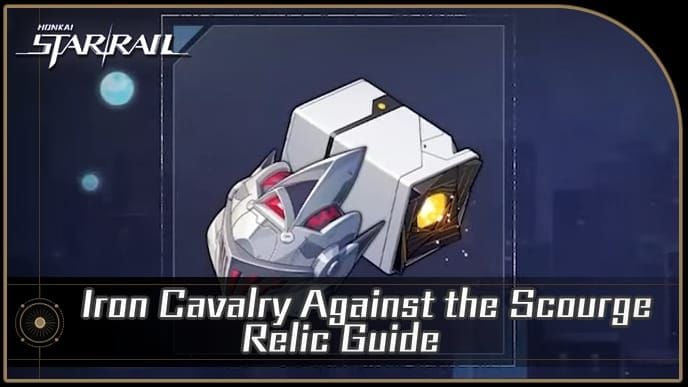
Iron Cavalry 4-piece remains optimal (DEF-ignore for Break/Super Break), maintaining 99.46% usage. However, substat priorities shift. Standard: Break Effect% > ATK% > SPD. In resist-break: SPD% > ATK% > Break Effect% provides better returns maximizing action count during Combustion.
Forge Kalpagni's +6% SPD provides baseline, but +40% Break Effect conditional becomes less reliable when Fire Weakness faces resist-break interference. Alternative ornaments offering unconditional SPD/ATK may provide more consistent value, though 99.61% usage indicates most retain Kalpagni for peak performance in favorable matchups.
Substat thresholds require recalibration. Reaching exactly 360% Break Effect remains important for Enhanced Skill cap, but exceeding provides diminishing returns. Excess Break Effect% substats should trade for SPD/ATK% when possible. Module γ conversion (+0.8% Break Effect per 10 ATK above 1800) means ATK investment provides dual value.
Team Composition Tweaks
Lingsha provides healing and Break Effect support—premium sustain for Firefly. Break-focused kit synergizes while providing necessary healing offsetting 40% Max HP consumption. However, in resist-break where Break damage becomes less accessible, alternative sustain offering defensive utility may provide better survival in extended encounters.
Gallagher offers budget sustain with adequate healing and some Break synergy, though less optimized. Lower gear requirements free resources for Firefly, Ruan Mei, Harmony Trailblazer. In resist-break where clear times extend regardless, Gallagher's sufficient healing may prove more resource-efficient than pursuing Lingsha.
Premium composition (Firefly, Fugue, Ruan Mei, Lingsha) maximizes Break Effect buffs. Fugue provides Break Effect scaling and support partially compensating resist-break penalties. However, requires significant investment across four limited characters—opportunity costs may exceed performance gains in resist-break where Break teams fundamentally struggle.
Light Cone Choices
Whereabouts Should Dreams Rest: +60-100% Break Effect, applies Routed (+24-40% Break DMG taken for 2 turns, -20% SPD penalty). Break Effect helps reach 360% cap, Routed amplifies team Break damage. However, -20% SPD extends encounters, increasing exposure to enemy mechanics in resist-break. Trade-off favors burst over sustained.
Alternative Light Cones offering unconditional ATK%/SPD may provide more consistent value in resist-break. Reduced reliance on Break Effect when Super Break becomes less accessible shifts priorities toward stats benefiting all damage sources. However, Firefly's profile remains heavily Break-focused even unfavorably, making Whereabouts optimal for most scenarios despite SPD penalty.
Investment priority depends on account resources and alternatives. For heavily invested Firefly accounts, securing signature maximizes performance across content types. For accounts developing multiple DPS, investing Light Cone resources in characters less affected by resist-break may provide better overall progression.
Skill Rotation Optimization
Optimal rotation begins with Technique Δ Order for initial Fire Weakness and 200% SAM ATK damage. Enables immediate Enhanced Skill without requiring standard Skill for weakness application. Technique damage contributes to initial toughness depletion. In resist-break, front-loaded toughness becomes more valuable reducing Enhanced Skill casts required during Combustion.
Ultimate timing requires consideration. Casting immediately provides Combustion buffs (+60 SPD, +50% Break efficiency, +20% enemy Break DMG taken) but starts countdown SPD 70 timer. In resist-break, delaying until after initial toughness from Technique/first Enhanced Skill ensures Combustion activates closer to Break timing, maximizing Super Break uptime during buffed state.
Ruan Mei/Harmony Trailblazer buff alignment becomes critical. Ruan Mei's Skill lasts 3 turns, Ultimate has limited duration. Harmony Trailblazer's Super Break requires active presence. Staggering support buffs maintains continuous coverage throughout Combustion. In extended resist-break encounters, planning buff rotations for multiple Combustion cycles requires careful SP management and turn counting.
Alternative Compositions Bypassing Resist-Break
Hypercarry teams (Acheron, Jingliu, Dan Heng IL) deal direct HP damage bypassing toughness entirely. Acheron's Nihility-stacking and Ultimate-focused profile operates independently of toughness bars. Output remains consistent regardless of resist-break, providing reliable clears where Break teams struggle. Investment in Acheron supports (Pela, Silver Wolf, Jiaoqiu) creates compositions unaffected by MoC shifts targeting Break.
Follow-up teams (Feixiao, Dr. Ratio, Topaz, Robin) generate damage through action-triggered follow-ups rather than Break states. Current Memory Turbulence's 40% DMG boost for summons synergizes with follow-up mechanics—many qualify as summon actions. Creates double advantage: bypassing resist-break while accessing Memory Turbulence bonuses, resulting in superior performance vs Break teams.
DoT teams (Kafka, Black Swan) scale through debuff application and DoT triggers rather than toughness damage. Kafka's Ultimate/follow-ups detonate DoTs for immediate damage, Black Swan's Arcana stacks provide scaling DoT over time. Mechanics operate independently of toughness bars/Break states, maintaining consistent output across all MoC environments regardless of resist-break.
Hypercarry Performance
Acheron's Slashed Dream accumulates through Nihility actions/debuff applications, charging Ultimate independently of enemy mechanics. Ultimate deals massive AoE ignoring toughness, providing burst eliminating enemies before resist-break becomes relevant. Current MoC: Acheron teams achieve competitive clears without performance variance affecting Break teams.
Jingliu's Spectral Transmigration provides enhanced damage and HP consumption similar to Combustion, but damage relies on ATK scaling/CRIT rather than Break Effect. Ice damage bypasses toughness when enemies aren't Weakness Broken, dealing consistent damage regardless of Break state. Self-sufficient profile requires less support dependency than Firefly's Break approach, creating more flexible compositions.
Dan Heng IL's Righteous Heart stacks and Fulgurant Leap provide scaling Imaginary damage based on action count/buff stacks. Output increases throughout encounters—inverse scaling vs Break teams front-loading damage during Break windows. In extended resist-break encounters, DHIL's sustained scaling maintains competitive performance where Firefly's plateaus after initial Break attempts.
Follow-Up Teams
Feixiao's Flying Aureus triggers follow-ups based on team action counts, generating damage independent of toughness states. Current Memory Turbulence grants 40% DMG boost for summons—Feixiao's follow-ups qualify. Creates mechanical advantage where Feixiao teams access damage multipliers Break teams can't, resulting in superior current MoC performance.
Dr. Ratio's follow-ups trigger when enemies have 3+ debuffs, creating debuff-stacking gameplay. Teams with Ratio, Topaz, Robin, Aventurine apply multiple debuffs per turn, triggering frequent follow-ups bypassing toughness. Damage consistency across enemy types/mechanical environments makes Ratio teams reliable for diverse content, avoiding matchup dependency affecting Break teams.
Robin's Concerto provides team-wide action advance and ATK buffs amplifying follow-up frequency/damage. Ultimate's action advance enables additional follow-up triggers per cycle, multiplicatively increasing output. Synergy between Robin's buffs and follow-up mechanics creates damage scaling exceeding Break team output in resist-break, establishing follow-up teams as current meta leaders.
DoT Teams
Kafka's Caressing Moonlight follow-up detonates all DoTs for immediate damage, converting sustained DoT into burst windows. Ultimate applies Shock and detonates DoTs—both damage application and immediate conversion. Dual-purpose mechanic creates output scaling with debuff count rather than Break states, maintaining effectiveness across enemy types regardless of toughness.
Black Swan's Arcana stacks accumulate through attacks/debuff applications, dealing Wind DoT at enemy turn start. Mechanic scales with stack count and Black Swan's stats, creating exponential damage growth in extended encounters. Resist-break scenarios extending encounter duration actually favor Black Swan—additional turns enable higher Arcana accumulation and greater total DoT output.
Kafka, Black Swan, Ruan Mei, Huohuo composition provides optimal DoT performance. Ruan Mei's Ultimate extends debuff duration, increasing Arcana/Shock uptime. Huohuo provides energy regeneration enabling frequent Ultimates from Kafka/Black Swan, maximizing DoT application/detonation frequency. Team's damage profile scales independently of enemy mechanics, providing consistent performance across all MoC cycles.
When to Switch from Break Teams
Account resources determine optimal investment. Players with heavily invested Firefly teams (E2+, signature Light Cone, optimized relics) should maintain for favorable content while developing alternatives for resist-break. Resource investment already committed retains value in content without resist-break, making complete abandonment inefficient.
Early/mid-game players should evaluate upcoming banners and MoC trends before committing to Break investment. If resist-break becomes standard in future cycles, investing in hypercarry/follow-up provides more future-proof development. However, Break teams maintain advantages in other endgame modes (Pure Fiction, Apocalyptic Shadow), making them valuable for comprehensive progression.
Decision point occurs when Break performance drops below acceptable clear thresholds. If Firefly teams can't achieve 3-star clears despite optimization, switching becomes necessary for reward acquisition. However, if achieving clears with suboptimal cycles, maintaining Break teams while gradually developing alternatives provides flexibility without sacrificing current performance.
Investment Strategy: Is Your Firefly Account Viable?
Firefly accounts remain viable through strategic diversification. Core team (Firefly, Harmony Trailblazer, Ruan Mei, Lingsha) provides strong performance in favorable content, maintaining value for 50%+ endgame encounters. Supplementing with one alternative team (hypercarry, follow-up, DoT) enables full MoC clears across all cycles, addressing resist-break without abandoning existing investment.
Ruan Mei's value extends beyond Break teams, providing universal support. +50% Break Effect and +16% DMG benefit all damage types, Ultimate's +15% All-Type RES PEN amplifies any team's output. Accounts with Ruan Mei leverage her in non-Break teams, preserving investment value even when Break teams face unfavorable matchups. 180% Break Effect requirement for max A2 creates gear requirements, but baseline performance remains strong with lower investment.
Eidolon investment requires careful consideration. E1 provides 15% DEF ignore and removes Enhanced Skill SP cost—QoL improvements and moderate damage gains. E2's extra turn on Weakness Break significantly improves resist-break performance, reducing cycles from 9.22 to 6.58. However, E2's resource cost (potentially 160+ pulls) could instead secure entirely new DPS, providing greater team diversity and meta flexibility.
Should You Build Break Effect Supports?
Harmony Trailblazer requires minimal investment as free character—low-risk continued development. Maxing traces and providing adequate relics ensures optimal Super Break support for current/future Break DPS. +160% Super Break DMG remains highest multiplier available, making Harmony Trailblazer irreplaceable in Break compositions regardless of meta shifts.
Fugue's value depends on account composition and resources. As limited character requiring banner pulls, competes with alternative investments. Break-focused kit provides incremental improvements but doesn't fundamentally solve resist-break challenges. Accounts struggling with Break performance should prioritize DPS from alternative archetypes over additional Break supports.
Future Break supports may introduce mechanics countering resist-break penalties, similar to how Ruan Mei's Break Efficiency addressed earlier limitations. Maintaining baseline Break support investment (Harmony Trailblazer, Ruan Mei) positions accounts to capitalize on future Break characters without overcommitting resources to archetype currently facing mechanical disadvantages.
Ruan Mei Beyond Super Break
Skill Overtone: +50% Break Effect, +16% DMG for 3 turns—benefits any damage-dealing team. Hypercarry teams gain +16% DMG, Ultimate's +15% All-Type RES PEN amplifies all damage types. Break Effect bonus becomes less relevant in non-Break teams, but other buffs maintain universal value across archetypes.
Ultimate field's action delay provides turn manipulation benefiting all teams. Delaying enemy actions creates additional player turns, improving action economy and reducing incoming damage. Defensive utility complements offensive buffs, making Ruan Mei versatile across diverse compositions beyond original Break context.
180% Break Effect requirement for max A2 creates gear requirements, but Ruan Mei functions adequately with lower investment in non-Break teams. Prioritizing SPD and defensive stats enables buff uptime maintenance and survivability while providing universal buffs, making her adaptable to various compositions and content requirements.
Priority Characters to Build Next
Accounts heavily invested in Break should prioritize one hypercarry DPS (Acheron, Jingliu, DHIL) for resist-break scenarios. Acheron provides most universal performance due to toughness-independent damage and strong AoE. Nihility support requirements (Pela, Silver Wolf, Jiaoqiu) create distinct compositions sharing no overlap with Break teams, maximizing account flexibility.
Follow-up DPS (Feixiao, Dr. Ratio) offer strong performance in current Memory Turbulence. Feixiao's compatibility with 40% DMG boost for summons creates immediate value in current MoC. Dr. Ratio provides budget-friendly follow-up with lower support requirements—accessible for limited-resource accounts.
Support priority should focus on universal applicability. Robin provides team-wide buffs and action advance benefiting all DPS types—high-value investment. Aventurine offers premium sustain with follow-up synergy, supporting both follow-up teams and providing general survivability. Universal supports enable multiple compositions, maximizing resource efficiency.
Resource Management for Eidolons/Light Cones
Eidolon investment provides diminishing returns vs roster diversification. Firefly E2 improves performance from 9.22 to 6.58 cycles—28% improvement costing 160+ pulls that could instead secure new DPS achieving 4-5 cycle clears in same content. Opportunity cost of Eidolons exceeds performance benefit unless pursuing competitive leaderboard rankings.
Light Cone investment follows similar principles. Firefly's signature (Whereabouts Should Dreams Rest) provides significant gains, but alternatives offer 70-80% performance at zero limited resource cost. Marginal improvement from signature rarely justifies 65-80 pull investment when resources could develop alternative teams.
Resource allocation should prioritize account breadth over individual depth. Securing 2-3 fully functional teams (each with appropriate DPS/supports) enables full endgame clears across all modes and meta shifts. After achieving baseline, Eidolon/signature investment becomes viable for optimizing favorites or pursuing competitive performance.
Future Meta Predictions: Will Super Break Return?
Enemy design trends indicate continued mechanical diversity rather than universal resist-break. MoC cycles alternate between favoring different archetypes, creating rotating meta where Break teams excel in some cycles and struggle in others. December 8, 2025 cycle's resist-break focus will likely give way to future cycles with standard toughness, restoring Break team viability in those rotations.
New character releases may introduce Break mechanics bypassing or countering resist-break penalties. Similar to how Ruan Mei's Break Efficiency addressed earlier limitations, future characters could provide toughness damage amplification, Break state extension, or alternative Break damage sources functioning independently of traditional Weakness Break requirements. These innovations would restore competitiveness without requiring enemy mechanic changes.
Broader game design philosophy favors archetype diversity over single-meta dominance. Honkai Star Rail's endgame historically rotates favorable conditions across team types, preventing any archetype from achieving permanent dominance. Break teams will likely experience cyclical performance variance, excelling in favorable cycles and struggling in unfavorable ones, similar to all other archetypes.
Enemy Design Trends
Recent MoC cycles show increasing enemy HP pools and mechanical complexity. Hoolay's Moon Rage summons, Borisin Warhead's toughness regeneration, Shape of Shifter's weakness disable represent design trends toward enemies resisting/countering specific strategies. Suggests future content will continue introducing mechanics challenging established compositions, requiring diverse roster development.
Summon-heavy enemy design in current cycles directly supports follow-up/summon-based teams through Memory Turbulence bonuses. Indicates intentional meta shaping through enemy design and buff systems rather than permanent archetype invalidation. Future cycles may introduce Memory Turbulence variants favoring Break Effect or toughness damage, restoring Break team advantages in those rotations.
Exo-toughness and toughness lock represent experimental enemy designs testing player adaptation. If mechanics prove excessively punishing or reduce engagement, future iterations may moderate implementation. Game design typically seeks challenge diversity rather than creating hard counters completely invalidating player investments, suggesting resist-break remains situational rather than universal.
Upcoming Characters
Leaked information suggests future Break-focused DPS/supports in development. While details remain unconfirmed, character design patterns indicate continued investment in Break mechanics as core gameplay system. New Break characters may introduce alternative Break damage calculations, toughness damage amplification, or mechanics functioning independently of traditional Weakness Break states.
Support characters providing toughness damage buffs or Break state extension could directly counter resist-break. A support offering enemies take +50% toughness damage would effectively halve resist-break penalties, restoring Break team performance to competitive levels. Such mechanics would preserve existing Break investments while addressing current limitations, aligning with player-friendly design philosophy.
Remembrance path introduction suggests new character mechanics and team archetypes. If Remembrance characters provide Break-adjacent mechanics or synergize with existing Break teams, could create hybrid compositions bypassing resist-break limitations while leveraging existing investments. Path's focus on summons/memory mechanics may introduce alternative damage scaling complementing Break strategies.
Future-Proofing Your Account
Maintaining 2-3 fully functional teams from different archetypes provides maximum meta flexibility. Roster including one Break team (Firefly), one hypercarry (Acheron/Jingliu), one follow-up (Feixiao/Ratio) enables full endgame clears regardless of MoC mechanical shifts. Diversification prevents meta changes from completely invalidating account progression, ensuring consistent reward acquisition.
Universal support investment provides cross-team value. Ruan Mei, Robin, Aventurine, Huohuo function effectively across multiple archetypes—high-priority investments. These supports enable flexible team construction, allowing DPS swapping based on content requirements without rebuilding entire compositions. Resource efficiency of universal supports exceeds specialized supports limited to single archetypes.
Resource conservation enables rapid meta adaptation. Maintaining 100-150 pulls in reserve allows immediate response to new character releases or meta shifts. When new characters introduce mechanics countering current limitations (such as resist-break counters for Break teams), having resources available enables immediate acquisition and integration, preventing extended periods of suboptimal performance during meta transitions.
FAQ
Why is my Firefly team not clearing MoC 12 anymore?
December 8, 2025 MoC introduces resist-break mechanics and summon-heavy enemies like Hoolay reducing toughness damage and resisting Weakness Break states. Firefly's Super Break requires Weakness Broken enemies, but resist-break extends time-to-Break and reduces Super Break uptime. E0 teams average 9.22 cycles vs 5.5 in favorable content—67% performance decline from mechanical changes rather than character weakness.
What's the difference between standard toughness and resist-break?
Standard toughness depletes from weakness-matching attacks, triggering Weakness Break at zero. Resist-break introduces toughness damage reduction (30-40% less per hit), toughness regeneration during combat, and toughness locks preventing Weakness Break transitions. These specifically counter Break teams by extending time-to-Break and reducing Super Break windows, while direct HP damage teams bypass penalties entirely.
Is Firefly still worth using?
Firefly remains viable in content without resist-break and for E2+ accounts. 99.46% Iron Cavalry and 99.61% Forge Kalpagni usage rates indicate continued player investment. However, E0 performance declined to 16.52% usage in current MoC due to resist-break. Accounts should maintain Firefly for favorable content while developing alternatives (hypercarry, follow-up, DoT) for resist-break scenarios rather than abandoning existing investment.
How much Break Effect does Firefly need?
Enhanced Skill caps at 360% Break Effect—optimal target. Additional beyond 360% provides only Break Effect Multiplier scaling (1 + Break Effect%) with diminishing returns. Optimal builds achieve 360% through relic main stats (Break Effect% body), Forge Kalpagni (+40% conditional), Ruan Mei buffs (+50%), and Module γ conversion (+0.8% per 10 ATK above 1800). Exceeding 360% sacrifices ATK/SPD investment providing better overall performance.
What teams counter resist-break effectively?
Hypercarry teams (Acheron, Jingliu, DHIL) deal direct HP damage bypassing toughness entirely. Follow-up teams (Feixiao, Dr. Ratio with Robin) trigger damage through action counts rather than Break states while accessing current Memory Turbulence's 40% DMG boost for summons. DoT teams (Kafka, Black Swan) scale through debuff application independent of toughness bars. These archetypes maintain consistent performance regardless of resist-break penalties affecting Break teams.
Should I still pull Ruan Mei if I have Firefly?
Ruan Mei provides value beyond Break teams through +16% DMG buff, +15% All-Type RES PEN, and action delay benefiting all archetypes. Break-specific buffs (+50% Break Effect, Break Efficiency boost) optimize Firefly teams but universal support capabilities justify investment even for accounts diversifying from Break focus. She functions effectively in hypercarry/follow-up teams with lower Break Effect investment, making her versatile support worth acquiring regardless of Break team commitment.
Don't let meta shifts slow your progress. Get instant Stellar Jade, Oneiric Shards, and Express Supply Pass at best prices through BitTopup. Secure characters and Eidolons you need to adapt to any endgame challenge—fast, safe, reliable top-up services for Honkai Star Rail players worldwide.