Room Chaining Mechanics
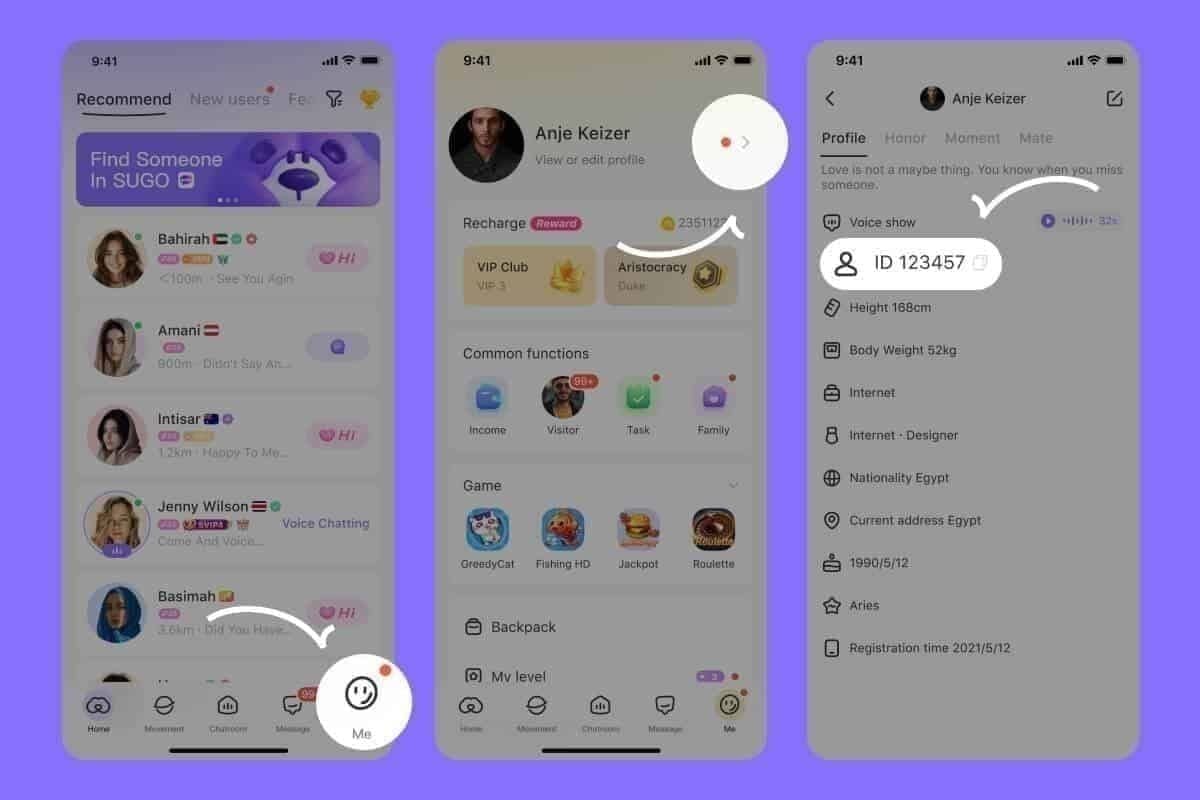
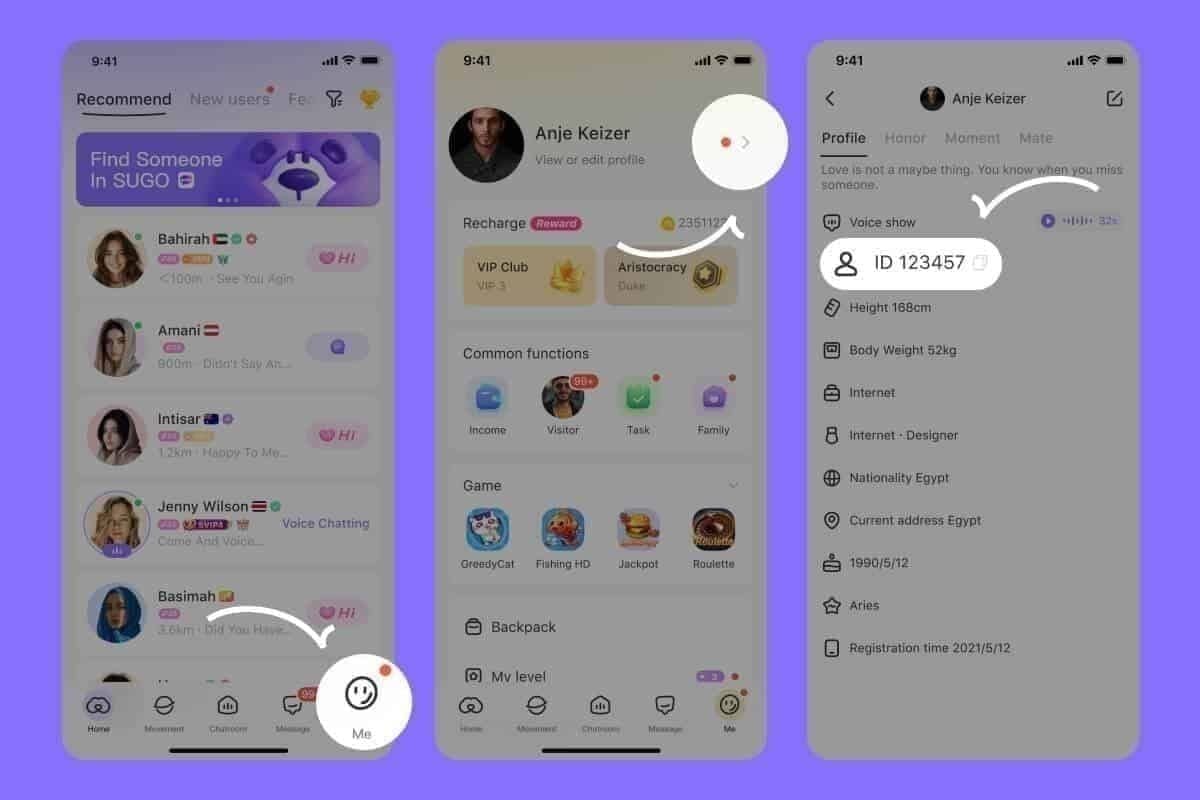
Room chaining operates through verified host networks coordinating themed spaces under unified event branding. Each participating room maintains that crucial 70% verified user ratio and implements entry effects that create seamless transitions. Hosts use the 'Me' tab to track cross-room metrics – joins, gifts, peaks, retention rates across all linked venues.
The magic happens through shared invite systems. Instead of getting a link to one room, participants receive QR codes and links providing access to entire event ecosystems. This approach increases overall event retention by 70% compared to standalone room experiences. Pretty significant difference.
Differences From Standard SUGO Parties
Standard SUGO rooms? Single-host control, limited themes, isolated participant pools. Cross-room collabs distribute hosting responsibilities across verified co-hosts, implement complementary theme progressions, and share participant pools through coordinated navigation systems.
Evening scheduled collabs consistently double participation rates compared to always-open single rooms. The monetization model differs significantly too – individual rooms typically generate 1,200-6,250 coin pools through isolated mini-games, while coordinated collab nights scale mega-pools to 130,000+ coins through joint events and strategic stacking of 2-3 mini-games per hour across multiple rooms.
Technical Foundation: SUGO Room Linking
Here's something that trips up new hosts: SUGO room linking operates through coordinated host networks rather than direct technical connections. The system relies on verified multi-room chains sharing promotional materials, synchronized scheduling, and coordinated entry systems to create seamless participant experiences across multiple independent rooms.
Mobile-only hosting is non-negotiable for technical stability. PC, VPN, and emulator access creates ghost rooms and lag issues that'll compromise your entire collab experience. Room capacity limits remain at 50+ daily active users per space, but linking systems allow horizontal scaling by adding themed rooms rather than overcrowding individual spaces.
Connection Mechanics and Capacity Limits
Room connections function through coordinated invite distribution and shared navigation systems. Hosts generate unified QR codes and invite links through 'Me' tab systems providing access to curated room lists rather than individual spaces. Connection stability depends on consistent mobile-only access across all participating rooms.
Individual rooms maintain standard 50+ daily active user targets, but successful events link 10+ rooms for total capacities exceeding 500+ participants. Optimal scaling follows a 3-5-7-10 room progression – this allows host networks to develop coordination systems before adding complexity.
Performance Requirements
Multi-room events require enhanced stability protocols. Pre-event app updates, mobile-only access enforcement, and coordinated restart procedures aren't optional. The Android 212.4 MB and iOS 529.3 MB app sizes for v2.41.0.0 necessitate adequate device storage and stable network connections across all participating hosts.
Performance optimization involves limiting individual room activities to 3-hour prime-time blocks. Overstuffed events compromise audio quality – learned this the hard way. Audio synchronization occurs through coordinated music bot deployment and shared theme timing rather than technical audio linking.
Planning Your First Cross-Room Collab Night
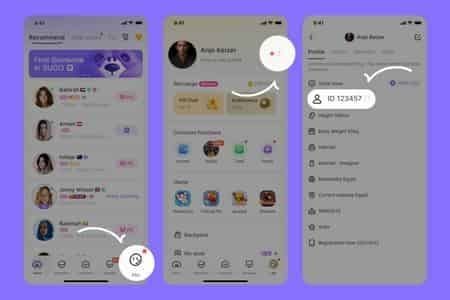
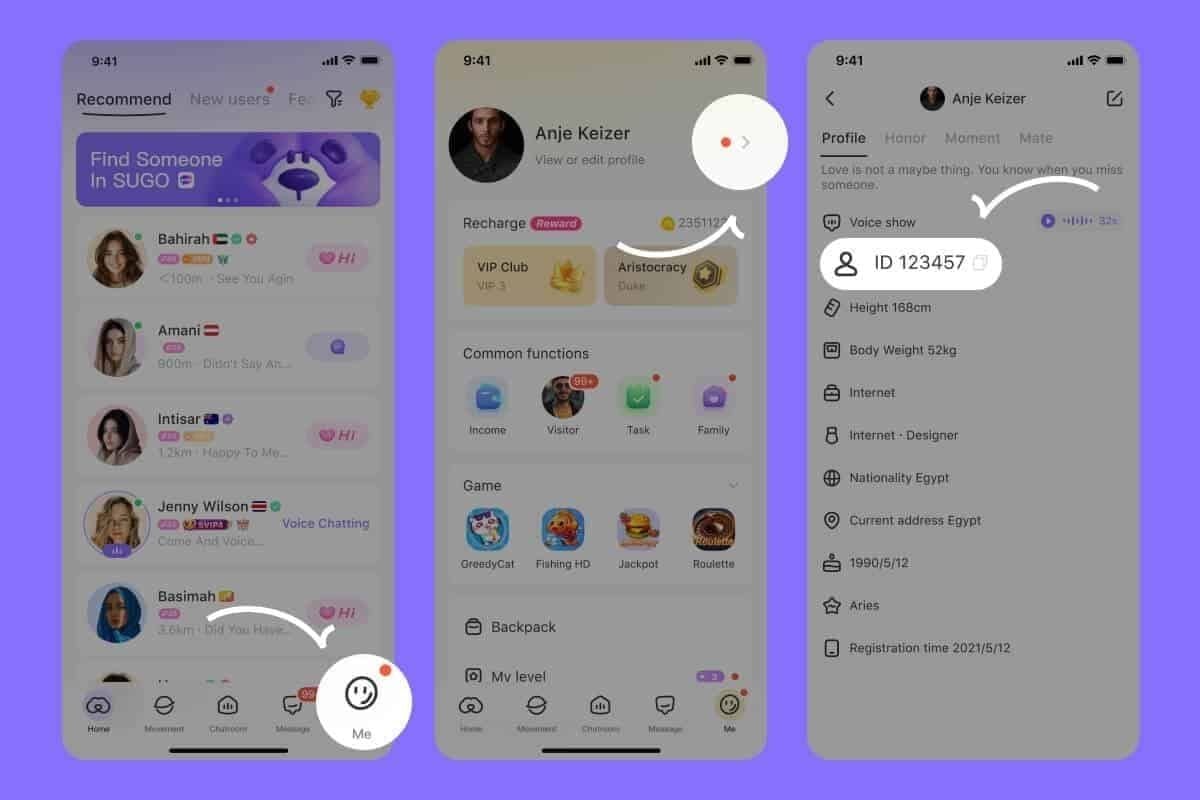
Planning successful cross-room collab nights requires 2-3 weeks preparation. You'll need to coordinate hosts, establish themes, test technical systems, and build promotional momentum. Start by completing your 'Me' tab profile – User ID, badges, decor, voice introductions. This profile becomes your coordination hub for multi-room management and provides the credibility needed to recruit quality co-hosts.
Focus on 3-room configurations initially. The October 28, 2025 patch enables double evening joins for scheduled events, making evening time blocks optimal for new collab nights.
Pre-Event Timeline
Week 1: Host recruitment and theme conceptualization. Identify 2-3 potential co-hosts with established rooms achieving 50+ daily active users and 70% verified ratios. Use 'Me' tab analytics to demonstrate hosting credibility and propose mutually beneficial collaboration structures.
Week 2: Technical setup and theme finalization. Coordinate room customizations including entry effects, verified badges, music bots, and AI icebreakers across all participating spaces. Conduct test connections and practice navigation systems.
Week 3: Promotional execution and final preparations. Generate unified invite links and QR codes, create promotional content, and establish communication protocols for live event coordination.
Co-Host Recruitment and Theme Strategy
Successful co-host recruitment targets established hosts with complementary skills and compatible hosting schedules. You want candidates maintaining rooms with 50+ daily active users, 70% verified ratios, and demonstrated experience with evening mini-games and gift distribution systems.
Effective theme strategies balance variety with coherence. You're creating distinct experiences that feel connected within unified event brands. The karaoke-trivia-roleplay framework proves particularly effective because it offers performance, competition, and creativity within single event ecosystems.
Co-Host Coordination and Management
Effective co-host coordination requires clear role assignments, reliable communication systems, and established protocols for decision-making during live events. Communication systems must function independently of SUGO's in-app features to enable real-time coordination without disrupting room activities.
Primary role categories include event coordination, technical management, promotional execution, and participant engagement. Event coordinators oversee overall scheduling, theme coherence, and inter-room communication. Technical managers handle connection issues, audio coordination, and backup system activation. Each critical role should have designated alternates – continuity matters when primary hosts encounter issues.
Live event communication requires dedicated channels separate from participant-facing room activities. Most successful host teams use private messaging groups enabling real-time coordination without compromising room entertainment quality.
Room Theme Design and Player Experience
Successful room theme design creates complementary experiences encouraging participant exploration while maintaining distinct identities. Theme progression strategies guide participant flow through different energy levels and activity types, creating natural rhythms that sustain engagement throughout extended multi-room events.
The karaoke-trivia-roleplay framework offers performance, competition, and creativity within single event ecosystems. Energy balance prevents participant fatigue while maintaining engagement – typically 60% high-energy and 40% chill spaces works best.
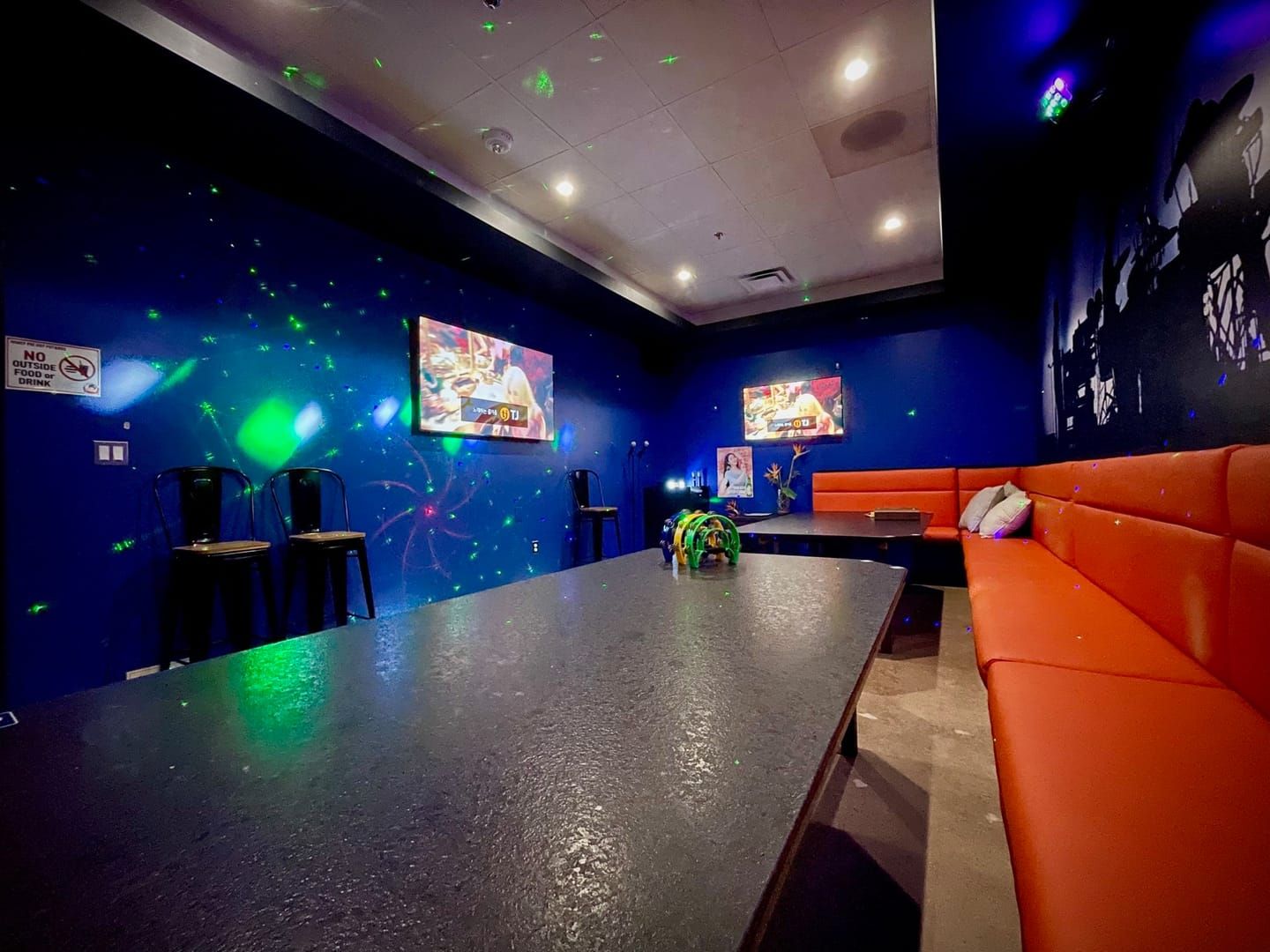
Player experience optimization focuses on intuitive navigation systems and compelling engagement incentives encouraging exploration across all linked rooms. Room discovery occurs through coordinated promotional materials presenting entire event ecosystems rather than individual room features. Movement between rooms should feel organic with natural transition points aligning with activity cycles and participant energy levels.
Currency Management and Monetization
Multi-room currency budgeting starts with baseline requirements of 1,200 coins per room for entry fees and basic prize pools, scaling to 6,250+ coins per room for competitive mini-games. Three-room events typically require 3,600-18,750 coins depending on planned activities and prize pool ambitions.
The monetization model for cross-room events achieves 130,000+ coin mega-pools through strategic event stacking and participant engagement optimization. Currency budgeting must account for entry fees, prize pools, promotional gifts, and operational reserves across all linked rooms. Most successful events maintain 20-30% operational reserves for unexpected opportunities or technical issues.
Coordinated gift distribution creates unified event experiences while maintaining individual room identities. Timing gift distributions to encourage room exploration works better than random distribution that might reinforce single-room concentration. For large events requiring substantial currency reserves, buy SUGO voice chat credits for weekly parties through BitTopup provides currency reserves needed for extensive prize pools and gift distributions across multiple rooms.
Troubleshooting and Scaling Strategies
Multi-room event troubleshooting requires systematic approaches to technical issues, coordination failures, and participant experience problems. Common technical challenges include room connection failures, audio synchronization issues, and app stability problems disrupting individual rooms or entire event networks.
Room connection failures require immediate assessment, rapid communication, and backup activation to minimize participant disruption. Individual room failures often resolve through app reinstallation, network switching, or device restart procedures – usually restoring connectivity within 5-10 minutes. Host absence protocols must include immediate notification systems, backup host activation, and participant communication strategies maintaining event quality despite reduced coordination capacity.
Scaling successful collab nights from initial 3-room configurations to 10+ room mega-events requires systematic growth strategies and enhanced coordination systems. The scaling process typically follows 3-5-7-10 room milestones allowing host networks to develop coordination capabilities before adding complexity. Success indicators include consistent 50+ daily active users per room, 70% verified ratios, and positive participant feedback about multi-room experiences.
Common Misconceptions
The complexity myth assumes multi-room coordination requires advanced technical skills. In practice, successful events rely more on communication, planning, and collaboration skills than technical expertise. New hosts often bring fresh perspectives that enhance collaborative events.
The currency myth assumes multi-room events require prohibitive financial investments. Collaborative funding approaches enable host networks to pool resources and share financial responsibilities, making multi-room events accessible to hosts who couldn't fund equivalent solo events. Starting with basic 3-room events requires 3,600-18,750 coins – within reach of most established hosts.
Participant feedback and retention data consistently demonstrate strong preferences for variety and exploration opportunities that multi-room events provide. Successful multi-room events achieve 70% retention rates compared to typical single-room rates.
FAQ
What are SUGO Cross-Room Collab Nights?
Coordinated multi-room events where 3-10+ themed spaces operate under unified hosting networks creating massive weekly parties. These events chain rooms through shared promotional systems, coordinated scheduling, and collaborative hosting accommodating 500+ participants across karaoke, trivia, and roleplay spaces.
How many rooms can you chain in a SUGO collab event?
Events can effectively chain 3-10+ rooms, with successful mega-events reaching 12+ rooms. Each room maintains 50+ daily active user capacity, but horizontal scaling through multiple themed spaces allows total event capacities exceeding 500+ participants.
What technical requirements exist for room chaining?
Mobile-only hosting across all linked spaces ensures HD voice and video stability. Hosts need updated apps (v2.41.0.0), stable network connections, and coordinated restart procedures. PC, VPN, and emulator access creates ghost rooms and lag issues.
How much SUGO currency do you need for multi-room events?
Multi-room events typically require 3,600-18,750 coins for 3-room configurations, covering 1,200-6,250 coins per room for entry fees and prize pools, plus operational reserves. Daily tasks provide 1,200+ coins, while larger events benefit from strategic currency purchasing.
How do you coordinate multiple hosts?
Multi-host coordination uses external communication channels, clear role assignments including event coordinators and technical managers, and backup coverage systems with 150% host capacity. Pre-established protocols handle decision-making, conflict resolution, and emergency procedures.
How do you grow from 3 to 10 rooms?
Growth follows systematic 3-5-7-10 room milestones developing coordination capabilities before adding complexity. Success requires maintaining 50+ daily active users per room with 70% verified ratios, enhanced communication systems, and sustainable financial models through revenue sharing.