

Compare the best ChatGPT models in 2026 for programming and logic. Discover benchmark rankings, tier limits, and how GPT-5.6 Sol, Terra, and o3 stack up.
OpenAI expanded its model roster, and routing a prompt to the wrong engine burns through rate limits or produces broken code. Following the restructuring into the GPT-5.6 generation alongside dedicated reasoning engines, your model selection directly dictates execution speed, token spend, and architectural reliability.
Here is how each active engine—GPT-5.6 Sol, Terra, Luna, the o-series reasoning models, and GPT-4.1—performs across software development, complex logic, and daily engineering workflows.
The 2026 Roster: Understanding GPT-5.6 and Reasoning Engines
OpenAI restructured its lineup under the GPT-5.6 generation on July 9, 2026, dividing frontier intelligence into three tiers: Sol, Terra, and Luna. This architecture runs parallel to the dedicated o-series reasoning engines (o1, o3, and o3-mini) and high-context systems like GPT-4.1.
                    ┌─────────────────────────────────────────┐
                    │            OpenAI 2026 Roster           │
                    └────────────────────┬────────────────────┘
                                         │
         ┌───────────────────────────────┼───────────────────────────────┐
         ▼                               ▼                               ▼
┌─────────────────┐             ┌─────────────────┐             ┌─────────────────┐
│  GPT-5.6 Family │             │ o-Series Logic  │             │ Context Masters │
├─────────────────┤             ├─────────────────┤             ├─────────────────┤
│ Sol (Frontier)  │             │ o3 (Deep Chain) │             │ GPT-4.1 (1M Tok)│
│ Terra (Balance) │             │ o3-mini (Rapid) │             │ GPT-4o (Legacy) │
│ Luna (Speed)    │             │ o1 / o1 Pro     │             │                 │
└─────────────────┘             └─────────────────┘             └─────────────────┘
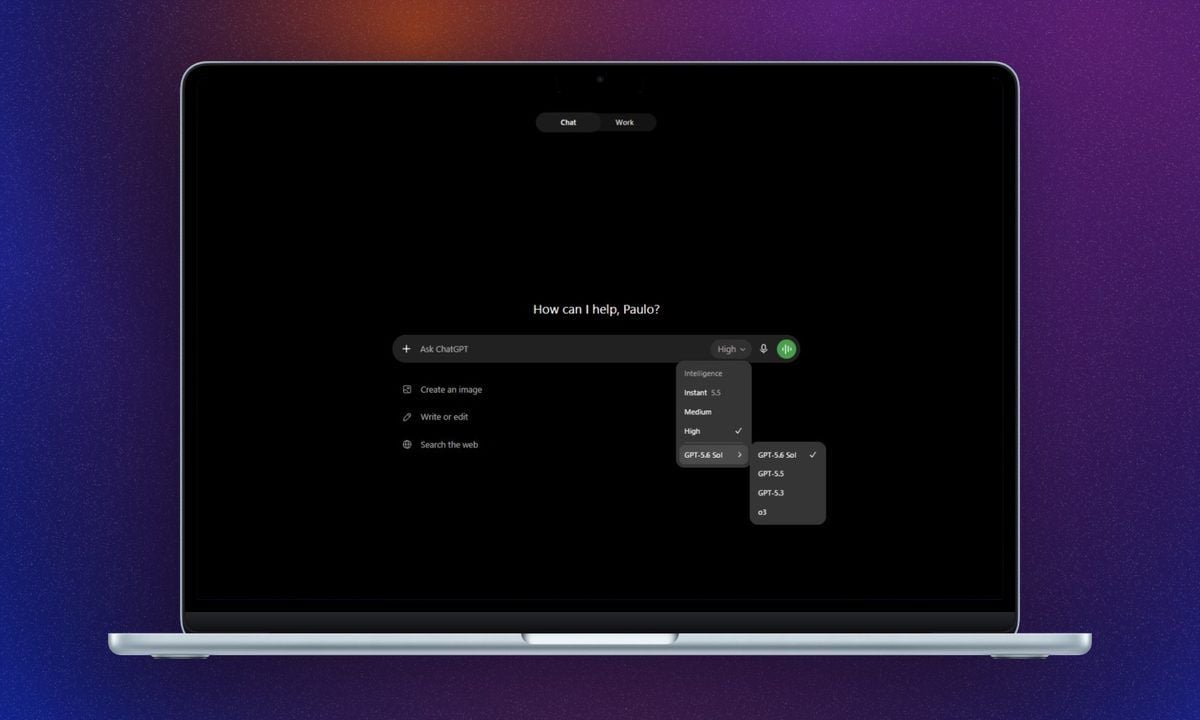
The user interface also shifted. After technical users rejected an attempt to force automated model routing through a unified prompt bar, OpenAI restored manual picker controls. Paid subscribers can pin specific engines or switch between Auto, Fast, and Thinking routes manually.
Each model class targets a distinct computational budget:
- GPT-5.6 Sol: The flagship frontier model. It handles systemic architecture, multi-tiered refactoring, and complex analytical reasoning with an adjustable thought slider.
- GPT-5.6 Terra: The balanced workhorse. It delivers high intelligence at a lower compute cost, making it the practical choice for day-to-day engineering.
- GPT-5.6 Luna: The high-speed default. Built for instant responses, low-latency script drafting, and quick syntax lookups.
- o3 and o3-mini: Specialized reasoning models built with native chain-of-thought loops designed for algorithmic proofs and deep debugging.
- GPT-4.1: The repository reader. Built with an expansive 1-million-token context window for massive codebase ingestion.
Definitive Model Tier List for Engineering and Architecture
Role specialization matters. Sending a syntax fix to a heavyweight frontier model wastes time, while assigning a distributed system refactor to a fast tier creates technical debt.
The table below outlines the core characteristics, primary specializations, and operational roles for each active model in the 2026 lineup.
| Model Name | Core Role | Key Strength | Ideal Use Case |
|---|---|---|---|
| GPT-5.6 Sol | Frontier Flagship | Deep architectural reasoning & thought slider | Large system design, full-stack debugging, multi-module logic |
| GPT-5.6 Terra | Balanced Standard | High-efficiency intelligence at low compute cost | Daily feature implementation, code review, unit test writing |
| GPT-5.6 Luna | Fast Default | Ultra-low latency single-pass output | Syntax lookup, regex generation, simple shell scripts |
| o3 | Heavy Reasoner | Deep chain-of-thought self-reflection | Math proofs, race condition analysis, competitive programming |
| o3-mini | Rapid Reasoner | 24% faster latency than earlier reasoners | Fast algorithmic debugging, data structures, logic checks |
| GPT-4.1 | Context Workhorse | 1,000,000 token API context window | Entire repository ingestion, deep documentation analysis |
| GPT-4o | Legacy Multimodal | Real-time multimodal audio and vision processing | Live screen analysis, multimodal diagrams, fast basic drafting |
Takeaway: Match prompt complexity to compute depth. Rely on GPT-5.6 Sol and o3 for architectural decisions, and route daily scripting tasks through Terra or Luna to preserve rolling quotas.
If your current plan restricts access to the top tier, you can upgrade to ChatGPT Plus or Pro to access frontier models without hitting restrictive wall limits.
Deep Logic and Algorithm Showdown: o3, o3-mini, and o1 Pro
Reasoning models do not generate tokens through simple next-token prediction. Models like o1, o3, and o3-mini run internal chain-of-thought processing and self-reflection loops before emitting visible text. They catch their own logical fallacies, verify intermediate math, and evaluate alternative execution paths.
The trade-off is latency. Sending a basic query to o1 Pro can trigger a 30 to 40 second delay, and complex multi-step prompts can take several minutes. On hard logic puzzles, competitive programming, and concurrency debugging, that processing time prevents critical software bugs.
[User Prompt] ──► [Hidden Self-Reflection Loop] ──► [Internal Step Verification] ──► [Final Code Output]
                           │                                   ▲
                           └─────── Error Detected? ───────────┘
The o3-mini model provides the most practical balance for daily engineering. It operates with 24% faster latency than previous reasoning engines while retaining sharp mathematical deduction. Plus and Pro users working with GPT-5.6 Sol can adjust this behavior with the thought slider, dialing reasoning intensity up for critical security reviews or down for faster generation.
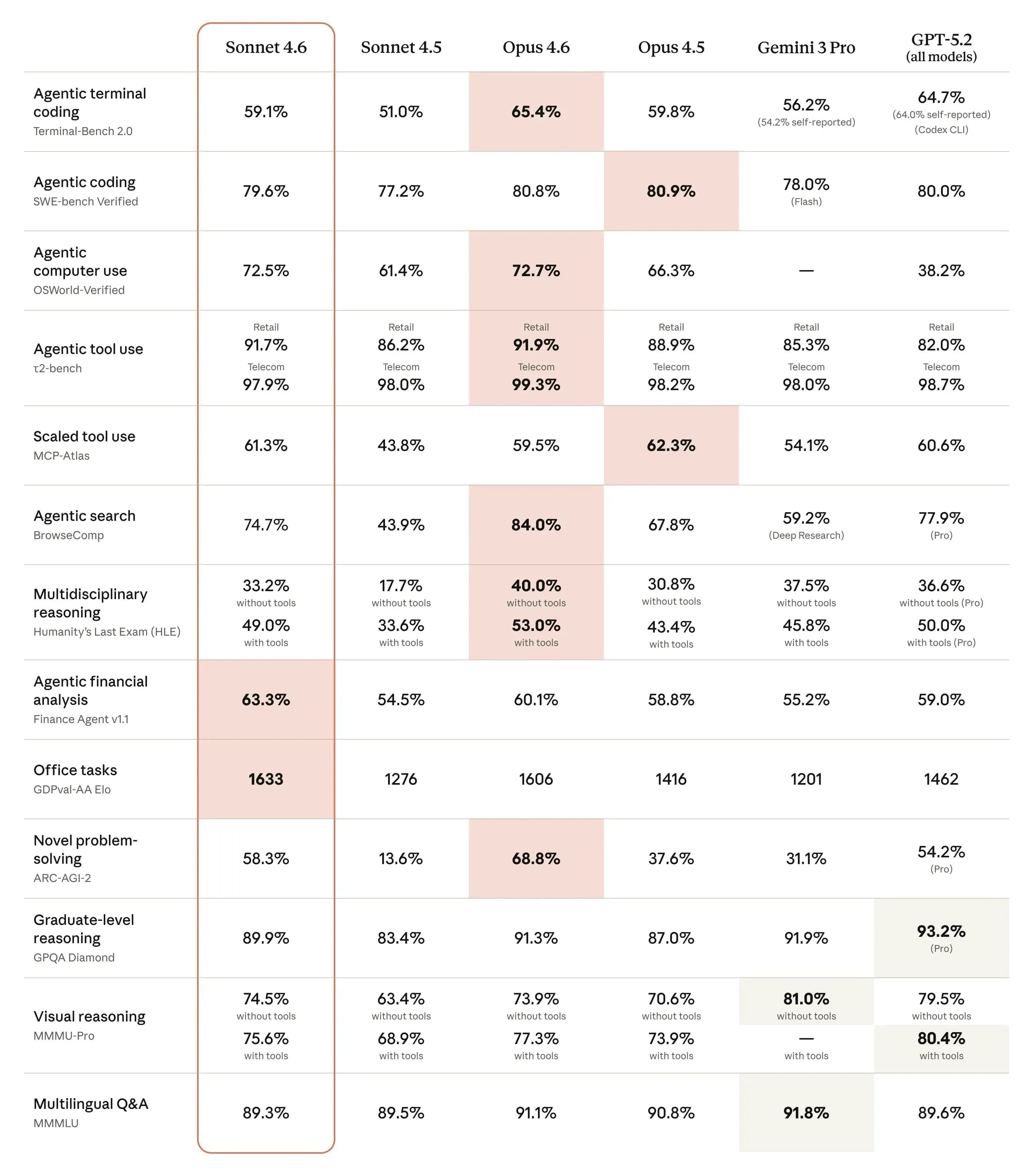
| Model | SWE-bench Verified | AA-Omniscience Accuracy | PersonQA Open Hallucination | Grounded Summarization Error | | :--- | :--- | :--- | :--- | | GPT-5.6 Sol | Top Tier | 59.0% | Moderate | < 2.0% | | GPT-4.1 | 54.6% | Standard Tier | Low-Moderate | < 2.0% | | o3 | High Tier | Specialized Logic | 33.0% | < 2.0% | | o1 | High Tier | Specialized Logic | 16.0% | < 2.0% | | GPT-4o | Baseline | Legacy Baseline | Baseline | < 2.5% |
Takeaway: Grounded error rates remain exceptionally low across all modern engines, but open-domain hallucination risks climb on aggressive reasoning engines like o3 when answering trivia outside strict context boundaries.
Massive Context Handling: GPT-4.1 vs Legacy GPT-4o
When refactoring a codebase across dozens of files, context capacity outweighs pure step-by-step reasoning.
GPT-4.1 provides a 1-million-token API context window alongside a 54.6% score on SWE-bench Verified. It processes codebases 40% faster and 80% cheaper per query compared to legacy GPT-4o. While GPT-4o remains useful for real-time audio and vision, GPT-4.1 is purpose-built for repository analysis, dependency tracking, and long documentation ingestion.
┌────────────────────────────────────────────────────────┐
│ GPT-4.1 Context Window: 1,000,000 Tokens               │
├────────────────────────────────────────────────────────┤
│ [Full Repo Architecture] [All Config Files] [API Specs]│
└────────────────────────────────────────────────────────┘

┌───────────────────────────────┐
│ GPT-4o Context: Up to 128k    │
├───────────────────────────────┤
│ [Single Module] [Patch Diff]  │
└───────────────────────────────┘
Interface handling for large inputs also improved. Pasting more than 10,000 characters automatically converts the text into an attached document in ChatGPT. The composer preserves structure, connects Library references, and lets you continue typing while the engine ingests the file.
Rate Limits: Free, Go, Plus, and Pro Breakdowns
Subscription tiers dictate available models and throughput limits during heavy sprints. OpenAI provides six tiers: Free, Go, Plus, Pro, Business, and Enterprise.
Free users operate under tight caps, receiving 10 messages every 5 hours before falling back to lightweight mini tiers. ChatGPT Go provides higher limits for everyday tasks without full Pro compute. Ads run on Free and Go accounts in 31 European markets, but paid tiers (Plus, Pro, Enterprise) remain ad-free.
To ensure your engineering flow remains uninterrupted during crunch sessions, you can secure a ChatGPT Plus subscription to lock in higher message thresholds and access frontier reasoning tools.
| Subscription Tier | Monthly Cost | Flagship Message Allocation | Ad Policy | Key Model Access |
|---|---|---|---|---|
| Free | $0 | 10 messages / 5 hours (mini fallback) | Ads active (select regions) | GPT-5.6 Luna, basic mini models |
| Go | Budget Tier | Higher standard allocations | Ads active (select regions) | GPT-5.6 Luna, standard routing |
| Plus | $20 / mo | Up to 160 messages / 3 hours | 100% Ad-Free | GPT-5.6 Sol/Terra, o3-mini, Canvas |
| Pro | $200 / mo | Uncapped flagship access | 100% Ad-Free | o1 Pro mode, Deep Search, Sol max thought |
| Business / Enterprise | Custom | High / Uncapped pooled limits | 100% Ad-Free | Admin controls, Private Safety Processing |
Takeaway: The $20 Plus tier satisfies most professional developers, but teams handling continuous repository refactoring or running intensive o1 Pro queries require the uncapped capacity of Pro.
OpenAI dynamically throttles Plus users on flagship models during severe global peak traffic. Pro subscribers remain exempt from dynamic throttling.
Prompt Optimization: Why Classic Prompting Fails on 2026 Reasoners
Old prompt habits degrade native reasoning models. Adding instructions like "think step by step" or "explain your reasoning before writing code" to o1 or o3 harms output quality.
Reasoning models deliberate internally. Forcing external step-by-step instructions clutters generation tokens, disrupts internal self-reflection, and wastes context budget. State your exact constraints, boundaries, and acceptance criteria instead.
BAD PROMPT (Degrades Reasoning Models):
"Think step by step. First examine the database schema, then write the SQL query,
and make sure you explain every single line of logic before giving the code."

GOOD PROMPT (Maximizes Output Quality):
"Write an optimized PostgreSQL query to identify orphan records across user_sessions.
Constraints: Execution plan must avoid sequential scans on tables > 1M rows.
Return only the query and an EXPLAIN ANALYZE summary block."
When using GPT-5.6 Sol, match the thought slider to the problem. Keep it low for boilerplate API scaffolding, and increase it to maximum for cryptographic checks, race condition audits, or state machine transitions.
Specialized Workflows: Deep Search, Canvas, and Desktop Automation
OpenAI supports targeted engineering workflows through dedicated interface tools and API updates:
- OpenAI Deep Search: Uses agentic o3 reasoning to crawl documentation, forums, and technical whitepapers over a 5 to 30-minute investigation cycle. It compiles structured findings with exact citations for obscure debugging cases.
- Canvas Mode: Side-by-side editing interface. Highlight specific functions, request targeted refactors, and test localized edits without regenerating entire files.
- Desktop Native Integration: ChatGPT Desktop supports macOS and Linux distributions (Ubuntu 24.04/26.04, Debian 13, and Fedora 43/44). macOS Pro and Enterprise users can enable Computer History for automated application timeline context.
- Private Safety Processing: Deployed August 19, 2026, this Zero Data Retention security layer evaluates prompt risks without exposing proprietary code to human review.
- Python SDK v3.0+: Programmatic access runs over HTTPX2 by default, adding WebSocket stream IDs, shell streaming events, and direct fast/ultrafast routing endpoints.
Operational Decision Matrix: Choosing the Exact Model for Your Ticket
Follow this 4-step dispatching protocol to route tasks efficiently:
                                  [Incoming Task]
                                         │
                  Is it a complex multi-file codebase (>100k tokens)?
                                  ├──► YES: GPT-4.1
                                  └──► NO
                                         │
               Does it require advanced logic, math, or deep debugging?
                                  ├──► YES: o3-mini or o3
                                  └──► NO
                                         │
                 Is it a high-level system architectural design?
                                  ├──► YES: GPT-5.6 Sol
                                  └──► NO
                                         │
                 Routine script, syntax check, or boilerplate
                                  └──► GPT-5.6 Terra or Luna
- Massive Codebase Ingestion (>100k tokens): Select GPT-4.1. Auditing full repositories or multi-file diffs requires the 1M context window to prevent truncation.
- Algorithmic Proofs, Math, and Deep Debugging: Select o3 or o3-mini. Concurrency bugs, memory leak analysis, and complex algorithms benefit from native chain-of-thought verification.
- System Architecture and Complex System Design: Select GPT-5.6 Sol. Establishing module boundaries, API schemas, and core backend logic requires Sol's frontier reasoning depth.
- Boilerplate, Unit Tests, and Syntax Lookups: Select GPT-5.6 Terra or Luna. Rapid scripting, CSS fixes, and mock data generation run instantly on Terra or Luna without touching flagship quotas.
For power users managing heavy development cycles across multiple projects, investing in ChatGPT Pro access grants full o1 Pro reasoning depth, uncapped usage limits, and maximum thought slider parameters.
Frequently Asked Questions
Which ChatGPT model is best for complex coding in 2026?
GPT-5.6 Sol is the strongest overall model for software architecture, systemic refactoring, and multi-file debugging. Specialized reasoning engines like o3 and large-context tools like GPT-4.1 also lead the pack depending on whether your task requires deep algorithmic reflection or massive repository ingestion.
What is the difference between GPT-5.6 Sol, Terra, and Luna?
GPT-5.6 Sol acts as the frontier flagship, delivering maximum analytical intelligence and an adjustable thought slider for heavy engineering tasks. Terra balances high capability with lower compute latency for everyday coding, while Luna operates as the ultra-fast, lightweight tier designed for rapid syntax lookups and simple scripts.
Why shouldn't you prompt reasoning models to 'think step by step'?
Reasoning models like o1, o3, and o3-mini already perform native internal chains of thought and self-reflection loops before generating visible text. Adding explicit step-by-step instructions can confuse the internal solver, clutter the output, and degrade the quality of the generated code.
How can I avoid hitting rate limits on ChatGPT Plus during long coding sessions?
Route routine boilerplate, unit test scaffolding, and simple syntax questions through GPT-5.6 Terra or Luna to preserve your rolling quota. Reserve your flagship allocation of GPT-5.6 Sol and o3 strictly for intricate architectural design, complex logic proofs, and stubborn debugging problems.
When should I choose GPT-4.1 over an o-series reasoning model?
Select GPT-4.1 when you need to ingest massive multi-file code repositories, large logs, or long API documentation across its 1-million-token context window. Choose an o-series model when your prompt requires deep mathematical verification, concurrency debugging, or iterative algorithmic problem-solving.
What happens when you paste over 10,000 characters into ChatGPT?
Pasting text exceeding 10,000 characters automatically converts the content into an attached text document across all ChatGPT subscription plans. This keeps the prompt composer clean, preserves document formatting, and lets the model ingest the code as a structured context attachment.
Are paid ChatGPT plans affected by the recent ad expansion?
No. While ChatGPT Ads expanded across 31 European markets for Free and Go tiers, all paid subscriptions—including Plus, Pro, Business, and Enterprise—remain completely ad-free.
Final Verdict: Which Engine Deserves Your Default Slot?
GPT-5.6 Terra is the recommended default daily driver. It provides the optimal balance of speed and technical precision, resolving most everyday engineering tickets without depleting rate limits or introducing long reasoning delays.
When a critical bug threatens production or you are designing a distributed backend, switch to GPT-5.6 Sol with an active thought slider, or deploy o3-mini. Keep GPT-4.1 for multi-file repository audits, and route quick CLI syntax lookups through Luna. Matching tasks to model strengths maximizes development speed while protecting rolling quotas.