Understanding WeSing's New Tuning Mode
WeSing's new Tuning Mode uses adaptive algorithms that sample your voice every 100ms for micro-adjustments that preserve natural vocal character. Version 5.94.1 (released December 2, 2026) introduced granular controls separating correction intensity from response timing.
Three core parameters: correction intensity (0-100%), response speed (Slow/Medium/Fast), and vibrato preservation (0-100%). Previous versions forced preset modes with limited customization, causing robotic sound on high notes. The new system allows precise calibration adapting to individual vocal characteristics.
For premium features and advanced tuning presets, WeSing Kcoin top up through BitTopup provides competitive pricing and instant delivery.
Evolution from Classic Auto-Tune
Original WeSing tuning applied uniform pitch correction regardless of context, creating unnatural artifacts on sustained high notes and rapid runs. New Tuning Mode employs context-aware processing distinguishing intentional pitch bends (slides, scoops) from unintentional drift.
System recognizes perfect pitch within 5 cents (hundredths of a semitone); deviations of 5-15 cents score 80-90% accuracy. This precision provides targeted assistance only where needed, maintaining human warmth and emotional nuance while achieving technical accuracy.
Key Technical Improvements
December 2026 update enhancements:
- Audio processing: 192 Kbps stereo, 70ms target latency
- 256 audio samples (lower-end devices), 128 samples (high-performance devices)
- Network requirements: 5+ Mbps upload, <100ms ping, <1% packet loss, <30ms jitter
- Southeast Asia server lock for optimal stability
Impact on Vocal Performance
Scoring algorithm weights:
- Pitch accuracy: 35-40%
- Harmony synchronization: 25-30%
- Timing precision: 20-25%
- Vocal expression: 15-20%
Tuning Mode directly impacts pitch accuracy but excessive correction reduces vocal expression by flattening dynamics. Score multipliers create significant incentive: 76-85% accuracy = 1.5x, 86-95% = 2x, 96-100% = 3x. Increasing accuracy from 80-90% typically raises scores by 3.5-4%.
The Robotic Sound Problem
Robotic auto-tune occurs when pitch correction happens too aggressively or quickly, snapping voice to nearest pitch center without natural transition time. High notes are vulnerable because vocal effort produces slight pitch instability that aggressive correction misinterprets as errors.
Common Causes
- Excessive intensity (>70%): Forces perfect pitch alignment regardless of context, eliminating subtle variations conveying emotion
- Fast response speeds: Apply corrections instantaneously, preventing natural pitch approach
- Low vibrato preservation (<50%): Flattens natural oscillation, making high notes static and lifeless
How Correction Destroys Character
Correction intensity scale:
- <30%: Subtle assistance, maintains character
- 30-70%: Moderate correction, some character preservation
70%: Aggressive correction prioritizing pitch perfection over natural sound
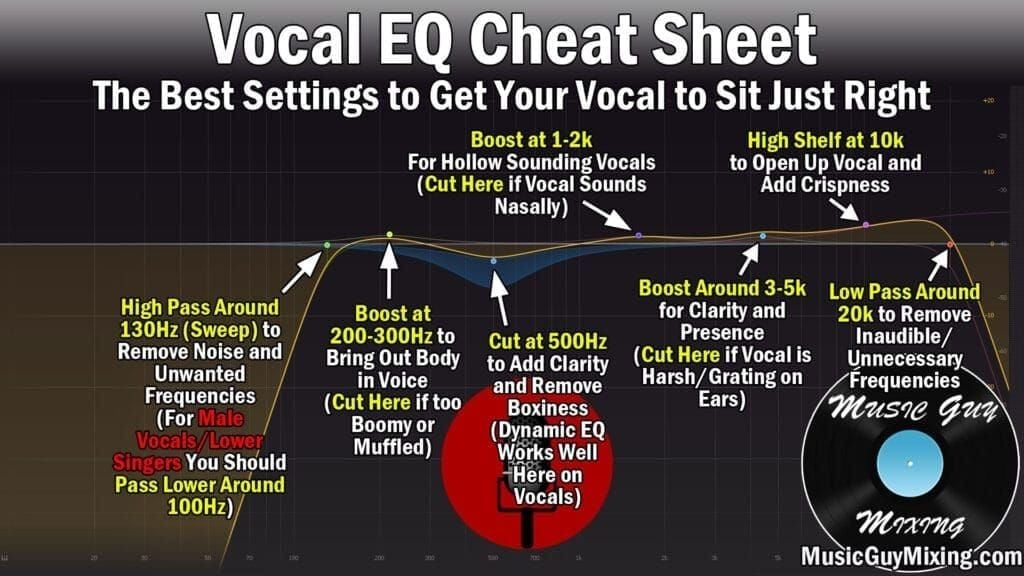
When corrections apply faster than natural vocal transitions, system creates artificial jumps between pitches rather than smooth glides. Particularly noticeable on melismatic passages where rapid pitch changes are intentional musical choices.
Natural vs. Robotic Processing
Natural singing involves continuous pitch modulation—constant micro-adjustments as you sustain notes, approaching target pitches gradually. When pitch correction eliminates these transitions by forcing instantaneous alignment, the brain recognizes artificial sound violating acoustic patterns of natural vocalization.
New Tuning Mode's Medium response speed introduces deliberate processing delay, giving voice time to naturally approach target pitch before correction engages. The 40-60% intensity range represents optimal balance where assistance is present but not dominant.
Exact Settings for Clean High Notes
Accessing Settings Panel
Navigate: Profile → Settings → Audio Settings → Tuning Mode toggle
Panel displays three primary controls:
- Correction Intensity (0-100% slider)
- Response Speed (Slow/Medium/Fast)
- Vibrato Preservation (0-100% slider)
Enable Show Advanced Controls for additional options.
Complete 5-10 minute warmup calibration: sing scales across full vocal range while system analyzes natural pitch tendencies, vibrato characteristics, and timbre. AI customizes correction algorithms for your voice. System requires 5-10 songs to fully optimize learning model.
Optimal Correction Intensity: 40-60%
This range offers sufficient support to stabilize pitch while preserving natural variation. Start at 50% baseline, then adjust:
- Strong natural pitch accuracy: reduce to 40-45%
- Developing skills: increase to 55-60%
Correction intensity operates non-linearly: each 10% increase above 60% produces disproportionately more artificial sound. Test with sustained high notes on vowel sounds (ah,ee) to verify natural tone quality.
Response Speed: Medium
Medium setting introduces 45-65ms processing delay, allowing voice to naturally approach target pitches before correction engages. Fast creates robotic snap; Slow allows too much pitch drift, creating wavering quality.
Medium works synergistically with 40-60% intensity—combination provides supportive correction following vocal technique rather than overriding it. Critical for belted high notes where you need time to establish vocal cord closure and resonance before pitch stabilizes.
Voice Type Adjustments
Soprano: 35-50% intensity, 60-70% vibrato preservation
- Higher fundamental frequencies (C4-C6) produce clearer pitch definition
- For notes above C5: reduce to 35-40% intensity, maintain 65-70% vibrato
Alto/Tenor: 40-60% intensity, Medium response
- Mid-range voices balance stability and upper range challenges
- For mixed voice/falsetto (above F4): maintain 55-60% vibrato preservation
Bass: 50-70% intensity
- Lower frequencies have complex harmonic structures requiring stronger correction
Advanced Parameters
Vibrato Control (60-70% optimal)
Natural vibrato oscillates 5-8 cents above/below target pitch at 5-7 cycles per second.
- <60%: Flattens oscillation, reduces expressiveness
70%: Allows excessive vibrato sounding uncontrolled
Genre adjustments:
- R&B/soul: 70-80% for expressive ornamentation
- Rock/pop: 60-65% for controlled warmth
- Classical/operatic: 65-75% for wide, controlled vibrato
Microphone Input Level
Position mic 6-8 inches from mouth at 45-degree angle.
Sensitivity settings:
- Quiet rooms: 40-50%
- Noisy environments: 60-70%
Aim for peaks at -12dB to -6dB range for optimal signal-to-noise ratio. Wired headphones reduce audio desync by 40-50% versus wireless.
Genre-Specific Strategies
Pop (90-110 BPM): 40-55% intensity, Medium response
- Balances technical precision with emotional delivery
R&B: 40-55% intensity, 70-80% vibrato preservation
- Accommodates expressive runs and melismatic ornamentation
Rock: 30-45% intensity, 50-60% vibrato preservation
- Preserves raw, edgy quality and natural grit
- For belted high notes: reduce to 30-35%
Ballads (60-80 BPM): 50-70% intensity, 65-70% vibrato preservation
- Slower tempo exposes pitch instability; sustained notes need support
- Maintains emotional expression
Classical/Operatic: 30-40% intensity, 70-80% vibrato preservation
- Trained voices need minimal assistance
- Values natural vocal production
Complementary Settings
Network Optimization
Requirements:
- 5+ Mbps upload speed
- <100ms ping
- <1% packet loss
- <30ms jitter
Peak hours (7-11 PM) increase server errors by 23%. Enable router QoS prioritization for WeSing traffic. Lock to Southeast Asia servers if in region. Use 3-5 second pause before starting (70% success rate for stable connection).
Audio Configuration
- Output: 192 Kbps stereo
- Target latency: 70ms
- Use wired headphones (40-50% less desync)
- High-performance devices: switch to 128 audio samples for reduced latency
System Requirements
- Android: 2GB+ RAM, 500MB+ storage
- iOS: 13.0+
- Close background apps before performing
Pro Tips
Progressive Training
Start at 60% for challenging songs, reduce by 5% increments as you master material. This builds genuine vocal skill while using assistance as temporary support. Record practice sessions at different settings to objectively compare results.
Custom Presets (up to 5)
Create presets for common scenarios:
- Pop_Medium: 50% intensity, Medium response, 65% vibrato
- Ballad_High: 60% intensity, Medium response, 70% vibrato
- Rock_Raw: 35% intensity, Medium response, 55% vibrato
Test across multiple songs in each category, refine based on results.
When to Disable
For songs within comfortable range with strong pitch confidence, disable entirely to maximize vocal expression score. Competitive players sometimes disable for easier verses, enable only for challenging choruses with high notes.
Enhance with BitTopup
Buy WeSing Kcoin online through BitTopup for premium features:
- Additional custom preset slots
- Advanced audio analytics with detailed pitch accuracy graphs
- Priority server access reducing latency during peak hours
- Professional vocal coaches' recommended configurations
- Genre-specific preset libraries from top performers
- Early access to new audio processing features
Competitive pricing, fast delivery, secure transactions, excellent customer service.
Troubleshooting
Overly Processed Sound
- Reduce intensity by 10% increments
- Verify vibrato preservation ≥60%
- Check mic input peaks at -12dB to -6dB
- Switch from Fast to Medium response speed
Pitch Jumping/Warbling
Jumping (sudden unnatural leaps):
- Reduce intensity to 35-45%
- Ensure Medium response speed
Warbling (rapid uncontrolled oscillation):
- Verify network: 5+ Mbps upload, <100ms ping, <1% packet loss, <30ms jitter
- Lock to Southeast Asia servers
- Enable router QoS
- Reduce vibrato preservation to 50-55%
Latency/Timing Issues
- Use wired headphones (40-50% less desync)
- Close background apps
- High-performance devices: switch to 128 audio samples
- Perform during off-peak hours
- Use 3-5 second pause before starting
FAQ
What is the new Tuning Mode in WeSing?
Advanced pitch correction system sampling voice every 100ms with customizable controls: correction intensity (0-100%), response speed (Slow/Medium/Fast), vibrato preservation (0-100%). Provides natural-sounding assistance preserving vocal character while improving pitch accuracy.
Best settings for high notes?
40-60% correction intensity, Medium response speed, 60-70% vibrato preservation. Soprano: 35-50% intensity; alto/tenor: 40-60%; bass: 50-70%. Maintains natural character while stabilizing challenging pitches.
How to stop sounding robotic?
Reduce intensity to 40-60%, set Medium response speed, increase vibrato preservation to 60-70%. Ensure mic input peaks at -12dB to -6dB, position 6-8 inches away at 45-degree angle, use wired headphones.
Does Tuning Mode affect scores?
Yes. Impacts pitch accuracy (35-40% of score) and vocal expression (15-20%). Score multipliers: 76-85% = 1.5x, 86-95% = 2x, 96-100% = 3x. Proper configuration crucial for competitive performance.
Network requirements?
5+ Mbps upload, <100ms ping, <1% packet loss, <30ms jitter. Lock to Southeast Asia servers if in region, enable router QoS, avoid peak hours (7-11 PM, 23% more server errors).
Different settings for genres?
Yes. Pop (90-110 BPM): 40-55%; ballads (60-80 BPM): 50-70%; rock: 30-45%; R&B: 40-55% with 70-80% vibrato. Adjust based on genre's vocal style and tempo.